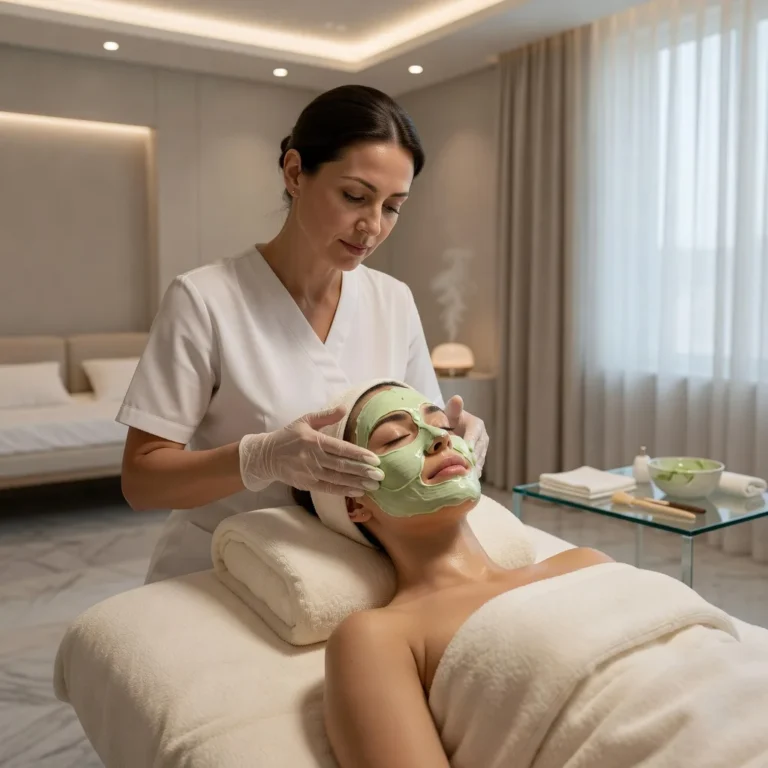
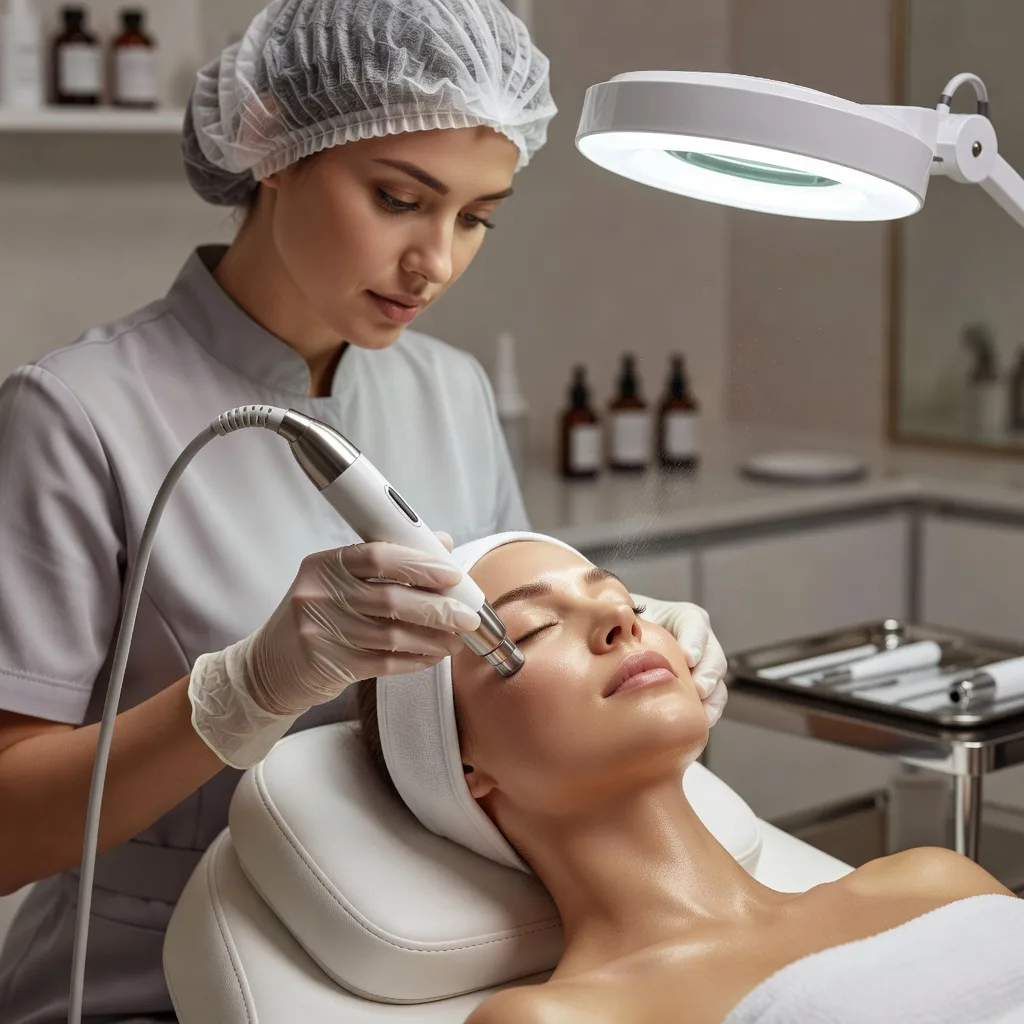
Hydrodermabrasion: What It Actually Does
Hydrodermabrasion describes an entire category of devices, not one single brand, and understanding that distinction changes how you should shop for it.
Part of our guide to facial treatments. Start with: Is Hydrafacial a Gimmick? What Evidence Shows
The mechanism swaps physical abrasive contact for a water-based vortex or jet stream combined with vacuum suction, a genuine mechanical difference from crystal or diamond-tip microdermabrasion. HydraFacial is, mechanically, one specific patented device within this broader category, not a separate technology.
Every device in this category, branded or generic, is FDA Class I and exempt from premarket safety review.
This guide covers the real mechanism, how branded and generic devices differ in evidence base, and who should modify or skip the treatment.
Recommended At-Home Hydrating Exfoliation Tools


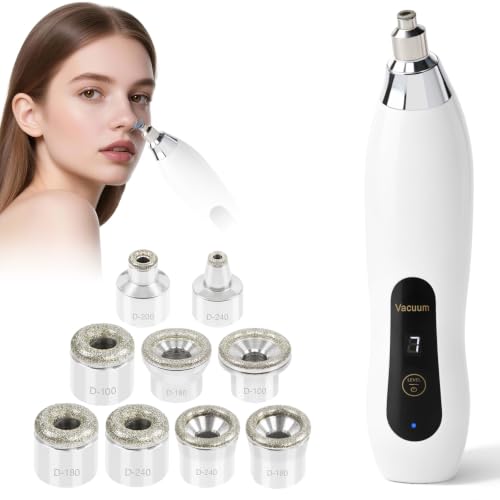
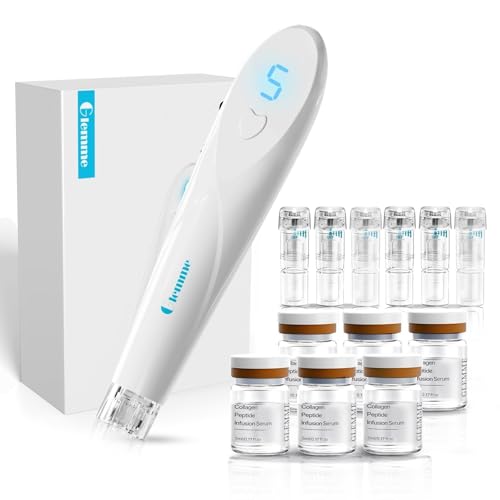
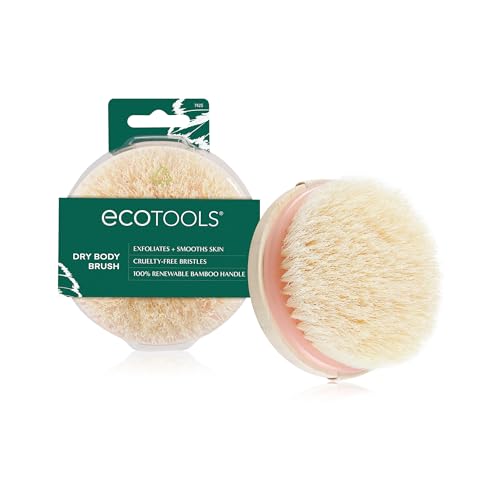
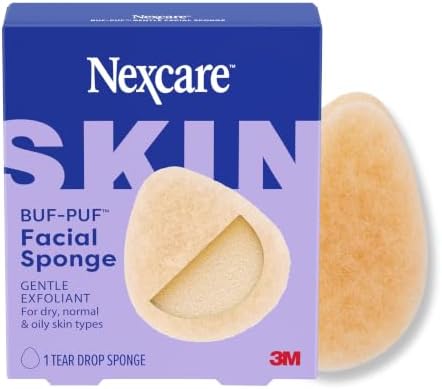
What Hydrodermabrasion Actually Means
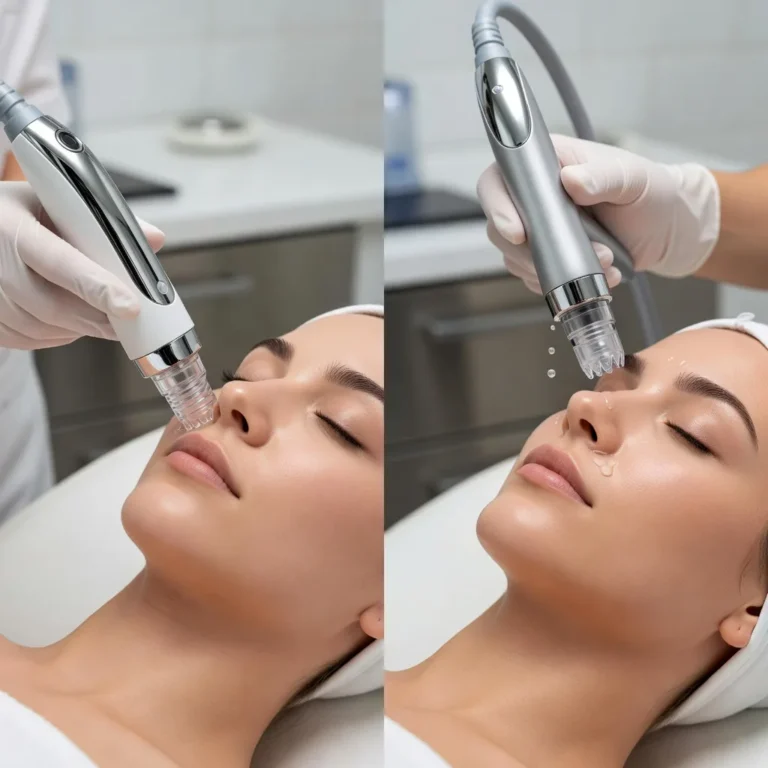
Hydrodermabrasion is a general mechanism, not a single product: a water-based jet or vortex stream, often carrying a mild serum or saline solution, combined with vacuum suction to exfoliate and extract debris at the same time — without any physical abrasive medium ever touching the skin. That’s the defining mechanical difference from standard microdermabrasion, which relies on an aluminum-oxide or sodium-bicarbonate crystal spray, or a diamond-coated tip, physically abrading the outer layer of skin. “Hydrodermabrasion” describes that water-jet-plus-suction category broadly; it isn’t owned by any one company.
Shopping these picks?
Amazon Prime members get fast, free shipping on eligible items, plus Prime Video, Amazon Music and member deals. New members can start with a free trial.
Start a free Prime trialAged 18 to 24? Prime for Young Adults comes with a longer free trial and a lower price after it.
Affiliate link: we may earn a commission at no extra cost to you.
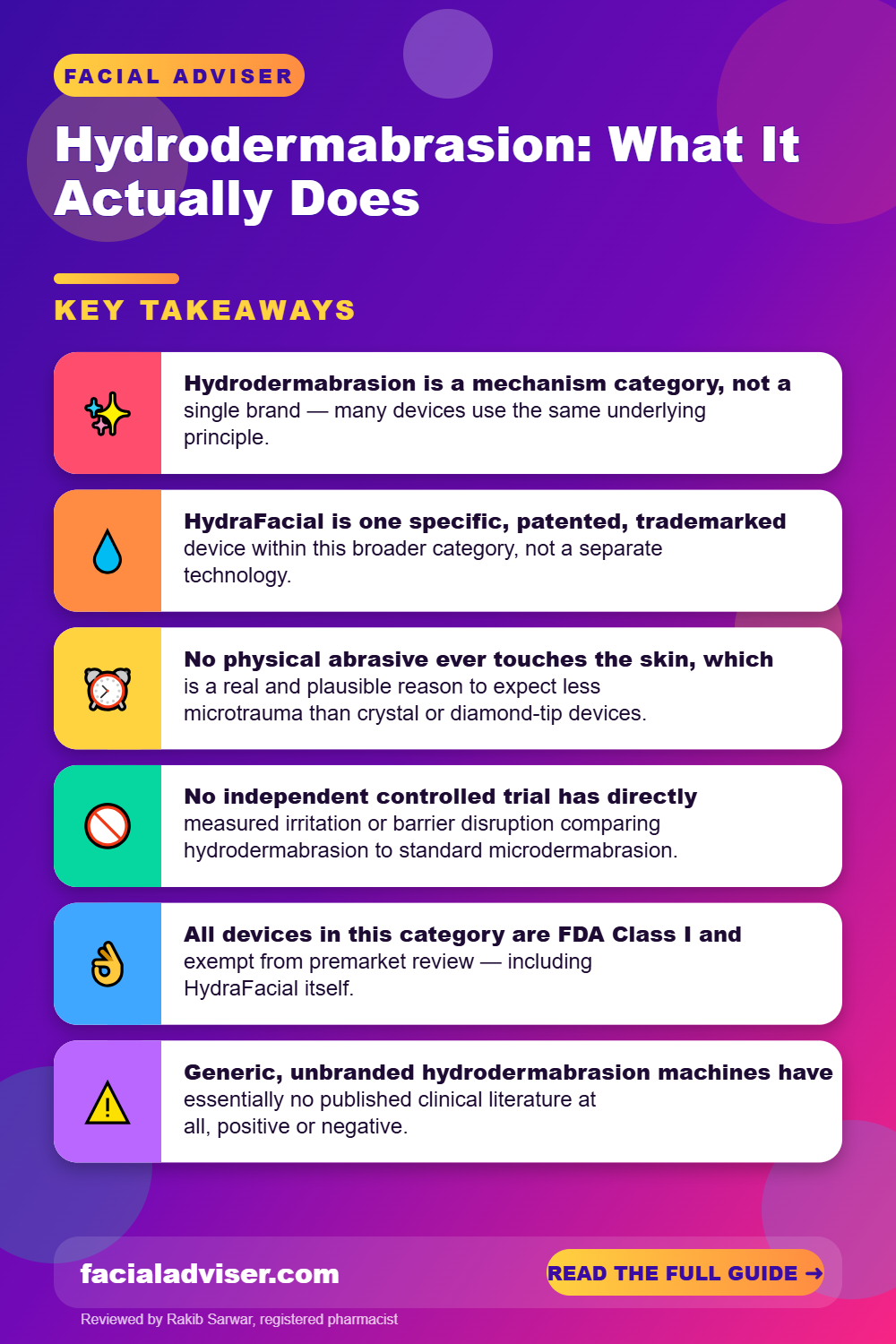
At a Glance
- Hydrodermabrasion is a mechanism category, not a single brand — many devices use the same underlying principle.
- HydraFacial is one specific, patented, trademarked device within this broader category, not a separate technology.
- No physical abrasive ever touches the skin, which is a real and plausible reason to expect less microtrauma than crystal or diamond-tip devices.
- No independent controlled trial has directly measured irritation or barrier disruption comparing hydrodermabrasion to standard microdermabrasion.
- All devices in this category are FDA Class I and exempt from premarket review — including HydraFacial itself.
- Generic, unbranded hydrodermabrasion machines have essentially no published clinical literature at all, positive or negative.
Guide Contents
- What Hydrodermabrasion Actually Means
- Hydrodermabrasion vs. HydraFacial: Same Category, Different Brand
- What the FDA Classification Actually Covers
- The “Gentler on Sensitive Skin” Claim
- Comparing the Exfoliation Methods
- Branded vs. Generic Devices: The Evidence Gap
- If You’re Deciding Between Specific Options
- Why the Industry Moved Away From Loose Crystals
- What a Typical Session Looks Like
- Who Tends to Benefit Most
- Who Should Modify or Skip It
- When to See a Dermatologist Instead
- A One-Minute Check Before Booking
- Where the Evidence Runs Out
- Frequently Asked Questions
Hydrodermabrasion vs. HydraFacial: Same Category, Different Brand
HydraFacial — specifically the Hydrafacial Syndeo device — is, mechanically, a hydrodermabrasion device. The underlying physical principle is identical at the category level: water-jet exfoliation plus vacuum suction, no abrasive contact. What differentiates it is the specific patented handpiece geometry, a proprietary “Vortex-Fusion” spiral pattern, and a required system of branded single-use tips and serums — not a fundamentally different mechanism. Many other manufacturers sell generic or competitor hydrodermabrasion machines, often marketed under near-identical names like “Hydro Dermabrasion,” “Aqua Facial,” or “HydroPeel,” using the same general principle without HydraFacial’s patented mechanics or consumable system. This naming overlap is a genuine source of consumer confusion — a provider offering a generic hydrodermabrasion service isn’t offering a lesser knockoff mechanism, just a different implementation of the same category.
What the FDA Classification Actually Covers
Hydrodermabrasion devices, including the trademarked HydraFacial Syndeo, fall under FDA product code GFE, “Brush, Dermabrasion, Powered” — Class I and explicitly exempt from premarket submission requirements. That’s confirmed directly in HydraFacial’s own FDA registration. No device in this category, branded or generic, has ever undergone FDA review of safety or efficacy. Marketing phrases like “medical-grade device” or “FDA-registered” describe the lowest oversight tier that exists for a device category, not an endorsement of how well it works.
The “Gentler on Sensitive Skin” Claim
The claim that hydrodermabrasion is gentler than crystal or diamond-tip microdermabrasion is mechanistically plausible — no abrasive particle or diamond surface means less friction-based microtrauma, which is a real, defensible reason to expect less irritation. Historically, loose-crystal microdermabrasion also carried a documented occupational and patient-safety concern: stray crystal residue causing corneal or ocular irritation, plus inhalation exposure for technicians repeatedly performing the procedure. That real safety issue is part of why the industry shifted toward diamond-tip and hydro systems in the first place. That said, no independent controlled trial was found measuring objective outcomes — transepidermal water loss, redness scoring — comparing hydrodermabrasion directly against standard microdermabrasion or diamond-tip devices. The “gentler” claim rests on plausible mechanism and practitioner reporting, not head-to-head clinical data.
Comparing the Exfoliation Methods
| Method | Physical abrasive contact | Simultaneous extraction | Documented occupational concern |
|---|---|---|---|
| Hydrodermabrasion (generic or HydraFacial) | None | Yes, via built-in vacuum | None specifically documented |
| Crystal microdermabrasion | Yes — aluminum oxide or sodium bicarbonate spray | Often a separate step | Yes — corneal irritation and inhalation exposure historically documented |
| Diamond-tip microdermabrasion | Yes — diamond-coated tip | Sometimes, via attached suction | No loose-particle issue, but still physical abrasion |
Branded vs. Generic Devices: The Evidence Gap
| HydraFacial (branded) | Generic hydrodermabrasion | |
|---|---|---|
| Company-sponsored studies | At least one published acne study | None found |
| Registered clinical trials | At least one (NCT05932732) | None found |
| Independent controlled comparisons | None found | None found |
The evidence gap is real but explainable: a single manufacturer with a patented product has both the resources and the incentive to fund studies, even company-affiliated ones. No individual maker of a generic hydrodermabrasion machine has the same incentive, so that entire side of the category has essentially no published clinical literature — not because the mechanism is inherently worse, but because nobody has funded the research.
If You’re Deciding Between Specific Options
Because “hydrodermabrasion” spans so many differently branded devices, it helps to compare specific pairs rather than the category as a whole. A dedicated head-to-head comparison of hydrodermabrasion and standard microdermabrasion walks through the mechanism differences covered above in more device-specific detail, and a broader guide to microdermabrasion overall is useful background if you’re still deciding which exfoliation category fits your skin at all. If the branded option specifically is what you’re weighing, a closer look at whether Hydrafacial’s marketing claims hold up covers the evidence gaps behind that one specific device in more depth than fits here.
Why the Industry Moved Away From Loose Crystals
Loose-crystal microdermabrasion’s documented ocular and inhalation exposure risks were a genuine driver behind the broader industry shift toward diamond-tip and water-based systems over the past couple of decades. That history is a legitimate reason hydrodermabrasion and diamond-tip devices are now more common in professional settings than old-style crystal-spray machines, independent of any comparative efficacy claim.
What a Typical Session Looks Like
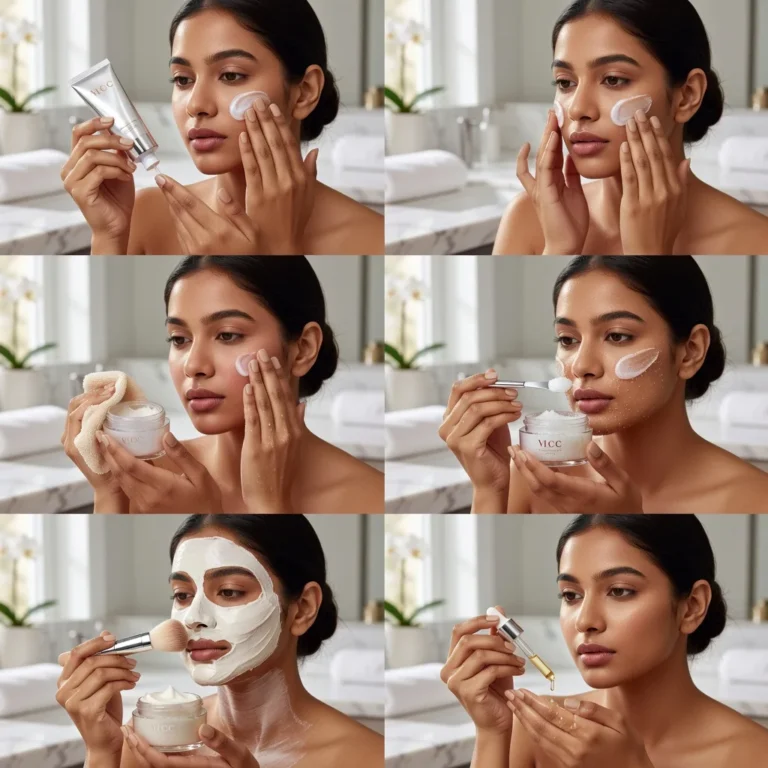
Cleanse
Skin is cleansed to remove makeup and surface oil before the water-jet pass begins.Water-jet exfoliation
A vortex or jet stream, usually carrying a mild solution, loosens the outer layer of dead skin cells.Vacuum extraction
Built-in suction pulls loosened debris and oil out of the skin in the same pass.Serum infusion and protection
A hydrating serum is applied, and the session finishes with moisturizer and SPF.
Who Tends to Benefit Most
People who want the exfoliation-plus-extraction benefit of microdermabrasion without physical abrasive contact — particularly those who found crystal or diamond-tip treatments too irritating — are the most plausible fit for this category, regardless of which specific brand of device is used. It’s also a reasonable option for anyone who wants a single session that combines exfoliation, extraction, and hydration rather than booking separate services for each step, since the vacuum-and-infusion mechanism handles all three in one pass.
Do
- Ask what solution is actually circulated through the device, since it’s rarely just plain water
- Treat a generic hydrodermabrasion service as mechanically comparable to HydraFacial, just without the patented tip system
- Disclose recent retinoid use or a recent peel before booking, since standard exfoliation precautions still apply
Don’t
- Assume “no abrasive contact” means no active-ingredient exposure — most protocols use a real mild acid solution
- Expect a comparative research base for generic devices the way you might for a heavily marketed branded system
- Book during active cystic acne, sunburn, or broken skin
Who Should Modify or Skip It
Because most hydrodermabrasion protocols circulate a mild acid-based exfoliating solution rather than pure water, the same standard exfoliation contraindications apply as with any chemical-adjacent treatment: active retinoid use, a recent chemical peel, active cystic acne, and sunburned or broken skin are all reasons to reschedule or ask for a modified protocol.
When to See a Dermatologist Instead
Hydrodermabrasion is a cosmetic maintenance service, not a treatment for a diagnosed skin condition. See a board-certified dermatologist if you have persistent inflammatory acne, a skin condition that hasn’t responded to standard care, or a lesion that looks unusual, bleeds, or won’t heal.
A One-Minute Check Before Booking
Before you book, ask: any active cystic or pustular breakouts right now? Any peel or aggressive exfoliation in the last week? Currently using a prescription retinoid? Do you know what solution the device actually circulates? A “yes” to the first three, or “no idea” to the last, is worth resolving with the provider before your appointment.
Where the Evidence Runs Out
Be honest about the actual evidence: no trial tests hydrodermabrasion, generic or branded, against standard microdermabrasion on a histologic or standardized-photography outcome. The “gentler on sensitive skin” claim is a mechanistically reasonable inference from the absence of abrasive contact, not something confirmed by comparative clinical data — and that evidence gap is even wider for generic, unbranded devices than for the one heavily marketed brand in this category. Frequency and long-term-use guidance is similarly extrapolated from general skin-turnover reasoning rather than measured directly for this specific mechanism, so treat any stated “ideal” interval as a reasonable default rather than an established finding.
Frequently Asked Questions
Is hydrodermabrasion the same thing as HydraFacial?
Mechanically, yes at the category level — HydraFacial is one specific patented device within the broader hydrodermabrasion category, not a separate technology.
Is hydrodermabrasion actually gentler than crystal microdermabrasion?
It’s mechanistically plausible since there’s no abrasive contact, but no independent controlled trial has directly confirmed lower irritation.
Is a generic hydrodermabrasion machine worse than a branded one?
Not necessarily mechanically — it mostly means there’s little to no published clinical research on that specific generic device, since individual manufacturers rarely fund studies.
Does hydrodermabrasion use any active chemicals?
Usually yes — most protocols circulate a mild acid-based solution, not plain water, so standard exfoliation precautions still apply.
Is hydrodermabrasion FDA-approved?
No — it’s Class I and exempt from premarket review, the lowest FDA oversight tier, not an approval of safety or efficacy.
Why did loose-crystal microdermabrasion fall out of favor?
Documented corneal irritation and technician inhalation exposure from stray crystals were real safety concerns that pushed the industry toward diamond-tip and hydro systems.
Can I get hydrodermabrasion if I use a retinoid?
Disclose it beforehand — the acid-based solution used in most protocols still carries standard retinoid-related exfoliation precautions.
Does hydrodermabrasion extract pores as well as manual extraction?
It uses built-in vacuum suction to pull out debris during the same pass, which is a real mechanism, though it hasn’t been directly compared to manual extraction in controlled research.
Is there research specifically on generic hydrodermabrasion devices?
Essentially none has been found — the published clinical literature in this category comes almost entirely from the one branded manufacturer.
Should I ask what solution a hydrodermabrasion device uses?
Yes — it’s rarely plain water, and knowing the actual solution helps you and your provider apply the right precautions for your skin.

Written by
Registered pharmacist and founder of Facial Adviser. Rakib's pharmacy training covers how skincare actives work and interact; a later course in cosmetology turned that into a focus on facial treatments and skincare products. He plans, researches and edits every guide on the site and checks health claims against sources such as the American Academy of Dermatology, the FDA and the NIH. He is not a dermatologist; see the Editorial Policy and Medical Disclaimer.
About · Editorial policy · How we choose products · Medical disclaimer · Contact
Keep reading: HydraFacial and hydrodermabrasion
- Is Hydrafacial a Gimmick? What Evidence Shows
- Hydrodermabrasion vs Microdermabrasion Compared
- Fire and Ice Facial vs HydraFacial: Differences, Results and Which to Book
- Cryo Facial vs HydraFacial: Differences, Results and Which to Choose
- Aqua Facial vs HydraFacial: Differences, Results and Which to Book
- Salt Facial vs HydraFacial: Differences, Results and Which to Choose
- Microneedling Facial: Real Results, Explained
- Ultimate Guide Microdermabrasion: What to Know