Best Facial Exercises for Jowls: What Works, Steps and Honest Limits
Jowls are the soft, slightly sagging areas that form along the jawline, just below the corners of the mouth. They are one of the first signs of ageing many people notice in photos, and facial exercise is often sold as a free, natural way to lift them. The real picture is more mixed than the videos suggest.
Part of our guide to at-home facial devices. Start with: 10 Best Gua Sha Facial Tools (2026): Stone and Steel Picks Compared
The best facial exercises for jowls are those that work the muscles around the lower face and neck: the jaw jut, the neck and platysma lift, the tongue press with a chin tuck, the cheek lift smile and the vowel stretch. Done for a few minutes daily over several months, they may slightly firm the cheeks and improve jawline definition, and good posture helps the neck look smoother. However, the evidence comes from small studies, and exercise cannot tighten loose skin, restore lost collagen or move fat pads back into place. Expect subtle changes at best, and combine exercise with sun protection and skincare for the most visible benefit.
In short: facial exercises can help a little with muscle tone and posture, but they are not a facelift.
The American Academy of Dermatology notes that sun exposure is a leading cause of premature skin ageing, which is why daily broad-spectrum sunscreen matters more for sagging skin over the years than any single exercise.
This guide explains what causes jowls, walks you through six exercises step by step, covers posture and tools, and is honest about what exercise simply cannot do.
Shopping these picks?
Amazon Prime members get fast, free shipping on eligible items, plus Prime Video, Amazon Music and member deals. New members can start with a free trial.
Start a free Prime trialAged 18 to 24? Prime for Young Adults comes with a longer free trial and a lower price after it.
Affiliate link: we may earn a commission at no extra cost to you.
Recommended Facial Exercise Tools on Amazon




Contents
- What Actually Causes Jowls
- Do Facial Exercises for Jowls Really Work?
- The Best Facial Exercises for Jowls
- How to Do a Daily Jowl Exercise Routine
- Posture: The Overlooked Jowl Fix
- Do Facial Exercise Tools Help?
- A Realistic 12-Week Jowl Exercise Plan
- Dos and Don’ts for Jowl Exercises
- Honest Limits: What Facial Exercise Cannot Do
- What Helps Jowls More Than Exercise
- When to See a Dermatologist
- Your Questions, Answered
- Final Word
Key Takeaways
- Jowls come mainly from skin laxity, fat shifts and bone changes, not only weak muscles.
- A small study found modest cheek fullness gains after 20 weeks of daily facial exercise.
- The jaw jut, platysma lift and tongue press target the jawline and upper neck.
- Posture affects how the jaw and neck look in everyday life and in photos.
- Exercise cannot tighten loose skin or rebuild collagen.
- Tools like gua sha and microcurrent give temporary, modest effects at best.
- Stop any exercise that causes jaw clicking, pain or headaches.
What Actually Causes Jowls
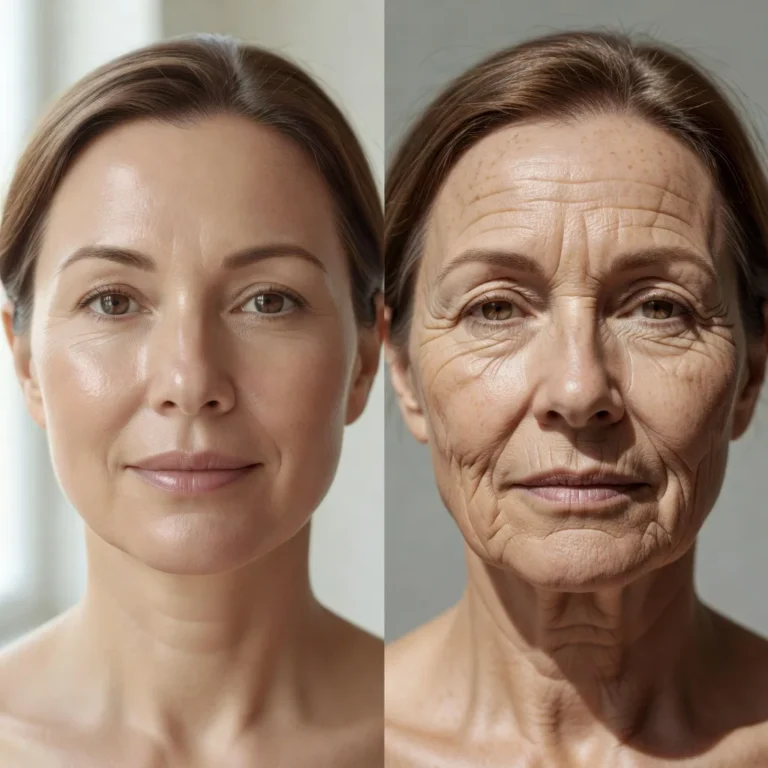
Jowls form when several changes happen at once. Understanding them explains why exercise helps with some and not others, and why results vary so much from person to person.
| Cause | What happens | Can exercise help? |
|---|---|---|
| Skin laxity | Collagen and elastin decline, so skin stretches and droops | No |
| Fat pad descent | Cheek fat slides down and gathers along the jaw | Very little |
| Bone changes | The jawbone and cheekbones lose volume with age | No |
| Muscle tone | Lower face and neck muscles weaken or lengthen | Possibly, modestly |
| Posture | Forward head position softens the jaw angle | Yes, through posture work |
| Sun damage | UV speeds up collagen breakdown | No, but sunscreen helps prevent it |
Genetics, weight changes, smoking and years of sun exposure all speed the process. Our guide to sagging jowls in your 30s covers early causes and prevention in more detail.
Do Facial Exercises for Jowls Really Work?
The honest answer is: a little, for some people, if they are consistent. The best-known study, published in JAMA Dermatology in 2018, followed a small group of middle-aged women who did 30 minutes of facial exercises daily for eight weeks and then every other day for twelve more weeks. Only 16 completed the programme, and dermatologists rating their photos saw modest improvements in upper and lower cheek fullness.
That is encouraging, but it is far from proof. The study was small, had no separate control group and did not measure the jawline directly. Other research on facial yoga is similarly small and short. Our article on the science behind facial yoga looks at these studies more closely.
Most claims you see online, such as losing jowls in two weeks, come from before-and-after photos with different lighting, angles and expressions. Treat them as marketing, not evidence.
The Best Facial Exercises for Jowls
These exercises target the muscles around the jaw, chin and upper neck. Move slowly, keep your shoulders relaxed and never force your jaw into a position that hurts.
| Exercise | Main target | Reps |
|---|---|---|
| Jaw jut | Jawline and front of neck | 10 holds of 10 seconds |
| Platysma lift | Neck band and lower jaw | 10 slow reps |
| Tongue press with chin tuck | Under the chin | 10 holds of 5 seconds |
| Cheek lift smile | Cheeks and mouth corners | 10 holds of 5 seconds |
| Vowel stretch | Muscles around the mouth | 10 rounds |
| Fish face | Cheeks and hollows | 10 holds of 5 seconds |
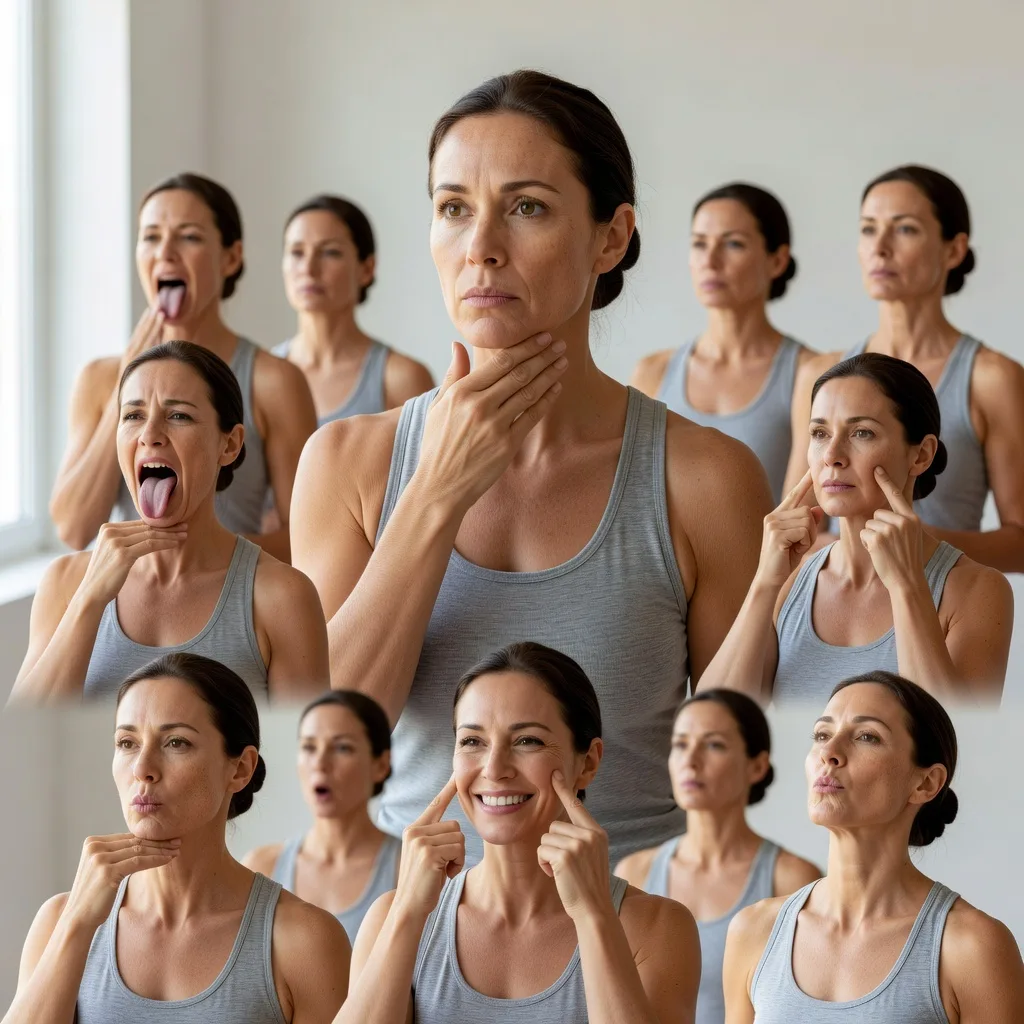
- Jaw jut: tilt your head back slightly, push your lower jaw forward until you feel a stretch under the chin, hold, then relax.
- Platysma lift: look up at the ceiling, pull the corners of your mouth down and back so the neck tightens, then release.
- Tongue press: press your whole tongue flat against the roof of your mouth while gently tucking your chin back.
- Cheek lift smile: smile with closed lips, lift the cheeks as high as you can and place fingertips lightly on them.
- Vowel stretch: open your mouth and say O then E in an exaggerated way, keeping the teeth covered.
- Fish face: suck your cheeks in, then try to smile while holding the position.
How to Do a Daily Jowl Exercise Routine
A short, steady routine is more realistic than a long one you stop after a week. Aim for about ten minutes, most days, for at least three months before judging results.
Wash your hands and face
Start with clean skin, especially if you will touch your face or use a tool.
Check your posture
Sit or stand tall with ears over shoulders and shoulders relaxed.
Warm up
Roll your shoulders and gently turn your head side to side a few times.
Do the jaw jut and platysma lift
Complete 10 slow reps of each, resting between sets.
Add the tongue press and cheek lift
Hold each for five seconds and breathe normally.
Finish with the vowel stretch and fish face
Keep movements smooth and stop if anything clicks or aches.
Apply moisturiser and sunscreen
In the morning, finish with a broad-spectrum SPF 30 or higher.
Film a short clip or take photos in the same light, at the same angle and with a neutral face every four weeks. It is the only reliable way to see whether your routine is making any difference.
Posture: The Overlooked Jowl Fix
Posture changes how your jaw and neck look more quickly than any exercise. When your head drifts forward, the skin under the chin bunches up and the jaw angle blurs, which exaggerates jowls in photos and mirrors.
- Raise your phone and screen to eye level instead of looking down for hours.
- Keep your ears roughly over your shoulders when sitting.
- Do a few chin tucks through the day: pull your head straight back, hold for five seconds, release.
- Strengthen your upper back with simple rows or band pull-aparts.
- Sleep with a pillow that keeps your neck in line with your spine.
Our guide on poor posture and facial sagging explains the link and simple daily habits to fix it.
Do Facial Exercise Tools Help?
Many tools promise to tone the jawline. Some can support a routine, but none replace time and consistency, and effects are usually short-lived.
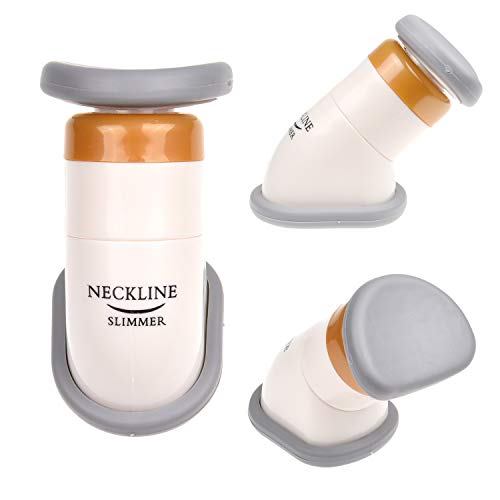
- Jaw exercisers: silicone pieces you bite on to work the chewing muscles; they can enlarge the masseter and may strain the jaw joint, so use them sparingly.
- Gua sha: a flat stone or steel tool scraped gently along the jaw; it may reduce puffiness for a few hours.
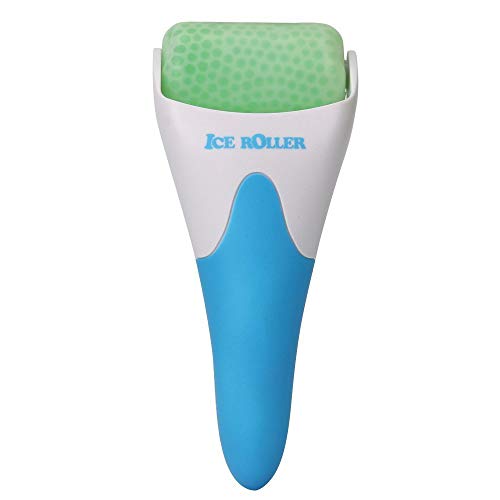
- Face rollers: help with morning puffiness and feel soothing, but do not lift skin.
- Microcurrent devices: deliver a low electrical current to stimulate muscles; small studies suggest temporary toning with regular use.
Stop using jaw exercisers or doing chewing-based exercises if you notice jaw pain, clicking, locking or headaches. These can be signs of jaw joint strain, and people with known jaw problems should ask a dentist or doctor first. Do not use microcurrent devices if you have a pacemaker, epilepsy or are pregnant unless your doctor approves.
A Realistic 12-Week Jowl Exercise Plan
Consistency matters more than intensity. This simple plan builds the habit gradually so your jaw and neck muscles adapt without strain, and it gives you clear points to check your progress.
- Weeks 1 to 2: learn the six movements in front of a mirror, doing five reps of each once a day.
- Weeks 3 to 6: build up to ten reps of each exercise and add chin tucks at your desk.
- Weeks 7 to 12: keep ten reps daily and add a second short session on busy screen days.
- Every four weeks: take photos in the same light and at the same angle to compare.
- After 12 weeks: if you see no change, focus on sunscreen, skincare and professional advice instead.
Pair the plan with other habits that affect how the lower face looks, such as staying hydrated, limiting alcohol before bed, which can make the face puffy, and keeping salty foods in check. If puffiness rather than sagging is your main concern, gentle lymphatic massage may help more than muscle work. A cool roller or gua sha stroke from the centre of the face outwards is a pleasant way to finish, but treat it as de-puffing rather than lifting.
Dos and Don’ts for Jowl Exercises
Worth Doing
- Move slowly and with control
- Keep your shoulders relaxed
- Practise most days for several months
- Wear broad-spectrum sunscreen daily
- Track progress with consistent photos
Skip It
- Clench or grind your teeth during exercises
- Pull or drag the skin hard with your fingers
- Chew gum for hours to tone the jaw
- Expect results in a few weeks
- Ignore jaw pain or clicking
Honest Limits: What Facial Exercise Cannot Do
The biggest limit is skin laxity. Jowls are mostly a skin and fat problem, not only a muscle problem. Once collagen and elastin have declined, no amount of exercise will shrink or tighten stretched skin, and larger muscles cannot hold up fat that has shifted downwards.
Exercise also cannot replace lost bone volume or remove fat along the jaw. In some cases, overworking the chewing muscles can make the lower face look wider, not slimmer. Tools such as rollers and gua sha give short-term de-puffing that fades within hours. Be wary of any programme that promises a lifted jaw in days or claims results equal to surgery. It is also worth knowing that most exercise studies were done on people in middle age with mild ageing; people with heavier jowls, significant weight loss or advanced laxity are unlikely to see a visible difference from exercise alone, however committed they are.
What Helps Jowls More Than Exercise
If your main concern is loose skin, these approaches have stronger evidence. They work best when started early and combined.
- Daily broad-spectrum sunscreen of SPF 30 or higher to slow collagen loss.
- Topical retinoids to support collagen over months.
- Keeping a stable weight, since large swings stretch skin.
- Not smoking, which speeds up skin ageing.
- In-office radiofrequency or ultrasound tightening for mild to moderate laxity.
- Fillers, threads or surgery for more advanced sagging, discussed with a specialist.
The AAD guide on how to apply sunscreen covers how much to use and reminds you to include the neck and ears.
When to See a Dermatologist
- Your jowls appeared suddenly or on one side only.
- You have facial weakness, drooping of the mouth or numbness.
- Jaw pain, clicking or headaches continue after stopping exercises.
- You want to discuss in-office tightening, fillers or surgery.
- A lump or swelling appears along the jaw or neck.
This article is for general information and does not replace professional medical advice. Sudden facial drooping or weakness can be a medical emergency; seek urgent care. For cosmetic concerns, see a board-certified dermatologist or plastic surgeon.
Your Questions, Answered
What are the best facial exercises for jowls?
The jaw jut, platysma lift, tongue press, cheek lift smile and vowel stretch.
Can facial exercises get rid of jowls?
They may improve them slightly, but they rarely remove them.
How long before I see results?
Give a routine at least three months of regular practice.
How often should I do jowl exercises?
About ten minutes, most days of the week.
Does chewing gum reduce jowls?
No, and heavy chewing can strain the jaw joint.
Can exercise tighten loose skin?
No, skin laxity needs other treatments.
Does gua sha lift jowls?
It may reduce puffiness briefly but does not lift skin.
Do microcurrent devices work for jowls?
They may give temporary, modest toning with regular use.
Can posture make jowls look worse?
Yes, a forward head position exaggerates them.
At what age do jowls start?
Often in the 30s or 40s, depending on genetics and sun exposure.
Final Word
The best facial exercises for jowls can modestly improve muscle tone, and better posture makes the jaw and neck look cleaner, but exercise cannot tighten loose skin or restore lost volume.
Treat exercise as one part of a wider plan with daily sunscreen, sensible skincare and, if you want more visible change, a conversation with a dermatologist about in-office options.

Written by
Registered pharmacist and founder of Facial Adviser. Rakib's pharmacy training covers how skincare actives work and interact; a later course in cosmetology turned that into a focus on facial treatments and skincare products. He plans, researches and edits every guide on the site and checks health claims against sources such as the American Academy of Dermatology, the FDA and the NIH. He is not a dermatologist; see the Editorial Policy and Medical Disclaimer.
About · Editorial policy · How we choose products · Medical disclaimer · Contact
Keep reading: Facial rollers, gua sha and massagers
- 10 Best Gua Sha Facial Tools (2026): Stone and Steel Picks Compared
- 10 Best Facial Massagers for Wrinkles (2026): Lift, Depuff, Relax
- Does Chewing Gum Tone Facial Muscles? What It Can and Cannot Do
- Does Face Exercise Work for a Double Chin? An Honest Answer
- Does Facial Massage Improve Lymph Flow? Evidence and Technique
- Benefits of Facial Yoga: What Science Actually Shows
- 10 Best LED Light Therapy Masks (2026): Clearer Skin, Softer Lines
- How to Incorporate Microcurrent Into Your Routine: Gel, Timing and Safety