Sagging Jowls in Your 30s: Causes and Options That Work
You catch your reflection in a video call or a photo taken from below and notice that the line of your jaw is not as crisp as it was. There is a slight softening just beside the chin, a small droop that was not there a few years ago. In your 30s, that can feel far too early.
Part of our guide to facial treatments. Start with: What Is the Best Anti-Aging Facial Treatment? Options Compared by Goal
Mild jowling in your 30s is common and usually comes from a mix of genetics, early loss of fat and bone support in the face, sun damage to collagen, and weight changes. Skincare such as daily sunscreen and a retinoid can improve skin quality and slow further change, but it cannot lift sagging tissue. Noticeable jowls respond better to in-clinic options such as fillers, energy-based tightening or, later, surgery.
The shape of the lower face depends on several layers: skin, fat pads, muscles, ligaments and bone. All of them change with age, and they change at different speeds in different people. That is why some people see softening at 32 while others keep a sharp jawline into their 50s.
The American Academy of Dermatology lists daily sun protection, not smoking, a moisturiser and avoiding irritating products among the most effective ways to reduce premature skin aging. None of these are dramatic, but together they protect the collagen that holds the skin firm.
Below you will find what actually causes early jowls, what you can and cannot change, an evidence-based home routine, the professional options by level of sagging, and some honest notes on popular shortcuts.
Shopping these picks?
Amazon Prime members get fast, free shipping on eligible items, plus Prime Video, Amazon Music and member deals. New members can start with a free trial.
Start a free Prime trialAged 18 to 24? Prime for Young Adults comes with a longer free trial and a lower price after it.
Affiliate link: we may earn a commission at no extra cost to you.
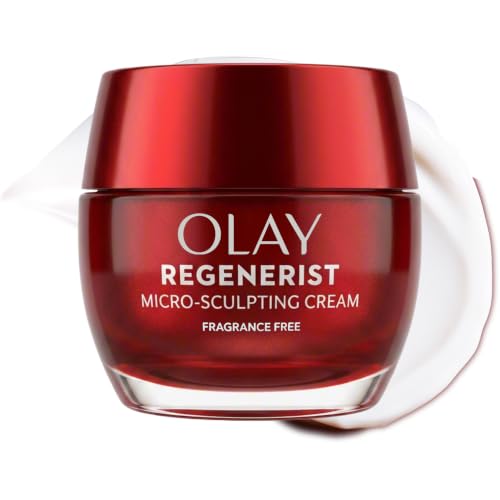
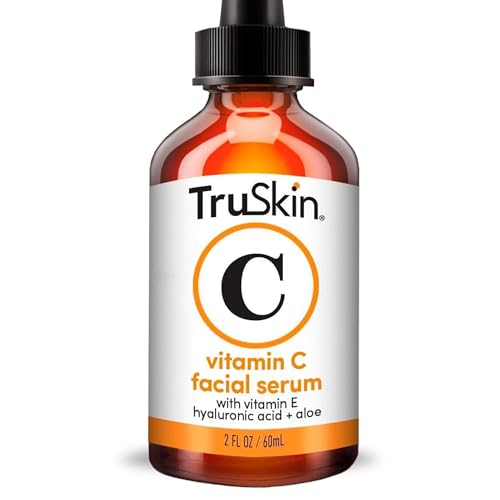
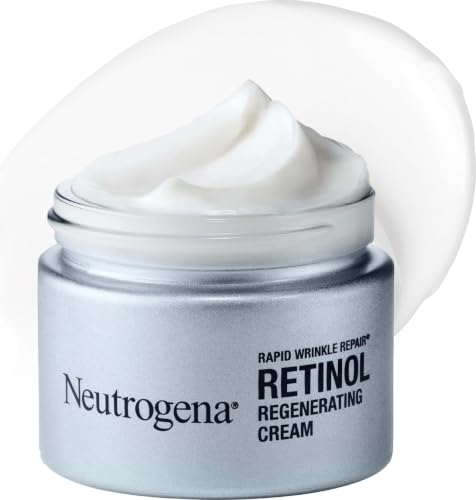
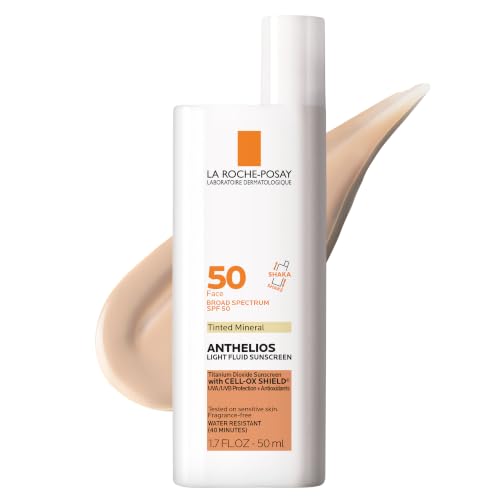
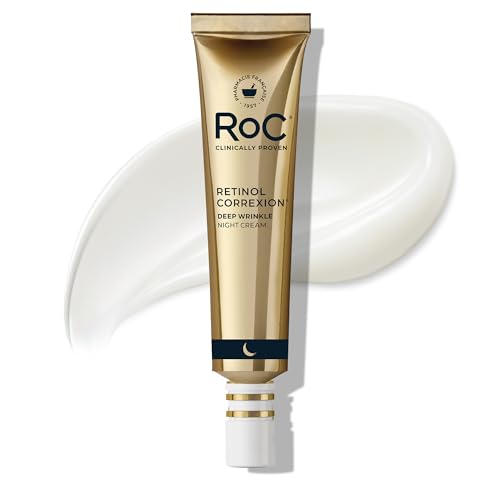
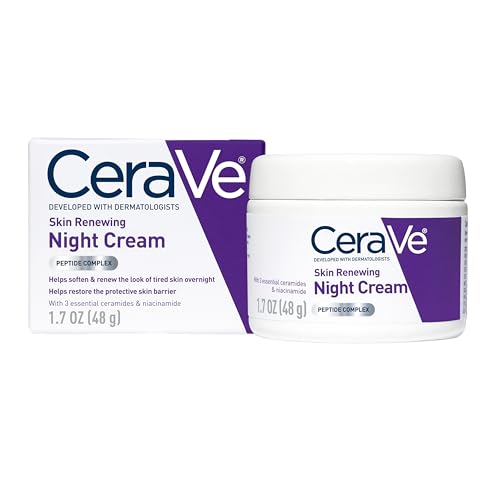
Recommended Products for Firmer-Looking Skin
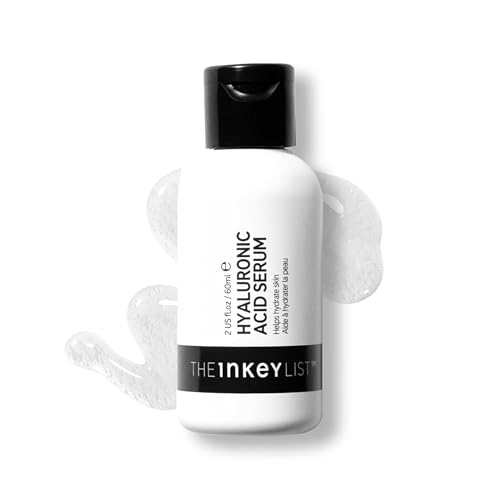
Jump to a Section
- What Causes Jowls This Early?
- How Much Sagging Is There, Really?
- How to Build a Routine That Slows Jowl Sagging
- What Skincare Can and Cannot Do
- Face Yoga, Gua Sha and Other Shortcuts
- Professional Options by Level of Sagging
- Weight, Diet and Lifestyle
- The Neck and Under-Chin Area
- How Long Results Take
- Choosing a Practitioner
- Honest Limits
- When to Get Professional Advice
- Common Questions
- Summing Up
In Brief
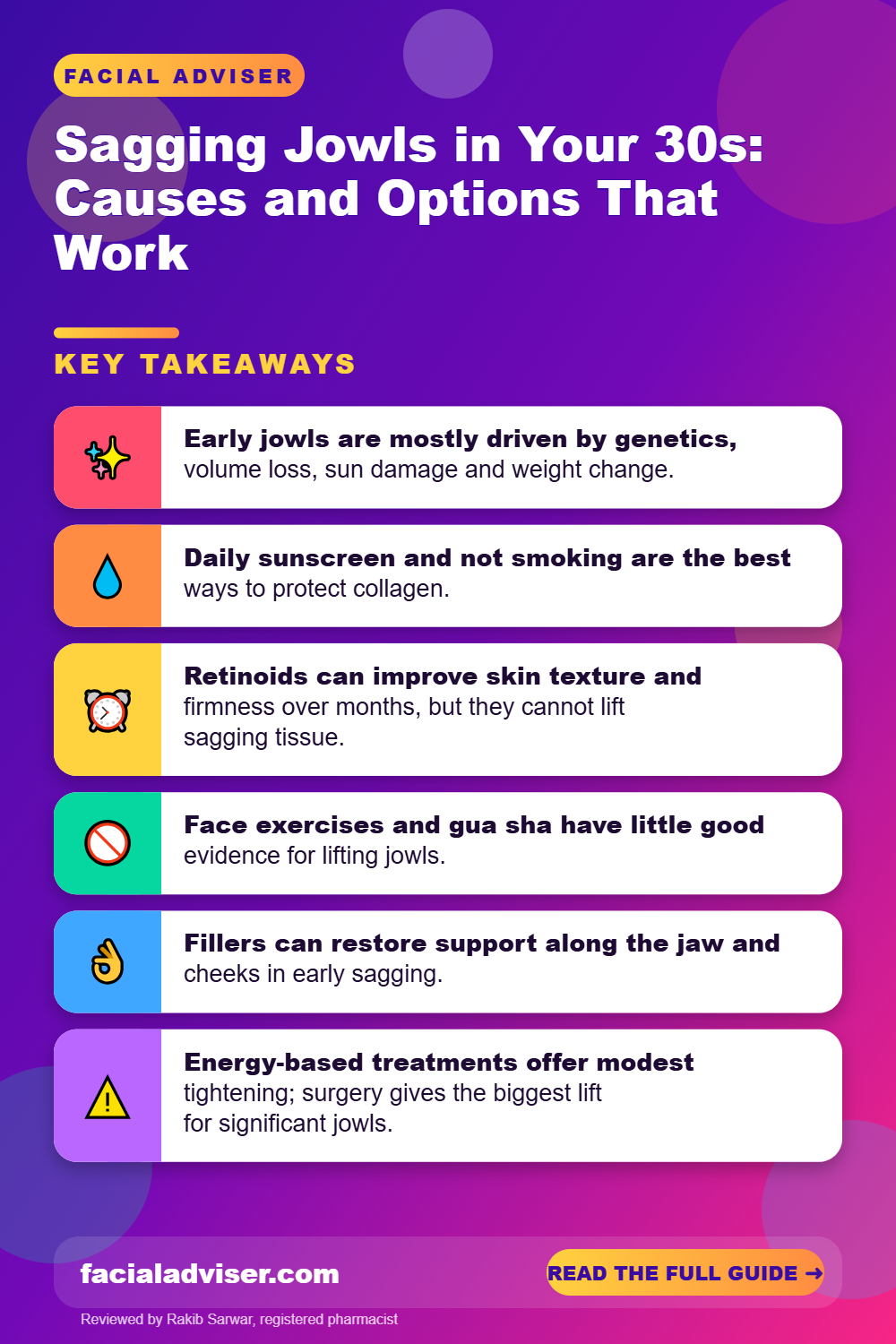
- Early jowls are mostly driven by genetics, volume loss, sun damage and weight change.
- Daily sunscreen and not smoking are the best ways to protect collagen.
- Retinoids can improve skin texture and firmness over months, but they cannot lift sagging tissue.
- Face exercises and gua sha have little good evidence for lifting jowls.
- Fillers can restore support along the jaw and cheeks in early sagging.
- Energy-based treatments offer modest tightening; surgery gives the biggest lift for significant jowls.
- Rapid weight loss can make jowls more noticeable, so gradual change is kinder to the face.
What Causes Jowls This Early?
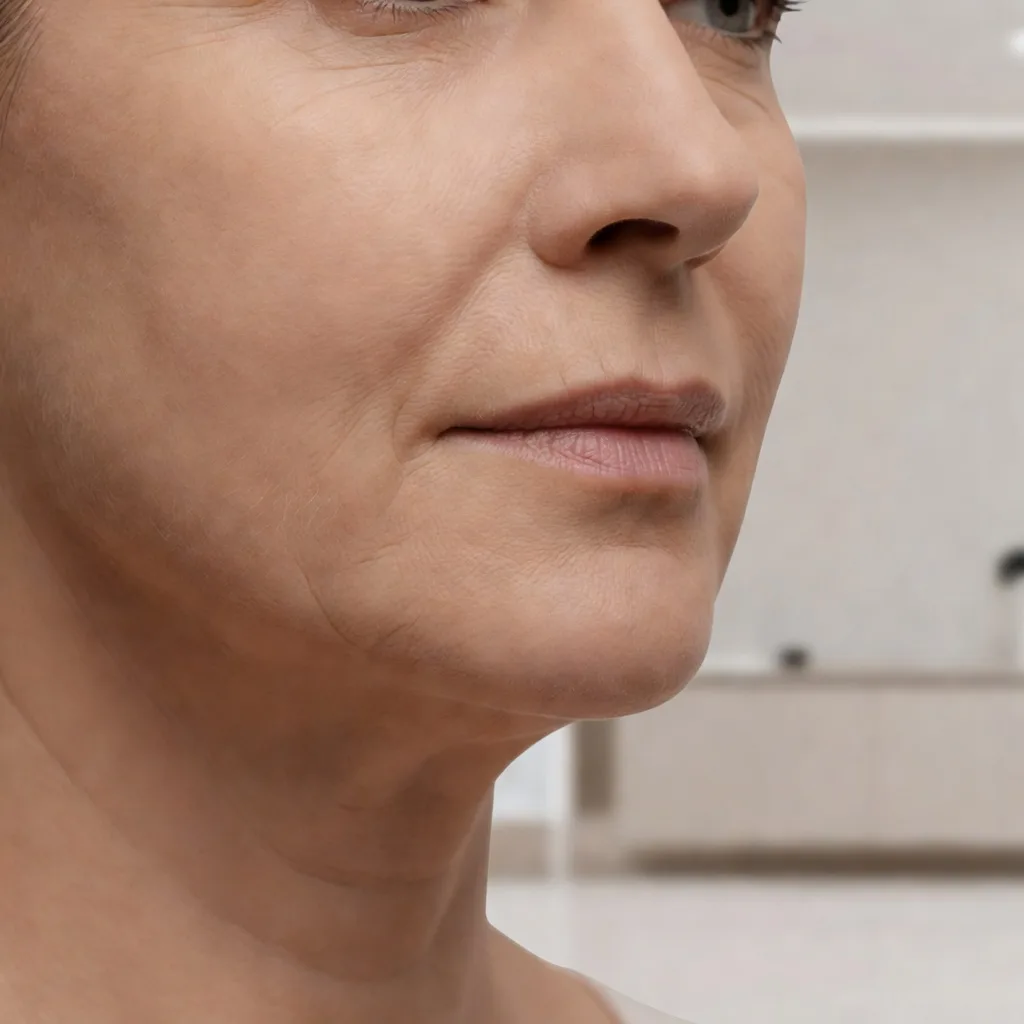
Jowls form when the tissue beside the chin loses support and slips downward, while the area just in front of it stays more tightly anchored. That contrast creates the small bulge along the jawline.
| Cause | What happens | Can you influence it? |
|---|---|---|
| Genetics | Inherited face shape, skin thickness and fat distribution | No |
| Volume loss | Fat pads in the cheeks shrink and move down | Partly, with fillers |
| Bone changes | The jaw and cheekbones slowly lose projection | Partly, with fillers |
| Sun damage | UV breaks down collagen and elastin | Yes, with daily protection |
| Smoking | Reduces blood flow and damages collagen | Yes |
| Weight changes | Large or rapid loss leaves loose skin; gain adds fullness | Partly |
| Posture and screen habits | Looking down may emphasise the area temporarily | Partly |
Posture does not cause permanent sagging on its own, but a head-down position can make the lower face look fuller in photos and in the mirror. Our guide to posture and facial sagging looks at that link in more detail.
How Much Sagging Is There, Really?
Before spending money, it helps to get an honest picture. Look straight into a mirror at eye level in soft, even daylight, then take a photo from the same angle. Lighting from above and cameras held low exaggerate every shadow along the jaw.
- Very mild: slight softening only visible when looking down or in certain photos.
- Mild: a small bulge beside the chin visible at rest, jawline still mostly defined.
- Moderate: clear jowl, jawline interrupted, some loose skin under the chin.
- Advanced: pronounced jowls and neck laxity, usually later in life.
Most people in their 30s who worry about jowls fall in the very mild or mild range. At that stage, protection and small refinements usually matter more than big procedures.
How to Build a Routine That Slows Jowl Sagging
Use sunscreen every morning
Apply a broad-spectrum SPF 30 or higher to the face, jaw and neck, and reapply when outdoors. Sun damage is the biggest avoidable cause of collagen loss.
Add a retinoid at night
Start retinol or adapalene two or three nights a week and build up. Retinoids help skin thickness and texture over several months.
Use vitamin C in the morning
An antioxidant serum under sunscreen adds extra protection against daily damage.
Moisturise daily
A moisturiser with peptides, ceramides or hyaluronic acid keeps skin plump and comfortable.
Include the neck
Carry every step down to the neck and jawline, which are often forgotten.
Protect your overall health
Stop smoking, keep alcohol moderate and aim for steady rather than rapid weight changes.
Review in six months
Take photos in the same light and angle to judge progress honestly.
Apply retinoid to the jaw and neck gently and with a little extra moisturiser, as the neck skin is thinner and more prone to irritation.
What Skincare Can and Cannot Do
| Product type | Realistic benefit | What it will not do |
|---|---|---|
| Sunscreen | Prevents further collagen damage | Reverse existing sagging |
| Retinoids | Smoother, thicker-looking skin over months | Lift drooping tissue |
| Vitamin C | Antioxidant protection, brighter tone | Tighten the jawline |
| Peptide creams | Better hydration and skin feel | Replace lost volume |
| Hyaluronic acid | Temporary plumping of surface skin | Change the jaw contour |
| Firming or lifting creams | Short-term tightening feel | Provide a lasting lift |
Be cautious of creams sold as ‘instant lift’ or ‘V-line’ products. Some contain ingredients that temporarily tighten the surface as they dry, which can look good for a few hours, but they do not change the underlying structure.
Face Yoga, Gua Sha and Other Shortcuts
Facial exercise is appealing because it is free. The evidence for it is limited: a few small studies suggest some improvement in facial fullness, but results are mixed and not strong enough to rely on for jowls. Our look at whether face exercise works for a double chin covers the research.
Gua sha and facial rollers may briefly reduce puffiness by moving fluid, which can make the jaw look sharper for a short while, but they do not lift sagging tissue. Chin straps, tape and similar gadgets have no good evidence behind them.
Avoid pressing hard or dragging the skin with tools or during massage. Pulling and stretching thin skin repeatedly is more likely to harm than help.
Professional Options by Level of Sagging
| Stage | Common options | What to expect |
|---|---|---|
| Very mild | Skincare, sunscreen, possibly skin-boosting treatments | Better skin quality, subtle change |
| Mild | Fillers in cheeks or jawline, microneedling, radiofrequency | Improved contour, several sessions for energy devices |
| Mild to moderate | Focused ultrasound or radiofrequency tightening | Modest lift over months |
| Moderate | Combination of fillers and tightening, thread lifts in some cases | Noticeable but temporary improvement |
| Moderate to advanced | Lower facelift or neck lift | Largest and longest-lasting lift |
Energy-based treatments and microneedling stimulate collagen, which can firm skin slightly over several months. If you are comparing these, our guide to laser facials versus microneedling outlines results and downtime.
Fillers placed along the cheek or jaw restore some of the support that has been lost, which can soften a mild jowl. Botox is sometimes used to relax the muscles that pull the corners of the mouth and jaw downward, but its effect on jowls is small and mostly useful as part of a combined plan.
Weight, Diet and Lifestyle
Large or fast weight loss can leave skin with less support, which makes jowls more visible. If you are losing weight, a steady pace gives skin more time to adapt.
A varied diet rich in fruit, vegetables and protein supports general skin health, and the AAD also suggests limiting alcohol and exercising regularly. These habits do not lift jowls, but they help skin look healthier and may slow further changes.
Smoking deserves a special mention. It narrows the small blood vessels that feed the skin and speeds up the breakdown of collagen and elastin, which is why long-term smokers often show sagging and deep lines earlier. Stopping at any age helps, and in your 30s it protects decades of future skin health. Good sleep and managing stress will not tighten skin, but they make the whole face look more rested, which changes how the jawline reads too.
The Neck and Under-Chin Area
The jawline does not end at the chin. Fullness under the chin and loosening neck skin can make mild jowls look more obvious, so it is worth looking at the whole lower face together.
Fullness under the chin may be fat, which responds to weight change and, in some cases, to fat-reducing injections or cooling treatments offered by specialists. Loose skin, on the other hand, responds better to tightening treatments or surgery. Neck skin is also thinner than facial skin and gets plenty of sun, so daily sunscreen on the neck is one of the easiest preventive steps you can take.
Many people apply skincare right up to the jaw and stop. Bringing sunscreen, retinoid and moisturiser down the neck, with a gentler hand, keeps the skin quality consistent across the whole area.
How Long Results Take
| Approach | When you may notice change | How long it lasts |
|---|---|---|
| Sunscreen | Protective; no visible change | As long as you keep using it |
| Retinoids | 3 to 6 months | While you continue |
| Fillers | Immediately, settling over 2 weeks | Often 6 to 18 months |
| Radiofrequency or ultrasound | 2 to 6 months | Often a year or more |
| Microneedling | After several sessions | Gradual; maintenance helps |
| Facelift | After recovery, a few months | Many years |
Because most options work gradually, it helps to pick one approach, give it enough time and take comparison photos, rather than stacking several treatments at once and not knowing which one helped.
Choosing a Practitioner
Helps
- See a board-certified dermatologist or facial plastic surgeon
- Ask how many of this treatment they perform
- Look at before-and-after photos of similar faces
- Ask about downtime, side effects and total cost
- Start with the least invasive option that suits your stage
Backfires
- Book based on social media ads alone
- Accept large filler volumes on a first visit
- Let anyone promise permanent results
- Mix treatments without a plan
- Ignore concerns about pain or bruising
Honest Limits
No routine can stop facial aging, and some of the drivers of early jowls, such as face shape and bone structure, are inherited. The goal is to keep skin healthy and, if you choose, to make targeted improvements, not to recreate the face you had at 22.
Many people notice their jaw far more than anyone else does. Photos taken at unflattering angles and phone front cameras distort proportions, so it is worth judging your face in person and in natural light before deciding on treatment.
When to Get Professional Advice
- Sagging appears suddenly on one side of the face, which can point to a nerve problem.
- You notice facial weakness, drooping of the mouth or difficulty closing an eye.
- You are considering fillers, threads or surgery and want an honest assessment.
- You have had rapid, unexplained weight loss.
This article is for general information and does not replace professional medical advice. Sudden facial drooping or weakness needs urgent medical attention.
Common Questions
Is it normal to get jowls in your 30s?
Yes. Mild softening along the jaw can start in the 30s, especially with genetics, sun exposure or weight changes.
Can skincare get rid of jowls?
Skincare can improve skin quality and slow change, but it cannot lift sagging tissue.
Does retinol help sagging skin?
Retinoids can make skin look firmer and smoother over months, but the effect on jowls is modest.
Do face exercises lift jowls?
The evidence is limited and mixed, so they are unlikely to make a noticeable difference to jowls.
What is the best non-surgical treatment for jowls?
For early jowls, fillers and energy-based tightening are the most common options, often combined.
Can Botox help jowls?
It may help slightly as part of a combined plan, but it does not lift sagging tissue by itself.
Does losing weight cause jowls?
Large or rapid weight loss can make jowls more visible because skin loses support.
Does gua sha tighten the jawline?
It may reduce puffiness briefly, but it does not lift sagging skin.
At what age do jowls usually appear?
Many people notice them in their 40s or 50s, but some see early signs in their 30s.
How can I prevent jowls?
Daily sunscreen, not smoking, a retinoid, steady weight and good general health help protect skin structure.
Summing Up
Early jowls in your 30s are common and usually mild. They come from a mix of genetics, gradual volume loss, sun damage and weight changes, and they often look worse in photos than in real life.
Protect what you have with daily sunscreen, a retinoid and healthy habits. If the change bothers you, see a board-certified specialist who can match fillers, tightening treatments or, later, surgery to the stage you are at, and be wary of anything promising a lift from a cream or a gadget.

Written by
Registered pharmacist and founder of Facial Adviser. Rakib's pharmacy training covers how skincare actives work and interact; a later course in cosmetology turned that into a focus on facial treatments and skincare products. He plans, researches and edits every guide on the site and checks health claims against sources such as the American Academy of Dermatology, the FDA and the NIH. He is not a dermatologist; see the Editorial Policy and Medical Disclaimer.
About · Editorial policy · How we choose products · Medical disclaimer · Contact
Keep reading: Anti-aging facials and treatments
- What Is the Best Anti-Aging Facial Treatment? Options Compared by Goal
- Why Do I Have Crepey Skin on My Cheeks? Causes and Treatments That Help
- Facial Skin Tightening After Weight Loss: Realistic Options That Help
- How to Get Rid of Rhinoplasty Scars
- Why Do I Still Have Crow's Feet After Botox?
- Cryo Facial: What the Cold Actually Does
- Ultimate Guide Microdermabrasion: What to Know
- Facial vs Chemical Peel: Differences, Results and Which to Choose