Bumpy, Uneven Chin After Wearing a Mask? Causes and Fixes
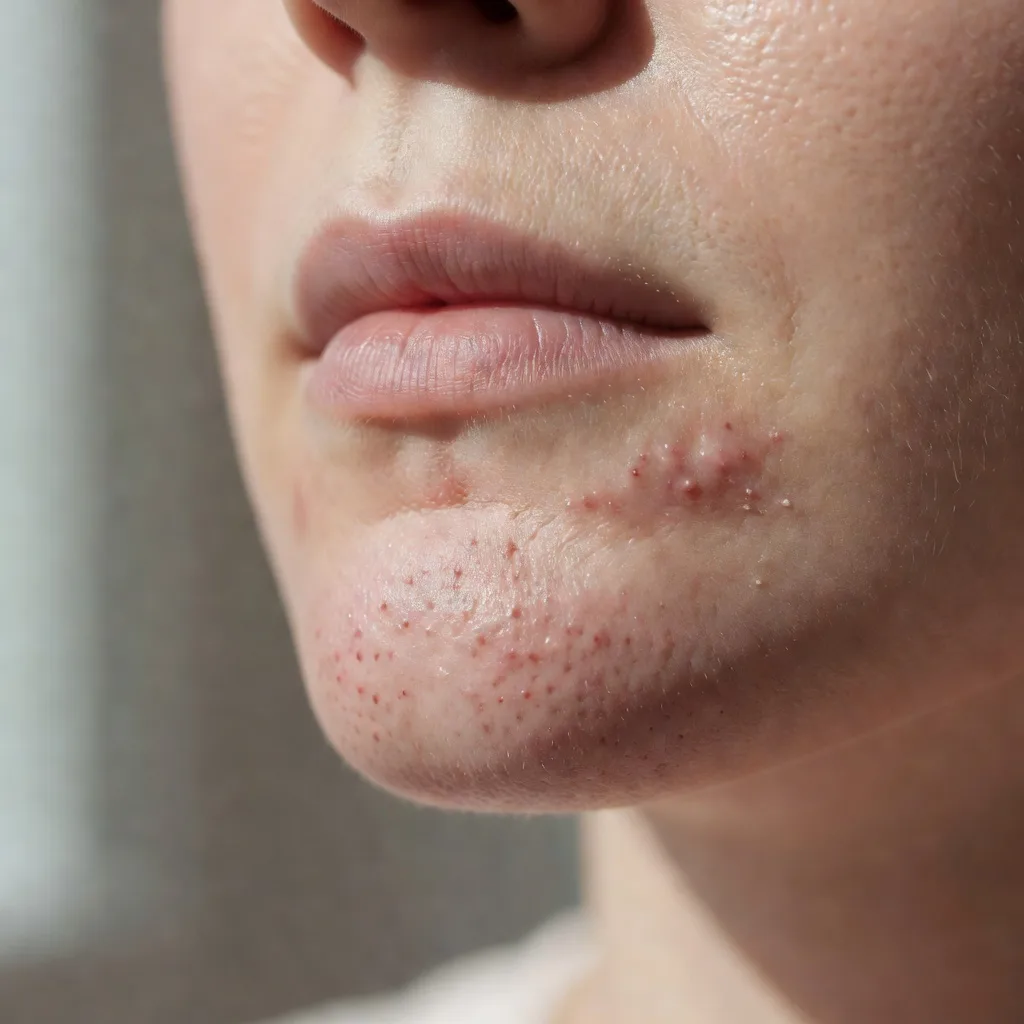
You take off your mask at the end of a long shift and your chin looks different: tiny bumps, rough patches, a few red spots and skin that feels uneven when you run your fingers over it. The rest of your face looks fine. The change is right where the mask sits.
Part of our guide to skincare products. Start with: 10 Best Face Masks for Every Skin Type (2026): Clay, Gel and Sheet
Uneven chin texture after wearing a mask is usually caused by a mix of friction, trapped heat and moisture, and clogged pores, often called maskne. Less often it is irritation or an allergy to the mask material, or perioral dermatitis. Most cases improve within a few weeks with a mild cleanser, a light moisturiser before masking, a well-fitting cotton or soft mask changed daily, regular mask breaks, and a gentle acne ingredient only if bumps persist.
The skin under a mask lives in a small, warm, humid microclimate. Breath adds moisture, the fabric rubs every time you talk, and oil and sweat have nowhere to go. That combination softens the outer layer of skin, making it easier to irritate and easier for pores to block.
The American Academy of Dermatology recommends a mild, fragrance-free cleanser, a moisturiser applied right after washing, breathable fabric on the inner layer of the mask and short mask breaks every few hours to prevent these problems. Those basics fix the majority of cases without any harsh treatments.
This guide helps you work out what kind of texture change you have, walks through a simple repair routine, and explains when the problem is something that needs a doctor rather than a new product.
Shopping these picks?
Amazon Prime members get fast, free shipping on eligible items, plus Prime Video, Amazon Music and member deals. New members can start with a free trial.
Start a free Prime trialAged 18 to 24? Prime for Young Adults comes with a longer free trial and a lower price after it.
Affiliate link: we may earn a commission at no extra cost to you.
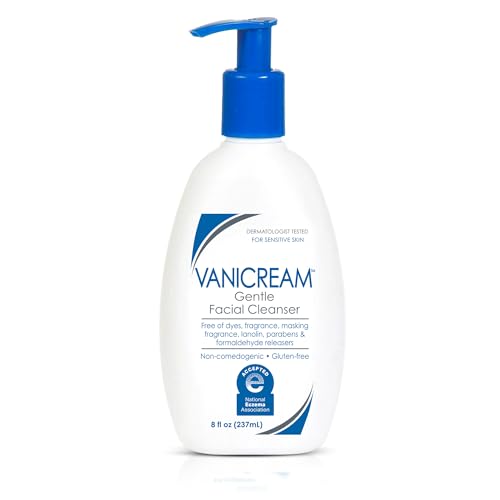
Recommended Products for Mask-Irritated Skin

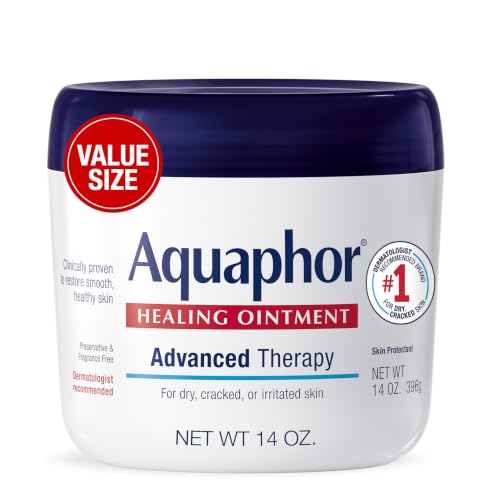
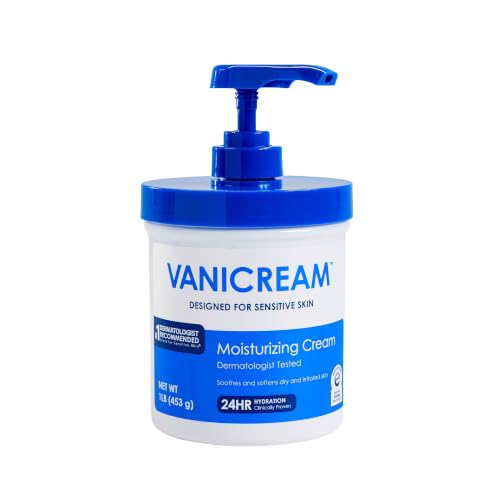

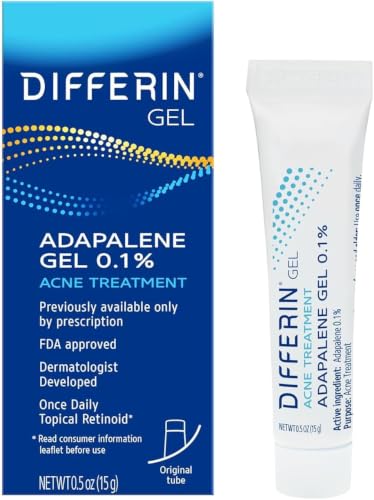
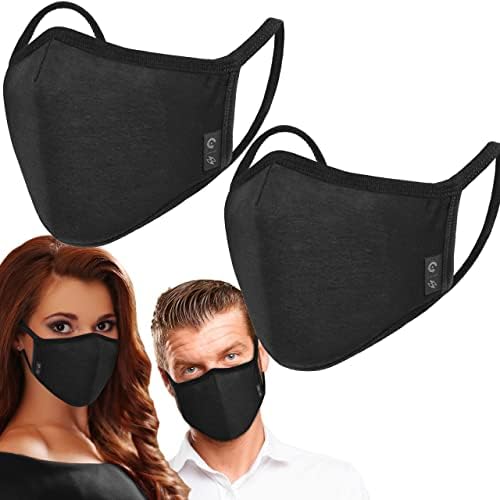
What to Know First
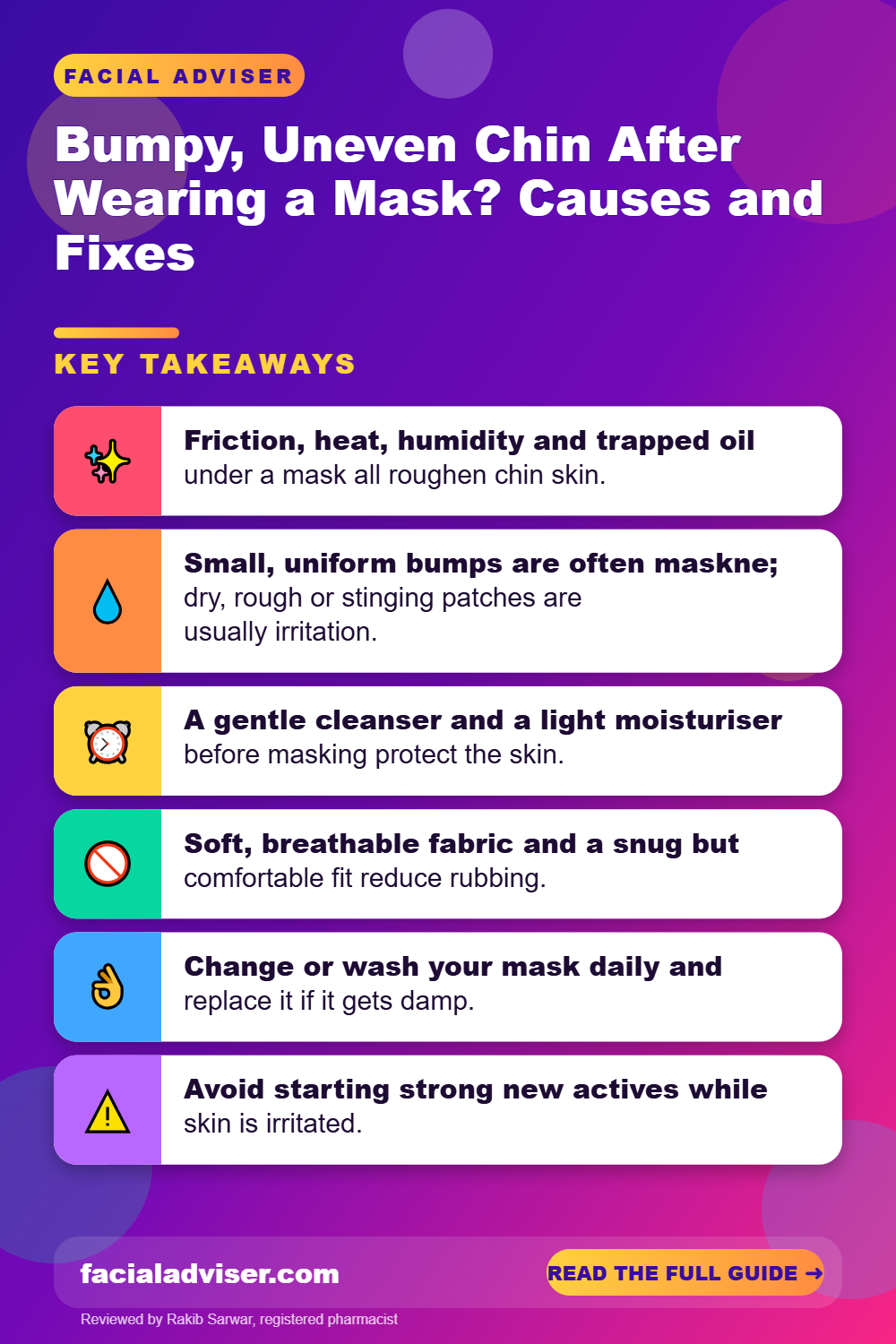
- Friction, heat, humidity and trapped oil under a mask all roughen chin skin.
- Small, uniform bumps are often maskne; dry, rough or stinging patches are usually irritation.
- A gentle cleanser and a light moisturiser before masking protect the skin.
- Soft, breathable fabric and a snug but comfortable fit reduce rubbing.
- Change or wash your mask daily and replace it if it gets damp.
- Avoid starting strong new actives while skin is irritated.
- Rash around the mouth that spares a thin line at the lip border may be perioral dermatitis.
Jump to a Section
- Identify What Is Going On
- Why the Chin Takes the Worst of It
- How to Smooth Chin Texture Caused by Mask Wearing
- What to Use, and What to Pause
- Makeup Under a Mask
- Choosing a Kinder Mask
- A Simple Routine for Long Mask Days
- Beards, Glasses and Workouts
- How Long Until It Settles
- What Mask Care Cannot Fix
- When to See a Doctor
- Questions People Ask
- Where This Leaves You
Identify What Is Going On
Texture changes under a mask are not all the same. Looking closely at the chin in good light helps you choose the right fix.
| What you notice | Likely cause | First step |
|---|---|---|
| Small, even, skin-coloured or red bumps | Maskne (acne from blocked pores) | Gentle cleanser, light non-comedogenic moisturiser |
| Whiteheads and a few inflamed spots | Acne mechanica, flared by friction | Reduce rubbing; spot treatment |
| Dry, rough, flaky patches | Friction and irritation | Barrier repair, softer mask |
| Red, itchy rash matching the mask outline | Contact dermatitis | Change mask material or detergent |
| Tiny bumps around mouth and nose, clear rim at the lips | Perioral dermatitis | Stop heavy creams and steroids; see a doctor |
| Sore, red skin behind ears or on nose bridge | Pressure and rubbing | Adjust fit; protective ointment |
Many people have more than one of these at once, especially if they have been trying lots of products to fix the problem. When in doubt, go back to basics for two weeks and see what settles.
Why the Chin Takes the Worst of It
The chin and jaw sit where the mask moves most when you talk, eat and turn your head. That constant rubbing is called acne mechanica when it triggers breakouts, and it can also wear down the skin barrier.
- Moisture from breath keeps the skin soft and damp, which makes it more fragile.
- Heat increases sweating and oil flow under the fabric.
- Friction from seams and edges rubs the same spot all day.
- Trapped oil and makeup clog pores more easily when covered.
- Hormones already make the chin a common breakout area for many adults.
Masks with rough seams, stiff synthetic fabric or loose fits that slide around tend to cause the most friction. Snug but comfortable is the goal.
How to Smooth Chin Texture Caused by Mask Wearing
Wash gently twice a day
Use a mild, fragrance-free cleanser with lukewarm water, morning and evening, and after long mask sessions if you can.
Moisturise before you mask
Apply a light, non-comedogenic moisturiser with ceramides, hyaluronic acid or dimethicone about 30 minutes before putting on the mask.
Protect friction points
A thin layer of ointment on the nose bridge, behind the ears and on the lips reduces rubbing and chapping.
Choose the right mask
Pick a soft, breathable inner layer such as cotton, with a fit that does not slide.
Take breaks
When it is safe to do so, remove the mask for about 15 minutes every four hours.
Replace or wash daily
Use a fresh disposable mask each day, or wash cloth masks in hot water with fragrance-free detergent.
Add one acne ingredient if needed
If bumps remain after two weeks, add a salicylic acid or adapalene product a few nights a week, not on broken skin.
Keep a spare mask in your bag. A damp mask rubs more and traps more bacteria, so swapping it out after a sweaty commute or workout makes a noticeable difference.
What to Use, and What to Pause
Good Habits
- Mild, fragrance-free cleanser
- Light, non-comedogenic moisturiser
- Ointment on friction points
- Niacinamide for redness and oil
- Salicylic acid or adapalene for lasting bumps
Common Mistakes
- Heavy makeup under the mask
- Strong peels or scrubs on irritated skin
- New retinoids while skin is raw
- Scented products and aftershave under the mask
- Thick, greasy creams if you are breaking out
The AAD advises against starting potentially irritating products such as peels or retinoids for the first time while your skin is already under a mask, and suggests cutting back on leave-on salicylic acid or retinoids if skin becomes irritated (AAD).
Do not use steroid creams on the chin without medical advice. They can trigger or worsen perioral dermatitis, which looks similar to acne but needs different treatment.
Makeup Under a Mask
Foundation and concealer under a mask get rubbed into pores and moved around all day, which adds to blocked pores and texture. The simplest fix is to skip base makeup on the lower face while masking.
If you prefer some coverage, use a light tinted moisturiser or sunscreen labelled non-comedogenic. Our guide on how to tell if makeup is non-comedogenic explains what to look for on the label. Save fuller coverage for areas the mask does not touch, such as the eyes and brows.
Choosing a Kinder Mask
| Mask feature | Kinder to skin | Harder on skin |
|---|---|---|
| Inner layer | Soft cotton or silk-like fabric | Rough synthetic or stiff material |
| Fit | Snug, stays in place | Loose, slides when talking |
| Seams | Flat or outside the face | Raised seam across the chin |
| Care | Washed after each day | Reused while damp or dirty |
| Detergent | Fragrance-free | Heavily scented, fabric softener |
If your job requires medical-grade masks, you may not be able to change the material, but you can still protect the skin underneath with moisturiser, friction-point ointment and regular breaks where allowed.
A Simple Routine for Long Mask Days
If you wear a mask for a full work shift, spreading your care across the day works better than trying to fix everything at night.
| When | What to do | Why it helps |
|---|---|---|
| Morning | Gentle cleanse, light moisturiser, sunscreen if outdoors | Starts the day with a protected barrier |
| Before masking | Ointment on nose bridge, ears and lips | Reduces friction and chapping |
| Every 4 hours | 15-minute mask break where safe; swap mask if damp | Lets trapped moisture escape |
| After the shift | Cleanse promptly rather than waiting until bedtime | Removes sweat and oil before pores block |
| Night | Moisturiser; acne treatment a few nights a week if needed | Repairs and treats while skin rests |
Health care workers who wear masks for long hours have found regular breaks especially helpful, and the AAD includes them among its tips. Even a short break in a safe, private space can reduce the soggy, overheated feeling under the fabric.
Beards, Glasses and Workouts
A few situations make mask-related texture more likely, and each has a simple adjustment.
- Beards and stubble: hair under the mask traps more oil and sweat. Wash the beard area thoroughly and use a light, fragrance-free beard moisturiser rather than a heavy oil. Ingrown hairs along the jaw can look like maskne, so shave with the grain if you shave.
- Glasses: pressing the mask down with glasses can increase rubbing on the nose. A mask with a soft nose wire that you shape once, rather than pinching repeatedly, helps.
- Exercise: sweat soaks masks quickly. Where a mask is needed, bring a spare, change it after the session and cleanse your face as soon as you can.
- Hot, humid weather: switch to a lighter gel moisturiser and change masks more often.
If you already manage acne with a prescription, keep using it as directed. Stopping a treatment that was working just because you are wearing a mask often leads to a bigger flare.
How Long Until It Settles
Friction and dryness often improve within one to two weeks of gentler care. Maskne bumps usually take four to eight weeks to clear, since acne treatments need time to work and new bumps are still forming while you wear the mask.
Any dark or red marks left behind fade more slowly. Our guide to pimple marks that won’t fade explains how to tell marks from scars and speed up fading.
If your skin tends to be oily in the centre and dry on the cheeks, the chin may behave like the T-zone. A zone-based combination skin routine can help you treat it without drying out the rest of your face.
What Mask Care Cannot Fix
Better mask habits reduce irritation and breakouts, but they will not solve everything. Hormonal breakouts along the chin and jaw often continue with or without a mask, and some people have underlying rosacea or eczema that the mask simply makes more obvious.
Texture that comes from enlarged pores, old acne scars or sun damage will also still be there once the mask comes off. Those need their own treatment plan, and a dermatologist can tell you which parts of the change are temporary irritation and which are longer-term texture worth treating separately.
If you have tried gentle care for a month and the texture is no better, it is worth getting a diagnosis rather than continuing to swap products.
When to See a Doctor
- A rash around the mouth, nose or eyes that keeps spreading.
- Painful, deep or cystic spots on the chin and jaw.
- Itchy, red or blistering skin exactly where the mask touches, which may be an allergy.
- Broken skin, crusting or signs of infection.
- No improvement after four to six weeks of gentle care.
This article is for general information and does not replace professional medical advice. Speak to a dermatologist or doctor about persistent or painful skin changes.
Questions People Ask
Why is my chin bumpy after wearing a mask?
Friction, heat and trapped moisture under the mask can block pores and irritate the skin, causing small bumps.
What is maskne?
Maskne is acne caused or worsened by wearing a face mask, usually on the chin, jaw and around the mouth.
How long does maskne last?
Most cases improve within four to eight weeks with gentle care, a well-fitting mask and, if needed, an acne treatment.
Should I moisturise before wearing a mask?
Yes. A light moisturiser applied about 30 minutes before masking helps protect the skin from friction.
Can a mask cause a rash?
Yes. Some people react to mask materials or detergents, which can cause red, itchy contact dermatitis.
Is salicylic acid good for maskne?
It can help clear blocked pores, but use it a few times a week and cut back if the skin becomes irritated.
Which mask material is best for skin?
Soft, breathable fabric such as cotton on the inner layer is usually the gentlest.
Should I wear makeup under a mask?
It is best to skip base makeup under the mask or use only light, non-comedogenic products.
How often should I wash a cloth mask?
After each day of wear, in hot water with fragrance-free detergent.
Could it be perioral dermatitis instead?
Yes. Small bumps around the mouth that spare a thin rim at the lips may be perioral dermatitis, which needs a doctor’s advice.
Where This Leaves You
Uneven chin texture after wearing a mask is common and usually fixable. It comes from friction, heat, trapped moisture and blocked pores in the small space under the fabric, not from anything you are doing wrong.
Keep your routine simple: a gentle cleanser, a light moisturiser before masking, a soft mask that fits well and is changed daily, and regular breaks. Add a single acne ingredient only if bumps persist, and see a doctor if the rash spreads, hurts or does not improve.

Written by
Registered pharmacist and founder of Facial Adviser. Rakib's pharmacy training covers how skincare actives work and interact; a later course in cosmetology turned that into a focus on facial treatments and skincare products. He plans, researches and edits every guide on the site and checks health claims against sources such as the American Academy of Dermatology, the FDA and the NIH. He is not a dermatologist; see the Editorial Policy and Medical Disclaimer.
About · Editorial policy · How we choose products · Medical disclaimer · Contact
Keep reading: Face masks and exfoliation
- 10 Best Face Masks for Every Skin Type (2026): Clay, Gel and Sheet
- Sebaceous Filaments vs Blackheads: How to Tell the Difference
- Facial Redness After Exfoliation: Causes, Burn Signs and How to Calm It
- Is It Okay to Use a Face Mask Every Day? It Depends on the Mask
- Best Time to Exfoliate: Morning or Night? What Works for Each Method
- How Often to Exfoliate Sensitive Skin (and How to Do It Safely)
- What Does a Facial Toner Do? The Real Answer
- 10 Best Facial Cleansers for Combination Skin (2026): Balanced Picks