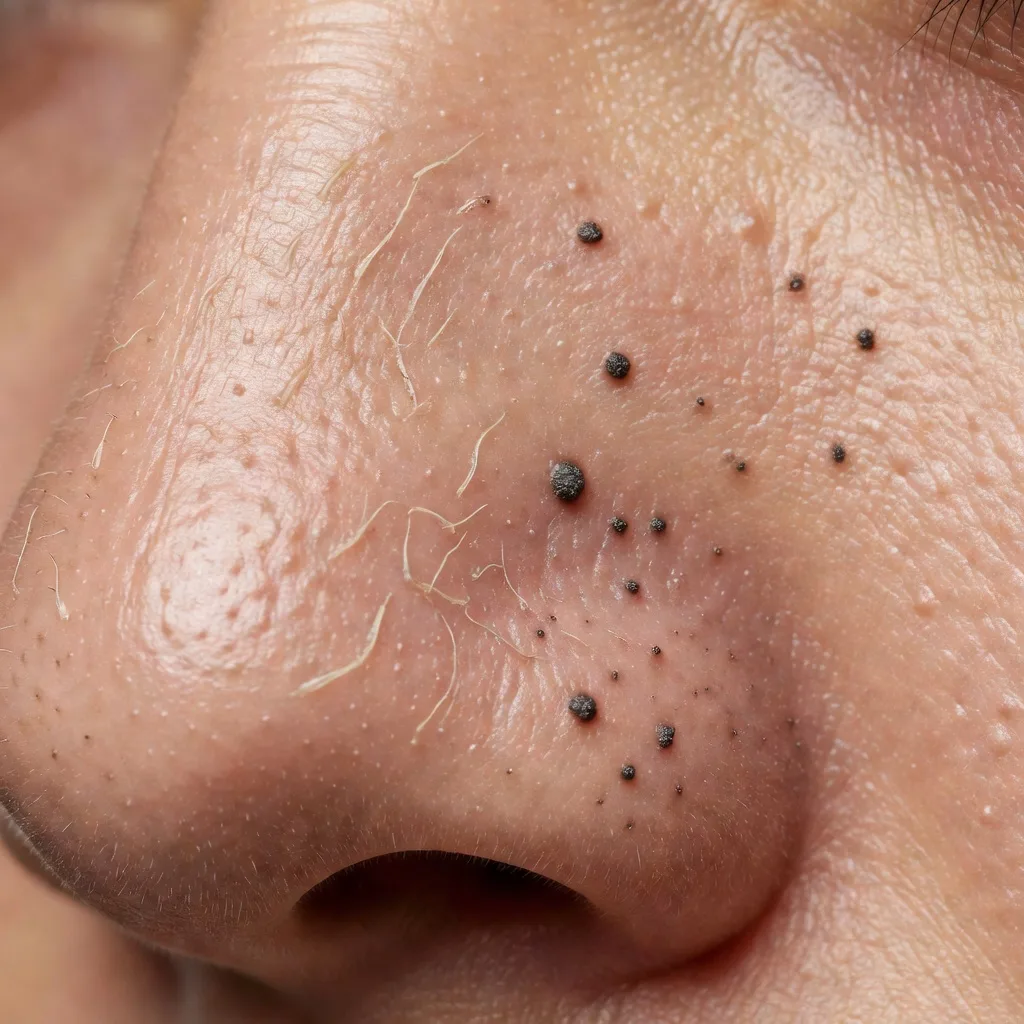
Sebaceous Filaments vs Blackheads: How to Tell the Difference
Look closely at your nose in a mirror and you will probably see dozens of tiny grey dots. Most people assume they are blackheads, reach for a pore strip, and watch the dots return a few weeks later.
Part of our guide to skincare products. Start with: 10 Best Face Masks for Every Skin Type (2026): Clay, Gel and Sheet
Those evenly spaced dots are usually sebaceous filaments, which are a normal part of every oil gland and not a sign of clogged pores. A filament is a loose column of oil and shed cells that lines the pore and lets sebum flow to the surface. A blackhead is a compacted plug that blocks the pore and counts as the mildest form of acne.
Both start in the same place. Every pore on your face is attached to an oil gland, and the oil it makes carries shed skin cells up the pore as it travels to the surface. When that column flows freely, you see a filament. When the cells stick together and compact into a plug, oil gets trapped behind it, the opening stretches, and the exposed tip darkens into a blackhead.
That difference changes the plan. Blackheads can be cleared with consistent treatment, but sebaceous filaments can only be made less visible, because they refill within about 30 days of being squeezed or stripped. Treating filaments as a problem to eliminate is why so many routines never seem to work.
This guide covers a 60-second stretch test to tell the two apart, a side-by-side comparison, what salicylic acid and retinoids can and cannot do for each, the look-alikes that need a dermatologist, and a simple routine that works without damaging your pores.
Shopping these picks?
Amazon Prime members get fast, free shipping on eligible items, plus Prime Video, Amazon Music and member deals. New members can start with a free trial.
Start a free Prime trialAged 18 to 24? Prime for Young Adults comes with a longer free trial and a lower price after it.
Affiliate link: we may earn a commission at no extra cost to you.
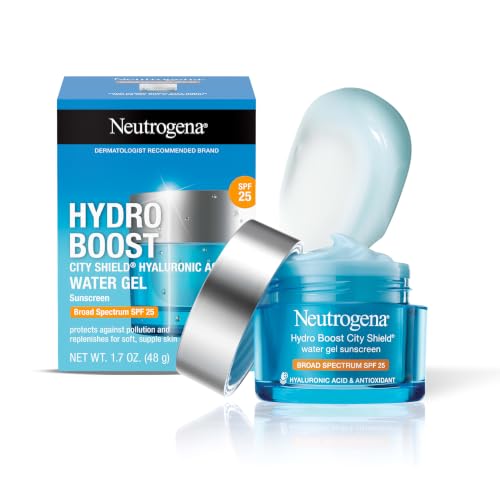
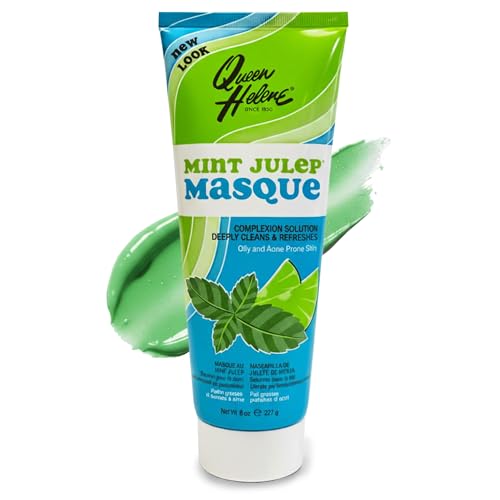
Recommended Products for Sebaceous Filaments and Blackheads


Key Takeaways
- Sebaceous filaments are a normal part of every oil gland. They line the pore and carry sebum to the surface. Blackheads are a blocked pore and an early form of acne.
- Filaments look grey, beige, or yellowish and sit flat in an even grid across the nose. Blackheads are truly black, scattered, and often slightly raised.
- The 60-second stretch test below tells you which one you have, and that answer changes what you should do.
- Squeezed or stripped filaments refill in roughly 30 days, according to Cleveland Clinic. Removing them is a treadmill, not a fix.
- Salicylic acid and topical retinoids help both, but only blackheads can actually be cleared. Filaments can only be made less visible.
- Several look-alikes, including sebaceous hyperplasia and trichostasis spinulosa, need a dermatologist rather than a stronger scrub.
- If a single “blackhead” keeps coming back in the same spot and grows, get it checked.
In This Guide
- What a Sebaceous Filament Actually Is
- What Makes a Blackhead Different
- Sebaceous Filament vs Blackhead: Side by Side
- The 60-Second Stretch Test
- Why Squeezing and Pore Strips Backfire
- What Actually Helps Each One
- A Realistic Routine
- What No Product Can Do
- Look-Alikes Worth Knowing
- When to See a Dermatologist
- Frequently Asked Questions
- The Bottom Line
What a Sebaceous Filament Actually Is
Every hair follicle on your face is attached to a sebaceous gland. That gland makes sebum, the oily mix of triglycerides, wax esters, and squalene that keeps skin supple. The sebum has to travel up the follicle to reach the surface, and it does not travel alone. It carries shed cells from the follicle lining with it. The column of oil and cells that fills the pore opening is the sebaceous filament.
Dermatologist David Whiting described this material in a 1979 review in the Western Journal of Medicine as a loose, porous mass of shed cell debris. The key word is loose. Oil still flows through a filament. It is a channel, not a plug.
Filaments are most visible where oil glands are largest and densest: the nose, the inner cheeks beside it, the chin, and the forehead. People with oilier skin see them more because more sebum means a fuller, more visible column. That is why they show up in the teenage years, when androgens enlarge the glands, and why they rarely disappear entirely in adults.
What Makes a Blackhead Different
A blackhead, or open comedone, starts in the same place but goes wrong. The cells lining the follicle stop shedding normally and stick together. That sticky layer mixes with sebum and forms a dense, compacted plug that blocks the pore. Oil can no longer flow out freely, so it builds up behind the plug and stretches the opening.
The black color is not dirt. The opening of the plug is exposed to air, and pigment and oxidized oils at the surface darken. That is why washing harder does not turn blackheads lighter. The color comes from chemistry inside the plug, not from grime on top.
Blackheads are the mildest form of acne. They are classed as non-inflammatory lesions, but the same blocked follicle can become a whitehead or an inflamed spot if bacteria in the trapped sebum trigger inflammation. Filaments do not carry that risk because nothing is trapped.
Sebaceous Filament vs Blackhead: Side by Side
Most online advice treats these as one problem. They are not, and the differences decide what is worth doing.
| Feature | Sebaceous Filament | Blackhead (Open Comedone) |
|---|---|---|
| What it is | Normal lining of oil and shed cells in a working pore | A compacted plug that blocks the pore |
| Color | Grey, beige, tan, or yellowish | Dark brown to black |
| Pattern | Even, dotted grid across the nose and inner cheeks | Scattered and irregular, often a few larger ones |
| Texture | Flat to the skin | Often a tiny raised bump you can feel |
| If pressed (not advised) | A thin, pale, waxy thread | A firmer plug with a dark tip |
| Is it acne? | No | Yes, the mildest form |
| Can it be cleared? | No, only made less visible | Yes, with consistent treatment |
| Refills after removal? | Yes, within about 30 days | Can recur if the cause is untreated |
The 60-Second Stretch Test
You can tell the two apart at home with a mirror and daylight. This matters because the right plan for filaments (manage and accept) is different from the right plan for blackheads (treat until clear).
Use natural light
Stand near a window with a clean face and no makeup. Bathroom bulbs and magnifying mirrors exaggerate color and size, which makes filaments look darker than they are.
Check the pattern
Look at the whole nose. If the dots are evenly spaced like a grid and roughly the same size, that is the signature of filaments. If you see a few scattered, noticeably darker dots, those are likely blackheads.
Check the true color
Hold a sheet of white paper beside your nose. Filaments read grey or beige next to white. Blackheads stay clearly black or dark brown.
Stretch the skin
Place two clean fingertips either side of a dot and gently spread the skin apart. Filaments flatten and fade because they sit level in an open pore. A blackhead stays visible, keeps its dark center, and may lift slightly because it is a solid plug.
Feel the surface
Run a clean fingertip over the area. Smooth means filaments. A tiny, gritty bump under the finger points to a comedone.
How to use the result: If most dots fade on stretching, you are dealing with filaments, and your goal is to make them less noticeable without damaging your skin. If a handful stay dark and raised, treat those as acne with the steps below, and expect clearing to take 8 to 12 weeks.
Why Squeezing and Pore Strips Backfire
Pressing a filament out is satisfying because a pale thread appears. But the gland keeps producing sebum, so the pore refills. Cleveland Clinic puts the refill time at about 30 days, and many people notice it sooner.
The cost is real. Fingernail pressure stretches the pore wall, can tear the lining, and pushes material sideways into the surrounding skin. That can trigger inflammation, broken capillaries on the nose, and dark marks that outlast the filament by months, especially in medium and deeper skin tones.
Pore strips work the same way. The adhesive pulls out the top of whatever is in the pore, and the strip looks impressive. The pore looks emptier for a few days, then refills. Repeated use can dry and irritate the skin, which some people then over-correct with harsher products.
Do not squeeze: spots in the triangle between the corners of your mouth and the bridge of your nose, anything painful or swollen, or anything that bleeds easily. Inflamed lesions in this area should be handled by a clinician.
What Actually Helps Each One
The same ingredients show up for both, but they do different jobs. Here is what each can realistically do, and how strong the evidence is.
| Approach | For Filaments | For Blackheads | Evidence |
|---|---|---|---|
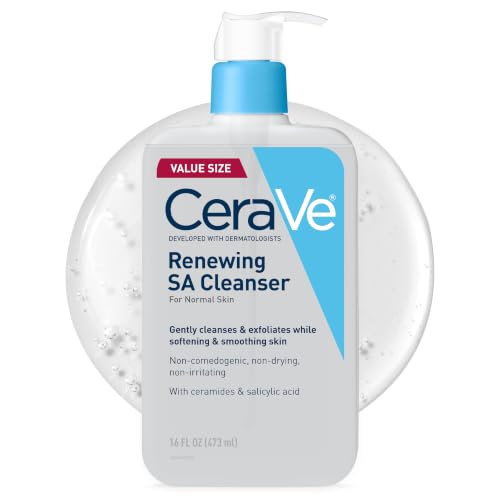
| Salicylic acid (BHA) | Loosens the top of the column so pores look emptier | Dissolves the sticky cell layer that forms the plug | Moderate for comedones. For filaments it is largely extrapolated |
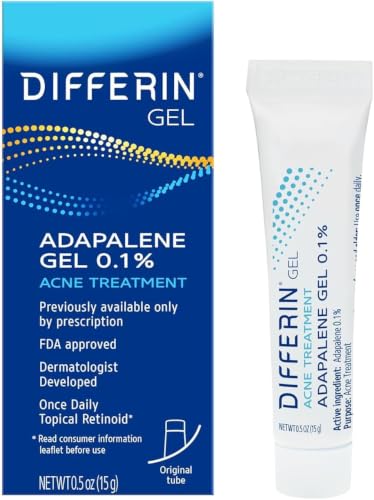
| Topical retinoid (adapalene, tretinoin) | Normalizes cell shedding so less debris builds up | First-line treatment. Prevents new plugs forming | Strong for comedonal acne |
| Niacinamide | May slightly reduce oiliness and the look of pores | Supportive only | Modest and mixed |
| Clay mask | Absorbs surface oil for a day or two | Minimal effect on plugs | Cosmetic and short-term |
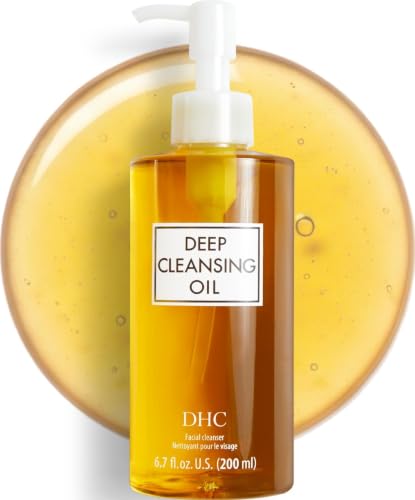
| Oil cleanser | Helps lift oil and makeup from the pore opening | May soften soft plugs, not firm ones | Anecdotal and formulation-dependent |
| Professional extraction | Temporary, same refill cycle | Useful for stubborn plugs, done aseptically | Clinical practice rather than trials |
A note on retinoids: The comedone-clearing effect of topical retinoids was established in Albert Kligman’s tretinoin work in the late 1960s and has been confirmed repeatedly since. Adapalene 0.1% has been available over the counter in the US since 2016. Expect dryness and some peeling in the first weeks, and use sunscreen daily. Do not use retinoids if you are pregnant or trying to conceive without speaking to a doctor.
A Realistic Routine
Consistency beats intensity here. A simple routine run for three months will do more than a weekly aggressive session.
Do
- Cleanse once or twice a day with a gentle or salicylic acid cleanser.
- Use a leave-on BHA a few evenings a week, building up slowly.
- Add adapalene at night if you have true blackheads.
- Moisturize with an oil-free product so your skin tolerates actives.
- Wear sunscreen every morning, especially with retinoids.
- Give any change at least 8 to 12 weeks.
Don’t
- Squeeze, pick, or use metal extractors on filaments.
- Rely on pore strips or suction devices as your main plan.
- Stack several exfoliants at once in the same routine.
- Scrub with gritty physical scrubs every day.
- Judge progress in a magnifying mirror.
- Stop a retinoid in week three because of mild flaking.
A workable week looks like this. In the morning, cleanse, moisturize, and apply sunscreen. In the evening, cleanse, then use BHA on two or three nights and a retinoid on the others, never both on the same night at the start. Moisturize last. Use a clay mask once a week before an event if you want a short-term matte look.
What No Product Can Do
This is the part most product pages leave out. Sebaceous filaments cannot be permanently removed, because they are part of how a healthy oil gland works. Every method on this page makes them less visible for a while. None makes them go away for good. Any product that promises to “eliminate” them is overpromising.
Pore size is largely set by genetics, oil output, and age. As skin loses collagen, pore walls lose support and openings look larger, which makes filaments more visible in your 40s than in your 20s. Retinoids and sunscreen can help with that support over time. Toners, cold water, and “pore-shrinking” masks cannot physically close a pore.
The evidence base is also thinner than marketing suggests. Most studies measure acne lesions or oiliness, not filaments specifically. When a product claims clinically proven filament reduction, look for the actual study, its size, and whether it was independent.
Look-Alikes Worth Knowing
Some dots on the nose are neither filaments nor ordinary blackheads. These do not respond to BHA or pore strips, and trying harder can cause damage.
Sebaceous hyperplasia
These are soft, yellowish bumps, often with a tiny central dip, that are more common after 40. They are enlarged oil glands, not blocked pores. Squeezing does nothing. A dermatologist can treat them with procedures such as electrodesiccation or laser if they bother you.
Trichostasis spinulosa
This is a cluster of tiny, fine hairs trapped in one follicle, which looks like a dark dot and is often mistaken for a blackhead on the nose. Under magnification it looks like a tuft. Chemical exfoliants help a little. Laser hair removal is sometimes used for stubborn cases.
Dilated pore of Winer
This is a single, unusually large “blackhead,” often on the face or upper back of adults, that refills after every squeeze. It is a benign cyst-like structure, and a dermatologist can remove it completely with a small excision.
Milia
Milia are small, firm, pearly white bumps, often around the eyes. They contain trapped keratin under the surface and have no opening, so they cannot be squeezed out safely at home.
When to See a Dermatologist
Most filaments and blackheads are harmless. Book an appointment if any of these apply:
- A single spot that keeps refilling in the same place and is getting larger.
- A bump that bleeds, crusts, changes color, or does not heal within about four weeks.
- Pearly, shiny, or waxy bumps with visible small blood vessels.
- Blackheads alongside painful, deep, or scarring breakouts.
- No improvement after 12 weeks of consistent over-the-counter treatment.
- Marks or scars left behind by previous squeezing.
Medical disclaimer: This article is for general information and is not a substitute for advice from a qualified healthcare professional. If you have a skin condition, a changing lesion, or you are pregnant or breastfeeding, speak with a doctor or dermatologist before starting new treatments.
Frequently Asked Questions
Are sebaceous filaments the same as blackheads?
No. Sebaceous filaments are a normal lining of oil and shed cells in a working pore, while blackheads are compacted plugs that block the pore and count as mild acne.
How can I tell if I have sebaceous filaments or blackheads?
Use daylight and gently stretch the skin. Filaments are grey or beige, evenly spaced, and fade when stretched, while blackheads stay dark, scattered, and slightly raised.
Why do sebaceous filaments come back after I squeeze them?
The oil gland keeps producing sebum, so the pore refills. Cleveland Clinic notes pores fill again within about 30 days.
Can you permanently get rid of sebaceous filaments?
No. They are part of normal oil gland function. Treatments such as salicylic acid and retinoids can make them less visible, but they will not remove them for good.
Do pore strips work on sebaceous filaments?
Only briefly. Strips pull out the top of the pore contents, which refill within weeks, and repeated use can dry and irritate the skin.
Does salicylic acid help sebaceous filaments?
It can loosen the top of the column so pores look emptier, but most of the evidence comes from studies on acne comedones rather than filaments specifically.
Is a retinoid better than salicylic acid for blackheads?
Topical retinoids are considered first-line for comedonal acne because they prevent new plugs from forming, while salicylic acid is a helpful supporting exfoliant.
Why are blackheads black if they are not dirt?
The exposed surface of the plug darkens as pigment and oils oxidize in the air, so washing harder does not lighten them.
Do sebaceous filaments mean my pores are clogged?
No. Oil still flows through a filament, so the pore is working normally, even if it looks full.
When should I see a dermatologist about dots on my nose?
See a dermatologist if a spot keeps refilling and growing, bleeds or changes, looks pearly or waxy, or if nothing improves after 12 weeks of consistent treatment.
The Bottom Line
The grey dots evenly spaced across most people’s noses are sebaceous filaments, and they are doing a job. You can make them less noticeable with a gentle routine built on salicylic acid, a retinoid, oil-free moisturizer, and sunscreen, but you cannot remove them permanently, and squeezing only restarts the refill cycle while risking marks.
True blackheads are different. They are blocked pores and a mild form of acne, and they can be cleared with a retinoid and patience over two to three months. Run the stretch test first, treat the one you actually have, and let a dermatologist look at anything that grows, bleeds, or keeps returning in the same spot.

Written by
Registered pharmacist and founder of Facial Adviser. Rakib's pharmacy training covers how skincare actives work and interact; a later course in cosmetology turned that into a focus on facial treatments and skincare products. He plans, researches and edits every guide on the site and checks health claims against sources such as the American Academy of Dermatology, the FDA and the NIH. He is not a dermatologist; see the Editorial Policy and Medical Disclaimer.
About · Editorial policy · How we choose products · Medical disclaimer · Contact
Keep reading: Face masks and exfoliation
- 10 Best Face Masks for Every Skin Type (2026): Clay, Gel and Sheet
- Facial Redness After Exfoliation: Causes, Burn Signs and How to Calm It
- Is It Okay to Use a Face Mask Every Day? It Depends on the Mask
- Best Time to Exfoliate: Morning or Night? What Works for Each Method
- How Often to Exfoliate Sensitive Skin (and How to Do It Safely)
- Multi-Masking Explained: How to Use Different Masks on Different Zones
- 10 Best Facial Cleansers for Combination Skin (2026): Balanced Picks
- 10 Best Facial Moisturizers for Dry Skin (2026): Rich, Gentle Creams