Is It Okay to Use a Face Mask Every Day? It Depends on the Mask
Sheet masks are now sold in packs of thirty, some labelled for daily use, and social media is full of people masking every evening. It feels like a relaxing, harmless ritual. But face masks range from a gentle layer of moisturiser to strong acids and drying clay, and those do not behave the same way on your skin.
Part of our guide to skincare products. Start with: 10 Best Face Masks for Every Skin Type (2026): Clay, Gel and Sheet
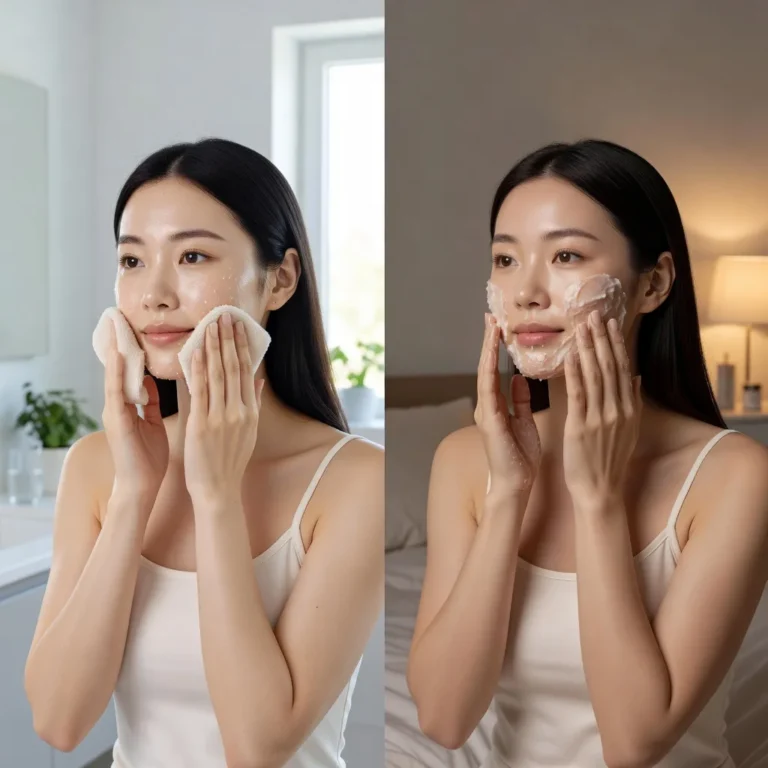
Whether daily mask use is okay depends on the type of mask. Gentle hydrating sheet masks and leave-on sleeping masks with ingredients like glycerin, hyaluronic acid or ceramides are generally fine every day for most skin types. Clay, charcoal, peel-off and exfoliating acid masks are too strong for daily use and are best kept to once or twice a week. Stop or cut back if your skin stings, flakes, breaks out or looks red.
The American Academy of Dermatology says face masks can help moisturise the skin and support the skin barrier, but warns that using the wrong ingredients or applying masks too often can damage the barrier, causing irritation, dryness or breakouts. It also advises following the label instructions and testing a new mask on a small area first.
In other words, frequency should follow the formula. A mask that works like a watery moisturiser can be used often, while a mask that strips oil or dissolves dead skin needs recovery time between uses.
This guide explains which masks suit daily use, which do not, how to fit masks into a routine, and the warning signs that you are masking too often.
Shopping these picks?
Amazon Prime members get fast, free shipping on eligible items, plus Prime Video, Amazon Music and member deals. New members can start with a free trial.
Start a free Prime trialAged 18 to 24? Prime for Young Adults comes with a longer free trial and a lower price after it.
Affiliate link: we may earn a commission at no extra cost to you.
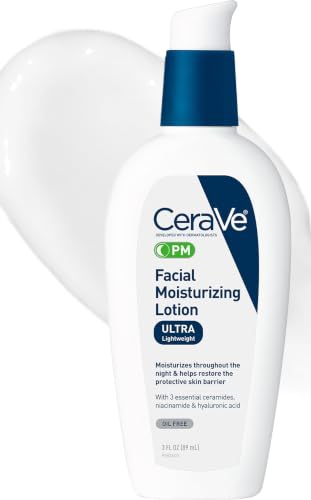
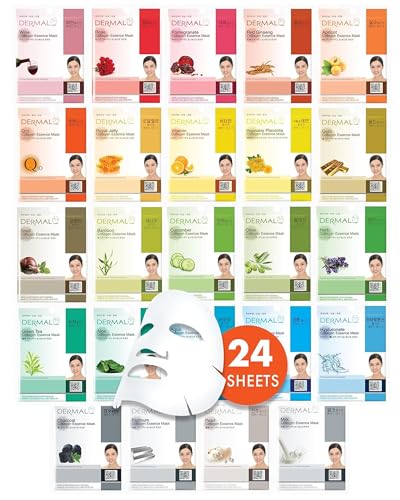
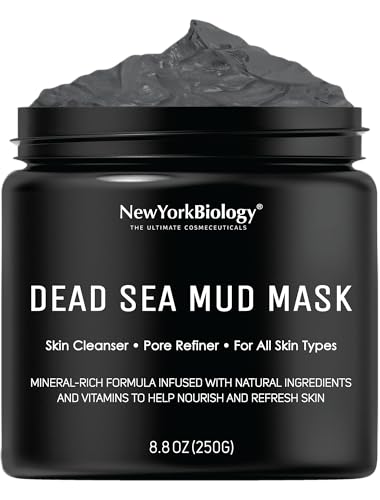
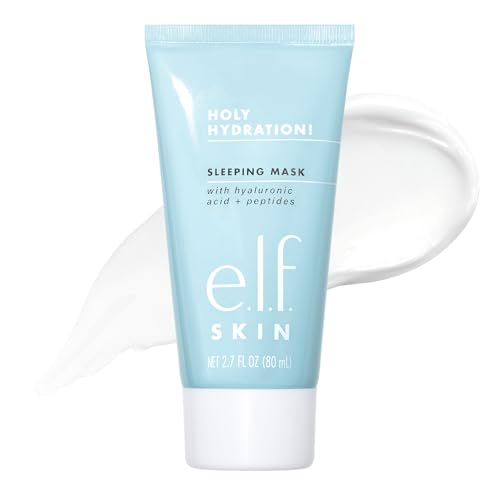
Recommended Face Masks for Regular Use



Contents
- Mask Types and How Often to Use Them
- Masks That Are Usually Safe Every Day
- Masks You Should Not Use Every Day
- How to Build a Safe Face Mask Routine
- Signs You Are Masking Too Often
- Mask Choices by Skin Type
- Ingredients to Check Before Daily Masking
- Where Masks Fit in Your Routine
- What About DIY Masks?
- Are Daily Sheet Masks Worth It?
- Honest Limits
- When to See a Dermatologist
- Frequently Asked Questions
- The Takeaway
In Brief
- Gentle hydrating sheet and sleeping masks are usually fine daily.
- Clay, charcoal, peel-off and acid masks are best limited to once or twice a week.
- Fragrance, alcohol and essential oils make daily masking more likely to irritate.
- Leaving masks on longer than directed can dry or irritate the skin.
- A mask does not replace cleanser, moisturiser or sunscreen.
- Stinging, flaking, redness or new breakouts are signs to cut back.
- Masks cannot treat eczema, rosacea or acne on their own.
Mask Types and How Often to Use Them
| Mask type | What it does | Daily use? | Typical frequency |
|---|---|---|---|
| Hydrating sheet mask | Adds a layer of water-binding ingredients | Usually fine | Daily or as needed |
| Sleeping or overnight mask | Seals in moisture while you sleep | Usually fine for dry skin | Daily to a few times a week |
| Cream mask | Rich moisturising layer | Fine for dry skin | A few times a week |
| Clay or mud mask | Absorbs oil | No | Once or twice a week |
| Charcoal mask | Absorbs oil | No | Once a week |
| Peel-off mask | Pulls off surface skin and hairs | No | Rarely, if at all |
| Exfoliating acid mask | Dissolves dead skin | No | Once a week at most |
The label is a good starting point, but your skin has the final say. A mask sold for daily use can still be too much if it contains ingredients you react to.
It also helps to think about the rest of your routine. If you already use a retinoid, an exfoliating toner or benzoyl peroxide, your skin is doing a lot of work already, and even gentle masks should be judged by how your skin feels overall rather than on their own. People with very active routines often do best keeping masks to simple hydration.
Masks That Are Usually Safe Every Day
Masks built around humectants and barrier ingredients act much like a moisturiser. The AAD suggests looking for hyaluronic acid, ceramides, glycerin, colloidal oatmeal or green tea extract if your skin is dry or sensitive (AAD).
- Sheet masks soaked in glycerin, hyaluronic acid, panthenol or centella.
- Sleeping masks that act as a final moisturising layer at night.
- Fragrance-free cream masks for very dry skin.
- Masks labelled for sensitive skin with a short ingredient list.
Even gentle sheet masks should be removed after the time on the pack, usually 10 to 20 minutes. Leaving a sheet to dry on the face can pull moisture back out of the skin.
Masks You Should Not Use Every Day
Masks that strip oil or remove the outer layer of skin need recovery time. Used every day, they can weaken the barrier and leave skin tight, red and more prone to breakouts.
Good Habits
- Use clay or mud masks once or twice a week
- Apply clay only to oily areas
- Keep acid masks to once a week
- Follow the timing on the pack
- Moisturise after rinsing
Common Mistakes
- Use clay or charcoal masks daily
- Leave clay on until it cracks and pulls
- Use peel-off masks on sensitive skin
- Combine acid masks with retinoids on the same night
- Use scrubbing masks on broken skin
Peel-off masks can remove fine hairs and the top layer of skin, and some contain alcohol and fragrance. They are best avoided on sensitive, dry or acne-prone skin.
How to Build a Safe Face Mask Routine
Start with the basics
Make sure you already have a gentle cleanser, a moisturiser and daily sunscreen; masks are extras.
Patch test new masks
Try a new mask on a small area of the jaw or inner arm before using it on your whole face.
Match the mask to your skin
Hydrating masks for dry skin, clay only on oily areas, soothing masks for redness.
Follow the timing
Remove sheet, clay and acid masks after the time on the pack.
Moisturise afterwards
Seal in hydration with your usual moisturiser, unless the mask is designed as the final layer.
Space out strong masks
Keep clay and acid masks to once or twice a week, and not on the same night as a retinoid.
Pour any leftover essence from a sheet mask pack onto your hands and press it into your neck, rather than leaving the sheet on longer than directed.
Signs You Are Masking Too Often
- Skin stings when you apply your usual moisturiser.
- Dry, flaky patches or tightness after masking.
- Redness that lingers for hours.
- New small bumps or breakouts.
- Skin looks shiny and tight rather than plump and comfortable.
If you notice these, stop all masks for a week or two and keep to a simple routine. When your skin feels comfortable again, reintroduce one mask at a time at a lower frequency, and note how your skin responds over the following days. Our guide on peeling after new products explains how to calm irritated skin and reintroduce products.
Mask Choices by Skin Type
| Skin type | Good choices | Best avoided daily |
|---|---|---|
| Dry | Hydrating sheet masks, cream or sleeping masks | Clay, charcoal, alcohol-based masks |
| Oily | Hydrating sheet masks; clay once or twice a week | Heavy cream masks every night |
| Combination | Hydrating masks all over; clay only on the T-zone | Clay on dry cheeks |
| Sensitive | Fragrance-free, soothing masks with few ingredients | Fragranced, peel-off and acid masks |
| Acne-prone | Light hydrating masks; clay or BHA masks weekly | Rich, occlusive masks on breakout areas |
If your skin is oily in the centre and dry at the sides, multi-masking with clay on the T-zone and a hydrating mask on the cheeks works well. Our guide to an oily T-zone with dry cheeks explains how to treat each area.
Ingredients to Check Before Daily Masking
The ingredients you tolerate once a week can become a problem when used daily. Fragrance, essential oils, alcohol and strong acids are the most common culprits. Our guide on how to spot fragrance in an ingredient list explains the names to look for.
Sheet masks also contain preservatives to keep the soaked sheet safe. These are needed, but people with known preservative allergies should check labels carefully.
Check the expiry date and how the product is stored, too. Opened jars of cream or clay mask can become contaminated if you dip fingers into them, so use a clean spatula, close the lid tightly and replace products that change colour, smell or texture.
Where Masks Fit in Your Routine
The right place for a mask depends on its type. Rinse-off masks go after cleansing, while leave-on sleeping masks go at the very end of your evening routine.
| Mask type | When to use it | What comes next |
|---|---|---|
| Clay or mud | After cleansing, on dry skin | Rinse, then toner or serum and moisturiser |
| Exfoliating acid | After cleansing, on dry skin | Rinse, then a gentle moisturiser; no other actives |
| Sheet mask | After cleansing and toner | Press in leftover essence, then moisturiser |
| Sleeping mask | Last step at night | Nothing; sleep |
| Cream mask | After cleansing | Remove excess or leave a thin layer, then moisturiser if needed |
In the morning, keep it simple. If you use a hydrating sheet mask before makeup, follow with moisturiser and always finish with sunscreen.
What About DIY Masks?
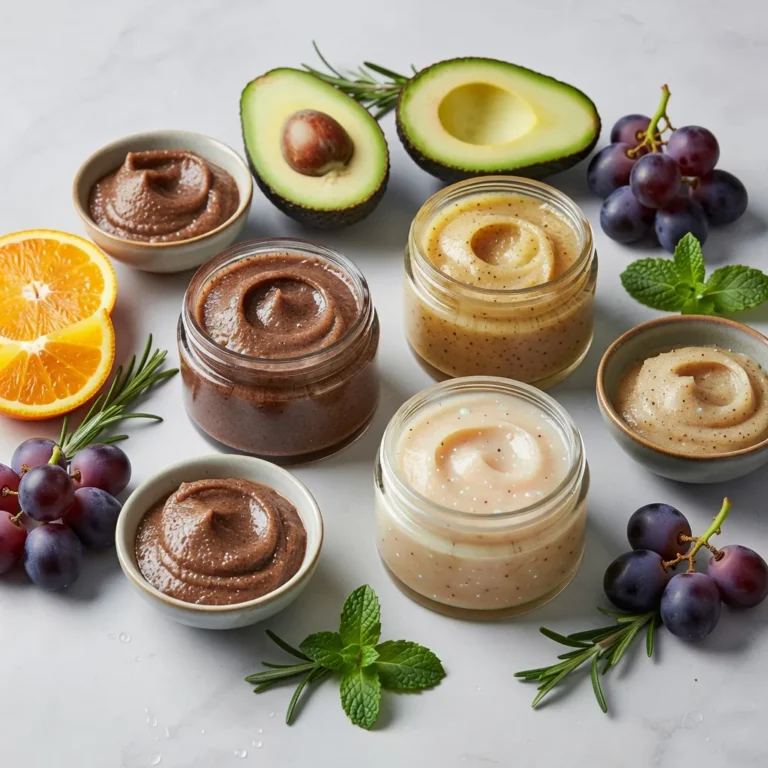
Homemade masks made with kitchen ingredients are popular, but they are riskier for daily use than most people expect. Lemon juice, baking soda, cinnamon, garlic and apple cider vinegar can all irritate or burn the skin, and citrus juices can make skin more sensitive to sunlight.
Simpler ingredients such as plain yoghurt, honey or oatmeal are less likely to cause problems, but they still carry a risk of irritation, and food ingredients can spoil quickly. If you enjoy DIY masks, keep them occasional, patch test first and avoid acidic or spicy ingredients altogether. Our guide to making beauty products at home covers the real risks of home formulas.
Are Daily Sheet Masks Worth It?
For most people, a well-chosen moisturiser does much of what a daily hydrating sheet mask does, at lower cost and with less waste. Sheet masks give a short-term boost of hydration and a pleasant ritual, but the effect fades within hours.
If you enjoy them and your skin tolerates them, daily sheet masks are unlikely to cause harm. If you are masking daily because you hope for dramatic results, it may be more useful to put that effort into consistent sunscreen and a moisturiser that suits your skin.
Honest Limits
Most research on face masks is small and often funded by manufacturers, and results are mainly short-term improvements in hydration. Masks can make skin feel smoother and look plumper for a while, but they are not a treatment for acne, eczema, rosacea or pigmentation.
The AAD notes that masks cannot replace medical treatment for skin conditions. If you have a condition that is not improving, a dermatologist’s plan will do far more than any mask routine. Masks are best thought of as an enjoyable extra that can make skin feel good, rather than as the part of a routine that changes it. Keep expectations modest and they are much more likely to be a pleasant habit than an expensive disappointment.
When to See a Dermatologist
- You have itching, burning or a rash after using a mask.
- Skin remains red, dry or irritated after stopping masks.
- Breakouts have increased since you started masking.
- You have eczema, rosacea or acne that is not improving.
This article is for general information and does not replace professional medical advice. See a dermatologist if a product causes a reaction or your skin condition is not improving.
Frequently Asked Questions
Can I use a sheet mask every day?
Gentle hydrating sheet masks are usually fine daily for most people, if your skin tolerates them.
Can I use a clay mask every day?
No. Clay masks are best used once or twice a week, as daily use can dry and irritate the skin.
How long should I leave a sheet mask on?
Follow the pack, usually 10 to 20 minutes; do not let it dry on your face.
Do I need to moisturise after a sheet mask?
Yes, in most cases, to seal in the hydration.
Can daily masking cause breakouts?
Yes, if the mask is too rich, irritating or used too often.
Are peel-off masks safe?
They can irritate sensitive skin and are best avoided or used rarely.
Can I use a face mask with retinol?
Hydrating masks are fine; avoid acid or clay masks on the same night as a retinoid.
Is it bad to sleep with a sheet mask on?
Yes. Sheet masks should be removed after the recommended time.
What mask is best for dry skin?
Hydrating sheet, cream or sleeping masks with ceramides, glycerin or hyaluronic acid.
Do face masks really work?
They can boost hydration and support the barrier short term, but they are not a substitute for a good daily routine.
The Takeaway
Daily mask use is fine for gentle hydrating sheet masks and sleeping masks, as long as your skin stays comfortable. Clay, charcoal, peel-off and acid masks are much stronger and should be kept to once or twice a week or less.
Match masks to your skin type, follow the timing on the pack, moisturise afterwards and stop if you notice stinging, flaking or new breakouts. Masks are a pleasant extra, not a replacement for cleanser, moisturiser and sunscreen.

Written by
Registered pharmacist and founder of Facial Adviser. Rakib's pharmacy training covers how skincare actives work and interact; a later course in cosmetology turned that into a focus on facial treatments and skincare products. He plans, researches and edits every guide on the site and checks health claims against sources such as the American Academy of Dermatology, the FDA and the NIH. He is not a dermatologist; see the Editorial Policy and Medical Disclaimer.
About · Editorial policy · How we choose products · Medical disclaimer · Contact
Keep reading: Face masks and exfoliation
- 10 Best Face Masks for Every Skin Type (2026): Clay, Gel and Sheet
- Best Time to Exfoliate: Morning or Night? What Works for Each Method
- How Often to Exfoliate Sensitive Skin (and How to Do It Safely)
- Multi-Masking Explained: How to Use Different Masks on Different Zones
- Gentler Alternatives to Exfoliation for Smoother Skin
- 10 Best Face Mask Treatment Devices (2026): LED Masks With Honest Limits
- What Does a Facial Toner Do? The Real Answer
- 10 Best Facial Cleansers for Combination Skin (2026): Balanced Picks