Skin Flooding: The Layering Method Explained Step by Step
Skin flooding started on TikTok as a way to drench dry skin in moisture, and it stuck because the idea is simple: put hydrating layers on damp skin, from lightest to richest. It sounds like a fancy name for a normal routine, and in some ways it is. The value is in the method, not in a magic product.
Part of our guide to body and other. Start with: 10 Best Body Tools for Skincare and Massage (2026): Smooth and Relax
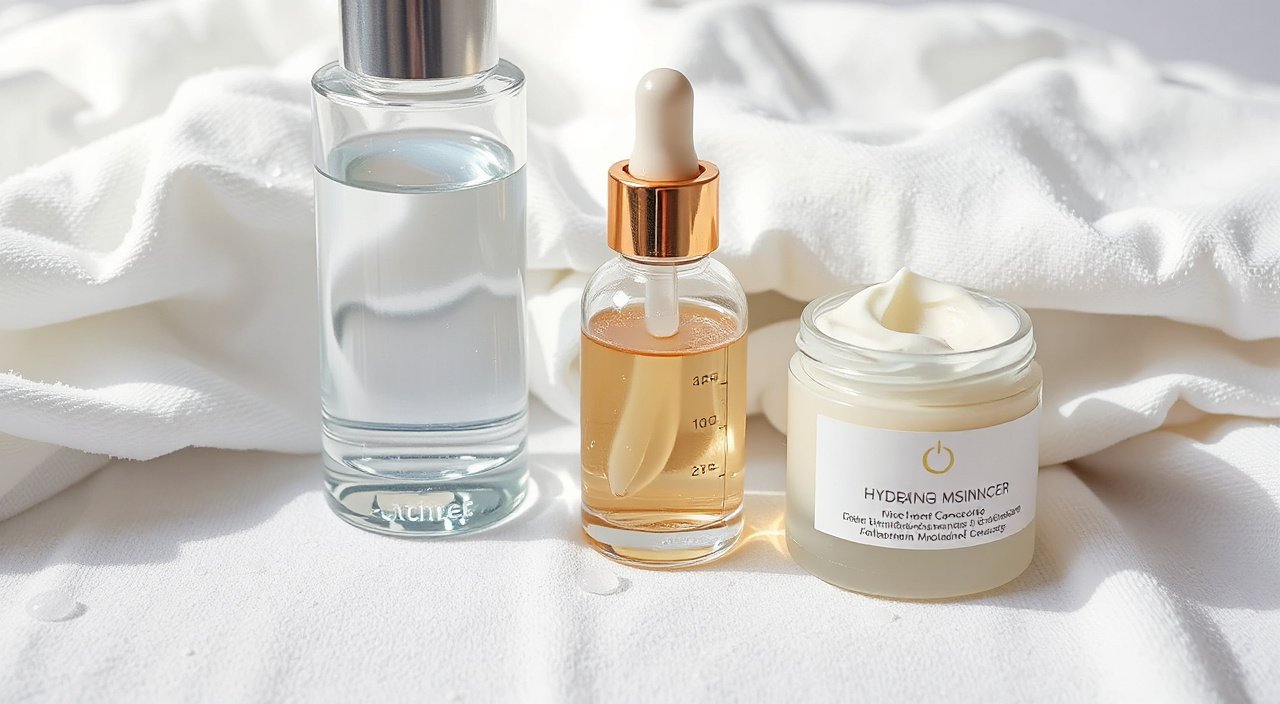
Skin flooding is a layering routine that hydrates the skin by applying several water-based and moisturizing products in a set order, usually at night. You cleanse, leave skin slightly damp, then layer a toner or essence, a hydrating serum and a moisturizer, sometimes sealing with an oil. It tends to help dry, dehydrated, dull or barrier-stressed skin and people in dry climates. Oily or acne-prone skin can use a lighter version, because too many heavy layers may clog pores or cause irritation.
In short: damp skin, thin layers, lightest first, sealed with a moisturizer. Build slowly and watch your skin.
Black Friday is coming: shop the deals with Prime
NBC News Select spoke with dermatologists about skin flooding. They describe it as stacking hydrating products, most often a hydrating wash, toner, serum and moisturizer with ingredients such as hyaluronic acid, glycerin, squalane and ceramides, and they warn that piling on heavy products can lead to clogged pores and breakouts.
Below you will find the exact steps, an ingredient guide, who should adapt or skip it, common mistakes and seven products to consider. For the basics behind any routine, our skin care routine guide is a helpful companion.
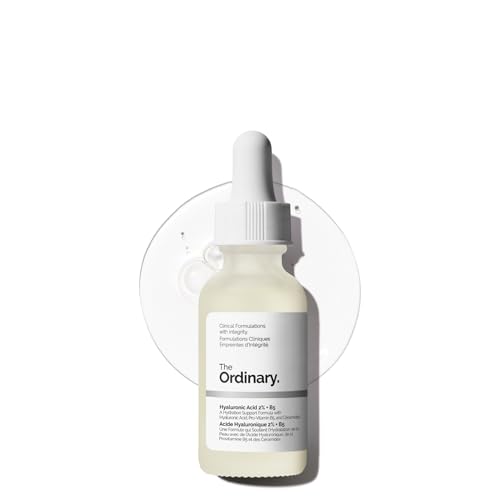
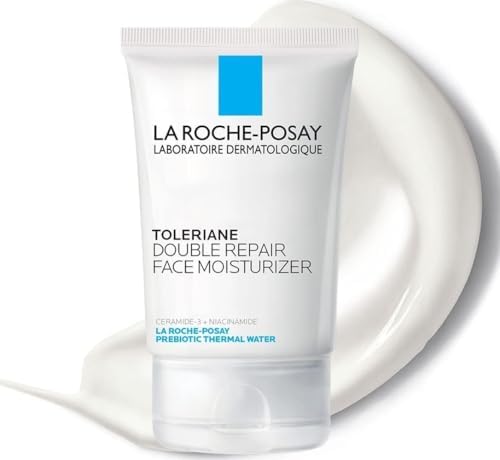
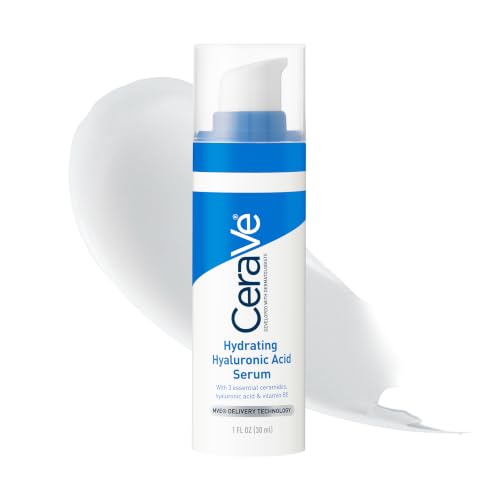
Recommended Products for Skin Flooding



Quick Answer
- Skin flooding is a layering method: hydrate on damp skin, lightest product first, richest last.
- A typical set is hydrating wash, toner or essence, serum, then moisturizer, often at night.
- Look for humectants such as hyaluronic acid and glycerin plus ceramides and squalane to seal.
- It suits dry, dehydrated, dull or barrier-stressed skin and dry climates.
- Oily, acne-prone or sensitive skin should use fewer, lighter layers and add steps slowly.
- More layers do not mean better results; three or four thin layers are enough.
- Sunscreen still comes first in the morning, and persistent dryness or rashes deserve a professional look.
What This Covers
- What Skin Flooding Really Is
- How It Works: Water In, Water Sealed
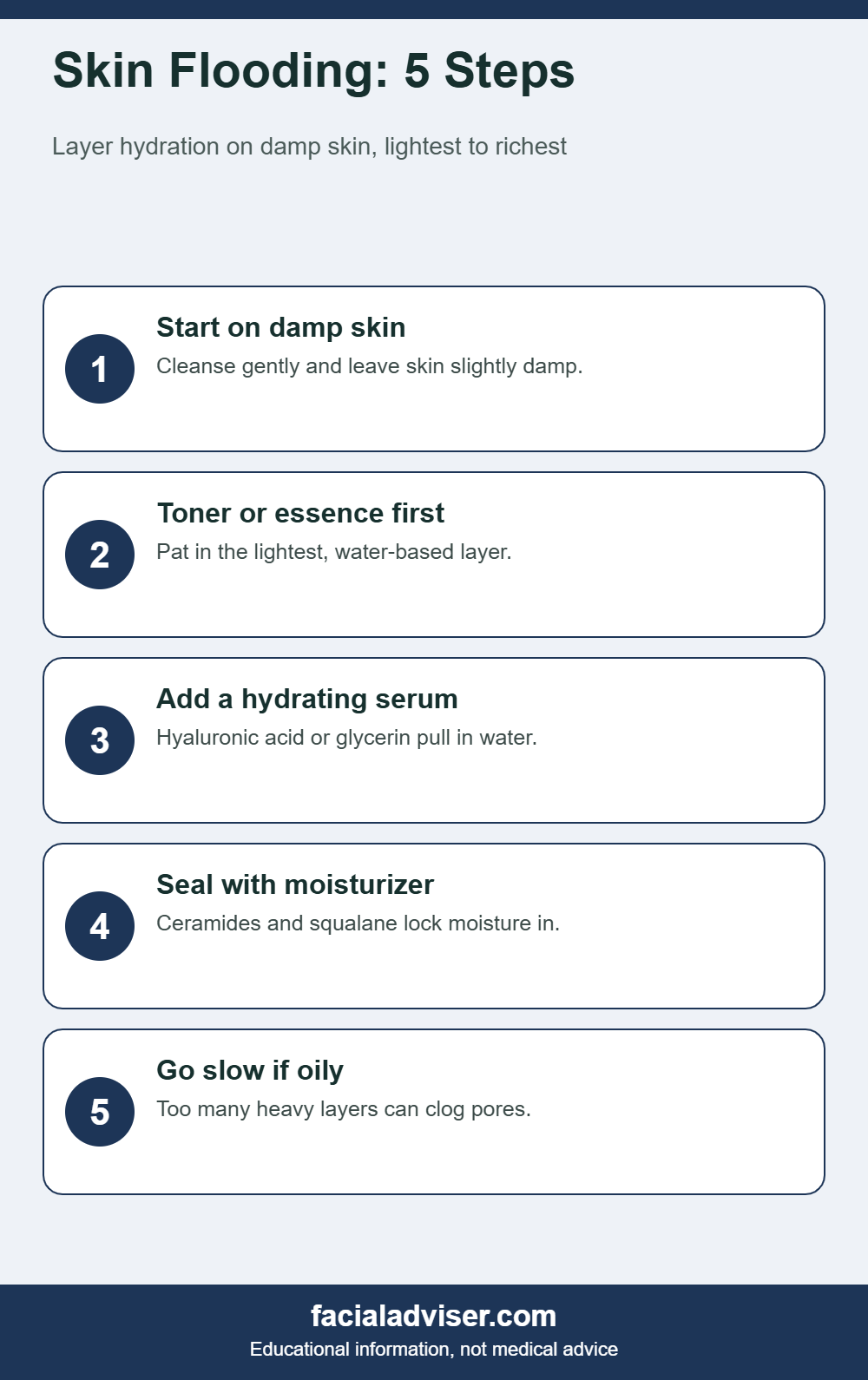
- The Skin Flooding Method, Step by Step
- Ingredients to Look For
- Who Should Try It, and Who Should Adapt
- Sample Routines: Night and Morning
- Adjusting for Climate and Season
- Habits That Make It Work Better
- Common Mistakes
- Honest Limits
- When to See a Professional
- Frequently Asked Questions
- The Takeaway
What Skin Flooding Really Is
Skin flooding is not a product or a treatment. It is a way of ordering and timing the products you may already own. The goal is to trap water in the outer skin so it looks smoother and feels less tight.
Skin can lose water easily, especially in cold, dry or air-conditioned environments. When the outer layer is short on water, skin feels rough and flaky, and fine lines look deeper. Humectants draw water in, and moisturizers with emollients and occlusives slow its escape. Skin flooding combines both.
If this sounds like double cleansing or slugging, it is related. Those methods focus on cleansing or sealing, while skin flooding focuses on layered hydration.
Think of it as a hydration sandwich: a little water on the skin, humectants to hold it, and a moisturizer on top to keep it from evaporating.
That framing keeps the routine simple and prevents the common trap of buying many similar products.
How It Works: Water In, Water Sealed
Hydration in skincare has three jobs: bring water in, hold it there and keep the barrier healthy. Different ingredient groups handle different jobs, as the table shows.
| Job | Ingredient types | Examples on labels |
|---|---|---|
| Draw water in (humectants) | Water-binding molecules | Hyaluronic acid, glycerin, panthenol |
| Smooth and soften (emollients) | Light lipids and oils | Squalane, jojoba, caprylic triglyceride |
| Support the barrier | Skin-identical lipids | Ceramides, cholesterol, fatty acids |
| Seal moisture (occlusives) | Thicker films | Petrolatum, dimethicone, shea butter |
The order matters because thin, watery products cannot pass through thick ones. That is why you start with toner or essence, add serum, and finish with moisturizer or oil.
The Skin Flooding Method, Step by Step
Cleanse with a gentle wash
Use a hydrating, low-foam cleanser. Rinse with lukewarm water and leave skin slightly damp.
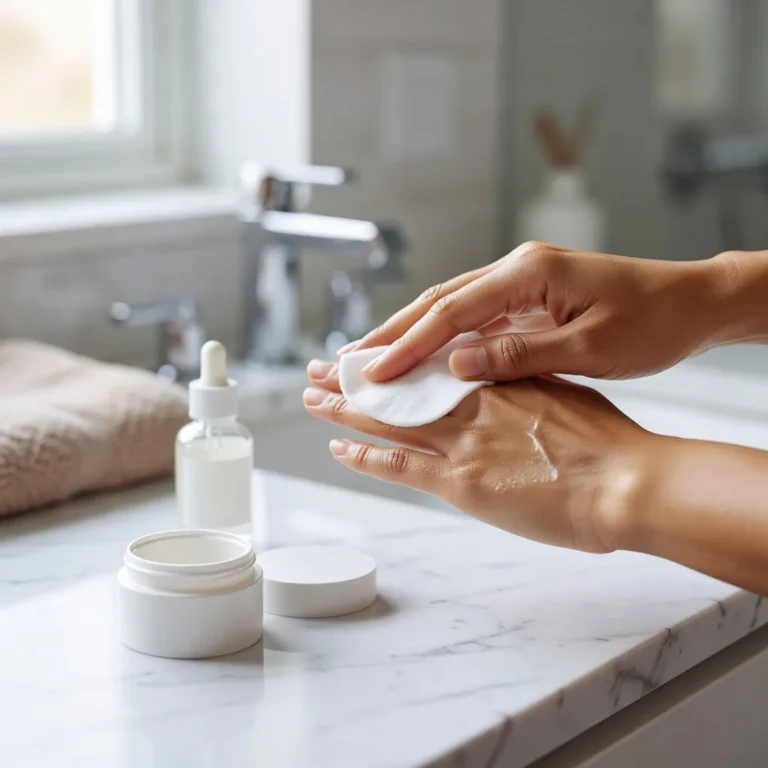
Pat in a toner or essence
Apply with clean hands, pressing it in rather than rubbing. This is the lightest layer.
Add a hydrating serum
Choose hyaluronic acid, glycerin or panthenol. Use two to four drops and press in across the face and neck.
Apply moisturizer
A cream with ceramides or squalane seals the layers. Cover the whole face while skin is still slightly tacky.
Optional: seal with oil
Dry skin can add a few drops of a light face oil on top. Skip this if you are oily or breakout-prone.
Add sunscreen in the morning
If you do skin flooding in the morning, finish with a broad-spectrum sunscreen. Many people do it at night to avoid layering under makeup.
Wait about a minute between layers, and stop if skin starts to feel sticky or pill. Pilling means you have used too much product or layered incompatible textures.
Ingredients to Look For
Choose products with short, simple lists. Hyaluronic acid and glycerin are the most common humectants. Ceramides and cholesterol support the barrier. Squalane gives a light, non-greasy seal. Panthenol and allantoin soothe.
| Skin type | Best focus | Go lighter on |
|---|---|---|
| Dry | Rich creams, squalane, ceramides | Foaming cleansers, alcohol toners |
| Dehydrated but oily | Gel serums, light gel creams | Heavy balms and oils |
| Combination | Water-based layers, light moisturizer | Thick creams on the T-zone |
| Sensitive | Fragrance-free, few steps | Acids, essential oils |
| Acne-prone | Oil-free gels, niacinamide | Layers of rich, comedogenic products |
If you need help decoding labels, our guide on reading a cosmetic ingredient list explains how to spot the main ingredients quickly.
A few practical rules help when you shop. Pick one toner or essence, one serum and one moisturizer rather than three of each. Choose formulas that feel light on the skin and that you can finish within a few months.
Hyaluronic acid products come in different molecule sizes, but you do not need to chase them; what matters more is that the formula feels comfortable and does not sting.
If a product has strong fragrance, menthol or a lot of alcohol, it may defeat the purpose of a hydration routine for sensitive skin.
Who Should Try It, and Who Should Adapt
Skin flooding suits skin that feels tight after washing, dull, flaky or stressed by weather, indoor heating or air travel. It can also help after you have over-exfoliated and need to rebuild comfort.
Good Habits
- Layer thin products from lightest to richest
- Apply to slightly damp skin
- Use fragrance-free options if you are reactive
- Add one new product at a time
Common Mistakes
- Use five or more heavy products at once
- Layer strong acids or retinoids into the routine without a plan
- Ignore stinging, redness or new bumps
- Skip sunscreen in the morning
Stop and simplify if you notice itching, burning, small clogged bumps or a sudden breakout. See a clinician if redness, rash or dryness persists.
Teens and adults with acne-prone skin should favor oil-free gels and keep the number of layers small. If you are using prescription acne treatment, ask your clinician where hydration steps fit so they do not interfere with the active.
Sample Routines: Night and Morning
A simple night routine is cleanse, essence, hydrating serum, moisturizer. If your skin is very dry, add a few drops of face oil at the end. If it is oily or combination, stop after the serum and a light gel moisturizer.
In the morning, use fewer layers: a splash of water or a gentle cleanse, a thin serum, a light moisturizer and sunscreen. Morning layers need to sit under sunscreen and makeup, so keep them thin and give each layer a minute to settle.
Treat skin flooding as a hydration routine, not a treatment routine. If you also use retinoids or exfoliating acids, put them on separate nights and use the flooding steps on the “off” nights.
| Time | Steps | Skin type fit |
|---|---|---|
| Night, dry skin | Cleanse, essence, serum, cream, a few drops of oil | Dry, flaky, tight |
| Night, combination | Cleanse, essence, serum, light gel cream | Combination, dehydrated |
| Morning, any skin | Cleanse or rinse, thin serum, light moisturizer, sunscreen | All types |
| Weekly boost | Add a hydrating sheet mask after the toner step | Dull, stressed skin |
Adjusting for Climate and Season
Dry winter air and indoor heating pull water out of the skin quickly, so people often add a richer cream or a few drops of oil in colder months. In humid summers, a gel moisturizer is usually enough, and one fewer layer may feel more comfortable.
Travel matters too. Cabin air is very dry, and many people use a mist, a hydrating serum and a thicker cream before and after a flight. Hard water can also leave skin feeling tight after washing, which makes the damp-skin step even more helpful.
Habits That Make It Work Better
Hydration works from the inside and the outside. Drinking enough water helps overall health, but it does not replace topical moisture. Keep showers lukewarm, pat skin dry instead of rubbing and avoid harsh scrubs that strip the barrier.
A humidifier in a dry bedroom can help you keep the benefits overnight. Wash pillowcases weekly, and give any new product at least two weeks before judging. If you want a gentle start, build around one cleanser, one serum and one moisturizer before adding more.
Common Mistakes
The biggest mistake is stacking too much. Three or four thin layers are usually enough, and more can leave a film that traps heat and sweat. Another is using exfoliating acids as one of the layers every night, which can undo the moisture you are trying to build.
Layering on dry skin is the next error. Without a little water on the surface, humectants may pull moisture from deeper skin layers instead. In dry indoor air, always seal with a moisturizer. Finally, people forget that hydration is only one part of skin health: sunscreen, sleep and gentle cleansing matter as much.
Honest Limits
Skin flooding will not fix a skin condition. If dryness comes from eczema, rosacea, thyroid problems or medicines, you need a diagnosis. Results also depend on your climate and products, and the trend has few formal studies, so most advice comes from dermatologist experience.
The products below were shortlisted from widely reviewed listings, based on research and listing details, not testing. Always compare the current ingredient list before buying.
When to See a Professional
See a doctor or dermatologist if dryness is severe, cracked or itchy, if layers of moisturizer never help, if you develop rashes or blisters, or if you have a chronic skin condition. A clinician can prescribe barrier-repair treatments and check for causes.
This article is for general information and is not medical advice. It does not diagnose or treat any condition. Talk to a doctor, pharmacist or dermatologist about persistent skin problems.
Frequently Asked Questions
What is skin flooding?
A routine that layers hydrating products on damp skin, from lightest to richest, to boost moisture and comfort.
How often should I do skin flooding?
Many people do it nightly, but you can start two or three nights a week and adjust based on how your skin feels.
Is skin flooding good for oily skin?
A lighter version can help dehydrated oily skin, using gel serums and a light moisturizer. Avoid piling on heavy creams and oils.
Can I do skin flooding in the morning?
Yes, but finish with sunscreen and keep layers thin so makeup and sunscreen sit well.
Do I need many products?
No. A hydrating toner or essence, a serum and a moisturizer are enough. More layers do not mean better results.
What ingredients are best?
Hyaluronic acid, glycerin, panthenol, ceramides and squalane are common choices. Fragrance-free formulas are gentler.
Can skin flooding cause breakouts?
It can if layers are too heavy or occlusive for your skin. Reduce layers and choose oil-free gels if you notice clogged bumps.
Should I use actives with skin flooding?
Add actives like retinoids or acids separately, on different nights, so you do not overload the barrier.
Is skin flooding the same as slugging?
No. Slugging seals skin with an occlusive on top. Skin flooding layers several hydrating steps first, then seals.
How long until I see results?
Many people feel softer skin after a few nights. Give it two to four weeks to judge overall changes.
The Takeaway
Skin flooding is a sensible way to organize hydration: damp skin, thin layers, lightest first, sealed with moisturizer. It works best for dry or stressed skin and needs a lighter hand for oily or reactive skin.
Start with three layers, keep sunscreen in your morning routine and adjust to your climate. If dryness persists despite a good routine, a clinician can find out why.

Written by
Registered pharmacist and founder of Facial Adviser. Rakib's pharmacy training covers how skincare actives work and interact; a later course in cosmetology turned that into a focus on facial treatments and skincare products. He plans, researches and edits every guide on the site and checks health claims against sources such as the American Academy of Dermatology, the FDA and the NIH. He is not a dermatologist; see the Editorial Policy and Medical Disclaimer.
About · Editorial policy · How we choose products · Medical disclaimer · Contact
Keep reading: Body care and more
- 10 Best Body Tools for Skincare and Massage (2026): Smooth and Relax
- Is a Muscle Massage Gun Worth It? What the Evidence Says and Who Benefits
- Jeroboam Gozo Perfume: Notes, Wear and Who It Suits
- 10 Best Massage Chairs Under $2,000 (2026): Full-Body Picks for Home
- 10 Best Massage Chairs Under $500 (2026): Budget Recliners With Heat
- 10 Best Handheld Body Massagers (2026): Relief for Tight Muscles
Turn skincare time into me-time with a free audiobook