
Snail Mucin Benefits for Skin: What It Does and Who Should Skip It
Snail mucin went from a curious Korean skincare ingredient to one of the best-selling products in the world. Walk through any beauty aisle and you will find essences, creams, sheet masks and even mists that list snail secretion filtrate near the top of the label.
Part of our guide to body and other. Start with: 10 Best Body Tools for Skincare and Massage (2026): Smooth and Relax
It is now sold by dozens of brands at very different prices.
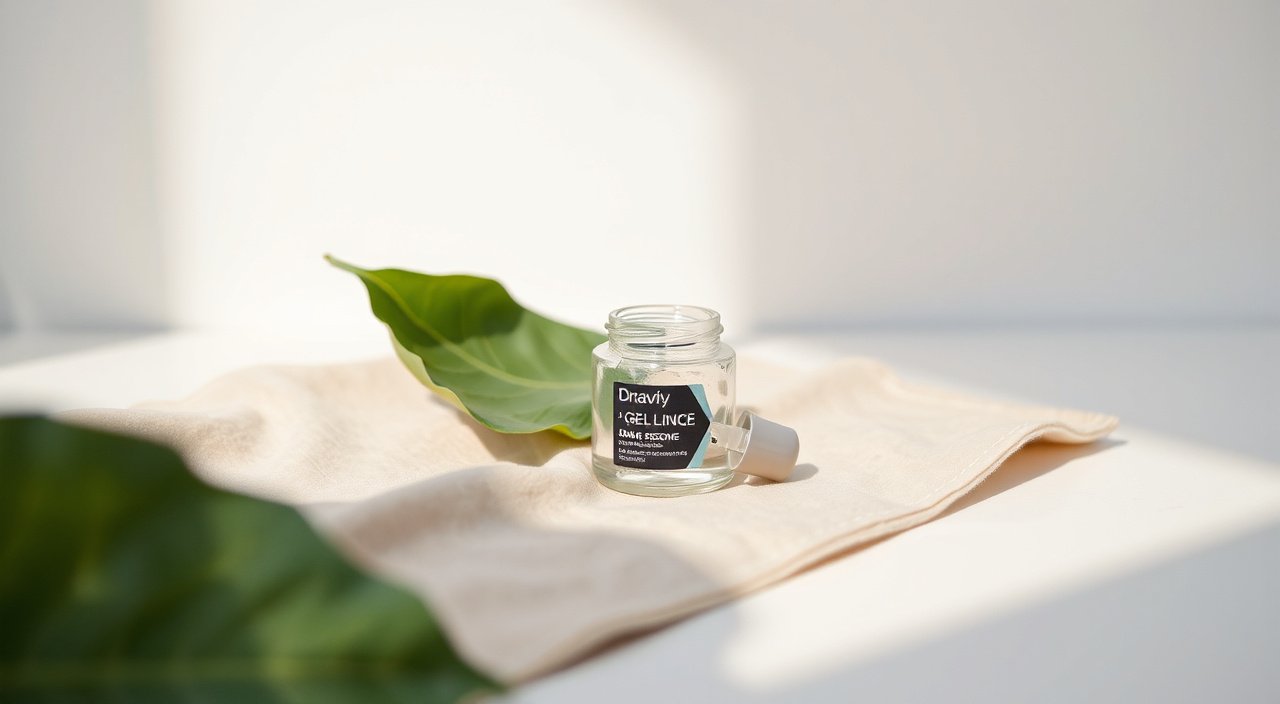
The appeal is easy to understand. Snail mucin is a clear, stretchy gel that feels hydrating and soothing, and many people describe their skin as calmer and bouncier after using it. Social media has added to the hype, with claims about scars, wrinkles and acne marks.
Black Friday is coming: shop the deals with Prime
Some products also combine mucin with niacinamide, peptides or ginseng to broaden the claims.
The truth sits somewhere in the middle. Snail mucin is a pleasant, hydrating ingredient with a few plausible skin benefits, but the research behind many of the bigger claims is thin, and some people should avoid it altogether.
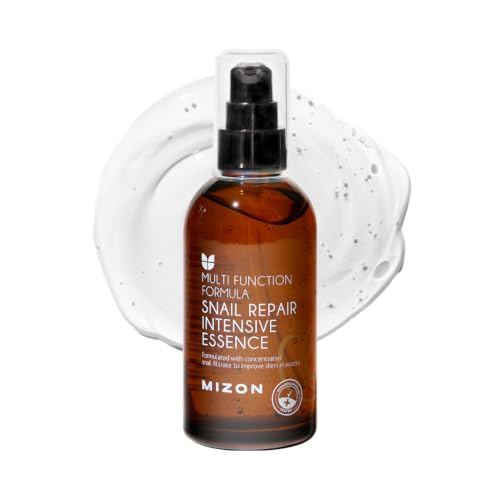
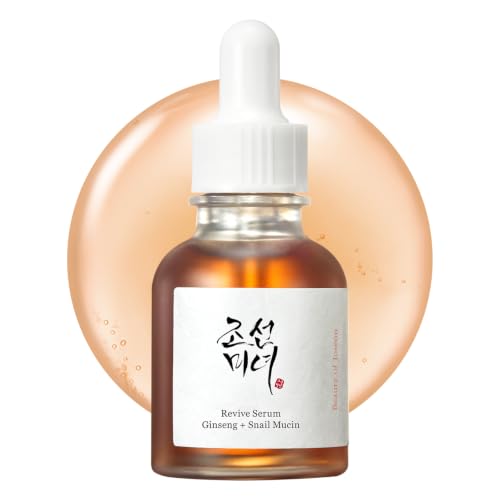
In this guide we explain what snail mucin is, what it can realistically do, where the evidence is weak, who should skip it, and how to use it in a routine. We also list seven popular products, described from their listings and general knowledge of the ingredient, so check labels before you buy.
Whether you are curious about the trend or already own a bottle, this guide gives you the practical picture without the hype, so you can decide if it deserves space on your shelf.
Popular Snail Mucin Products Worth Knowing





Contents
- What Snail Mucin Is
- Benefits People Report
- What the Research Actually Shows
- Who Might Like It and Who Should Skip It
- How to Choose a Snail Mucin Product
- How to Use Snail Mucin
- What to Use With Snail Mucin
- Safety, Allergies and Patch Testing
- Common Mistakes With Snail Mucin
- Honest Limits
- When to See a Professional
- Questions People Ask
- The Bottom Line
The Short Version
- Snail mucin is a hydrating, gel-like ingredient that is also called snail secretion filtrate.
- It mainly helps skin feel hydrated, soft and comfortable.
- Evidence for scars, wrinkles and acne marks is limited and mostly from small or brand-funded studies.
- Anyone with a snail or shellfish concern, or a history of reacting to cosmetic ingredients, should be cautious.
- Apply it to clean damp skin after toner and before moisturizer.
- Patch test first and introduce it slowly.
- It is an add-on, not a replacement for sunscreen or medical treatment.
What Snail Mucin Is
Snail mucin is the slimy fluid that snails produce to move, protect their bodies and heal small injuries. In cosmetics it is called snail secretion filtrate, and it is collected from snails and then filtered and processed for use in skincare.
The fluid contains a mix of water, glycoproteins, hyaluronic acid-like substances and other compounds. That mix gives it a stretchy, gel-like feel and is the reason it is marketed as hydrating and soothing.
Korean brands popularized snail mucin in the 2010s, and it quickly spread worldwide. Today it appears in essences, serums, creams, masks and even toner pads. Percentages on the front of the bottle, such as 96 percent, usually describe the share of snail filtrate in the formula, not a guarantee of results.
Because it is a natural secretion, composition can vary between products and processing methods. Brands rarely publish full details, so it is hard to compare one formula directly with another.
Benefits People Report
Most reported benefits relate to hydration and comfort. The gel texture holds water on the skin surface, which makes skin feel plump, soft and slightly glowy.
- Hydration: the water-binding gel helps dry or dehydrated skin feel comfortable.
- Soothing feel: many people with dry, tight or irritated-feeling skin like how calm it feels afterward.
- Smoother look: well-hydrated skin looks smoother, and fine lines can appear softer for a few hours.
- Barrier support: a hydrating product under a moisturizer can help skin feel less tight, particularly when you use retinoids or exfoliants.
These effects are real in the sense that a good humectant does help. But they are not unique to snail mucin. A basic hyaluronic acid serum or a glycerin-rich essence can feel similar for less money.
Some people also report that mucin helps their skin look calmer after breakouts, but that is more about avoiding harsh products than any special repair effect.
Texture is a big part of the appeal. The slightly stretchy feel makes the product enjoyable to use, and enjoying a routine makes you more likely to stick with it, which is often the real reason people see better skin over time.

What the Research Actually Shows
There are small studies suggesting snail secretion may have antioxidant and wound-healing properties. Some are lab studies, some are on animals and a few are small human trials, often funded by companies that sell the products.
There is no strong, independent evidence that snail mucin fades scars, reverses wrinkles or clears acne. Claims like these should be treated as marketing until larger, well-designed trials exist.
| Claim | Evidence level | Our take |
|---|---|---|
| Hydrates the skin | Plausible and consistent with how humectants work | Reasonable to expect |
| Soothes dry, tight skin | Mostly user reports | Likely, but not unique |
| Fades acne marks | Limited | Do not rely on it |
| Reduces wrinkles | Weak | Use sunscreen and retinoids instead |
| Heals scars | Weak | See a doctor for real scars |
Honest brands usually word their claims carefully. If a label promises dramatic repair, that is a good moment to be skeptical.
Who Might Like It and Who Should Skip It
Worth Doing
- People with dry or dehydrated skin
- Those who like lightweight, gel-like textures
- Anyone building a simple Korean-style routine
- People using retinoids who want comfort
- Those who prefer a single multi-purpose essence
Skip It
- Anyone with a known snail, shellfish or mollusc allergy concern
- People who react easily to cosmetic ingredients
- Those who avoid animal-derived products
- Anyone with open, infected or very inflamed skin
- People who dislike a slightly sticky finish
Vegan and cruelty-conscious shoppers should know that snail mucin is animal-derived. Many brands claim to collect it without harming the snails, but practices differ and are hard to verify. If this matters to you, look for a plant-based mucin alternative instead.
How to Choose a Snail Mucin Product
Start by deciding the format. An essence or serum is the most common and the easiest to layer, while a cream gives more cushion for dry skin.
| Format | Texture | Best for |
|---|---|---|
| Essence or serum | Light, stretchy gel | First-time users and layering |
| Cream | Richer, creamy | Dry or mature skin |
| Mist | Fine spray | Quick hydration over makeup |
| Toner or pad | Watery with mild actives | Combination or acne-prone skin |
Check the percentage on the front, but also read the full ingredient list. A product that is 96 percent snail filtrate will have very few other ingredients, which can be good for simple routines and less useful if you want extra niacinamide or peptides.
Also watch the fragrance. Many mucin products are fragrance-free, but some creams and mists contain scent, which can irritate reactive skin.
How to Use Snail Mucin
Snail mucin fits easily after cleansing and toner. These steps work for most people.
Cleanse and tone
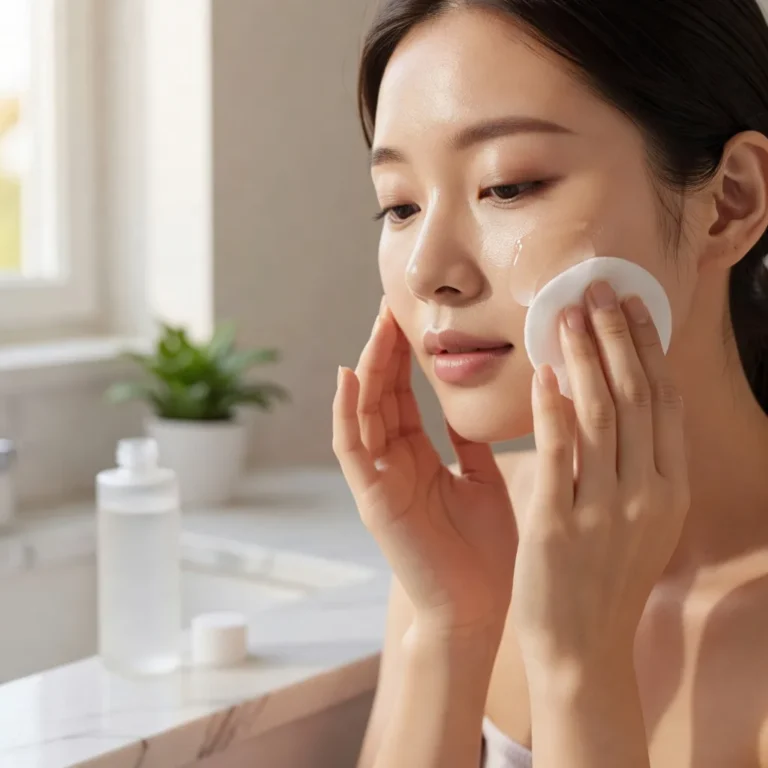
Wash your face and apply any toner, leaving the skin slightly damp.
Apply the mucin
Use two to three drops or a small pump and press it gently into the skin.
Wait a moment
Let it sink in for a minute. A tacky feel is normal.
Add moisturizer
Seal it in with a cream or lotion suited to your skin type.
Use sunscreen in the morning
Finish with broad-spectrum sunscreen when you use it during the day.
If the tacky feeling bothers you, use less product and apply it to damp skin so it spreads thinly.
Stop using a product if you notice itching, hives, swelling or a spreading rash, and seek medical help if you have trouble breathing.
What to Use With Snail Mucin
Snail mucin is easy to combine with most basics because it is gentle and water-based. It pairs well with other hydrating ingredients such as glycerin, panthenol and ceramides, and it sits comfortably under a moisturizer.
If you use actives, apply them as directed on their labels. A mucin essence after a retinoid, an exfoliating acid or vitamin C can add comfort, but wait until the active has absorbed so you do not dilute it or move it around your face.
Avoid layering many strong products on the same night. If your skin is already red or stinging, a simple routine of cleanser, mucin and moisturizer is better than adding more steps.
Safety, Allergies and Patch Testing
Snail mucin is generally well tolerated, but allergic reactions are possible, as with any natural extract. People who react to shellfish or other mollusc proteins may want to be especially careful, although the link is not well studied.
Do a patch test before using a new product on your whole face. Apply a small amount behind the ear or on the inner forearm once a day for two to three days. If nothing happens, you can try it on the face.
Introduce one new product at a time. If you add a mucin essence and a new retinoid in the same week and your skin reacts, you will not know which product caused the problem.
Check expiry dates and storage. Natural-derived formulas can spoil if kept in heat or sunlight, so keep bottles in a cool, dry place and avoid dipping fingers into jars.
Common Mistakes With Snail Mucin
The most common mistake is buying on percentage alone. A 96 percent bottle is not twice as effective as a 48 percent bottle, and a short ingredient list can mean fewer extras that help the skin barrier.
Another mistake is expecting it to treat acne marks or scars quickly. Marks fade slowly, and sunscreen and gentle care are usually more useful than any essence.
People also apply too much. A few drops are enough, and a thick layer can feel sticky and pill under sunscreen or makeup.
Finally, some people skip the patch test because the product feels gentle. Natural does not always mean safe for every skin, and a quick patch test costs nothing.
Honest Limits
Snail mucin is a nice-to-have, not a must-have. It will not replace sunscreen, treat active acne, or erase scars. Think of it as a comfortable hydration step.
We have not tested every product, and the descriptions here come from listings and general knowledge of the ingredients. Your skin may respond differently.
Prices and formulas change, and percentages shown on the label do not guarantee better results. A simple hydrating routine with a gentle cleanser, moisturizer and sunscreen is just as important.
If you are happy with a basic hyaluronic acid serum or a glycerin-rich essence, there is no urgent reason to switch.
Finally, results vary widely. Some people see a clear difference in how comfortable their skin feels, while others notice nothing. If you see no change after a month, it is reasonable to move on.
When to See a Professional
See a doctor or dermatologist if you have persistent redness, painful acne, scarring, or a rash that does not improve. They can recommend treatments with stronger evidence than any essence.
This article is for general information and is not medical advice. Rakib Sarwar is a registered pharmacist with a cosmetology course, not a dermatologist. Talk to a doctor or dermatologist about persistent skin problems.
Questions People Ask
What does snail mucin do for skin?
It mainly hydrates and soothes. The gel texture holds water on the skin surface and helps it feel soft and comfortable.
Is snail mucin good for acne scars?
There is limited evidence. It may help skin feel calmer, but it is not a proven scar treatment.
Is snail mucin safe?
It is generally well tolerated, but allergic reactions are possible. Patch test first and avoid it if you have a known sensitivity.
Can I use snail mucin every day?
Most people use it once or twice daily as part of a normal routine if their skin tolerates it.
Can I use snail mucin with retinol?
Yes. Many people use it for comfort. Apply the retinoid as directed and layer the mucin around it.
Is snail mucin vegan?
No. It is an animal-derived ingredient. Plant-based alternatives are available.
Does snail mucin work for oily skin?
It can, as a light hydrating layer. Pick a gel essence rather than a rich cream.
Is a higher percentage better?
Not necessarily. A high percentage means fewer other ingredients, not guaranteed better results.
Should I use it morning or night?
Either. Many people use it at both times, followed by moisturizer and, in the morning, sunscreen.
When should I see a doctor?
See a doctor for persistent redness, scarring, severe acne or an allergic reaction.
The Bottom Line
Snail mucin is a pleasant hydrating ingredient with modest, mostly comfort-related benefits. If your skin likes it, it can earn a place in a simple routine, but it should sit behind sunscreen and a good moisturizer.
Start with one fragrance-free product, patch test, and judge it after several weeks.

Written by
Registered pharmacist and founder of Facial Adviser. Rakib's pharmacy training covers how skincare actives work and interact; a later course in cosmetology turned that into a focus on facial treatments and skincare products. He plans, researches and edits every guide on the site and checks health claims against sources such as the American Academy of Dermatology, the FDA and the NIH. He is not a dermatologist; see the Editorial Policy and Medical Disclaimer.
About · Editorial policy · How we choose products · Medical disclaimer · Contact
Keep reading: Body care and more
- 10 Best Body Tools for Skincare and Massage (2026): Smooth and Relax
- 10 Best Scalp Massagers for Hair Care and Relaxation (2026)
- Centella (Cica) for Sensitive Skin: Benefits and How to Use It
- 10 Best Neck and Shoulder Massagers (2026): Relief for Tight Muscles
- Face Yoga: Does It Work? What the Evidence Says
- Ozempic Face: Why GLP-1 Weight Loss Changes Your Face and What Helps
Turn skincare time into me-time with a free audiobook