Ozempic Face: Why GLP-1 Weight Loss Changes Your Face and What Helps
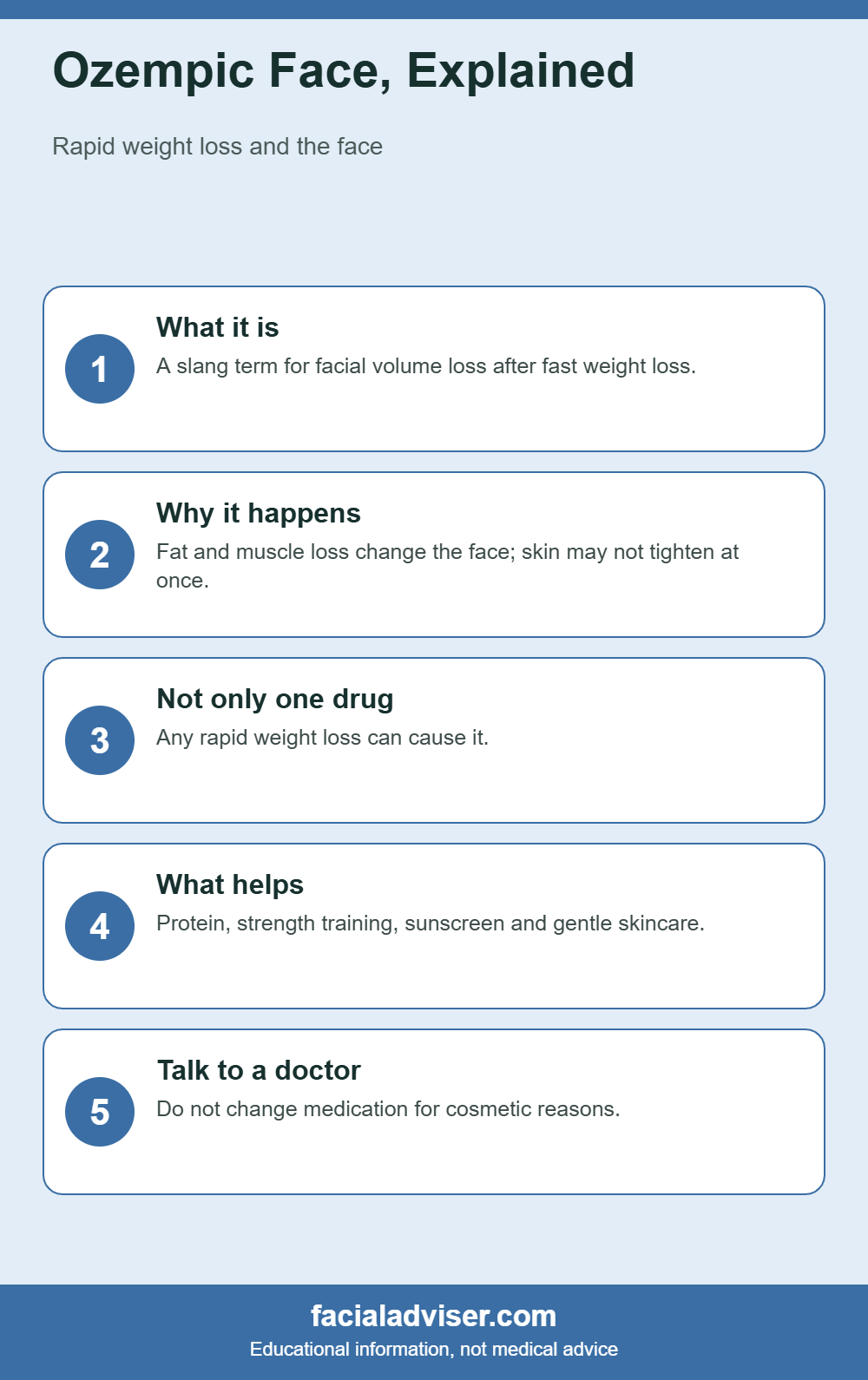
Ozempic face is a nickname, not a medical diagnosis. People use it for the hollow cheeks, deeper lines and tired look that can appear after rapid weight loss, often while taking GLP-1 medicines such as semaglutide.
Part of our guide to body and other. Start with: 10 Best Body Tools for Skincare and Massage (2026): Smooth and Relax
Social media has made the phrase famous, and many people now worry that losing weight will cost them their face.
I am Rakib Sarwar, a registered pharmacist with a cosmetology course. I am not a dermatologist or a doctor who prescribes these medicines, so I keep this guide on safe, practical ground. I explain what is actually happening, what skincare and daily habits can reasonably help, and where a medical professional should take over.
Black Friday is coming: shop the deals with Prime
The short version is that the medicine itself is not the direct cause. Losing a lot of weight quickly can reduce fat, and sometimes muscle, in the face, and skin does not always tighten at the same pace. That can happen with diet, surgery or any other fast weight loss.
Nothing on this page should be used to stop or change a prescribed medicine.
Most of what you read online focuses on fear. I would rather you leave with a calm picture of what is normal, what is within your control and what deserves a professional opinion, so you can make decisions without panic.
Below you will find the causes, the evidence, what may help, a simple routine, mistakes to avoid, who should talk to a clinician, and seven product types people often use for gentle skincare during weight loss. I also explain why sunscreen matters even more when skin is changing.
Skincare Products People Often Use During Weight Loss
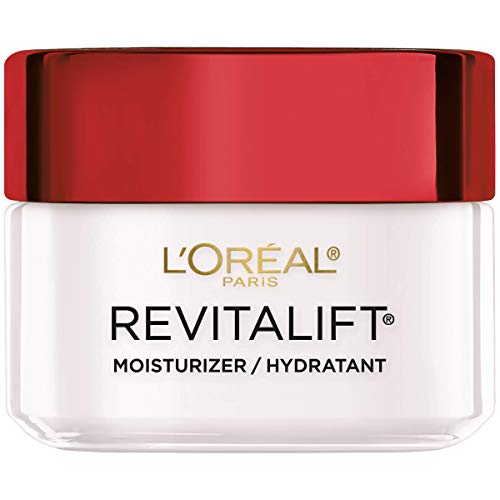

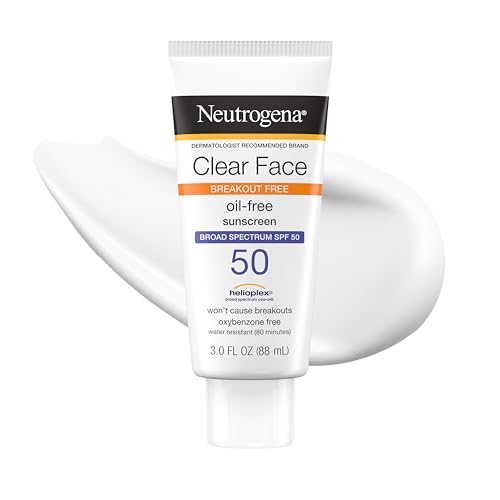
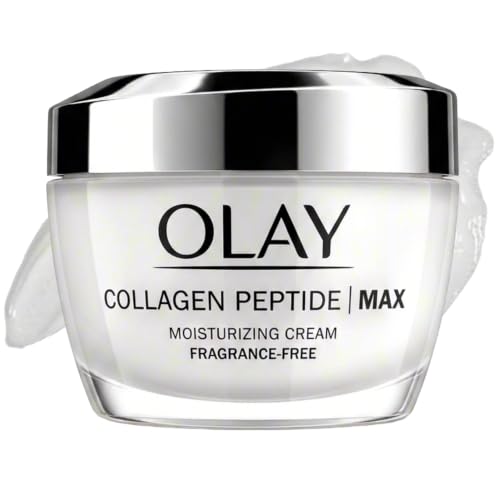
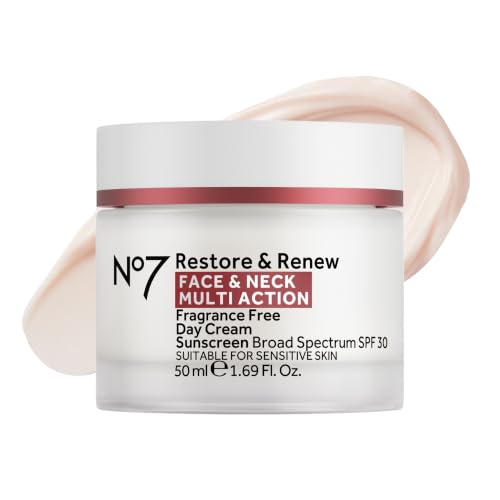


What This Covers
- What People Mean by Ozempic Face
- Why Weight Loss Can Change the Face
- What the Evidence Says
- What May Help
- A Gentle Skincare Routine to Try
- Do Firming Creams, Collagen Products and Devices Work
- Professional Options to Discuss With a Clinician
- Slow Loss vs Fast Loss
- Who Should Talk to a Professional First
- Common Mistakes to Avoid
- Honest Limits
- When to See a Professional
- Questions People Ask
- Where This Leaves You
Key Takeaways
- Ozempic face is slang, not a diagnosis.
- Facial changes come from rapid weight loss, not only from one drug.
- Face fat and muscle loss can make cheeks look hollow and skin look looser.
- Skincare can support comfort and appearance, but it cannot replace lost volume.
- Daily sunscreen, a good moisturizer and enough protein support skin health.
- Never change or stop a prescribed medicine for cosmetic reasons without talking to your prescriber.
- Fillers, lasers and other procedures should be discussed with a qualified clinician.
What People Mean by Ozempic Face
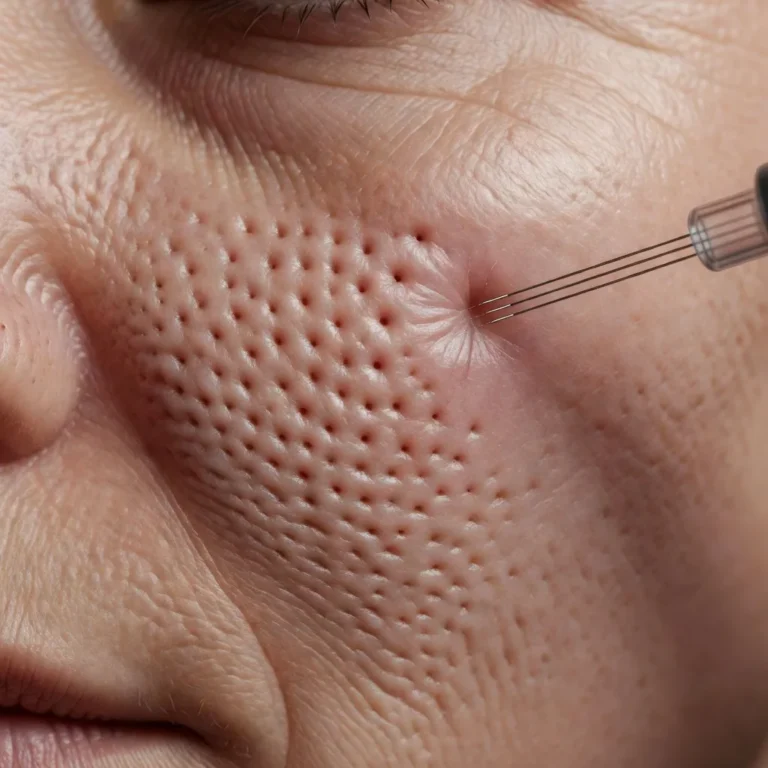
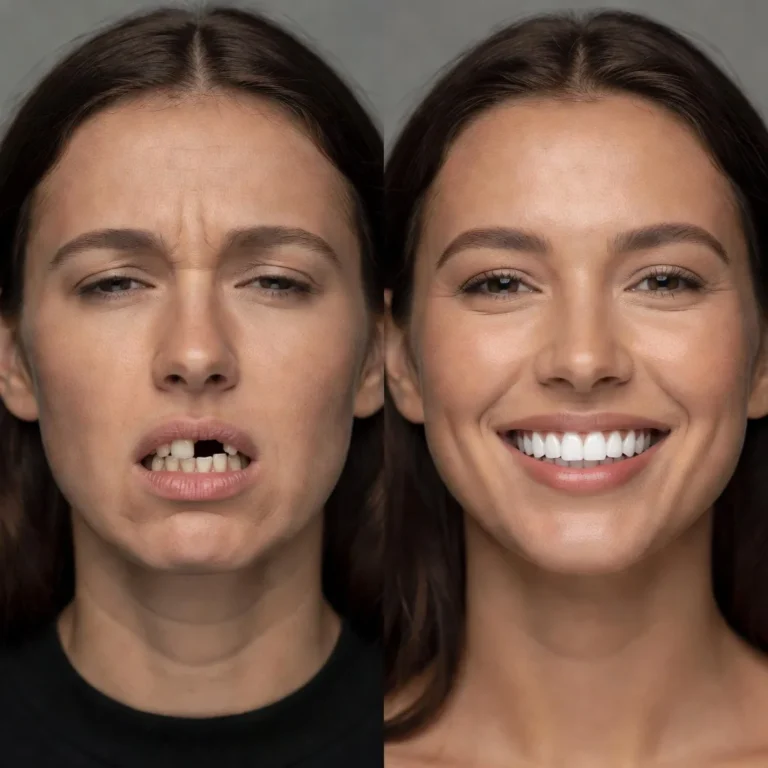
Ozempic face describes a gaunt or aged look in the face after significant weight loss. Cheeks flatten, the temples and under-eye area may hollow, and skin around the jawline and mouth can look looser or more lined.
The term became popular after people on GLP-1 medicines such as semaglutide, including brands like Ozempic and Wegovy, lost weight quickly. It is not an official medical condition, and not everyone who takes these medicines notices facial changes.
Doctors usually describe the same thing as facial volume loss after weight loss. It can also appear after bariatric surgery, strict dieting or illness, so the medicine is only one way to lose weight fast.
Why Weight Loss Can Change the Face
The face contains small pads of fat that sit under the skin and give cheeks and temples their fullness. When overall body fat falls, these pads can shrink too, and the skin above them may sag a little.
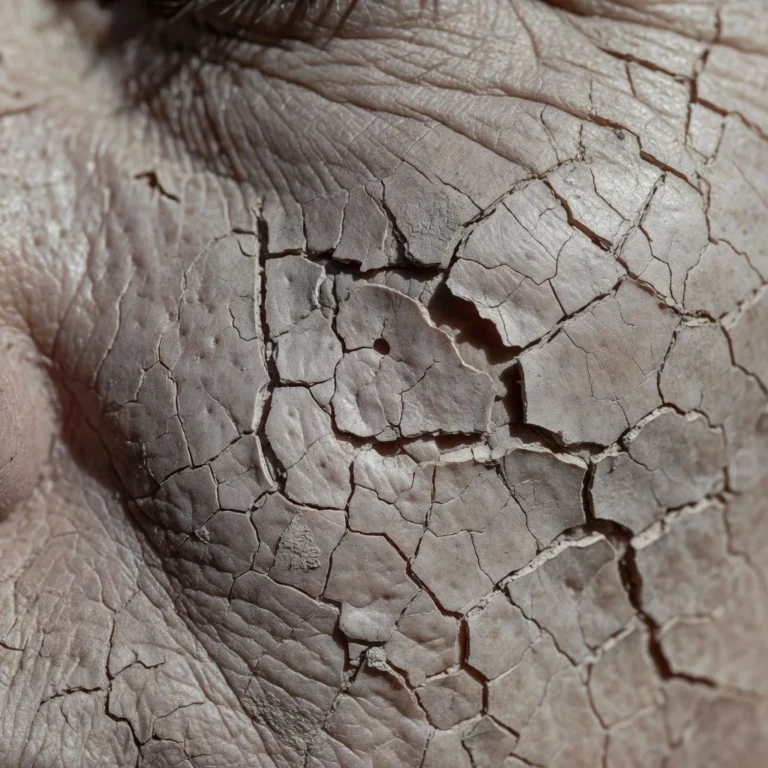
Skin elasticity also depends on age, sun exposure, genetics and smoking. If skin has already lost some collagen and elastin, it may not tighten as fast as the fat beneath it shrinks. Older adults usually notice this more than younger people.
Muscle can matter too. Rapid weight loss without enough protein or strength training may reduce muscle mass, including in the face and neck, which can add to a tired or hollow look.
| Factor | What it does | Can you influence it? |
|---|---|---|
| Facial fat loss | Reduces cheek and temple fullness | Partly, through the pace of weight loss |
| Skin elasticity | Affects how well skin tightens | Sunscreen and not smoking help |
| Muscle loss | Adds to a hollow look | Protein and strength training help |
| Age | Lower collagen over time | Cannot change, can support |
| Hydration and sleep | Affect how skin looks | Yes |
What the Evidence Says
Research on GLP-1 medicines focuses on weight, blood sugar and heart health. Facial changes are mostly described in case reports, clinician observations and media articles rather than large trials. This means we do not yet have strong numbers on how common Ozempic face is.
Dermatologists generally agree that fast weight loss from any cause can change the face, and that slower loss tends to give skin more time to adapt. The medicine is not known to damage skin directly.
Some people feel their face looks better after losing weight, while others feel it looks older. Both reactions are normal, and the final look depends on starting weight, age and genetics.
Because the topic is so new, advice may change as researchers study larger groups. Treat strong claims on social media with caution, especially those that blame one medicine for every facial change.
What May Help
You cannot choose where your body loses fat, but some habits support skin and muscle while you lose weight. Think of these as ways to look after your health, not tricks to refill the face.
Eat enough protein, as advised by your clinician or dietitian. Protein supports muscle and skin repair, and many people on GLP-1 medicines struggle to eat enough because their appetite drops.
Strength training helps preserve muscle. Even simple resistance exercises two or three times a week can help the body keep lean tissue while it loses fat.
Drink enough water, sleep well and avoid smoking. These do not reverse volume loss, but they keep skin looking healthier.
A slower pace of weight loss, when your prescriber agrees it is appropriate, gives the skin more time to adapt. This is a medical decision tied to your health goals, so raise it as a question rather than changing the dose yourself.
Good lighting and photos can also mislead. A face often looks different in the morning, after poor sleep or under harsh bathroom light, so compare photos taken in the same conditions before deciding that something has changed.
A Gentle Skincare Routine to Try
Skincare cannot restore lost fat, but it can keep skin comfortable and may make fine lines look softer. Keep the routine short so you can follow it daily.
Cleanse gently
Use a mild, fragrance-free cleanser once or twice daily.
Apply a moisturizer
Choose one with ceramides, glycerin or hyaluronic acid to keep skin supple.
Use sunscreen every morning
SPF 30 or higher protects collagen from UV damage.
Add a retinoid at night if suited
Introduce slowly, a few nights a week, and avoid it if you are pregnant or trying to conceive.
Be patient
Skincare changes take weeks to months, and results are modest.
If your skin feels drier while losing weight, switch to a richer moisturizer at night and apply it on slightly damp skin.
Do not use harsh scrubs, strong acids or many new actives at once. Rapid weight loss can leave skin more sensitive.
Consistency matters more than the number of products. A cleanser, a moisturizer and sunscreen used every day will do more for skin comfort than a long routine used for a week. If your skin becomes red, stinging or flaky, scale back to the basics and let it settle.
Do Firming Creams, Collagen Products and Devices Work
Firming creams with peptides, retinol or niacinamide can improve skin texture and hydration, and retinoids have the best evidence for fine lines. None of them can rebuild a lost fat pad.
Collagen supplements and drinks are popular, but evidence that they change the look of the face is mixed. Talk to a pharmacist or doctor before adding supplements if you take other medicines.
At-home devices vary widely, and results are usually small. If you want a visible change in volume, that is a conversation to have with a qualified clinician rather than a shopping decision.
Moisturizers with glycerin, ceramides and hyaluronic acid temporarily plump the skin surface by drawing in and holding water. This can soften the look of fine lines, which is useful, but it is a surface effect that lasts only while you keep using the product.
Professional Options to Discuss With a Clinician
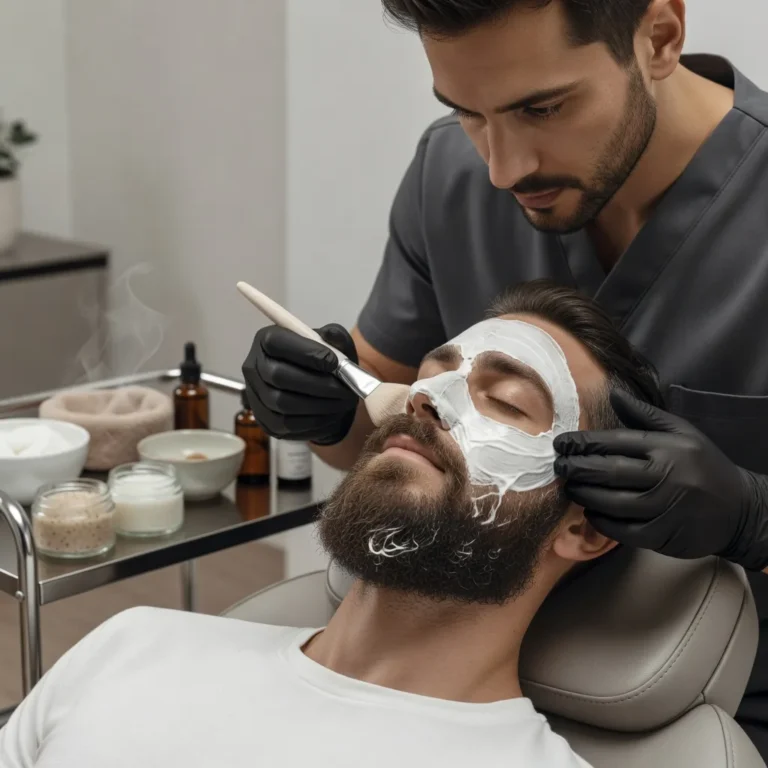
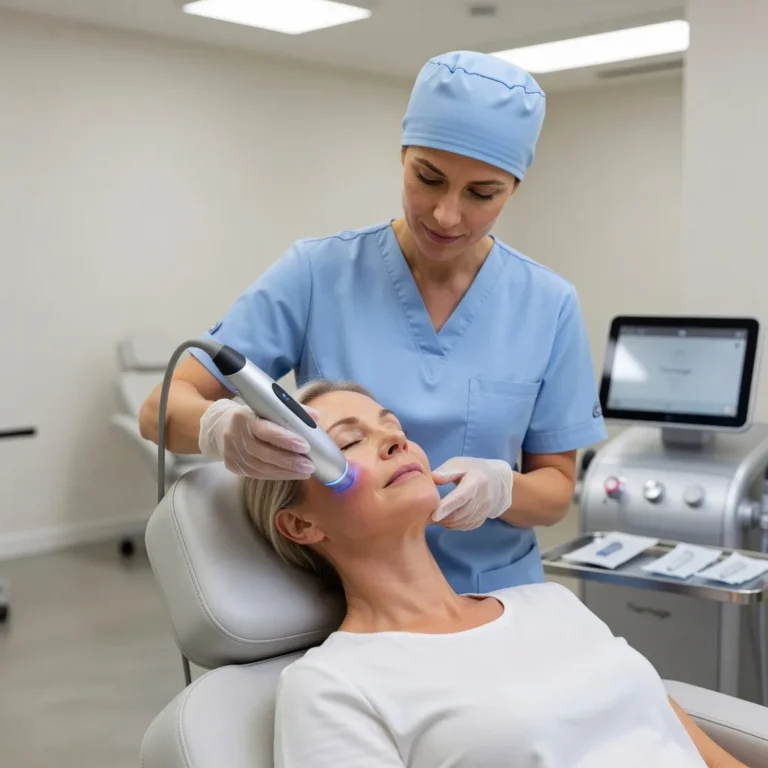
Some people choose dermal fillers, biostimulators or energy-based skin tightening. These are medical procedures with risks, so they should be done by a licensed professional after a proper consultation.
It is often wise to wait until weight has stabilized before choosing a procedure, because your face may keep changing as you lose more. A good clinician will talk through realistic results, cost and risks.
I am not a dermatologist or a cosmetic injector, so I cannot recommend a specific procedure.
Ask any clinician about their training, how they manage complications and what happens if you do not like the result. Be cautious about very low prices, unlicensed providers and treatments advertised as guaranteed fixes.
Slow Loss vs Fast Loss
| Approach | Effect on face | Practical tip |
|---|---|---|
| Slower weight loss | Skin has more time to adapt | Agree a pace with your clinician |
| Fast weight loss | More noticeable facial change | Focus on protein and strength training |
| Stable weight afterwards | Face settles into its new shape | Wait before deciding on procedures |
Your prescriber sets the dose and pace for medical reasons. Do not lower or stop a dose on your own to protect your looks.
Who Should Talk to a Professional First
Worth Doing
- People who feel their face changed quickly and want guidance
- Anyone who wants to review protein and exercise
- People curious about gentle skincare changes
- Anyone thinking about procedures
- Those who feel upset about how they look
Skip It
- People who plan to stop medication only for cosmetic reasons
- Anyone using many strong actives at once
- People with very sensitive or irritated skin
- Anyone who is pregnant and wants to use retinoids
- Those who skip sunscreen
If you feel distressed about your appearance or your eating, talk to your doctor or a mental health professional.
Common Mistakes to Avoid
The first mistake is stopping a prescribed medicine only because of how your face looks. The second is buying many firming products at once, which can irritate skin without changing volume. The third is skipping sunscreen, because UV damage speeds up the loss of collagen and elastin.
Another common mistake is crash dieting on top of the medicine. Eating too little protein can speed up muscle loss. A fourth is chasing quick fixes from unlicensed providers. Take your time, stay gentle with your skin and ask your care team for help.
Finally, do not compare your face with filtered photos. Weight loss changes everyone differently, and many people find that their face settles after the weight stabilizes.
Honest Limits
I cannot tell you whether your face will change, and no product can guarantee a particular result. Skincare is supportive, not a replacement for volume.
GLP-1 medicines are prescription treatments. Any decision about dose, pace or stopping should be made with your prescriber.
This guide is based on general dermatology and pharmacy knowledge, and it is not personal medical advice.
Product listings, prices and ratings change often, so check the current Amazon page before buying.
When to See a Professional
See your doctor if you have sudden or severe weight loss, new skin rashes, hair loss, extreme tiredness or trouble eating. See a dermatologist for skin concerns that are not improving or if you want advice on procedures.
This article is for general information only and is not medical advice. It does not replace a visit to a doctor or pharmacist. I am a registered pharmacist with a cosmetology course, not a dermatologist.
Questions People Ask
What is Ozempic face?
It is slang for facial volume loss and a more lined look that can follow rapid weight loss, including weight loss on GLP-1 medicines.
Does Ozempic directly damage the face?
There is no strong evidence that the medicine itself damages skin. Changes are linked to fast weight loss.
Can skincare reverse Ozempic face?
No. Skincare can support skin quality but cannot replace lost facial fat.
Does everyone who takes Ozempic get Ozempic face?
No. It depends on how much and how fast weight is lost, age, genetics and skin health.
Should I stop my medicine to protect my face?
Do not stop or change a prescribed medicine for cosmetic reasons without talking to your prescriber.
What helps most?
Slower weight loss when possible, enough protein, strength training, sunscreen and a gentle skincare routine.
Do collagen supplements work?
Evidence is mixed, so talk to a pharmacist or doctor before taking them.
Are fillers a good idea?
Fillers are medical procedures that should be discussed with a qualified clinician, often after weight has stabilized.
Is retinol safe during weight loss?
Retinoids are commonly used, but start slowly and avoid them in pregnancy.
When should I see a doctor?
See a doctor for severe weight loss, rashes, hair loss, extreme tiredness or trouble eating.
Where This Leaves You
Ozempic face is a real concern for many people, but it is not a permanent sentence and not caused by a single drug. Support your skin with sunscreen, moisture, protein and gentle habits, and talk to your prescriber before changing treatment.
If you feel upset about changes in your appearance, a doctor or counselor can help.

Written by
Registered pharmacist and founder of Facial Adviser. Rakib's pharmacy training covers how skincare actives work and interact; a later course in cosmetology turned that into a focus on facial treatments and skincare products. He plans, researches and edits every guide on the site and checks health claims against sources such as the American Academy of Dermatology, the FDA and the NIH. He is not a dermatologist; see the Editorial Policy and Medical Disclaimer.
About · Editorial policy · How we choose products · Medical disclaimer · Contact
Keep reading: Body care and more
- 10 Best Body Tools for Skincare and Massage (2026): Smooth and Relax
- Is a Muscle Massage Gun Worth It? What the Evidence Says and Who Benefits
- Jeroboam Gozo Perfume: Notes, Wear and Who It Suits
- 10 Best Massage Chairs Under $2,000 (2026): Full-Body Picks for Home
- 10 Best Massage Chairs Under $500 (2026): Budget Recliners With Heat
- 10 Best Handheld Body Massagers (2026): Relief for Tight Muscles
Turn skincare time into me-time with a free audiobook