
Tech Neck Lines: Causes and What Really Helps
You glance at a photo of yourself looking down at your phone and notice two or three horizontal creases across the front of your neck. People call them tech neck lines, and they are a common worry among young adults.
Looking down for hours folds the neck skin in the same place, but the lines are usually the result of several factors, not just screens.

The neck has thinner skin than the face, fewer oil glands and less underlying support. It also gets less skincare and less sun protection than the face. Sun damage, dryness, genetics and posture can all contribute to horizontal neck lines. Some people have visible lines in their teens because of the way their neck folds.
Black Friday is coming: shop the deals with Prime
This guide explains what is known about tech neck lines, what you can realistically change and which skincare steps are worth your time. It is honest about limits: skincare can soften the look of fine lines, but deep creases may not disappear. We also list neck creams and sun protection options for a simple routine.
If you already use retinoids on your face, our guide to the tretinoin purge explains what to expect when starting, and our guide to sun damage covers why daily sunscreen matters for the neck too.
The author is a registered pharmacist, not a dermatologist, so treat this as educational background and seek professional advice for personal concerns.
Neck Creams and Sun Protection for Early Neck Lines


Quick Answer
- Tech neck lines come from skin folding, sun damage, dryness, genetics and posture.
- Raising your screen and taking breaks reduces repeated folding.
- Apply sunscreen to the neck every morning; it is often forgotten.
- Moisturizers and gentle retinoids can soften the look of fine lines.
- Neck skin is thin; start any active slowly.
- Deep lines or pain, numbness or headaches need professional advice.
On This Page
- What Tech Neck Lines Are
- Why Neck Lines Appear
- Posture and Screen Habits
- Sun Protection for the Neck
- A Simple Neck Care Routine
- Ingredients Worth Looking For
- Do and Do Not for Neck Lines
- Gadgets, Exercises and Patches
- Professional Options
- Comfort: Neck Pain, Headaches and Posture
- When to Talk to a Professional
- Honest Limits and Myths
- Questions People Ask
- Final Word
What Tech Neck Lines Are
Tech neck lines are horizontal creases across the front of the neck. The name comes from the idea that looking down at phones, tablets and laptops folds the neck skin repeatedly, much like folding a piece of paper in the same place. The lines are sometimes called necklace lines or neck rings.
Some people have these lines early in life, even as children, because of the shape of their neck and the thickness of their skin. For these people, screens did not cause the lines, though posture may make them more visible. Over time, repeated folding and loss of collagen can deepen them.
Tech neck can also refer to the neck and shoulder strain that comes from looking down for long periods. That is a different problem from skin lines, though the two often go together.
There is little research proving that screens alone cause neck lines. They are best understood as a combination of folding, sun damage and skin structure.
It helps to know which kind of line you have. Fine, shallow lines that appear when you look down and fade when you look up are dynamic and respond well to hydration and sun protection. Deep creases that remain at rest are static and are harder to change.
Looking at your neck in a mirror, first facing forward and then tilting your head down, shows you which one you have.
Why Neck Lines Appear
Several factors combine. The skin on the neck is thinner than on the face and has fewer oil glands, so it dries out more easily. It loses collagen and elastin with age and with UV exposure.
The neck also gets sun when you wear a lower neckline or drive with the sun on one side of the body.
| Factor | How it affects the neck |
|---|---|
| Repeated looking down | Folds the skin in the same place |
| UV exposure | Breaks down collagen and elastin |
| Thin, dry skin | Makes fine lines more visible |
| Genetics | Sets skin thickness and neck shape |
| Weight changes | Alter skin support |
Because the neck is often missed in skincare routines, it ages visibly faster than the face for many people.
Hormonal changes, rapid weight loss and long-term smoking can also change how neck skin looks. If you notice the skin on your neck becoming suddenly thicker, darker or rough, mention it to a doctor, because some conditions affect the neck first and are unrelated to lines.
Posture and Screen Habits
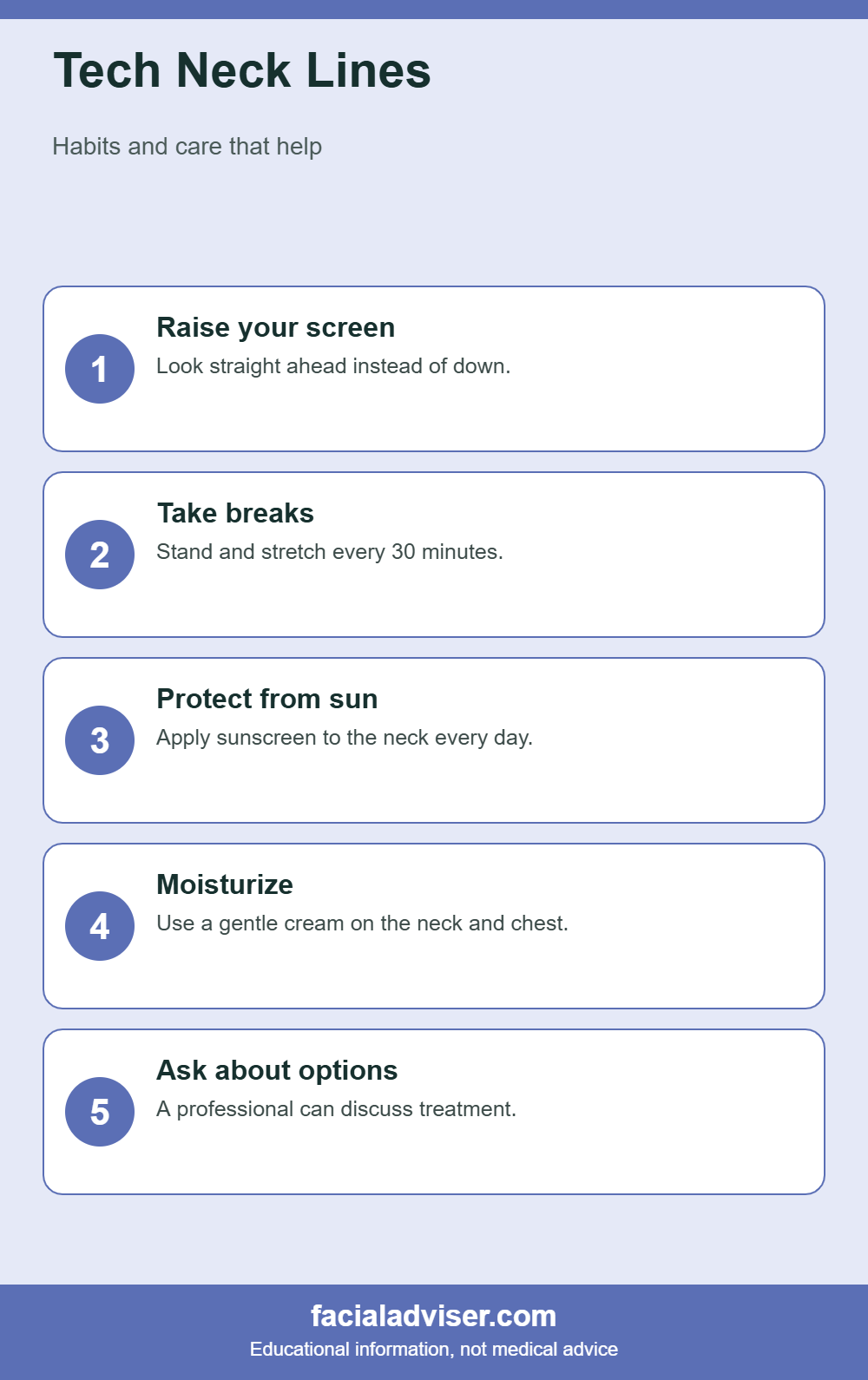
Raising your screen to eye level reduces how far you bend your neck. Place your laptop on a stand or stack of books and use an external keyboard. Hold your phone at chest or eye level rather than down by your lap.
Take a short break every 30 minutes to look up, roll your shoulders and stretch your neck. These habits help the muscles of the neck and shoulders, and they may reduce the amount of time the skin stays folded.
Set a timer to change posture each half hour. A few seconds of movement beats a long stretch once a day.
A good workstation setup also lowers strain. Keep your monitor an arm’s length away with the top of the screen at or slightly below eye level, support your lower back and keep your feet flat.
When using a phone, bring it up to eye level with your elbow on a table or the arm of a chair, instead of bending your head to meet it.
Sun Protection for the Neck
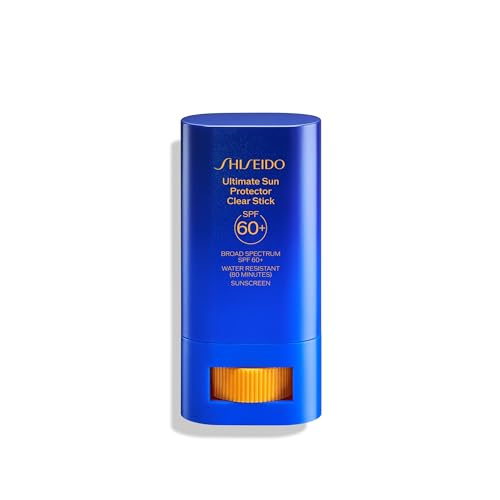
Of all the steps for neck skin, sunscreen is the most important and the most forgotten. UV exposure speeds up collagen breakdown, and the front and sides of the neck get a lot of sun. Apply broad-spectrum SPF 30 or higher to the neck and chest every morning.
The area under the chin is often missed. Cover it, and reapply if you spend time outdoors. Scarves, collared shirts and wide-brimmed hats offer extra protection.
Do not skip the neck when applying sunscreen. Sun damage on the neck can lead to uneven color, rough texture and a higher skin cancer risk.
A sunscreen stick or a lightweight lotion both work. Pick the one you will actually use, and apply it generously, because thin application gives less protection than the number on the label suggests.
A Simple Neck Care Routine
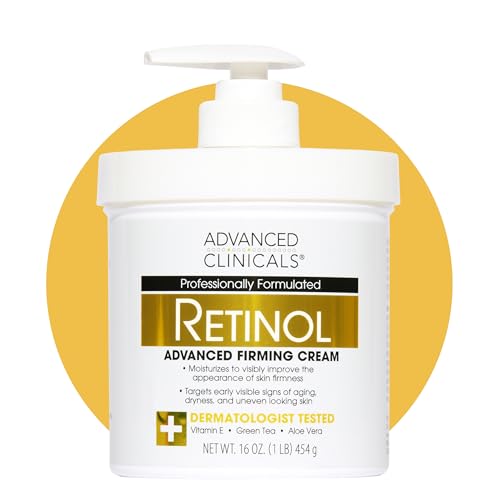
Extend your face routine to your neck. Cleanse gently, moisturize and apply sunscreen by day. At night, a retinoid or peptide cream can support collagen and softness. Use upward strokes and gentle pressure when applying products, but do not drag the skin.
Cleanse
Wash the neck with your face cleanser and pat dry.
Moisturize
Apply a rich moisturizer to the neck and chest.
Protect in the morning
Apply broad-spectrum SPF 30 or higher to the neck and chest.
Add a retinoid at night
Start with two nights a week and build up if your skin tolerates it.
Be consistent
Allow at least three months before judging results.
Keep products away from broken skin, and stop any product that causes burning or swelling.
Do not forget the sides and back of the neck, which also get sun. Apply products in an upward and outward motion, and finish with sunscreen. If you wear scarves or collars made of rough fabrics, notice whether they irritate the skin, because friction can make redness and dryness worse.
Ingredients Worth Looking For
Retinoids have the strongest evidence for improving the look of photoaged skin, though neck skin is more sensitive and needs a gentler approach. Peptides, hyaluronic acid, glycerin and ceramides help hydration and the barrier. Vitamin C offers antioxidant support.
| Ingredient | What it does | Note |
|---|---|---|
| Sunscreen | Prevents new damage | Most important step |
| Retinoids | Support collagen | Start slowly on the neck |
| Hyaluronic acid | Hydrates temporarily | Apply to damp skin |
| Ceramides | Support the barrier | Good for dry skin |
| Peptides | May improve look of skin | Evidence is limited |
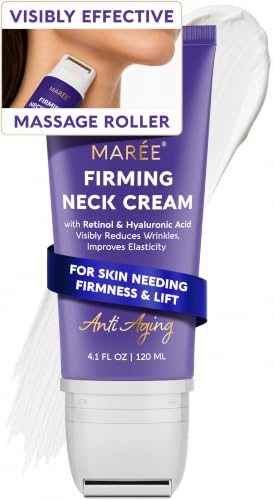
Neck creams marketed as lifting or firming are often moisturizers with added ingredients. They can help the skin look smoother, but they cannot remove deep creases.
Because neck skin is thin and has fewer oil glands, it can react to retinoids faster than the face. Many people do better using a lower strength on the neck or applying it a night or two less often than on the face.
Always follow label directions, and ask a pharmacist if you use prescription products.
Do and Do Not for Neck Lines
The most common mistakes are forgetting the neck and using harsh products on thin skin. Aggressive scrubs and strong acids can cause irritation and make lines look worse.
Helps
- Apply sunscreen to the neck daily
- Moisturize the neck and chest
- Raise your screen
- Take posture breaks
Backfires
- Do not scrub the neck
- Do not tug skin when applying products
- Do not use strong acids on day one
- Do not rely on neck gadgets alone
Remember that results take time. Skin renews over about a month, and collagen changes take much longer, so it is realistic to wait three to six months before expecting visible differences.
Gadgets, Exercises and Patches
Neck exercises may improve posture and muscle strength, which helps neck comfort, but the evidence that they remove skin lines is limited. Neck patches and bands can hold the skin smooth while worn, but the effect is temporary.
Devices such as microcurrent tools, LED devices and radiofrequency tools claim to firm the neck. Results vary, and some are expensive. If you try one, follow the instructions and stop if your skin becomes red, painful or blistered.
Whatever you try, take a photo every month in the same lighting and posture. That is the only reliable way to tell whether a product or habit is helping, and it prevents spending money on things that make no difference.
Professional Options
Treatments for neck lines include microneedling, laser, chemical peels and injectables. Some clinics inject small amounts of botulinum toxin or fillers into the neck. These procedures carry risks, and results vary. Neck skin heals more slowly than face skin.
If you consider a treatment, find a qualified clinician, ask about experience with the neck and understand costs and downtime. Think about what you want to change before you book.
Ask about alternatives that may suit you better than a procedure, such as improving sun protection and posture, using a prescription retinoid or addressing dryness. Many people find that simple measures give enough improvement without the cost or risk of a clinic treatment.
Comfort: Neck Pain, Headaches and Posture
Neck lines are a skin issue, but tech neck can also cause pain, stiffness and headaches. If you notice persistent pain, numbness or tingling in the arms, see a doctor or physiotherapist rather than relying on skincare.
Simple ergonomics help both: set your screen at eye level, keep your elbows close to your body, take breaks and strengthen the upper back and neck with gentle exercises approved by a professional.
When to Talk to a Professional
Speak with a doctor or pharmacist if you have pain, numbness, sudden changes to the skin, or if you want to start a prescription retinoid. They can advise on safe use and check for interactions with medicines you take.
This article is educational and not medical advice. The author is a registered pharmacist, not a dermatologist, and cannot diagnose skin conditions.
Honest Limits and Myths
No cream can erase deep creases in the neck, and no exercise can reverse them. Be skeptical of products that promise a lifted neck in days. Realistic goals are smoother texture, better hydration and slower progression.
Remember too that many people have neck lines from early life. They are not a sign of neglect or failure.
Questions People Ask
What causes tech neck lines?
A mix of repeated folding, sun damage, dryness, genetics and posture.
Can I prevent them?
You can slow them with sunscreen, moisturizer, better posture and screen habits.
Do neck creams work?
They can hydrate and soften the look of fine lines, but cannot remove deep creases.
Is retinol safe on the neck?
Many people use it, but neck skin is sensitive. Start slowly and avoid in pregnancy.
Should I use sunscreen on my neck?
Yes, every morning.
Do neck exercises help?
They may improve posture, but evidence for skin lines is limited.
Are neck patches worth it?
They may smooth skin temporarily but do not change collagen.
Can phones cause neck lines?
They contribute through folding, but other factors matter.
When should I see a doctor?
If you have pain, numbness or unusual skin changes.
Do professional treatments help?
Some can, but they carry risks and costs.
Final Word
Tech neck lines are common and usually respond best to simple habits: sunscreen, moisturizer, better posture and patience. Expect gradual improvement, not erasure.
The products below fit that routine. They are not miracle fixes, but they support healthier-looking neck skin.

Written by
Registered pharmacist and founder of Facial Adviser. Rakib's pharmacy training covers how skincare actives work and interact; a later course in cosmetology turned that into a focus on facial treatments and skincare products. He plans, researches and edits every guide on the site and checks health claims against sources such as the American Academy of Dermatology, the FDA and the NIH. He is not a dermatologist; see the Editorial Policy and Medical Disclaimer.
About · Editorial policy · How we choose products · Medical disclaimer · Contact
Build a spa-like routine with ad-free music