Tretinoin Purge: Timeline, What’s Normal and When to Stop
You start tretinoin, and a few weeks in your skin looks worse than before. Little bumps appear in places you usually break out, and some of them feel deeper than you expected.
Part of our guide to body and other. Start with: 10 Best Body Tools for Skincare and Massage (2026): Smooth and Relax
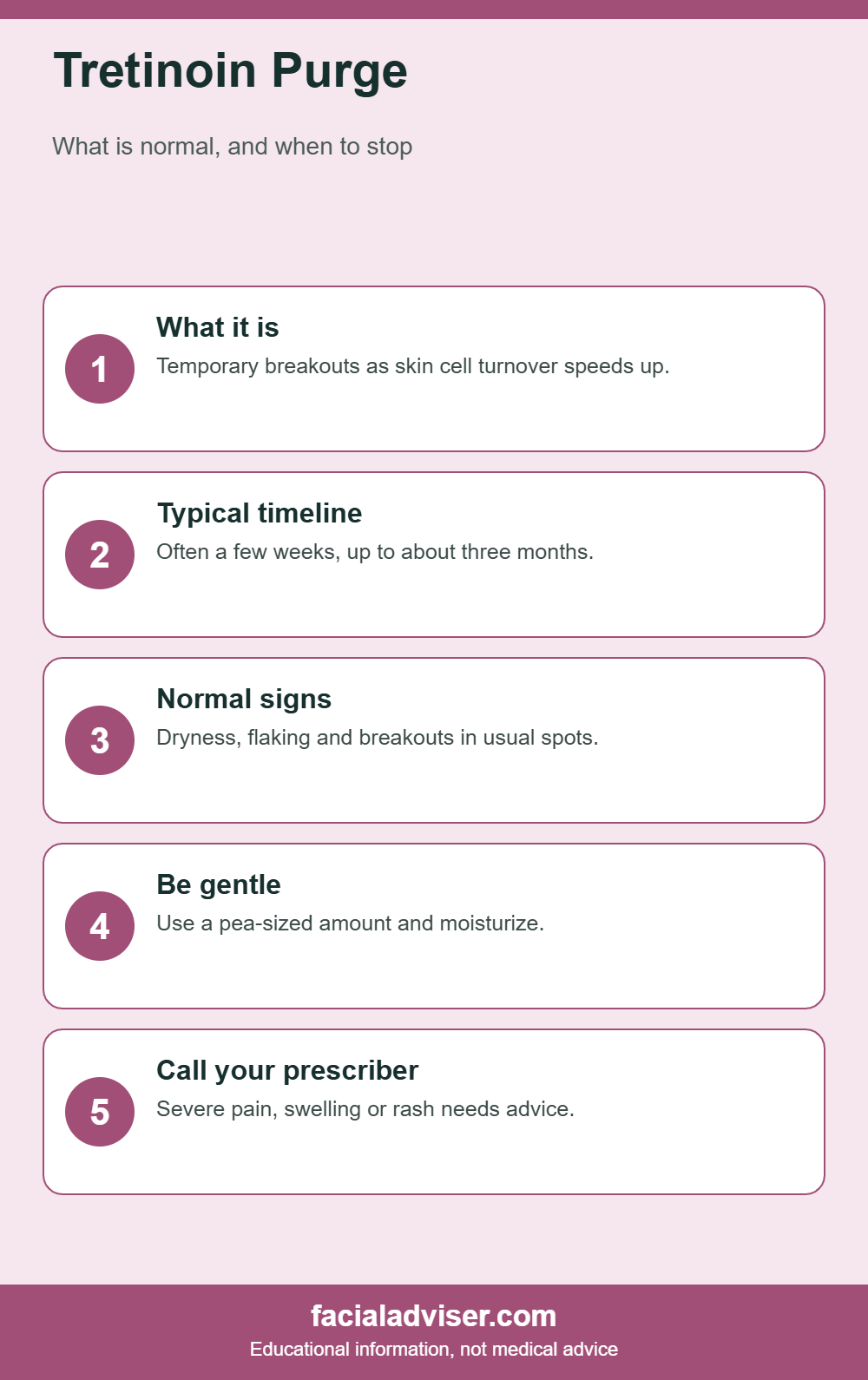
This is often called the tretinoin purge, and for many people it is a temporary stage rather than a sign the medicine is failing.
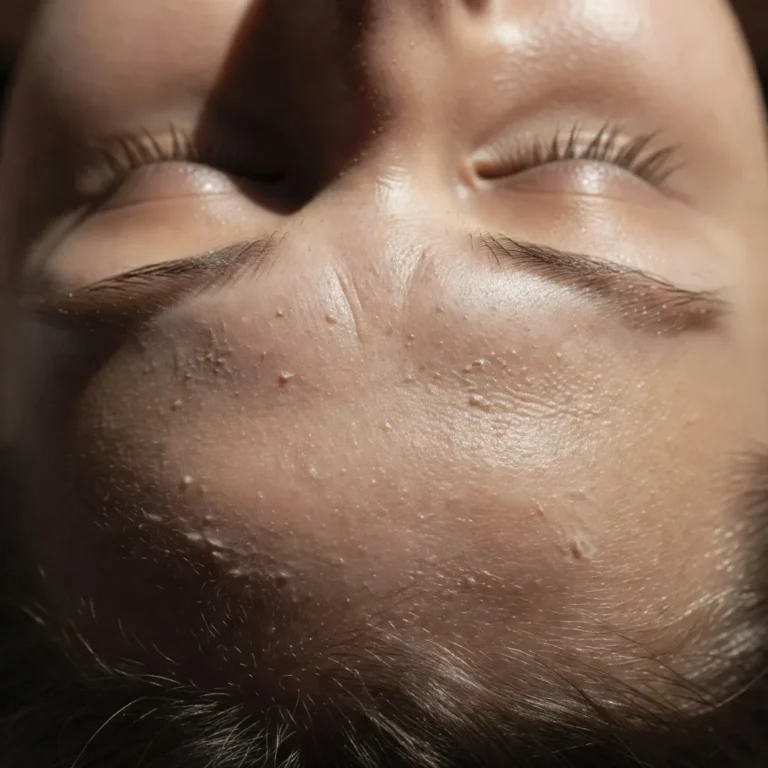
Tretinoin speeds up how quickly skin cells turn over. That brings clogged material, called microcomedones, to the surface faster than it would have arrived by itself. The result can look like a sudden crop of whiteheads, blackheads and small red bumps.
Black Friday is coming: shop the deals with Prime
It usually settles within about six to twelve weeks if you keep your routine simple.
Not every breakout is a purge, though. A true purge shows up where you already tend to get pimples, clears over a few weeks and does not come with burning, swelling or blistering. Irritation and allergy look different, and they are reasons to pause and call your prescriber.
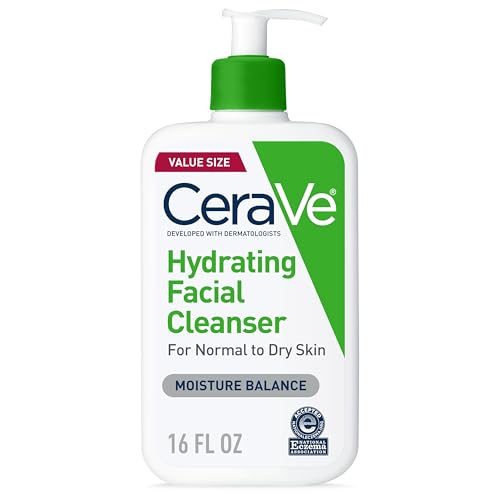
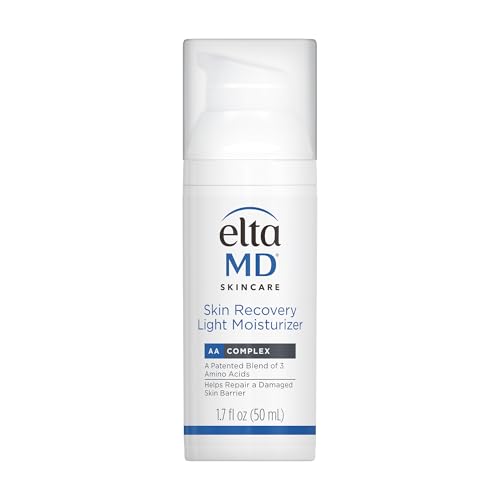
This guide explains the typical timeline, the difference between a purge and a bad reaction, and a calm routine to use while your skin adjusts. It also lists gentle cleansers and moisturizers that suit retinoid users.
If you have recently started a retinoid, see our guide to ampoules and serums to avoid layering too many actives at once.
The author is a registered pharmacist, not a dermatologist, so treat this as educational background. Always follow the instructions given by the person who prescribed your tretinoin.
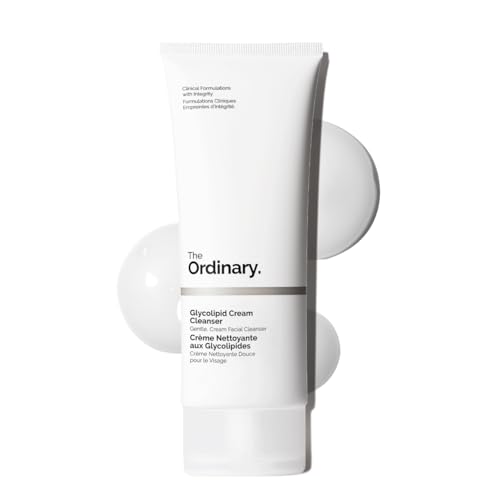
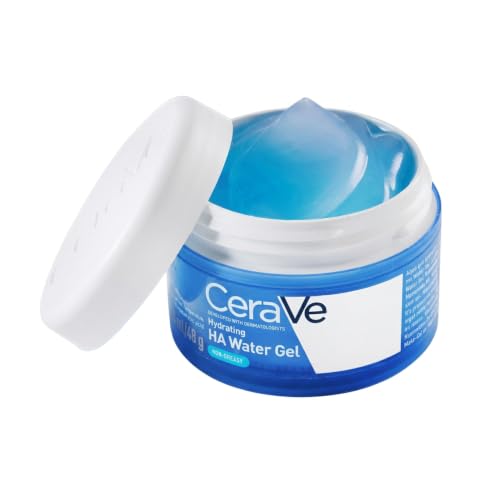
Gentle Cleansers and Moisturizers for the Tretinoin Purge Phase



What This Covers
- What the Tretinoin Purge Actually Is
- A Typical Tretinoin Purge Timeline
- Purge or Bad Reaction? How to Tell the Difference
- A Calm Routine While Your Skin Adjusts
- What to Avoid During a Purge
- Choosing Gentle Cleansers and Moisturizers
- Sunscreen and Sun Protection
- When to Stop or Call Your Prescriber
- Protecting Your Skin Barrier During the Adjustment Phase
- Sensitive Skin, Eczema and Darker Skin Tones
- Tracking Your Progress Without Panic
- Honest Limits and Myths
- Questions People Ask
- The Bottom Line
In Brief
- A purge happens where you usually break out and settles within roughly 6 to 12 weeks.
- Burning, swelling, blistering or spreading rash is not a normal purge; stop and call your prescriber.
- Use a gentle cleanser and a plain moisturizer, and nothing new.
- Do not pick, scrub or add strong acids while the skin adjusts.
- Apply sunscreen every morning because tretinoin increases sun sensitivity.
- Tretinoin is not for pregnancy; speak with a doctor if you may be pregnant.
What the Tretinoin Purge Actually Is
Tretinoin is a prescription retinoid. It increases cell turnover and helps prevent pores from clogging. Before it works well, though, it pushes along the plugs that were already forming under the surface, called microcomedones. They would have shown up as pimples in the coming weeks anyway; tretinoin just brings them out sooner.
That is why a purge tends to appear in your usual trouble spots, such as the chin, jawline or forehead. It is more about timing than about new acne appearing from nowhere. Skin can look rough, flaky and bumpy for a while, which is discouraging when you expected improvement.
Not everyone gets a purge. Some people go straight to calmer skin, and others only notice mild dryness. Neither response says much about whether the medicine will work in the long run.
The word purge is popular online, but doctors may simply call it an initial flare or adjustment period.
A Typical Tretinoin Purge Timeline
Timelines vary, but many people describe a similar pattern. The first two weeks often bring dryness and mild peeling. Breakouts increase around weeks two to six. Skin starts to settle between weeks six and twelve, and real improvement is more common by month three or four.
| Stage | What you may notice | What to do |
|---|---|---|
| Weeks 1-2 | Dryness, tightness, mild peeling | Moisturize, use pea-sized amounts |
| Weeks 2-6 | More bumps and whiteheads in usual spots | Keep routine simple, do not pick |
| Weeks 6-12 | Gradual settling, fewer new spots | Stay consistent and use sunscreen |
| Months 3-4 | Clearer, smoother skin for many people | Review results with your prescriber |
If you are still breaking out heavily after twelve weeks, or if the breakouts are in new places, it is worth checking in with your prescriber. The dose or formulation may need to change.
Purge or Bad Reaction? How to Tell the Difference
The most useful clue is where and how. Purge pimples tend to be small whiteheads or blackheads in familiar areas. A reaction brings widespread redness, burning or stinging, intense itching, swelling or tiny itchy bumps in areas where you do not usually break out.
| Sign | More like a purge | More like a reaction |
|---|---|---|
| Location | Usual breakout areas | New areas like cheeks or eyelids |
| Look | Whiteheads, blackheads, small red bumps | Widespread redness, swelling, rash |
| Feel | Mild dryness or tightness | Burning, stinging, intense itch |
| Timing | Weeks 2 to 8 | Can start within days |
Stop the medicine and contact your prescriber or a doctor if you have swelling of the face or lips, blisters, severe burning or trouble breathing.
A Calm Routine While Your Skin Adjusts
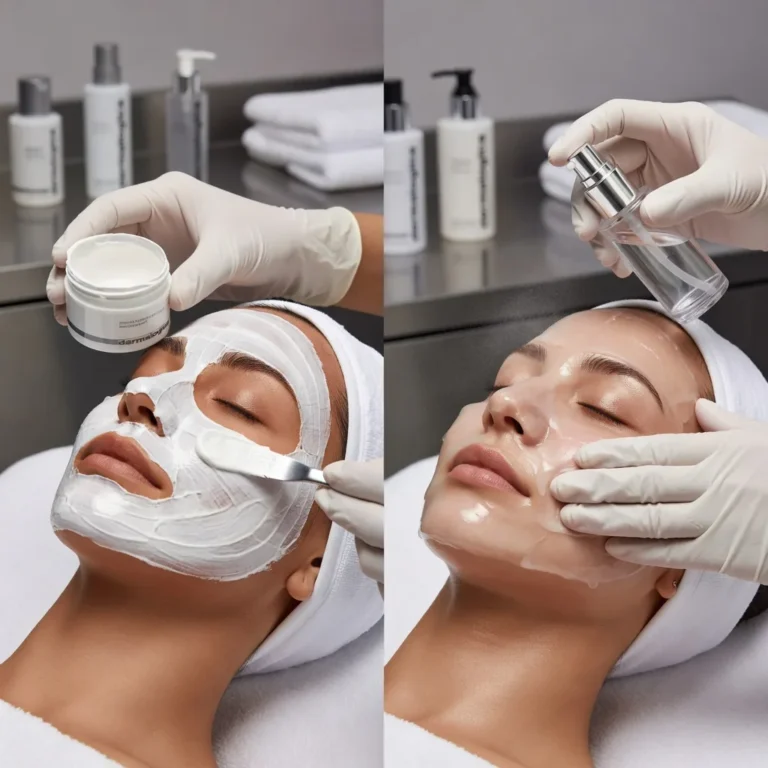
The best routine during a purge is boring. A gentle cleanser, a plain moisturizer, sunscreen in the morning and your tretinoin at night as directed. Skipping new serums, exfoliating acids and scrubs lets you tell what is causing any change.
Many prescribers suggest the sandwich method for sensitive skin, which means moisturizer before and after the medicine. Ask whether it suits your prescription.
Cleanse gently
Use a non-foaming or mild cleanser morning and night. Avoid scrubs.
Wait for dry skin
Let the face dry fully for 15 to 20 minutes before applying tretinoin.
Use a pea-sized amount
Apply a thin layer to the whole face, avoiding corners of the eyes and nose.
Moisturize
Apply a fragrance-free moisturizer, before and after if your prescriber agrees.
Protect in the morning
Finish with sunscreen of SPF 30 or higher.
What to Avoid During a Purge
Picking pimples can scar, and retinoid skin is more fragile. Scrubs, brushes and hot water can also strip the barrier. Layering strong acids, benzoyl peroxide or vitamin C all at once can make irritation worse.
Helps
- Use a gentle cleanser
- Use plain moisturizer
- Wear sunscreen daily
- Introduce one product at a time
Backfires
- Do not pick or squeeze
- Do not scrub or use a cleansing brush
- Do not add strong acids on the same night
- Do not use hot water
If your doctor has paired tretinoin with another acne medicine, follow their schedule exactly.
Choosing Gentle Cleansers and Moisturizers
Look for fragrance-free, non-foaming or lightly foaming cleansers, and moisturizers with ceramides, glycerin or hyaluronic acid. These help the barrier recover while retinoids work. Lighter gels suit oily skin, while creams suit dry skin.
Be careful with oils and heavy balms if you break out easily. A cream like the ones in our list below is often enough, and you can add more on dry nights.
If a product stings, rinse it off and skip it. Stinging in a plain moisturizer is a sign the barrier needs a break.
Sunscreen and Sun Protection
Tretinoin thins the outer layer of skin and can make you burn more easily. A broad-spectrum sunscreen of SPF 30 or higher each morning is non-negotiable. Reapply if you spend time outdoors.
Sun exposure also worsens dark marks left after breakouts, which can undo your progress. For more on how sun affects the face, see our guide to sun damage on the face.
| Situation | Sunscreen tip |
|---|---|
| Desk day | Apply SPF 30 in the morning |
| Outdoors | Reapply every two hours |
| Cloudy day | Still apply, UVA passes through clouds |
| Winter | Do not skip; UV is lower but not zero |
When to Stop or Call Your Prescriber
Stop and call if you have severe peeling, open sores, swelling, blisters, constant burning or a rash that spreads. Call too if you are still breaking out heavily after three months or if nodules and cysts appear.
Never stop prescription medicine without advice if you were told to continue. Your prescriber may lower the strength, change the schedule or switch the formulation.
Tretinoin is not recommended in pregnancy. Speak with a doctor straight away if you become pregnant while using it.
Protecting Your Skin Barrier During the Adjustment Phase
The skin barrier is the outer layer that keeps moisture in and irritants out. Tretinoin loosens the top layer of dead cells, so the barrier is naturally a little thinner for the first weeks. When it gets damaged, skin feels tight, stings with ordinary products and looks red or shiny.
Signs of a stressed barrier include stinging when you apply moisturizer, flaking that does not improve with moisturizer and a sudden dislike of products you used to enjoy. If you see these signs, many prescribers suggest taking a night or two off tretinoin and focusing on cleansing and moisturizing until the skin feels normal again.
Short, lukewarm showers, a humidifier in dry rooms and avoiding harsh soaps near the face all help. Keep fragrance and alcohol-heavy toners out of the routine until things settle.
Sensitive Skin, Eczema and Darker Skin Tones
People with sensitive skin or a history of eczema often react more strongly and may need a slower start. Ask your prescriber whether a lower strength or a less frequent schedule makes sense, such as applying every third night at first and building up as comfort allows.
On deeper skin tones, inflamed pimples can leave dark marks called post-inflammatory hyperpigmentation that last longer than the pimple itself. Gentle care, no picking and daily sunscreen reduce that risk. Discuss any lingering marks with your prescriber, because there are safe ways to treat them once the skin has settled.
If you have rosacea or perioral dermatitis, retinoids can sometimes aggravate those conditions. A professional should confirm what is going on before you push through.
| Skin concern | Suggested adjustment |
|---|---|
| Sensitive skin | Slower start, buffer with moisturizer |
| Eczema history | Ask for guidance before starting |
| Dark marks after pimples | Daily sunscreen, no picking |
| Rosacea or perioral dermatitis | Check with a professional first |
Tracking Your Progress Without Panic
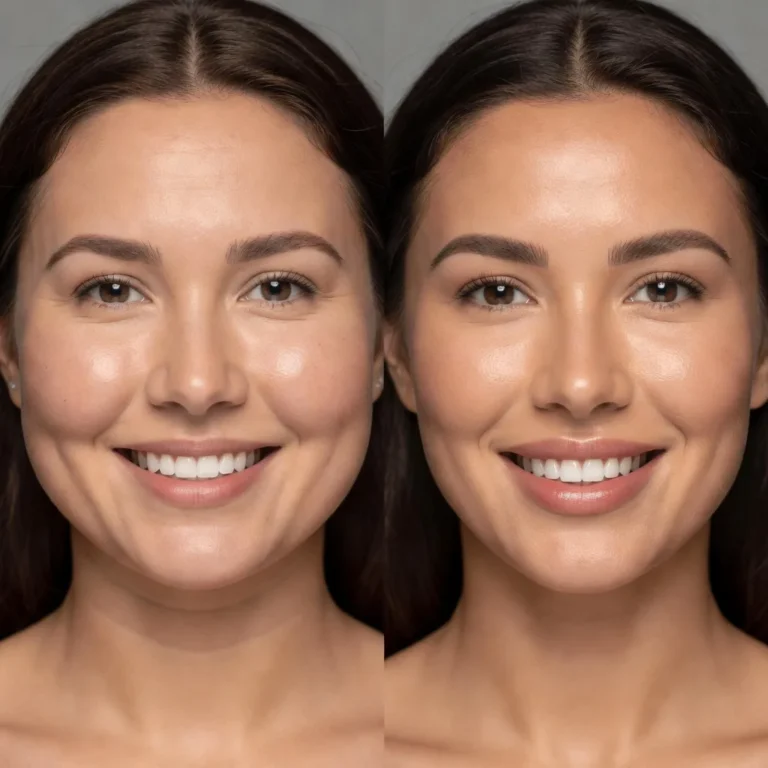
It is easy to judge your skin by how it looks in the mirror each morning, which is a poor guide when texture and redness change daily. A better habit is to take a front-facing photo in the same lighting once a week and look back at the set every month.
Write down the date you started, how often you apply the medicine and any new products. If a breakout looks different from your usual pattern, the notes help you and your prescriber work out the cause.
Many people discover that a new moisturizer or a change in sunscreen explains a flare that they first blamed on tretinoin.
Remember that skin takes about a month to renew, so changes only show after several cycles. Judging results at week three is like judging a diet after three days.
Honest Limits and Myths
No one can promise how long your purge will last, or that you will have one. Myths like you must purge for the product to work are not supported. A mild adjustment with little peeling can still work well.
Online timelines are anecdotes, not rules. Skin types, strengths and starting routines vary. If something feels wrong, trust that feeling and check with a professional.
This article is educational and not medical advice. The author is a registered pharmacist, not a dermatologist, and cannot diagnose skin conditions. Follow your prescriber’s instructions.
Questions People Ask
How long does the tretinoin purge last?
Most people see it settle within about six to twelve weeks, though some take longer.
Is it normal to break out more at first?
Yes, a temporary increase in breakouts is common in the first weeks.
Is it a purge or an allergy?
Purge pimples appear in usual places and are small. Allergy brings widespread redness, itching, swelling or burning.
Should I stop tretinoin during a purge?
Not unless your prescriber says so or you have a severe reaction. Mild bumps are often expected.
Can I use a moisturizer?
Yes. A plain, fragrance-free moisturizer is usually recommended.
Can I use vitamin C or exfoliating acids?
It is best to avoid adding them until your skin has adjusted. Ask your prescriber.
Do I need sunscreen?
Yes, every morning, SPF 30 or higher.
Does everyone get a purge?
No. Some people never have one.
Can I pick the pimples?
Avoid it. Picking can cause marks and scars, especially on fragile retinoid skin.
When should I call my doctor?
If you have burning, swelling, blisters, a spreading rash or no improvement after about three months.
The Bottom Line
A tretinoin purge is common and usually temporary. Keep your routine simple, protect your skin from the sun and give it time. Most importantly, tell your prescriber if the reaction feels more than mild.
The products below are gentle, popular options to support your skin barrier. They are not a cure, and they do not replace your prescription.

Written by
Registered pharmacist and founder of Facial Adviser. Rakib's pharmacy training covers how skincare actives work and interact; a later course in cosmetology turned that into a focus on facial treatments and skincare products. He plans, researches and edits every guide on the site and checks health claims against sources such as the American Academy of Dermatology, the FDA and the NIH. He is not a dermatologist; see the Editorial Policy and Medical Disclaimer.
About · Editorial policy · How we choose products · Medical disclaimer · Contact
Keep reading: Body care and more
- 10 Best Body Tools for Skincare and Massage (2026): Smooth and Relax
- Is a Muscle Massage Gun Worth It? What the Evidence Says and Who Benefits
- Jeroboam Gozo Perfume: Notes, Wear and Who It Suits
- 10 Best Massage Chairs Under $2,000 (2026): Full-Body Picks for Home
- 10 Best Massage Chairs Under $500 (2026): Budget Recliners With Heat
- 10 Best Handheld Body Massagers (2026): Relief for Tight Muscles
Turn skincare time into me-time with a free audiobook