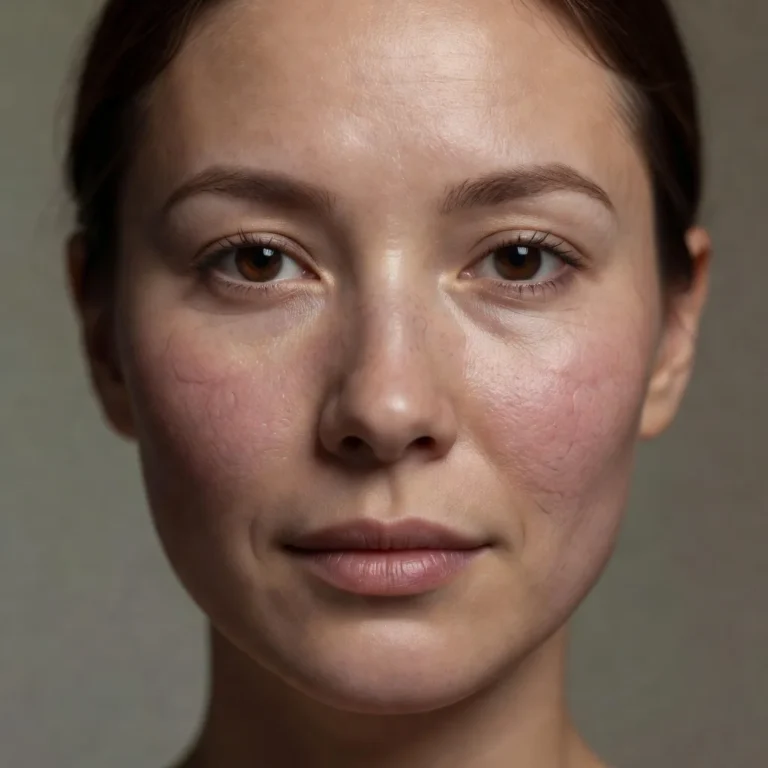
Rough, Bumpy Forehead After Sunscreen? Causes and Fixes
You are doing the right thing by wearing sunscreen every day, and yet your forehead has started to feel like fine sandpaper. There are tiny skin-coloured bumps along the hairline, maybe a few red spots, or patches that feel rough and tight. It is tempting to give up on sunscreen altogether.
Part of our guide to skincare products. Start with: What Does a Facial Toner Do? The Real Answer
A rough or bumpy forehead after sunscreen usually has one of four causes: clogged pores from a heavy or occlusive formula, irritation from fragrance or certain filters, sunscreen that is not fully removed at night, or, less often, an allergic reaction. Switching to a lightweight, fragrance-free, non-comedogenic sunscreen, cleansing it off properly every evening and supporting the skin barrier fixes most cases within a few weeks. Stopping sunscreen is rarely the answer.
The forehead is especially prone to this. It has many oil glands, it sits under hairlines where hair products and sweat collect, and it is where people often apply the most sunscreen and forget to wash thoroughly. Hats and headbands add friction and heat on top.
The American Academy of Dermatology suggests that people with sensitive skin choose sunscreens labelled for sensitive skin and avoid fragrance, parabens and oxybenzone, while people with acne-prone skin should look for products labelled non-comedogenic. Those two filters alone solve a lot of problems.
This guide will help you work out what kind of roughness you have, choose a sunscreen your forehead tolerates, remove it properly and know when a reaction needs a doctor.
Shopping these picks?
Amazon Prime members get fast, free shipping on eligible items, plus Prime Video, Amazon Music and member deals. New members can start with a free trial.
Start a free Prime trialAged 18 to 24? Prime for Young Adults comes with a longer free trial and a lower price after it.
Affiliate link: we may earn a commission at no extra cost to you.
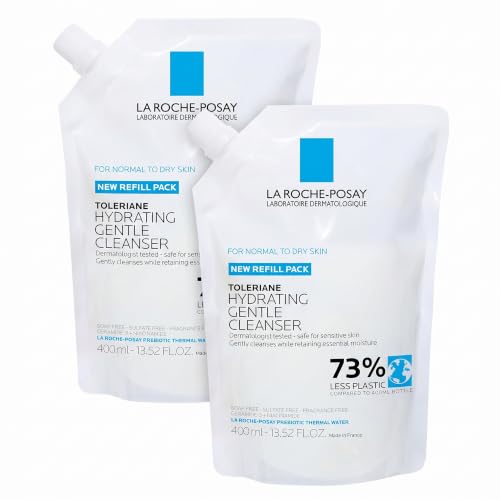
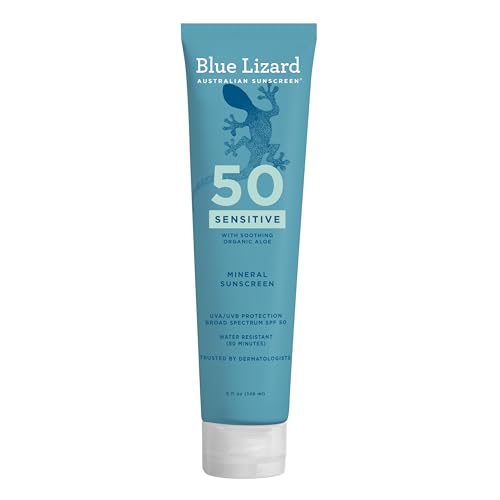
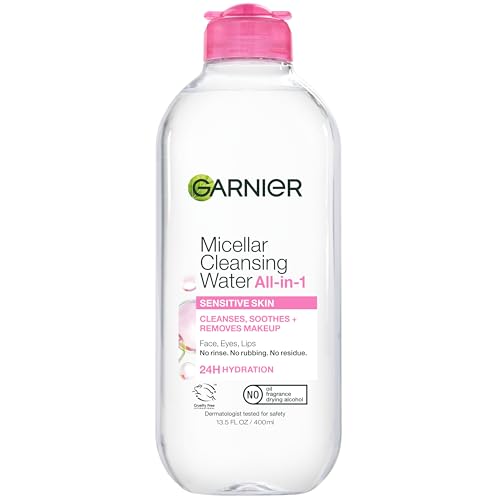
Recommended Products for Sunscreen-Sensitive Skin

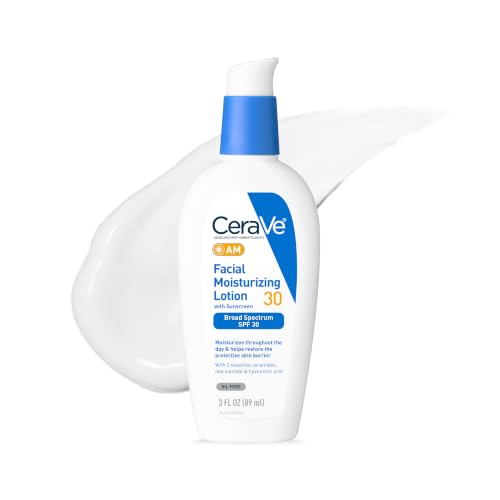
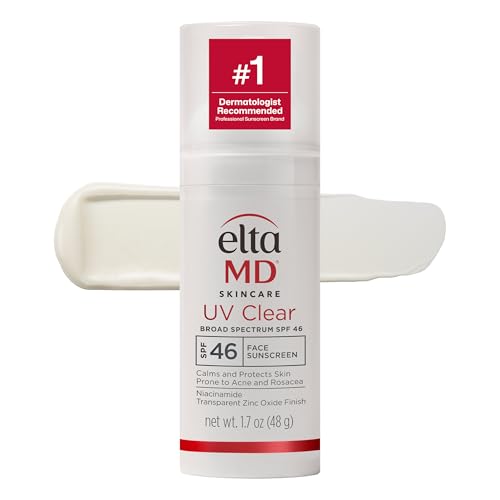
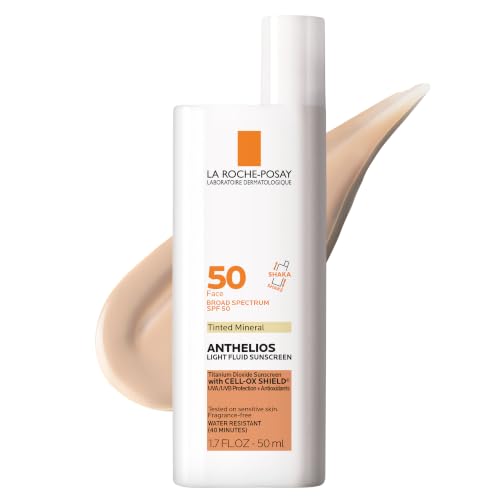
The Short Version
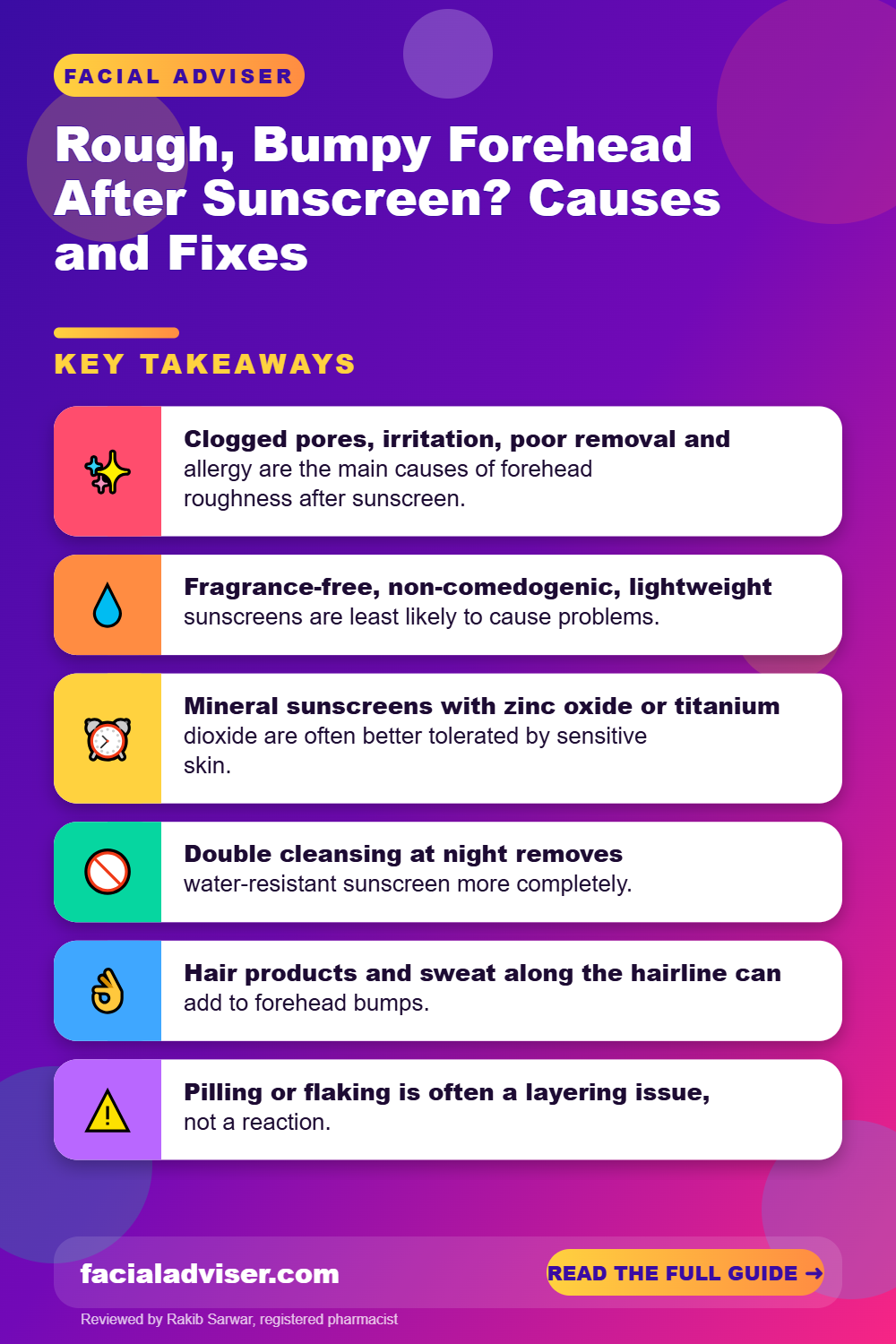
- Clogged pores, irritation, poor removal and allergy are the main causes of forehead roughness after sunscreen.
- Fragrance-free, non-comedogenic, lightweight sunscreens are least likely to cause problems.
- Mineral sunscreens with zinc oxide or titanium dioxide are often better tolerated by sensitive skin.
- Double cleansing at night removes water-resistant sunscreen more completely.
- Hair products and sweat along the hairline can add to forehead bumps.
- Pilling or flaking is often a layering issue, not a reaction.
- Itching, swelling or a rash beyond where you applied sunscreen suggests allergy and needs a doctor.
What This Covers
- Which Kind of Roughness Do You Have?
- Why the Forehead Reacts First
- How to Stop Sunscreen Making Your Forehead Rough
- Choosing a Sunscreen Your Forehead Tolerates
- Is It Actually Pilling?
- Removing Sunscreen Properly
- Could It Be an Allergy?
- Why You Should Not Give Up on Sunscreen
- How to Patch Test a New Sunscreen
- Reapplying Without Building Up Residue
- When Sunscreen Is Not the Problem
- When to See a Dermatologist
- Common Questions
- The Takeaway
Which Kind of Roughness Do You Have?
| What you notice | Most likely cause | Quick fix |
|---|---|---|
| Tiny, even, skin-coloured bumps | Clogged pores (comedones) | Lighter, non-comedogenic formula; better cleansing |
| Red, inflamed spots | Acne flare | Non-comedogenic sunscreen; acne care |
| Dry, tight, flaky patches | Irritation or barrier damage | Fragrance-free sunscreen; moisturiser underneath |
| Stinging or burning on application | Irritation from a filter or alcohol | Switch to a mineral sunscreen for sensitive skin |
| Itchy red rash, possibly spreading | Allergic contact dermatitis | Stop the product; see a doctor |
| White flakes or rolls when rubbing | Pilling | Change layering and wait times |
Taking a close look in daylight, and noticing whether the problem started with a new product, gives you the best clue. If roughness began within a week or two of switching sunscreens, the new product is the prime suspect.
Why the Forehead Reacts First
- More oil glands: the forehead is part of the T-zone, so rich or occlusive formulas are more likely to block pores there.
- Hairline build-up: hair oils, dry shampoo, gels and conditioner run onto the forehead and mix with sunscreen.
- Sweat and heat: sunscreen and sweat together can trap debris in pores during hot weather or exercise.
- Hats and headbands: add friction and heat along the brow and hairline.
- Incomplete removal: water-resistant sunscreens are designed to cling and may not wash off with a quick rinse.
If you also get shine and blackheads across your nose and chin but dry cheeks, you may have combination skin. Our guide to an oily T-zone with dry cheeks explains how to treat each zone.
How to Stop Sunscreen Making Your Forehead Rough
Pause and simplify
For one to two weeks, use only a gentle cleanser, a plain moisturiser and one sunscreen. Drop scrubs, strong acids and new products.
Choose a better-suited sunscreen
Pick a broad-spectrum SPF 30 or higher labelled fragrance-free and non-comedogenic. If you have sensitive skin, try a mineral formula.
Apply the right amount
Use about a teaspoon for the face and neck, spread evenly rather than piled on the forehead.
Keep hair products off your face
Apply styling products before skincare, and wipe the hairline afterwards.
Double cleanse at night
Remove sunscreen with micellar water or a cleansing balm, then wash with a gentle cleanser.
Moisturise
A simple, fragrance-free moisturiser helps repair any barrier damage.
Re-test slowly
If you want to go back to an old favourite, patch test it on one small area first.
Wipe your forehead and hairline gently after a workout or sweaty commute, then reapply sunscreen if you are heading back outside.
Choosing a Sunscreen Your Forehead Tolerates
| Skin type | Look for | Maybe avoid |
|---|---|---|
| Sensitive or reactive | Mineral filters (zinc oxide, titanium dioxide), ‘sensitive skin’ label | Fragrance, alcohol-heavy formulas, oxybenzone |
| Acne-prone or oily | Non-comedogenic, oil-free, gel or fluid texture | Thick creams, oils, heavy water-resistant formulas for daily use |
| Dry | Moisturising lotion or cream sunscreen | Mattifying, alcohol-based formulas |
| Deeper skin tones | Tinted mineral or sheer chemical formulas | Thick zinc that leaves a white cast |
The AAD advises people with sensitive skin to avoid fragrance, parabens and oxybenzone in sunscreens, and those with acne-prone skin to choose products labelled non-comedogenic (AAD).
Water-resistant sport sunscreens are ideal for swimming and heavy sweating, but they are harder to remove and can be too heavy for daily office wear. Keeping one for sport and a lighter one for everyday often solves forehead bumps.
Is It Actually Pilling?
Pilling is when products roll into small flakes or balls as you rub them in or apply makeup on top. It can feel and look like rough skin, but it is not a skin reaction at all.
- Apply thinner layers and let each one settle for a minute or two.
- Avoid layering several silicone-heavy products under sunscreen.
- Pat sunscreen in rather than rubbing back and forth.
- If you wear makeup, press foundation on with a sponge instead of buffing.
If the flakes wipe off and the skin underneath feels smooth, pilling is the likely cause.
Removing Sunscreen Properly
A quick splash is not enough for most modern sunscreens, especially water-resistant and mineral types. Residue left overnight can contribute to clogged pores.
Helps
- Use micellar water or a cleansing balm first
- Follow with a gentle, low-foam cleanser
- Pay attention to the hairline and brows
- Pat dry and moisturise
- Wash headbands and pillowcases regularly
Backfires
- Scrub hard to get it off
- Sleep in sunscreen
- Use harsh foaming or alcohol cleansers
- Rely on wipes alone every night
- Skip moisturiser after double cleansing
Our guide on sebaceous filaments versus blackheads can help if you are unsure whether the tiny dots on your forehead are clogged pores or a normal part of the skin.
Could It Be an Allergy?
True sunscreen allergy is uncommon but real. It is more often caused by fragrance or preservatives than by the UV filters themselves, although some chemical filters can trigger reactions in a small number of people.
- Itchy, red or swollen skin where sunscreen was applied.
- A rash that appears hours to a day after use.
- A reaction that only appears in sunlit areas after applying sunscreen, which may be a photoallergic reaction.
- Spreading beyond the forehead to the rest of the face or neck.
Stop using the product and see a doctor if you have swelling, blistering, spreading rash or eye symptoms. Patch testing by a dermatologist can identify the ingredient responsible.
Why You Should Not Give Up on Sunscreen
It is understandable to stop using something that seems to cause problems, but daily sun protection is one of the most important things you can do for your skin. UV damage causes premature aging, dark spots and skin cancer, and it can make acne marks linger for months. Our guide on pimple marks that won’t fade explains why.
Almost everyone can find a sunscreen that suits their skin. It may take a few tries, but changing the formula is a far better solution than skipping protection.
While you are finding the right one, lean on other forms of protection too. Shade, a hat with a brim and avoiding the strongest midday sun reduce how much sunscreen your forehead has to do on its own. That combination is also what dermatologists recommend for everyone, not just people with sensitive skin, so it is a good habit to keep even after your forehead settles.
How to Patch Test a New Sunscreen
If your forehead has reacted before, test any new sunscreen before putting it all over your face. It takes a few days but can save weeks of irritation.
- Choose a small area such as the side of the forehead near the hairline or just below the jaw.
- Apply a small amount once or twice a day, exactly as you would normally use it.
- Continue for seven to ten days, as the AAD recommends, since clogged pores and some allergies take time to appear.
- Stop at once if you notice itching, stinging that lasts, redness or new bumps.
- If the area stays calm, start using it on the whole face while watching the forehead closely.
Test one product at a time. Trying two new products together makes it impossible to tell which one caused a problem.
Reapplying Without Building Up Residue
Reapplying sunscreen every two hours outdoors is important, but layering fresh product over sweat and old sunscreen can leave the forehead feeling heavy and rough by evening.
Before reapplying, blot the forehead with a clean tissue to lift sweat and oil. Then press on a thin layer rather than rubbing, which also reduces pilling. Over makeup, a sunscreen powder or mist can be easier, though you need to apply generously for good protection. A wide-brimmed hat that does not press tightly on the forehead adds protection without extra layers of product.
At the end of a long day outdoors, a thorough double cleanse matters even more, since several layers have built up since the morning.
When Sunscreen Is Not the Problem
Forehead bumps can have other causes that happen to show up while you are using a new sunscreen. Fungal acne, which looks like very uniform, itchy bumps, often flares in hot and humid weather. Hair product acne along the hairline, hormonal breakouts and seborrheic dermatitis can also affect the forehead.
If a careful switch to a simple, fragrance-free, non-comedogenic sunscreen does not help within four to six weeks, it is worth getting a diagnosis.
When to See a Dermatologist
- You have a rash that itches, swells or spreads.
- Bumps are very uniform and itchy, especially in hot weather.
- Breakouts continue despite switching to non-comedogenic products.
- You have reacted to several different sunscreens.
- You have eyelid swelling or eye irritation after applying sunscreen.
This article is for general information and does not replace professional medical advice. See a dermatologist for persistent rashes or suspected allergies.
Common Questions
Why does sunscreen make my forehead bumpy?
Heavy or occlusive formulas, incomplete removal and hair products at the hairline can clog pores, causing small bumps.
Can sunscreen cause an allergic reaction?
Yes, though it is uncommon. Fragrance and preservatives are frequent culprits, and some chemical filters can also trigger reactions.
Is mineral sunscreen better for sensitive skin?
Many people with sensitive skin tolerate zinc oxide or titanium dioxide formulas better.
How do I remove sunscreen properly?
Use micellar water or a cleansing balm first, then a gentle cleanser, especially for water-resistant sunscreens.
What is sunscreen pilling?
It is when products roll into flakes as you apply them, often from layering too much or not letting layers settle.
Should I stop wearing sunscreen if it breaks me out?
No. Switch to a lightweight, non-comedogenic, fragrance-free sunscreen instead.
How long does it take for sunscreen bumps to clear?
Once you switch products and cleanse well, most bumps settle within two to six weeks.
Can hair products cause forehead bumps?
Yes. Hair oils, gels and conditioners can run onto the forehead and clog pores along the hairline.
Which sunscreen ingredients should sensitive skin avoid?
The AAD suggests avoiding fragrance, parabens and oxybenzone if you have sensitive skin.
Can I patch test a sunscreen?
Yes. Apply a small amount to one area twice a day for seven to ten days and watch for any reaction.
The Takeaway
A rough or bumpy forehead after sunscreen is usually a sign that the formula or the removal routine is not right for your skin, not that you should stop protecting it. The forehead reacts first because of its oil glands, hairline and exposure to sweat and friction.
Simplify your routine, switch to a fragrance-free, non-comedogenic sunscreen, remove it thoroughly each evening and keep hair products off your face. See a dermatologist if you have a rash that itches, swells or spreads, or if nothing you try seems to help.

Written by
Registered pharmacist and founder of Facial Adviser. Rakib's pharmacy training covers how skincare actives work and interact; a later course in cosmetology turned that into a focus on facial treatments and skincare products. He plans, researches and edits every guide on the site and checks health claims against sources such as the American Academy of Dermatology, the FDA and the NIH. He is not a dermatologist; see the Editorial Policy and Medical Disclaimer.
About · Editorial policy · How we choose products · Medical disclaimer · Contact
Keep reading: Toners, mists and sunscreen
- Do You Need a pH-Balancing Toner? When It Helps, When It Does Not
- Why Does My Toner Sting Sometimes? Causes and What to Do
- Should Men Use Toner? When It Helps and When to Skip It
- Are Facial Sprays Useful? What Face Mists Can and Cannot Do
- What Does a Facial Toner Do? The Real Answer
- 10 Best Facial Moisturizers for Dry Skin (2026): Rich, Gentle Creams
- 10 Best Facial Serums for Aging Skin (2026): Picks by Concern