Are Facial Sprays Useful? What Face Mists Can and Cannot Do
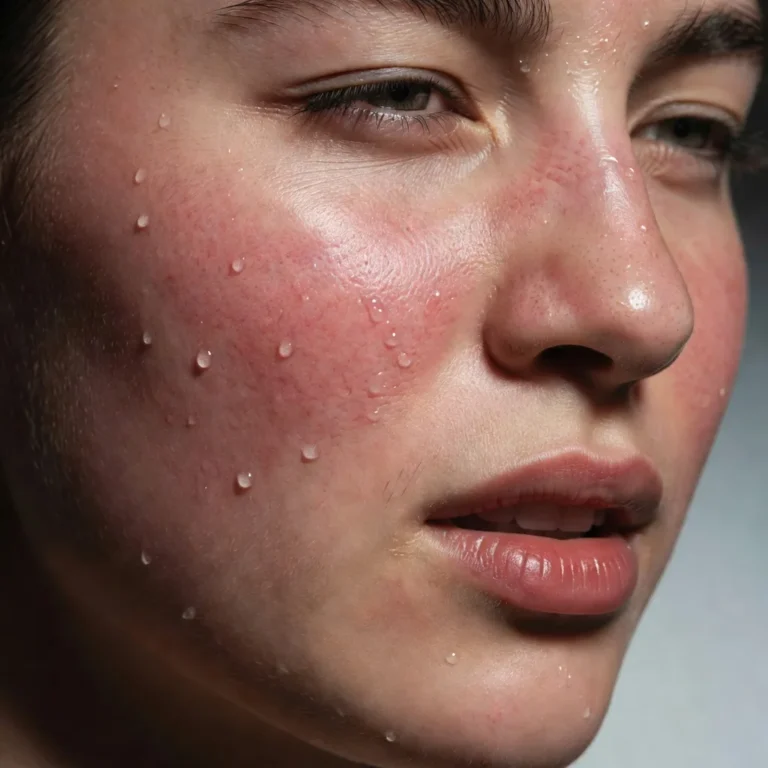
Facial sprays are one of the most satisfying products to use: a cool, fine mist that feels instantly refreshing on a hot day, on a long flight or halfway through an afternoon at a desk. They are also one of the most debated. Some people swear by them for hydration, while others say they are just expensive water that can even make skin drier.
Part of our guide to skincare products. Start with: What Does a Facial Toner Do? The Real Answer
Facial sprays can be useful, but mostly as a supporting step rather than a main source of hydration. A mist with humectants such as glycerin or hyaluronic acid can add a little moisture, help serums and moisturisers spread, refresh makeup and soothe skin that feels hot or tight. However, plain water or alcohol-heavy mists sprayed on and left to evaporate can leave skin feeling drier than before. To get real benefit, spray, then follow with a serum or moisturiser while skin is still damp, and choose fragrance-free formulas if your skin is sensitive.
The key is understanding what a mist can and cannot do. Water on its own evaporates quickly and takes some of the skin’s moisture with it. Ingredients that attract and hold water, followed by a moisturiser that seals it in, are what make hydration last.
The American Academy of Dermatology recommends applying moisturiser to damp skin to help trap water, which is exactly how a facial spray is most useful.
This guide explains the types of facial sprays, what they do, who benefits most, the ingredients to look for and avoid and how to use a mist so it helps rather than dries.
Shopping these picks?
Amazon Prime members get fast, free shipping on eligible items, plus Prime Video, Amazon Music and member deals. New members can start with a free trial.
Start a free Prime trialAged 18 to 24? Prime for Young Adults comes with a longer free trial and a lower price after it.
Affiliate link: we may earn a commission at no extra cost to you.
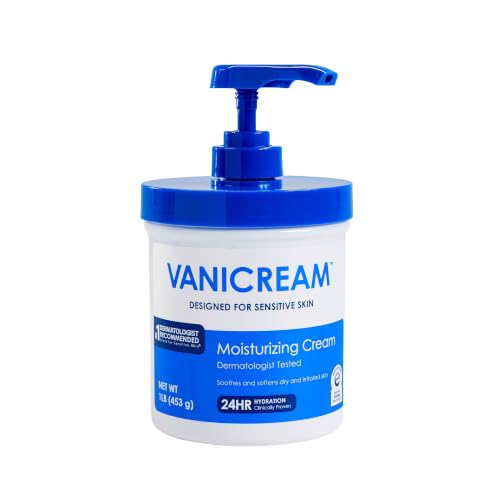
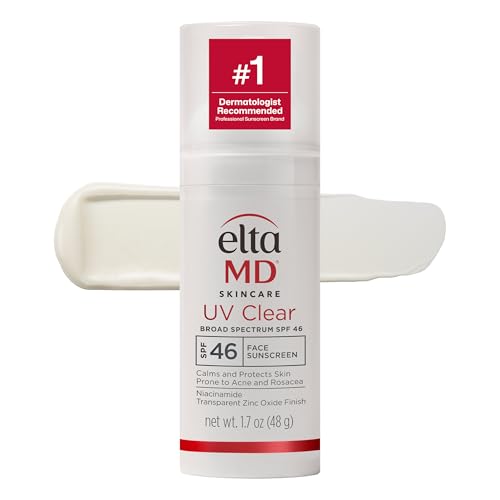
Recommended Facial Sprays and Hydrating Products


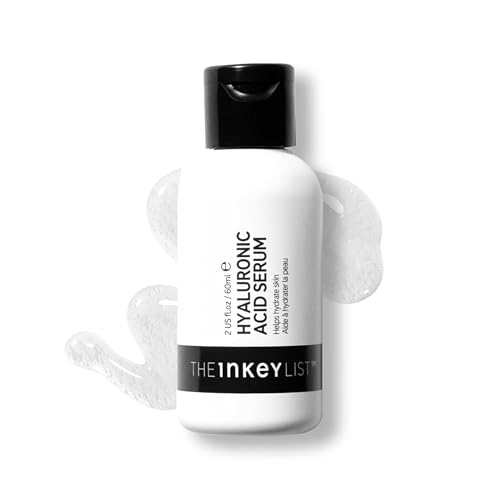
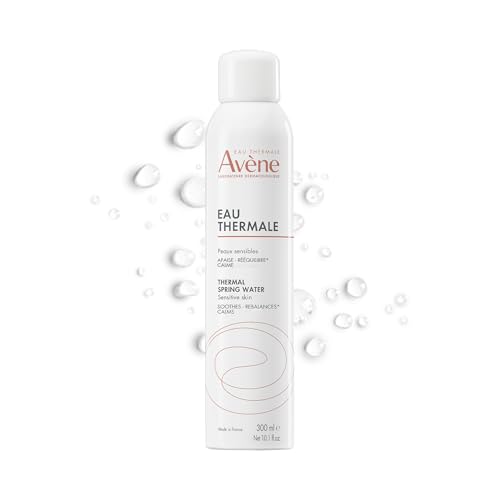
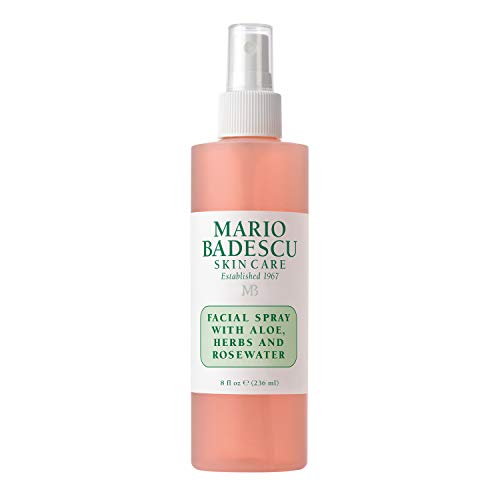
Contents
- Types of Facial Sprays
- What Facial Sprays Can Do
- What Facial Sprays Cannot Do
- Can Facial Sprays Make Skin Drier?
- How to Use a Facial Spray So It Actually Hydrates
- Ingredients to Look For and Avoid
- Who Benefits Most From Facial Sprays
- Facial Sprays and Makeup
- Choosing a Mist for Your Skin Type
- Dos and Don’ts
- Honest Limits
- When to See a Dermatologist
- FAQ
- Final Word
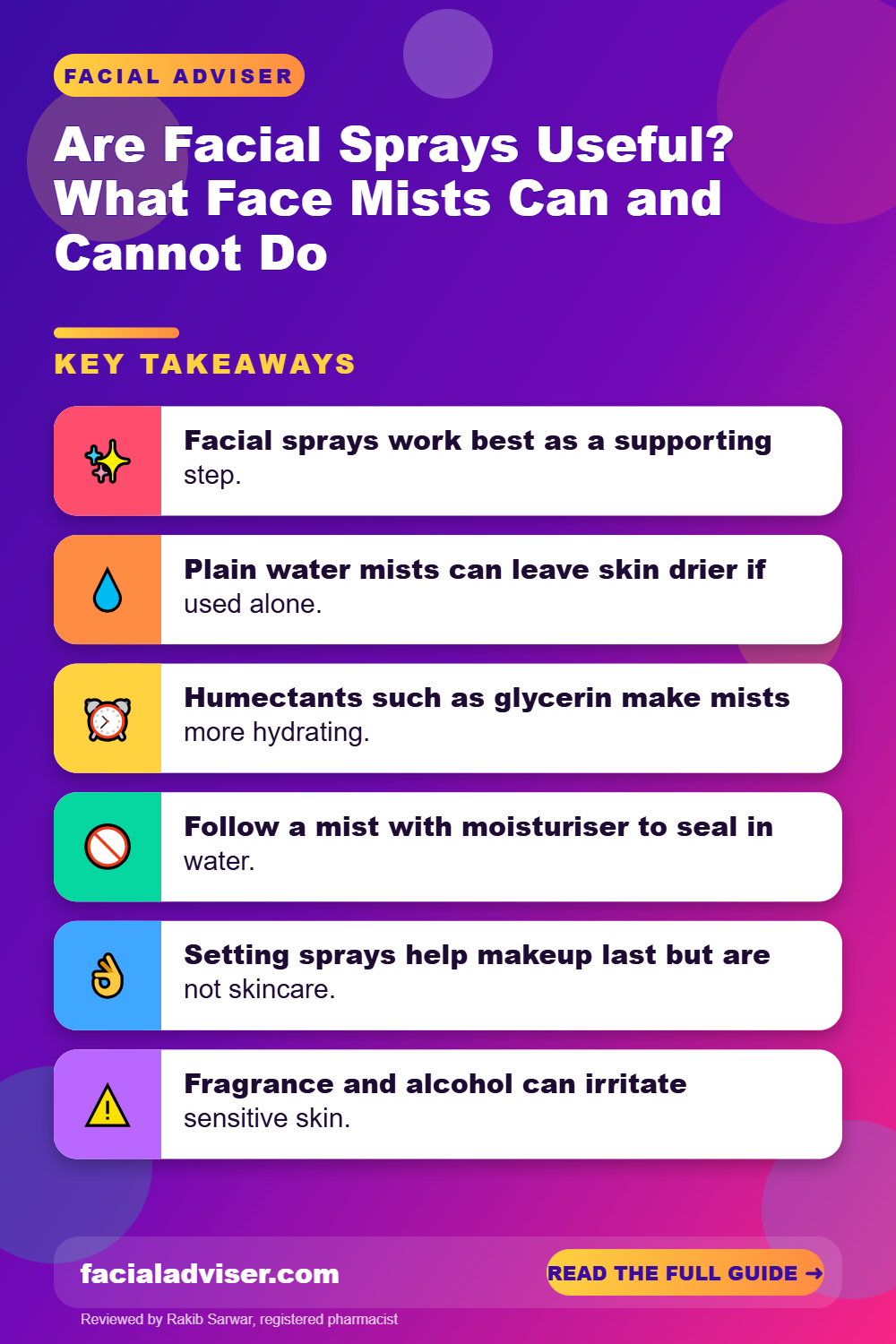
The Short Version
- Facial sprays work best as a supporting step.
- Plain water mists can leave skin drier if used alone.
- Humectants such as glycerin make mists more hydrating.
- Follow a mist with moisturiser to seal in water.
- Setting sprays help makeup last but are not skincare.
- Fragrance and alcohol can irritate sensitive skin.
- A mist cannot replace moisturiser or sunscreen.
Types of Facial Sprays
Facial sprays come in several kinds, and they do different jobs.
| Type | Main ingredients | What it does | Best for |
|---|---|---|---|
| Thermal or spring water | Mineral water | Soothes and cools | Sensitive or irritated skin |
| Hydrating mist | Glycerin, hyaluronic acid, aloe | Adds light hydration | Dry or dehydrated skin |
| Botanical or rosewater mist | Plant extracts, rosewater | Refreshing scent and feel | Normal skin without fragrance sensitivity |
| Toner mist | Humectants, sometimes mild acids | Prepares skin for serums | Most skin types |
| Makeup setting spray | Film-formers, sometimes alcohol | Helps makeup last | Makeup wearers |
| SPF mist | Sunscreen filters | Top-up sun protection | Reapplying over makeup, with care |
Because the name facial spray covers so many products, the label and ingredient list matter more than the category. Two mists that look identical on the shelf can behave very differently on the skin, one adding real hydration and the other little more than a quick cool-down. Our guide on facial sprays versus toners explains where the two overlap.
What Facial Sprays Can Do
Used well, a facial spray can offer several small benefits.
- Refresh and cool the skin, especially in heat or on flights.
- Add a light layer of hydration when it contains humectants.
- Help serums and moisturisers spread more evenly on damp skin.
- Soften powdery makeup and melt layers together.
- Calm skin that feels hot or tight after cleansing or sun.
Many people also enjoy the ritual, and that matters more than it might seem. Skincare you enjoy is skincare you keep doing, and consistency is one of the most important parts of any routine. A quick mist can be a pleasant pause during a long day, and for some it encourages them to reapply moisturiser or check their skin, which has real benefits.
What Facial Sprays Cannot Do
It helps to be realistic about what a mist can achieve.
- They cannot replace a moisturiser for dry skin.
- Plain water mists do not provide lasting hydration.
- Most cannot replace sunscreen, and SPF mists are easy to under-apply.
- They do not detox, tighten pores or treat acne.
- They cannot fix a damaged skin barrier on their own.
If your skin is dry, tight or flaky, the answer is usually a richer moisturiser and gentler cleansing, not more misting. A humidifier in dry rooms and shorter, cooler showers often help more than any spray. Our guide on how to repair your moisture barrier explains what helps.
Can Facial Sprays Make Skin Drier?
They can, if used in a particular way. When water sits on the skin and evaporates, it can draw some moisture from the outer layer with it. Spraying repeatedly throughout the day without sealing in the water can leave skin feeling tighter than before, which can tempt you to spray again and repeat the cycle.
Mists that are high in alcohol can add to that drying effect, and some people find they sting. Alcohol helps a mist dry quickly and feel light, which is why it is common in setting sprays, but it is not ideal for dry or sensitive skin. Heavily fragranced mists may irritate sensitive skin, and repeated use means repeated exposure.
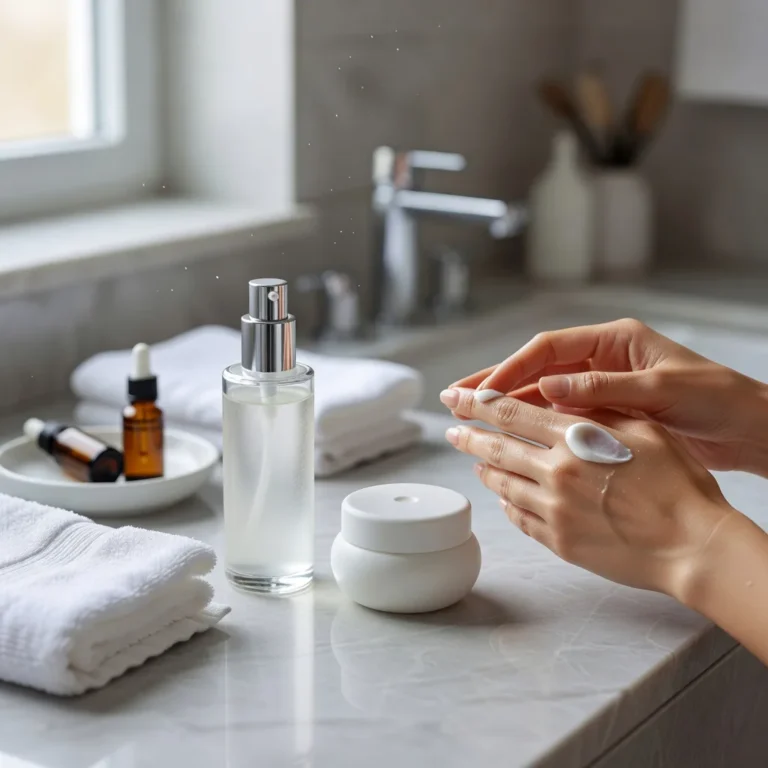
The simple fix is to follow a mist with a moisturiser or serum while the skin is still damp. That turns a potentially drying step into a helpful one.
In very dry air, such as on planes or in heated offices, evaporation happens even faster. That is when sealing in the mist with a cream or balm matters most, and when a small tube of moisturiser in your bag is more useful than a spray alone.
How to Use a Facial Spray So It Actually Hydrates
Choose the right mist
Pick a fragrance-free mist with glycerin or hyaluronic acid for hydration.
Hold it at a distance
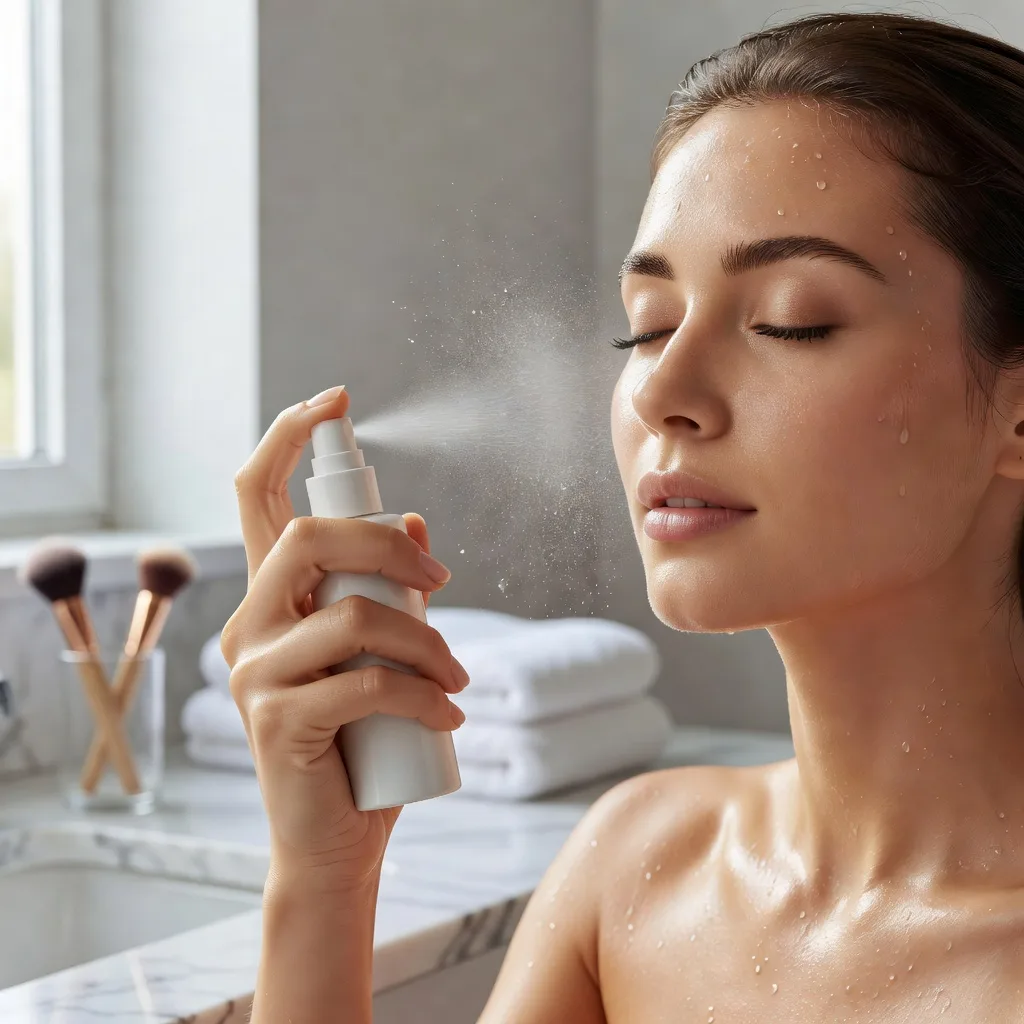
Spray from about 20 to 30 centimetres away with eyes closed.
Mist evenly
Two or three sprays are enough to dampen the skin.
Apply serum
Pat on a hydrating serum while the skin is still damp.
Seal with moisturiser
Follow with a moisturiser suited to your skin type.
Protect in the morning
Finish with sunscreen during the day.
Refresh wisely
During the day, mist and then press a little moisturiser on dry areas.
If you only use a mist to refresh during the day, blot it gently with a clean tissue rather than letting it air-dry completely. That reduces the drying effect of evaporation.
Keep your mist somewhere clean and away from direct sunlight, and check the expiry date. Products containing plant extracts and water can spoil more quickly once opened, especially in warm bathrooms or bags left in hot cars.
The American Academy of Dermatology explains that moisturiser works best when applied to damp skin, which helps trap water in the skin. Read its tips for relieving dry skin for more.
Ingredients to Look For and Avoid
The ingredient list tells you whether a mist is likely to help or irritate.
- Look for: glycerin, hyaluronic acid, panthenol, aloe vera, niacinamide.
- Consider: thermal or mineral water for calming, if you like the feel.
- Use with caution: alcohol denat high on the list, which can dry skin.
- Use with caution: fragrance, essential oils and strong botanical extracts on sensitive skin.
- Avoid: mists that sting, burn or leave redness.
Fragrance is one of the most common causes of skin reactions to cosmetics. The American Academy of Dermatology explains that contact dermatitis can be triggered by fragrance and other ingredients. Our guide on how to spot fragrance in an ingredient list can help you check labels.
Keep your eyes closed when spraying and avoid inhaling the mist. Stop using any spray that makes your eyes sting, your skin burn or your breathing feel uncomfortable.
Who Benefits Most From Facial Sprays
Some people get more from facial sprays than others.
- People in dry climates or heated and air-conditioned rooms.
- Frequent flyers, since cabin air is very dry.
- Makeup wearers who want to soften powder or set their base.
- People with sensitive skin who like a calming thermal water mist.
- Anyone who enjoys the ritual and pairs it with moisturiser.
If you have very oily skin, you may not need a hydrating mist at all, though a light, oil-free mist can still feel refreshing. Oily skin can still be dehydrated, however, and a humectant mist under a light gel moisturiser may help if your skin feels tight but shiny. If your skin is very dry, focus first on a good moisturiser; a mist is a nice extra, not a replacement. Our guide on facial dryness from indoor heating covers other ways to protect skin in dry air.
Facial Sprays and Makeup
Mists and setting sprays are popular with makeup wearers, but they do different things. A hydrating mist before makeup can make skin feel smoother and help foundation spread. A light spritz after powder can melt layers together so the base looks less powdery.
Setting sprays contain film-forming ingredients that help makeup last longer, and some contain alcohol to help them dry quickly. They are useful for events and long days, but they are not skincare and should not replace a moisturiser. Remove them thoroughly at night along with the rest of your makeup, since film-formers can linger on the skin. For long-wear tips, our guide on keeping makeup intact for photos explains how setting sprays fit into a routine.
Choosing a Mist for Your Skin Type
The right mist depends on your skin and what you want it to do.
| Skin type | Mist to choose | How to use it |
|---|---|---|
| Dry or dehydrated | Hydrating mist with glycerin or hyaluronic acid | Before serum and a rich moisturiser |
| Oily | Light, oil-free mist or thermal water | To refresh during the day; blot excess |
| Sensitive or reactive | Fragrance-free thermal water | After cleansing or when skin feels hot |
| Combination | Hydrating, fragrance-free mist | Before a light lotion |
| Makeup wearer | Hydrating mist before, setting spray after | Hold at a distance and let dry |
If you are unsure, start with a fragrance-free hydrating mist. It suits most skin types and is unlikely to cause problems when used with a moisturiser.
Check the nozzle too. A fine, even mist is more pleasant and spreads product better than a spray that spits large droplets, which can make makeup patchy.
Dos and Don’ts
Try This
- Choose fragrance-free hydrating mists
- Follow with serum or moisturiser
- Spray from a distance with eyes closed
- Use mists on flights or in dry rooms
- Clean the nozzle occasionally
Avoid This
- Rely on a mist instead of moisturiser
- Spray repeatedly and let it evaporate
- Use alcohol-heavy mists on dry skin
- Inhale the spray
- Use SPF mists as your only sunscreen
Honest Limits
There is little independent research on facial sprays specifically, and claims such as boosting radiance or balancing skin are usually based on how the product feels rather than measured results. Most of what is known comes from how their ingredients behave on the skin and from dermatology advice on moisturising.
The refreshing feeling of a mist is real but short-lived. Whether a spray is worth buying depends on how much you enjoy using it and whether you pair it with products that do the heavy lifting.
When to See a Dermatologist
- Your skin stays dry, tight or flaky despite moisturising.
- A mist causes stinging, redness or a rash.
- You have eczema, rosacea or persistent sensitivity.
- Dry patches crack, bleed or itch intensely.
This article is for general information and does not replace professional medical advice. See a dermatologist for persistent dryness, irritation or reactions to skincare products.
FAQ
Are facial sprays worth it?
They can be, as a supporting step paired with moisturiser.
Do face mists hydrate skin?
Mists with humectants add light hydration; plain water does little on its own.
Can facial sprays dry out skin?
Yes, if water evaporates without being sealed in.
Should I use a mist before or after moisturiser?
Before, so the moisturiser seals in the water.
Is thermal water good for skin?
It can feel soothing, especially for sensitive skin.
Can I use a face mist over makeup?
Yes, a light mist can refresh and soften powdery makeup.
Is a setting spray the same as a face mist?
No, setting sprays help makeup last and are not skincare.
Are rosewater sprays good for sensitive skin?
They may irritate if fragranced; patch test first.
How often can I use a facial spray?
As often as you like, if you follow with moisturiser on dry skin.
Can a facial spray replace sunscreen?
No, SPF mists are easy to under-apply and should only top up.
Final Word
Facial sprays are useful as a supporting step. Hydrating mists with glycerin or hyaluronic acid can add light moisture, help products spread and refresh skin and makeup, but plain water mists left to evaporate can leave skin drier.
Spray, then seal with a serum or moisturiser, choose fragrance-free formulas for sensitive skin and never rely on a mist instead of moisturiser or sunscreen.

Written by
Registered pharmacist and founder of Facial Adviser. Rakib's pharmacy training covers how skincare actives work and interact; a later course in cosmetology turned that into a focus on facial treatments and skincare products. He plans, researches and edits every guide on the site and checks health claims against sources such as the American Academy of Dermatology, the FDA and the NIH. He is not a dermatologist; see the Editorial Policy and Medical Disclaimer.
About · Editorial policy · How we choose products · Medical disclaimer · Contact
Keep reading: Toners, mists and sunscreen
- What Does a Facial Toner Do? The Real Answer
- Facial Mist vs Toner: Differences, Benefits and Whether to Use Both
- Facial Toner vs Astringent: Which One Your Skin Actually Needs
- Facial Spray vs Toner: What Each Does and Whether You Need Either
- 10 Best Facial Toners for Pores (2026): Smoother, Clearer-Looking Skin
- 10 Best Facial Moisturizers for Dry Skin (2026): Rich, Gentle Creams
- 10 Best Facial Serums for Aging Skin (2026): Picks by Concern