Why Indoor Heating Dries Out Your Face (and How to Fix It)
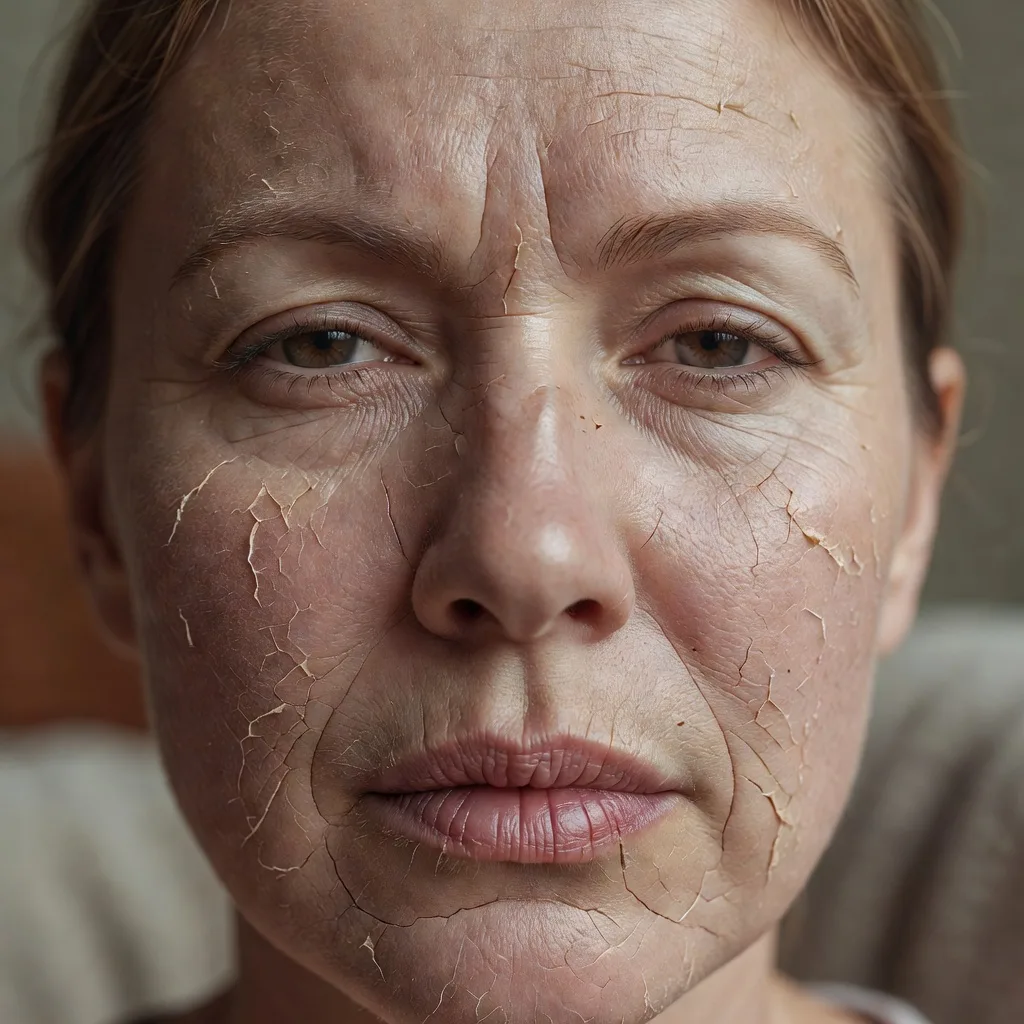
Every winter the same thing happens. The heating goes on, and within a week or two your face feels tight after washing, makeup looks patchy, your lips crack and the sides of your nose start to flake. For some people, cheeks turn red and sting when they apply their usual products.
Part of our guide to makeup how-to. Start with: What Can You Use to Make Your Makeup Stay On All Day? 9 Products and Tricks
Indoor heating dries out facial skin mainly by lowering humidity. Warm air holds more moisture, so when cold outdoor air is heated indoors, its relative humidity can fall well below 30%. Dry air draws water out of the skin’s outer layer faster than it can be replaced, weakening the barrier and causing tightness, flaking, redness and irritation. Adding moisture back to the air and switching to a richer, barrier-supporting routine usually fixes it.
Hot showers, harsh winter cleansers, wind outdoors and the constant switch between cold streets and warm rooms add to the strain. People with eczema, rosacea or naturally dry skin are hit hardest, but even oily skin can become dehydrated in winter.
The good news is that this is one of the more predictable and fixable skin problems, because you know roughly when it will start and exactly what triggers it. The same few changes, made early in the season, prevent most of the discomfort.
This guide explains why heated rooms are so drying, how to measure and improve your indoor humidity, the skincare changes that help most, and when winter dryness is a sign of something that needs a doctor.
Shopping these picks?
Amazon Prime members get fast, free shipping on eligible items, plus Prime Video, Amazon Music and member deals. New members can start with a free trial.
Start a free Prime trialAged 18 to 24? Prime for Young Adults comes with a longer free trial and a lower price after it.
Affiliate link: we may earn a commission at no extra cost to you.
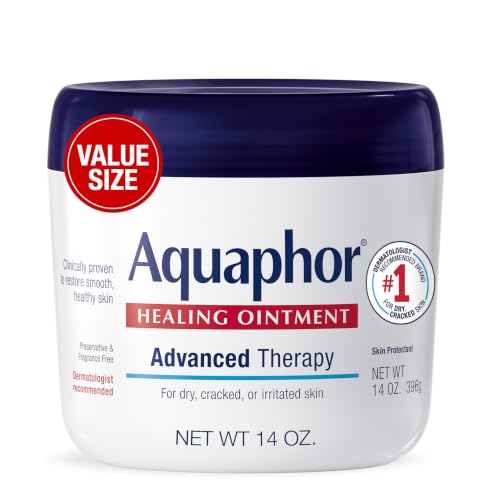
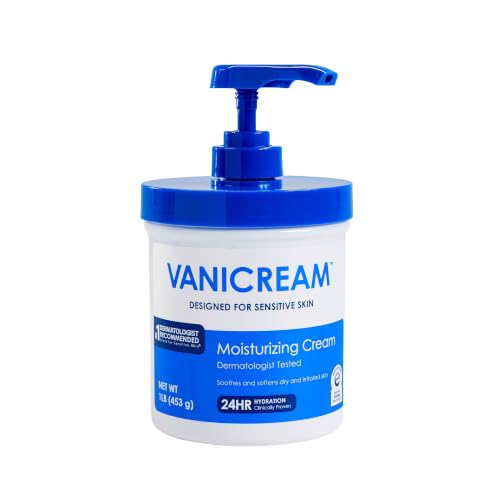
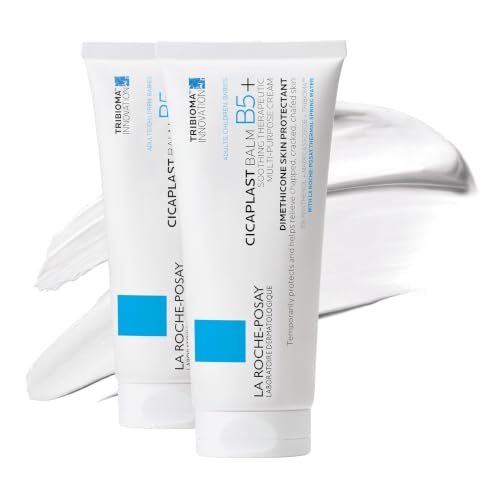
Recommended Products for Winter Dryness From Indoor Heating



On This Page
- Why Heated Air Dries Your Skin
- Measure Your Indoor Humidity
- Is Heating Behind Your Dry Face?
- Fixing the Air
- Cold Outside, Hot Inside: Why the Switch Matters
- Offices, Cars and Planes
- How to Protect Your Face From Dry Indoor Heat
- Choosing the Right Winter Products
- Dos and Don’ts
- Honest Limits
- When to See a Doctor
- FAQ
- The Takeaway
Quick Answer
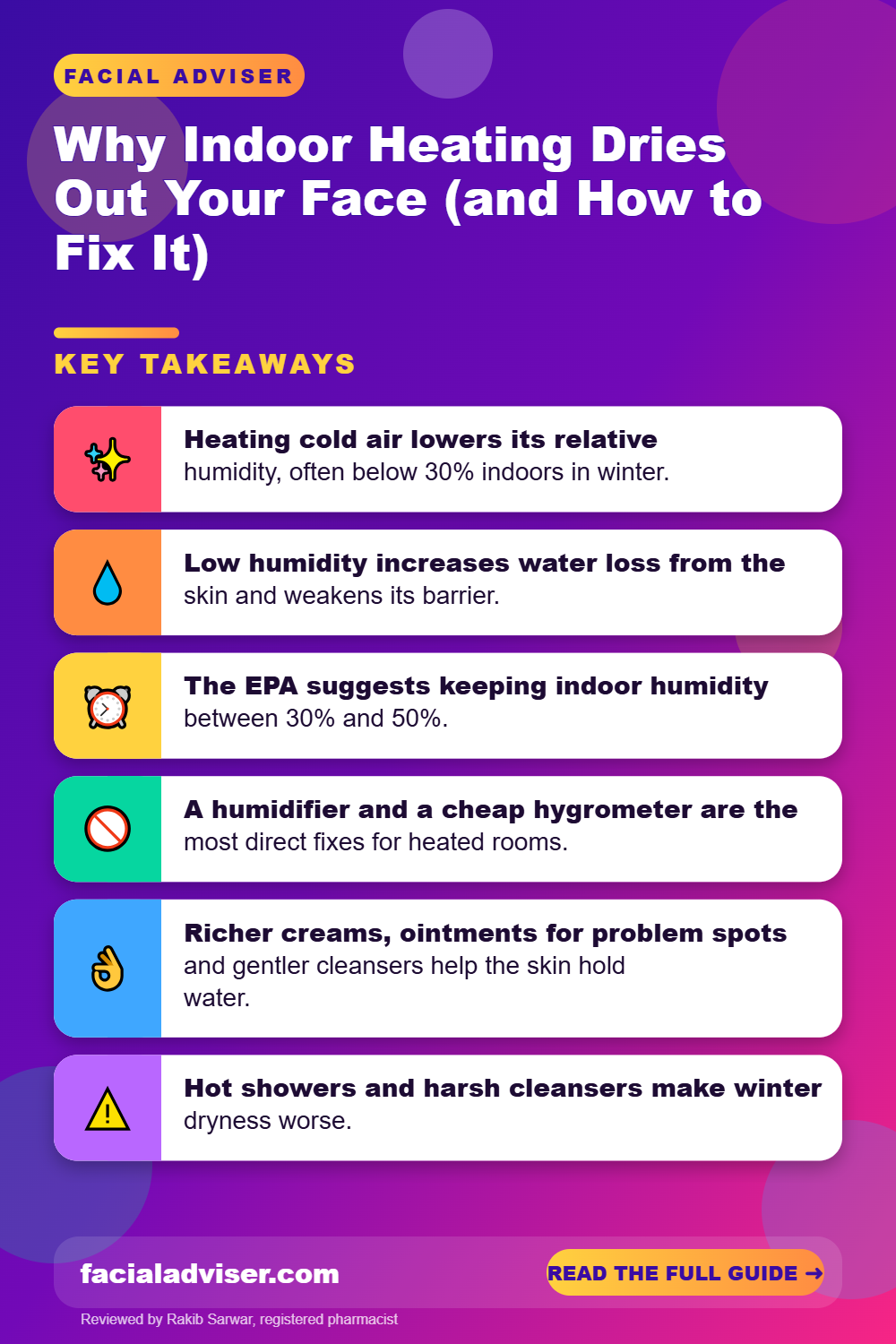
- Heating cold air lowers its relative humidity, often below 30% indoors in winter.
- Low humidity increases water loss from the skin and weakens its barrier.
- The EPA suggests keeping indoor humidity between 30% and 50%.
- A humidifier and a cheap hygrometer are the most direct fixes for heated rooms.
- Richer creams, ointments for problem spots and gentler cleansers help the skin hold water.
- Hot showers and harsh cleansers make winter dryness worse.
- Cracked, bleeding, very itchy or spreading patches may be eczema and need medical advice.
Why Heated Air Dries Your Skin
Relative humidity is the amount of moisture in the air compared with the maximum it could hold at that temperature. Cold winter air cannot hold much water. When your heating warms it, its capacity to hold water rises sharply but the actual amount of water does not, so relative humidity plunges.
Your skin is constantly losing water to the air through evaporation, a process called transepidermal water loss. In dry air, that loss speeds up. The outer layer of skin, the stratum corneum, becomes dehydrated, less flexible and more prone to cracking. Its barrier fats become disorganised, letting even more water escape and irritants get in.
A review in the Journal of the European Academy of Dermatology and Venereology concluded that low humidity and low temperatures reduce skin barrier function, make skin more susceptible to irritants and are linked to flares of eczema (Engebretsen et al., 2016).
| Indoor relative humidity | What skin tends to feel like |
|---|---|
| Below 20% | Very tight, flaky, cracked lips, stinging with products |
| 20% to 30% | Noticeable dryness, especially after washing |
| 30% to 50% | Comfortable for most people |
| Above 60% | Comfortable for skin, but risk of mould and dust mites |
Measure Your Indoor Humidity
Most people have no idea how dry their home is. A digital hygrometer is inexpensive and shows relative humidity at a glance. Place it in the bedroom, away from radiators, windows and humidifiers, and check it at different times of day.
The US Environmental Protection Agency recommends keeping indoor relative humidity below 60%, ideally between 30% and 50% (EPA). For dry skin, aiming for the 40% to 50% range in the bedroom during winter is a sensible goal.
Signs your air is very dry include static shocks, a dry throat on waking, cracked lips and houseplants drying out quickly.
Is Heating Behind Your Dry Face?
- Your skin was fine in summer and became tight or flaky soon after the heating went on.
- Your hygrometer reads below 30% indoors.
- You get static shocks, a scratchy throat or dry eyes indoors.
- Your skin improves on trips to more humid places.
- You sleep near a radiator or heater vent.
- Your lips crack and the sides of your nose flake.
If several apply, indoor air is likely a big part of the problem. Combine air changes with the skincare steps below.
Fixing the Air
A humidifier adds water to the air and is the most direct fix. Cool-mist and warm-mist models both work; choose one sized for your room and put it in the bedroom, where you spend the most continuous hours.
| Option | Pros | Cons |
|---|---|---|
| Cool-mist humidifier | No hot water; good for most rooms | Must be cleaned regularly to avoid bacteria and mould |
| Warm-mist humidifier | Mist is boiled, reducing microbes | Hot water is a burn risk around children and pets |
| Bowls of water near radiators | Free | Adds very little moisture |
| Drying laundry indoors | Adds some moisture | Can raise humidity too much in small rooms and encourage mould |
| Houseplants | Pleasant, add a little moisture | Minor effect on humidity |
Clean humidifiers as the manufacturer recommends, usually every few days, and use distilled or demineralised water if possible. Dirty humidifiers can spread bacteria and mould, and tap-water minerals can create white dust.
Turning the heating down a degree or two also helps, since cooler air has a higher relative humidity for the same amount of water. Avoid sitting or sleeping right next to heaters.
Underfloor heating, radiators and forced-air systems all dry the air, but forced-air heating that blows warm air around the room tends to feel the most drying because the moving air speeds evaporation from the skin. If you have this kind of system, a humidifier in the bedroom makes an especially noticeable difference.
Cold Outside, Hot Inside: Why the Switch Matters
Winter skin is not only dealing with dry heated air. It is also moving back and forth between very different environments many times a day. Cold wind outdoors strips moisture and chaps exposed skin, then a warm room makes blood vessels widen quickly, which is why cheeks often flush and sting when you come inside.
For people with rosacea or sensitive skin, these rapid temperature swings are a common trigger. Covering the lower face with a soft scarf outdoors, avoiding sitting right next to a heater when you come in, and letting skin adjust for a few minutes before washing it can all reduce the flush.
Wind also matters on its own. Walking or cycling in cold wind increases water loss from the skin, so a thicker moisturiser or a thin layer of balm on the cheeks before going out can act as a shield.
Offices, Cars and Planes
Your home is not the only heated space. Many offices run warm, dry heating all day, and car heaters blow hot air straight at your face. Aeroplane cabins are among the driest environments you will encounter.
| Place | Why it dries skin | Quick fix |
|---|---|---|
| Office | Central heating and air handling keep humidity low | Keep a hand cream and face balm at your desk; a small desk humidifier if allowed |
| Car | Hot air blown directly at the face | Angle vents towards the footwell rather than the face |
| Plane | Cabin humidity is often very low | Moisturise before boarding, drink water, skip alcohol |
| Gym | Hot showers and harsh body washes afterwards | Keep showers short and moisturise straight after |
How to Protect Your Face From Dry Indoor Heat
Switch to a gentle cleanser
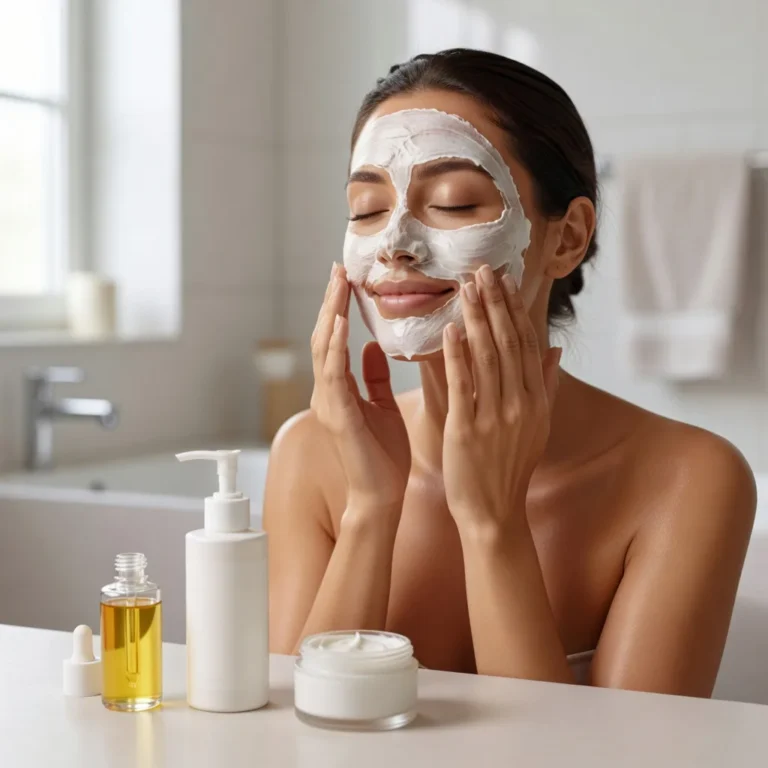
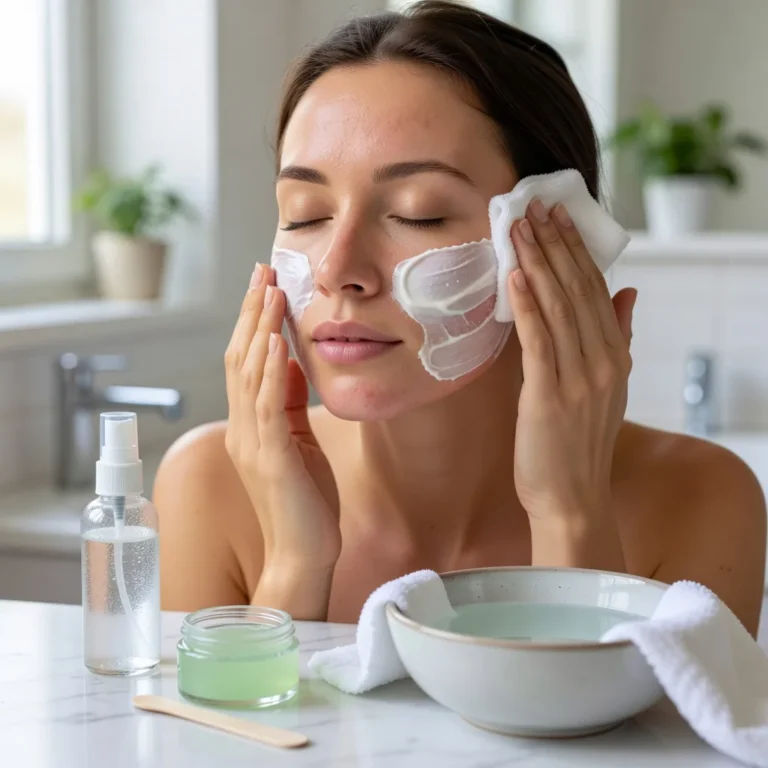
Use a creamy, non-foaming cleanser once a day, with lukewarm water. In the morning, a splash of water may be enough.
Moisturise on damp skin
Apply moisturiser within a minute of washing to trap water in the skin.
Go richer at night
Use a thicker cream with ceramides, glycerin or shea butter before bed.
Seal dry patches
Apply a thin layer of ointment or balm to flaky areas around the nose, mouth and eyes.
Protect your lips
Use a lip balm through the day and a thicker lip treatment at night.
Run a humidifier in the bedroom
Aim for 40% to 50% humidity while you sleep.
Cut back on exfoliating acids and retinoids during the worst weeks, using them every third night instead of nightly, until your skin stops stinging.
Choosing the Right Winter Products
Moisturisers work in three ways, and dry winter skin usually needs all three.
| Type | What it does | Examples of ingredients |
|---|---|---|
| Humectants | Draw water into the skin | Glycerin, hyaluronic acid, urea, panthenol |
| Emollients | Smooth and soften, fill gaps between cells | Ceramides, fatty acids, squalane, shea butter |
| Occlusives | Form a layer that slows water loss | Petrolatum, dimethicone, lanolin, beeswax |
In very dry air, humectants alone can backfire, because there is little moisture in the air for them to draw from, and they may pull water from deeper skin instead. Always follow a hyaluronic acid serum with a moisturiser that contains emollients and occlusives. For more on this, see our guide to what dehydration does to your skin.
Dos and Don’ts
Worth Doing
- Keep indoor humidity around 40% to 50%
- Take short, warm showers
- Use fragrance-free creams
- Apply moisturiser on damp skin
- Wear sunscreen, since winter UV still reaches you
Skip It
- Wash your face with hot water
- Use foaming or alcohol-based cleansers
- Lick chapped lips
- Sit or sleep next to a heater
- Scrub off flakes with harsh exfoliants
Honest Limits
A humidifier cannot fix skin on its own if your routine is stripping it, and a rich cream cannot fully compensate for extremely dry air. The best results come from tackling both.
Some people remain dry even in comfortable humidity because their skin naturally makes fewer barrier fats, or because they have eczema, psoriasis, an underactive thyroid or are taking medicines such as retinoids or diuretics. If your dryness is year-round, look beyond the heating, and consider asking a dermatologist whether a prescription barrier cream or treatment would help.
Humidity can also be overdone. Keeping air above 60% for long periods encourages mould and dust mites, which can worsen allergies and asthma. That is why measuring matters.
When to See a Doctor
Winter dryness is usually manageable at home. See a doctor or dermatologist if you have:
- Red, itchy, scaly patches that do not improve after two weeks of good care, which may be eczema
- Skin that cracks and bleeds, or shows signs of infection such as crusting, oozing or spreading redness
- Dryness that keeps you awake with itching
- Dry skin together with tiredness, feeling cold or weight gain, which can point to an underactive thyroid
- Dry patches that are thick, silvery or sharply defined, which may be psoriasis
This article is for general information and does not replace professional medical advice. If your skin is cracked, infected or not improving, see a doctor or dermatologist.
FAQ
Why does my face get so dry in winter?
Heated indoor air has very low humidity, which pulls water from your skin, and cold wind and hot showers add to the problem.
What humidity is best for skin?
Around 40% to 50% indoors is comfortable for most skin. The EPA recommends keeping indoor humidity between 30% and 50%.
Do humidifiers help dry skin?
Yes, raising humidity reduces water loss from the skin and often eases tightness and flaking.
Is warm or cool mist better for skin?
Both add moisture. Choose based on safety, room size and how easy it is to clean.
Should I use hyaluronic acid in winter?
Yes, but always seal it with a moisturiser, especially in very dry air.
Can indoor heating cause eczema flares?
Low humidity weakens the skin barrier and is linked to eczema flares.
Why do the sides of my nose flake in winter?
This area is often dry and irritated by nose-blowing. If it is greasy and flaky, it may be seborrhoeic dermatitis.
Should I stop exfoliating in winter?
Cut back if your skin stings or feels tight, and use gentler products less often.
Does drinking more water fix winter dry skin?
It helps if you are dehydrated, but improving air humidity and skincare usually makes more difference.
Can a humidifier cause problems?
If it is not cleaned regularly or humidity is kept too high, it can encourage bacteria, mould and dust mites.
The Takeaway
Indoor heating dries your face mainly by lowering the humidity of the air, which pulls water out of the skin and weakens its barrier. The fix is two-sided: put moisture back into the air, ideally to around 40% to 50% in the bedroom, and switch to a gentler, richer routine that helps your skin hold on to water.
Measure your humidity, keep your humidifier clean, use lukewarm water and creamy cleansers, moisturise on damp skin and seal dry patches with an ointment. If your skin cracks, bleeds or stays itchy despite these changes, see a doctor, since eczema and other conditions often flare in winter.

Written by
Registered pharmacist and founder of Facial Adviser. Rakib's pharmacy training covers how skincare actives work and interact; a later course in cosmetology turned that into a focus on facial treatments and skincare products. He plans, researches and edits every guide on the site and checks health claims against sources such as the American Academy of Dermatology, the FDA and the NIH. He is not a dermatologist; see the Editorial Policy and Medical Disclaimer.
About · Editorial policy · How we choose products · Medical disclaimer · Contact
Keep reading: Making makeup last
- What Can You Use to Make Your Makeup Stay On All Day? 9 Products and Tricks
- Oily T-Zone but Dry Cheeks? How to Fix Combination Skin
- Why Do I Get a Rash on My Face When Sweating? Causes and What Helps
- Heat Rash on Face: How to Treat It Naturally, and How to Tell If It Is Something Else
- How to Stop Skincare Pilling When Layering Products
- Which Humectants Work Best in Humid Weather?
- How to Properly Put On Face Makeup: The Right Order, Step by Step
- How to Choose Lipstick Shade: Undertone, Skin Tone and Testing Tips