Why Do I Get a Rash on My Face When Sweating? Causes and What Helps
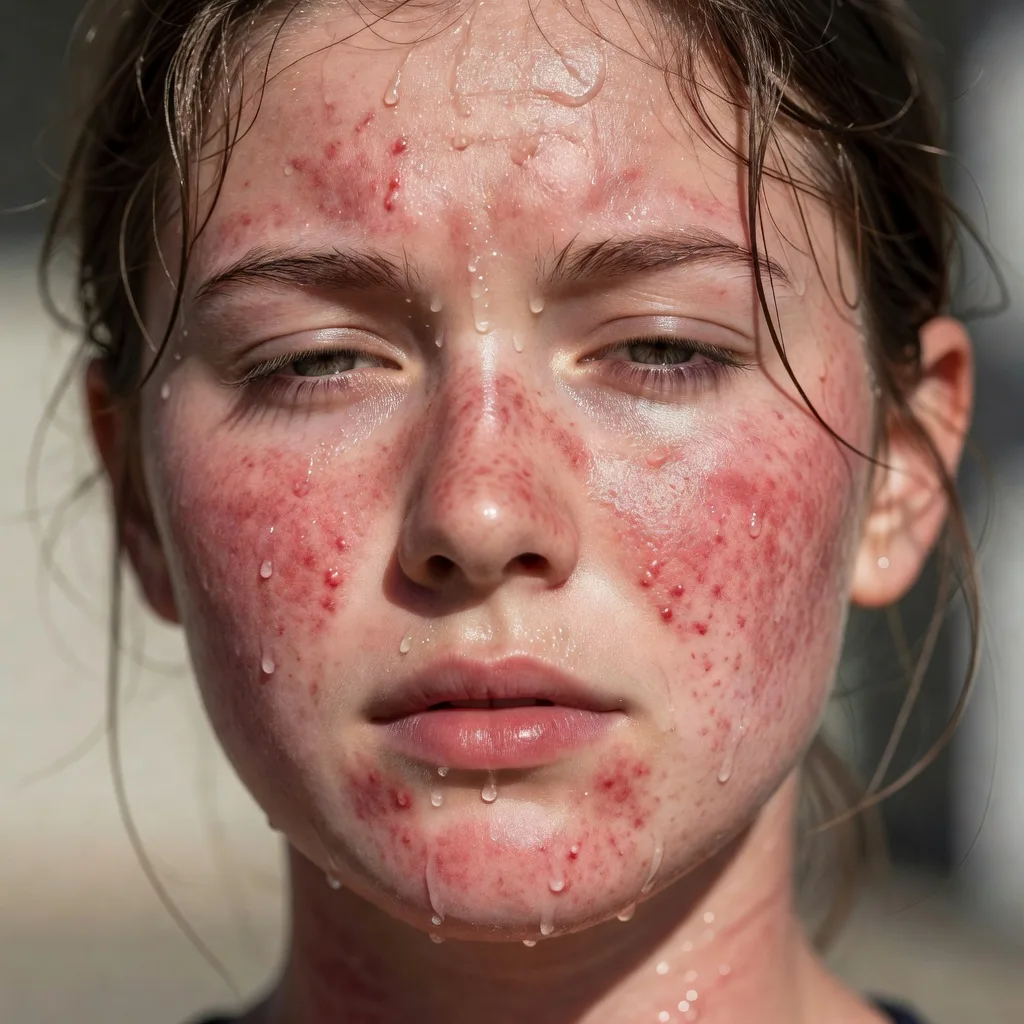
You finish a workout, a hot commute or a busy afternoon outdoors, and your face breaks out in red, itchy or prickly bumps. Sometimes it fades within an hour; other times it lingers or turns into spots over the next few days. A rash on the face when sweating is common, and it usually has one of a handful of causes.
Part of our guide to makeup how-to. Start with: What Can You Use to Make Your Makeup Stay On All Day? 9 Products and Tricks
A rash on the face when you sweat is most often caused by heat rash, where blocked sweat ducts trap sweat under the skin and cause tiny itchy or prickly bumps; cholinergic urticaria, small hives triggered by a rise in body temperature; irritation from sweat mixed with skincare, makeup or sunscreen; or acne and folliculitis from sweat, oil and friction. Rosacea can also flare with heat. To calm it, cool the skin, rinse off sweat gently, avoid heavy products and wear breathable fabrics. See a doctor if the rash is widespread, blistering, painful, comes with swelling or breathing problems, or keeps coming back.
Working out which type you have helps you choose the right fix. Heat rash and hives often appear quickly and settle within hours once you cool down, while acne-type bumps tend to appear a day or two later and last longer.
The American Academy of Dermatology explains that heat rash happens when blocked sweat glands trap perspiration under the skin, and recommends breathable clothing and keeping skin cool to prevent it.
This guide explains the common causes of a sweat rash on the face, how to tell them apart, what to do when it happens, how to prevent it and when to see a doctor.
Shopping these picks?
Amazon Prime members get fast, free shipping on eligible items, plus Prime Video, Amazon Music and member deals. New members can start with a free trial.
Start a free Prime trialAged 18 to 24? Prime for Young Adults comes with a longer free trial and a lower price after it.
Affiliate link: we may earn a commission at no extra cost to you.
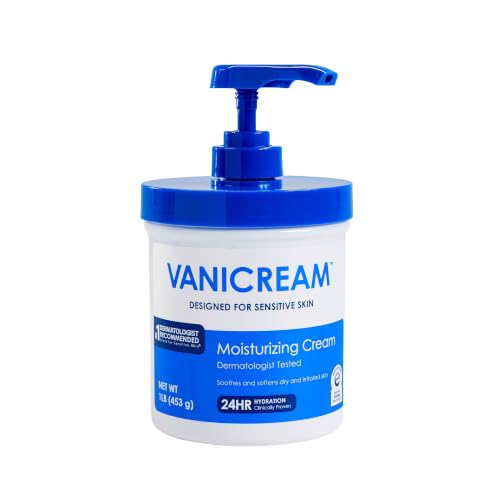
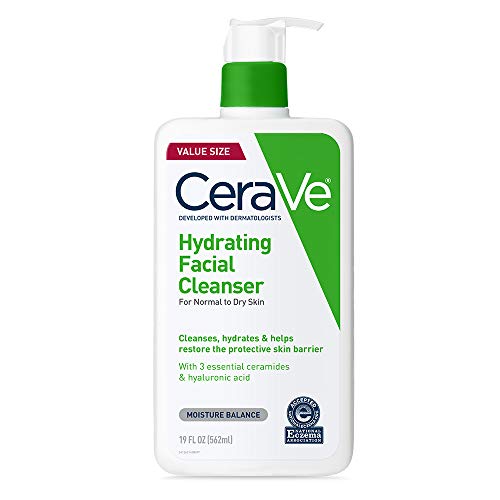
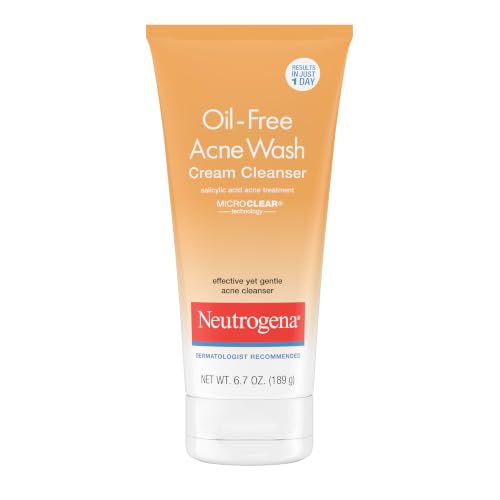
Recommended Products for Sweat-Prone, Sensitive Skin


In This Guide
- Common Causes of a Sweat Rash on the Face
- Heat Rash
- Sweat-Triggered Hives
- Irritation From Sweat and Products
- Acne and Folliculitis From Sweat
- How to Calm and Prevent a Sweat Rash on Your Face
- Everyday Prevention Tips
- Rosacea and Heat
- Quick Check: Which Sweat Rash Is It?
- Dos and Don’ts
- Honest Limits
- When to See a Doctor
- Common Questions
- The Bottom Line
What to Know First
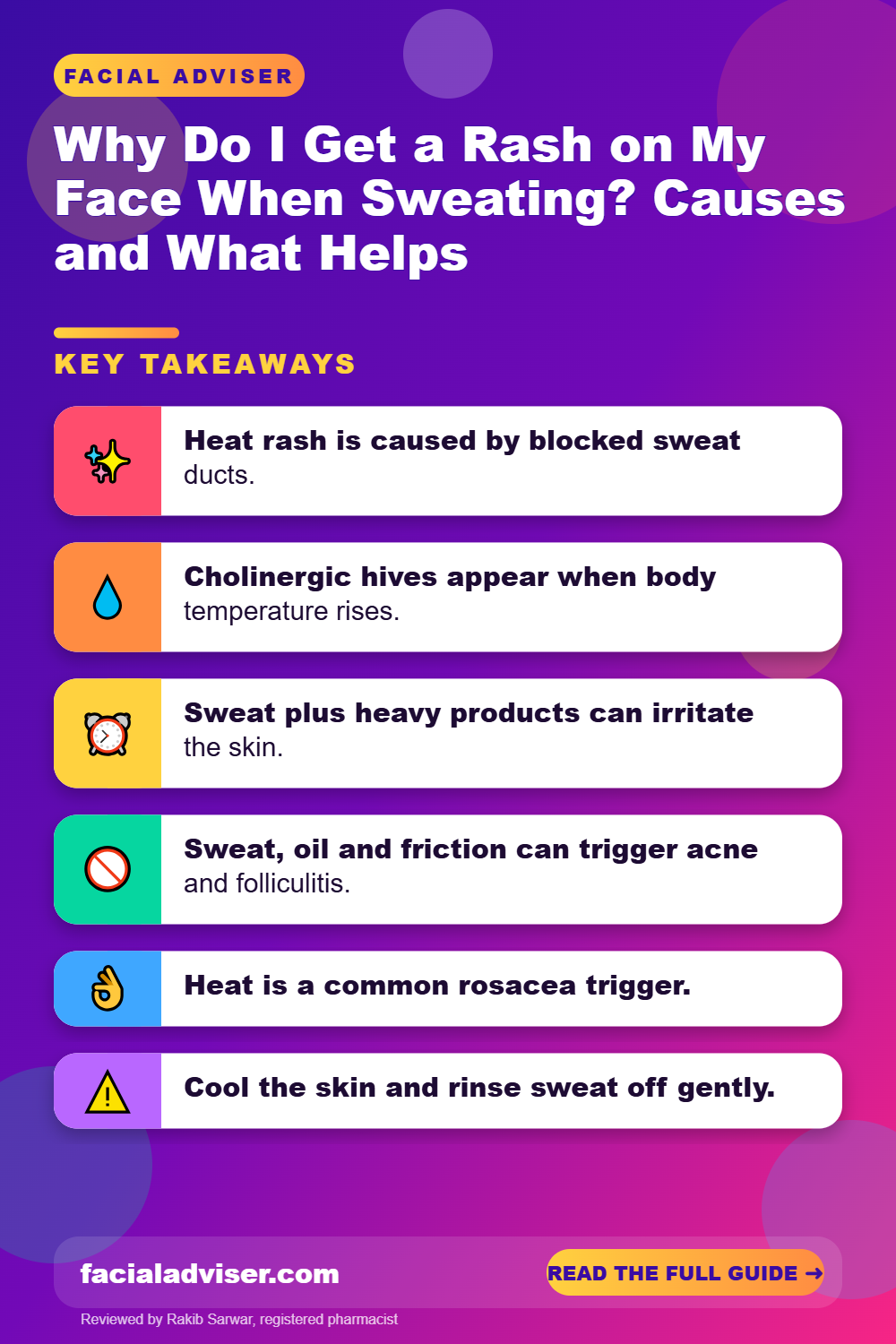
- Heat rash is caused by blocked sweat ducts.
- Cholinergic hives appear when body temperature rises.
- Sweat plus heavy products can irritate the skin.
- Sweat, oil and friction can trigger acne and folliculitis.
- Heat is a common rosacea trigger.
- Cool the skin and rinse sweat off gently.
- See a doctor for widespread, painful or recurring rashes.
Common Causes of a Sweat Rash on the Face
Several different conditions can cause a rash when you sweat. They look and behave differently, which helps you tell them apart.
| Cause | What it looks like | Timing | What helps |
|---|---|---|---|
| Heat rash (miliaria) | Tiny clear or red bumps, prickly or itchy | During or soon after heat | Cooling, breathable clothing |
| Cholinergic urticaria | Small itchy hives with red flare | Within minutes of warming up | Cooling; doctor for recurrent cases |
| Irritant contact dermatitis | Red, stinging, sometimes dry patches | During or after sweating with products | Simpler products, rinse sweat off |
| Acne mechanica or sweat acne | Pimples where sweat and friction meet | A day or two later | Cleanse after sweating, non-comedogenic products |
| Folliculitis | Itchy, tender pimple-like bumps around hairs | After sweating and friction | Shower promptly, loose clothing |
| Rosacea flare | Flushing, redness, sometimes bumps | During heat or exercise | Cool down, avoid triggers |
Some people have more than one of these at the same time, for example rosacea that flares with heat and acne from a helmet or headband. Our guide on heat rash on the face covers that condition in more detail.
Heat Rash
Heat rash, also called prickly heat or miliaria, happens when sweat ducts become blocked and sweat leaks into the surrounding skin. It causes clusters of tiny bumps that can feel prickly, itchy or burning, often on the forehead, neck and hairline.
The American Academy of Dermatology lists heat rash among common summer skin problems and recommends breathable cotton clothing, exercising during cooler parts of the day and keeping skin cool with fans or air conditioning. Heavy creams and occlusive sunscreens can make heat rash more likely by trapping sweat. Babies and young children get heat rash easily, but adults are affected too, especially when exercising in humid weather or wearing tight headwear.
Heat rash usually clears within a few days once the skin is kept cool and dry. Avoid thick ointments on the rash, which can block sweat ducts further.
Sweat-Triggered Hives
Cholinergic urticaria is a type of hives triggered by a rise in body temperature, such as exercise, hot showers, spicy food or stress. It causes small, itchy bumps, often with a surrounding red flare, that appear within minutes and usually fade within an hour or so.
It is not an allergy to sweat itself but a reaction linked to the body’s heating and sweating response. It is more common in teenagers and young adults and often improves over time. If hives are frequent or severe, a doctor can suggest treatments, often starting with antihistamines. The American Academy of Dermatology explains how hives are diagnosed and treated.
Seek emergency care if hives come with swelling of the lips, tongue or throat, wheezing, dizziness or difficulty breathing. These can be signs of a serious allergic reaction.
Irritation From Sweat and Products
Sweat is salty and slightly acidic, and when it mixes with skincare, makeup or sunscreen it can irritate the skin. Fragrance, alcohol and some chemical sunscreen filters are common culprits, especially when sweat carries them into the eyes or onto sensitive areas.
- Stinging or burning where sweat runs, such as the forehead and around the eyes.
- Redness that matches where a product was applied.
- Dry, tight or flaky patches after repeated sweaty days.
- Worse with heavy makeup or scented products.
Switching to fragrance-free products and a mineral sunscreen often helps. Applying sunscreen at least 15 minutes before exercise, so it can set, also reduces how much runs into the eyes. The American Academy of Dermatology explains that contact dermatitis can be caused by irritants or allergens and improves when the trigger is removed. Our guide on keeping makeup from melting in heat suggests lighter options for hot days.
Acne and Folliculitis From Sweat
Sweat itself does not cause acne, but sweat combined with oil, bacteria and friction can clog pores and irritate hair follicles. Headbands, helmets, face masks and phones held against the face are common contributors, because they trap heat and rub against the skin for long periods.
These breakouts usually appear a day or two after sweating, in the areas where sweat and friction meet, such as the hairline, jaw and chin. The American Academy of Dermatology recommends blotting sweat rather than wiping it, washing sweaty clothes before wearing them again and changing out of workout clothes promptly to reduce acne and folliculitis. Our guide on facial flushing after exercise explains normal redness versus a rash.
How to Calm and Prevent a Sweat Rash on Your Face
Cool down
Move to a cooler place and let your body temperature drop.
Blot, do not rub
Blot sweat with a clean, soft cloth.
Rinse gently
Rinse with lukewarm or cool water and a mild cleanser.
Soothe
Use a cool compress or cooled roller for a few minutes.
Moisturise lightly
Apply a light, fragrance-free moisturiser if skin feels tight.
Simplify products
Skip heavy makeup and scented products on sweaty days.
Change clothes
Swap sweaty headbands, hats and tops for clean ones.
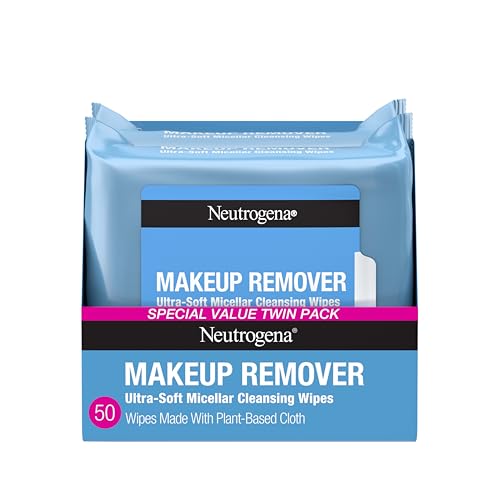
Keep a small kit in your gym bag: a clean cloth, fragrance-free cleansing wipes and a light moisturiser. Being able to remove sweat quickly makes a big difference.
Most sweat rashes settle within hours to a few days with cooling and gentle care. Resist scratching, which can break the skin and lead to infection, and avoid hot showers until the rash has calmed. If you notice a pattern, such as a rash every time you wear a particular sunscreen or exercise in a certain place, adjusting that trigger often prevents it.
Everyday Prevention Tips
A few habits can make sweat rashes much less frequent.
- Exercise in cooler parts of the day or in air-conditioned spaces.
- Wear breathable, moisture-wicking clothing and clean headbands.
- Use a lightweight, water-resistant mineral sunscreen for outdoor exercise.
- Skip heavy foundation and thick creams before workouts.
- Shower and cleanse soon after sweating.
- Wash pillowcases, hats and face masks regularly.
If you wear makeup, a light tinted sunscreen is often enough for workouts. Staying well hydrated and taking breaks in the shade on hot days help your body cool itself more efficiently, which reduces heavy sweating. Removing makeup before exercise, or wearing none, reduces both irritation and breakouts.
Rosacea and Heat
For people with rosacea, heat and exercise are common triggers for flushing, redness and sometimes bumps that can look like a rash. Cooling the skin quickly, exercising in shorter bursts and keeping a cool drink or damp cloth nearby can help. Swimming or exercising in a cool, air-conditioned room is often easier on rosacea-prone skin than running outdoors in the heat.
If you suspect rosacea, a dermatologist can confirm it and suggest treatments that reduce flushing and bumps. Our guide on cold versus warm compresses for the face explains why cooling helps and heat can make flushing worse.
Quick Check: Which Sweat Rash Is It?
Looking at when the rash appears, how it feels and how long it lasts can point to the most likely cause.
| Clue | Most likely cause |
|---|---|
| Tiny prickly bumps in hot, humid weather | Heat rash |
| Itchy hives within minutes of warming up that fade within an hour | Cholinergic urticaria |
| Stinging or redness where a product was applied | Irritant or allergic contact dermatitis |
| Pimples appearing a day or two later under a headband or helmet | Acne mechanica |
| Itchy, tender bumps around hair follicles | Folliculitis |
| Flushing across the cheeks and nose with heat | Rosacea |
This is a rough guide rather than a diagnosis. Taking a photo when the rash appears, and noting what you were doing and what products you had on, can help a doctor work out the cause if it keeps happening.
Some rashes that appear after sweating are unrelated to sweat at all, such as a reaction to a new laundry detergent on a headband or a medication that makes skin more sensitive to sun. If the pattern does not fit any of the common causes, it is worth getting it checked.
Dos and Don’ts
Do
- Cool down quickly after sweating
- Blot sweat gently
- Rinse and cleanse after workouts
- Use fragrance-free, light products
- Wear breathable fabrics
Don’t
- Wear heavy makeup during exercise
- Rub sweaty skin with rough towels
- Leave sweaty clothes on for hours
- Apply thick ointments to heat rash
- Ignore rashes with swelling or breathing problems
Honest Limits
It is not always possible to identify the exact cause of a sweat rash from its appearance, and several causes can overlap. Online photos can be misleading, since rashes look different on different skin tones. A doctor may need to examine the rash, and sometimes test for triggers, to be sure.
Some people, particularly those with cholinergic urticaria or rosacea, may continue to react to heat even with good habits. Treatment can reduce symptoms, but avoiding heat entirely is rarely practical.
When to See a Doctor
The American Academy of Dermatology explains when a rash needs medical care, including rashes that spread quickly, blister, are painful or come with fever.
- The rash spreads, blisters or becomes painful.
- You have fever or feel unwell with the rash.
- Hives come with swelling or breathing difficulty.
- The rash keeps returning or does not improve within a week.
This article is for general information and does not replace professional medical advice. Seek emergency care for facial swelling or breathing difficulty, and see a doctor for rashes that are severe, painful or recurring.
Common Questions
Why do I get a rash on my face when I sweat?
Common causes are heat rash, sweat-triggered hives, irritation and sweat acne.
What does heat rash on the face look like?
Tiny clear or red bumps that feel prickly or itchy.
Can you be allergic to sweat?
Sweat allergy is rare; cholinergic hives are a reaction to heat, not sweat itself.
How long does a sweat rash last?
Heat rash and hives often fade within hours to a few days.
Can sunscreen cause a sweat rash?
Some formulas can irritate when mixed with sweat; mineral sunscreens may help.
Does sweat cause acne?
Sweat with oil, bacteria and friction can contribute to breakouts.
How do I calm a sweat rash fast?
Cool down, blot sweat and rinse gently.
Should I wear makeup when exercising?
It is best to skip heavy makeup during workouts.
Can rosacea look like a sweat rash?
Yes, heat can cause rosacea flushing and bumps.
When should I see a doctor?
If the rash is widespread, painful, blistering or comes with swelling.
The Bottom Line
A rash on the face when sweating is usually heat rash, sweat-triggered hives, irritation from products or acne from sweat and friction. Rosacea can also flare with heat.
Cool the skin, blot and rinse sweat gently, use light fragrance-free products and wear breathable fabrics. See a doctor if the rash spreads, blisters, is painful, comes with swelling or keeps returning.

Written by
Registered pharmacist and founder of Facial Adviser. Rakib's pharmacy training covers how skincare actives work and interact; a later course in cosmetology turned that into a focus on facial treatments and skincare products. He plans, researches and edits every guide on the site and checks health claims against sources such as the American Academy of Dermatology, the FDA and the NIH. He is not a dermatologist; see the Editorial Policy and Medical Disclaimer.
About · Editorial policy · How we choose products · Medical disclaimer · Contact
Keep reading: Making makeup last
- What Can You Use to Make Your Makeup Stay On All Day? 9 Products and Tricks
- Heat Rash on Face: How to Treat It Naturally, and How to Tell If It Is Something Else
- How to Stop Skincare Pilling When Layering Products
- Which Humectants Work Best in Humid Weather?
- Skincare for Humid Climates: A Practical Routine
- How to Make Setting Spray at Home: 3 Simple Recipes and Safety Tips
- How to Choose Lipstick Shade: Undertone, Skin Tone and Testing Tips
- How to Find the Right Shade of Makeup: Undertone, Depth and Testing