Which Humectants Work Best in Humid Weather?
Humectants are the ingredients that pull water into the outer layer of your skin. Glycerin, hyaluronic acid, urea and aloe are all humectants, and they are in almost every moisturiser and serum on the market. How well they feel, though, can change with the weather.
Part of our guide to makeup how-to. Start with: What Can You Use to Make Your Makeup Stay On All Day? 9 Products and Tricks
In humid weather, humectants tend to work well, because there is plenty of moisture in the air for them to attract. Light, water-based humectants such as glycerin, hyaluronic acid, panthenol and aloe are usually the best fit, in gel or lotion textures with few heavy oils. The main problem in humidity is not that humectants stop working but that high amounts, or rich creams, can feel sticky and heavy. Using a small amount of a light gel or serum, followed by a thin moisturiser or none at all if your skin is oily, is often enough.
You may have read that humectants pull water out of your skin in dry air. This is often repeated, but the evidence is limited and the effect is usually managed by using an occlusive layer on top. In humid conditions, that concern largely disappears.
The American Academy of Dermatology lists glycerin and hyaluronic acid among ingredients that help hydrate dry skin. In humid weather, the same ingredients can keep skin comfortable without the heaviness of a thick cream.
This guide explains how humectants behave in humidity, which ones suit humid weather best, and how to adjust your routine so your skin feels hydrated without feeling sticky.
Shopping these picks?
Amazon Prime members get fast, free shipping on eligible items, plus Prime Video, Amazon Music and member deals. New members can start with a free trial.
Start a free Prime trialAged 18 to 24? Prime for Young Adults comes with a longer free trial and a lower price after it.
Affiliate link: we may earn a commission at no extra cost to you.
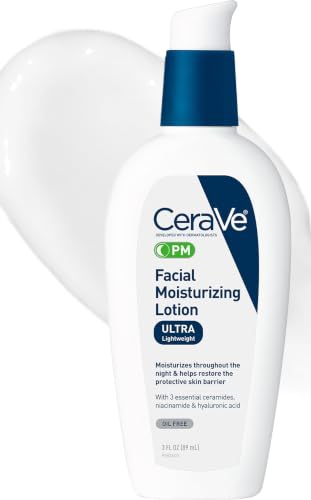
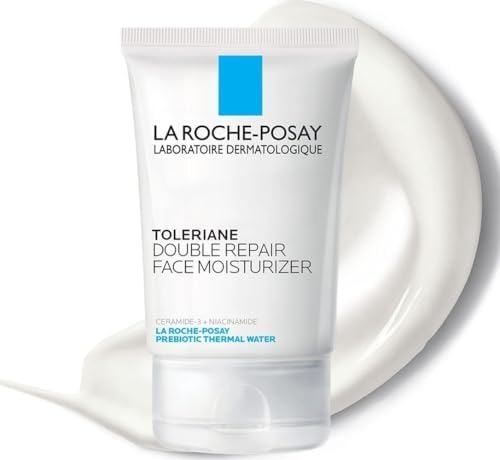
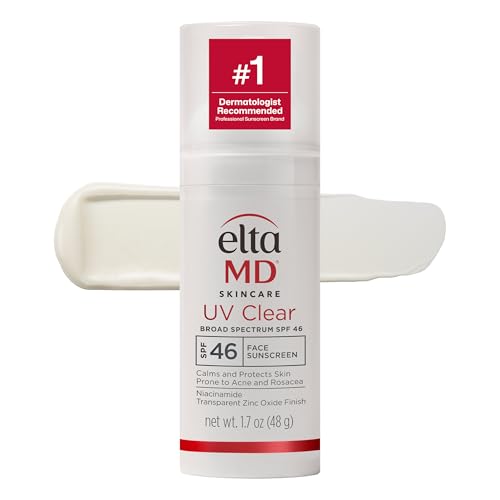
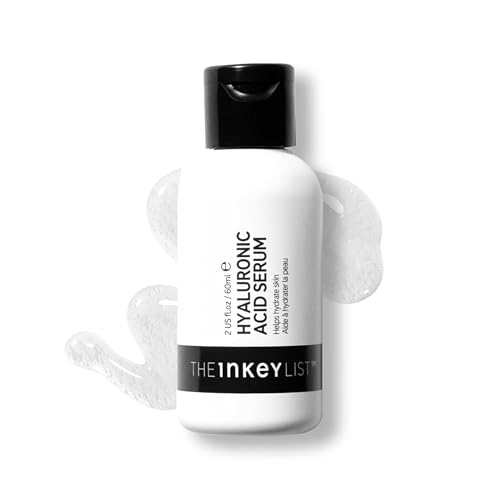
Recommended Lightweight Hydrators for Humid Weather



What This Covers
- What Humectants Do
- The Best Humectants for Humid Weather
- Why Humectants Can Feel Sticky in Humidity
- How to Use Humectants in Humid Weather
- Adjusting by Skin Type
- Humidity Outdoors, Dry Air Indoors
- A Simple Humid-Weather Routine
- Reading Labels for Humectants
- Dos and Don’ts
- Honest Limits
- When to See a Dermatologist
- Your Questions, Answered
- The Bottom Line
At a Glance
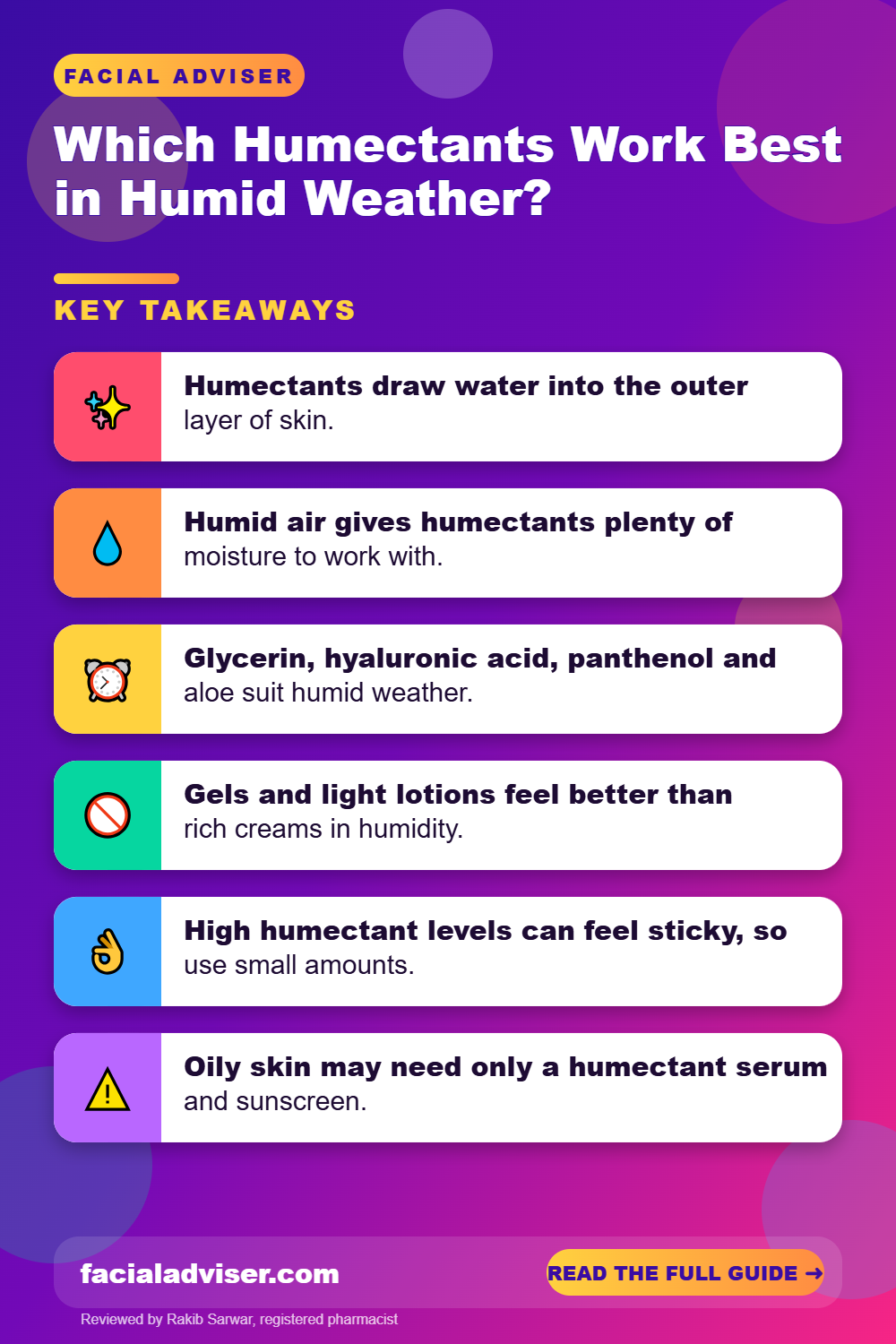
- Humectants draw water into the outer layer of skin.
- Humid air gives humectants plenty of moisture to work with.
- Glycerin, hyaluronic acid, panthenol and aloe suit humid weather.
- Gels and light lotions feel better than rich creams in humidity.
- High humectant levels can feel sticky, so use small amounts.
- Oily skin may need only a humectant serum and sunscreen.
- You still need sunscreen, whatever the weather.
What Humectants Do
Moisturising ingredients fall into three broad groups. Humectants attract water, emollients soften and smooth, and occlusives form a seal to slow water loss. Most moisturisers combine all three in different proportions.
| Type | How it works | Examples | Feel in humid weather |
|---|---|---|---|
| Humectant | Draws water into the skin | Glycerin, hyaluronic acid, urea, panthenol, aloe | Usually light and comfortable |
| Emollient | Softens and fills gaps between skin cells | Squalane, fatty alcohols, plant oils | Can feel slightly heavy |
| Occlusive | Seals in water | Petrolatum, dimethicone, shea butter | Often feels heavy and greasy |
In humid weather, you usually need less of the occlusive and emollient part and can rely more on humectants. That is why many people naturally switch from rich creams to gels in summer.
Humectants also play a role inside the skin. The outer layer naturally contains its own water-attracting substances, known as natural moisturising factor, which include amino acids, urea and sodium PCA. Skincare humectants top these up, which is why they can make skin feel plumper and smoother within minutes of application, even when the air is already moist.
Humidity is not the same everywhere. Tropical and coastal climates can be humid year-round, while other places are humid only in summer. Air-conditioned rooms can also be much drier than the air outside.
The Best Humectants for Humid Weather
| Humectant | Texture | Why it suits humidity |
|---|---|---|
| Glycerin | Light at low levels, sticky at high levels | Well studied, effective and inexpensive |
| Hyaluronic acid | Very light, water-like | Hydrates without heaviness |
| Panthenol (vitamin B5) | Light | Hydrating and soothing |
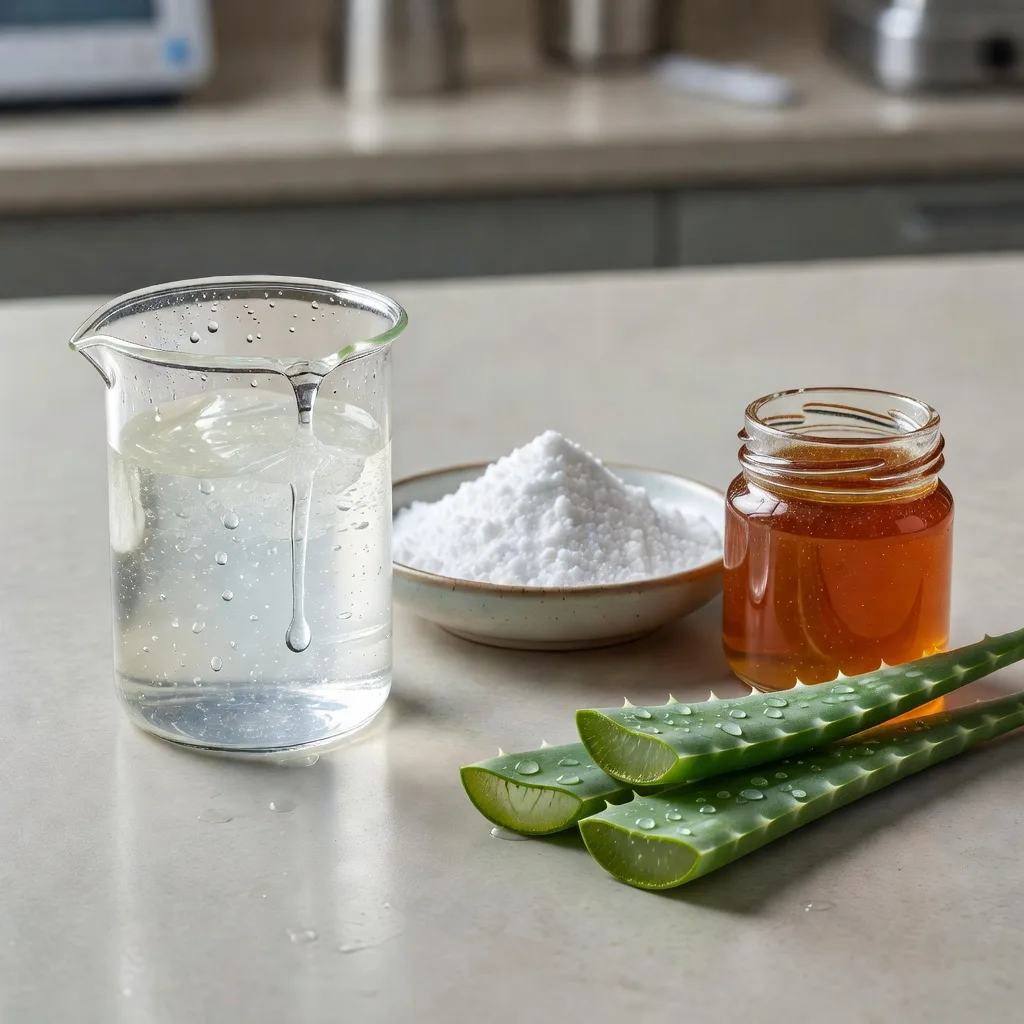
| Aloe vera | Light gel | Cooling feel and light hydration |
| Sodium PCA | Light | Part of the skin’s own natural moisturising factor |
| Urea (low strength) | Light | Hydrates and smooths; can sting broken skin |
| Honey or sugar-derived humectants | Can feel tacky | Best in small amounts in humid weather |
Glycerin and hyaluronic acid are the workhorses. Glycerin is one of the best-studied moisturising ingredients, and it appears in most moisturisers. Hyaluronic acid feels very light and is popular in serums and gels.
Our guide to whether you need moisturiser after a hydrating serum explains when a humectant serum alone may be enough.
Why Humectants Can Feel Sticky in Humidity
The same property that makes humectants work, their ability to attract water, can make them feel tacky when there is a lot of moisture in the air. High concentrations of glycerin in particular can leave a slightly sticky film.
Applying too much product is the most common reason. A pea-sized amount of gel or a few drops of serum is usually enough for the whole face.
Layering several humectant-rich products, such as a hydrating toner, an essence, a hyaluronic acid serum and a gel moisturiser, can also add up to a tacky finish. In humid weather, one or two hydrating layers are usually plenty.
Sweat adds to the effect. On hot days, sweat mixes with whatever is on your skin, and a thick layer of humectant can feel slippery or tacky as it dilutes. Applying your hydrating products thinly and letting each one settle for a minute before sunscreen helps them stay comfortable, and keeps your sunscreen from pilling or sliding.
Our article on why moisturiser feels sticky covers other causes and fixes.
How to Use Humectants in Humid Weather
Cleanse gently
Use a mild cleanser and lukewarm water to remove sweat and sunscreen.
Apply to slightly damp skin
Humectants work well when there is water on the skin to hold on to.
Use a small amount
A few drops of serum or a pea-sized amount of gel is enough.
Add a light moisturiser if needed
Dry or combination skin may still want a thin lotion; oily skin may not.
Finish with sunscreen in the morning
Choose a light fluid or gel sunscreen.
Adjust if skin feels tacky
Use less product or skip one hydrating layer.
If you spend the day in air conditioning, your skin may still feel dry even when it is humid outside. Keep a light moisturiser for the office and skip it on days you are mostly outdoors.
Adjusting by Skin Type
Oily skin: a humectant serum or gel moisturiser under sunscreen is often all you need. Look for oil-free, non-comedogenic products and avoid heavy occlusives. Combination skin: a light gel all over, with a slightly richer layer only on dry cheeks, keeps the T-zone from feeling greasy. Dry skin: you may still need a light cream with some emollients, even in humidity. Humectants alone may not be enough if your barrier is compromised. Sensitive skin: choose fragrance-free formulas. Panthenol and glycerin are usually well tolerated; higher-strength urea and some botanical humectants may sting.The AAD’s tips for relieving dry skin list glycerin and hyaluronic acid among helpful moisturising ingredients, alongside richer ingredients for very dry skin.
Humidity Outdoors, Dry Air Indoors
Many people in humid climates spend much of the day in air-conditioned rooms. Air conditioning removes moisture from the air, so your skin can move between humid and dry conditions several times a day.
In that situation, a routine built entirely on humectants may leave your skin feeling tight by the afternoon. Adding a light moisturiser with a small amount of an emollient or occlusive, such as a lotion with ceramides or a little dimethicone, helps keep water in when you are indoors.
Our guide to facial dryness from indoor heating covers similar problems in winter, and many of the same fixes apply to air conditioning.
Do not rely on a moisturiser with a low SPF as your only sun protection in hot, humid climates. Use a dedicated broad-spectrum sunscreen of SPF 30 or higher and reapply when outdoors for long periods.
A Simple Humid-Weather Routine
A routine for humid weather does not need many steps. The aim is to hydrate lightly, protect from the sun and keep pores clear.
| Step | Morning | Evening |
|---|---|---|
| 1 | Gentle cleanser or water rinse | Gentle cleanser to remove sunscreen and sweat |
| 2 | Hyaluronic acid or glycerin serum (optional) | Hydrating serum or toner (optional) |
| 3 | Light gel moisturiser (skip if oily) | Gel or light lotion |
| 4 | Broad-spectrum sunscreen, SPF 30 or higher | Treatment such as a retinoid, if you use one |
If you sweat a lot during the day, a quick rinse and a fresh thin layer of sunscreen at lunchtime may feel better than adding more moisturiser. Blotting papers can help with shine without disturbing your sunscreen.
Our guide to morning versus night routine order explains where each step fits.
Reading Labels for Humectants
Humectants are easy to spot once you know the names. Glycerin often appears near the top of the ingredient list, which is a good sign it is doing much of the hydrating work. Hyaluronic acid may be listed as sodium hyaluronate or hydrolysed hyaluronic acid.
Other common humectants include butylene glycol, propanediol, sorbitol, sodium PCA, panthenol, betaine, urea and aloe barbadensis leaf juice. Many products contain several.
In humid weather, look at what comes after the humectants. If the next few ingredients are heavy oils, shea butter or petrolatum, the product will probably feel rich. If they are mostly water, light silicones or gel-forming ingredients, it is likely to feel lighter.
Words such as gel, water cream, fluid and lotion on the label are also useful clues to a lighter texture, though they are not standardised.
Dos and Don’ts
Try This
- Choose light gels and serums with glycerin or hyaluronic acid
- Apply humectants to slightly damp skin
- Use small amounts
- Add a light moisturiser if you spend time in air conditioning
- Wear sunscreen daily
Avoid This
- Layer several humectant-rich products
- Use heavy creams if your skin feels greasy
- Assume humectants stop working in humidity
- Skip sunscreen because the sky is cloudy
- Keep using a product that feels sticky all day
Honest Limits
Much of the popular advice about humectants and humidity comes from basic chemistry rather than studies of real skin in different climates. How a product feels depends heavily on its full formula, not just its humectants.
The idea that humectants pull water out of the skin in dry weather, and the reverse in humid weather, is simplified. In everyday use, most well-formulated moisturisers include other ingredients that balance this, and personal comfort is the best guide.
Finally, humectants hydrate the outer layer of skin; they do not change oil production or treat conditions such as acne or eczema. If your skin stays dry, flaky or irritated despite a sensible routine, the cause may be something other than your choice of humectant.
Everyone’s skin also responds a little differently. Two people in the same city can need quite different routines, depending on their skin type, how much time they spend outdoors and how much they sweat. Use the suggestions here as a starting point and adjust based on how your skin feels by the end of the day.
When to See a Dermatologist
- Your skin stays dry, flaky or tight despite regular moisturising.
- You develop itchy, red patches or a rash in hot, humid weather.
- You break out every summer despite switching to lighter products.
- Products regularly sting or burn when applied.
A dermatologist can check for conditions such as eczema, heat rash or fungal acne, which are more common in hot, humid climates.
This article is for general information and does not replace professional medical advice. See a dermatologist for persistent skin concerns.
Your Questions, Answered
Which humectants are best in humid weather?
Glycerin, hyaluronic acid, panthenol, aloe and sodium PCA are light and work well in humidity.
Do humectants work better in humid weather?
They have plenty of moisture to draw on in humid air, so they generally work well.
Why does my moisturiser feel sticky in humidity?
High humectant levels or too much product can feel tacky when the air is moist.
Is hyaluronic acid good for humid climates?
Yes. It is light and hydrating without heaviness.
Do I need a moisturiser in humid weather?
Oily skin may not; dry or combination skin often still benefits from a light one.
Can humectants dry out skin?
This is sometimes said about very dry air, but the evidence is limited and occlusives on top help.
Should I use a gel or cream in humidity?
Gels and light lotions usually feel better than rich creams.
What about air conditioning?
Air conditioning dries the air, so a light moisturiser may help indoors.
Can I use glycerin on oily skin?
Yes. Glycerin is non-greasy and suits oily skin at sensible levels.
Do I still need sunscreen in humid weather?
Yes. Use a broad-spectrum SPF 30 or higher every day.
The Bottom Line
Humectants such as glycerin, hyaluronic acid, panthenol and aloe work well in humid weather, and light gel or lotion textures usually feel best.
Use small amounts on slightly damp skin, avoid stacking many hydrating layers, and add a light moisturiser if you spend time in air conditioning. Keep up daily sunscreen whatever the humidity.

Written by
Registered pharmacist and founder of Facial Adviser. Rakib's pharmacy training covers how skincare actives work and interact; a later course in cosmetology turned that into a focus on facial treatments and skincare products. He plans, researches and edits every guide on the site and checks health claims against sources such as the American Academy of Dermatology, the FDA and the NIH. He is not a dermatologist; see the Editorial Policy and Medical Disclaimer.
About · Editorial policy · How we choose products · Medical disclaimer · Contact
Keep reading: Making makeup last
- What Can You Use to Make Your Makeup Stay On All Day? 9 Products and Tricks
- Skincare for Humid Climates: A Practical Routine
- How to Make Setting Spray at Home: 3 Simple Recipes and Safety Tips
- Why Emulsions Separate Over Time: What It Means for Your Skincare and Makeup
- How to Keep Makeup From Melting and Bleeding in the Heat
- How to Avoid Product Pilling: Why Skincare and Makeup Ball Up
- How to Find the Right Shade of Makeup: Undertone, Depth and Testing
- How to Choose the Right Eye Makeup Color for Your Eyes and Skin