Do You Need Moisturiser After a Hydrating Serum?
Hydrating serums feel like a drink of water for the skin. Your face looks plumper and smoother straight away, so it is natural to wonder whether you can stop there and skip the moisturiser. Fewer products, less time, less money.
Part of our guide to skincare products. Start with: 10 Best Facial Moisturizers for Dry Skin (2026): Rich, Gentle Creams
Most people do need a moisturiser after a hydrating serum. Serums with hyaluronic acid or glycerin are humectants: they draw water into the upper layers of skin, but they do little to stop that water evaporating. A moisturiser adds emollients and occlusives that seal the water in and support the skin barrier. People with very oily skin in humid weather may get away with a serum alone, or with moisturiser only on drier areas, but dry, sensitive and mature skin usually needs both.
The difference comes down to how ingredients work. Humectants such as hyaluronic acid, glycerin and panthenol attract water. Emollients such as ceramides and squalane smooth and soften. Occlusives such as petrolatum and dimethicone form a light seal. A good moisturiser usually contains all three, while a hydrating serum is mostly humectant.
The American Academy of Dermatology suggests applying moisturiser while skin is still damp to trap water in the skin, and recommends richer creams for dry skin and lighter options for oily skin. A hydrating serum can be part of that picture, but it rarely replaces the sealing step on its own.
This guide explains when you can skip moisturiser, when you should not, and how to layer a serum and moisturiser for the best result.
Shopping these picks?
Amazon Prime members get fast, free shipping on eligible items, plus Prime Video, Amazon Music and member deals. New members can start with a free trial.
Start a free Prime trialAged 18 to 24? Prime for Young Adults comes with a longer free trial and a lower price after it.
Affiliate link: we may earn a commission at no extra cost to you.
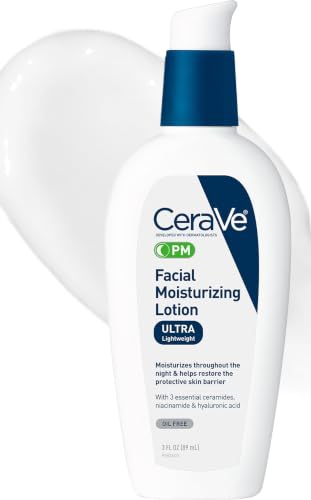
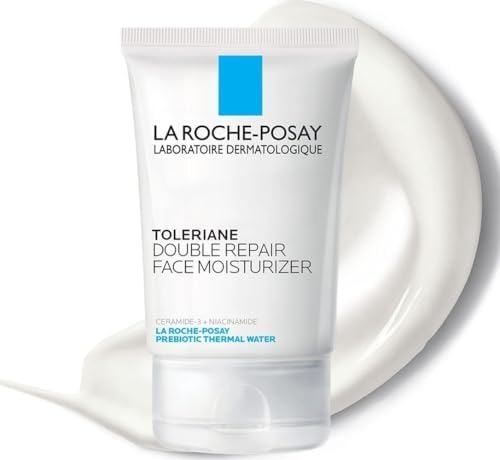
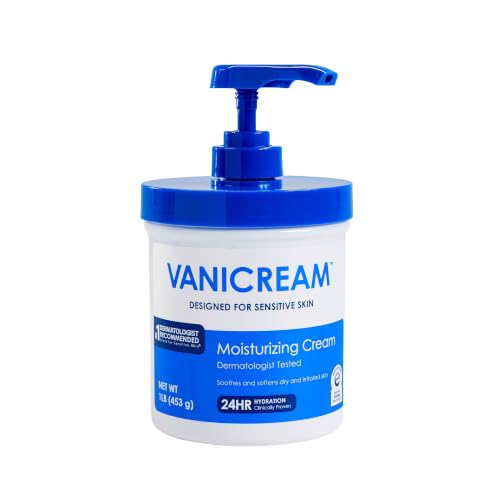
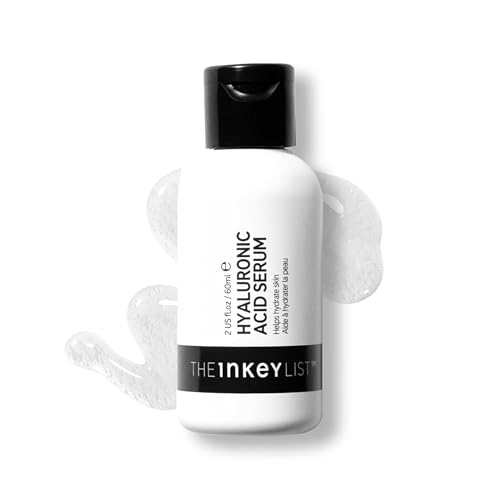
Recommended Hydrating Serums and Moisturisers



What This Covers
- How Serums and Moisturisers Work Differently
- Who Can Skip Moisturiser After a Serum
- Who Should Not Skip It
- How to Layer a Hydrating Serum and Moisturiser
- Climate Changes the Answer
- A Quick Guide by Skin Type
- Common Layering Mistakes
- Essences, Toners and Serums: Do You Need All of Them?
- Morning and Evening Routines
- Choosing a Hydrating Serum and Moisturiser That Work Together
- Honest Limits
- When to See a Dermatologist
- Common Questions
- The Takeaway
The Short Version
- Hydrating serums attract water; moisturisers help keep it in.
- Without a sealing layer, water from a serum can evaporate and leave skin tighter.
- Dry, sensitive and mature skin usually needs both a serum and a moisturiser.
- Very oily skin in humid weather may manage with a serum alone or a light gel.
- Apply serum to slightly damp skin, then moisturiser within a minute or two.
- In dry climates or air-conditioning, moisturiser matters even more.
- If skin feels tight within an hour of a serum alone, add a moisturiser.
How Serums and Moisturisers Work Differently
| Ingredient type | Examples | What it does | Usually found in |
|---|---|---|---|
| Humectants | Hyaluronic acid, glycerin, panthenol, urea | Draw water into the skin | Hydrating serums, essences, moisturisers |
| Emollients | Ceramides, squalane, fatty acids | Smooth and soften, fill gaps | Moisturisers |
| Occlusives | Petrolatum, dimethicone, shea butter | Slow water loss from the skin | Moisturisers, balms, ointments |
A hydrating serum is mostly humectants in a light, watery base. A moisturiser usually combines all three types. That is why many dermatologists see the two as partners rather than alternatives.
Some products blur the line. Many modern serums contain a small amount of emollient, and many gel moisturisers are mostly humectant. Reading the first few ingredients helps: if a serum lists squalane, ceramides or dimethicone near the top, it may be doing more than just hydrating.
Who Can Skip Moisturiser After a Serum
- People with very oily skin who feel comfortable all day with a serum alone.
- Anyone in a hot, humid climate where the air itself provides moisture.
- Those whose serum is actually a gel-cream or contains emollients and occlusives.
- People with combination skin, on the oily T-zone only.
The AAD notes that people with oily skin may prefer lightweight gels, and that in combination skin many people do not need moisturiser on the nose at all (AAD). At the same time, its oily skin guidance still recommends a moisturiser after cleansing, so a light, oil-free product is a safer default than skipping entirely.
If you skip moisturiser in the morning, your sunscreen often acts as a light moisturiser too. Many sunscreens contain humectants and emollients.
Who Should Not Skip It
Try This
- Use serum plus moisturiser if your skin is dry
- Add a moisturiser in cold or dry weather
- Use both if your barrier is damaged
- Use both if you use retinoids or acids
- Seal in serum on mature skin
Avoid This
- Rely on a hyaluronic acid serum alone in dry climates
- Apply serum and leave skin to air dry
- Skip moisturiser when skin feels tight
- Assume more serum replaces moisturiser
- Skip moisturiser under a drying acne treatment
Dry, sensitive and mature skin loses water more easily, so a humectant alone can leave it feeling tighter by the end of the day. People using retinoids, exfoliating acids or benzoyl peroxide also benefit from the barrier support a moisturiser adds.
Age matters too. As skin matures, it produces fewer natural oils and holds water less efficiently, so the sealing step becomes more important over time. Many people who managed with a serum alone in their twenties find they need a moisturiser by their forties, particularly in colder months.
How to Layer a Hydrating Serum and Moisturiser
Cleanse gently
Use a mild cleanser and pat your face so it is still slightly damp.
Apply the serum
Press a few drops into damp skin; humectants work best when there is water to hold.
Wait briefly
Give the serum about 30 seconds to a minute to settle.
Apply moisturiser
Use a pea to almond-sized amount while the skin still feels slightly moist.
Finish with sunscreen in the morning
Apply broad-spectrum SPF 30 or higher as the last step.
If you only have a hyaluronic acid serum and live somewhere dry, mist or splash your face lightly before applying it. It gives the serum water to hold, then seal it in straight away with moisturiser.
Climate Changes the Answer
Humectants pull water from wherever they can. In humid air they can draw moisture from the environment. In very dry air, such as winter indoor heating, air-conditioned offices or aeroplane cabins, they may pull water from deeper in the skin towards the surface, where it can evaporate if it is not sealed in.
That is why a hyaluronic acid serum can feel wonderful in a humid summer and less so in winter. Our guide to facial dryness from indoor heating covers winter adjustments.
A simple test tells you what your skin needs in your conditions. Apply your serum alone one morning and notice how your skin feels an hour later. If it feels comfortable and soft, you may not need much more. If it feels tight, looks dull or starts to flake, add a moisturiser on top from then on.
A Quick Guide by Skin Type
| Skin type | Serum alone? | Suggested approach |
|---|---|---|
| Oily | Sometimes | Serum plus a light gel, or serum alone in humid weather |
| Combination | On the T-zone only | Serum all over; moisturiser on cheeks and drier areas |
| Normal | Rarely | Serum plus a light lotion |
| Dry | No | Serum plus a cream |
| Sensitive | No | Serum plus a fragrance-free, barrier-supporting moisturiser |
| Mature | No | Serum plus a richer cream, especially at night |
Our guide to an oily T-zone with dry cheeks shows how to treat different zones on combination skin.
Common Layering Mistakes
- Applying hyaluronic acid to completely dry skin in a dry climate and skipping moisturiser.
- Using so much serum that the moisturiser pills on top.
- Layering several hydrating serums that do the same job.
- Waiting too long between serum and moisturiser, so the skin dries out in between.
- Choosing a moisturiser too rich for your skin, leaving a greasy finish.
If your products pill or feel greasy, our guide on why skincare feels greasy covers amounts and textures.
If a serum or moisturiser stings, burns or causes redness, stop using it. Hydrating products should feel comfortable, not tingly.
Essences, Toners and Serums: Do You Need All of Them?
Hydrating toners, essences and serums often contain similar ingredients. Using all three is not wrong, but it is rarely necessary. For most people, one hydrating layer followed by a moisturiser is plenty.
Long routines also increase cost and the chance of irritation. If you enjoy the ritual of several layers and your skin is happy, there is no harm, but if you are short on time, dropping extra hydrating layers is one of the easiest simplifications.
Our guide to the difference between essence and serum explains how these products overlap and when it is worth using more than one.
Morning and Evening Routines
How you use a hydrating serum and moisturiser can differ between morning and night.
| Time | Suggested routine | Why |
|---|---|---|
| Morning, oily skin | Cleanser, hydrating serum, sunscreen | Sunscreen adds a light moisturising layer |
| Morning, dry skin | Cleanser, hydrating serum, moisturiser, sunscreen | Extra barrier support for the day |
| Evening, oily skin | Cleanser, treatment if used, light gel moisturiser | Supports skin overnight without heaviness |
| Evening, dry skin | Cleanser, hydrating serum, treatment, richer cream | Maximises overnight repair |
If you use a retinoid at night, the usual order is cleanser, hydrating serum, retinoid, then moisturiser. Some people with sensitive skin prefer to apply moisturiser before the retinoid to soften its effect.
Whatever the order, keep the evening routine short. Two or three well-chosen layers are easier on the skin than five or six, and they make it simpler to work out what is helping.
Choosing a Hydrating Serum and Moisturiser That Work Together
You do not need an expensive pairing to get good results. The simplest pairing is a fragrance-free serum based on glycerin or hyaluronic acid with a moisturiser that contains ceramides and a little occlusive, such as dimethicone or petrolatum. Pairing products from the same range is not necessary; what matters is that both suit your skin type and neither contains ingredients you react to.
- Choose fragrance-free products if your skin is sensitive.
- Match the moisturiser texture to your skin: gel for oily, lotion for normal, cream for dry.
- Avoid doubling up on strong actives in both products.
- Check that neither product pills when layered by testing a small area first.
Our guide on spotting fragrance in ingredient lists can help if you are unsure what is in a product.
Honest Limits
Claims about how much water hyaluronic acid can hold are often based on laboratory measurements rather than what happens on the skin. In practice, hyaluronic acid serums give a noticeable but short-lived plumping effect, and they work best as part of a routine rather than on their own. Serums that also contain glycerin, panthenol or other humectants alongside hyaluronic acid often feel more comfortable than hyaluronic acid alone, especially in drier weather.
A good moisturiser alone can do much of what a serum plus moisturiser does. If you want to simplify, keeping the moisturiser is usually a better choice than keeping the serum.
Price is not a good guide either. Many inexpensive moisturisers contain the same humectants, ceramides and occlusives as luxury products, and simple, fragrance-free formulas are often the gentlest.
When to See a Dermatologist
- Your skin stays dry, tight or flaky despite a serum and moisturiser.
- You have red, itchy patches that might be eczema.
- Products you once tolerated now sting or burn.
- You are unsure which products suit your skin type.
This article is for general information and does not replace professional medical advice. See a dermatologist for persistent dryness or irritation.
Common Questions
Do I need moisturiser after hyaluronic acid serum?
Usually yes, to seal in the water the serum attracts, especially in dry climates.
Can a hydrating serum replace moisturiser?
For very oily skin in humid weather it sometimes can, but most skin types need both.
Should I apply serum on damp or dry skin?
Slightly damp skin is best for humectant serums.
How long should I wait between serum and moisturiser?
About 30 seconds to a minute is enough.
Can hyaluronic acid dry out skin?
It can feel drying in very dry air if not sealed in with a moisturiser.
Is sunscreen enough instead of moisturiser in the morning?
For some oily skin types, a hydrating sunscreen can be enough; dry skin usually needs moisturiser too.
Do oily skin types need moisturiser?
Many do benefit from a light, oil-free moisturiser, though some very oily skin manages with a gel or serum alone.
Can I use two hydrating serums?
You can, but one is usually enough; focus on sealing it in with a moisturiser.
What is the difference between a serum and a moisturiser?
Serums are light and concentrated; moisturisers combine hydrating, softening and sealing ingredients.
If I can only use one, which should it be?
A moisturiser, as it usually does more to support the skin barrier.
The Takeaway
A hydrating serum draws water into the skin, and a moisturiser helps keep it there. For most skin types, especially dry, sensitive or mature skin, using both works better than a serum alone.
Very oily skin in humid conditions may manage with a serum or light gel, but if your skin feels tight within an hour, add a moisturiser. Apply serum to damp skin, follow quickly with moisturiser, and finish with sunscreen in the morning.

Written by
Registered pharmacist and founder of Facial Adviser. Rakib's pharmacy training covers how skincare actives work and interact; a later course in cosmetology turned that into a focus on facial treatments and skincare products. He plans, researches and edits every guide on the site and checks health claims against sources such as the American Academy of Dermatology, the FDA and the NIH. He is not a dermatologist; see the Editorial Policy and Medical Disclaimer.
About · Editorial policy · How we choose products · Medical disclaimer · Contact
Keep reading: Moisturisers and face oils
- 10 Best Facial Moisturizers for Dry Skin (2026): Rich, Gentle Creams
- Why Does My Moisturiser Feel Sticky? Causes and Fixes
- Night Cream vs Leave-On Treatment: What Is the Difference?
- Do Facial Oils Clog Pores? What Actually Matters
- Which Face Oil Is Best for Combination Skin?
- 10 Best Indoor Tanning Lotions (2026): Sunless Colour, No Tanning Bed
- What Does a Facial Toner Do? The Real Answer
- 10 Best Facial Cleansers for Combination Skin (2026): Balanced Picks