Why Does My Moisturiser Feel Sticky? Causes and Fixes
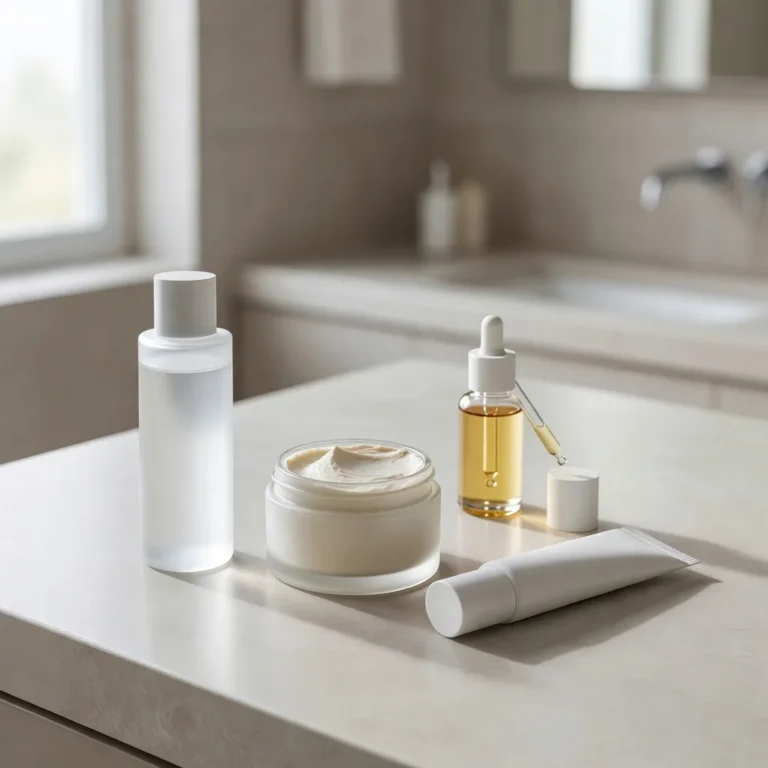
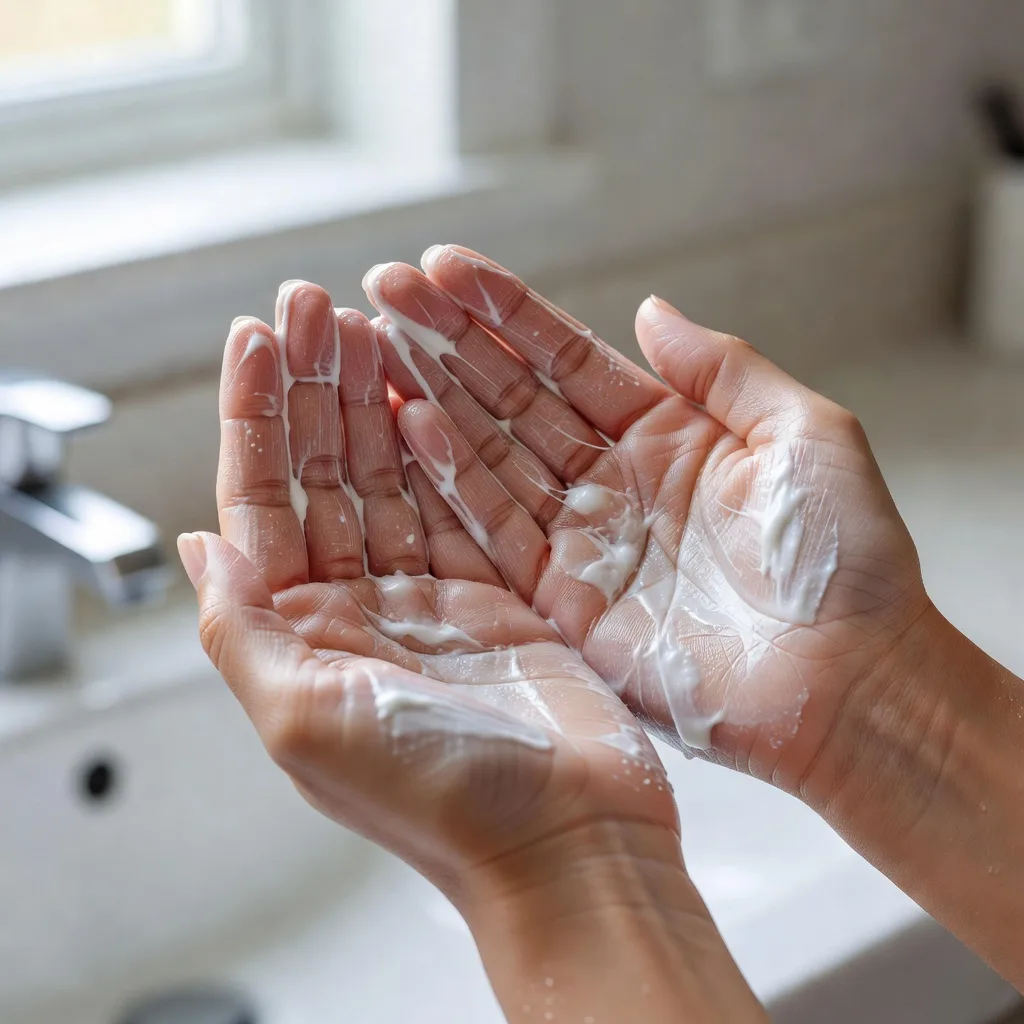
You apply your moisturiser and, instead of sinking in, it leaves your face tacky. Your hair sticks to your cheeks, your pillow feels like it is grabbing your skin, and makeup drags instead of gliding. It is a common complaint, and it rarely means the product is bad or that your skin is rejecting it.
Part of our guide to skincare products. Start with: 10 Best Facial Moisturizers for Dry Skin (2026): Rich, Gentle Creams
A moisturiser usually feels sticky because of its humectants, such as glycerin and hyaluronic acid, especially when applied in thick layers or in humid weather. Using too much, layering several products quickly, applying over damp or oily skin, and some film-forming ingredients can add to the tacky finish. Using a smaller amount, waiting a minute between layers, pressing the product in and choosing a lighter or more silicone-rich texture usually solves it.
Humectants are some of the most useful and widely used ingredients in skincare, found in almost every moisturiser, serum and sunscreen. They draw water into the skin and help keep it hydrated. But when there is more humectant than the skin can absorb, the excess stays on the surface, where it attracts moisture from the air and feels slightly sticky.
The American Academy of Dermatology suggests applying moisturiser while skin is still damp and choosing lighter options for oily skin and richer creams for dry skin. Getting that match right, and using the right amount, goes a long way towards avoiding a tacky finish.
This guide explains what causes the sticky feeling, which ingredients tend to cause it, and simple changes that make your moisturiser feel comfortable again.
Shopping these picks?
Amazon Prime members get fast, free shipping on eligible items, plus Prime Video, Amazon Music and member deals. New members can start with a free trial.
Start a free Prime trialAged 18 to 24? Prime for Young Adults comes with a longer free trial and a lower price after it.
Affiliate link: we may earn a commission at no extra cost to you.
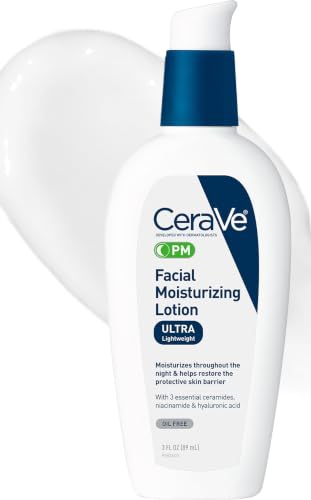
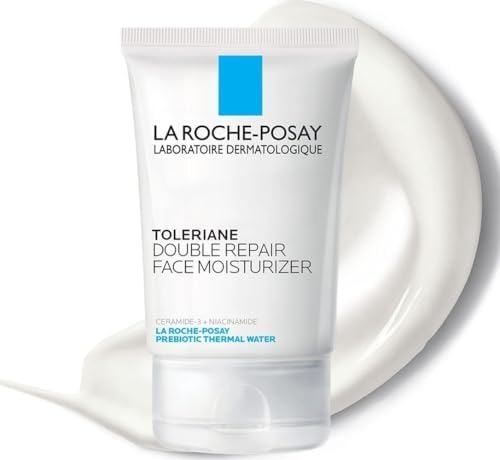
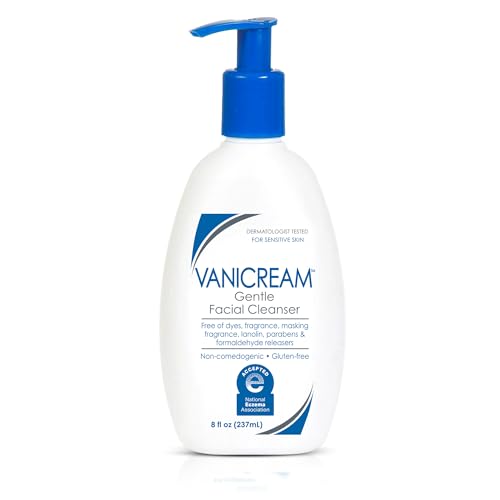
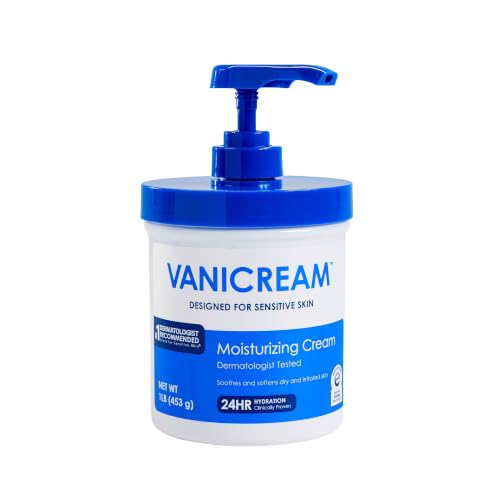
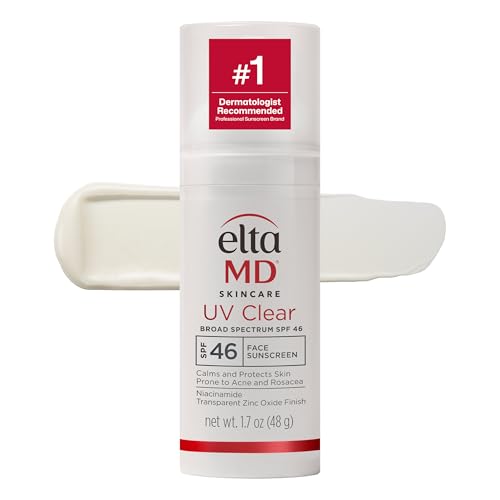
Recommended Light, Non-Sticky Moisturisers


What This Covers
- What Makes a Moisturiser Feel Sticky
- Humectants: Helpful but Tacky
- How to Stop Your Moisturiser Feeling Sticky
- Too Many Hydrating Layers
- Humidity and Season
- Choosing a Less Sticky Texture
- Stickiness and Makeup
- Stickiness by Skin Type
- How Much Moisturiser Do You Really Need?
- Sticky Skin at Night
- Honest Limits
- When to See a Dermatologist
- FAQ
- Summing Up
What to Know First
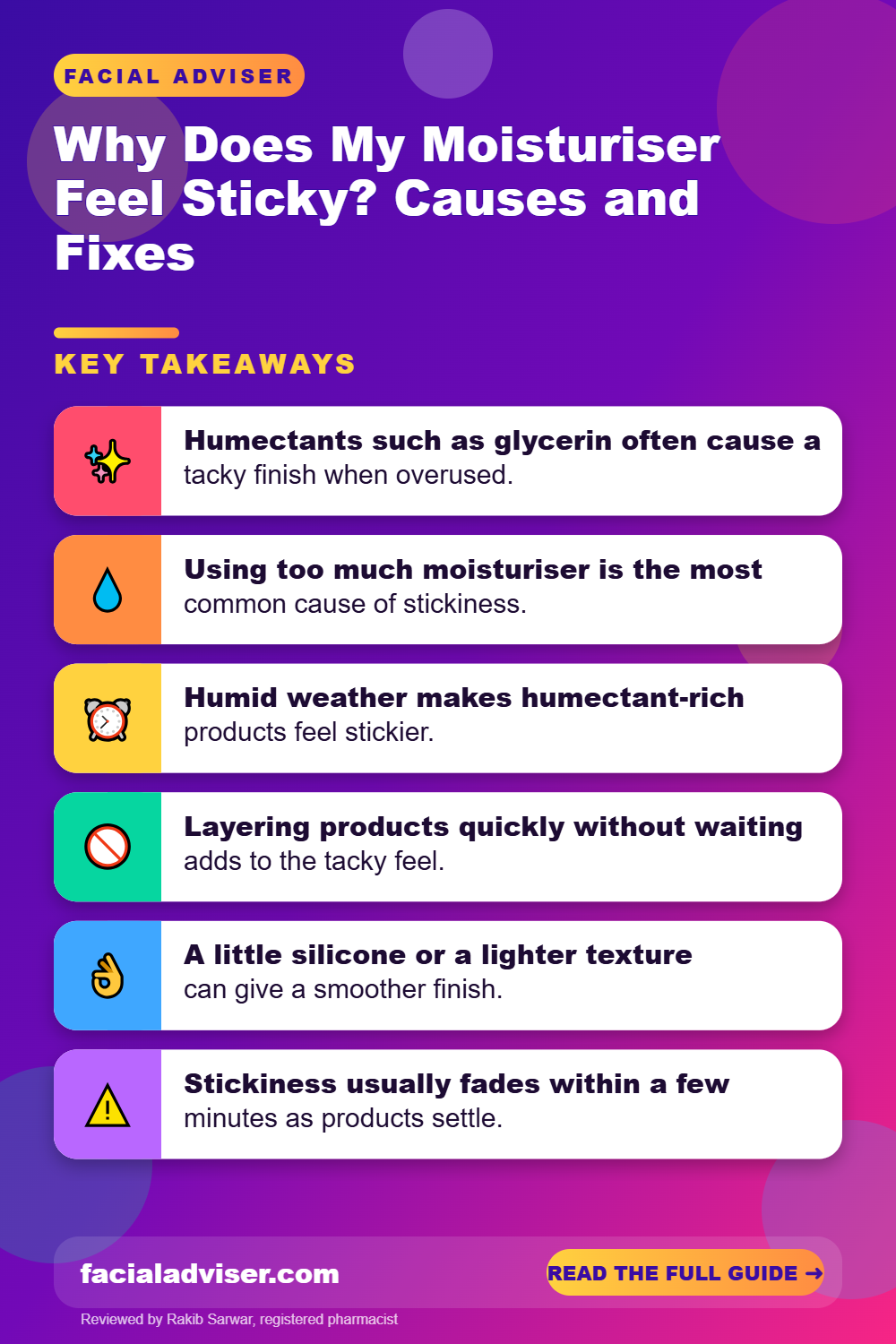
- Humectants such as glycerin often cause a tacky finish when overused.
- Using too much moisturiser is the most common cause of stickiness.
- Humid weather makes humectant-rich products feel stickier.
- Layering products quickly without waiting adds to the tacky feel.
- A little silicone or a lighter texture can give a smoother finish.
- Stickiness usually fades within a few minutes as products settle.
- A sticky feel is rarely harmful, but it can make makeup pill.
What Makes a Moisturiser Feel Sticky
| Cause | What happens | Quick fix |
|---|---|---|
| Too much product | Excess sits on the surface | Use a pea to almond-sized amount |
| High humectant content | Glycerin and similar ingredients stay tacky | Choose a lighter or silicone-containing formula |
| Humid weather | Humectants pull moisture from the air | Switch to a gel or use less in summer |
| Layering too fast | Products mix on the surface | Wait a minute between steps |
| Applying over damp oily skin | Product cannot spread evenly | Pat skin slightly drier first |
| Film-forming ingredients | Some polymers leave a thin film | Try a different texture |
Often it is a combination: a glycerin-rich cream applied generously over a hydrating serum on a warm, humid evening will almost always feel tacky for a while.
Old products can feel different too. As a moisturiser ages, especially in a jar exposed to air and warm bathroom conditions, its texture can change and become tackier or more separated. If a product that used to feel fine suddenly feels sticky, check its age and storage.
Humectants: Helpful but Tacky
Glycerin, hyaluronic acid, sodium PCA, urea, panthenol and propylene glycol are all humectants. They are excellent at hydrating the skin, which is why they appear in most moisturisers.
Glycerin in particular can feel sticky at higher levels. That is not a sign of poor quality; it is simply how the ingredient behaves. Many well-regarded moisturisers for dry or damaged skin are rich in glycerin because it works so well.
Hyaluronic acid, especially at higher molecular weights, can also leave a slightly tacky film, which is why some hyaluronic acid serums feel sticky until a moisturiser is applied on top. The moisturiser helps seal in the water the serum attracts and smooth over the surface.
If your moisturiser feels sticky but your skin feels comfortable and hydrated a few hours later, it is doing its job. The tacky phase often disappears within five to ten minutes. Patting the face lightly with clean palms during that time can speed things up.
How to Stop Your Moisturiser Feeling Sticky
Use less
Start with a pea-sized amount for the whole face and add only if needed.
Apply to slightly damp, not wet, skin
Pat your face with a towel so it is just damp before moisturising.
Warm and press
Warm the product between your fingertips and press it into the skin rather than rubbing.
Wait between layers
Give each product a minute to settle before the next.
Cut duplicate hydrators
If you use a hydrating toner, serum and moisturiser, try dropping one.
Match texture to season
Use a lighter gel or lotion in humid weather and save richer creams for dry months.
If stickiness bothers you at night, apply moisturiser 20 to 30 minutes before bed so it has time to settle before your face meets the pillow.
Too Many Hydrating Layers
Hydrating toners, essences, serums and moisturisers often contain the same humectants. Layering all of them can leave far more glycerin and hyaluronic acid on the skin than it can absorb.
If your routine includes several watery hydrating steps, try removing one and see whether the tackiness improves. Often the moisturiser alone, used in the right amount, gives all the hydration the skin needs, and the finish becomes noticeably smoother. Our guide on whether you need moisturiser after a hydrating serum explains how these layers overlap.
Humidity and Season
In humid weather, humectants draw moisture from the air as well as from within the skin, which makes the surface feel damp and tacky. The same product that feels perfect in a dry winter can feel sticky on a muggy summer evening.
Keeping a lighter gel moisturiser for warm, humid months and a richer cream for cold, dry months is a simple fix. Our guide to why skincare feels greasy covers textures for different seasons.
Air-conditioned and heated rooms work the other way. They dry the air, so a product that feels sticky outdoors in summer may feel perfectly comfortable in a cool office. If you move between very different environments during the day, a lighter moisturiser in the morning and a richer one at night can suit both.
Choosing a Less Sticky Texture
Helps
- Try gel or gel-cream textures for oily skin
- Look for light lotions for normal skin
- Consider formulas with a little dimethicone for a smoother feel
- Choose fragrance-free if you are sensitive
- Test a sample before buying a full size
Backfires
- Pile on rich creams in humid weather
- Apply moisturiser to dripping-wet skin
- Rub hard to force it in
- Layer three hydrating products at once
- Assume stickiness means the product is bad
Silicones such as dimethicone give many moisturisers a smooth, silky finish that feels less tacky. If you prefer silicone-free products, a lighter, more watery lotion is usually the next best option.
Reading the first few ingredients helps predict texture. Glycerin high on the list suggests a more cushiony, possibly tacky feel; dimethicone near the top suggests a smoother, silkier finish; and a list led by water and a gelling agent such as carbomer points to a light gel.
Stickiness and Makeup
A tacky base can make foundation grab, streak or pill. Waiting a few minutes after moisturiser and sunscreen, using a thin layer, and pressing makeup on with a sponge rather than buffing all help.
A light dusting of translucent powder on areas that feel tacky can also help makeup sit better, but use it sparingly on dry skin, where powder can cling to flakes. Our guide on why makeup looks cakey has more tips.
If products repeatedly pill or roll into small balls, try a different combination of moisturiser, sunscreen and primer. Some formulas simply do not layer well together.
Stickiness by Skin Type
- Oily skin: rich humectant creams often feel sticky; a light gel is usually more comfortable.
- Dry skin: a slightly tacky feel may be a small price for good hydration; press in and wait.
- Combination skin: use a lighter product on the T-zone and richer cream only on dry areas.
- Sensitive skin: stick to simple, fragrance-free formulas and avoid layering many products.
Our guide to an oily T-zone with dry cheeks explains how to use different textures on different zones.
If a sticky moisturiser comes with itching, stinging or small bumps, the issue may be irritation or clogged pores rather than texture. In that case, switching to a simpler, fragrance-free product is more important than changing the amount.
How Much Moisturiser Do You Really Need?
Most people use more moisturiser than their skin can absorb, especially with pumps and jars that make it easy to take a large amount. For the face, a pea to almond-sized amount is usually enough; the neck may need a little more.
| Skin type | Typical amount for face | Signs you used too much |
|---|---|---|
| Oily | About a pea | Shiny, tacky film after 10 minutes |
| Normal | Pea to small almond | Product pills under sunscreen |
| Dry | About an almond, more in winter | Rarely too much; add in thin layers |
| Very dry or damaged barrier | An almond plus ointment on dry spots | Skin still feels tight means too little |
The AAD recommends applying moisturiser while skin is still damp, and choosing lighter textures for oily skin and creams or ointments for dry skin (AAD). Getting the amount right is the other half of the equation.
Sticky Skin at Night
Many people notice stickiness most at bedtime, when they use richer products and then lie straight down. Hair, pillowcases and even hands stick to the face, and some worry that the product is rubbing off before it can work.
Applying your night products 20 to 30 minutes before bed, using a slightly thinner layer, and choosing a smooth pillowcase all help. If you like to use an occlusive such as petroleum jelly on very dry areas, keep it to those areas rather than the whole face. Our guide to slugging in skincare covers who benefits from that heavier approach.
Honest Limits
Some products will always feel slightly tacky because of their formula, and some people are more sensitive to textures than others. If a moisturiser works well for your skin but feels a little sticky, simple application changes may be enough; if not, a different texture is the answer.
Stickiness itself is not harmful. It becomes a problem only if it makes you skip moisturiser, interferes with makeup or causes pilling.
Before giving up on a product that suits your skin, try it for a week with a smaller amount and a minute or two of waiting time. Many people find the stickiness disappears once they stop using more than their skin needs.
When to See a Dermatologist
- Your skin stings, itches or turns red after applying moisturiser.
- You break out consistently with every moisturiser you try.
- Your skin stays dry or flaky despite moisturising.
- You are unsure which products suit your skin type.
This article is for general information and does not replace professional medical advice. See a dermatologist for persistent irritation or dryness.
FAQ
Why is my moisturiser sticky?
Usually because of humectants such as glycerin, too much product, humid air or layering too quickly.
Is a sticky moisturiser bad for skin?
No. It is usually a texture issue rather than a sign of harm.
Does glycerin make moisturiser sticky?
Yes, higher levels of glycerin can leave a tacky finish.
How much moisturiser should I use?
A pea to almond-sized amount is usually enough for the face.
Why does my moisturiser feel sticky in summer?
Humid air lets humectants attract more moisture, which feels tacky.
Should I apply moisturiser to wet skin?
Slightly damp skin is ideal; dripping-wet skin can make products spread unevenly.
How long does stickiness last?
Often just five to ten minutes as the product settles.
Can sticky moisturiser cause pilling?
Yes, especially under sunscreen or makeup if applied too thickly.
What moisturiser texture is least sticky?
Light gels and lotions, often with a little silicone, tend to feel least sticky.
Can I skip moisturiser if it feels sticky?
Try using less or a lighter texture first; most skin still benefits from moisturiser.
Summing Up
A sticky moisturiser is usually a sign of humectants doing their job, amplified by too much product, humid air or fast layering. It is rarely a sign that the product is wrong for your skin.
Use less, press it in, wait between steps, cut duplicate hydrating layers and match the texture to the season. If the tacky feel still bothers you, a lighter gel or lotion is usually the answer. Comfortable, hydrated skin is the goal, and there is almost always a texture that gets you there.

Written by
Registered pharmacist and founder of Facial Adviser. Rakib's pharmacy training covers how skincare actives work and interact; a later course in cosmetology turned that into a focus on facial treatments and skincare products. He plans, researches and edits every guide on the site and checks health claims against sources such as the American Academy of Dermatology, the FDA and the NIH. He is not a dermatologist; see the Editorial Policy and Medical Disclaimer.
About · Editorial policy · How we choose products · Medical disclaimer · Contact
Keep reading: Moisturisers and face oils
- 10 Best Facial Moisturizers for Dry Skin (2026): Rich, Gentle Creams
- Night Cream vs Leave-On Treatment: What Is the Difference?
- Do Facial Oils Clog Pores? What Actually Matters
- Which Face Oil Is Best for Combination Skin?
- 10 Best Indoor Tanning Lotions (2026): Sunless Colour, No Tanning Bed
- Does Shea Butter Remove Dark Spots? Real Answer
- 10 Best Facial Cleansers for Combination Skin (2026): Balanced Picks
- 10 Best Facial Serums for Aging Skin (2026): Picks by Concern