Why Your Makeup Looks Cakey and How to Fix It
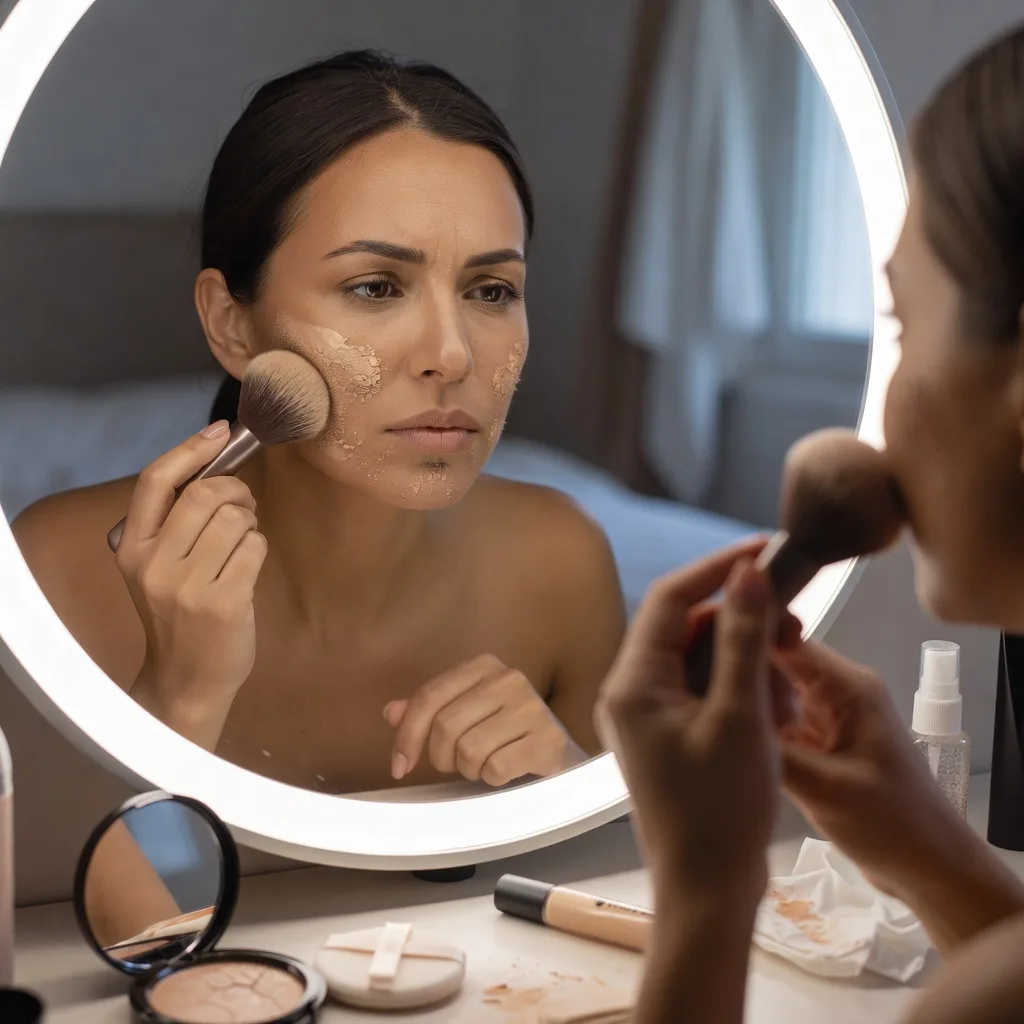
You spend time on your base, it looks fine in the bathroom mirror, and then a glance in a car mirror or a photo shows thick, patchy makeup settling into lines and clinging to dry patches. Cakey makeup is one of the most common makeup frustrations, and it rarely comes down to a single mistake. It can happen with expensive and budget products alike.
Part of our guide to makeup how-to. Start with: How to Find the Right Shade of Makeup: Undertone, Depth and Testing
Makeup usually looks cakey for one of four reasons: too much product, dry or flaky skin underneath, products that do not work well together, or the wrong formula for your skin type. Once you identify which one is behind it, the fix is usually simple.
The quickest rescue is often to remove product rather than add it. A damp sponge pressed over the area, a light mist, or a tiny amount of moisturizer worked in with a fingertip can melt powdery patches back into the skin in a couple of minutes.
Long-term, smoother makeup starts with skin prep. Gentle exfoliation, a moisturizer that suits your skin, and giving each layer time to settle before the next make a bigger difference than any single foundation. Small changes in how you apply products often matter more than which brand you buy.
This guide covers a quick mirror check to spot the cause, fast fixes for when you are already made up, how to prevent cakiness next time, and when dry or flaky skin under makeup may be a skin condition worth checking.
Shopping these picks?
Amazon Prime members get fast, free shipping on eligible items, plus Prime Video, Amazon Music and member deals. New members can start with a free trial.
Start a free Prime trialAged 18 to 24? Prime for Young Adults comes with a longer free trial and a lower price after it.
Affiliate link: we may earn a commission at no extra cost to you.
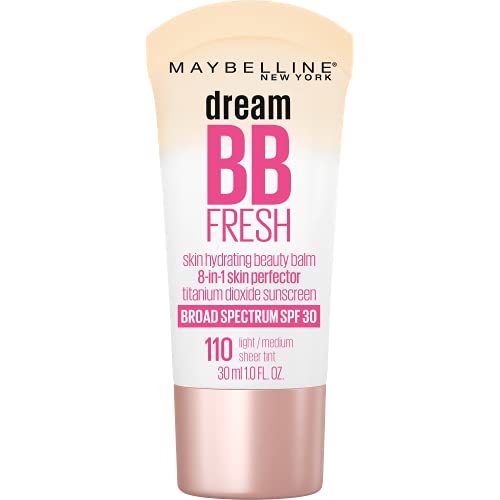
Recommended Products for Smooth, Non-Cakey Makeup





What This Covers
- Why Makeup Turns Cakey
- The Two-Minute Mirror Check
- Quick Fixes When You Are Already Made Up
- Prepping Skin for Smoother Makeup
- How to Apply Makeup So It Does Not Cake
- Choosing Formulas That Do Not Look Heavy
- Water, Silicone, and Separation
- What Makeup Cannot Hide
- When Flaky Skin Under Makeup Needs a Doctor
- Frequently Asked Questions
- Where This Leaves You
Key Takeaways
- Cakey makeup is usually caused by too much product, dry skin, product clashes, or the wrong formula.
- Removing product with a damp sponge often fixes cakiness faster than adding more.
- Hydrated, gently exfoliated skin gives makeup a smoother base.
- Let skincare and sunscreen settle for a few minutes before applying foundation.
- Water-based and silicone-based products can separate when layered together.
- Use powder only where you need it and in thin layers.
- Persistent flaking under makeup may be dermatitis rather than a makeup problem.
Why Makeup Turns Cakey
Cakey makeup happens when products sit on top of the skin in a thick, visible layer instead of blending into it. That layer catches on texture, dry patches, and fine lines, and can crack or separate as the day goes on.
- Too much product: heavy foundation, layers of concealer, and extra powder build up quickly, especially on the nose, under the eyes, and around the mouth.
- Dry or flaky skin: foundation clings to flakes and settles into dry areas, making them more visible.
- Too little time between layers: applying foundation over wet moisturizer or sunscreen can cause pilling and patchiness.
- Clashing formulas: water-based and silicone-based products sometimes repel each other and separate.
- The wrong finish: full-coverage matte formulas can look heavy on dry or mature skin.
- Too much powder: baking or heavy setting can leave a dry, dusty look.
The Two-Minute Mirror Check
Before changing products, find out where and why the cakiness is happening. Use natural light and a handheld mirror.
Look at where it happens
Check your nose, cheeks, under-eyes, forehead, and around the mouth. Cakiness in one or two spots points to dryness or too much product there, while all-over cakiness points to formula or prep.
Check for flakes
Look closely at the edges of your nose, brows, and chin. Small white flakes under makeup suggest dry skin or flaking that needs attention before foundation.
Test with a fingertip
Lightly touch a cakey area. If it feels dry and powdery, you likely used too much powder or your skin is dehydrated. If it feels slippery and patchy, your skincare may not have settled.
Think about timing
If makeup looked fine at first but went cakey later, oil or product separation during the day may be the cause. If it looked cakey straight away, prep or amount is more likely.
Review your products
Check whether your primer, moisturizer, sunscreen, and foundation mix water-based and silicone-based formulas. Separation is common when these clash.
Take a photo in daylight after applying makeup. Photos often show cakiness and texture more clearly than a bathroom mirror.
Quick Fixes When You Are Already Made Up
If your makeup already looks cakey, you do not need to start over. Try these in order:
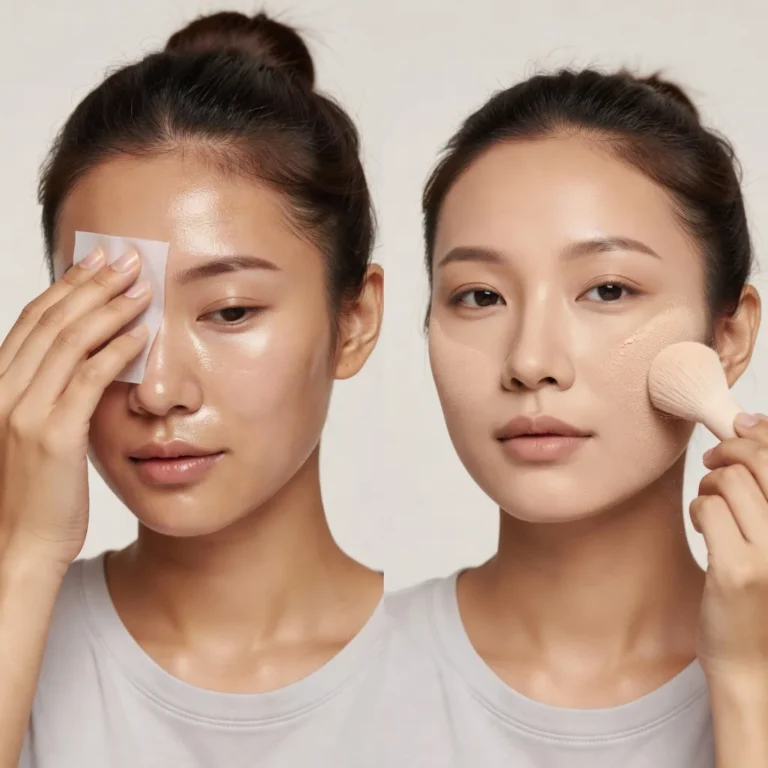
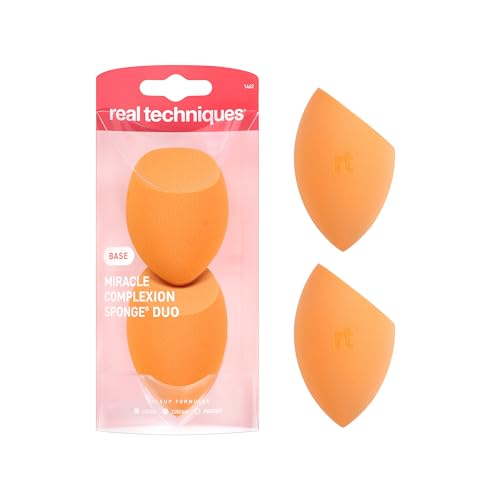
- Press with a damp sponge. Dampen a makeup sponge, squeeze out the excess, and press it over cakey areas. This lifts excess product and blends the rest into the skin.
- Mist and press. Spray a light hydrating mist or setting spray from arm’s length, then gently press with a clean sponge or fingertips.
- Add a tiny bit of moisturizer. Warm a very small amount between fingertips and tap it onto dry patches, then blend.
- Blot, do not powder. If the area is shiny as well as cakey, use a blotting paper instead of adding more powder.
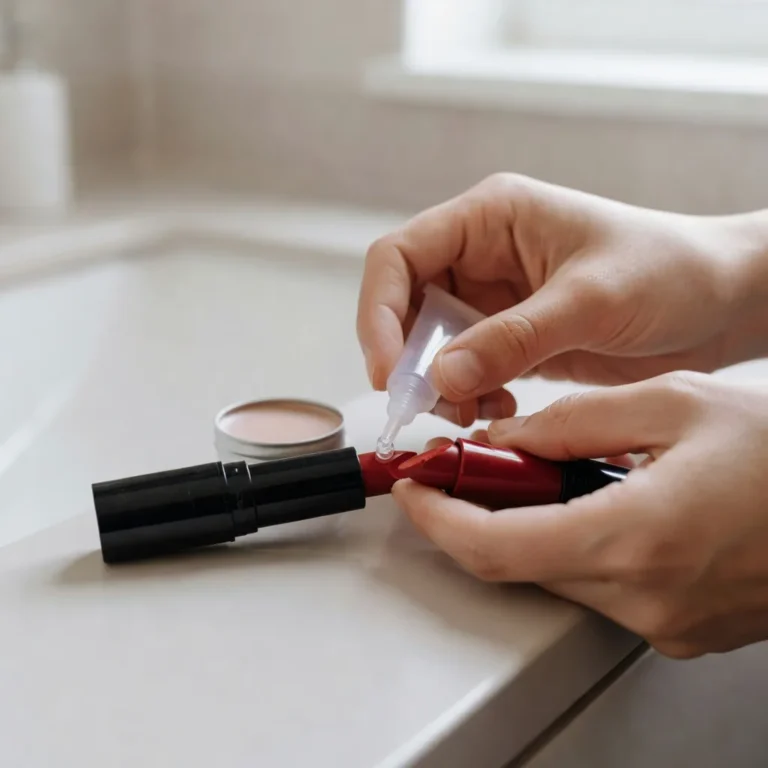
- Spot-correct. If the area is still patchy, remove makeup from that small spot with a cotton swab and a drop of micellar water, then reapply a thin layer.
Avoid adding more powder to hide cakey patches. It usually makes dryness and texture more visible.
Prepping Skin for Smoother Makeup
Most cakey makeup can be prevented before foundation touches your face. Good prep creates a smooth, hydrated surface for makeup to grip evenly.
If you have very dry patches, a thin layer of a richer cream on just those areas, applied ten minutes before makeup, often works better than a heavy moisturizer all over. For oily skin, a lightweight gel moisturizer keeps skin hydrated without adding slip that makes foundation slide and break up.
Worth Doing
- Cleanse gently with a non-stripping cleanser.
- Exfoliate a few times a week, not every day.
- Apply a moisturizer suited to your skin type.
- Wait a few minutes for skincare and sunscreen to settle.
- Use a primer only if your skin needs it.
Skip It
- Scrub hard on the day of an event.
- Pile on thick layers of skincare right before makeup.
- Apply foundation over wet or tacky sunscreen.
- Mix several silicone and water-based products without testing.
- Skip moisturizer because you have oily skin.
If you are not sure which moisturizer texture suits you, our guide to day cream vs day lotion can help. For exfoliation, see facial wash vs facial scrub for the gentlest approach.
How to Apply Makeup So It Does Not Cake
Application technique matters as much as the products you use.
Start with a small amount of foundation, about a pea-sized drop for the whole face, and build only where you need more coverage. Apply it to the center of your face and blend outward, where you usually need less.
A damp sponge or a dense brush used with stippling or pressing motions tends to give a thinner, more even layer than wiping. Fingers also work well, since body heat helps products melt into the skin.
Use concealer only where you need it, such as around the nose, under the eyes, and on spots, and blend the edges. Set with a light dusting of powder on the T-zone and under the eyes rather than all over. A finishing mist can help powder look less dry.
Timing through the day matters too. Rather than adding more powder at lunchtime, blot oil with a tissue or blotting paper, press a damp sponge over any patches, and only then add a very light touch of powder if you still need it. Repeated powder touch-ups are one of the most common reasons makeup looks heavier by the evening than it did in the morning.
Clean your tools regularly. Dirty sponges and brushes apply product unevenly and can harbor bacteria that may cause breakouts or eye infections.
Choosing Formulas That Do Not Look Heavy
| Skin type | Better base choices | Likely to look cakey |
|---|---|---|
| Dry | Hydrating foundation, skin tint, BB cream | Full-coverage matte, heavy powder |
| Oily | Oil-free, lightweight, matte or satin | Rich, dewy formulas with lots of powder on top |
| Combination | Satin finish, powder only on T-zone | Heavy powder all over |
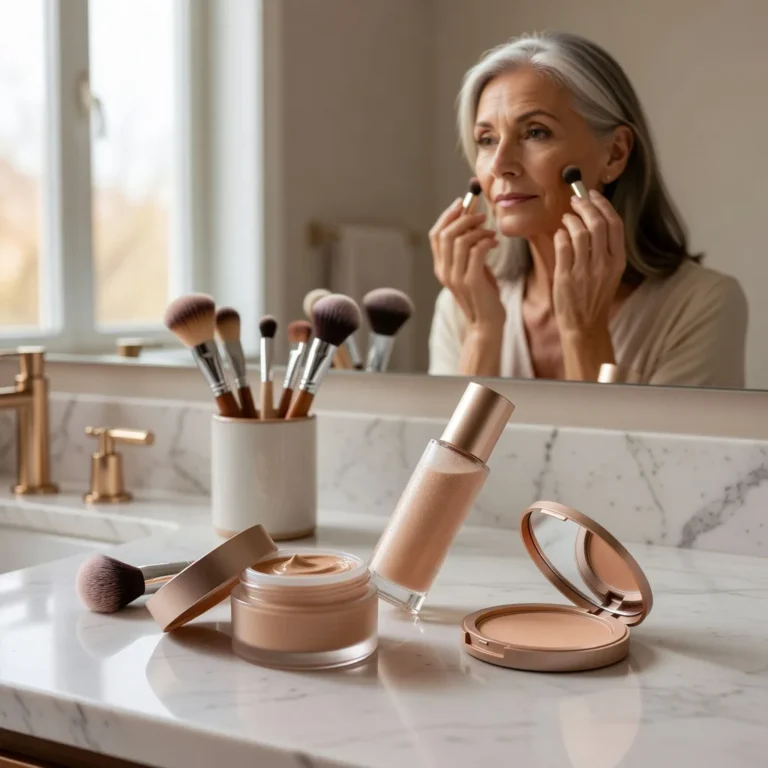
| Mature | Light, flexible, hydrating formulas | Thick coverage and baking |
| Sensitive | Fragrance-free, simple formulas | Many layered products |
If you like a lighter look, a skin tint or BB cream with spot concealer is often easier to wear than a full-coverage foundation. Matching the formula to your skin type prevents many cakey problems before they start.
Water, Silicone, and Separation
Some foundations and primers are water-based, some are silicone-based, and some contain a lot of oil. When these are layered, they do not always mix well, and the result can be pilling, patchy coverage, or makeup that separates on the nose or cheeks.
You do not need to memorize ingredient lists. If you notice pilling or separation, check whether your primer or sunscreen lists dimethicone or other ingredients ending in -cone near the top, and whether your foundation lists water first. Try swapping one product so both are similar, or skip the primer altogether.
If you use a toner or mist before makeup, give it time to absorb. Our guide to facial spray vs toner explains how each fits into your routine.
What Makeup Cannot Hide
Makeup can even out tone and soften the look of texture, but it cannot erase raised texture, deep lines, or active flaking. Trying to cover these with more product usually makes them more noticeable.
| Myth | Reality |
|---|---|
| More coverage hides texture | Heavier layers often highlight texture |
| Powder fixes everything | Too much powder causes dryness and cakiness |
| Primer is always needed | Many people do fine without it |
| Oily skin does not need moisturizer | Dehydrated oily skin can make makeup cakey |
| Setting spray fixes bad prep | It helps, but it cannot replace good skincare |
If texture or dryness is persistent, improving your skin over several weeks with a gentle routine will do more than changing foundations.
When Flaky Skin Under Makeup Needs a Doctor
Sometimes cakey makeup is a sign of a skin problem rather than a makeup mistake. See a doctor or dermatologist if you notice:
- Red, flaky patches around the nose, brows, or hairline that keep coming back.
- Dry, itchy patches that do not improve with moisturizer.
- Burning or stinging when you apply makeup or skincare.
- A rash or swelling after using a new product.
- Persistent redness and bumps on the cheeks.
- Rough, scaly spots that do not heal.
These can be signs of conditions such as seborrheic dermatitis, eczema, rosacea, or an allergic reaction, which often respond well to treatment.
Medical disclaimer: This article is for general information and is not a substitute for professional medical advice. See a healthcare provider about persistent skin symptoms.
Frequently Asked Questions
Why does my makeup look cakey?
Usually because of too much product, dry skin, skincare that has not settled, or formulas that clash.
How do I fix cakey makeup quickly?
Press a damp sponge over the area to lift excess product, or mist lightly and press it into the skin.
Does primer stop makeup from looking cakey?
It can help some skin types, but it can also cause pilling if it clashes with your foundation.
Should I use less foundation?
Usually yes. Start with a small amount and build only where you need coverage.
Why does my makeup look cakey on my nose?
The nose often has more oil and texture, and flakes can collect around the sides. Use thin layers and blot oil instead of powdering repeatedly.
Can dry skin make makeup cakey?
Yes. Foundation clings to dry flakes and settles into dehydrated areas.
Does setting spray help cakey makeup?
A hydrating setting spray can soften powdery makeup and help layers blend.
Why does my makeup look fine at home but cakey later?
Oil, sweat, and product separation during the day can make makeup break up.
Is powder foundation more cakey?
It can be on dry skin. Liquid or cream formulas often look smoother on dry or mature skin.
How long should I wait after moisturizer before makeup?
A few minutes, until skincare no longer feels wet or tacky.
Where This Leaves You
Cakey makeup usually comes down to too much product, dry or flaky skin, skincare that has not settled, or formulas that do not work together. A quick mirror check can show you which one is behind it, and the fastest fix is often to remove product with a damp sponge rather than adding more.
For smoother makeup every day, prep skin with gentle exfoliation and a suitable moisturizer, give each layer time to settle, use thin layers, and match your foundation to your skin type. If flaking or irritation keeps coming back, see a dermatologist.

Written by
Registered pharmacist and founder of Facial Adviser. Rakib's pharmacy training covers how skincare actives work and interact; a later course in cosmetology turned that into a focus on facial treatments and skincare products. He plans, researches and edits every guide on the site and checks health claims against sources such as the American Academy of Dermatology, the FDA and the NIH. He is not a dermatologist; see the Editorial Policy and Medical Disclaimer.
About · Editorial policy · How we choose products · Medical disclaimer · Contact
Keep reading: Foundation, BB cream and base
- What Is the Purpose of Makeup Foundation? What It Does and Does Not Do
- How to Find the Right Shade of Makeup: Undertone, Depth and Testing
- How to Choose the Right Makeup Highlighter for Your Skin
- What Is the Purpose of Makeup Primer? Types, How Much to Use and Who Needs It
- 10 Best Facial Primers for Mature Skin (2026): Smooth, Glowing Base
- What Can You Use to Make Your Makeup Stay On All Day? 9 Products and Tricks
- How to Get Started as a Freelance Makeup Artist: Training, Kit and Clients