What Is the Purpose of Makeup Primer? Types, How Much to Use and Who Needs It
Makeup primer is one of those products many people buy, use for a while and then wonder whether it actually does anything. Others swear their foundation falls apart without it. The truth sits in between: primer can make a real difference for some skin types and makeup looks, and very little for others.
Part of our guide to makeup how-to. Start with: How to Find the Right Shade of Makeup: Undertone, Depth and Testing
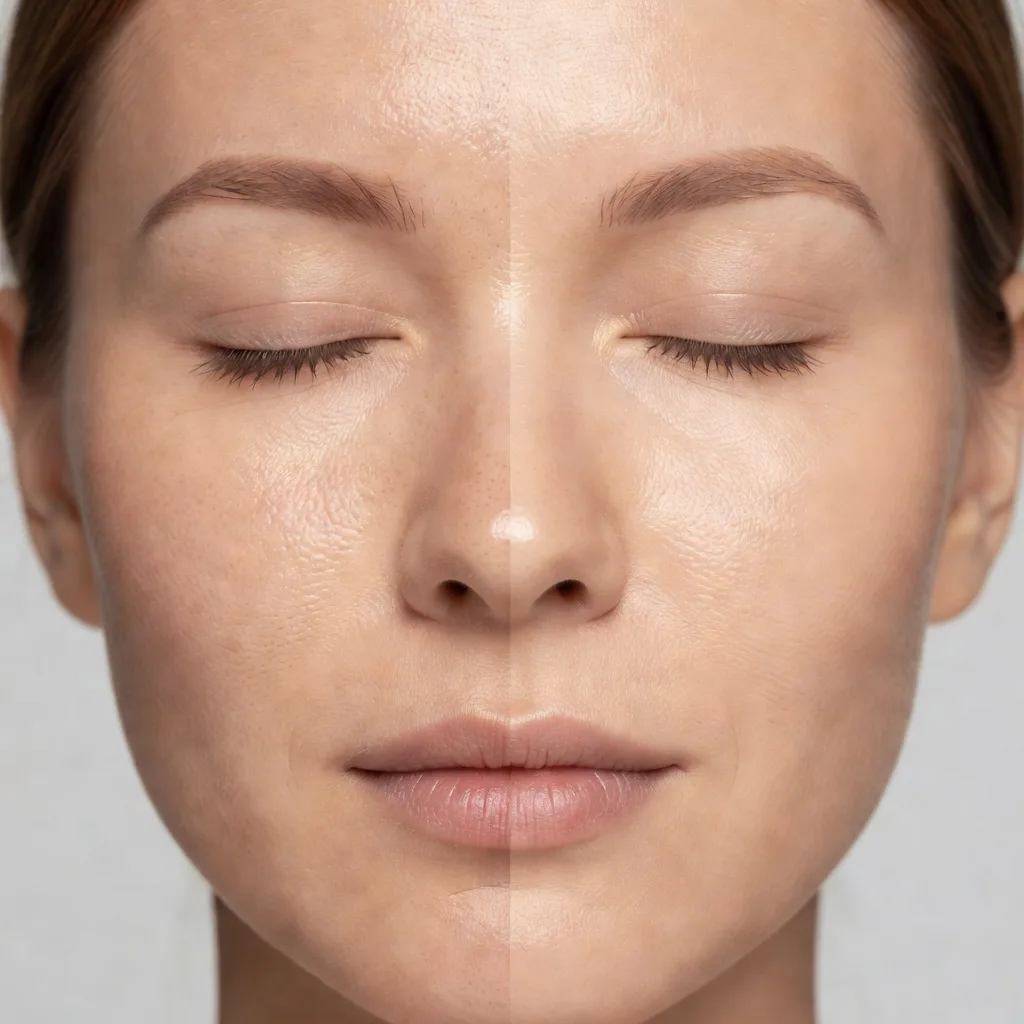
The purpose of makeup primer is to create a smoother, more even surface between your skincare and your makeup, so foundation goes on more easily, looks more even and lasts longer. Different primers do different jobs: mattifying primers control oil, blurring primers soften the look of pores and fine lines, gripping or hydrating primers help makeup cling to dry skin, and colour-correcting primers tone down redness or dullness. You only need a small amount, usually a pea-sized drop for the whole face or less if you only prime oily areas. People with normal skin who wear light makeup can often skip it.
In short, primer is a problem solver: choose one for your specific concern, or skip it if you do not have one.
There is little formal research on makeup primers, so most advice comes from cosmetic formulation and makeup artists. What is clear is that primer should never replace sunscreen: the American Academy of Dermatology recommends daily broad-spectrum sunscreen, and many primers contain little or no SPF.
This guide explains what primer does, the main types, how much to use, the difference between primer and makeup base, and how to layer it with skincare and sunscreen.
Shopping these picks?
Amazon Prime members get fast, free shipping on eligible items, plus Prime Video, Amazon Music and member deals. New members can start with a free trial.
Start a free Prime trialAged 18 to 24? Prime for Young Adults comes with a longer free trial and a lower price after it.
Affiliate link: we may earn a commission at no extra cost to you.
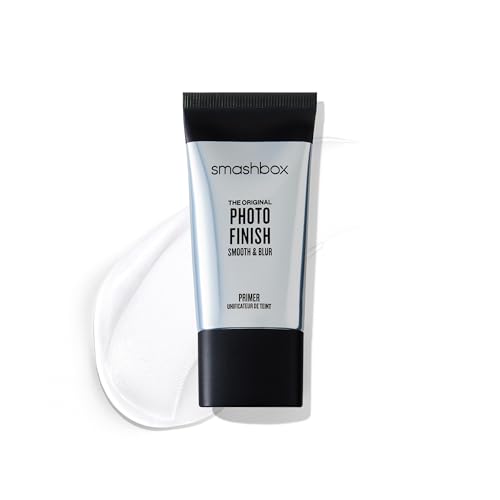
Recommended Makeup Primers for Every Skin Type


Key Takeaways
- Primer creates a smoother, more even surface for makeup.
- It helps foundation apply evenly and last longer.
- Choose a primer for your concern: oil, pores, dryness or redness.
- A pea-sized amount is usually enough for the whole face.
- Apply after skincare and sunscreen, before foundation.
- Primer does not replace sunscreen.
- If your makeup already lasts and looks even, you may not need it.

In This Guide
- What Makeup Primer Actually Does
- Types of Primer and Who They Suit
- How Much Primer Do You Need?
- Primer vs Makeup Base: Is There a Difference?
- How to Apply Makeup Primer
- Primer and Sunscreen: Which Goes First?
- Do You Really Need Primer?
- Primer for Pores and Texture
- Eye, Lip and Other Specialist Primers
- Dos and Don’ts
- Honest Limits
- When to See a Dermatologist
- Questions People Ask
- Where This Leaves You
What Makeup Primer Actually Does
Primer sits between your skincare and your foundation. Depending on the formula, it can do several jobs at once. Most primers are built on silicones such as dimethicone, water-based gels or a mix of both, with added powders, film-formers or pigments that give each type its particular effect.
- Smooths the surface: silicone-based primers fill in fine texture so foundation glides on evenly.
- Controls oil: mattifying primers absorb or hold back oil so makeup does not slide.
- Improves grip: tacky or hydrating primers help foundation cling to the skin.
- Blurs: light-diffusing particles soften the look of pores and fine lines.
- Corrects colour: tinted primers tone down redness, sallowness or dullness.
Because these jobs are different, one primer rarely does everything. The best results come from matching the primer to the problem you are trying to solve. It also helps to think about the finish you want: a matte primer under a dewy foundation, or a glowy primer under a matte one, can balance the overall look.
Types of Primer and Who They Suit
Use this table to find the primer that matches your skin.
| Primer type | Best for | What it does |
|---|---|---|
| Mattifying | Oily or combination skin | Controls shine and helps makeup stay put |
| Blurring or pore-minimising | Visible pores, fine texture | Fills and softens the look of pores |
| Hydrating or gripping | Dry or dehydrated skin | Adds slip and helps foundation cling |
| Colour-correcting | Redness or dullness | Neutralises colour before foundation |
| Illuminating | Dull skin, dewy looks | Adds glow under or mixed with foundation |
| Silicone-based | Smooth finish, long wear | Creates a silky layer; pair with compatible foundation |
Many people with combination skin use two primers: a mattifying one on the T-zone and a hydrating one on the cheeks. Your needs can also change with the seasons: a mattifying primer may be essential in humid summer weather but unnecessary in winter, when a hydrating primer or a richer moisturiser works better.
How Much Primer Do You Need?
Using too much primer is one of the most common reasons makeup pills, slides or looks patchy.
- Full face: about a pea-sized amount is usually enough.
- Oily areas only: a smaller amount, focused on the forehead, nose and chin.
- Pore-filling primers: pat a tiny amount into the pores rather than rubbing.
- Illuminating primers: a small amount, or mix a drop into foundation.
If your foundation starts balling up or looks slippery, try halving the amount of primer and letting it set for a minute before foundation. Our guide on how to avoid product pilling explains why too many layers can cause problems. Applying primer with fingertips gives you more control than a brush or sponge, and warming it slightly between your fingers helps it spread in a thinner, more even layer.
Primer vs Makeup Base: Is There a Difference?
The terms primer and makeup base are often used interchangeably, but they can mean slightly different things.
| Term | Usually means |
|---|---|
| Primer | A specific product designed to prepare skin for foundation |
| Makeup base | Anything worn under foundation, including primer, moisturiser, sunscreen or a tinted base |
| Tinted base | A lightly tinted primer or base that adds a little coverage |
| Colour-correcting base | A tinted primer or base used to neutralise redness or dullness |
In practice, what matters is not the name on the tube but what the product does for your skin. A good moisturiser and sunscreen already act as a base for many people. If your moisturiser leaves a smooth, slightly tacky finish that foundation grips well, you may be getting the benefits of a primer without an extra step.
How to Apply Makeup Primer
Follow these steps for a smooth base that lasts.
Cleanse and moisturise
Start with clean skin and a moisturiser suited to your skin type.
Apply sunscreen
Use broad-spectrum SPF in the morning and let it absorb.
Wait a minute or two
Let skincare and sunscreen settle so layers do not slide.
Warm a small amount of primer
Use about a pea-sized amount for the whole face.
Apply where you need it
Pat into pores, smooth over oily areas or spread thinly all over.
Let it set
Wait about a minute before foundation.
Apply foundation
Use a brush, sponge or fingers and build in thin layers.
Match your primer and foundation bases. Water-based foundations tend to sit well over water-based primers, and silicone-heavy foundations over silicone primers. Mixing very different bases can cause pilling or separation.
Our guide on silicone versus water-based cosmetics explains how to tell them apart on the label.
Primer and Sunscreen: Which Goes First?
Sunscreen goes before primer in most routines. The usual order is cleanser, moisturiser, sunscreen, primer, then foundation. Letting sunscreen absorb for a minute or two helps the layers sit well together.
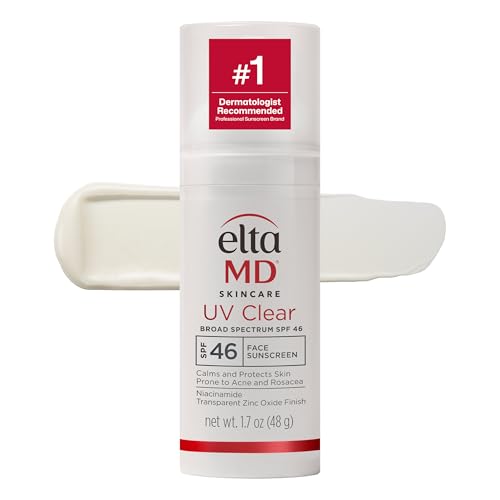
Some primers contain SPF, but the amount people apply is usually too small to give the protection on the label. For reliable protection, wear a separate sunscreen underneath. If your sunscreen already leaves a smooth, slightly grippy finish, you may find you can skip primer altogether, which keeps your routine lighter and reduces the chance of pilling.
Do not rely on a primer or foundation with SPF as your only sun protection. You would need to apply far more than is practical for makeup to reach the stated SPF. Use a dedicated sunscreen every day.
The American Academy of Dermatology includes daily sunscreen among its tips to reduce premature skin aging.
Do You Really Need Primer?
Primer is optional. You probably do not need it if:
- Your foundation already lasts all day without separating or fading.
- You wear light makeup or none at all.
- Your skin is not particularly oily or dry.
- Your moisturiser and sunscreen already give a smooth base.
You may benefit from primer if your makeup slides off by midday, clings to dry patches, settles into pores or looks uneven over redness. Our guide on why foundation separates by midday covers what causes makeup breakdown. A simple test is to wear your usual makeup without primer on one day and with it on another, then compare how your face looks at lunchtime and in the evening. If you cannot see a difference, you can save the step and the money.
Seasons matter too. Many people find they only need primer in hot, humid months, when oil and sweat break makeup down faster, or in winter, when dry patches make foundation cling. Keeping one mattifying and one hydrating primer lets you match the product to the weather instead of using the same formula all year.
Primer for Pores and Texture
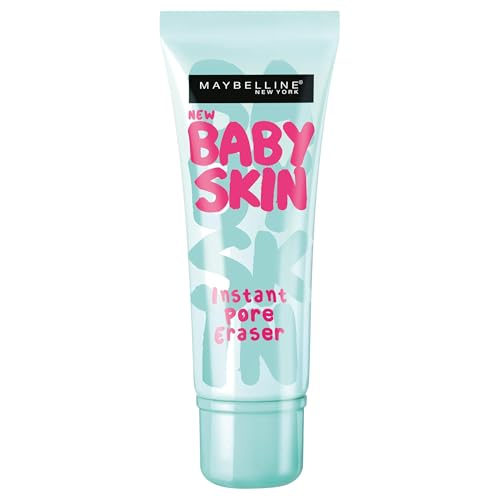
Pore-minimising and blurring primers are among the most popular types. They do not shrink pores; they fill them and scatter light so they look smaller for as long as you wear the product.
For the best effect, pat a small amount into areas with visible pores, such as the nose and cheeks, rather than rubbing it across the whole face. Rubbing can push product around and leave patches.
Thick, silicone-heavy primers can feel heavy on acne-prone skin. Remove them thoroughly at night, and choose products labelled non-comedogenic if you break out easily.
Our guide on makeup for enlarged pores has more tips for smoothing texture without clogging. For deeper texture such as acne scars, primer can soften the look slightly, but treatments recommended by a dermatologist will make a far bigger difference over time.
Eye, Lip and Other Specialist Primers
Face primer is not the only kind. Specialist primers are made for areas where makeup behaves differently.
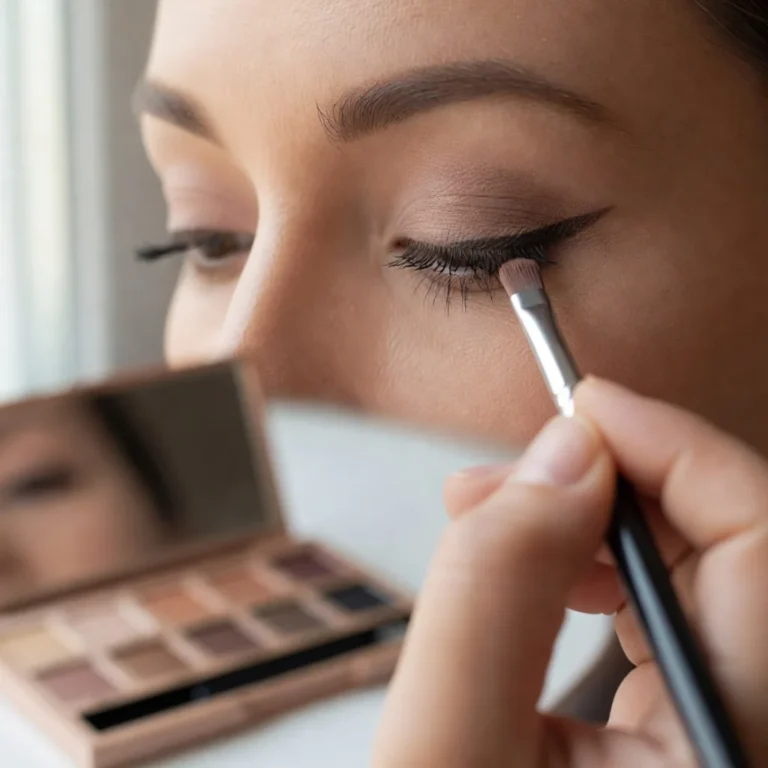
- Eyeshadow primer: helps shadow stay vivid and stops creasing on oily or hooded lids.
- Lip primer: smooths lips and helps lipstick last and bleed less into fine lines.
- Mascara primer: a base coat that can add length and help mascara hold curl.
- Setting sprays with priming claims: used before and after makeup to help it last.
Eye primers are the most useful of these for many people, because eyelids produce oil and fold constantly, which makes shadow crease. A thin layer of eye primer, or even a little concealer set with powder, can make shadow last far longer.
As with face primer, less is more. A thin layer set for a minute works better than a thick one, and removing everything gently at night keeps the delicate skin around the eyes and lips healthy.
Dos and Don’ts
Good Habits
- Choose a primer for your specific concern
- Use a pea-sized amount
- Let sunscreen set before primer
- Match primer and foundation bases
- Remove makeup thoroughly at night
Common Mistakes
- Use primer instead of sunscreen
- Layer too much product
- Rub pore-filling primer across the whole face
- Apply foundation before primer sets
- Mix very different formulas without testing
Honest Limits
Makeup primers have not been studied much in clinical research, and most claims come from brands. Results depend on your skin type, the foundation you use and how you layer products.
Primer cannot change your skin itself. It will not shrink pores permanently, cure oiliness or repair dry skin. For those concerns, skincare and, where needed, advice from a dermatologist will do more than any primer. Think of primer as a finishing tool for makeup rather than a treatment, and choose one only if it solves a problem you can actually see.
When to See a Dermatologist
- Primer or makeup causes redness, itching or a rash.
- You get breakouts where you apply primer.
- Your skin is very oily or very dry despite a good routine.
- Redness under your makeup is persistent and may be rosacea.
This article is for general information and does not replace professional medical advice. See a board-certified dermatologist if makeup irritates your skin or for persistent skin concerns.
Questions People Ask
What is the purpose of makeup primer?
To create a smoother, more even base so makeup applies better and lasts longer.
Do I need primer?
Not always; it helps most with oily, dry or textured skin.
How much primer should I use?
About a pea-sized amount for the whole face.
Does primer go before or after sunscreen?
After sunscreen, before foundation.
Is makeup base the same as primer?
Often used interchangeably; base can also mean anything worn under foundation.
Can primer replace sunscreen?
No, use a separate sunscreen.
Which primer is best for oily skin?
A mattifying primer on oily areas.
Which primer is best for dry skin?
A hydrating or gripping primer.
Why does my primer pill?
Too much product or mixing incompatible bases.
Does primer shrink pores?
It blurs them temporarily but does not shrink them.
Where This Leaves You
Makeup primer creates a smoother, more even surface so foundation applies better and lasts longer. The right type depends on your concern: mattifying for oil, hydrating for dryness, blurring for pores and colour-correcting for redness.
Use a pea-sized amount after sunscreen, let it set before foundation, match it to your foundation base and remember that primer never replaces sunscreen.

Written by
Registered pharmacist and founder of Facial Adviser. Rakib's pharmacy training covers how skincare actives work and interact; a later course in cosmetology turned that into a focus on facial treatments and skincare products. He plans, researches and edits every guide on the site and checks health claims against sources such as the American Academy of Dermatology, the FDA and the NIH. He is not a dermatologist; see the Editorial Policy and Medical Disclaimer.
About · Editorial policy · How we choose products · Medical disclaimer · Contact
Keep reading: Foundation, BB cream and base
- How to Find the Right Shade of Makeup: Undertone, Depth and Testing
- 10 Best Facial Primers for Mature Skin (2026): Smooth, Glowing Base
- Does BB Cream Have SPF? How Much Protection It Really Gives
- Is BB or CC Cream Better? Differences, Skin Types and How to Choose
- How to Apply BB Cream: Step-by-Step for a Smooth, Natural Finish
- Does BB Cream Clog Pores? Oily Skin, Ingredients and Safe Removal
- What Can You Use to Make Your Makeup Stay On All Day? 9 Products and Tricks
- How to Get Started as a Freelance Makeup Artist: Training, Kit and Clients