Silicone vs Water-Based Cosmetics: How to Tell Them Apart and Pair Them
If your foundation pills, streaks or slides off by lunchtime, the problem may not be the foundation itself. It may be the combination of products underneath it. One of the most common reasons makeup layers badly is mixing products with different bases, especially silicone-based and water-based formulas.
Part of our guide to cosmetic science. Start with: How to Read a Cosmetic Ingredient List: A Beginner Guide
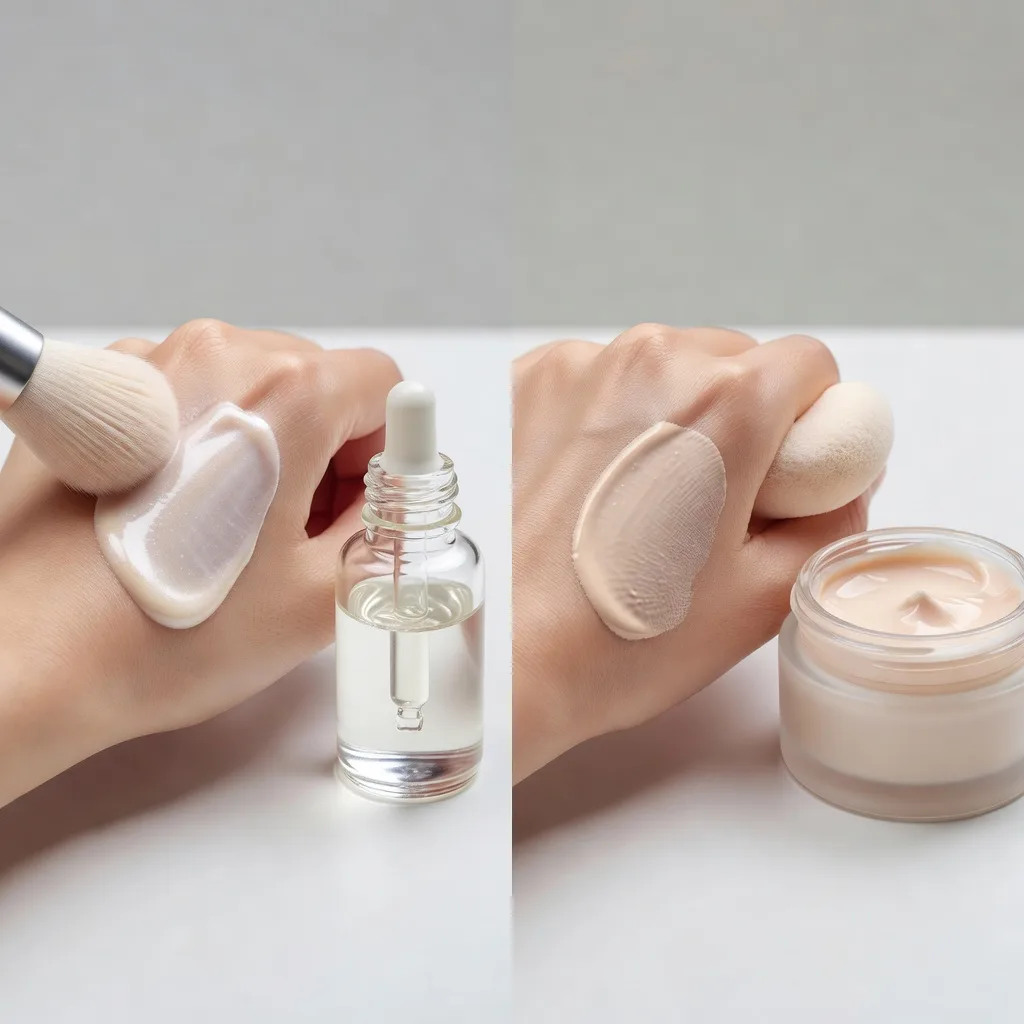
Silicone-based cosmetics list a silicone such as dimethicone, cyclopentasiloxane or another ingredient ending in -cone or -siloxane among the first few ingredients. They feel silky, blur pores, resist water and create a smooth film. Water-based cosmetics list water (aqua) first and have few or no silicones near the top. They feel lighter and fresher and often suit dry or dehydrated skin. Silicone and water-based products can be layered, but they sometimes pill or separate, especially when a water-based product goes over a heavy silicone layer. Matching the base of your primer and foundation, using thin layers and waiting between steps usually solves the problem.
Neither type is better. They behave differently, suit different skin types and feel different on the skin. The goal is to know which you are using so you can pair products that work together.
Ingredients on cosmetic labels are listed in descending order of amount, as the FDA’s cosmetics labeling guide explains, which is what makes it possible to work out a product’s base from the first few ingredients.
This guide explains how to identify each type, how they differ, which suits your skin and how to layer them without pilling.
Shopping these picks?
Amazon Prime members get fast, free shipping on eligible items, plus Prime Video, Amazon Music and member deals. New members can start with a free trial.
Start a free Prime trialAged 18 to 24? Prime for Young Adults comes with a longer free trial and a lower price after it.
Affiliate link: we may earn a commission at no extra cost to you.
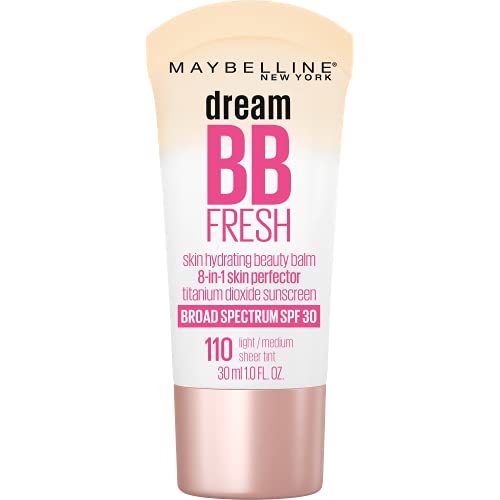
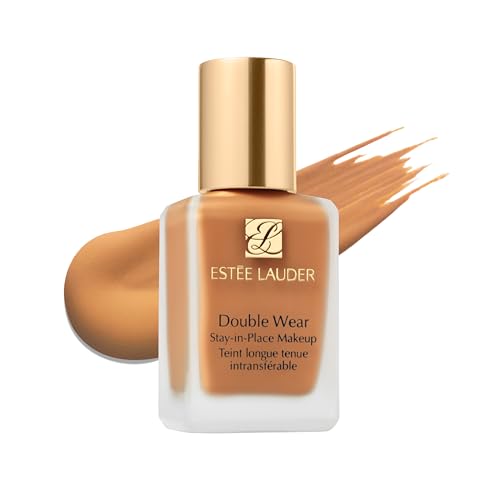
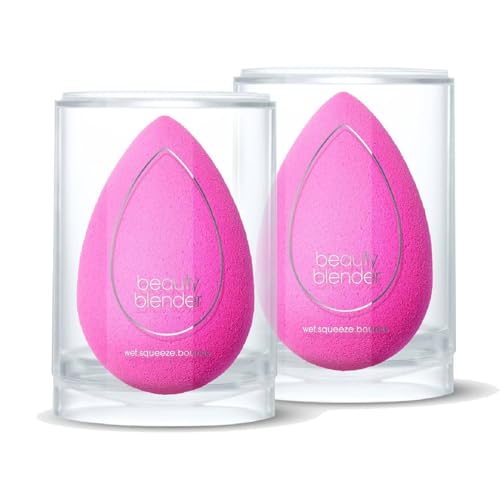
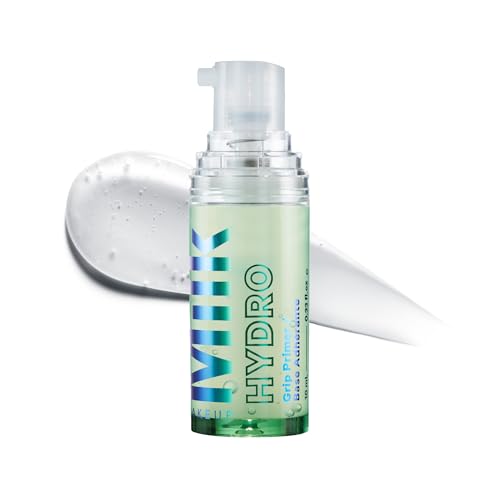
Recommended Silicone-Based and Water-Based Base Products



In This Guide
- How to Tell If a Product Is Silicone or Water-Based
- How Silicone and Water-Based Cosmetics Differ
- Why Mixing Bases Can Cause Pilling
- How to Check and Pair Your Base Products
- Which Base Suits Your Skin Type
- Layering Skincare, Sunscreen and Makeup
- Concealer, Setting Spray and Removal
- Common Myths About Silicones
- Dos and Don’ts
- Honest Limits
- When to See a Dermatologist
- Questions People Ask
- Summing Up
Quick Answer
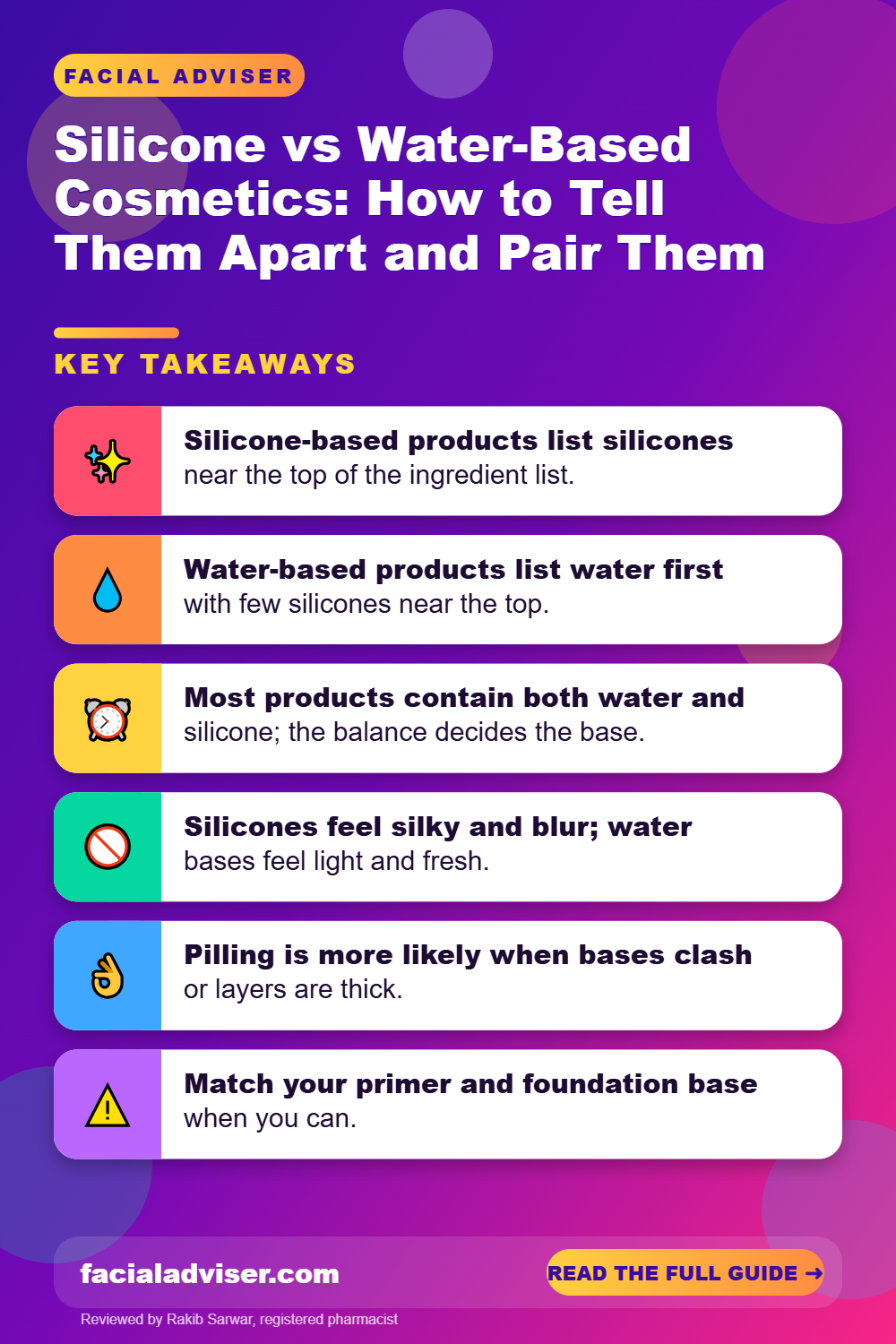
- Silicone-based products list silicones near the top of the ingredient list.
- Water-based products list water first with few silicones near the top.
- Most products contain both water and silicone; the balance decides the base.
- Silicones feel silky and blur; water bases feel light and fresh.
- Pilling is more likely when bases clash or layers are thick.
- Match your primer and foundation base when you can.
- Thin layers and short waits between steps prevent most problems.
How to Tell If a Product Is Silicone or Water-Based
Turn the product over and read the first five or so ingredients. Because ingredients are listed in descending order of concentration, the ones at the top make up most of the formula.
| What you see near the top | Likely base | Examples on labels |
|---|---|---|
| Water (aqua) first, no silicones in top five | Water-based | Aqua, glycerin, butylene glycol, propanediol |
| Silicone first or second | Silicone-based | Dimethicone, cyclopentasiloxane, cyclohexasiloxane |
| Water first with silicones in positions two to four | Water-in-silicone or hybrid | Aqua, dimethicone, cyclopentasiloxane |
| Oils or esters near the top | Oil-based | Caprylic/capric triglyceride, squalane, plant oils |
Common silicone endings include -cone, -conol, -silane and -siloxane. Look for names such as dimethicone, cyclomethicone, trimethylsiloxysilicate, phenyl trimethicone and dimethicone crosspolymer.
The FDA’s cosmetics labeling guide explains that ingredients must be listed in descending order of predominance, with ingredients at one percent or less allowed in any order after that.
Most foundations contain both water and silicones. What matters for layering is which one dominates. A foundation with water first but three silicones right after often behaves like a silicone-based product.
How Silicone and Water-Based Cosmetics Differ
| Feature | Silicone-based | Water-based |
|---|---|---|
| Feel | Silky, slippery, velvety | Light, fresh, sometimes slightly tacky |
| Finish | Smooth, blurred, often soft matte | Natural to dewy |
| Wear | Often longer, more water-resistant | Can be shorter on oily skin |
| Pore blurring | Strong | Mild |
| Best for | Oily, combination and textured skin | Dry, dehydrated and sensitive skin |
| Removal | May need a cleansing oil or balm | Removes easily with regular cleanser |
Silicones form a thin, breathable film that fills in fine lines and pores, which is why silicone primers are so popular for a smooth base. That same film helps makeup resist sweat and water. Our guide on what makes foundation waterproof explains how film formers and silicones extend wear.
Silicones also give products their slip, the smooth glide you feel as you spread them. Volatile silicones such as cyclopentasiloxane evaporate within minutes, leaving the pigments and non-volatile silicones behind, which is why some silicone foundations feel wet at first and then set quickly. That quick set is useful for long wear but means you have less time to blend, so working in sections helps. Water-based formulas usually rely on humectants such as glycerin to feel hydrating. They sink in quickly and give a more skin-like finish, but may not blur texture as well or last as long on oily skin.
Why Mixing Bases Can Cause Pilling
Pilling happens when layers do not bind together and roll into small balls as you rub or blend. It is often blamed on silicone and water clashing, and there is some truth in that, but thick layers and not waiting between steps are just as often the cause.
Silicone films are slippery and water-repellent. When a water-heavy product goes on top, it can struggle to grip and may bead, streak or lift the layer underneath. A silicone product over a water-based layer usually sits better, because the silicone spreads easily over the surface.
Other factors make pilling worse: heavy amounts of product, rubbing instead of pressing, film-forming ingredients in sunscreen, and applying makeup over skincare that has not settled. Our guide on why foundation separates by midday covers these causes in more detail.
Do not keep piling on more product to cover pilling. Remove the balled-up layer gently with a damp sponge or cleanser, let skin settle and reapply thinner layers.
How to Check and Pair Your Base Products
Read the first five ingredients
Identify whether each product is water-based, silicone-based or a hybrid.
Match primer and foundation
Pair silicone primer with silicone foundation and water-based primer with water-based foundation where possible.
Order from water to silicone
If mixing, apply the water-based layer first and the silicone-based layer on top.
Use thin layers
Apply a pea-sized amount of primer and build foundation gradually.
Wait between steps
Give each layer one to two minutes to settle before the next.
Press, do not rub
Use a damp sponge or fingertips to press foundation in rather than buffing hard.
Try a quick test on the back of your hand. Apply your primer, wait a minute, then add foundation. If it beads or pills there, it will likely do the same on your face.
Which Base Suits Your Skin Type
Oily and combination skin: silicone-based primers and foundations often wear longer, blur pores and control shine better. A mattifying silicone primer on the T-zone is a common choice. Dry and dehydrated skin: water-based products with humectants usually feel more comfortable and look less flat. A hydrating gel moisturiser under a water-based foundation gives a fresh finish. Our guide on what emollients are explains how to add softness without heaviness. Acne-prone skin: both types can work. Silicones such as dimethicone are generally considered non-comedogenic. The AAD’s acne skin care tips suggest choosing products labelled non-comedogenic and removing makeup every night. Sensitive skin: simple formulas of either type are best. Fragrance is a more common cause of irritation than the base itself. Mature skin: silicone primers can soften the look of fine lines, while water-based foundations often look more natural. Many people combine the two, keeping layers thin.Layering Skincare, Sunscreen and Makeup
The same rules apply to skincare. Many serums are water-based, while many sunscreens and moisturisers contain silicones. Applying skincare from thinnest to thickest, and from water-based to silicone-based, usually gives the smoothest result.
Sunscreen is the step most likely to cause pilling because many sunscreens contain film formers and silicones. Let sunscreen set for a few minutes before primer or foundation, and try pairing it with a foundation of the same base.
- Water-based serum, then silicone-based moisturiser: usually fine.
- Silicone sunscreen, then silicone primer and foundation: usually fine.
- Silicone primer, then water-based foundation: sometimes pills; use thin layers.
- Heavy oil, then silicone foundation: may slide; blot excess oil first.
Our guide on how mixing two products affects finish covers how combining products also changes the final look.
Concealer, Setting Spray and Removal
Concealer. The same pairing rules apply. A silicone-heavy concealer over a water-based foundation usually sits well, but a very watery concealer over a silicone foundation may streak. Tap concealer on in a thin layer after foundation has set. Cream blush and highlighter. Cream products are often silicone- or oil-based. They blend most easily over a foundation that has not been powdered yet. If they drag or lift the base, try pressing them in with a fingertip rather than swiping. Setting sprays. Most setting sprays are water- or alcohol-based with film formers. They sit on top of either base without problems, but spraying too close or too heavily can make a silicone base look patchy. Mist from arm’s length and let it dry without touching. Removal. Silicone-based and long-wear makeup often needs more than a quick splash of water. A cleansing oil or balm dissolves silicones and film formers, followed by a gentle cleanser. Water-based makeup usually comes off with a regular cleanser or micellar water.Removing makeup thoroughly every night matters more for your skin than whether you choose a silicone or water-based formula. Residue left overnight is a more common cause of congestion than the base itself.
Common Myths About Silicones
Silicones suffocate the skin. Cosmetic silicones form a thin, breathable film. They do not block oxygen or stop the skin functioning. Silicones always cause breakouts. Common silicones such as dimethicone are generally considered non-comedogenic. Breakouts are more often caused by heavy oils, poor removal or other ingredients. Water-based always means better for skin. Water-based products are not automatically gentler. They often need more preservatives because water supports microbial growth. You can never mix bases. Many people layer silicone and water-based products without problems. Thin layers and patience matter more than strict rules.Dos and Don’ts
Helps
- Read the first five ingredients
- Match primer and foundation bases when possible
- Apply water-based layers before silicone ones
- Let each layer settle
- Press foundation in with a damp sponge
Backfires
- Pile on thick layers of primer
- Rub foundation hard over primer
- Apply makeup over wet sunscreen
- Assume silicones clog pores
- Keep adding product over pilling
Honest Limits
Real formulas are more complex than a simple silicone or water label. Emulsifiers, film formers, powders and polymers all affect how products layer, so two silicone-based products may still not work well together.
The only reliable test is trying your combination on your own skin. If a pairing works for you, there is no need to change it just because the bases do not technically match.
Skin also changes with the weather and your skincare routine, so a combination that works in winter may pill in summer when you are using more sunscreen or sweating more.
When to See a Dermatologist
- You break out regularly after using makeup.
- Makeup causes redness, itching or a rash.
- Your skin is very oily or very dry despite a simple routine.
- You are unsure which products suit a skin condition such as rosacea or eczema.
This article is for general information and does not replace professional medical advice. See a dermatologist for persistent skin concerns.
Questions People Ask
How can I tell if my foundation is silicone-based?
Look for dimethicone or another -cone or -siloxane ingredient in the first few ingredients.
How can I tell if a product is water-based?
Water is listed first and there are few or no silicones near the top.
Can I mix silicone and water-based products?
Often yes, but they can pill; use thin layers and apply water-based first.
Why does my foundation pill over primer?
Mismatched bases, thick layers, rubbing or not waiting between steps.
Are silicones bad for skin?
Common cosmetic silicones are generally considered safe and non-comedogenic.
Which base is better for oily skin?
Silicone-based products often wear longer and blur pores on oily skin.
Which base is better for dry skin?
Water-based products with humectants often feel more comfortable.
Does sunscreen affect how makeup layers?
Yes. Let sunscreen set and try pairing it with a foundation of the same base.
Do silicones clog pores?
Dimethicone and similar silicones are generally considered non-comedogenic.
What order should I apply products in?
Thinnest to thickest, and water-based before silicone-based.
Summing Up
Silicone-based cosmetics list silicones near the top of the ingredient list and feel silky and long-wearing. Water-based cosmetics list water first and feel lighter and fresher. Most products contain both, and the balance decides how they behave.
Read the first five ingredients, match your primer and foundation where possible, apply water-based layers first and keep every layer thin. Those simple habits prevent most pilling and help your base last longer.

Written by
Registered pharmacist and founder of Facial Adviser. Rakib's pharmacy training covers how skincare actives work and interact; a later course in cosmetology turned that into a focus on facial treatments and skincare products. He plans, researches and edits every guide on the site and checks health claims against sources such as the American Academy of Dermatology, the FDA and the NIH. He is not a dermatologist; see the Editorial Policy and Medical Disclaimer.
About · Editorial policy · How we choose products · Medical disclaimer · Contact
Keep reading: How cosmetics are made
- How to Read a Cosmetic Ingredient List: A Beginner Guide
- How Mica Creates Shimmer in Makeup: The Science of Sparkle
- Filler vs Pigment in Makeup: What Each Does and Why It Matters
- How to Choose Cruelty-Free Brands: Logos, Loopholes and What to Check
- Pigment vs Dye in Makeup: Why Some Colours Stain and Others Wipe Off
- What Is the Soft-Focus Effect in Makeup? How Blurring Products Work