What Is the Soft-Focus Effect in Makeup? How Blurring Products Work
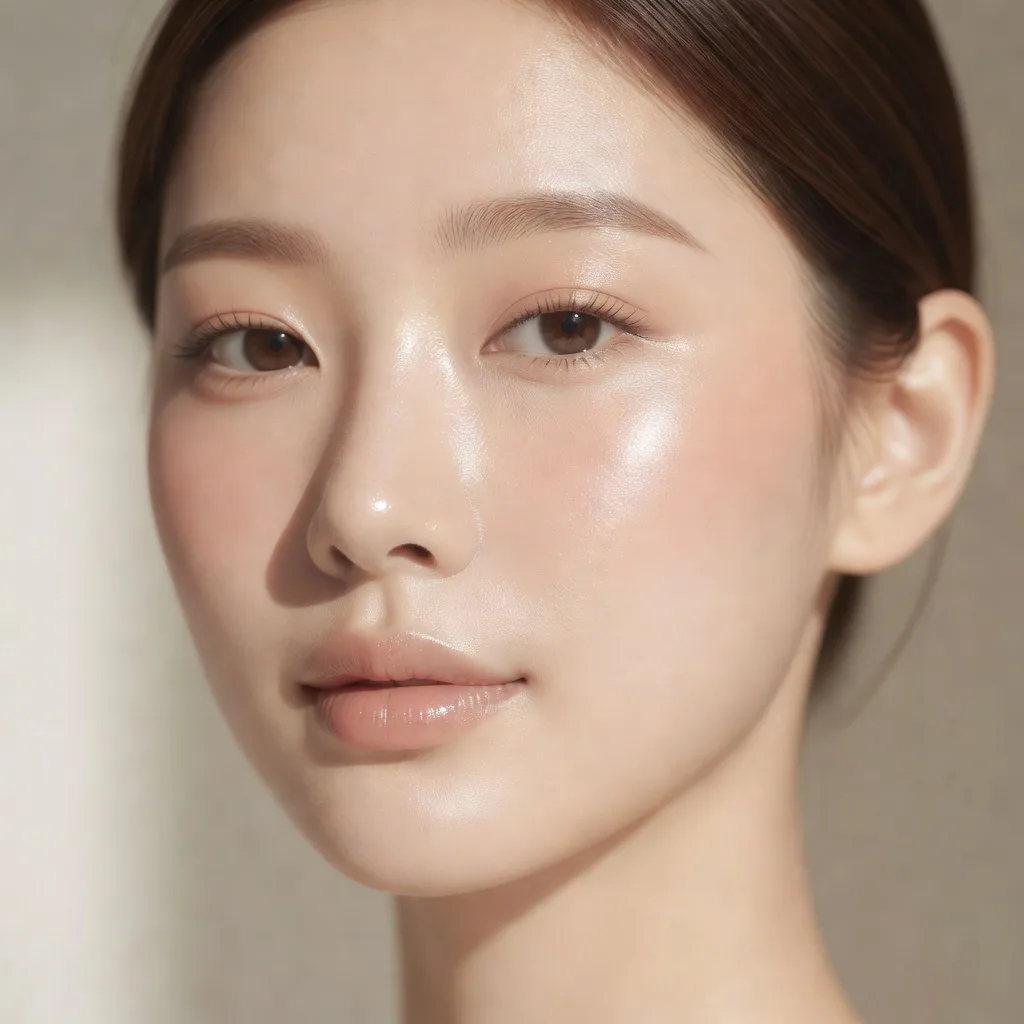
Soft focus, blurring and airbrushed are some of the most common claims on primers, powders and foundations. They promise the smooth, slightly hazy look of a flattering photo filter, with pores, fine lines and uneven texture looking less obvious.
Part of our guide to cosmetic science. Start with: How to Read a Cosmetic Ingredient List: A Beginner Guide
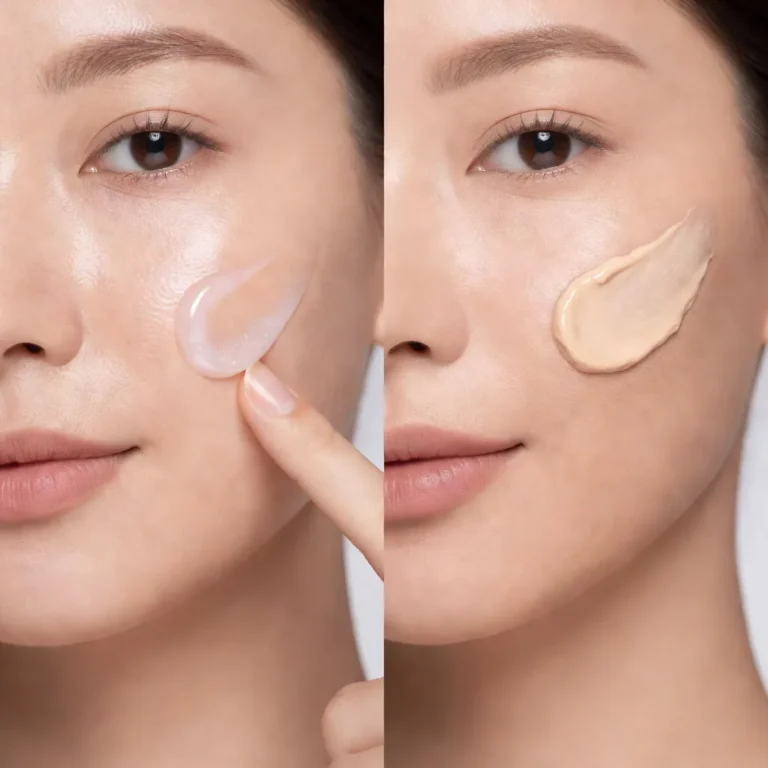
The soft-focus effect is an optical trick. Soft-focus products contain spherical or finely milled particles, such as silica, nylon, polymethyl methacrylate, boron nitride and silicone elastomers, that scatter light in many directions instead of reflecting it straight back. That diffused light softens the shadows inside pores and lines, so the surface looks smoother. Silicones fill small gaps and create an even surface for light to hit. The result is a blurred, velvety finish that sits between matte and satin. It does not change the skin itself, and the effect lasts only while the product is on your face.
Soft focus is different from shimmer. Shimmer reflects light in one direction and can highlight texture, while soft-focus particles scatter light evenly and hide it. That is why the two are often combined carefully, if at all.
The American Academy of Dermatology notes that pores often look larger on oily skin, which is one reason blurring primers and powders are so popular with people who have oily or combination skin.
This guide explains how soft-focus products work, which ingredients create the effect, who they suit, how to apply them and what they can and cannot do.
Shopping these picks?
Amazon Prime members get fast, free shipping on eligible items, plus Prime Video, Amazon Music and member deals. New members can start with a free trial.
Start a free Prime trialAged 18 to 24? Prime for Young Adults comes with a longer free trial and a lower price after it.
Affiliate link: we may earn a commission at no extra cost to you.
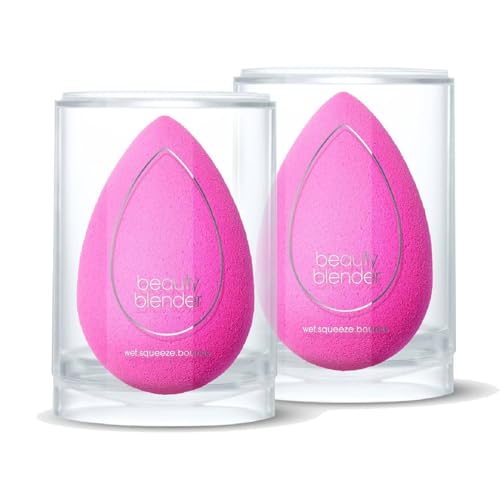
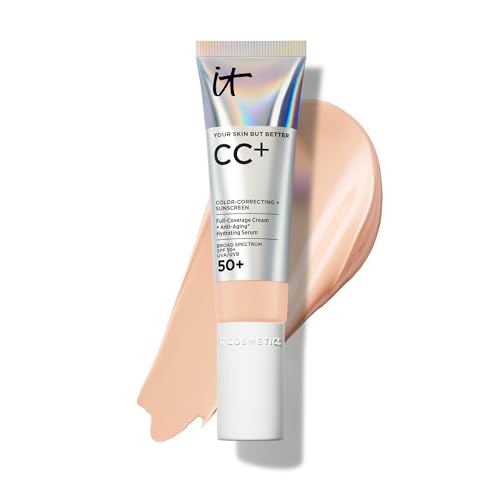
Recommended Blurring Primers and Powders



What This Covers
- How the Soft-Focus Effect Works
- Ingredients That Create a Soft-Focus Finish
- Types of Soft-Focus Products
- Soft Focus vs Matte vs Dewy
- How to Apply Soft-Focus Products for a Blurred Finish
- Who Soft-Focus Products Suit
- Layering Soft-Focus Products Without Pilling
- Common Mistakes With Blurring Products
- Dos and Don’ts
- Honest Limits
- When to See a Dermatologist
- Your Questions, Answered
- Where This Leaves You
What to Know First
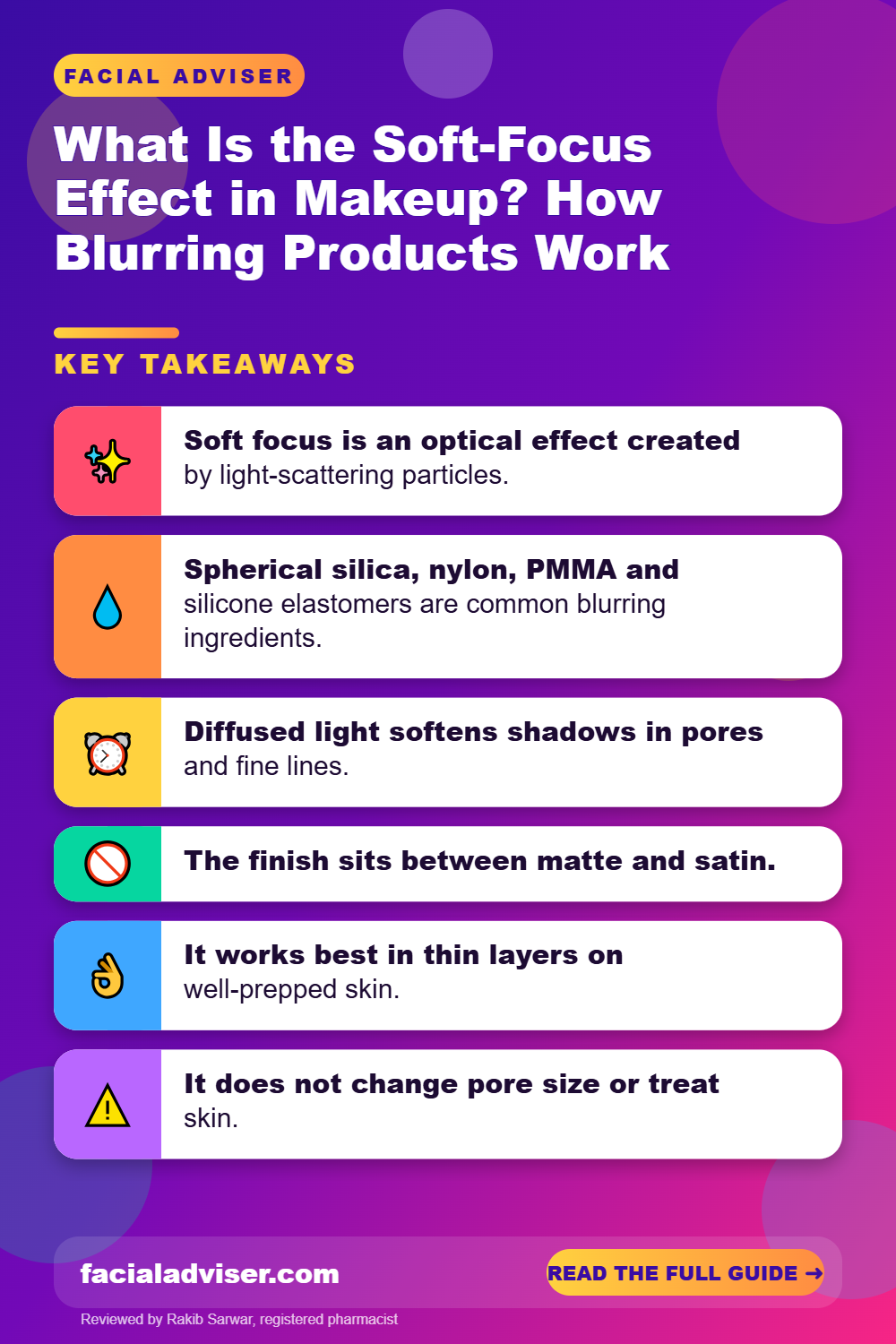
- Soft focus is an optical effect created by light-scattering particles.
- Spherical silica, nylon, PMMA and silicone elastomers are common blurring ingredients.
- Diffused light softens shadows in pores and fine lines.
- The finish sits between matte and satin.
- It works best in thin layers on well-prepped skin.
- It does not change pore size or treat skin.
- Too much blurring powder can look flat or cakey.
How the Soft-Focus Effect Works
When light hits uneven skin, it reflects differently from raised and sunken areas. Pores, lines and bumps create tiny shadows, and those shadows are what make texture visible.
Soft-focus particles scatter light in many directions, a process called diffuse reflection. Instead of one bright reflection and one dark shadow, you get an even glow across the whole surface. The shadows become less distinct, and texture appears softer.
The effect is similar to the way a frosted window or a lampshade softens light. Light still passes through and reaches your eyes, but it arrives from many directions at once, so edges and shadows look less sharp.
Particle shape matters. Round, spherical particles scatter light evenly and roll over the skin, which gives a smooth feel as well as a smooth look. Many blurring ingredients are also slightly translucent, so they soften texture without adding a heavy, opaque layer.
Soft focus is sometimes called optical blurring or light diffusion. These terms describe the same effect: making texture less visible by changing how light bounces off the skin.
Ingredients That Create a Soft-Focus Finish
| Ingredient | What it does | Where you find it |
|---|---|---|
| Spherical silica | Scatters light, absorbs some oil | Blurring powders, primers, foundations |
| Nylon-12 | Soft, round particles that diffuse light | Setting powders, pressed powders |
| Polymethyl methacrylate (PMMA) | Smooth spheres that blur and add slip | Primers, foundations, powders |
| Boron nitride | Silky, light-diffusing powder | Finishing powders, luxury foundations |
| Silicone elastomers | Fill fine lines and create a velvety surface | Blurring primers, serums |
| Fine mica or pearl at low levels | Adds subtle luminosity without sparkle | Radiant soft-focus foundations |
Many soft-focus products combine several of these. A primer might pair silicone elastomers to fill texture with silica spheres to scatter light, while a powder might use nylon and silica for a feather-light finish.
Mica is a special case. At very fine particle sizes and low amounts it adds a soft glow, but larger mica flakes create shimmer that can emphasise texture. Our guide on how mica creates shimmer explains the difference.
Types of Soft-Focus Products
Blurring primers. These are usually silicone-based gels or creams with light-scattering powders. They fill pores and fine lines and create a smooth base. Many people wear them alone on no-makeup days, because they soften texture without adding colour. Soft-focus foundations and skin tints. These build blurring particles into the base itself. They are usually medium coverage with a velvety or soft matte finish and are a good option if you prefer fewer layers. Blurring powders. Loose and pressed powders with silica, nylon or boron nitride set makeup and blur at the same time. They are the most effective for shine control but also the easiest to overdo. Blurring concealers. Some concealers include soft-focus particles so they do not look heavy under the eyes. A thin layer is usually more effective than building coverage. Skincare with a blurring effect. Some moisturisers, serums and sunscreens include silica or silicone elastomers to give an instant smoothing effect. They are useful for a natural look, but their blurring is subtler than a dedicated primer.Choosing just one or two of these, rather than layering every type, usually gives the most natural result. Layering several blurring products can make skin look flat or powdery.
Soft Focus vs Matte vs Dewy
| Finish | How it treats light | Look | Texture visibility |
|---|---|---|---|
| Matte | Absorbs light, little reflection | Flat, shine-free | Can make dry texture more obvious |
| Soft focus | Scatters light evenly | Velvety, blurred, natural | Minimised |
| Satin | Soft reflection | Skin-like sheen | Moderate |
| Dewy or glowy | Strong reflection | Luminous, wet-look | Can emphasise texture |
Soft-focus finishes also tend to look more modern than heavy matte, because some light still reaches the skin and it keeps a little life. Soft focus is often the most flattering finish for people who want shine control without the flat look of a full matte. It is a good middle ground for combination skin and for photos, since diffused light avoids both glare and heavy shadows.
Our guide on matte versus satin finishes explains how the main foundation finishes compare.
How to Apply Soft-Focus Products for a Blurred Finish
Prep the skin
Cleanse and moisturise so the surface is smooth and hydrated.
Let skincare settle
Wait a few minutes after sunscreen and moisturiser.
Press primer into textured areas
Use a small amount and press, do not rub, into pores on the nose, cheeks and forehead.
Apply a thin base
Use a damp sponge to press foundation in rather than layering thickly.
Set with a light hand
Press or lightly dust blurring powder only where needed.
Check in daylight
Look for any patches where powder has built up and buff them away.
Pressing primer into pores with a fingertip works better than swiping. Swiping moves product around, while pressing fills the texture and leaves a smoother surface.
Who Soft-Focus Products Suit
Oily and combination skin: soft-focus powders and primers often contain oil-absorbing silica, which helps control shine while blurring pores. The AAD’s advice for oily skin includes using oil-free products, and many blurring primers are oil-free. Mature skin: soft focus can make fine lines look softer, but heavy powders can settle into them. Silicone-based blurring primers and cream products usually look better than lots of powder. Dry skin: blurring powders can emphasise dry patches. Focus on hydrating skincare, use a smoothing primer and keep powder to a minimum. Acne-prone skin: blurring products can soften the look of texture, but they cannot hide raised spots completely. Choose non-comedogenic formulas and remove makeup thoroughly every night. Deeper skin tones: some white blurring powders can look ashy or grey on deeper skin. Tinted or truly translucent versions, applied in a very thin layer, avoid this. Checking the finish in daylight before committing to a full face is especially worthwhile. Enlarged pores: soft-focus primers are one of the most effective makeup tools for making pores look smaller, though the pores themselves do not change.Layering Soft-Focus Products Without Pilling
Many blurring primers are silicone-heavy, which can cause pilling if you layer a very water-based foundation on top. Matching the base of your primer and foundation, using thin layers and waiting a minute between steps usually prevents problems.
Our guide on silicone versus water-based cosmetics explains how to check and pair your products.
If you use both a blurring primer and a blurring powder, you may not need a full-coverage foundation at all. A light skin tint or concealer where needed, sandwiched between the two, often looks the most natural.
Timing also matters. Blurring powders work best pressed on while foundation is still slightly tacky, which helps them grip and blend into the base rather than sitting on top. If your foundation has fully set, use an even lighter touch and a fluffy brush so the powder does not sit on the surface.
Do not rely on soft-focus foundations or powders with SPF as your only sun protection. You would need to apply far more than is practical to reach the SPF on the label. Wear sunscreen underneath.
Common Mistakes With Blurring Products
- Using too much. Thick layers of blurring powder look flat, grey or cakey rather than smooth.
- Rubbing primer in. Swiping moves product out of pores; pressing fills them.
- Powdering dry patches. Blurring powder clings to flakes and makes them more obvious.
- Skipping skincare. Soft focus works best on hydrated, smooth skin.
- Ignoring flash. Some silica-heavy powders can create a white cast in flash photos; check before events.
Flashback happens because some blurring particles reflect camera flash strongly. Using less powder, choosing a tinted rather than pure white version and pressing it in well usually solves the problem. Mineral sunscreen can do the same, as explained in our guide on physical versus chemical SPF.
Dos and Don’ts
Good Habits
- Press primer into pores
- Use thin layers
- Hydrate skin before blurring products
- Set only where needed
- Check makeup in daylight and flash
Common Mistakes
- Pile on blurring powder
- Swipe primer across the face
- Apply powder over dry flakes
- Expect pores to shrink permanently
- Rely on makeup SPF alone
Honest Limits
Soft focus is an optical illusion. It changes how light bounces off the surface, not the skin itself. Pores, lines and scars look the same as soon as the product is removed.
The effect varies with lighting. Blurring is most noticeable in soft, diffused light and in photos, and less so in harsh overhead lighting or close up.
Results also depend on your skin. Very deep pores, raised scars or active breakouts can be softened but not hidden completely by any makeup, and trying to cover them with more product usually makes them more visible. Treating the underlying skin concern with suitable skincare, or seeing a dermatologist, is the only way to change texture itself. Consistent sun protection, gentle exfoliation and treating active acne all help the skin underneath look smoother over time, which in turn makes any soft-focus product work better.
When to See a Dermatologist
- You have persistent acne or texture that makeup cannot soften.
- You have acne scars you would like to treat.
- Your skin is very oily despite a simple routine.
- You develop irritation, redness or breakouts from makeup.
This article is for general information and does not replace professional medical advice. See a dermatologist for persistent skin concerns.
Your Questions, Answered
What is the soft-focus effect in makeup?
An optical effect where light-scattering particles blur pores and fine lines.
How do blurring primers work?
They fill texture with silicones and scatter light with round particles.
What ingredients create soft focus?
Spherical silica, nylon, PMMA, boron nitride and silicone elastomers.
Is soft focus the same as matte?
No. Matte absorbs light; soft focus scatters it for a velvety look.
Does soft-focus makeup shrink pores?
No. It only makes them look smaller while you wear it.
Is soft-focus powder good for dry skin?
Use sparingly; it can cling to dry patches.
Why does my blurring powder look white in photos?
Some particles reflect flash; use less or a tinted version.
Can I use a blurring primer without foundation?
Yes. Many people wear it alone or with a light tint.
Is soft focus good for mature skin?
Yes, in thin layers, especially with silicone primers.
How should I apply blurring primer?
Press a small amount into textured areas with a fingertip.
Where This Leaves You
The soft-focus effect is an optical trick that uses light-scattering particles and smoothing silicones to make pores, lines and texture look softer. It gives a velvety finish between matte and satin.
Use thin layers on hydrated skin, press products in rather than rubbing and set only where needed. Soft focus can make skin look smoother in person and in photos, but it does not change the skin itself.

Written by
Registered pharmacist and founder of Facial Adviser. Rakib's pharmacy training covers how skincare actives work and interact; a later course in cosmetology turned that into a focus on facial treatments and skincare products. He plans, researches and edits every guide on the site and checks health claims against sources such as the American Academy of Dermatology, the FDA and the NIH. He is not a dermatologist; see the Editorial Policy and Medical Disclaimer.
About · Editorial policy · How we choose products · Medical disclaimer · Contact
Keep reading: How cosmetics are made
- How to Read a Cosmetic Ingredient List: A Beginner Guide
- What Does Paraben-Free Mean? Parabens, Safety and What Replaces Them
- Why Is Fragrance Added to Makeup? Reasons, Risks and Alternatives
- Can Cosmetics Cause Heart Disease? What the Evidence Actually Shows
- 8 Ways You Can Use Fragrance Oils Safely
- What Happens When Makeup Is Tested on Animals?