Matte vs Satin Finish: Which Foundation Finish Suits You?
Foundation labels describe finish as matte, soft matte, satin, natural, dewy or radiant, and it is not always obvious what separates them. The finish you choose affects how your skin looks in daylight and photos, how long your makeup lasts and how comfortable it feels.
Part of our guide to cosmetic science. Start with: How to Read a Cosmetic Ingredient List: A Beginner Guide
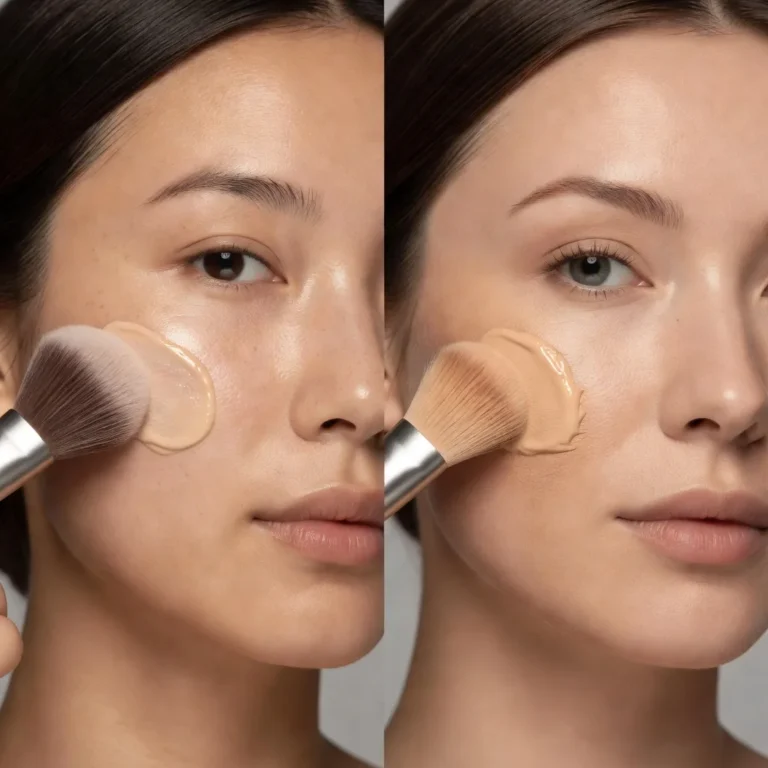
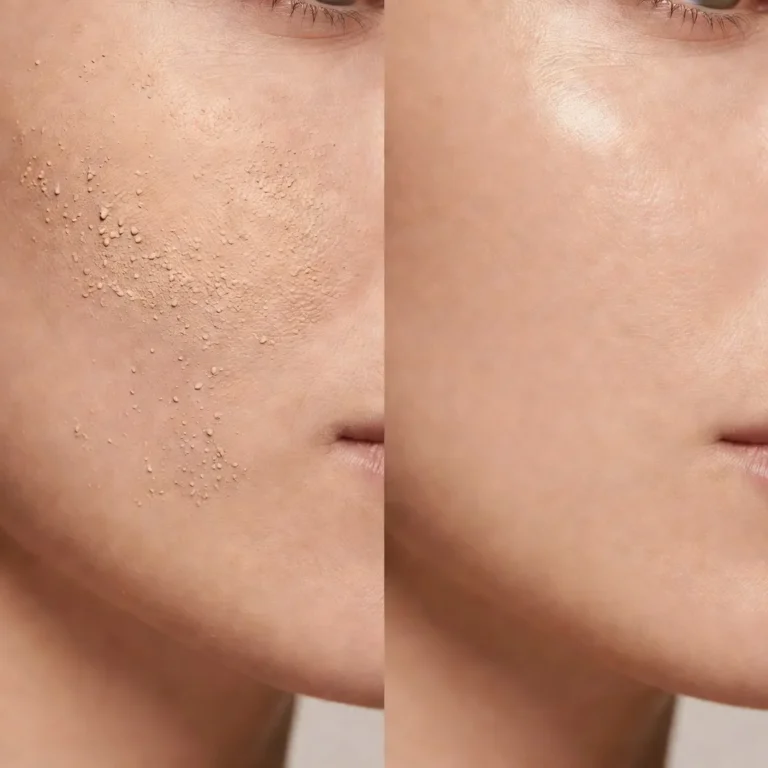
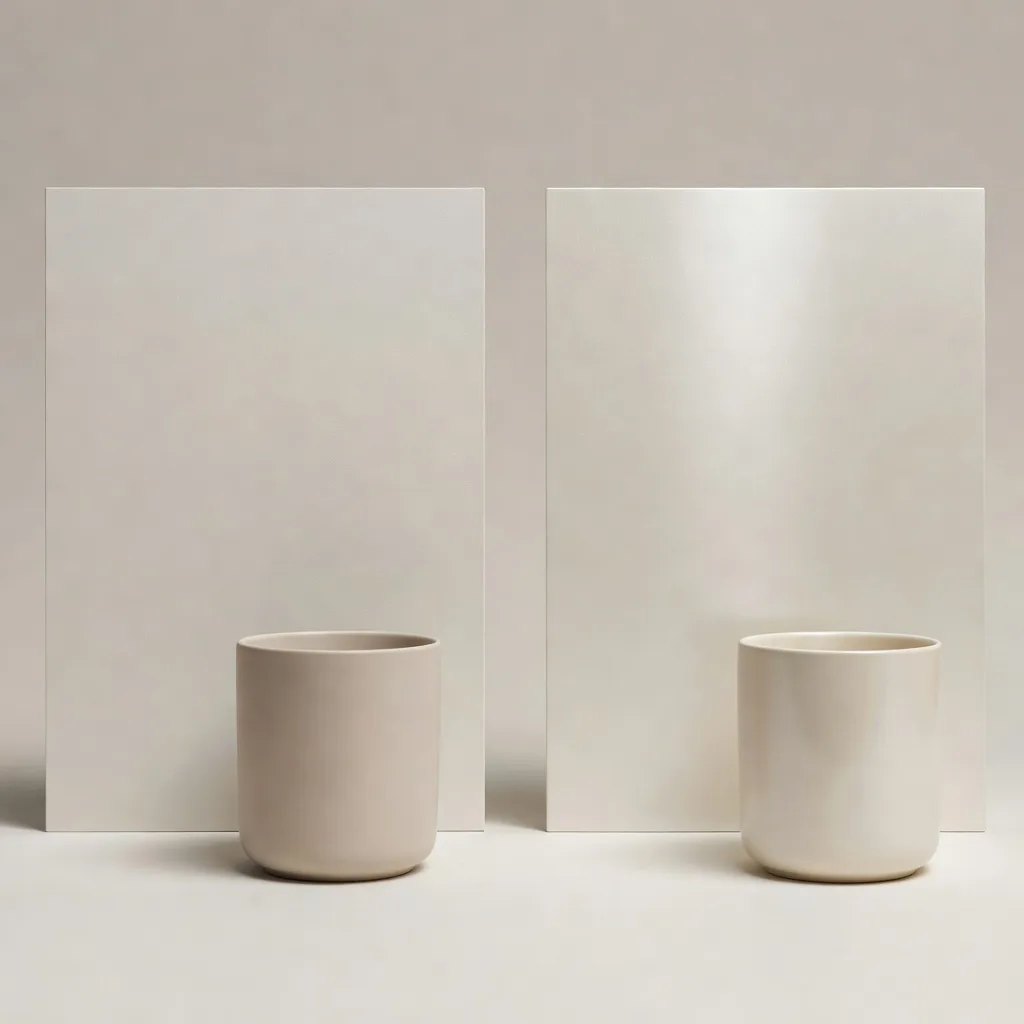
A matte finish has little or no shine. It controls oil, blurs the look of pores and usually lasts longer, which suits oily and combination skin, but it can look flat or cling to dry patches. A satin finish sits between matte and dewy: it has a soft, skin-like sheen without looking oily, and it tends to suit normal, dry and mature skin. The difference comes from the formula’s balance of oil-absorbing powders, silicones, oils and film formers. You can shift any finish by changing your skincare, primer, setting products or by mixing products.
There is no right or wrong finish. Many people wear matte in summer and satin in winter, or use a matte finish on the T-zone and a satin one on the cheeks.
Your skin type is the best starting point. The American Academy of Dermatology suggests oil-free products and blotting papers for oily skin, which is part of why matte finishes are so popular with oily and acne-prone skin.
This guide explains the main foundation finishes, how they are created, who each suits and how to adjust your finish without buying a new foundation.
Shopping these picks?
Amazon Prime members get fast, free shipping on eligible items, plus Prime Video, Amazon Music and member deals. New members can start with a free trial.
Start a free Prime trialAged 18 to 24? Prime for Young Adults comes with a longer free trial and a lower price after it.
Affiliate link: we may earn a commission at no extra cost to you.
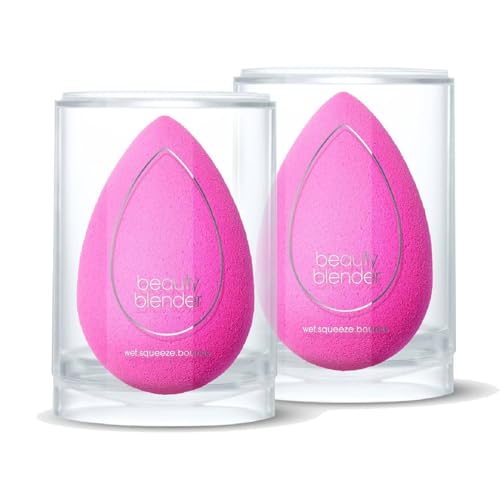
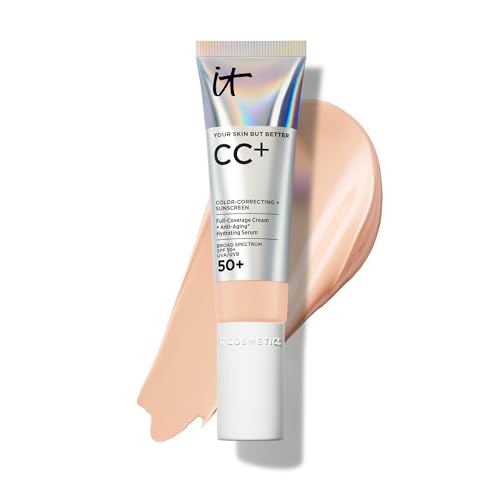
Recommended Matte, Satin and Radiant Products




The Short Version
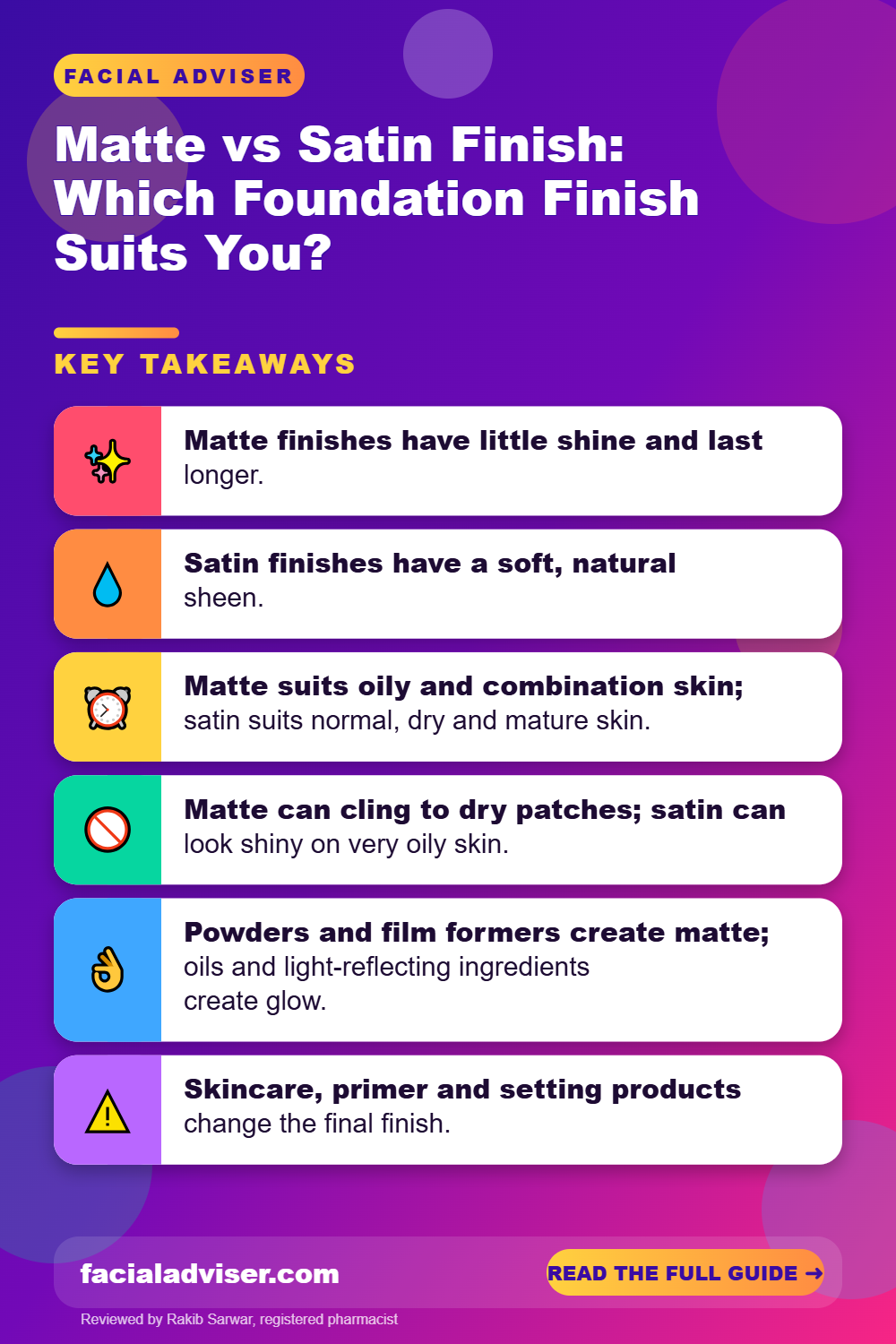
- Matte finishes have little shine and last longer.
- Satin finishes have a soft, natural sheen.
- Matte suits oily and combination skin; satin suits normal, dry and mature skin.
- Matte can cling to dry patches; satin can look shiny on very oily skin.
- Powders and film formers create matte; oils and light-reflecting ingredients create glow.
- Skincare, primer and setting products change the final finish.
- Many people use different finishes on different areas.
In This Guide
- The Foundation Finish Spectrum
- How Each Finish Is Created
- Matte Finish: Pros and Cons
- Satin Finish: Pros and Cons
- How to Choose and Adjust Your Foundation Finish
- Choosing by Skin Type
- Adjusting a Foundation You Already Own
- Finishes in Photos and Different Lighting
- Switching Finishes With the Seasons and Occasions
- Dos and Don’ts
- Honest Limits
- When to See a Dermatologist
- Questions People Ask
- Final Word
The Foundation Finish Spectrum
| Finish | Look | Best for | Watch out for |
|---|---|---|---|
| Matte | No shine, velvety | Oily and combination skin | Can look flat or cling to dry areas |
| Soft matte | Minimal shine, slightly skin-like | Combination and normal skin | May still feel dry on very dry skin |
| Satin or natural | Soft sheen, like healthy skin | Normal, dry and mature skin | Can look shiny on very oily skin by midday |
| Dewy | Noticeable glow | Dry and dull skin | Can look greasy on oily skin |
| Radiant or luminous | Light-reflecting glow | Dry or mature skin, special occasions | May highlight texture |
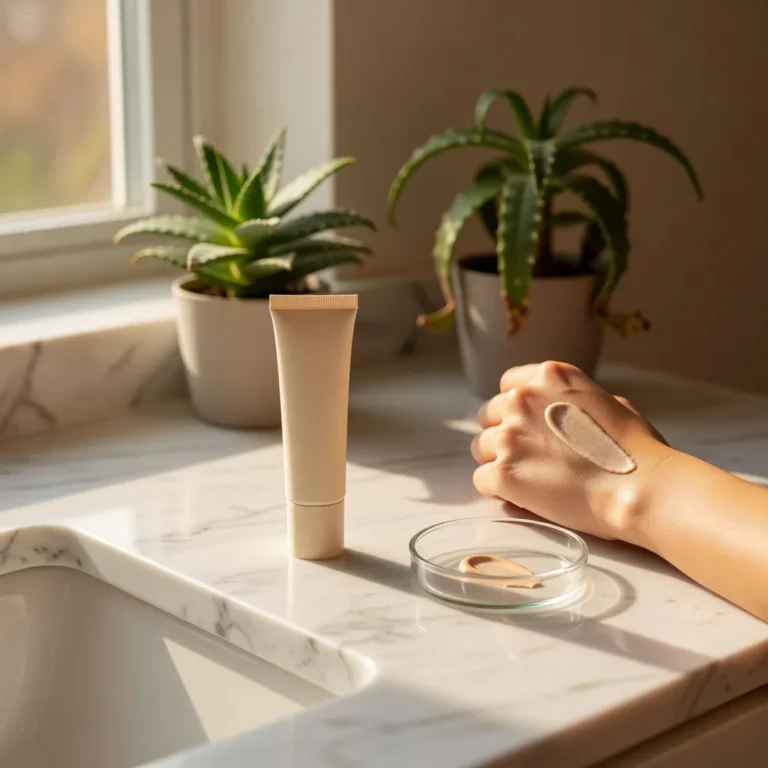
Brand terms vary. One brand’s natural finish may look closer to another’s satin, so it is worth judging finishes on skin rather than by the label alone. Swatching two finishes side by side on your jaw and checking them after an hour shows the difference far more clearly than any description.
Finish and coverage are separate. You can find sheer matte foundations and full-coverage satin ones. Choosing one does not decide the other.
How Each Finish Is Created
Matte formulas usually contain oil-absorbing powders such as silica, clays or starches, mattifying silicones and film formers that set to a smooth, non-shiny layer. They often contain little oil. Many long-wear foundations are matte for this reason, since the same ingredients that absorb shine also help the formula set and stay put. Satin formulas balance a smaller amount of oil-absorbing powder with light emollients or silicones that leave a subtle sheen. They are designed to look like skin rather than a coating. Dewy and radiant formulas contain more oils, humectants and light-reflecting particles such as fine pearl pigments, which bounce light back and create a glow. Some use very fine particles for a lit-from-within look, while others use larger ones for a more obvious shimmer.The skin underneath also plays a part. Oily skin makes any finish look shinier as the day goes on, while dry skin makes any finish look flatter. That is why the same foundation can be described as matte by one reviewer and satin by another.
Matte Finish: Pros and Cons
- Pros: controls shine, blurs pores, usually longer-wearing, photographs without glare.
- Cons: can look flat, can emphasise dry patches and fine lines, may feel tight on dry skin.
Matte foundations are a natural fit for oily and combination skin, hot climates and long days. If you have dry areas, prep well with moisturiser and consider using matte only where you get shiny. Applying with a damp sponge rather than a dry brush also softens a matte finish slightly and helps it look more like skin.
Our guide on why foundation separates by midday covers how to keep matte foundation looking smooth through the day.
Satin Finish: Pros and Cons
- Pros: looks like skin, comfortable, forgiving on dry patches and fine lines, gives a healthy look.
- Cons: may look shiny on oily skin later in the day, often slightly shorter-wearing than matte.
Satin is often described as the most natural finish, and it is a good default if you are unsure. It is also forgiving to apply, because it blends easily and does not set as quickly as many matte formulas. It suits normal and dry skin and is often more flattering on mature skin than a flat matte.
If you have oily skin but prefer a satin look, a light dusting of powder on the T-zone can keep shine in check while leaving the rest of the face with a soft sheen. Blotting once or twice during the day keeps a satin finish looking fresh rather than greasy.
How to Choose and Adjust Your Foundation Finish
Identify your skin type
Notice where you get shiny and where you get dry by midday.
Pick a starting finish
Matte or soft matte for oily skin; satin for normal, dry or mature skin.
Prep accordingly
Use a light gel moisturiser for oily skin and a richer one for dry skin.
Adjust with primer
A mattifying primer makes any finish more matte; a hydrating or glowy primer adds sheen.
Set strategically
Powder only where you get shiny to keep glow elsewhere.
Blot through the day
Blotting papers remove oil without adding more powder.
You do not need one finish for your whole face. Apply a matte or soft matte foundation on the T-zone and a satin one on the cheeks, or set only the centre of the face.
Choosing by Skin Type
Oily skin: matte or soft matte finishes, oil-free formulas and a light setting powder on the T-zone usually work best. The AAD’s advice for oily skin includes using oil-free products and blotting papers. Dry skin: satin or dewy finishes feel more comfortable and look smoother. Avoid heavy powder, which can make dry patches more obvious. Combination skin: soft matte or satin all over, with powder only where needed, is often the easiest balance. Mature skin: satin finishes tend to settle less into lines and give a fresher look than flat matte, especially when applied in thin layers with a damp sponge. Acne-prone skin: choose non-comedogenic formulas in whichever finish you prefer; matte is often more comfortable if you are also oily.Adjusting a Foundation You Already Own
If your foundation is too matte, a hydrating primer underneath, a drop of liquid illuminator mixed in, or a hydrating mist pressed over the top can soften it towards satin. Starting with well-hydrated skin makes the biggest difference of all.
If your foundation is too dewy, a mattifying primer on oily areas, a light setting powder or a matte setting spray can bring it closer to satin or matte. Applying a thinner layer also reduces how much glow the formula gives.
Our guide on how mixing two products changes your finish explains which combinations work and which to avoid.
Do not mix sunscreen into foundation to change its finish. It dilutes your sun protection. Apply sunscreen as its own layer first.
Finishes in Photos and Different Lighting
Matte finishes photograph without glare, which is why they are popular for events and flash photography. Very matte foundation can, however, look flat or heavy in close-up daylight.
Satin and dewy finishes look fresh in natural light but can reflect flash, making skin look shinier than it is. Setting only the centre of the face before photos helps.
Mineral sunscreen and some powders can create a white cast in flash photos. Our guide to physical versus chemical SPF explains why.
Lighting at home can also mislead. Bathroom lights are often warm or dim, making matte foundation look smoother and dewy foundation look more subtle than they will in daylight. Checking your finish near a window before you leave gives the truest picture.
Switching Finishes With the Seasons and Occasions
Your ideal finish can change through the year. Skin tends to be oilier in hot, humid months and drier in cold weather or heated rooms, so the finish that looks best in July may not suit you in January.
| Situation | Finish that often works | Why |
|---|---|---|
| Hot, humid summer days | Matte or soft matte | Controls shine and lasts longer |
| Cold, dry winter days | Satin or dewy | Feels comfortable and avoids a flat look |
| Long workdays | Soft matte with light powder on the T-zone | Balances wear and a natural look |
| Evening events and photos | Soft matte or satin, set in the centre | Reduces flash glare while keeping some life |
| Minimal makeup days | Satin tint or skin tint | Looks closest to bare skin |
Rather than buying two foundations, many people adjust one with primer and setting products. A mattifying primer and powder in summer, and a hydrating primer with minimal powder in winter, can make the same foundation work year-round.
Our guide to adjusting skincare for seasonal changes covers the skincare side of these shifts.
Dos and Don’ts
Do
- Choose a finish based on your skin type
- Moisturise well under matte foundation
- Set only where you get shiny
- Blot oil instead of adding powder
- Test finishes in daylight
Don’t
- Use heavy matte foundation on dry, flaky skin without prep
- Pile powder over dewy foundation
- Judge a finish only by the label
- Mix sunscreen into foundation
- Assume one finish must cover your whole face
Honest Limits
Finish names are marketing terms without standard definitions, so two products described the same way can look quite different.
How a finish looks also depends on your skin, your skincare, the weather and how you apply it. The same foundation can look matte in the morning and satin by afternoon.
Trying samples on your own skin, and checking them after a few hours, is the most reliable way to find the finish you like. Your preference matters too: some people simply prefer the feel of a glowy finish, and that is a perfectly good reason to choose it.
When to See a Dermatologist
- Your skin is extremely oily despite a simple routine.
- You have persistent dry, flaky patches that makeup clings to.
- You break out regularly after wearing foundation.
- Makeup causes redness, itching or a rash.
This article is for general information and does not replace professional medical advice. See a dermatologist for persistent skin concerns.
Questions People Ask
What is the difference between matte and satin finish?
Matte has little or no shine; satin has a soft, natural sheen.
Which finish is best for oily skin?
Matte or soft matte usually works best.
Which finish is best for dry skin?
Satin or dewy finishes are usually more comfortable.
Is satin the same as natural finish?
They are very similar; brands use the terms differently.
Is matte foundation bad for mature skin?
Not necessarily, but satin often looks softer on fine lines.
Can I make matte foundation look satin?
Yes. Use a hydrating primer, mix in a drop of illuminator or press a hydrating mist over it.
Can I make dewy foundation more matte?
Yes. Use a mattifying primer, light powder on oily areas or a matte setting spray.
Does matte foundation last longer?
It often does, especially on oily skin.
Which finish is best for photos?
Matte avoids glare; satin looks fresher in natural light.
Can I use two finishes at once?
Yes. Many people use matte on the T-zone and satin on the cheeks.
Final Word
Matte finishes control shine and usually last longer, making them a good fit for oily and combination skin. Satin finishes look more like skin with a soft sheen and suit normal, dry and mature skin.
Start with the finish that suits your skin type, then fine-tune it with skincare, primer, setting products and targeted powder. You can also use different finishes on different parts of your face.

Written by
Registered pharmacist and founder of Facial Adviser. Rakib's pharmacy training covers how skincare actives work and interact; a later course in cosmetology turned that into a focus on facial treatments and skincare products. He plans, researches and edits every guide on the site and checks health claims against sources such as the American Academy of Dermatology, the FDA and the NIH. He is not a dermatologist; see the Editorial Policy and Medical Disclaimer.
About · Editorial policy · How we choose products · Medical disclaimer · Contact
Keep reading: How cosmetics are made
- How to Read a Cosmetic Ingredient List: A Beginner Guide
- How to Create a Glossy Finish Without Oil: A Dewy Look for Any Skin
- Does Talc Cause Breakouts? What the Evidence Says About Talc in Makeup
- What Is Hypoallergenic Makeup? What the Label Really Means
- What Are Emollients? Examples, How They Work and How to Choose
- What Is a Clean-Label Cosmetic? What Clean Beauty Really Means