What Are Emollients? Examples, How They Work and How to Choose
Emollient is one of those words that appears on moisturiser labels, in dermatologist advice and in ingredient guides, often without much explanation. It is worth understanding, because emollients are one of the three building blocks of almost every moisturiser.
Part of our guide to cosmetic science. Start with: How to Read a Cosmetic Ingredient List: A Beginner Guide
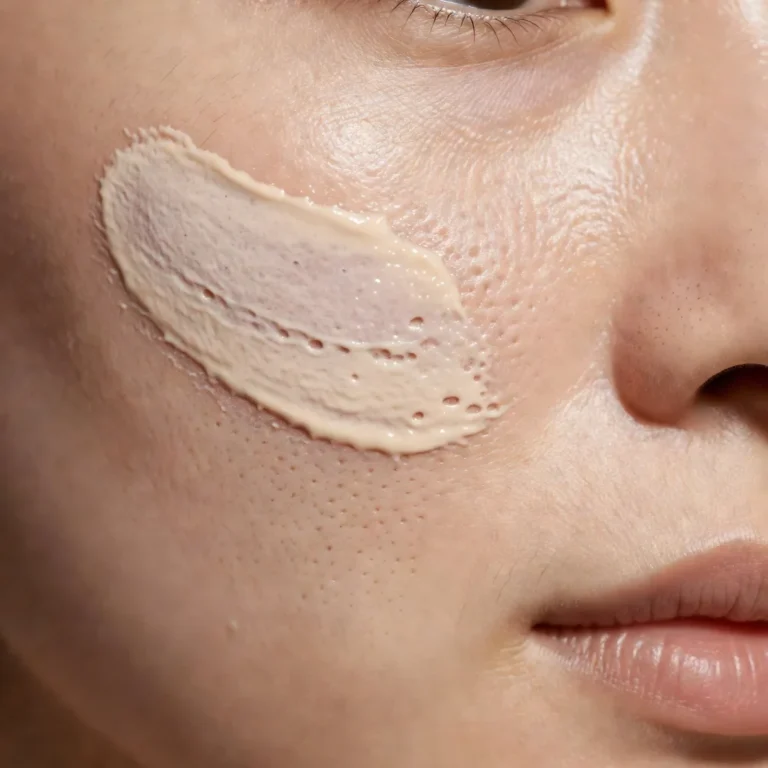
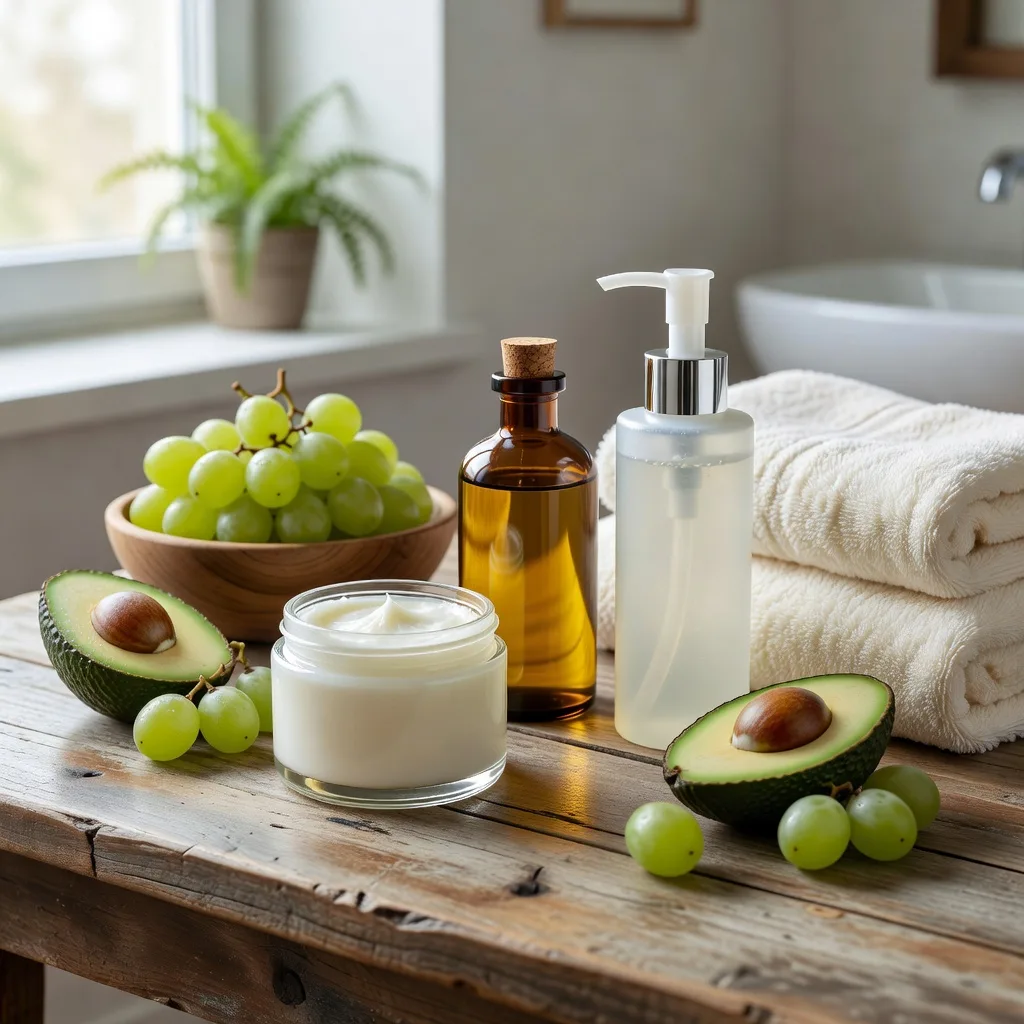
Emollients are ingredients that soften and smooth the skin by filling in the tiny gaps between skin cells on the surface. They make rough, flaky skin feel softer and look smoother, and many also help reduce water loss. Common examples include plant oils such as jojoba and sunflower oil, squalane, shea butter, cocoa butter, fatty alcohols such as cetyl and cetearyl alcohol, esters such as caprylic/capric triglyceride and isopropyl myristate, ceramides, cholesterol, fatty acids and silicones such as dimethicone. They work alongside humectants, which draw water into the skin, and occlusives, which seal it in.
Some ingredients do more than one job. Petrolatum is mainly an occlusive but also softens skin, and many oils act as both emollients and light occlusives, so the labels you see in ingredient guides are useful groupings rather than strict categories.
The American Academy of Dermatology recommends using a cream or ointment rather than a lotion for dry skin and applying it within minutes of washing, advice that reflects how well richer emollients soften and protect dry skin.
This guide explains what emollients are, lists common examples by type, compares them with humectants and occlusives and helps you choose the right emollients for your skin.
Shopping these picks?
Amazon Prime members get fast, free shipping on eligible items, plus Prime Video, Amazon Music and member deals. New members can start with a free trial.
Start a free Prime trialAged 18 to 24? Prime for Young Adults comes with a longer free trial and a lower price after it.
Affiliate link: we may earn a commission at no extra cost to you.
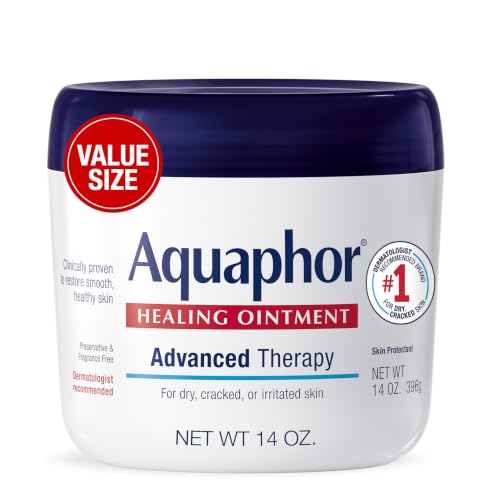
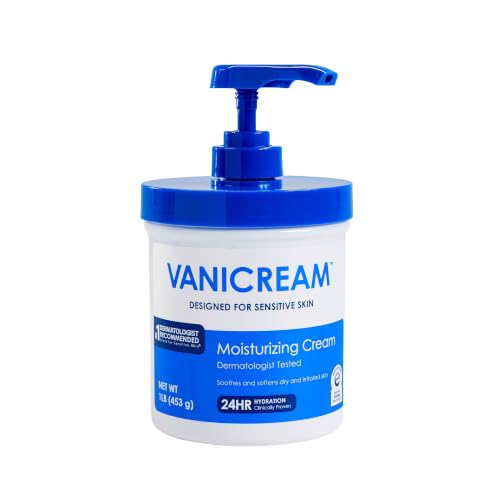
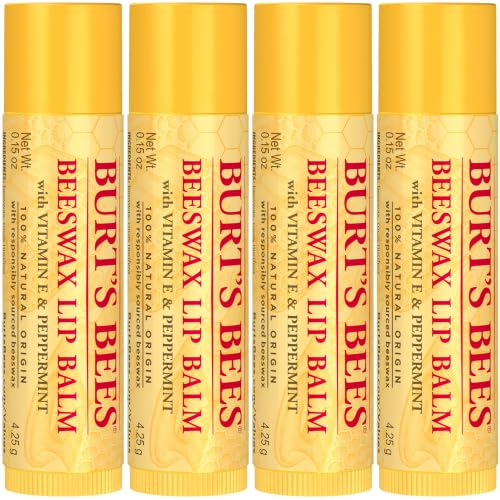
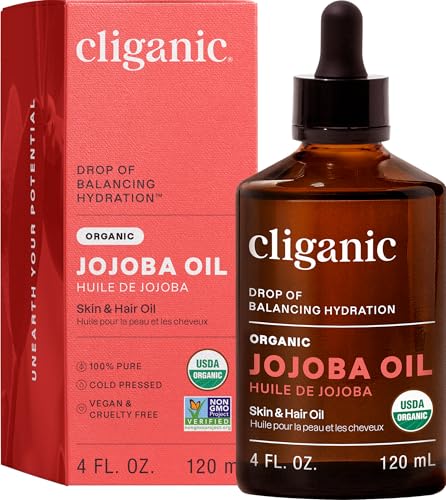
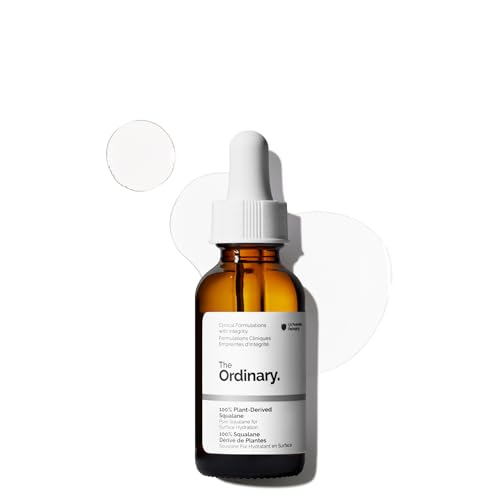
Recommended Emollient Moisturisers and Oils

Contents
- What Emollients Do
- Common Emollient Examples by Type
- Emollients vs Humectants vs Occlusives
- Choosing Emollients for Your Skin Type
- How to Use Emollients in Your Skincare Routine
- Reading Labels for Emollients
- Common Mistakes With Emollients
- Emollients in Makeup, Lip Care and Sunscreen
- Dos and Don’ts
- Honest Limits
- When to See a Dermatologist
- Frequently Asked Questions
- The Bottom Line
The Short Version
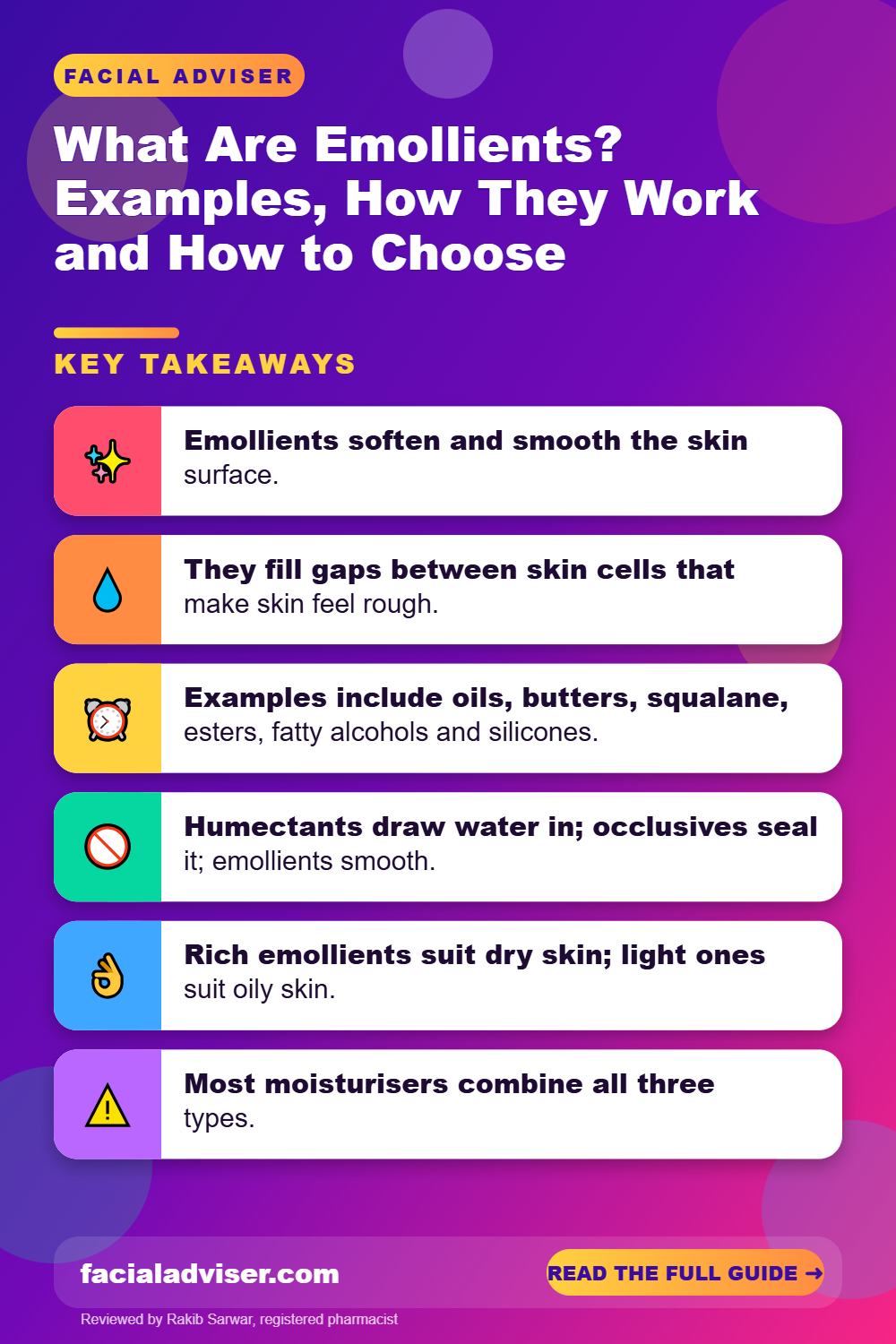
- Emollients soften and smooth the skin surface.
- They fill gaps between skin cells that make skin feel rough.
- Examples include oils, butters, squalane, esters, fatty alcohols and silicones.
- Humectants draw water in; occlusives seal it; emollients smooth.
- Rich emollients suit dry skin; light ones suit oily skin.
- Most moisturisers combine all three types.
- Apply to slightly damp skin for best results.
What Emollients Do
The outer layer of your skin, the stratum corneum, is made of flattened cells held together by lipids, often compared to bricks and mortar. When skin is dry or damaged, gaps appear between those cells and the edges curl up, which makes skin feel rough and look flaky.
Emollients spread into those gaps and lay the edges flat. That is why skin feels softer almost immediately after applying a cream. The effect on how skin feels is quick, but consistent daily use is what keeps rough, flaky patches from coming back. Many emollients also form a thin film that slows the evaporation of water, which helps skin stay hydrated for longer.
Emollients do not add water to the skin themselves. That is the job of humectants such as glycerin and hyaluronic acid. The best results usually come from combining both, which is exactly what most well-formulated moisturisers do.
In medical settings, emollient is often used as a general word for any moisturiser, especially for eczema. In cosmetic chemistry it refers more specifically to softening and smoothing ingredients.
Common Emollient Examples by Type
| Type | Examples on labels | Feel | Often found in |
|---|---|---|---|
| Plant oils | Jojoba, sunflower, argan, rosehip | Light to rich | Facial oils, creams, balms |
| Squalane | Squalane | Light, silky, non-greasy | Serums, oils, light creams |
| Butters | Shea butter, cocoa butter, mango butter | Rich, cushioning | Body creams, lip balms, night creams |
| Esters | Caprylic/capric triglyceride, isopropyl myristate, ethylhexyl palmitate | Light, fast-absorbing | Lotions, sunscreens, foundations |
| Fatty alcohols | Cetyl alcohol, cetearyl alcohol, stearyl alcohol | Creamy, soft | Creams and lotions |
| Skin-identical lipids | Ceramides, cholesterol, fatty acids | Varies | Barrier-repair creams |
| Silicones | Dimethicone, cyclopentasiloxane | Smooth, silky, powdery | Primers, lotions, sunscreens |
Fatty alcohols are worth noting because the word alcohol worries some people. Cetyl, cetearyl and stearyl alcohol are waxy, softening ingredients and are very different from the drying alcohols such as alcohol denat that appear in some toners.
Natural and synthetic emollients can work equally well. Squalane is often derived from olives or sugarcane, while many esters are made in a lab from plant fatty acids. What matters most for your skin is how the finished product feels and whether you tolerate it, not whether an ingredient sounds natural or chemical. Price is not a reliable guide either, since many inexpensive creams use the same core emollients as luxury ones.
Silicones are sometimes left off emollient lists, but in practice dimethicone is one of the most widely used skin-smoothing ingredients and is included in many products for eczema-prone skin.
Emollients vs Humectants vs Occlusives
| Type | What it does | Examples | Best for |
|---|---|---|---|
| Humectant | Draws water into the skin | Glycerin, hyaluronic acid, urea, panthenol | All skin types, especially dehydrated skin |
| Emollient | Softens and smooths the surface | Squalane, esters, ceramides, oils, butters | Rough, dry or flaky skin |
| Occlusive | Forms a seal to reduce water loss | Petrolatum, lanolin, beeswax, mineral oil | Very dry or damaged skin, overnight |
The categories overlap. Shea butter is both an emollient and a light occlusive. Dimethicone smooths and also slows water loss. Petrolatum is the strongest common occlusive but also leaves skin feeling softer.
If your skin feels tight but not flaky, you may need more humectants. If it feels rough and flaky, emollients help most. If moisture seems to disappear within hours, an occlusive layer at night can help. Our guide on slugging in skincare explains how to use occlusives overnight.
Choosing Emollients for Your Skin Type
Dry skin: richer emollients such as shea butter, ceramides, cholesterol and fatty acids work well, usually in a cream rather than a lotion. The AAD’s tips for relieving dry skin recommend applying moisturiser straight after washing and choosing creams or ointments over lotions. Oily and acne-prone skin: lighter emollients such as squalane, dimethicone and light esters soften without heaviness. Very rich butters, coconut oil and some heavy esters such as isopropyl myristate may feel too heavy or clog pores for some people. Sensitive skin: simple emollients such as ceramides, squalane, dimethicone and petrolatum are usually well tolerated. Plant oils with strong scents, and products containing essential oils, are more likely to irritate. Combination skin: a light lotion with squalane or dimethicone all over, with a richer cream on dry patches, often works best. Eczema-prone skin: fragrance-free creams and ointments with ceramides or petrolatum are often recommended. Follow your dermatologist’s advice if you use prescription treatments.How to Use Emollients in Your Skincare Routine
Cleanse gently
Use a mild, non-stripping cleanser and lukewarm water.
Leave skin slightly damp
Pat, do not rub, so a little water stays on the surface.
Apply humectants first
A hydrating toner or serum with glycerin or hyaluronic acid adds water.
Apply your emollient moisturiser
Smooth a cream or lotion over the face and neck within a few minutes of washing.
Add an occlusive where needed
At night, a thin layer of ointment or balm on very dry areas helps lock everything in.
Use sunscreen in the morning
Apply it over your moisturiser as the last skincare step.
If a facial oil feels greasy on its own, mix one or two drops into your moisturiser instead. You get the softening effect without a heavy layer.
Reading Labels for Emollients
Ingredients are listed in descending order of concentration down to about one percent. If emollients such as shea butter, caprylic/capric triglyceride or squalane appear near the top of the list, the product will usually feel richer and more cushioning.
If water, glycerin and silicones are listed first, the product is likely lighter and more hydrating than emollient. Neither is better; they suit different skin types and different times of year.
Some product names help too. Words such as balm, butter and rich cream usually signal a high emollient content, while gel, water cream and fluid usually signal lighter formulas. Our guide on which humectants work best in humidity explains how to adjust the balance for your climate.
Common Mistakes With Emollients
- Using only oils on dehydrated skin. Oils soften but do not add water. Pair them with a humectant.
- Choosing heavy butters for oily, acne-prone skin. Lighter emollients are usually more comfortable.
- Applying to completely dry skin. Emollients work better over slightly damp skin.
- Assuming natural oils are always gentler. Some plant oils and essential oils irritate sensitive skin.
- Skipping moisturiser because skin is oily. Oily skin can still be dehydrated and benefit from light emollients.
If your skin barrier feels damaged, with stinging, tightness and flaking, simple emollient-rich creams with ceramides are often the fastest way back to comfort. Our guide on repairing your moisture barrier covers this in more detail.
Stop using a product if it causes stinging, burning, itching or a rash. A reaction can happen with any ingredient, including natural oils and butters.
Emollients in Makeup, Lip Care and Sunscreen
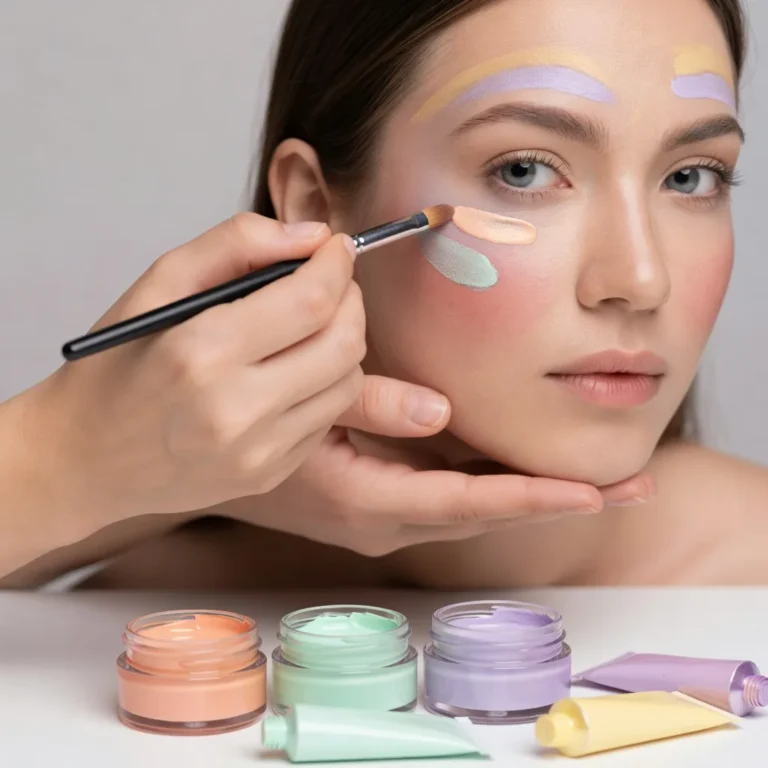
Emollients are not only found in moisturisers. Foundations use light esters and silicones so the formula spreads evenly and does not drag on the skin. Cream blushes and highlighters rely on emollients for their smooth, blendable texture, and many long-wear formulas balance emollients with film formers so they stay put.
Lip balms are some of the most emollient-rich products you can buy. Butters, waxes, oils and lanolin soften chapped lips and form a protective layer. If a balm makes your lips feel drier over time, check for fragrance, flavourings or menthol, which can irritate.
Sunscreens also contain emollients, mostly light esters, to help UV filters spread evenly and to improve the feel of the product. This is one reason why some sunscreens feel rich and others feel almost weightless.
If you have acne-prone skin and notice breakouts from makeup, the emollients in the formula are one of the things worth checking, along with how thoroughly you remove makeup each evening. Richer emollients in a foundation can also make it more likely to slide or separate on oily skin by the afternoon.
Dos and Don’ts
Good Habits
- Apply emollients to slightly damp skin
- Pair emollients with humectants
- Choose richer textures for dry skin
- Use light emollients for oily skin
- Patch test new oils and balms
Common Mistakes
- Rely on oils alone for hydration
- Use heavy butters on breakout-prone areas
- Rub skin dry before moisturising
- Assume natural means non-irritating
- Skip moisturiser because you are oily
Honest Limits
Emollients relieve dryness and roughness, but they do not treat underlying conditions such as eczema, psoriasis or dermatitis on their own. They are an important support, not a cure.
How an emollient feels depends on the whole formula, not one ingredient. Two creams that both contain shea butter can feel completely different because of the other ingredients and the concentration.
Comedogenic ratings for individual emollients come from older tests and do not reliably predict how a finished product behaves on your skin. Testing a product yourself, for a few weeks, is the most reliable guide. Your skin also changes with age, climate and season, so an emollient that feels perfect in winter may feel too heavy in summer, and adjusting your routine through the year is completely normal.
When to See a Dermatologist
- Dry skin cracks, bleeds or does not improve with regular moisturising.
- You have itchy, inflamed patches that could be eczema or dermatitis.
- Moisturisers sting or burn every time you apply them.
- You develop a rash after using a new product.
This article is for general information and does not replace professional medical advice. See a dermatologist for persistent dry skin or skin conditions.
Frequently Asked Questions
What is an emollient?
An ingredient that softens and smooths skin by filling gaps between surface skin cells.
What are examples of emollients?
Squalane, jojoba oil, shea butter, ceramides, cetyl alcohol, caprylic/capric triglyceride and dimethicone.
What is the difference between an emollient and a humectant?
Humectants draw water into the skin; emollients soften and smooth it.
Is petrolatum an emollient?
It is mainly an occlusive but also softens skin.
Are fatty alcohols drying?
No. Cetyl and cetearyl alcohol are softening, unlike drying alcohols.
Which emollients suit oily skin?
Light ones such as squalane, dimethicone and light esters.
Which emollients suit dry skin?
Richer ones such as shea butter, ceramides and fatty acids.
Are emollients good for eczema?
They are a key part of eczema care; follow your dermatologist’s advice.
Can emollients clog pores?
Some heavy ones can for some people; lighter emollients are less likely to.
Should I apply emollients to wet or dry skin?
Slightly damp skin gives the best results.
The Bottom Line
Emollients are the ingredients that make skin feel soft and smooth by filling the gaps between skin cells. Oils, butters, squalane, esters, fatty alcohols, ceramides and silicones are all common examples.
Pair emollients with humectants for hydration, add occlusives when skin is very dry and choose lighter or richer emollients to suit your skin type. Applied to slightly damp skin, they are one of the simplest ways to improve comfort and texture.

Written by
Registered pharmacist and founder of Facial Adviser. Rakib's pharmacy training covers how skincare actives work and interact; a later course in cosmetology turned that into a focus on facial treatments and skincare products. He plans, researches and edits every guide on the site and checks health claims against sources such as the American Academy of Dermatology, the FDA and the NIH. He is not a dermatologist; see the Editorial Policy and Medical Disclaimer.
About · Editorial policy · How we choose products · Medical disclaimer · Contact
Keep reading: How cosmetics are made
- How to Read a Cosmetic Ingredient List: A Beginner Guide
- What Is a Clean-Label Cosmetic? What Clean Beauty Really Means
- Silicone vs Water-Based Cosmetics: How to Tell Them Apart and Pair Them
- How Mica Creates Shimmer in Makeup: The Science of Sparkle
- Filler vs Pigment in Makeup: What Each Does and Why It Matters
- How to Choose Cruelty-Free Brands: Logos, Loopholes and What to Check