Is BB Cream Better Than Foundation? Coverage, Skin Types and When to Use Each
BB cream and foundation both even out your complexion, but they are built for different jobs. One is a light, skincare-leaning tint for everyday wear, while the other is designed to cover more and last longer. Which one is better depends on how much coverage you want, your skin type and how you spend your day.
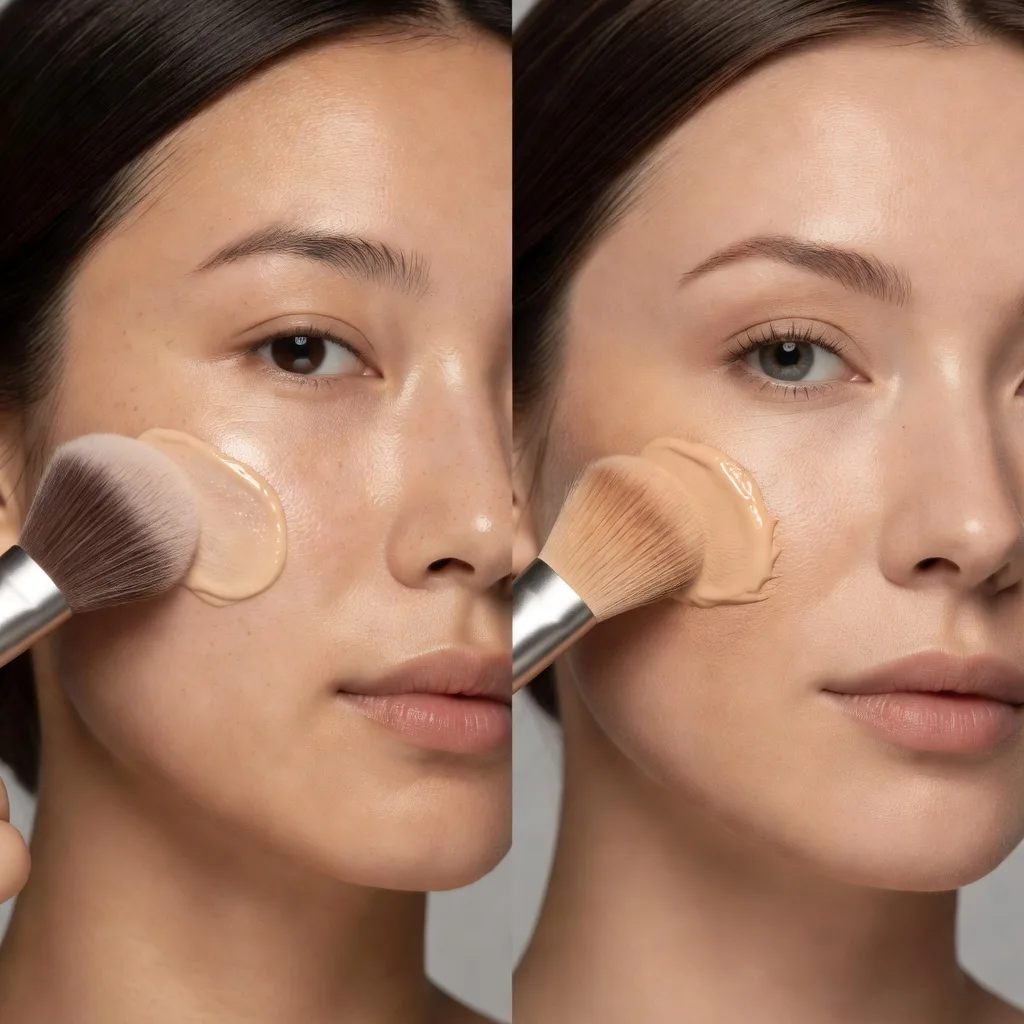
BB cream is better if you want a light, natural, hydrating finish with minimal effort, while foundation is better if you need more coverage, a precise shade match or long wear. BB cream, short for blemish or beauty balm, combines a sheer tint with moisturiser and often SPF, so it evens tone and blurs small flaws while still looking like skin. Foundation is formulated mainly for coverage and comes in sheer to full options, far wider shade ranges and finishes from dewy to matte. Many people use both: BB cream on relaxed days and foundation for events, photos or when they want to cover redness, dark marks or blemishes more fully.
In short: choose BB cream for easy everyday wear and foundation for coverage and shade accuracy.
Whichever you choose, the American Academy of Dermatology recommends a broad-spectrum sunscreen of SPF 30 or higher, applied generously, because a thin layer of makeup rarely gives the protection on the label.
This guide compares coverage, finish, skin types and wear time, and shows when BB cream can replace foundation and when it cannot.
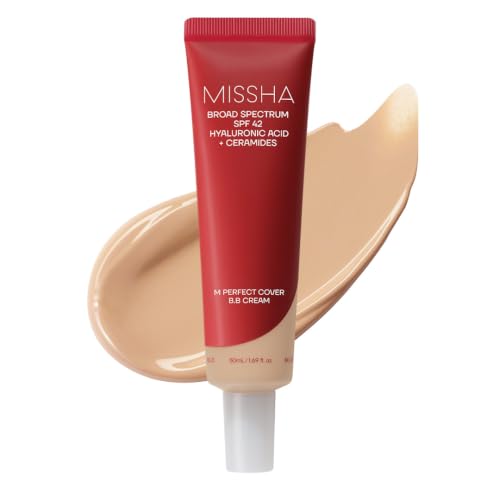
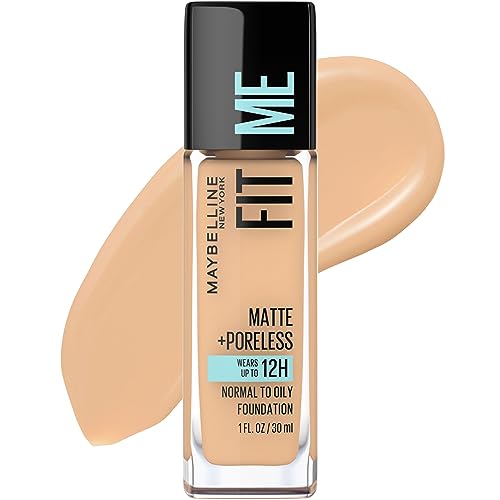
Recommended BB Creams and Foundations
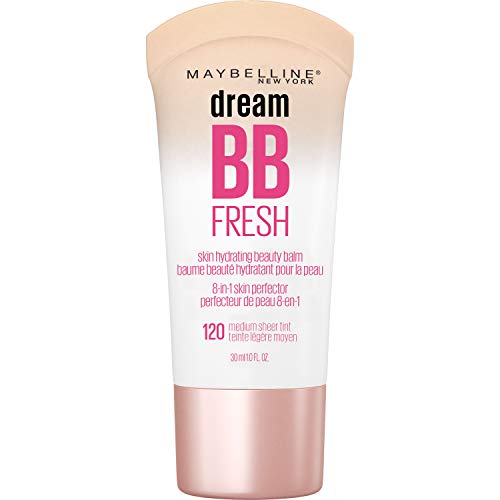


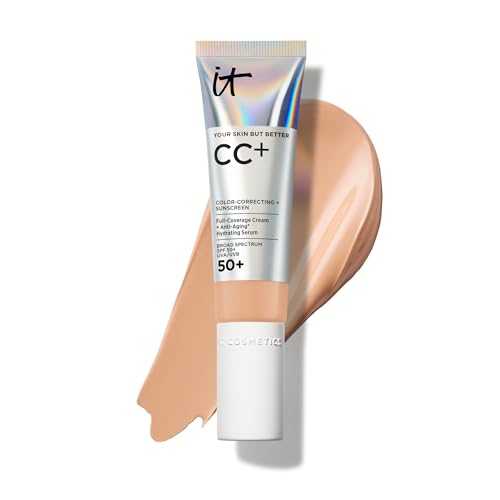
At a Glance
- BB cream gives sheer to light coverage; foundation ranges from light to full.
- BB cream usually hydrates and often includes SPF.
- Foundation offers more shades, finishes and longer wear.
- BB cream suits dry, normal and low-maintenance routines.
- Foundation suits people who want to cover marks, redness or blemishes.
- Neither should replace a dedicated sunscreen.
- You can use both on different days or mix them together.
Jump to a Section
- BB Cream vs Foundation at a Glance
- Coverage and Finish: What You Will Actually See
- Which Is Better for Your Skin Type?
- When BB Cream Is the Better Choice
- When Foundation Is the Better Choice
- Can You Use BB Cream and Foundation Together?
- How to Decide Between BB Cream and Foundation
- Sun Protection: Neither Replaces Sunscreen
- Possible Downsides of Each
- Dos and Don’ts
- Honest Limits
- When to See a Dermatologist
- FAQ
- Where This Leaves You
BB Cream vs Foundation at a Glance
This table compares a typical BB cream with a typical liquid foundation. Formulas vary widely between brands, so treat it as a general guide and check each product’s label for coverage, finish and SPF.
| Feature | BB cream | Foundation |
|---|---|---|
| Main purpose | Even tone with skincare benefits | Cover and perfect the skin |
| Coverage | Sheer to light | Light to full, buildable |
| Finish | Usually dewy or satin | Dewy, satin, natural or matte |
| Shade range | Often limited | Usually much wider |
| Hydration | Usually moisturising | Varies by formula |
| SPF | Often included | Sometimes included |
| Wear time | Moderate | Often longer, especially long-wear formulas |
| Application | Quick, fingers are fine | Brush, sponge or fingers; more blending |
| Best for | Everyday, minimal makeup | Events, photos, more coverage |
The key difference is intent. BB cream is designed to make skin look healthier while still looking like skin, and foundation is designed to create an even base that covers what you want to hide. Neither is better in every situation, which is why many makeup bags hold one of each.
Coverage and Finish: What You Will Actually See
Coverage is the biggest practical difference and the main reason people choose one over the other. It decides how much of your natural skin shows through and how well small concerns are hidden.
- BB cream softens mild redness, small blemishes and uneven tone, but freckles and most marks still show.
- Light foundations look similar to BB cream but usually offer more shades.
- Medium foundations cover most redness and post-acne marks in one layer.
- Full-coverage foundations hide strong discolouration, dark marks and some scarring, but can look heavy if over-applied.
- Both can be layered, but BB cream builds slowly and can start to feel greasy after two layers.
Coverage labels are not standardised. One brand’s light foundation can cover more than another brand’s BB cream, so judge by a swatch on your own skin rather than by the name on the tube.
Finish matters too. BB creams tend to be dewy or satin, which flatters dry and mature skin but can look shiny by midday on oily skin. Foundations come in more finishes, so it is easier to find a matte version for oily skin or a radiant one for dull skin. If you like the look of BB cream but want a little more coverage, a light, satin foundation is often the closest match.
Which Is Better for Your Skin Type?
Your skin type often decides the winner. Use this table as a starting point, then test the product for a full day before deciding.
| Skin type or concern | Better choice | Why |
|---|---|---|
| Dry | BB cream or hydrating foundation | Moisturising base, less likely to cling to flakes |
| Oily | Oil-free matte foundation or oil-free BB | Controls shine and lasts longer |
| Combination | Either, satin finish | Balances dry and oily areas |
| Acne-prone | Non-comedogenic version of either | Avoids clogging pores |
| Redness or rosacea | Foundation or CC cream | Better coverage of redness |
| Mature | BB cream or light foundation | Less likely to settle into lines |
| Sensitive | Fragrance-free BB or foundation with mineral SPF | Fewer irritants |
If you are acne-prone, the label matters more than the product type. The AAD’s acne tips recommend products labelled non-comedogenic or oil-free, and removing makeup before bed. Our guide on how to tell if makeup is non-comedogenic explains what to look for on the label.
When BB Cream Is the Better Choice
BB cream shines when you want to look fresh without looking made up. It is also forgiving to apply, which makes it a good first product for anyone new to base makeup.
- Everyday wear, school, work from home or quick errands.
- Busy mornings when you want one product instead of three.
- Dry or normal skin that likes extra hydration.
- Hot or humid days when heavy makeup feels uncomfortable.
- Skin that is already fairly even and only needs a little help.
- People who dislike the feel or look of foundation.
Because many BB creams contain moisturising ingredients and SPF, they can shorten your routine. Just remember that the SPF only helps if you use enough, which most people do not. Our guide on what BB cream does to your face explains its benefits and limits in more detail.
When Foundation Is the Better Choice
Foundation is the better tool when you want a more polished, even or long-lasting base. It also gives you far more control over shade, undertone and finish.
- Weddings, events, photos and video calls where you want an even look.
- Covering redness, dark marks, melasma or active blemishes.
- Long days when you need makeup to last eight hours or more.
- Deep or very fair skin tones that BB cream shade ranges do not match.
- Oily skin that needs a matte, long-wear formula.
- Building a full look with contour, blush and powder on top.
Modern foundations are also much lighter than they used to be, and many now include skincare ingredients. Our guide on the purpose of foundation covers how it works and how to choose a formula.
Can You Use BB Cream and Foundation Together?
Yes, and it is a common trick. Combining them lets you adjust coverage from day to day without buying extra products.
- Mix a drop of foundation into BB cream for a little more coverage with a light feel.
- Use BB cream all over and foundation only where you need it, such as around the nose or on marks.
- Use BB cream on weekdays and foundation for evenings and events.
- Use concealer on specific spots instead of adding more foundation all over.
- Choose shades that match each other so the finish looks even.
Mixing works best when both products have a similar base. A water-based foundation and a silicone-heavy BB cream can separate or pill, so test the mix on the back of your hand first. If you are also weighing CC cream, our guide on whether BB or CC cream is better compares those two.
How to Decide Between BB Cream and Foundation
These steps help you pick the right product for your skin and your day, and avoid buying a base that ends up unused.
Decide how much coverage you want
Light for a natural look, medium or full for covering marks and redness.
Check your skin type
Dry skin often prefers BB cream; oily skin often prefers matte foundation.
Think about your day
Short, relaxed days suit BB cream; long or important days suit foundation.
Check the shade range
If the BB cream has no good match, choose a foundation with more shades.
Check the label
Look for non-comedogenic, fragrance-free and broad-spectrum SPF if you need them.
Test in daylight
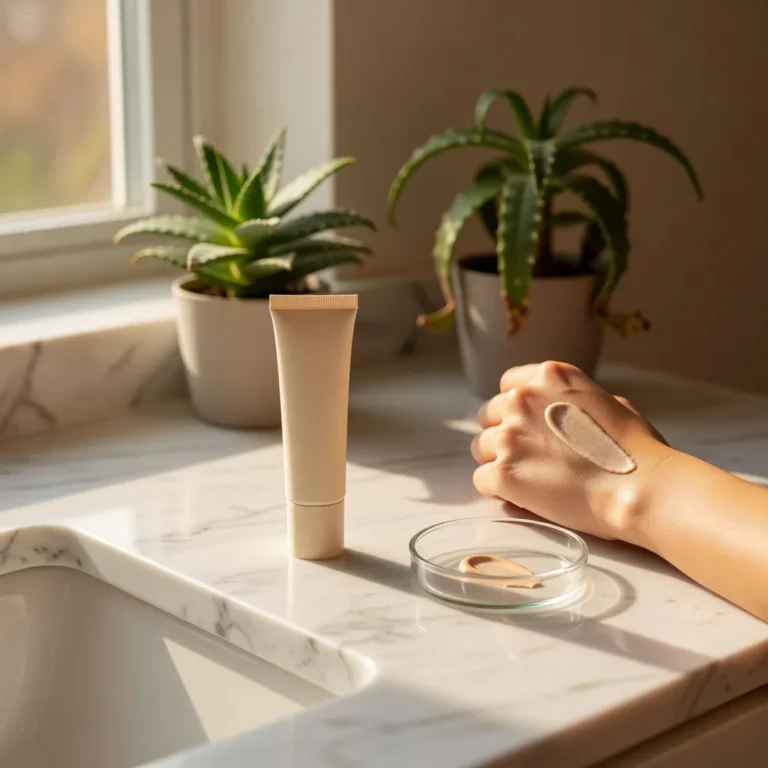
Swatch on the jawline and check the match in natural light.
Wear it for a day
See how it looks after six to eight hours and whether it oxidises.
If you cannot decide, start with a light foundation in a satin finish. You can sheer it out with moisturiser for a BB-cream look, or build it up when you want more coverage.
Sun Protection: Neither Replaces Sunscreen
Many BB creams and some foundations list an SPF, but neither usually protects you as well as the number suggests. The reason is simple: people apply far less makeup than the amount used in SPF testing.
- The AAD recommends broad-spectrum sunscreen of SPF 30 or higher.
- A thin layer of BB cream or foundation gives much less protection than the label.
- Makeup SPF wears off with sweat, oil and touching.
- Apply a dedicated sunscreen first, then your BB cream or foundation on top.
If you want fewer layers, a tinted mineral sunscreen can work as a light base on its own. The AAD guide on how to apply sunscreen explains how much to use and when to reapply.
Possible Downsides of Each
Both products are safe for most people, but each has typical drawbacks. Knowing them helps you avoid disappointment and spot a problem early.
- BB cream: limited shades, less coverage and a shine that can build on oily skin.
- BB cream: SPF that gives a false sense of protection.
- Foundation: can look heavy or mask-like if applied too thickly.
- Foundation: can cling to dry patches and settle into fine lines.
- Both: breakouts if the formula is too rich for your skin, or irritation from fragrance.
Stop using any makeup that causes itching, stinging, swelling or a rash. Patch test new products on your jawline for a day or two, especially if you have sensitive skin, eczema or rosacea.
Dos and Don’ts
Good Habits
- Choose by the coverage you actually need
- Wear sunscreen underneath
- Match the shade on your jawline in daylight
- Choose non-comedogenic if acne-prone
- Remove makeup fully before bed
Common Mistakes
- Assume BB cream is always better for skin
- Rely on makeup SPF alone
- Apply thick layers to hide texture
- Keep using a product that irritates you
- Share sponges or brushes
Honest Limits
BB cream is not automatically healthier than foundation. Both are makeup, and whether one suits your skin depends on its ingredients, not on its name. A light, non-comedogenic foundation can be kinder to acne-prone skin than a rich BB cream, and the reverse is also true.
Skincare claims on either product are usually based on individual ingredients rather than on independent tests of the finished formula, and the effects last only while the makeup is on your skin. For lasting improvements in tone, texture or breakouts, a simple skincare routine and, where needed, dermatologist treatment matter far more than which base you choose.
When to See a Dermatologist
- Your skin breaks out or itches whenever you wear makeup.
- You rely on heavy coverage to hide acne, redness or dark patches.
- You have melasma or dark spots you want to treat.
- You have rosacea or eczema and struggle to find products that do not sting.
This article is for general information and does not replace professional medical advice. See a board-certified dermatologist for skin conditions and if you react to cosmetic products.
FAQ
Is BB cream better than foundation?
For light, everyday coverage yes; for more coverage or shade accuracy, foundation is better.
Can BB cream replace foundation?
Yes, if you only need light coverage.
Is BB cream healthier for your skin than foundation?
Not automatically; it depends on the ingredients.
Which lasts longer, BB cream or foundation?
Foundation, especially long-wear formulas.
Is BB cream or foundation better for oily skin?
Usually an oil-free matte foundation.
Is BB cream or foundation better for dry skin?
Usually BB cream or a hydrating foundation.
Can I mix BB cream and foundation?
Yes, if the shades and bases are compatible.
Does BB cream cover acne?
It softens mild redness but rarely covers active spots fully.
Do I need sunscreen under BB cream?
Yes, for reliable sun protection.
Is BB cream good for beginners?
Yes, it is easy to apply and forgiving.
Where This Leaves You
BB cream is better for light, hydrating, everyday coverage, while foundation is better when you need more coverage, a precise shade match or long wear.
Choose by your skin type and how much you want to cover, wear sunscreen underneath, and feel free to use both on different days or mix them for a custom finish.