Why Some Mascaras Smudge (and How to Stop Raccoon Eyes)
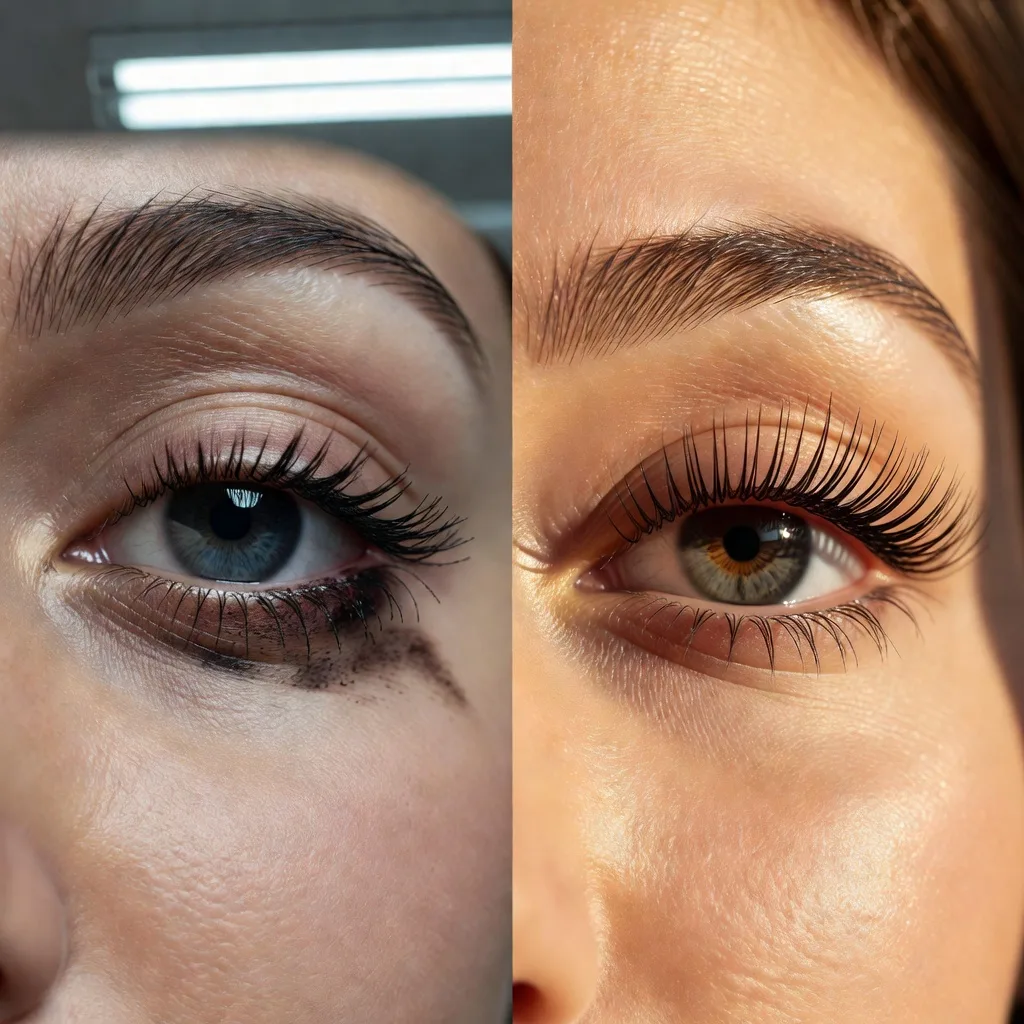
You put on mascara in the morning and by mid-afternoon there are grey smudges under your eyes. Some mascaras seem to stay perfectly in place for one person and transfer within hours for another, even when both use the same tube.
Part of our guide to makeup how-to. Start with: How to Choose the Right Eye Makeup Color for Your Eyes and Skin
Mascara smudges when something softens the formula after it dries. The most common causes are oil from the skin around the eyes, rich eye creams or oily concealers, heat and humidity, tears or watery eyes, and lashes that touch the skin below or above them. Traditional wax-based mascaras are especially prone because oils and warmth soften wax. Tubing mascaras, which wrap lashes in water-resistant polymer tubes, and waterproof formulas resist smudging much better. Light eye-area skincare, a primer or powder under the eyes and waiting for each coat to dry also help.
Where you smudge gives useful clues. Smudging on the lower lid usually points to oily or damp skin, eye cream or watery eyes. Marks on the upper lid or brow bone often mean your lashes touch the lid when you blink, which is common with hooded eyes or very long lashes.
The FDA advises keeping eye cosmetics clean, not sharing them and discarding them if an eye infection occurs, so smudge-proofing should never mean keeping an old tube for longer than you should.
This guide explains what makes mascaras smudge, which formula types resist it and a step-by-step routine to keep lashes clean all day.
Shopping these picks?
Amazon Prime members get fast, free shipping on eligible items, plus Prime Video, Amazon Music and member deals. New members can start with a free trial.
Start a free Prime trialAged 18 to 24? Prime for Young Adults comes with a longer free trial and a lower price after it.
Affiliate link: we may earn a commission at no extra cost to you.
Recommended Smudge-Resistant Mascaras and Helpers


In This Guide
- The Main Reasons Mascara Smudges
- How Mascara Formulas Differ
- The Role of Your Skin and Eye Shape
- How to Apply Mascara So It Does Not Smudge
- Choosing a Mascara for Your Situation
- Skincare and Makeup That Make Smudging Worse
- Removing Smudge-Proof Mascara Safely
- Old Mascara Smudges More
- Dos and Don’ts
- Honest Limits
- When to See a Doctor
- Frequently Asked Questions
- The Takeaway
Key Takeaways
- Oil, heat, humidity and tears soften mascara after it dries.
- Wax-based mascaras smudge most easily on oily skin.
- Tubing mascaras resist oil and sweat and slide off with warm water.
- Waterproof mascaras resist tears but need a bi-phase remover.
- Rich eye creams and oily concealers often cause lower-lid smudging.
- Setting powder under the eyes absorbs oil before it reaches lashes.
- Replace mascara about every three months.
The Main Reasons Mascara Smudges
| Cause | What happens | Clue | Quick fix |
|---|---|---|---|
| Oily skin around the eyes | Skin oil dissolves waxes in the formula | Grey smudges under the lower lashes by midday | Powder under the eyes; tubing formula |
| Rich eye cream | Emollients stay on the skin and soften mascara | Smudging starts soon after application | Use eye cream at night or let it absorb for 10 minutes |
| Oily concealer | Cream concealer softens lashes it touches | Smudging along the lower lash line | Set concealer with powder |
| Heat and humidity | Warmth softens wax; sweat breaks down formula | Worse in summer or after exercise | Waterproof or tubing mascara |
| Watery eyes or tears | Water breaks down non-waterproof formulas | Smudging with allergies, wind or cold | Waterproof formula |
| Lashes touching the lid | Wet or soft lashes print onto skin | Marks on the upper lid or brow bone | Curl lashes; let coats dry; avoid lower lashes |
Often more than one cause is at work. For example, someone with oily lids who wears a rich eye cream in a warm office has three separate things softening their mascara at once.
How Mascara Formulas Differ
Traditional (washable) mascaras use a mix of waxes, film formers and pigments in a water or oil base. They are easy to remove but the waxes soften when they meet skin oil or warmth, which is why they are the most likely to smudge. Waterproof mascaras use more waxes and volatile solvents with less water. Once dry they resist tears, rain and sweat, but many still soften in oil, so they do not always solve smudging on oily lids. They are also harder to remove and can feel drying on lashes with daily use. Tubing mascaras use water-resistant polymers that form tiny tubes around each lash. The tubes do not dissolve in oil, so they are one of the best choices for oily skin and hooded eyes. They come off in small pieces with warm water and gentle pressure rather than oil-based removers. Water-resistant or smudge-proof mascaras sit between washable and waterproof formulas. They often contain more film formers than a traditional mascara and can be a good middle ground for everyday wear.Label terms such as smudge-proof, water-resistant and long-wear are not standardised definitions. Two products with the same claim can perform very differently on the same person.
The Role of Your Skin and Eye Shape
The eyelids and under-eye area have their own oil glands, and the meibomian glands along the lash line release oils that keep the eye surface healthy. If you have oily skin elsewhere, your lids are often oily too, which makes wax-based mascara smudge faster.
Eye shape matters as well. Hooded or deep-set eyes and very long lashes are more likely to touch the upper lid or brow bone when you blink, printing mascara onto the skin. Curling lashes and keeping mascara off the base of the lower lashes reduces contact.
Watery eyes caused by wind, cold, allergies or contact lenses can wash through non-waterproof formulas quickly. If your eyes water often, a waterproof or tubing mascara is usually a better choice than a traditional one.
Our guide on why foundation separates by midday explains how skin oil breaks down makeup, and the same process affects mascara.
How to Apply Mascara So It Does Not Smudge
Keep the eye area light
Use eye cream at night, or apply a light one in the morning and let it absorb before makeup.
Prime the lids
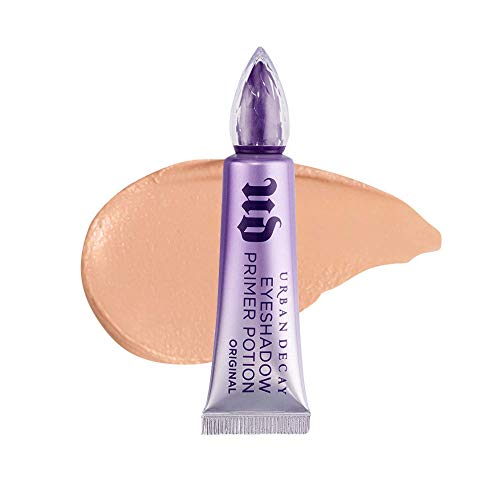
Apply a thin layer of eyeshadow primer on the lids to control oil.
Set under the eyes
Press a little translucent powder under the eyes and along the lower lash line with a small brush.
Curl lashes first
Curl clean, dry lashes so they sit away from the lid.
Apply thin coats
Wiggle the wand from the base to the tips and let each coat dry for about a minute before the next.
Go light on the lower lashes
Use just the tip of the wand, or skip the lower lashes if you smudge easily.
Clean up and set
Remove any marks with a cotton bud, then press a touch more powder under the eyes.
Look down into a mirror while applying mascara to the top lashes, and keep your eyes open for a few seconds afterwards so the formula can set before you blink.
Choosing a Mascara for Your Situation
| Situation | Best formula type | Why |
|---|---|---|
| Oily lids or under-eyes | Tubing | Polymer tubes do not dissolve in oil |
| Watery eyes, allergies or rain | Waterproof | Resists tears and moisture |
| Hot, humid climate or exercise | Tubing or waterproof | Resists sweat and warmth |
| Hooded eyes or long lashes | Tubing with a lash curler | Less transfer when lashes touch the lid |
| Sensitive eyes or contact lenses | Tubing or a simple washable formula | Removes without heavy rubbing or oily removers |
| Dry skin and dry lashes | Water-resistant or washable | Gentler to remove daily |
If you have tried waterproof mascara and still smudge, the likely culprit is oil rather than water, and a tubing mascara is worth trying. If a tubing mascara flakes, it may be reacting to a creamy concealer or eye cream underneath, or the formula may simply be past its best.
Skincare and Makeup That Make Smudging Worse
Rich eye creams, facial oils and heavy balms near the eyes are the most common hidden causes of smudging. They leave an emollient film that softens mascara on contact.
Creamy concealers applied right up to the lower lash line do the same. Keeping concealer slightly away from the lash line and setting it with powder helps a lot.
Dewy skincare is not off-limits. You can keep the cheeks glowing while keeping the eye area lighter. Our guide on creating a glossy finish without oil shows how to get glow without adding oil near the eyes.
Sunscreen near the eyes can also play a part, especially richer creams. A lightweight sunscreen, or a mineral stick designed for the eye area, is less likely to soften mascara.
Removing Smudge-Proof Mascara Safely
The formulas that resist smudging are also harder to remove, so removal technique matters. Rubbing is the main cause of lash loss and irritation.
- Tubing mascara: press a warm, damp cloth on the lashes for 20 to 30 seconds, then gently slide the tubes off with your fingertips.
- Waterproof mascara: soak a cotton pad with a bi-phase or oil-based eye makeup remover and hold it on closed eyes before wiping downwards.
- Washable mascara: a gentle oil-free remover or micellar water usually works.
Stop using a mascara and remove it straight away if it causes stinging, redness, swelling or discharge. Throw away eye makeup used during an eye infection. Our guide on wearing makeup after pink eye explains when it is safe to start again.
Old Mascara Smudges More
As mascara ages it thickens and dries out, and pumping the wand in and out of the tube pushes air in and speeds this up. Clumpy, old mascara often flakes and smudges more than a fresh tube.
The FDA’s guidance on eye cosmetic safety advises against sharing eye makeup, keeping products clean and discarding eye cosmetics after an infection. Many experts suggest replacing mascara about every three months.
Storage also matters. Leaving mascara in a hot car or a steamy bathroom can change its texture, making it thinner and more likely to transfer, or thicker and more likely to flake. Keep the tube closed tightly and store it at room temperature, away from direct sunlight, to help it perform the way it did when new.
Adding water or saliva to revive a dried mascara is not a good idea. It introduces bacteria and changes the formula, which can make both irritation and smudging worse.
Dos and Don’ts
Try This
- Choose tubing mascara for oily lids
- Set the under-eye area with powder
- Let each coat dry before the next
- Curl lashes before mascara
- Replace mascara about every three months
Avoid This
- Apply rich eye cream right before mascara
- Pump the wand in the tube
- Rub waterproof mascara off
- Share mascara
- Add water to a dried-out tube
Honest Limits
No mascara is completely smudge-proof for everyone. Very oily skin, constant watery eyes or extreme heat can defeat even the best formulas, so a quick check and clean-up with a cotton bud during the day is normal.
Individual results vary a lot. Your skin chemistry, eye shape, climate and the products you wear around your eyes all change how a mascara behaves, which is why the same product can get very different reviews.
If you change several things at once, it is hard to know what worked. Try one change at a time, such as switching formula or moving eye cream to the evening, and give it a few days.
When to See a Doctor
- Your eyes water constantly or feel gritty.
- Your eyelids are red, swollen, crusty or itchy.
- You notice lash loss that does not recover.
- Mascara consistently causes stinging or irritation even after changing brands.
This article is for general information and does not replace professional medical advice. See a doctor, optometrist or dermatologist for persistent eye or eyelid symptoms.
Frequently Asked Questions
Why does my mascara smudge under my eyes?
Usually skin oil, rich eye cream, oily concealer or watery eyes soften the formula.
Does waterproof mascara stop smudging?
It resists tears and sweat, but many waterproof formulas still soften in oil.
What is tubing mascara?
A mascara that forms water-resistant polymer tubes around each lash and slides off with warm water.
Is tubing mascara good for oily skin?
Yes. It is one of the best options because the tubes do not dissolve in oil.
Can eye cream make mascara smudge?
Yes. Rich eye creams leave an emollient film that softens mascara.
Why does mascara transfer to my upper lid?
Your lashes may touch the lid when you blink, especially with hooded eyes or long lashes.
Does powder under the eyes help?
Yes. A light layer absorbs oil before it reaches the lashes.
How often should I replace mascara?
About every three months, or sooner if it dries out or you have an eye infection.
Should I skip mascara on my lower lashes?
If you smudge easily, using very little or none on the lower lashes helps.
How do I remove tubing mascara?
Hold a warm, damp cloth on the lashes, then gently slide the tubes off.
The Takeaway
Mascara smudges when oil, warmth, moisture or skin contact softens it after it dries. Traditional wax-based formulas are the most vulnerable, while tubing mascaras resist oil and waterproof formulas resist tears.
Keep the eye area light, set under the eyes with powder, curl your lashes, apply thin coats and replace mascara regularly. Matching the formula to your skin and eye shape does more than any single product claim.

Written by
Registered pharmacist and founder of Facial Adviser. Rakib's pharmacy training covers how skincare actives work and interact; a later course in cosmetology turned that into a focus on facial treatments and skincare products. He plans, researches and edits every guide on the site and checks health claims against sources such as the American Academy of Dermatology, the FDA and the NIH. He is not a dermatologist; see the Editorial Policy and Medical Disclaimer.
About · Editorial policy · How we choose products · Medical disclaimer · Contact
Keep reading: Eye makeup
- How to Choose the Right Eye Makeup Color for Your Eyes and Skin
- What Causes Mascara Clumping and How to Get Clean, Separated Lashes
- 10 Tips to Prevent Creasing Under Eyes (Concealer That Stays Smooth)
- How to Avoid Fallout With Dark Eyeshadow: Clean Smoky Eyes Every Time
- How to Fix Smudged Eyeliner Midday (and Stop It Happening Again)
- How to Apply Eyeliner for Droopy Lids: Lifting Techniques That Work
- What Can You Use to Make Your Makeup Stay On All Day? 9 Products and Tricks
- How to Get Started as a Freelance Makeup Artist: Training, Kit and Clients