How to Choose Cruelty-Free Brands: Logos, Loopholes and What to Check
Cruelty-free labels are everywhere, from drugstore mascaras to luxury serums. But the words not tested on animals can mean very different things depending on who is saying them, and many shoppers only discover the fine print after they have switched brands.
Part of our guide to cosmetic science. Start with: How to Read a Cosmetic Ingredient List: A Beginner Guide
To choose cruelty-free brands, look for independent certification rather than a brand’s own claim. The Leaping Bunny logo and the PETA Beauty Without Bunnies listing are the most widely recognised programmes. Check that the whole brand, not just one product, is covered, and that it does not sell in markets where animal testing may be required by law. Decide whether a parent company that still tests on animals matters to you, and remember that cruelty-free and vegan are not the same thing. When in doubt, search the certifier’s database directly rather than trusting packaging alone.
In short: trust third-party certification, check the certifier’s current list and read beyond the bunny.
The US Food and Drug Administration notes that there is no legal definition for cruelty-free or not tested on animals in cosmetics labelling, so companies can use these terms in different ways. That is exactly why independent certification matters.
The good news is that checking a brand properly takes only a few minutes once you know where to look.
Shopping these picks?
Amazon Prime members get fast, free shipping on eligible items, plus Prime Video, Amazon Music and member deals. New members can start with a free trial.
Start a free Prime trialAged 18 to 24? Prime for Young Adults comes with a longer free trial and a lower price after it.
Affiliate link: we may earn a commission at no extra cost to you.
This guide explains what cruelty-free really means, which logos to trust, the common loopholes, how to check a brand in a few minutes and how to switch your routine without wasting products you already own.
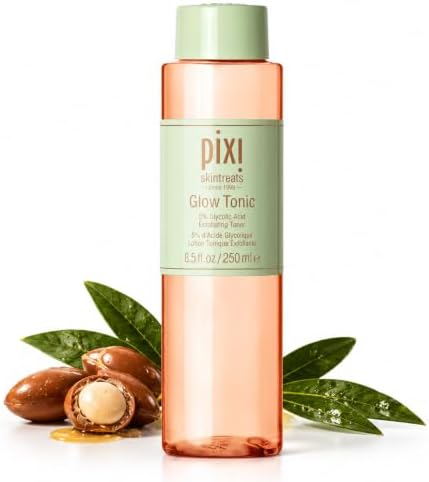
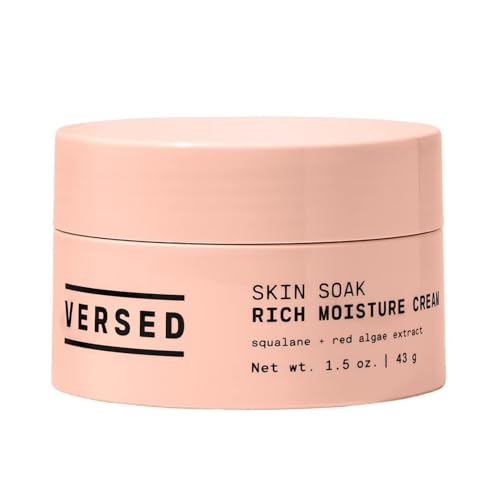
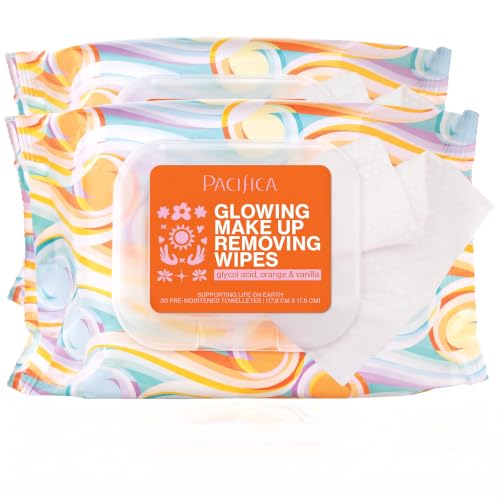
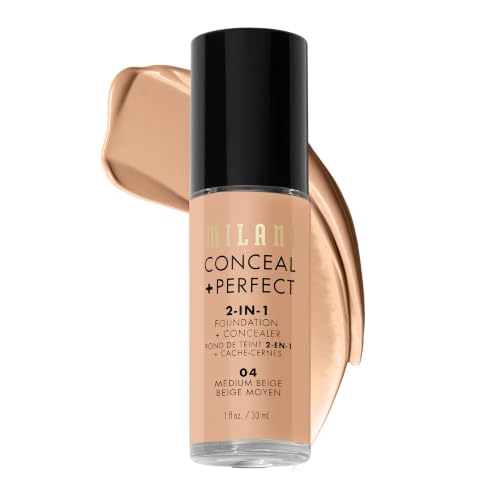
Recommended Products From Brands Widely Listed as Cruelty-Free


The Short Version
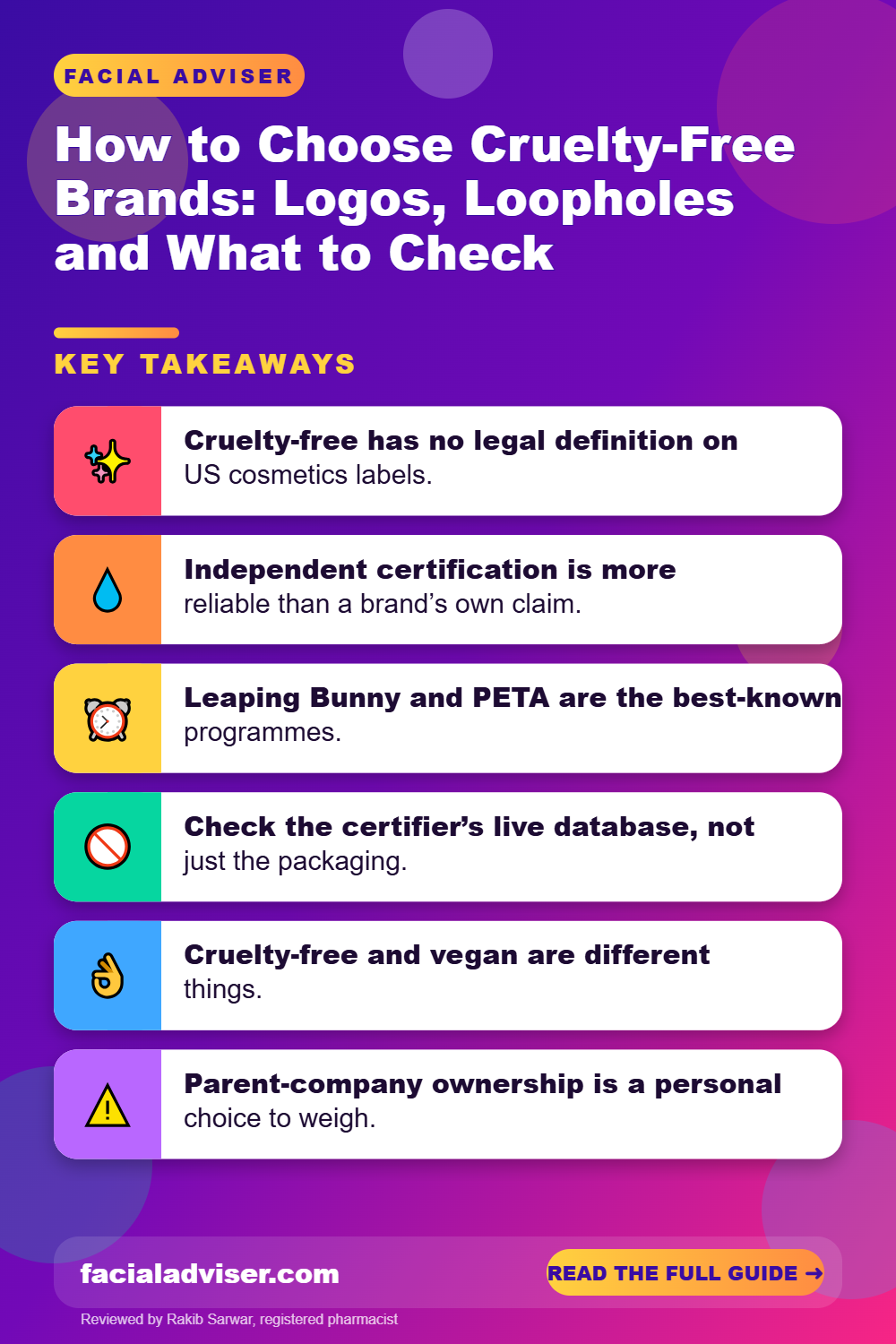
- Cruelty-free has no legal definition on US cosmetics labels.
- Independent certification is more reliable than a brand’s own claim.
- Leaping Bunny and PETA are the best-known programmes.
- Check the certifier’s live database, not just the packaging.
- Cruelty-free and vegan are different things.
- Parent-company ownership is a personal choice to weigh.
- Use up what you own, then switch product by product.
Contents
- What Cruelty-Free Actually Means
- Which Cruelty-Free Logos Can You Trust?
- Common Loopholes and Grey Areas
- Cruelty-Free vs Vegan: What Is the Difference?
- Should Parent Companies Matter?
- How to Check if a Brand Is Cruelty-Free
- Reading Labels for Animal-Derived Ingredients
- How to Switch to Cruelty-Free Without Waste
- Cruelty-Free Shopping on a Budget
- Dos and Don’ts
- Honest Limits
- When to See a Dermatologist
- Your Questions, Answered
- Final Word
What Cruelty-Free Actually Means
In broad terms, a cruelty-free brand does not test its finished products or ingredients on animals, and does not ask or allow others to test on its behalf, anywhere in the world. The detail is where brands differ, and those differences are what separate a strong claim from a weak one.
- Finished product testing: the complete product is not tested on animals.
- Ingredient testing: individual ingredients are not tested on animals by the brand or its suppliers.
- Third-party testing: no one tests on the brand’s behalf, including regulators in other countries.
- Supplier monitoring: the brand checks and documents that its suppliers comply.
A brand can truthfully say its finished products are not tested on animals while still using newly tested ingredients or selling where tests may be required. The US Food and Drug Administration explains that it has no definition for these claims in its guidance on cruelty-free and not tested on animals labelling.
Which Cruelty-Free Logos Can You Trust?
Not all bunny logos are equal. Some are backed by audits, while others are drawn by the brand’s own design team.
| Logo or programme | Who runs it | How strict it is |
|---|---|---|
| Leaping Bunny | Independent coalition of animal protection groups | Strict: covers ingredients and suppliers, requires a fixed cut-off date and independent audits |
| PETA Beauty Without Bunnies | PETA | Brands sign a statement of assurance; no routine independent audit |
| Choose Cruelty Free | Australian programme | Strict criteria, mainly Australian brands |
| Brand’s own bunny or ‘not tested on animals’ text | The company itself | Unverified; may cover only finished products |
If a logo does not name an organisation you can look up, treat it as a marketing claim. Leaping Bunny is often considered the most rigorous because it requires a supplier monitoring system and allows independent audits. Brands pay to use some logos, so a missing logo does not always mean a brand tests on animals; it may simply not have applied. In that case, search the certifier databases by name, since some certified brands do not print the logo on every product.
Common Loopholes and Grey Areas
Most confusion comes from a few recurring situations. Once you know them, you can usually spot a weak claim within a minute of reading a brand’s policy page.
- Required by law: a brand says it does not test except where required by law. This usually means it sells somewhere that may require animal testing.
- Finished product only: the product is not tested, but ingredients may be.
- Parent company: the brand is cruelty-free but owned by a company that tests other brands.
- Single product claims: one line is labelled cruelty-free, but the brand as a whole is not certified.
- Outdated information: a brand’s status can change when it enters a new market or is sold.
Rules in some countries have changed in recent years. For example, the European Union bans animal testing for cosmetics, and China has relaxed some requirements for imported general cosmetics. Because regulations and brand policies change, always check a certifier’s current list rather than an old blog post.
Cruelty-Free vs Vegan: What Is the Difference?
These two labels are often used together, but they answer different questions.
| Label | What it means | Can contain |
|---|---|---|
| Cruelty-free | Not tested on animals | Animal-derived ingredients such as beeswax, lanolin or carmine |
| Vegan | No animal-derived ingredients | Could still be tested on animals unless also cruelty-free |
| Cruelty-free and vegan | Neither tested on animals nor containing animal ingredients | Plant-based and synthetic ingredients only |
If both matter to you, look for products that carry both a cruelty-free certification and a vegan certification or clear vegan labelling. Our guide on what a clean label cosmetic means explains another term that is often confused with these two.
Should Parent Companies Matter?
Many popular cruelty-free brands are owned by large groups that also own brands that are not cruelty-free. People take different views on this.
- Some shoppers only avoid brands that test themselves, arguing that buying certified brands shows demand for cruelty-free products.
- Others also avoid brands whose parent company tests, so none of their money supports animal testing.
- Some take a middle path, preferring independent brands when the choice is easy but not ruling out others.
There is no right answer. Decide which approach fits your values and budget, then apply it consistently so shopping stays simple. Keeping a short personal list of brands you have already checked saves time on every future shopping trip.
How to Check if a Brand Is Cruelty-Free
You can check most brands in a few minutes with this routine.
Look for a named certification
Check the packaging or website for Leaping Bunny, PETA or another named programme.
Search the certifier’s database
Look the brand up on the certifier’s own website or app to confirm it is currently listed.
Read the brand’s animal testing policy
Look for phrases like except where required by law, which suggest a gap.
Check where the brand sells
Selling in markets that may require animal tests can affect status.
Check the parent company if it matters to you
Search who owns the brand and decide whether that affects your choice.
Check vegan status separately
If you avoid animal ingredients, read the ingredient list or look for vegan certification.
Recheck occasionally
Brand status can change, so confirm again before restocking favourites.
Save the Leaping Bunny and PETA search pages as shortcuts on your phone. Checking in the shop takes seconds and avoids relying on memory or old lists.
Reading Labels for Animal-Derived Ingredients
If you also want vegan products, a few common ingredients are worth recognising on labels.
- Beeswax (cera alba): lip balms, mascaras and balms.
- Lanolin: from sheep’s wool, used in lip and body products.
- Carmine (CI 75470): a red pigment from insects, used in lipsticks and blushes.
- Squalene: can come from shark liver; plant-derived squalane is common.
- Collagen, keratin and some glycerin or stearic acid: may be animal-derived unless stated as plant-based.
Our guide on how to read a cosmetic ingredient list explains where to find these on the label and what INCI names mean. Brands that are certified vegan often state it clearly on the front of the pack, which saves you checking every ingredient yourself. If an ingredient could come from either a plant or an animal source and the label does not say, you can ask the brand directly; many answer quickly by email or on social media.
How to Switch to Cruelty-Free Without Waste
Switching everything at once can be expensive and wasteful. A gradual approach is kinder to your budget and the environment.
- Use up what you already own before replacing it.
- Replace items one at a time as they run out.
- Start with products you use most, such as cleanser, moisturiser and sunscreen.
- Test new products on a small area first, especially if you have sensitive skin.
Cruelty-free, vegan and natural do not mean hypoallergenic. Plant extracts and essential oils are common causes of irritation and allergy. Patch test new products on your inner arm or jawline for a few days, especially if you have sensitive skin or eczema.
Cruelty-free options now exist in almost every category and price range, from budget drugstore brands to prestige lines. Our guide to choosing makeup brands for mature skin shows how to compare brands on formula and fit as well as ethics.
Cruelty-Free Shopping on a Budget
Cruelty-free does not have to mean expensive. Several of the most widely available drugstore brands are certified, and many retailers now label cruelty-free ranges on shelves and online.
- Start with the basics: cleanser, moisturiser and sunscreen from certified budget brands cover most daily needs.
- Use retailer filters: many online shops let you filter by cruelty-free or vegan, but still confirm with the certifier.
- Buy multi-use products: a tinted moisturiser or cream blush can replace several items.
- Watch for sets and refills: some certified brands sell refills that cost less per use.
- Avoid impulse buying just because a product carries a bunny logo.
The most sustainable and affordable routine is usually a short one. A few well-chosen certified products that suit your skin will serve you better than a cupboard full of half-used ones.
Dos and Don’ts
Do
- Look for a named, independent certification
- Check the certifier’s current database
- Read the brand’s full animal testing policy
- Check vegan status separately if it matters
- Recheck favourite brands from time to time
Don’t
- Trust a bunny logo that names no organisation
- Assume vegan means cruelty-free
- Rely on outdated lists
- Throw away products you already own
- Assume one certified product covers the whole brand
Honest Limits
Certification programmes rely partly on brands and suppliers providing accurate information. Strict programmes with audits reduce this risk but cannot eliminate it completely.
Rules and brand policies change, and no article can stay fully up to date. Treat the certifier’s live database as the final word. Cruelty-free status also says nothing about whether a product suits your skin, so choose on formula, skin type and tolerance as well as ethics.
When to See a Dermatologist
- A new product causes redness, itching, swelling or a rash.
- You react to several products and cannot find the cause.
- You need prescription-strength treatment for acne, rosacea or eczema.
- You want help building a routine around sensitive or reactive skin.
This article is for general information and does not replace professional medical advice. Brand certification status can change, so always confirm with the certifying organisation. See a board-certified dermatologist for skin reactions.
Your Questions, Answered
How can I tell if a brand is really cruelty-free?
Look for independent certification and confirm it in the certifier’s database.
Which cruelty-free logo is most reliable?
Leaping Bunny is widely seen as the strictest because of its supplier and audit requirements.
Is cruelty-free a legal term?
Not on US cosmetics labels; the FDA has no definition for it.
Is vegan the same as cruelty-free?
No, vegan is about ingredients; cruelty-free is about testing.
What does except where required by law mean?
The brand may allow tests where a market requires them.
Are cruelty-free products more expensive?
Not necessarily; many budget brands are certified.
Does a parent company affect cruelty-free status?
Not for certification, but some shoppers avoid those brands anyway.
Do cruelty-free brands sell in China?
Some can, under rules for imported general cosmetics; check each brand.
Are cruelty-free products better for skin?
Not automatically; choose by formula and skin type.
How often do brand statuses change?
Occasionally, especially after acquisitions or market changes.
Final Word
Choosing cruelty-free brands is easiest when you rely on independent certification rather than packaging claims. Check the certifier’s current database, read the brand’s testing policy and decide how you feel about parent companies.
Remember that cruelty-free and vegan are different, switch gradually as products run out and still choose formulas that suit your skin.

Written by
Registered pharmacist and founder of Facial Adviser. Rakib's pharmacy training covers how skincare actives work and interact; a later course in cosmetology turned that into a focus on facial treatments and skincare products. He plans, researches and edits every guide on the site and checks health claims against sources such as the American Academy of Dermatology, the FDA and the NIH. He is not a dermatologist; see the Editorial Policy and Medical Disclaimer.
About · Editorial policy · How we choose products · Medical disclaimer · Contact
Keep reading: How cosmetics are made
- How to Read a Cosmetic Ingredient List: A Beginner Guide
- Pigment vs Dye in Makeup: Why Some Colours Stain and Others Wipe Off
- What Is the Soft-Focus Effect in Makeup? How Blurring Products Work
- What Does Paraben-Free Mean? Parabens, Safety and What Replaces Them
- Why Is Fragrance Added to Makeup? Reasons, Risks and Alternatives
- Can Cosmetics Cause Heart Disease? What the Evidence Actually Shows