Which Makeup Brand Is Best for Mature Skin? What Actually Matters
Search for the best makeup brand for mature skin and you will find long lists of favorites, each promising to lift, smooth, and erase years. It is easy to feel that the right brand is the missing piece. In reality, the formula matters far more than the name on the label.
Part of our guide to makeup how-to. Start with: How to Properly Put On Face Makeup: The Right Order, Step by Step
There is no single best makeup brand for mature skin. What matters is choosing formulas that are hydrating, lightweight, flexible, and easy to blend, in shades and finishes that suit your skin tone and texture. Many drugstore and prestige brands offer products that fit this description.
Mature skin tends to be drier, thinner, and less elastic than younger skin. The American Academy of Dermatology notes that women lose about 30 percent of their skin’s collagen in the first five years after menopause. That is why heavy, matte, or powdery formulas often settle into lines, while creamy, hydrating ones tend to look fresher.
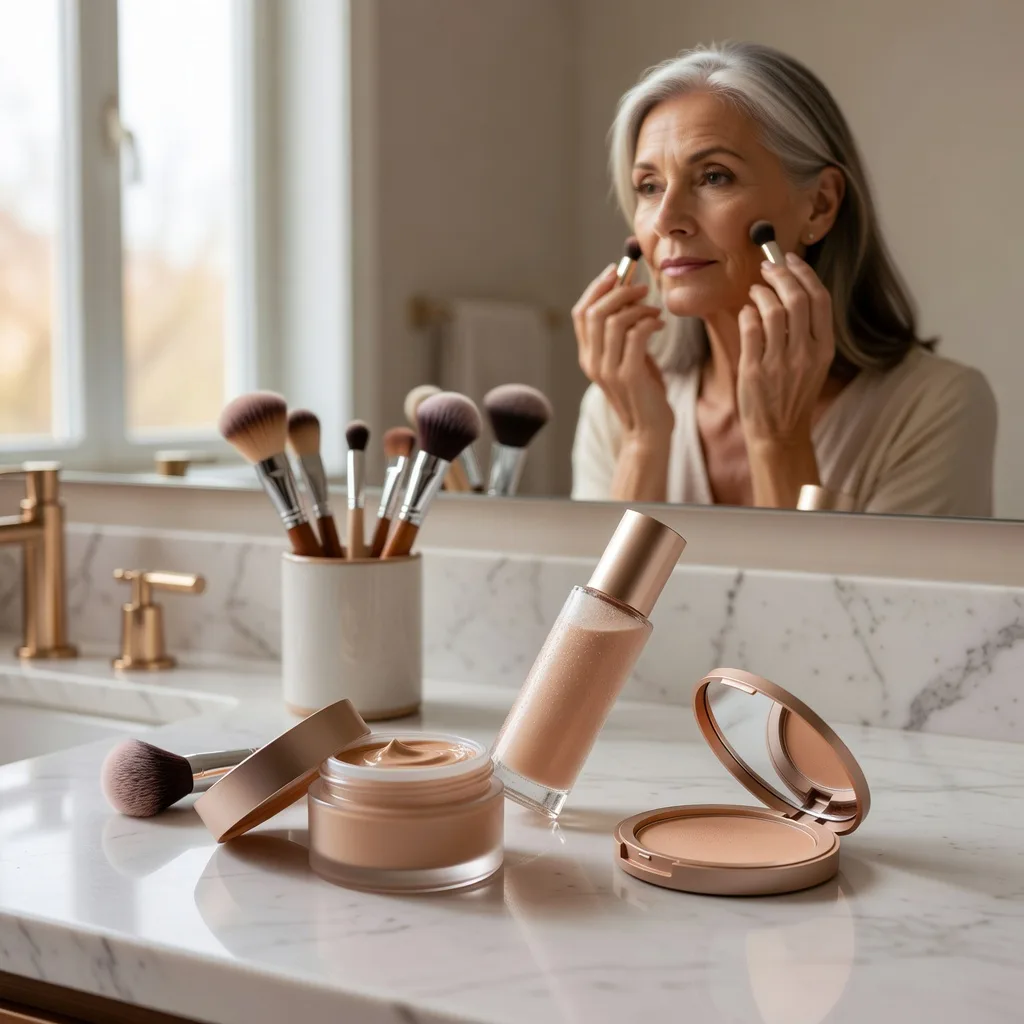
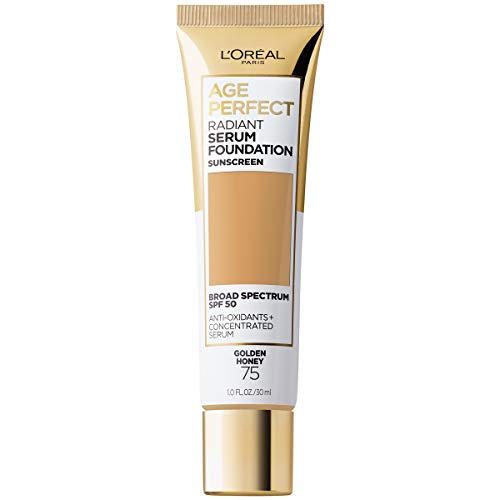
Some brands design lines specifically for mature skin, such as serum foundations, hydrating tints, and baked powders with a soft glow. These can be a good starting point, but the right choice still depends on your skin type, preferences, and budget.
This guide explains what to look for in each product type, a checklist for choosing formulas, examples of product styles that many people with mature skin like, and when skin changes need more than makeup. It focuses on what to look for rather than a ranking.
Shopping these picks?
Amazon Prime members get fast, free shipping on eligible items, plus Prime Video, Amazon Music and member deals. New members can start with a free trial.
Start a free Prime trialAged 18 to 24? Prime for Young Adults comes with a longer free trial and a lower price after it.
Affiliate link: we may earn a commission at no extra cost to you.
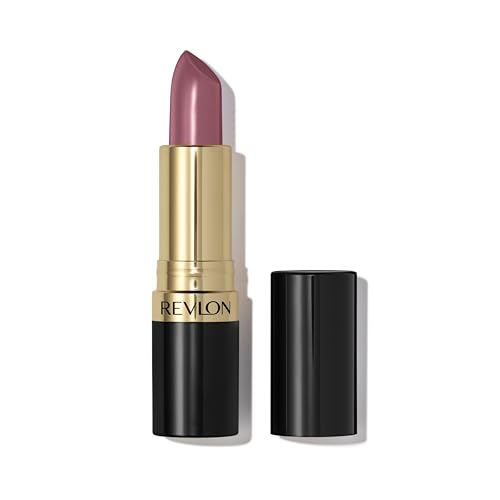
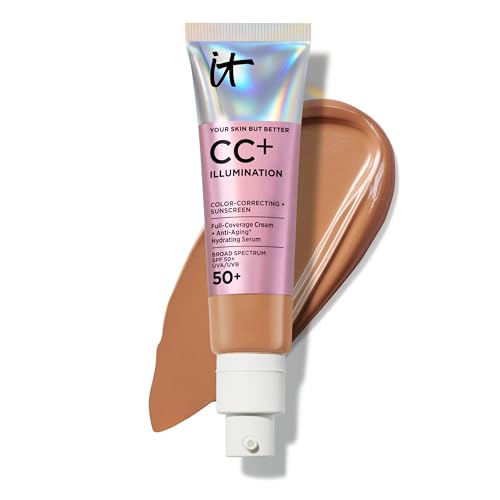
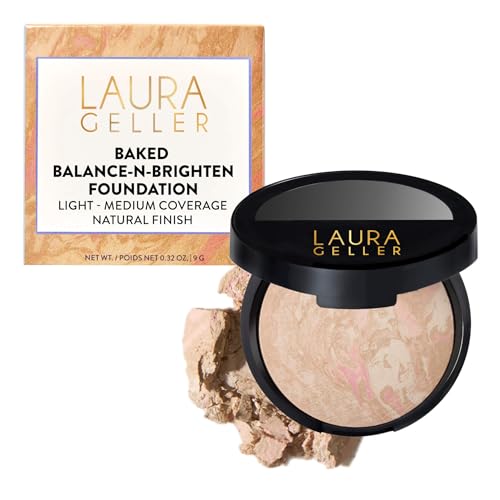
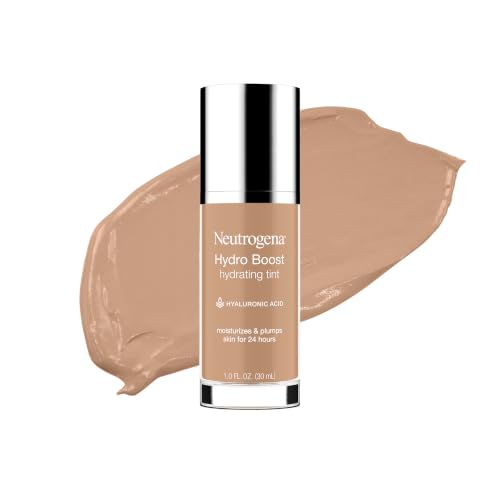
Recommended Makeup Often Chosen for Mature Skin


Contents
- Why Formula Matters More Than Brand
- What to Look For in Makeup for Mature Skin
- A Checklist for Choosing Products
- Foundation and Base Products
- Concealer, Blush, and Lips
- Eyes and Brows
- Product Types That Often Suit Mature Skin
- Common Mistakes When Choosing Makeup
- Skincare Makes Any Brand Look Better
- What No Makeup Brand Can Do
- Skin Changes Worth Checking
- Common Questions
- The Bottom Line
Key Takeaways
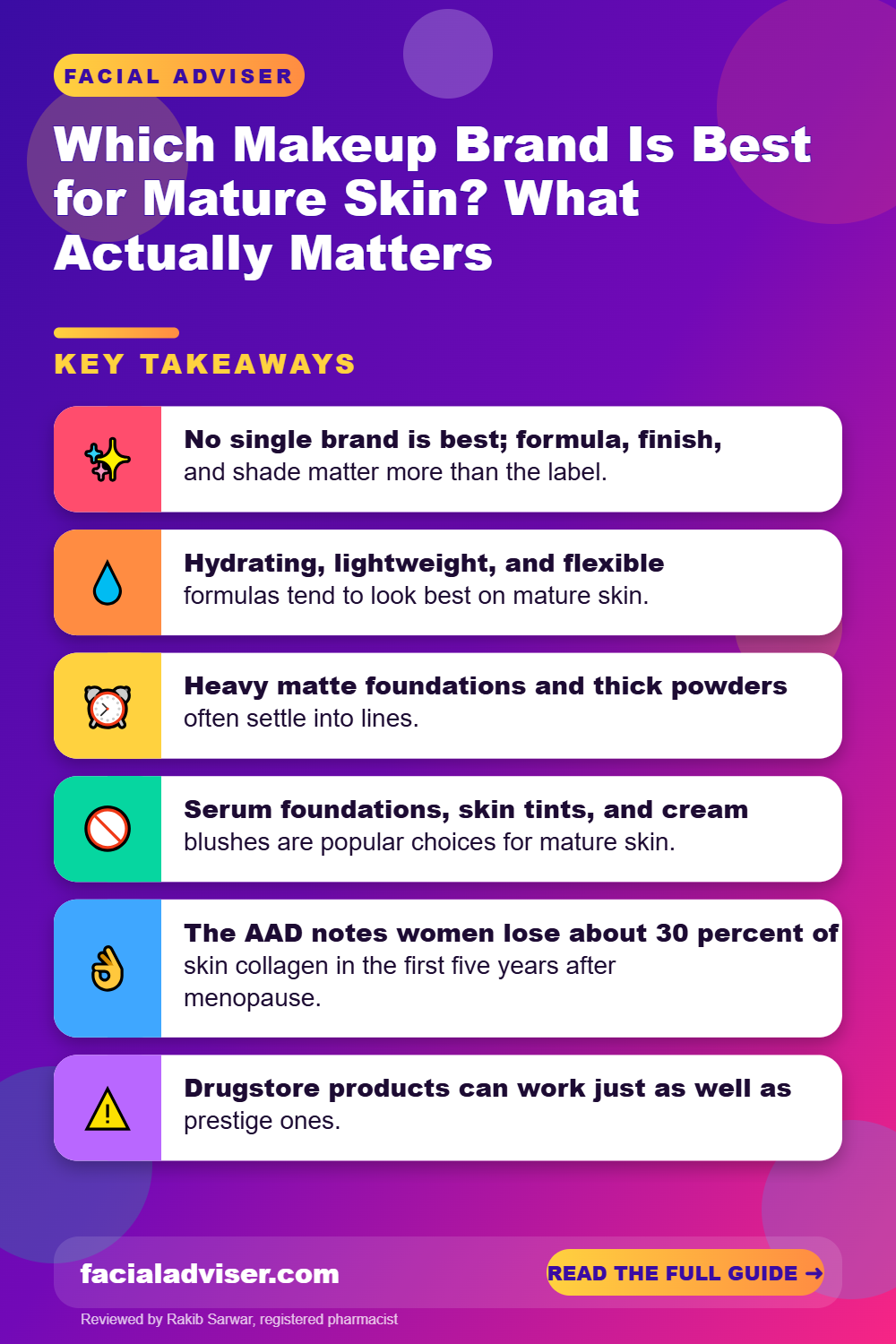
- No single brand is best; formula, finish, and shade matter more than the label.
- Hydrating, lightweight, and flexible formulas tend to look best on mature skin.
- Heavy matte foundations and thick powders often settle into lines.
- Serum foundations, skin tints, and cream blushes are popular choices for mature skin.
- The AAD notes women lose about 30 percent of skin collagen in the first five years after menopause.
- Drugstore products can work just as well as prestige ones.
- New or changing spots should be checked by a dermatologist, not covered.
Why Formula Matters More Than Brand
Most brands, from drugstore to luxury, make a range of formulas: matte and dewy, sheer and full coverage, liquid and powder. A brand known for great long-wear matte foundation may also sell a lightweight skin tint, and one may suit mature skin far better than the other.
Instead of looking for one brand to use for everything, it helps to look for the right type of product in each category. You might find your favorite foundation in one brand, concealer in another, and blush in a third.
Price is not a reliable guide either. Many affordable products use similar ingredients and technology to more expensive ones. What matters is how the product feels, looks after a few hours, and works with your skin.
Marketing terms like anti-aging, lifting, or age-defying are not regulated in a way that guarantees results. Treat them as descriptions of the intended audience rather than proof of performance.
It can also help to think about your routine as a set of tools rather than a brand collection. Once you know which textures and finishes suit you, it becomes much easier to shop across brands and price points.
What to Look For in Makeup for Mature Skin
- Hydrating ingredients: glycerin, hyaluronic acid, and squalane help products feel comfortable on drier skin.
- Light to medium, buildable coverage: easier to blend and less likely to settle into lines than full coverage.
- Satin or natural finish: reflects light softly without looking flat or overly shiny.
- Flexible textures: products that move with the skin rather than setting hard.
- Cream or finely milled powders: cream blush and bronzer melt in; if you use powder, finely milled formulas look softer.
- Good shade ranges with undertone options: skin tone can change with age, so a wide range helps.
If you want an overview of how to apply these products, our guide on makeup tips for women over 60 covers technique.
Fragrance-free formulas are often a good idea too, since skin can become more sensitive with age and fragrance is a common cause of irritation.
A Checklist for Choosing Products
Use this checklist whenever you try a new product, whatever the brand.
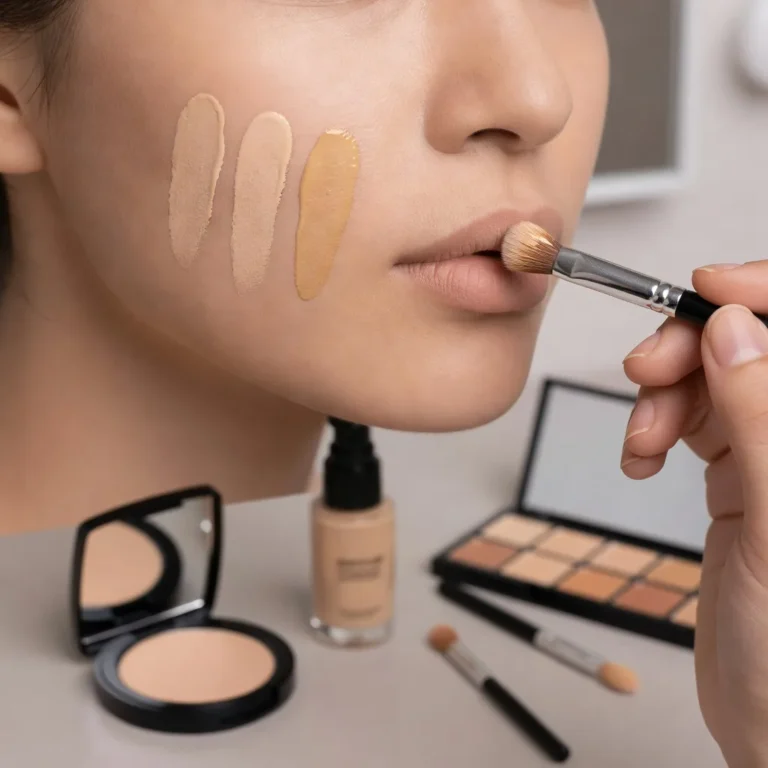
Test on your jawline in daylight
Apply a small amount along the jaw and check near a window. The right shade blends into both face and neck.
Wait and check after a few hours
Look at how the product wears. Has it settled into lines, clung to dry patches, or faded unevenly?
Check the feel
Mature skin should feel comfortable, not tight or heavy, after a few hours.
Look at the finish
Satin or natural finishes usually flatter more than very matte or very glittery ones.
Watch for reactions
Over the next week, look for redness, itching, or breakouts before committing to a full-size product.
Ask for samples or buy travel sizes when possible. Many stores also accept returns on makeup that does not work for you.
Foundation and Base Products
For base products, many people with mature skin prefer serum foundations, hydrating skin tints, tinted moisturizers, or CC creams with SPF. These give enough coverage to even out tone while letting skin look like skin.
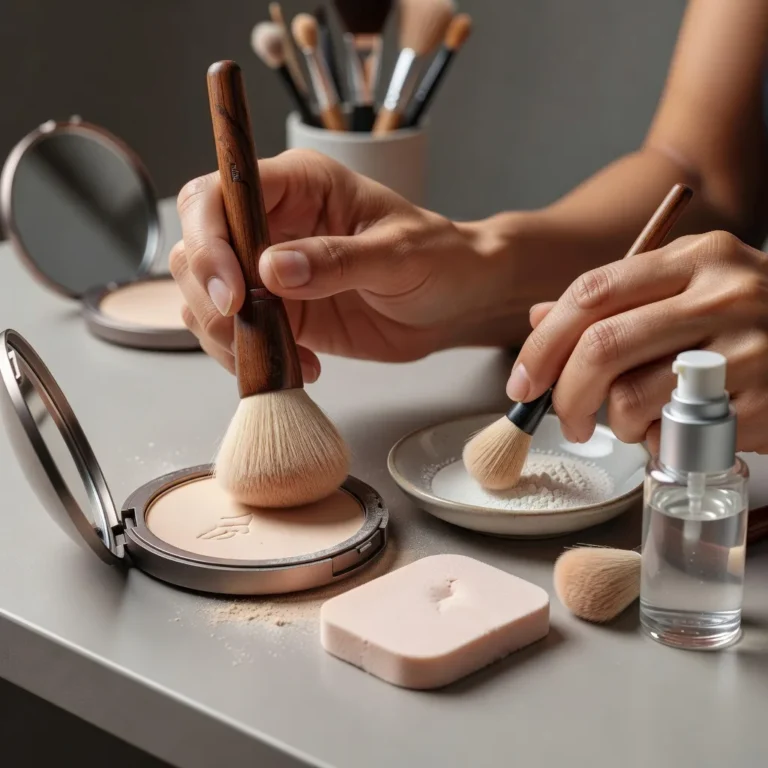
Baked or finely milled powder foundations with a soft glow are another option for those who prefer powder, especially on combination skin. Apply with a light hand and a fluffy brush.
Whatever you choose, keep a separate sunscreen underneath, since most people apply too little foundation to get the full SPF on the label. Our guide on the purpose of foundation explains why.
If you have very dry skin, mixing a drop of facial oil or serum into foundation can make it glide more easily and look more natural. Test the mix on your jaw first.
Concealer, Blush, and Lips
Concealer for mature skin works best when it is creamy and applied sparingly, especially under the eyes. A sponge-tip or wand applicator lets you place small dots and tap them in.
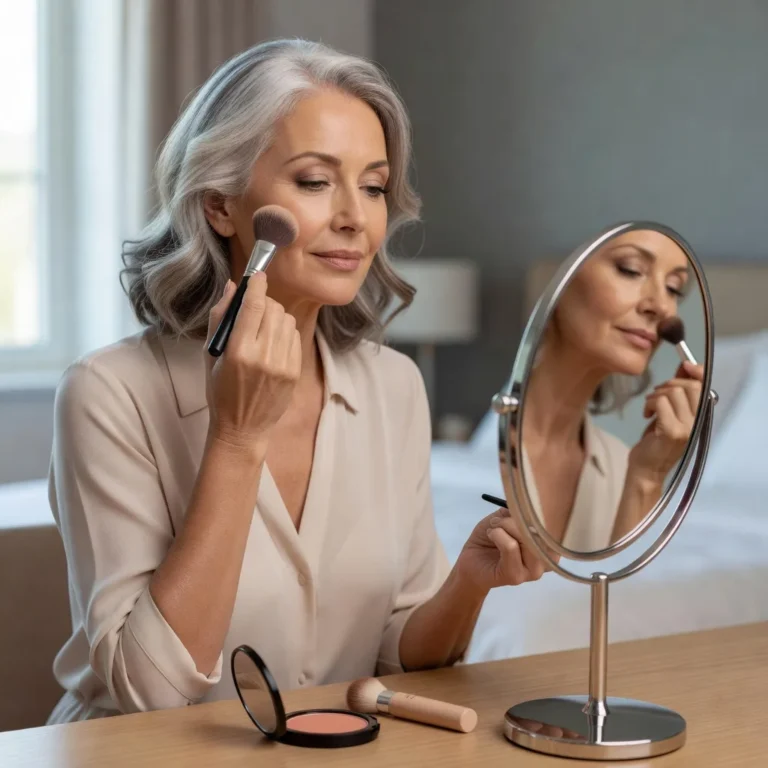
Cream blushes and multi-use sticks are popular because they melt into skin and add a natural flush. Place them slightly higher on the cheeks for a lifted look.
For lips, creamy, hydrating lipsticks and lip liners help prevent color from bleeding into fine lines. Very matte liquid lipsticks can feel drying and emphasize lip lines.
Warm, soft shades such as rosy pink, peach, and berry tend to brighten mature skin, while very pale nudes can wash out the face.
Eyes and Brows
Eye makeup for mature skin works best when it defines without drawing attention to crepey texture. Matte and satin eyeshadows in soft neutrals are the easiest to wear. If you like shimmer, place a small amount only in the center of the lid.
Soft pencil liners are easier to control and blend than liquid liners, especially if your lids have become hooded or your hands are less steady. Smudge the line slightly for a softer effect.
Brows often thin with age, and filling them lightly makes a big difference in framing the face. Look for a fine pencil or brow powder in a shade close to your natural hair color, and a tinted or clear gel to hold hairs in place.
For lashes, a lengthening mascara on the upper lashes, focused at the roots, usually looks lighter than a heavy volumizing formula. Curling lashes first can open up the eyes.
Product Types That Often Suit Mature Skin
| Category | Often works well | Often looks heavier |
|---|---|---|
| Base | Serum foundation, skin tint, CC cream | Full-coverage matte foundation |
| Powder | Finely milled, light application | Heavy loose powder and baking |
| Concealer | Creamy, hydrating, small amounts | Thick, dry, full-coverage under eyes |
| Blush | Cream or balm, higher on cheeks | Chalky powder, low on cheeks |
| Eyeshadow | Matte or satin neutrals | Chunky glitter, very frosty shades |
| Lips | Creamy lipstick with liner | Very matte liquid lipstick |
You can find these product types from many brands at different price points.
Common Mistakes When Choosing Makeup
Good Habits
- Choose formulas based on texture and finish.
- Test shades on the jaw in daylight.
- Buy travel sizes before committing.
- Mix brands to find the best product in each category.
- Update your shade as skin tone changes.
Common Mistakes
- Buy an entire line from one brand without testing.
- Assume more expensive means better.
- Rely on anti-aging claims alone.
- Keep using a shade that no longer matches.
- Use heavy powder to set everything.
If you prefer a simpler routine, our guide on how to wear the least amount of makeup shows how a few products can cover most needs.
It is also worth revisiting your routine every few years. Products and techniques that suited you at 50 may need adjusting at 60 or 70 as your skin continues to change.
Skincare Makes Any Brand Look Better
The best makeup still depends on the skin underneath. A good moisturizer, daily sunscreen, and, if tolerated, a retinoid at night can make mature skin smoother and more even over time, so makeup sits better.
Hydrate well before makeup, and give skincare a few minutes to settle. A richer moisturizer in the morning than you used when younger may help makeup look fresher.
Sunscreen is the most important anti-aging step. Daily broad-spectrum SPF 30 or higher helps prevent further sun damage and dark spots.
Gentle exfoliation once or twice a week can also help makeup sit more smoothly on dry, flaky areas. Choose a mild lactic acid product or a soft cloth rather than harsh scrubs, and skip exfoliation on days your skin feels sensitive.
What No Makeup Brand Can Do
| Claim | Reality |
|---|---|
| This foundation erases wrinkles | Makeup can soften the look but not remove lines |
| Lifting makeup tightens skin | Makeup cannot change skin structure |
| One brand suits all mature skin | Needs vary with skin type, tone, and preference |
| Luxury makeup works better on older skin | Many drugstore formulas perform just as well |
| Anti-aging makeup replaces skincare | Treatment happens in skincare, not makeup |
Choose what makes you feel comfortable and like yourself. That matters more than any brand.
A comfortable, well-matched routine will always look better than chasing the latest brand.
Skin Changes Worth Checking
While choosing makeup, pay attention to changes in your skin. See a dermatologist if you notice:
- A new or changing mole or spot.
- A sore that does not heal or bleeds easily.
- Rough, scaly patches on sun-exposed skin.
- A shiny, pearly, or waxy bump.
- Persistent redness, flushing, or visible vessels.
- Reactions such as itching or rashes from makeup.
Do not cover a changing spot with makeup and wait to see if it goes away. Early checks make skin cancers easier to treat.
Medical disclaimer: This article is for general information and is not a substitute for professional medical advice. See a dermatologist about new or changing skin spots.
Common Questions
Which makeup brand is best for mature skin?
There is no single best brand. Look for hydrating, lightweight, flexible formulas in the right shade and finish.
What foundation is best for mature skin?
Many people prefer serum foundations, skin tints, or CC creams with a satin or natural finish.
Is drugstore makeup good for mature skin?
Yes. Many affordable products are hydrating and blendable.
Should mature skin avoid powder?
Not entirely, but use finely milled powder sparingly and only where needed.
Is cream blush better for mature skin?
Often yes, because it melts into skin and looks more natural.
What lipstick is best for mature lips?
Creamy, hydrating formulas with a lip liner to prevent bleeding into lines.
Does anti-aging makeup work?
It can look nice, but makeup cannot change skin structure or remove wrinkles.
Should I use makeup with SPF?
It adds some protection, but wear a separate sunscreen underneath.
How do I find the right shade as I age?
Test on your jawline in daylight, and recheck your shade every season or so.
Can I mix brands in my routine?
Yes. Many people find the best product in each category from different brands.
The Bottom Line
No single makeup brand is best for mature skin. What matters is choosing hydrating, lightweight, flexible formulas with a natural or satin finish, in shades that match your skin as it is now. Many drugstore and prestige brands offer products that fit.
Test products on your jawline in daylight, check how they wear after a few hours, and feel free to mix brands. Pair makeup with good skincare and daily sunscreen, and see a dermatologist about any new or changing spots.

Written by
Registered pharmacist and founder of Facial Adviser. Rakib's pharmacy training covers how skincare actives work and interact; a later course in cosmetology turned that into a focus on facial treatments and skincare products. He plans, researches and edits every guide on the site and checks health claims against sources such as the American Academy of Dermatology, the FDA and the NIH. He is not a dermatologist; see the Editorial Policy and Medical Disclaimer.
About · Editorial policy · How we choose products · Medical disclaimer · Contact
Keep reading: Makeup basics and skin
- How to Properly Put On Face Makeup: The Right Order, Step by Step
- Best Way to Apply Makeup Over 50: Products That Flatter Changing Skin
- Best Way to Apply Makeup for Oily Skin: Prep, Prime, Set and Blot
- What to Do If Makeup Gets in Your Eye: First Aid and Warning Signs
- Why Does Makeup Make Me Look Tired? Causes and Easy Fixes
- How Do You Know If Makeup Is Oil-Free? Reading Labels and Ingredients
- How to Find the Right Shade of Makeup: Undertone, Depth and Testing
- How to Choose the Right Eye Makeup Color for Your Eyes and Skin