Makeup Base Order: Primer vs Sunscreen, Which Goes First?
Primer and sunscreen both sit underneath foundation, both come in similar tubes and both promise a smoother base. So it is no surprise that many people are unsure which one should go on first, or whether they need both at all.
Part of our guide to makeup how-to. Start with: How to Find the Right Shade of Makeup: Undertone, Depth and Testing
In a makeup base routine, sunscreen goes on before primer. The usual order is cleanser, treatment serum, moisturiser, sunscreen, primer, then foundation. Sunscreen is the last skincare step and needs to form an even film on the skin to protect it, so it should not be diluted or disturbed by products applied on top too quickly. Wait a few minutes after sunscreen, then apply a small amount of primer and let it set before foundation. If your sunscreen already leaves a smooth, grippy finish, you can often skip primer altogether.
Put simply: skincare first, sunscreen last in skincare, primer first in makeup.
The American Academy of Dermatology recommends a broad-spectrum sunscreen of SPF 30 or higher every day, applied generously. Neither primer nor foundation with SPF is a reliable substitute, because people apply far too little of them to reach the number on the label.
Getting the order right matters for two reasons: your sunscreen protects as it should, and your makeup stays put instead of sliding or balling up by lunchtime.
Shopping these picks?
Amazon Prime members get fast, free shipping on eligible items, plus Prime Video, Amazon Music and member deals. New members can start with a free trial.
Start a free Prime trialAged 18 to 24? Prime for Young Adults comes with a longer free trial and a lower price after it.
Affiliate link: we may earn a commission at no extra cost to you.
This guide covers the correct order, why it matters, how long to wait between layers, how to stop pilling and how to choose products that work well together.
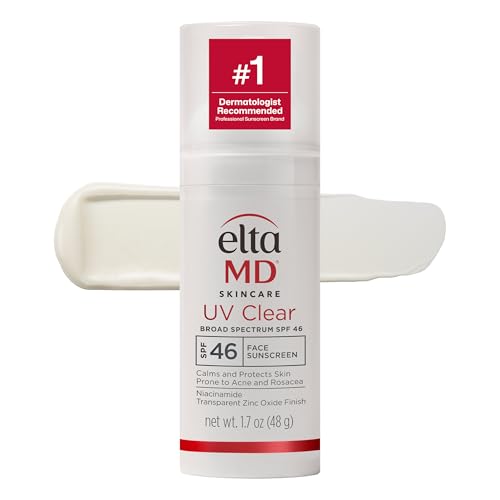
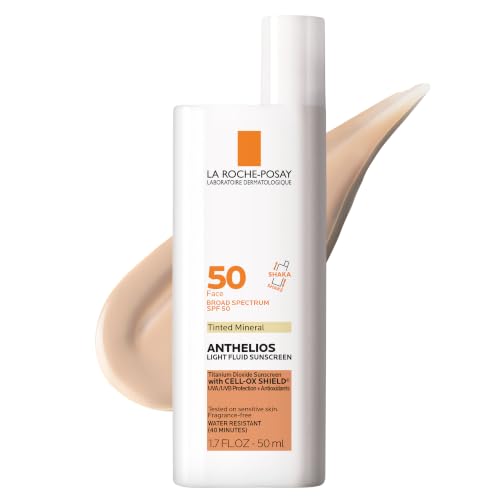
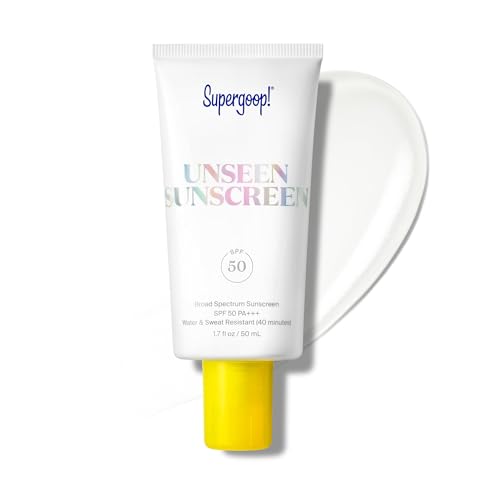
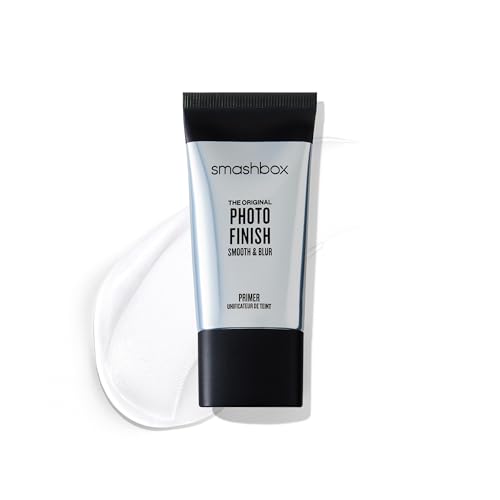
Recommended Sunscreens and Primers for Your Makeup Base


In This Guide
- The Correct Makeup Base Order
- Why Sunscreen Comes Before Primer
- How Long to Wait Between Layers
- How to Layer Sunscreen and Primer Under Makeup
- Why Sunscreen Pills Under Primer and How to Stop It
- Can Primer With SPF Replace Sunscreen?
- When Sunscreen Can Replace Primer
- Choosing Sunscreen and Primer for Your Skin Type
- Reapplying Sunscreen Over Makeup
- Dos and Don’ts
- Honest Limits
- When to See a Dermatologist
- Frequently Asked Questions
- Final Word
What to Know First
- Sunscreen goes before primer.
- Full order: cleanser, serum, moisturiser, sunscreen, primer, foundation.
- Wait a few minutes after sunscreen before primer.
- Primer with SPF does not replace sunscreen.
- Match water-based and silicone-based layers to avoid pilling.
- A sunscreen with a primer-like finish can replace primer.
- Reapply sun protection during the day with a spray, powder or stick.
The Correct Makeup Base Order
Think of your routine in two halves: skincare, which treats and protects the skin, and makeup, which sits on top. Sunscreen closes the skincare half and primer opens the makeup half.
| Step | Product | Why it goes here |
|---|---|---|
| 1 | Cleanser | Removes oil and residue so layers sit evenly |
| 2 | Treatment serum | Thin, active products go closest to the skin |
| 3 | Moisturiser | Hydrates and softens before protection |
| 4 | Sunscreen | Last skincare step; forms the protective film |
| 5 | Primer | First makeup step; smooths and grips |
| 6 | Foundation or tint | Coverage on a prepared base |
| 7 | Concealer, powder, setting spray | Finishing touches |
If you use a moisturiser with SPF, it takes the place of steps 3 and 4, as long as you apply enough of it. Our guide to the morning versus night skincare routine order explains where every other product fits.
Eye cream, if you use it, goes after serum and before or alongside moisturiser. Spot treatments are best kept for the evening, when they will not sit under sunscreen and makeup. The rule of thumb is thinnest to thickest in skincare, then sunscreen, then makeup from base to finish.
Why Sunscreen Comes Before Primer
Sunscreen only protects as labelled when it forms an even, unbroken layer at roughly the amount used in testing. Anything applied on top too soon can smear, thin or move that layer.
- Protection: sunscreen needs direct contact with the skin surface to form an even film.
- Performance: primer is designed to grip makeup, so it works best as the top layer before foundation.
- Texture: most primers are made to smooth over what is underneath, including sunscreen.
- Logic: sunscreen is skincare; primer is makeup.
Some people put primer first because they feel it helps sunscreen spread. This is not recommended: a silicone primer underneath can stop sunscreen from settling evenly, and there is no benefit to protection from reversing the order. The US Food and Drug Administration also advises applying sunscreen liberally and reapplying it, which is easier when it forms its own clean layer. See the FDA overview on how sunscreen helps protect your skin.
How Long to Wait Between Layers
Waiting is the simplest fix for most layering problems. Rushing is the main reason makeup slides or balls up over sunscreen.
| After this step | Wait roughly | Sign it is ready |
|---|---|---|
| Moisturiser | 1 to 2 minutes | Skin feels soft, not wet |
| Sunscreen | 2 to 5 minutes | Finish is dry or slightly tacky, not slippery |
| Primer | About 1 minute | Surface feels smooth and set |
| Foundation | A few minutes | Before powder or setting spray |
Use the waiting time to brush your hair or do your brows. Mineral sunscreens with zinc oxide or titanium dioxide often need a little longer to settle than chemical formulas.
In hot or humid weather, layers take longer to dry and oil appears sooner, so give each step a little more time and use lighter textures. In dry or cold weather, skin can feel tight quickly, so a richer moisturiser under sunscreen may help foundation sit better, as long as you still leave time for it to absorb.
How to Layer Sunscreen and Primer Under Makeup
Follow these steps for a base that protects your skin and keeps makeup in place.
Cleanse and treat
Wash your face and apply any serum. Keep morning layers light.
Moisturise
Use a lightweight moisturiser or skip it if your sunscreen is hydrating.
Apply sunscreen generously
Use about two finger lengths for the face and neck, or roughly a quarter teaspoon for the face.
Let it settle
Wait two to five minutes until it no longer feels slippery.
Apply a small amount of primer
A pea-sized amount, pressed in rather than rubbed.
Let the primer set
About one minute before foundation.
Apply foundation in thin layers
Pat or buff gently so you do not move the layers underneath.
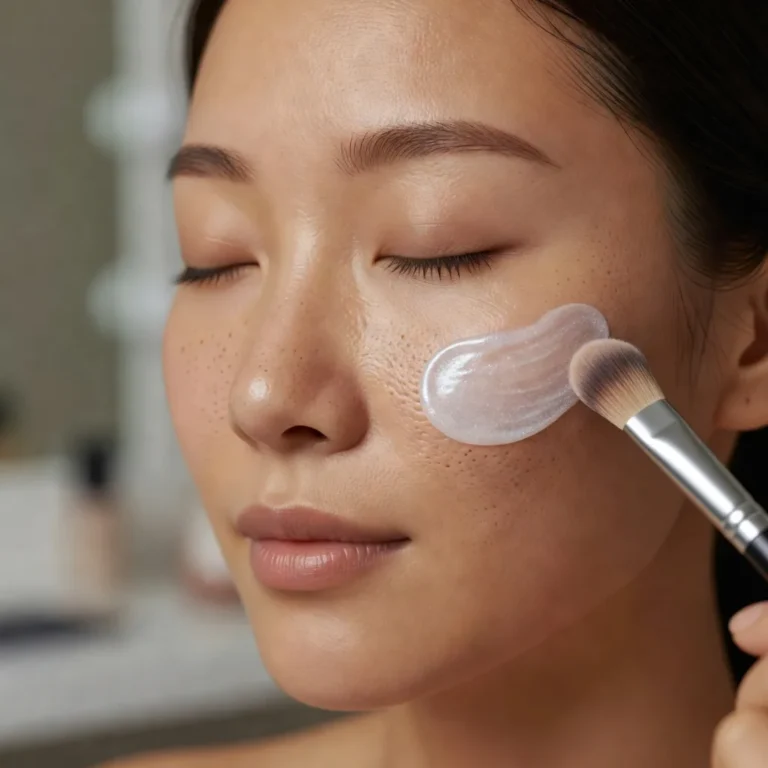
Press rather than rub. Patting primer and foundation onto sunscreen with fingertips or a damp sponge keeps the sunscreen layer intact and reduces pilling.
The American Academy of Dermatology explains how to apply sunscreen properly, including how much to use.
Why Sunscreen Pills Under Primer and How to Stop It
Pilling is when products roll into small flakes or balls on the skin. It usually comes from too many layers, too much product, rushing or mixing incompatible bases.
- Use less primer: a pea-sized amount is enough for the whole face.
- Wait longer after sunscreen before primer.
- Match bases: water-based over water-based, silicone over silicone.
- Cut layers: a hydrating sunscreen may replace moisturiser, a grippy sunscreen may replace primer.
- Avoid rubbing back and forth once layers are down.
Our guides on avoiding pilling when layering and how to avoid product pilling explain the causes in more detail.
If pilling continues even after these changes, try one product at a time for a few days. Swap only the primer first, then only the sunscreen, until you find the pairing that causes the problem. Often a single thick or very silicone-heavy product is responsible, and changing it fixes the whole routine.
Can Primer With SPF Replace Sunscreen?
Many primers and foundations list an SPF, which is tempting if you want a shorter routine. The problem is quantity. SPF is measured using about 2 milligrams of product per square centimetre of skin, which for the face is far more than anyone uses of a primer or foundation.
Do not use a primer or foundation with SPF as your only sun protection. At the thin layer used for makeup, the real protection is much lower than the label. Always wear a dedicated sunscreen underneath.
SPF in makeup is still a useful extra layer, so there is no need to avoid it. Just treat it as a bonus on top of your sunscreen, not a replacement. The same applies to powders and setting sprays with SPF: they help as a top-up, but they cannot provide the protection of a properly applied sunscreen layer on their own.
When Sunscreen Can Replace Primer
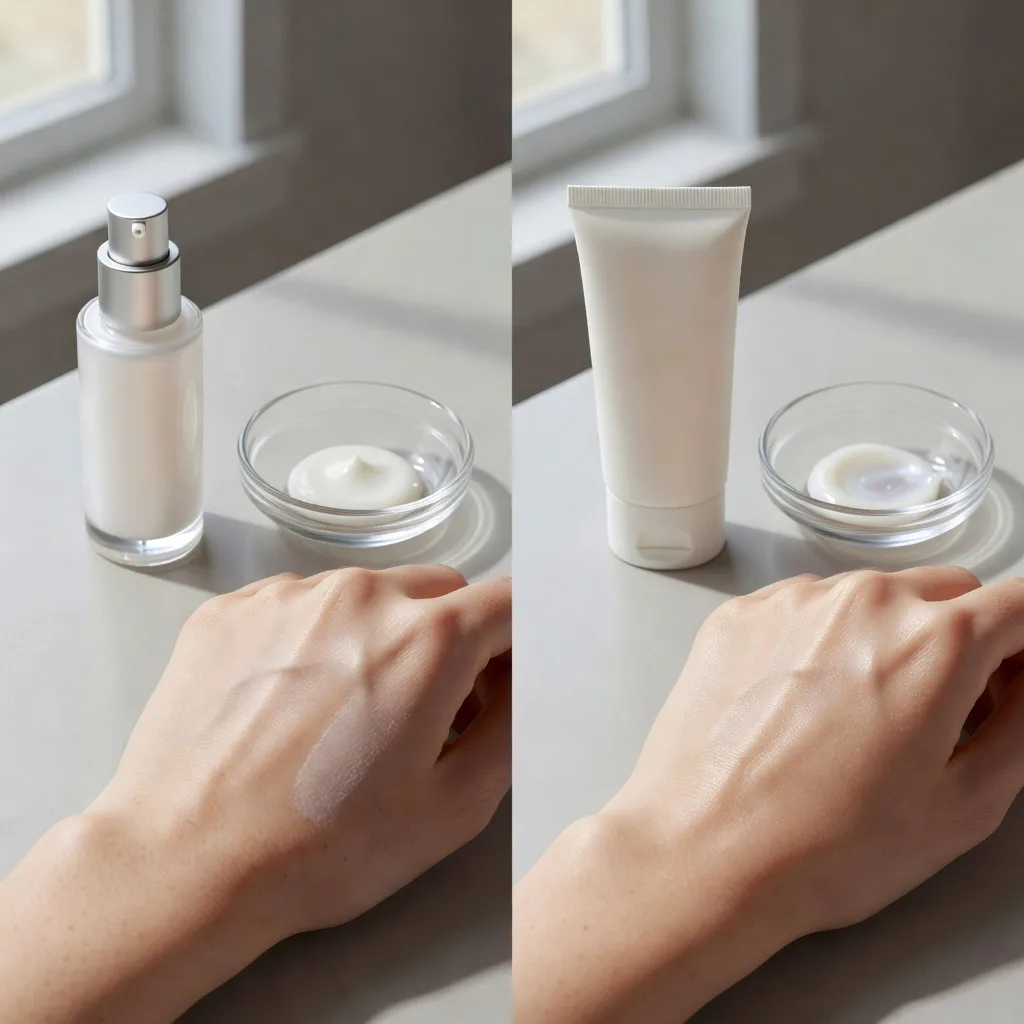
Many modern face sunscreens are formulated with a silky, primer-like finish. Some clear gel sunscreens feel almost identical to silicone primers, and some tinted or glowy sunscreens are marketed as sunscreen and primer in one.
If your sunscreen leaves a smooth finish and your foundation lasts well on top, you can skip primer. This keeps your routine lighter, saves time and reduces the risk of pilling. Keep primer for days when you need extra help, such as long events, hot weather or photos.
A sunscreen that doubles as a primer still needs to be applied in the full amount to protect your skin. Do not use less of it just because it is acting as a makeup base.
Choosing Sunscreen and Primer for Your Skin Type
The right pairing depends on your skin type and the finish you want.
- Oily skin: a lightweight gel or fluid sunscreen with a mattifying primer on the T-zone only.
- Dry skin: a hydrating sunscreen with a gripping or hydrating primer.
- Combination skin: a light sunscreen all over, then primer only where you need it.
- Sensitive or acne-prone skin: a fragrance-free mineral or non-comedogenic sunscreen, and fewer layers overall.
- Mature skin: a hydrating sunscreen and a light blurring primer, avoiding heavy powdery layers.
Whatever your skin type, test new pairings on a day with no plans, so you can see how they wear before an important event. Wear the pairing for a full day, check it at lunchtime and in the evening, and note whether it pills, slides, looks greasy or feels tight.
Reapplying Sunscreen Over Makeup
Sunscreen needs reapplying about every two hours when you are outdoors, and after sweating or swimming. Reapplying over a full face of makeup is awkward, but there are practical options.
- Sunscreen sprays or mists, held at a distance and applied in several passes.
- Mineral sunscreen powders brushed over makeup for a top-up.
- Sunscreen sticks pressed gently over the cheeks, nose and forehead.
- Blotting first with a tissue so the new layer sits better.
These top-ups are helpful, but they are hard to apply in the full amount. On days with long sun exposure, shade, a hat and sunglasses matter as much as reapplication.
Dos and Don’ts
Good Habits
- Apply sunscreen before primer
- Use the full amount of sunscreen
- Wait a few minutes between layers
- Press makeup on gently
- Reapply sun protection during the day
Common Mistakes
- Rely on SPF in primer or foundation
- Put primer under sunscreen
- Rush straight to foundation
- Use too much primer
- Mix very different bases without testing
Honest Limits
There is little published research comparing layering orders for makeup, so the advice here is based on how sunscreen is tested and how cosmetic formulas behave. Results vary with the exact products you use.
Some sunscreen and primer pairings simply do not get along, even in the right order. If that happens, the answer is usually to change one of the products rather than to change the order. Protection should always come first, and appearance second.
When to See a Dermatologist
- Sunscreen or primer causes stinging, redness or a rash.
- You break out repeatedly where you apply your base products.
- You have a new or changing mole or spot.
- You have a condition such as melasma or rosacea that worsens with sun.
This article is for general information and does not replace professional medical advice. See a board-certified dermatologist for skin reactions or concerns about sun damage.
Frequently Asked Questions
Does primer or sunscreen go first?
Sunscreen goes first, then primer, then foundation.
How long should I wait after sunscreen before primer?
About two to five minutes, until it no longer feels slippery.
Can I skip primer if I wear sunscreen?
Yes, if your sunscreen leaves a smooth finish that makeup grips well.
Is primer with SPF enough?
No, you apply too little of it to reach the labelled SPF.
Why does my sunscreen pill under makeup?
Usually too much product, rushing or mixing incompatible bases.
Does moisturiser go before sunscreen?
Yes, moisturiser goes before sunscreen.
Can I mix sunscreen with foundation?
It is not recommended, because it dilutes the sunscreen.
Which sunscreen is best under makeup?
A lightweight, fast-absorbing formula suited to your skin type.
How do I reapply sunscreen over makeup?
Use a sunscreen spray, powder or stick.
Does primer reduce sunscreen protection?
Not if you let sunscreen settle first and apply primer gently.
Final Word
In your makeup base, sunscreen comes first and primer second: cleanser, serum, moisturiser, sunscreen, primer, then foundation. Sunscreen is the last skincare step and primer is the first makeup step.
Apply sunscreen generously, wait a few minutes, press on a small amount of primer and never rely on SPF in makeup alone. If your sunscreen already gives a smooth base, you can skip primer.

Written by
Registered pharmacist and founder of Facial Adviser. Rakib's pharmacy training covers how skincare actives work and interact; a later course in cosmetology turned that into a focus on facial treatments and skincare products. He plans, researches and edits every guide on the site and checks health claims against sources such as the American Academy of Dermatology, the FDA and the NIH. He is not a dermatologist; see the Editorial Policy and Medical Disclaimer.
About · Editorial policy · How we choose products · Medical disclaimer · Contact
Keep reading: Foundation, BB cream and base
- How to Find the Right Shade of Makeup: Undertone, Depth and Testing
- How to Match Makeup to Your Undertone: Foundation, Blush, Bronzer and Lips
- How to Fix Patchy Contour: Causes, Quick Fixes and Better Blending
- How to Apply Blush for a Round Face: Placement That Lifts and Defines
- Layering Cream and Powder Products: The Right Order for Smooth Makeup
- How to Make Pressed Powder Last Longer: In the Compact and on Your Face
- Best Way to Use Makeup Remover: Micellar Water, Balms, Oils and Eye Removers
- How to Properly Put On Face Makeup: The Right Order, Step by Step