Layering Cream and Powder Products: The Right Order for Smooth Makeup
Cream blushes, bronzers, contours and highlighters give a natural, skin-like finish, while powders set makeup and help it last. Using both can give the best of each, but only if they are layered in the right order. Get it wrong and cream products drag, lift foundation or turn patchy.
Part of our guide to makeup how-to. Start with: How to Find the Right Shade of Makeup: Undertone, Depth and Testing
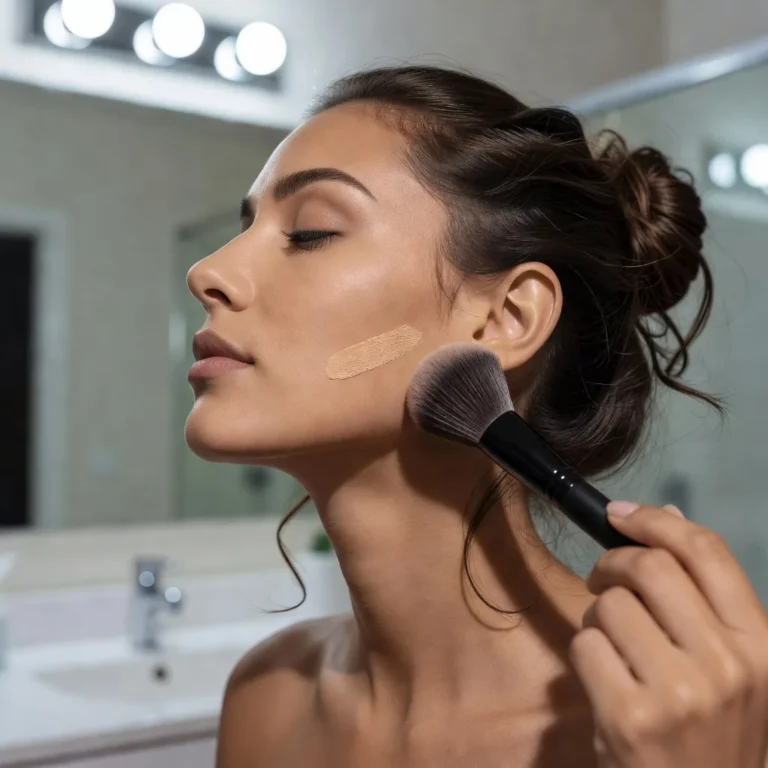
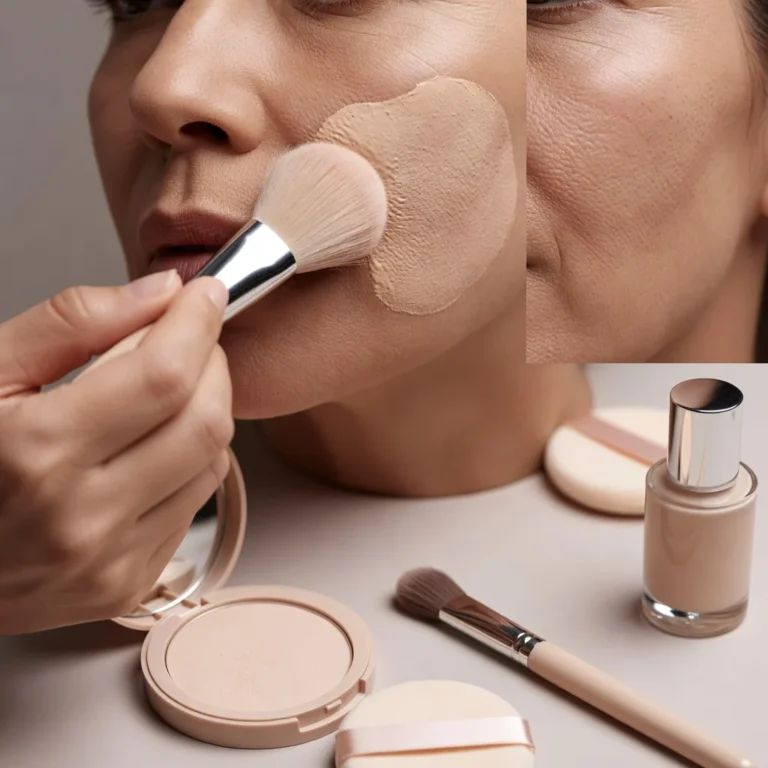
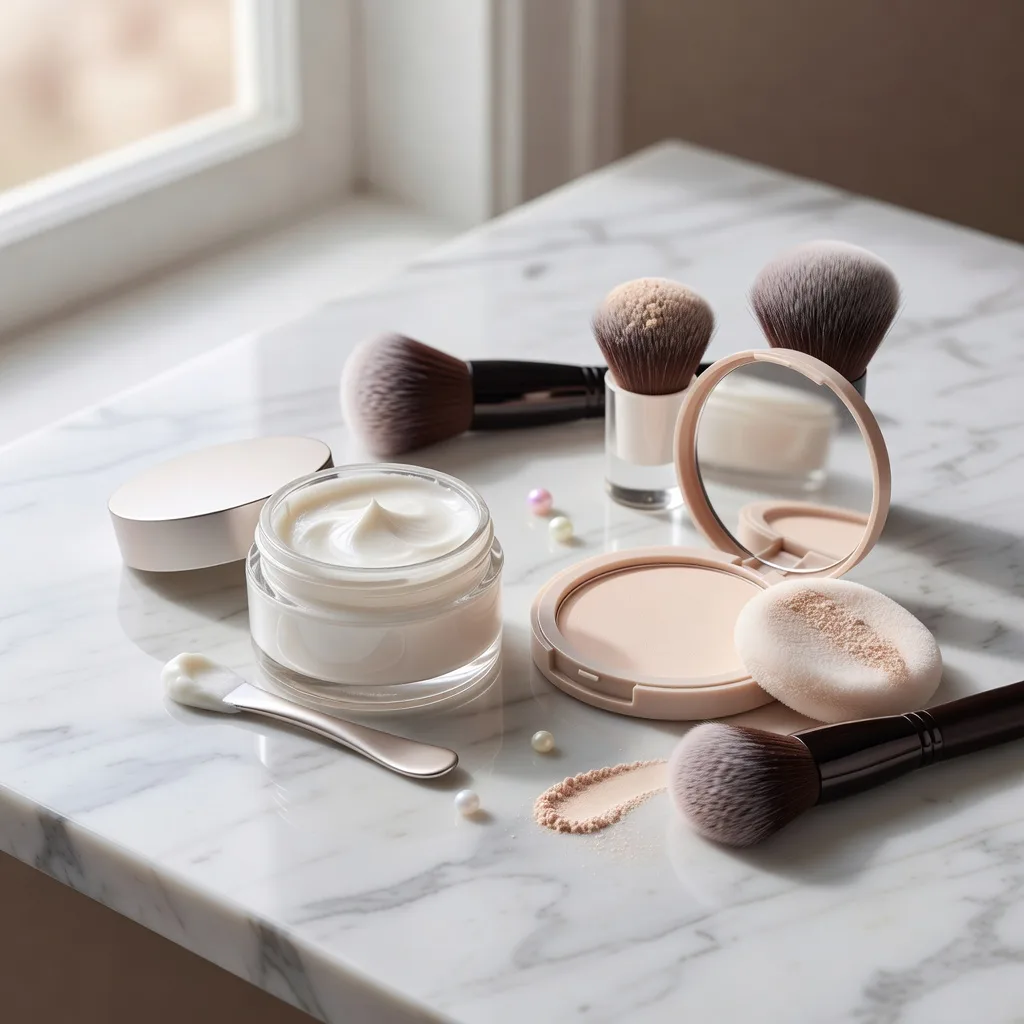
The basic rule is cream before powder. Apply liquid and cream products, such as foundation, concealer, cream blush and cream contour, while the base is still slightly tacky. Then set with powder, and add any powder blush, bronzer or highlight on top. Cream over powder tends to drag, because the powder absorbs the cream’s emollients and stops it blending. Layering a cream product with a matching powder on top, sometimes called sandwiching, gives the most intense colour and longest wear. Use thin layers, press rather than rub and use the right tool for each texture.
Most patchy makeup comes from breaking this order, not from the products themselves. Once you know the rule, you can mix almost any cream and powder formulas.
Skin type changes how much of each you need. The American Academy of Dermatology notes that oily skin benefits from oil-free products, which often means a little more powder in the T-zone, while dry skin tends to look better with more cream.
This guide explains why the order matters, the correct layering sequence, how to fix mistakes and how to adjust for your skin type.
Shopping these picks?
Amazon Prime members get fast, free shipping on eligible items, plus Prime Video, Amazon Music and member deals. New members can start with a free trial.
Start a free Prime trialAged 18 to 24? Prime for Young Adults comes with a longer free trial and a lower price after it.
Affiliate link: we may earn a commission at no extra cost to you.
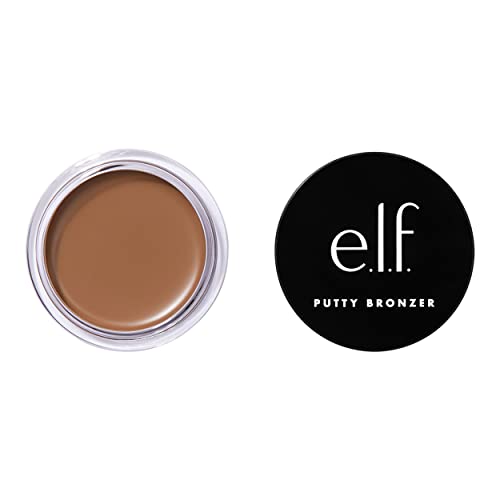
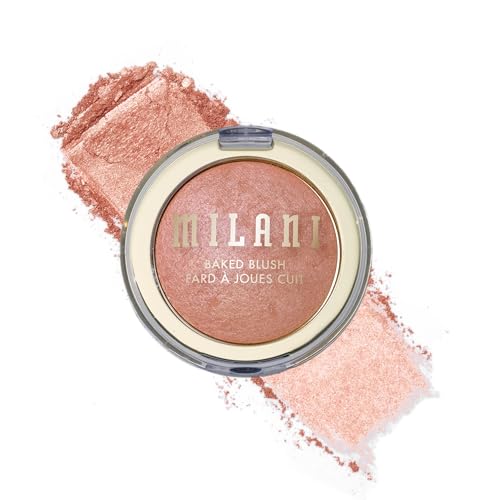
Recommended Cream and Powder Products for Layering




On This Page
- Why the Order Matters
- The Right Layering Order
- How to Layer Cream and Powder Makeup
- The Sandwich Method for Long Wear
- Common Layering Mistakes and Fixes
- Layering Tips by Product
- Adjusting for Your Skin Type
- Tools for Each Texture
- Silicone, Water and Oil Bases
- Dos and Don’ts
- Honest Limits
- When to See a Dermatologist
- Questions People Ask
- Final Word
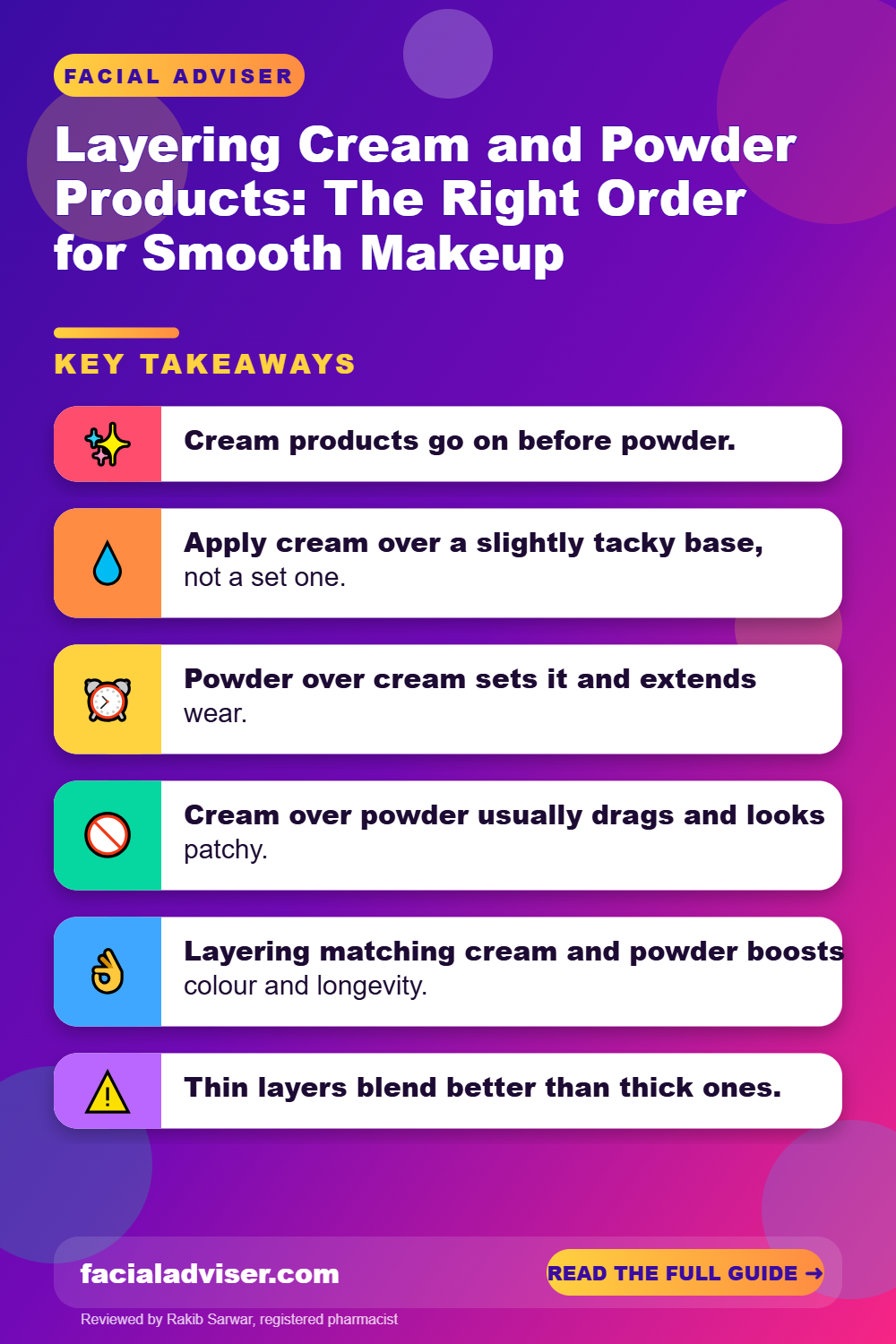
At a Glance
- Cream products go on before powder.
- Apply cream over a slightly tacky base, not a set one.
- Powder over cream sets it and extends wear.
- Cream over powder usually drags and looks patchy.
- Layering matching cream and powder boosts colour and longevity.
- Thin layers blend better than thick ones.
- Sponges suit creams; fluffy brushes suit powders.
Why the Order Matters
Cream products contain oils, waxes and emollients that need a slightly slippery surface to blend. Liquid foundation that is still a little tacky gives them that surface, so they melt in smoothly. If you skip foundation altogether, a light moisturiser or primer that has settled for a minute works in the same way.
Powder absorbs oil and creates a dry, velvety surface. When a cream product is applied on top, the powder soaks up its emollients, the cream stops moving and blends unevenly, and it can lift the foundation underneath. That is why cream over powder often looks streaky or patchy.
Powder over cream works the opposite way. It sets the cream, locks it in place and softens its shine, which helps it last longer. Timing still matters: pressing powder over cream immediately can lift it, so give cream products about a minute to settle before setting them.
A few modern cream-to-powder formulas are designed to go over powder. If the packaging says so, test it; otherwise assume creams go first.
The Right Layering Order
| Step | Product type | Tool |
|---|---|---|
| 1 | Skincare, sunscreen, primer | Fingers |
| 2 | Liquid or cream foundation | Damp sponge or brush |
| 3 | Concealer | Fingertip or small brush |
| 4 | Cream contour, blush, bronzer, highlight | Damp sponge, fingers or dense brush |
| 5 | Translucent or setting powder | Puff or fluffy brush |
| 6 | Powder contour, blush, bronzer, highlight | Fluffy or angled brush |
| 7 | Setting spray | Mist from arm’s length |
This order suits almost every skin type. You can skip steps you do not need, but keep the sequence of cream first and powder second. Eye makeup can go before or after the face, but many people do eyes first so any fallout can be cleaned away before foundation.
Our guide on how to fix patchy contour explains how breaking this order causes streaky contour and how to fix it.
How to Layer Cream and Powder Makeup
Apply a thin base
Press foundation in with a damp sponge and leave it slightly tacky.
Add concealer
Tap it on where needed and blend the edges.
Place cream products
Tap cream blush, bronzer or contour on in small amounts.
Blend with a sponge or fingers
Press and bounce rather than rubbing.
Set lightly with powder
Press translucent powder where you need it.
Add matching powder colour
Dust a little powder blush or bronzer over the cream for depth and wear.
Finish with setting spray
Mist to melt layers together and reduce powderiness.
Tap cream products on with your ring finger. It has the lightest touch and warms the product slightly, helping it melt into the base.
The Sandwich Method for Long Wear
Sandwiching means layering the same colour in cream and then powder form. For example, cream blush followed by a similar powder blush, or cream contour followed by a matching powder contour.
Makeup artists often use this method for weddings and photo shoots because it holds up to long hours, warm rooms and flash photography. The cream gives a natural, skin-like base and the powder locks it in place and adds a soft finish. The result lasts much longer than either product alone, which is especially useful for long days, events or hot weather.
Keep both layers thin. Sandwiching thick layers quickly looks heavy. A light tap of cream and a single sweep of powder is often enough. The powder shade does not need to match exactly; a slightly lighter or more neutral powder over a bright cream can soften it and make it look more natural.
Common Layering Mistakes and Fixes
| Mistake | What you see | Fix |
|---|---|---|
| Cream over set powder | Dragging, streaks, lifted foundation | Mist setting spray, then press cream on with a damp sponge |
| Too much cream | Greasy, slipping colour | Blot with a tissue, then set with a little powder |
| Rubbing cream in | Foundation moves, patchy colour | Press and tap instead of rubbing |
| Heavy powder over cream | Cakey, dry look | Mist with setting spray and press with a damp sponge |
| Waiting too long | Base has set, cream will not blend | Apply cream while foundation is still slightly tacky |
If you have already powdered and want to add a cream product, a light mist of hydrating or setting spray can soften the surface enough for cream to blend. Press the cream on with a damp sponge rather than a brush. The same trick helps during the day when you want to refresh cream blush over makeup that has already been set.
Pilling is another sign that layers are not bonding. Our guide on how to avoid product pilling explains how to layer skincare and makeup smoothly.
Layering Tips by Product
Concealer: cream or liquid concealer goes on after foundation and before powder. Set it immediately with a small amount of powder under the eyes if it tends to crease, but leave it a minute to settle first so it does not look dry. Blush: cream blush on its own gives the freshest look. For long wear, add a sheer layer of a similar powder blush on top. Our guide on how to apply blush covers placement. Bronzer and contour: cream versions give the most natural shadow. Set them with a light dusting of translucent powder or a matching powder bronzer to stop them fading. Highlighter: cream or liquid highlight looks the most skin-like and should go on before powder. If you want extra glow, tap a powder highlight on top. Avoid putting cream highlight over powder, which can look patchy and emphasise texture. Brows: brow pomades and gels are creamy, while brow powders are dry. Apply pomade or pencil first, then set with a clear or tinted gel, or tap a little brow powder over the top for a softer finish.Adjusting for Your Skin Type
Oily skin: cream products can slide on oily areas. Use them sparingly on the T-zone, set them with powder and consider the sandwich method for blush and contour. The AAD’s advice on oily skin includes using oil-free products, which can help creams last longer. Dry skin: cream products are usually more flattering than powder. Set only where needed and use a finely milled powder in a light layer, or skip powder on the cheeks entirely. A hydrating setting spray can take the place of powder for a fresh, flexible finish. Combination skin: cream on the cheeks, powder on the T-zone, with a light set over everything if needed. Mature skin: creams generally look smoother on fine lines. Keep powder light and press it only where you need to control shine. A finely milled powder applied with a small brush, rather than a large puff, keeps the finish soft and avoids settling into lines.Tools for Each Texture
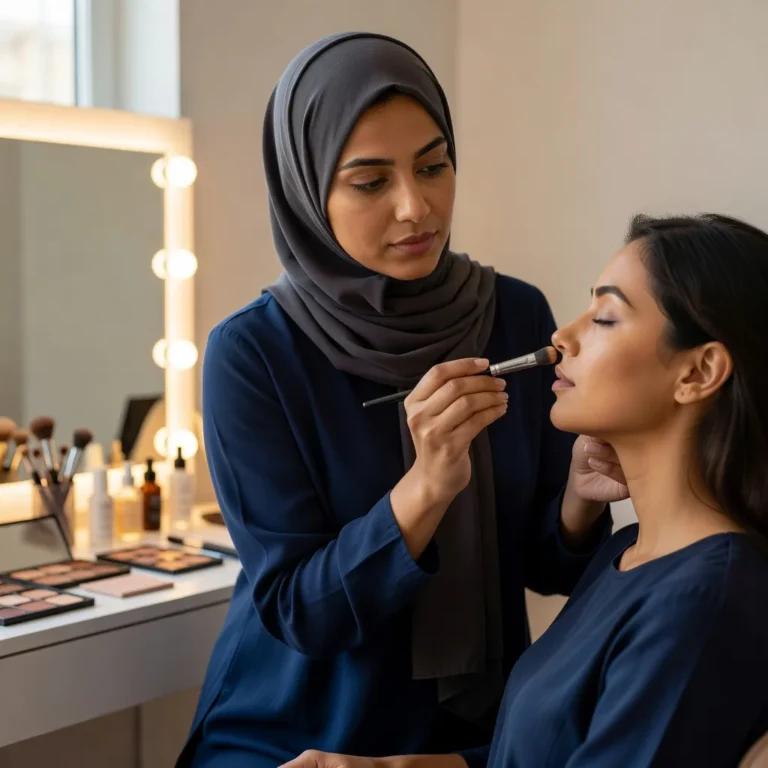
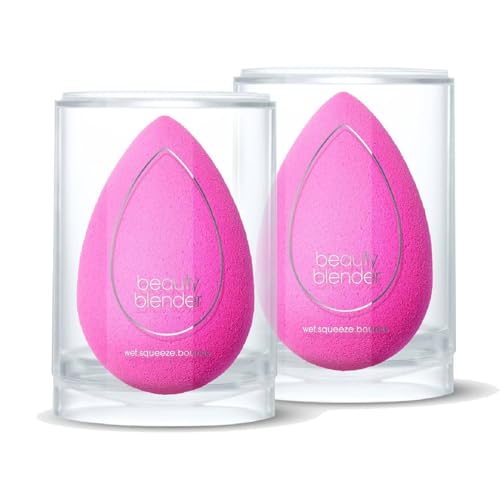
Damp sponges press cream products into the base without disturbing it and sheer them out naturally. Fingers warm cream products so they melt in, ideal for blush and highlight. Dense or flat-top brushes blend cream contour and bronzer smoothly. Fluffy brushes diffuse powder colour softly over cream. Powder puffs press setting powder in firmly for long wear.Clean tools blend better. Product build-up on sponges and brushes makes layering patchy. Keep separate tools for cream and powder products where you can, because powder residue on a sponge can stop cream from blending smoothly.
Silicone, Water and Oil Bases
Cream products are often oil- or silicone-based, while many foundations are water-based. Most combinations work well when layers are thin and the base is still slightly tacky, but some pairings can separate or pill.
If a cream product always seems to lift your foundation, try one with a similar base or apply it with a lighter touch. Waiting an extra minute for foundation to settle before adding cream also reduces lifting. Our guide on silicone versus water-based cosmetics explains how to check a product’s base.
Avoid mixing cream products with sunscreen to change their texture. It dilutes your sun protection. Apply sunscreen as its own layer first.
Dos and Don’ts
Do
- Apply cream before powder
- Work on a slightly tacky base
- Use thin layers
- Press rather than rub
- Sandwich cream and powder for long wear
Don’t
- Apply cream over set powder
- Pile on thick cream layers
- Rub cream products into the base
- Use heavy powder over dry skin
- Mix sunscreen into makeup
Honest Limits
The cream-then-powder rule works for most products, but formulas vary. Some cream-to-powder and hybrid products behave differently, so always check the packaging and test them.
Your results depend on your skin, climate and the specific formulas you use. The same layering order can look different on oily skin in summer and dry skin in winter. Expect to adjust the amount of cream and powder with the seasons, using more powder when it is hot and humid and more cream when the air is cold and dry.
There is no need to use both creams and powders. Many people prefer only creams or only powders, and both approaches can look beautiful. The layering rules simply help when you do want to combine textures for a particular finish or for longer wear.
When to See a Dermatologist
- You break out regularly after using cream products.
- Makeup causes redness, itching or stinging.
- Your skin is very dry or flaky despite a good routine.
- You have persistent oiliness that makeup cannot control.
This article is for general information and does not replace professional medical advice. See a dermatologist for persistent skin concerns.
Questions People Ask
Should cream blush go before or after powder?
Before powder, over a slightly tacky base.
Why does cream blush look patchy over powder?
The powder absorbs its emollients so it drags and cannot blend.
Can I use powder over cream products?
Yes. Powder over cream sets it and helps it last.
What is the sandwich method?
Layering a cream product and then a matching powder for longer wear.
How do I fix cream over powder mistakes?
Mist with setting spray and press the cream on with a damp sponge.
What tool is best for cream products?
A damp sponge, fingers or a dense brush.
What tool is best for powder products?
A fluffy brush or powder puff.
Do I need to set cream products?
Not always; oily skin benefits most from setting.
Are cream products better for dry skin?
Usually, because they look smoother and less powdery.
Can I skip powder altogether?
Yes, if your skin is dry or you prefer a dewy finish.
Final Word
The golden rule of layering is cream before powder. Apply creams over a slightly tacky base, then set with powder and add powder colour on top. Cream over powder tends to drag and look patchy.
For the longest wear, sandwich a thin cream layer with a matching powder. Keep layers thin, press rather than rub and adjust the balance of cream and powder to suit your skin type.

Written by
Registered pharmacist and founder of Facial Adviser. Rakib's pharmacy training covers how skincare actives work and interact; a later course in cosmetology turned that into a focus on facial treatments and skincare products. He plans, researches and edits every guide on the site and checks health claims against sources such as the American Academy of Dermatology, the FDA and the NIH. He is not a dermatologist; see the Editorial Policy and Medical Disclaimer.
About · Editorial policy · How we choose products · Medical disclaimer · Contact
Keep reading: Foundation, BB cream and base
- How to Find the Right Shade of Makeup: Undertone, Depth and Testing
- How to Make Pressed Powder Last Longer: In the Compact and on Your Face
- How to Avoid Flashback in Photos: Why Makeup Turns White and How to Fix It
- Why Concealer Creases Easily and How to Stop It for Good
- Why Blush Fades Quickly and How to Make It Last All Day
- Foundation Not Matching Neck? How to Fix the Face and Neck Colour Gap
- How to Choose the Right Eye Makeup Color for Your Eyes and Skin
- What Can You Use to Make Your Makeup Stay On All Day? 9 Products and Tricks