How to Blend Eyeshadow on Hooded Eyes So It Actually Shows
If you have hooded eyes, you have probably followed an eyeshadow tutorial step by step, opened your eyes and watched most of the work disappear. The crease colour vanishes under the fold of skin, shimmer transfers onto the brow bone, and winged liner looks bent or broken.
Part of our guide to makeup how-to. Start with: How to Choose the Right Eye Makeup Color for Your Eyes and Skin
To blend eyeshadow on hooded lids, apply it with your eyes open and looking straight ahead, so you can see where colour will actually show. Place a matte transition shade slightly above your natural crease to create a visible new crease, blend upwards and outwards, and keep darker colours near the outer corner. Use shimmer only on the centre of the mobile lid and inner corner, prime the lids to stop transfer, and choose long-wear or waterproof formulas. Thin liner along the lash line or tightlining often works better than a thick wing.
Hooded eyes simply mean that a fold of skin from the brow bone sits over the crease and part of the mobile lid when your eyes are open. It is very common, can be something you are born with, and often becomes more noticeable with age.
Nothing about hooded eyes is a problem to fix. The techniques below are just about working with the part of the lid that is visible when your eyes are open, rather than the part you see when they are closed.
This guide covers why standard techniques fail on hooded lids, a step-by-step method that works, product choices that help, and how to keep eye makeup safe.
Shopping these picks?
Amazon Prime members get fast, free shipping on eligible items, plus Prime Video, Amazon Music and member deals. New members can start with a free trial.
Start a free Prime trialAged 18 to 24? Prime for Young Adults comes with a longer free trial and a lower price after it.
Affiliate link: we may earn a commission at no extra cost to you.
Recommended Eye Makeup for Hooded Lids




On This Page
- Why Standard Techniques Fail on Hooded Lids
- Prepping Hooded Lids
- How to Apply Eyeshadow on Hooded Lids
- Choosing Shades and Finishes
- Eyeliner and Mascara for Hooded Eyes
- Three Easy Looks for Hooded Eyes
- Common Mistakes
- Dos and Don’ts
- Keeping Eye Makeup Safe
- Hooded Eyes and Ageing
- Honest Limits
- When to See a Doctor
- Common Questions
- Where This Leaves You
In Brief
- Apply eyeshadow with your eyes open to see what will show.
- Create a visible crease above your natural one.
- Use mattes for depth and keep shimmer low on the lid.
- Prime the lids to prevent transfer onto the fold.
- Waterproof and long-wear formulas last better.
- Thin liner or tightlining often suits hooded eyes better than thick wings.
- Replace eye makeup regularly and never share it.
Why Standard Techniques Fail on Hooded Lids
| Standard technique | What happens on hooded lids | Better approach |
|---|---|---|
| Crease colour in the natural crease | Hidden when eyes are open | Place it slightly above the crease, eyes open |
| Shimmer over the whole lid | Transfers onto the fold; mostly hidden | Shimmer only on centre of lid and inner corner |
| Thick eyeliner | Covers the little visible lid; can smudge | Thin line or tightlining |
| Winged liner drawn with eyes closed | Looks broken or bent when eyes open | Draw the wing with eyes open, looking ahead |
| Heavy cream shadow without primer | Creases and transfers | Prime first; set with powder shadow |
The key difference is that on hooded eyes, what you see with your eyes closed is not what others see. Working with your eyes open avoids most of the common frustrations.
Hooded eyes are different from droopy upper eyelids that block your vision. If your eyelids are starting to interfere with how well you can see, speak to a doctor.
Prepping Hooded Lids
The fold of skin on hooded eyes presses against the lid all day, which transfers product and makes creasing more likely. Good prep makes the biggest difference to how long eyeshadow lasts.
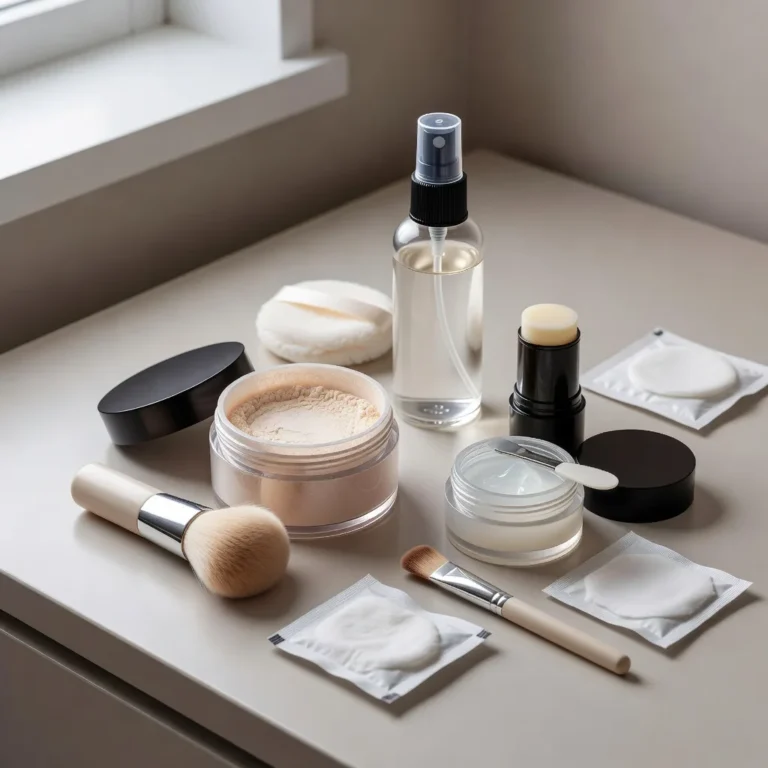
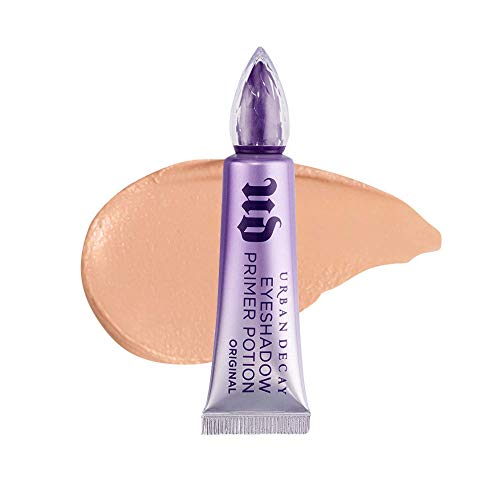
Start with a clean, dry lid. Skip rich eye creams right before makeup, as they can make shadow slip. An eyeshadow primer creates a smooth, slightly tacky base that grips shadow and reduces creasing.
If you have oily lids, a thin layer of translucent powder over the primer, or a neutral matte shadow, helps set it. On very oily lids, blotting gently with a tissue before primer removes excess oil that would otherwise break the base down within hours. Our guide on choosing the right eye makeup colour can help you pick shades before you start.
How to Apply Eyeshadow on Hooded Lids
Prime the lids
Apply a thin layer of primer from lash line to brow bone and let it set.
Look straight ahead in a mirror
Keep your eyes open and your face level with the mirror.
Map your new crease
Find the point just above where the hood folds, where colour will show with eyes open.
Apply a matte transition shade
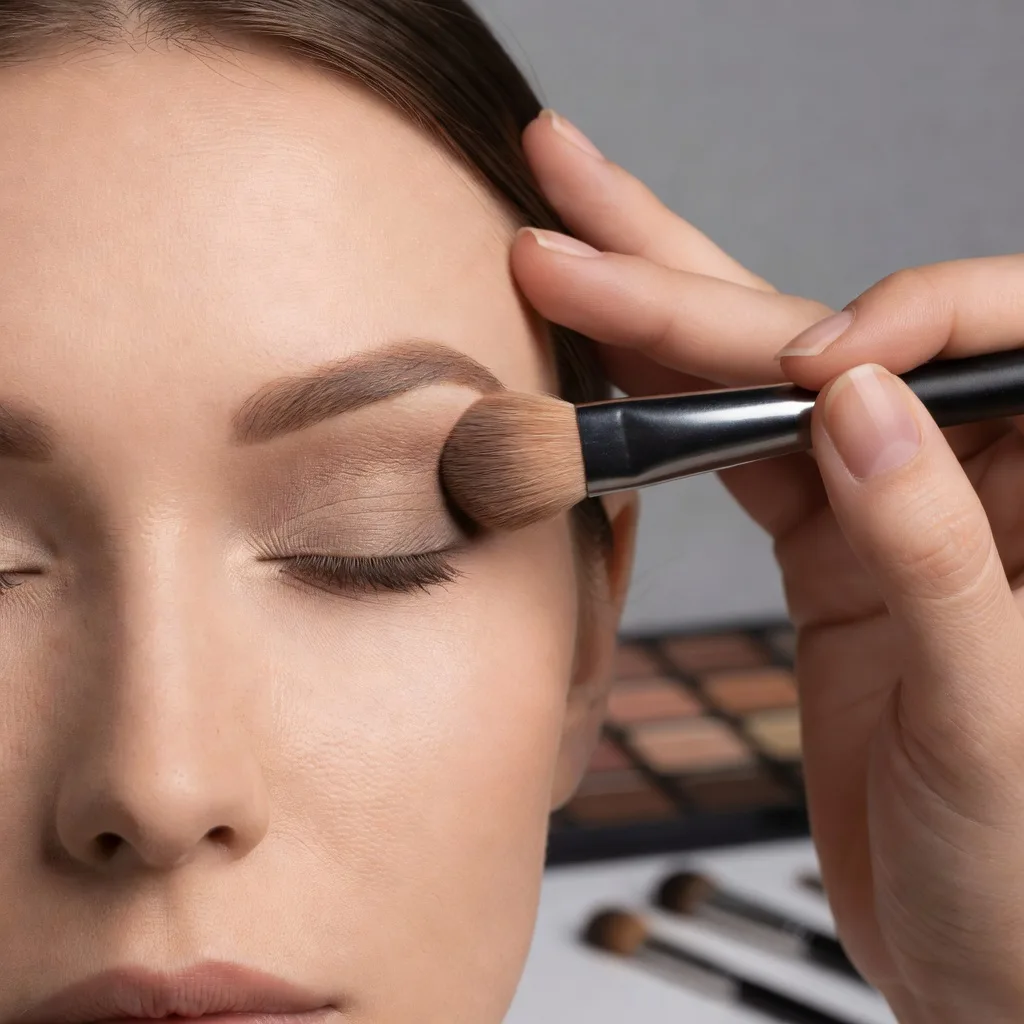
Use a fluffy brush in small windscreen-wiper motions along and slightly above the fold.
Deepen the outer corner
Add a darker matte shade at the outer corner, blending up and out towards the tail of the brow.
Add light to the lid
Press a lighter or shimmer shade onto the centre of the mobile lid and inner corner only.
Blend the edges
Use a clean brush to soften any harsh lines, checking with eyes open.
Tilt your chin slightly up and look down into the mirror to see the whole lid while applying, then check the result looking straight ahead. Switching between the two views helps you place colour accurately.
Choosing Shades and Finishes
| Area | Finish | Shade |
|---|---|---|
| Above the fold (new crease) | Matte | Mid-tone, slightly deeper than skin |
| Outer corner | Matte | Deeper shade for definition |
| Centre of mobile lid | Shimmer or satin | Light to medium |
| Inner corner | Shimmer or satin | Light, bright shade |
| Under the brow arch | Matte or satin | Soft, light shade |
Eyeliner and Mascara for Hooded Eyes
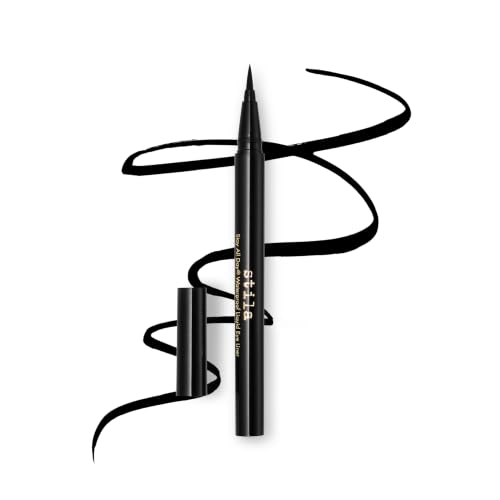
With limited visible lid space, a thick line of eyeliner can cover the lid entirely. A thin line close to the lashes, or tightlining along the upper waterline, defines the eyes without taking up space.
For a wing, draw it with your eyes open and looking straight ahead. Start the wing from the outer corner and angle it towards the tail of your brow, following the lower lash line. It may look odd with your eyes closed, which is normal for a wing that looks straight when your eyes are open.
Waterproof liner and mascara reduce smudging onto the fold. Curling your lashes and using a lengthening mascara helps open up the eye. Focus mascara on the roots and outer lashes, where it adds the most lift, and avoid heavy layers that can print onto the hood when you blink.
If you line your waterline, our guide on whether it is safe to put makeup on your waterline explains how to do it more safely.
Three Easy Looks for Hooded Eyes
Everyday neutral. Sweep a soft matte taupe or warm brown just above the fold, press a light champagne shade onto the centre of the lid, and finish with mascara. It takes a few minutes and defines the eye without looking heavy. Soft smoky eye. Build a medium brown or grey above the fold, deepen the outer corner with a darker matte, and smudge the same dark shade along the upper lash line with a small brush instead of liquid liner. Keep the inner half of the lid lighter so the eye still looks open. Simple liner look. Skip most of the shadow. Use a neutral matte across the lid to even it out, then tightline the upper waterline and add a thin wing drawn with your eyes open. This is especially useful if your visible lid is very small.Whatever look you choose, step back from the mirror and check it with a relaxed, straight-ahead gaze. That is how other people will see it, and it is the best test of whether the colour is in the right place.
Common Mistakes
- Applying all your makeup with your eyes closed.
- Following the natural crease, which hides under the hood.
- Using shimmer on the whole lid and hood.
- Skipping primer and expecting shadow to last all day.
- Drawing thick liner that swallows the visible lid.
- Using heavy eye cream right before makeup.
Most of these are fixed simply by checking your makeup with your eyes open and looking straight ahead before you finish.
Dos and Don’ts
Good Habits
- Apply and check with eyes open
- Create a crease above the natural fold
- Use mattes for depth
- Prime your lids
- Use waterproof liner and mascara
Common Mistakes
- Follow the natural crease
- Put shimmer on the hood
- Draw thick liner across the lid
- Skip primer on oily lids
- Share eye makeup with others
Keeping Eye Makeup Safe
Eye makeup sits close to a delicate, easily irritated area, so hygiene matters. The FDA’s guidance on eye cosmetic safety includes not sharing eye makeup, keeping products clean and closed, and stopping use if you have an eye infection.
Replace mascara regularly, often every few months, and wash brushes that touch your eyes often. Do not add water or saliva to dried products, which can introduce bacteria.
Remove eye makeup gently every night. Our guide on what to do if makeup gets in your eye covers what to do if something goes wrong.
Stop using eye makeup and see a doctor if you develop eye pain, persistent redness, swelling, discharge or changes in vision.
Hooded Eyes and Ageing
Eyelids often become more hooded with age as skin loses elasticity and the brows drop slightly. The same techniques apply, with a few adjustments.
Matte and satin finishes are usually more flattering than heavy shimmer on mature lids, and cream formulas can settle into fine lines if not set. A lightweight primer and powder shadows tend to wear best.
Our guide to makeup tips for women over 60 covers more ways to adapt eye makeup as skin changes.
Honest Limits
Makeup can create the look of a deeper crease and a more open eye, but it cannot change the shape of your eyelid. Everyone’s hood is different, so expect some trial and error to find where colour sits best for you.
Product performance also varies. A primer or shadow that lasts all day on one person may crease on another, depending on how oily the lids are and how much the fold presses on them. Testing one new product at a time, on a day when you can check it in the afternoon, is the easiest way to find what works for you.
When to See a Doctor
- Your upper eyelids are blocking part of your vision.
- One eyelid droops noticeably more than the other, especially if it happened suddenly.
- You have persistent eyelid swelling, itching or rash after using makeup.
- You have eye pain, redness or discharge.
A doctor can check for eyelid conditions and, if vision is affected, refer you to an eye specialist.
This article is for general information and does not replace professional medical advice. See a doctor for persistent eye or skin concerns.
Common Questions
How do I stop eyeshadow disappearing on hooded eyes?
Apply it with your eyes open and place the crease shade slightly above your natural fold.
Should I use shimmer on hooded eyes?
Yes, but keep it to the centre of the mobile lid and inner corner, not the hood.
How do I stop eyeshadow transferring onto my hood?
Use an eyeshadow primer and set creams with a powder shadow.
What eyeliner works best for hooded eyes?
A thin line close to the lashes, tightlining or a wing drawn with eyes open.
Why does my winged liner look broken?
It was probably drawn with eyes closed; draw it with eyes open, looking straight ahead.
Are cream shadows good for hooded eyes?
They can be, if they are long-wear and set with powder.
What colours suit hooded eyes?
Matte mid-tones above the fold and lighter or shimmer shades on the visible lid work well.
Do hooded eyes get worse with age?
They often become more noticeable as skin loses elasticity.
Should I use waterproof mascara on hooded eyes?
It helps reduce smudging onto the fold.
When should I worry about droopy eyelids?
If they block your vision or one side droops suddenly, see a doctor.
Where This Leaves You
On hooded eyes, apply eyeshadow with your eyes open, create a visible crease above the natural fold, keep shimmer on the centre of the lid and use mattes for depth.
Prime your lids, choose long-wear or waterproof formulas and keep liner thin. Follow basic eye makeup hygiene, and see a doctor if your eyelids affect your vision.

Written by
Registered pharmacist and founder of Facial Adviser. Rakib's pharmacy training covers how skincare actives work and interact; a later course in cosmetology turned that into a focus on facial treatments and skincare products. He plans, researches and edits every guide on the site and checks health claims against sources such as the American Academy of Dermatology, the FDA and the NIH. He is not a dermatologist; see the Editorial Policy and Medical Disclaimer.
About · Editorial policy · How we choose products · Medical disclaimer · Contact
Keep reading: Eye makeup
- How to Choose the Right Eye Makeup Color for Your Eyes and Skin
- Why Some Mascaras Smudge (and How to Stop Raccoon Eyes)
- What Causes Mascara Clumping and How to Get Clean, Separated Lashes
- 10 Tips to Prevent Creasing Under Eyes (Concealer That Stays Smooth)
- How to Avoid Fallout With Dark Eyeshadow: Clean Smoky Eyes Every Time
- How to Fix Smudged Eyeliner Midday (and Stop It Happening Again)
- How to Properly Put On Face Makeup: The Right Order, Step by Step
- How to Choose Lipstick Shade: Undertone, Skin Tone and Testing Tips