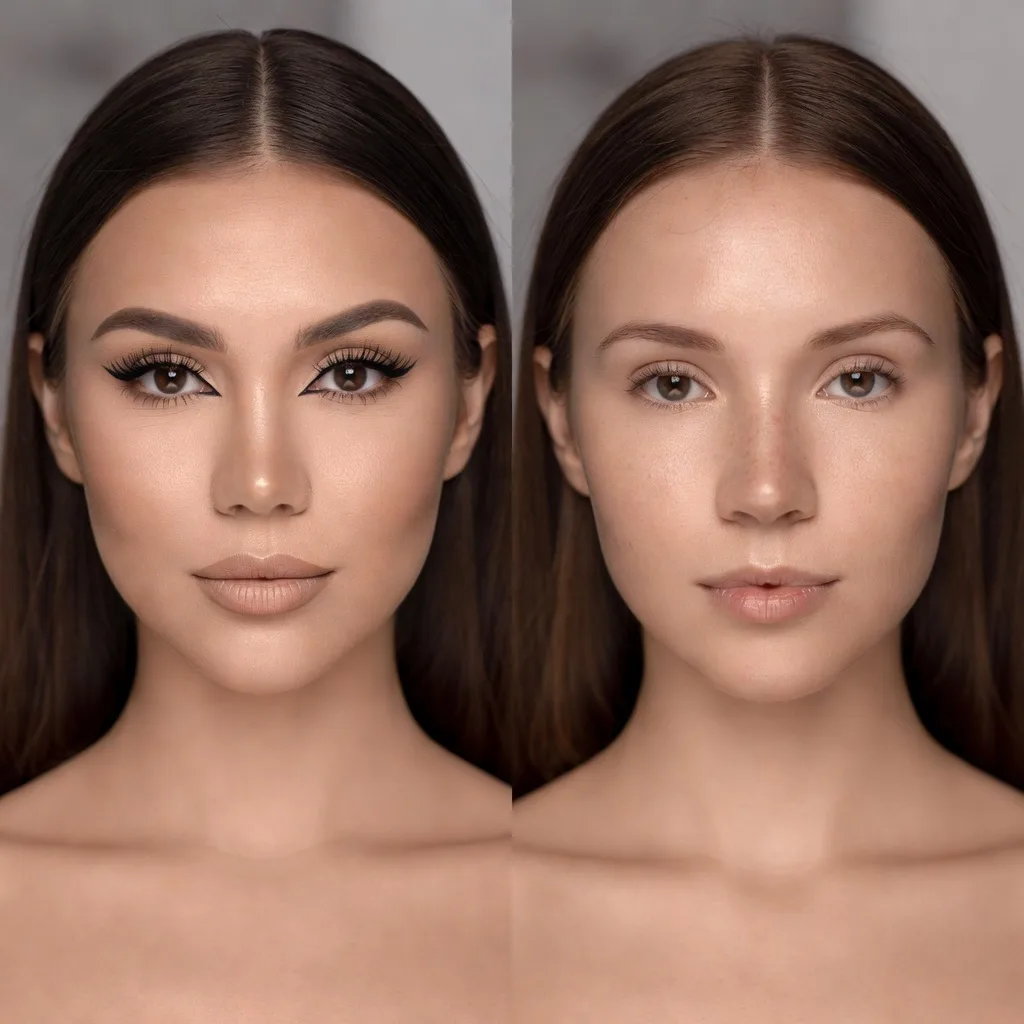
Makeup vs No Makeup: Does Wearing It Damage Skin?
Makeup vs no makeup gets framed as a skin-health referendum, and the physiology behind the most common argument for going bare, “letting skin breathe,” doesn’t actually hold up.
Part of our guide to makeup how-to. Start with: How to Properly Put On Face Makeup: The Right Order, Step by Step
Skin doesn’t meaningfully gas-exchange through pores, so makeup isn’t suffocating anything underneath it, but acne cosmetica, comedones from occlusive ingredients, is a real, formally described phenomenon. A Cutis literature review found the overall impact of properly formulated, correctly used cosmetics on acne to be negligible, and two small studies found that teaching proper application and removal technique improved outcomes more than avoiding makeup did.
“Non-comedogenic” on a label isn’t an FDA-regulated or standardized term, and the better-documented risks in this whole category are expired products and unwashed brushes, not the simple binary of wearing makeup or not.
This guide covers what the real studies found, the regulatory nuance behind comedogenic labeling, a one-minute test for isolating whether your foundation is really the cause of a breakout, and where the actual risk sits instead.
Recommended Products for Sensitive, Acne-Prone Skin


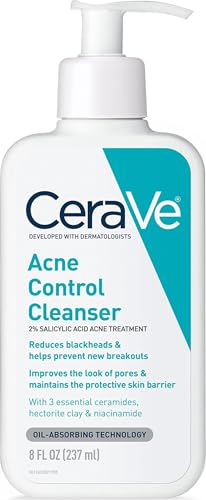
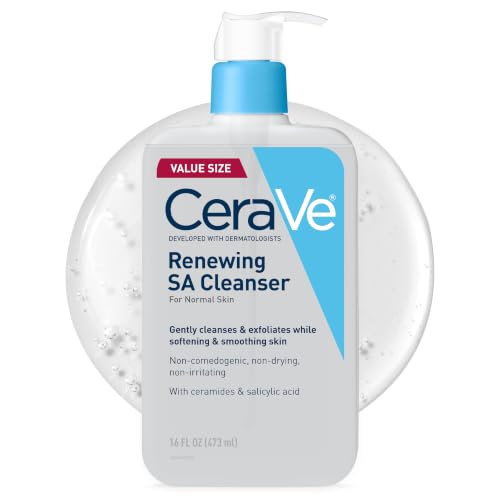
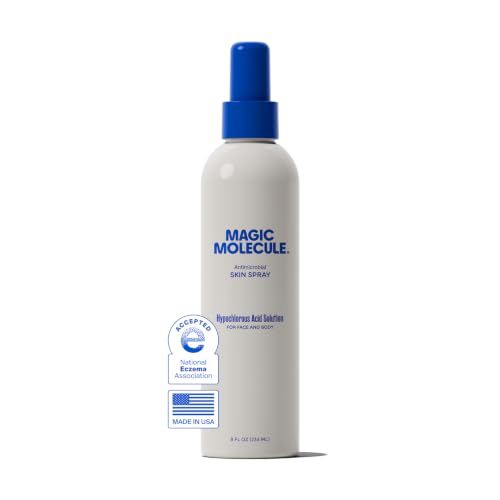

At a Glance
- “Skin needs to breathe” is a physiological misnomer, skin doesn’t gas-exchange through pores the way lungs do, so makeup isn’t suffocating skin cells.
- Acne cosmetica, comedones from occlusive makeup ingredients, is real and formally described, but a Cutis review found the overall impact of properly formulated cosmetics on acne to be negligible.
- Two small studies found that teaching proper makeup application and removal technique improved acne outcomes and quality of life more than avoiding makeup did.
- “Non-comedogenic” is not an FDA-regulated or standardized term, different brands test it differently, or not at all.
- The bigger, better-documented risks are expired products, unwashed brushes, and inadequate removal, not the simple fact of wearing makeup.
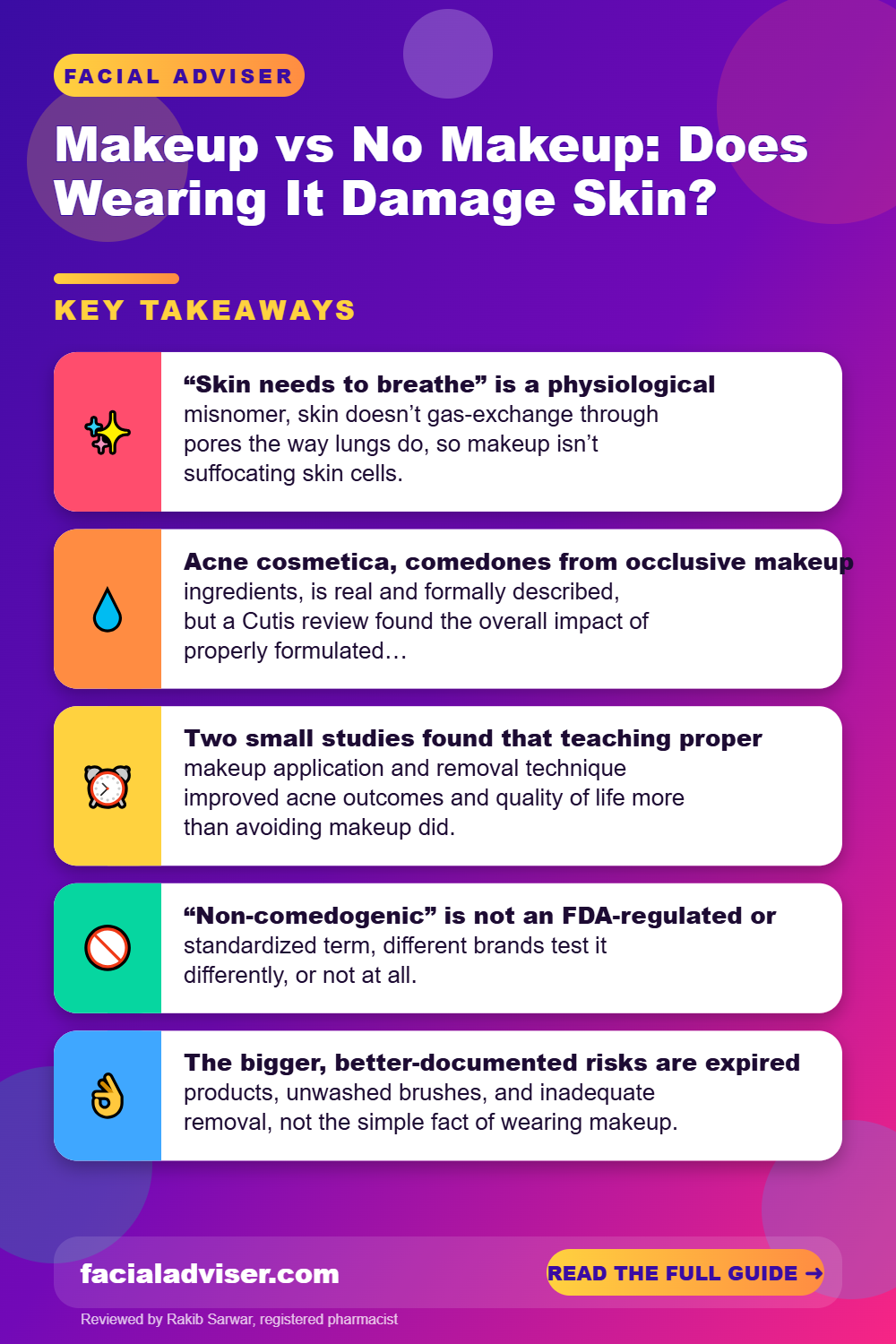
Table of Contents
- The “Skin Needs to Breathe” Myth, Debunked
- What Makeup Actually Does to Skin
- What the Real Studies Found
- “Non-Comedogenic” Isn’t a Regulated Term
- Do This, Not That
- A Technique-First Routine
- One-Minute Check: Is Your Foundation the Cause?
- The Real Risk Is Hygiene, Not Wearing Makeup
- Contact Dermatitis vs. Acne Cosmetica
- Does Makeup Age Your Skin?
- Makeup on Rosacea- or Eczema-Prone Skin
- Building a Makeup-Free Habit, Done Right
- Sponges, Brushes, and Applicator Choice
- When a Breakout Needs a Dermatologist
- Frequently Asked Questions
- The Bottom Line
The “Skin Needs to Breathe” Myth, Debunked
Skin does not respire, or take in meaningful oxygen, through pores the way lungs breathe air. Cutaneous gas exchange is negligible compared to blood-delivered oxygenation, so makeup sitting on the surface isn’t suffocating skin cells underneath it. That framing is a physiological misnomer repeated so often it’s treated as settled fact, when the actual mechanisms behind real makeup-related skin issues are entirely different, and worth explaining properly instead.
Shopping these picks?
Amazon Prime members get fast, free shipping on eligible items, plus Prime Video, Amazon Music and member deals. New members can start with a free trial.
Start a free Prime trialAged 18 to 24? Prime for Young Adults comes with a longer free trial and a lower price after it.
Affiliate link: we may earn a commission at no extra cost to you.
What Makeup Actually Does to Skin
What makeup can genuinely do falls into three separate mechanisms. First, certain heavy, occlusive ingredients, some waxes, coconut oil, isopropyl myristate, some lanolin derivatives, can physically block pores and follicles, trapping sebum and dead cells and contributing to comedone formation, a real phenomenon called acne cosmetica, first formally described by Kligman and Mills in 1972. Second, leftover residue from inadequate removal can mix with sebum, sweat, and environmental particulates overnight, clogging follicles further, a behavioral and hygiene issue rather than an inherent property of wearing makeup. Third, fragrance, certain preservatives, and dyes can trigger irritant or allergic contact dermatitis, an entirely separate mechanism from acne.
What the Real Studies Found
| Source | Design | Finding |
|---|---|---|
| American Academy of Dermatology | Clinical guidance | Confirms acne cosmetica is real, but manageable, not a default outcome of wearing makeup |
| Cutis review (“Debunking Acne Myths”) | Literature review | Overall impact of cosmetics on acne is “considered to be negligible” for properly formulated, correctly used products |
| 50-patient study cited in the review | 4-week technique instruction vs. no instruction | No negative impact on acne treatment outcomes; better quality-of-life scores with proper application technique |
| Second technique study cited in the review | Makeup-artist-trained application, 2-4 weeks | Number of acne eruptions actually decreased |
These are small clinical and observational studies, tens of patients, weeks-long follow-up, not large randomized trials, and there’s no long-term, years-long study establishing that regular makeup use accelerates photoaging or causes permanent damage independent of confounders like sun exposure and removal habits. That absence of long-term data is itself worth stating honestly, since marketing on both sides, “makeup ages you” and “our makeup is anti-aging,” overstates certainty that doesn’t actually exist.
“Non-Comedogenic” Isn’t a Regulated Term
Note: “non-comedogenic” is not an FDA-regulated or standardized term. Different brands test it differently, a rabbit-ear assay, human patch testing, or no testing at all, so the label is a helpful signal, not a guarantee. Mineral-based formulas using silica, titanium dioxide, and zinc oxide were specifically flagged in the Cutis review as favorable, along with ingredients like niacinamide, lactic acid, and certain prebiotic plant extracts noted as potentially helping reduce acne lesions when included in a makeup formula.
Do This, Not That
Do
- Learn proper application and full removal technique, the variable studies actually found mattered
- Look for oil-free, non-comedogenic, or non-acnegenic labeling as a helpful, not guaranteed, signal
- Replace mascara and cream products roughly every 3 months
Don’t
- Assume “letting skin breathe” on a makeup-free day is doing anything physiologically special
- Sleep in a full face of makeup regularly
- Share unwashed brushes or sponges
A Technique-First Routine
Choose formulas deliberately
Favor oil-free, non-comedogenic-labeled, or mineral-based products if you’re prone to breakouts.Apply with clean tools
Use clean brushes or sponges, washed at least weekly, to avoid reintroducing bacteria.Remove fully, every time
Double cleanse to actually lift product rather than smearing it, especially with heavier or waterproof formulas.Rotate products before they expire
Replace mascara and cream products on a roughly 3-month cycle regardless of how much product remains.
One-Minute Check: Is Your Foundation the Cause?
Tip: apply your usual foundation to a small area behind the ear or along the jawline only, skipping it everywhere else, for three to five days. If comedones appear specifically where the product was applied and clear once you stop, that’s a real, isolatable signal pointing at the product or technique itself, not at “wearing makeup” broadly.
The Real Risk Is Hygiene, Not Wearing Makeup
Warning: mascara and cream products harbor measurable bacterial growth after about 3 months of regular use, a genuine microbiology-based hygiene risk independent of any ingredient’s comedogenicity. Shared or unwashed brushes and sponges are a documented vector for bacterial and fungal transfer between uses. These hygiene factors are better-evidenced risk drivers than the simple binary of wearing makeup or not.
Contact Dermatitis vs. Acne Cosmetica
Allergic or irritant contact dermatitis, triggered by fragrance, certain preservatives like formaldehyde-releasers or parabens, or specific pigments, is a distinct, well-documented risk category from acne cosmetica. Patch testing is the standard diagnostic tool for confirming a genuine allergy, and it’s worth distinguishing the two: a reaction pattern that shows up as redness or itching, rather than clogged-pore bumps, points toward dermatitis, not a comedogenicity problem.
Does Makeup Age Your Skin?
No strong direct evidence establishes that makeup itself accelerates photoaging. The real confound is that people who wear makeup regularly also have different sun-exposure and skincare habits, which makes isolating makeup as the causal variable difficult. Marketing claiming makeup is either inherently “aging” or inherently “anti-aging” both overreach what the evidence actually supports.
Makeup on Rosacea- or Eczema-Prone Skin
For skin with an existing inflammatory condition like rosacea or eczema, the calculus shifts slightly. The compromised skin barrier in both conditions means fragrance, certain preservatives, and alcohol-based formulas are more likely to trigger irritation than they would on unaffected skin, independent of any comedogenicity concern. Mineral-based, fragrance-free formulas tend to be better tolerated, and it’s worth patch-testing any new product on a small area, like behind the ear, for several days before applying it to an active rosacea or eczema flare on the face. This isn’t a reason to avoid makeup altogether, plenty of people with these conditions wear makeup daily without issue, but it does mean the ingredient-vetting step matters more than it would for skin without an underlying condition.
Building a Makeup-Free Habit, Done Right
If you do want to build in regular makeup-free stretches, the actual benefit is behavioral, not respiratory: it guarantees a day where you’re not relying on makeup to camouflage a developing breakout, and it removes any risk of leftover residue accumulating overnight from a rushed removal. It’s also a convenient checkpoint for assessing your skin’s baseline condition without any product on it, useful context when you’re trying to figure out whether a specific breakout is product-related or would have happened regardless. None of that requires framing it as skin needing to “recover” or “breathe,” it’s simply a lower-variable day that makes it easier to observe what your skin is actually doing.
Sponges, Brushes, and Applicator Choice
Applicator choice is a genuinely underrated variable in this discussion. Beauty sponges hold moisture and, if left damp between uses, become a plausible growth medium for bacteria and mold; letting one fully air-dry and washing it roughly weekly cuts that risk substantially. Natural-bristle brushes trap oil and product differently than synthetic ones and generally need less frequent washing for powder products but more frequent washing for cream or liquid ones. None of this is about whether to wear makeup, it’s about how the tools touching your face are maintained, a variable the acne-cosmetica research above doesn’t even measure directly but that follows the same hygiene logic as expired product risk.
When a Breakout Needs a Dermatologist
See a dermatologist or skin specialist if breakouts persist despite switching to non-comedogenic products and improving removal habits, or if you notice redness and itching that looks more like dermatitis than clogged pores. It’s also worth reviewing your full cleansing routine, since inadequate removal is one of the best-documented drivers of makeup-related skin problems.
Frequently Asked Questions
Does wearing makeup every day damage skin?
Not inherently; properly formulated, correctly removed makeup shows a negligible independent contribution to acne per the available evidence.
Does skin actually need to breathe?
No; cutaneous gas exchange through pores is negligible, so this is a physiological misnomer, not a real mechanism makeup interferes with.
What is acne cosmetica?
A real, formally described phenomenon where occlusive makeup ingredients trap sebum and dead cells, contributing to comedone formation.
Does proper technique really matter more than whether I wear makeup?
Yes, per two small studies where instruction in application and removal technique improved acne outcomes more than avoidance did.
Is “non-comedogenic” a guarantee against breakouts?
No; it’s an unregulated term tested inconsistently across brands, useful as a signal but not a guarantee.
Does makeup cause premature aging?
No strong direct evidence supports this; sun exposure and skincare habits are significant confounders that make the claim hard to isolate.
How often should I replace mascara?
Roughly every 3 months, since bacterial growth becomes a measurable risk beyond that window.
How do I tell if a reaction is acne or an allergy?
Clogged-pore bumps suggest acne cosmetica; redness and itching suggest contact dermatitis, which patch testing can confirm.
Should I take regular makeup-free days for skin health?
It’s a reasonable hygiene habit, but not because skin needs to “breathe,” it just guarantees thorough cleansing and less occlusion risk.
What should I do if breakouts persist despite switching products?
See a dermatologist rather than continuing to cycle through products on your own, since a persistent pattern may need a different diagnosis or treatment.
The Bottom Line
The real evidence doesn’t support either extreme, “makeup is harmless” or “skin needs to breathe.” Acne cosmetica is a genuine, documented phenomenon, but the actual causal variable in the literature is ingredient choice and application or removal technique, not the simple binary of wearing makeup or not, evidenced directly by studies where technique instruction outperformed avoidance.
If you’re prone to breakouts, the highest-value changes are picking non-comedogenic, well-formulated products, replacing them on schedule, cleaning your tools, and removing makeup thoroughly every time, not skipping makeup altogether in the name of letting skin “breathe.”

Written by
Registered pharmacist and founder of Facial Adviser. Rakib's pharmacy training covers how skincare actives work and interact; a later course in cosmetology turned that into a focus on facial treatments and skincare products. He plans, researches and edits every guide on the site and checks health claims against sources such as the American Academy of Dermatology, the FDA and the NIH. He is not a dermatologist; see the Editorial Policy and Medical Disclaimer.
About · Editorial policy · How we choose products · Medical disclaimer · Contact
Keep reading: Makeup basics and skin
- How to Properly Put On Face Makeup: The Right Order, Step by Step
- Why Can't I Wear Makeup After Botox?
- How to Fix Makeup on Dry Skin
- Is It Bad to Do Your Makeup Everyday?
- Best Tips for a No-Makeup Look: Skin Prep, Tints, Brows, Blush and Lips
- Does Makeup Help Protect You From the Sun?
- How to Choose the Right Eye Makeup Color for Your Eyes and Skin
- What Can You Use to Make Your Makeup Stay On All Day? 9 Products and Tricks