Is It Bad to Do Your Makeup Everyday?
Daily makeup wear gets blamed for breakouts constantly, so is it actually bad to do your makeup everyday, or is something else in the routine doing the real damage?
Part of our guide to makeup how-to. Start with: How to Properly Put On Face Makeup: The Right Order, Step by Step
The American Academy of Dermatology’s own guidance doesn’t flag makeup itself as inherently harmful when worn daily — its real emphasis is on removal, noting plainly that even genuinely non-comedogenic makeup can still cause acne if it’s left on overnight. A peer-reviewed literature review on acne cosmetica reinforces that ingredient choice and removal consistency, not wear frequency on its own, are the factors with actual evidence behind them.
A claim worth being honest about rather than picking a side on: no real evidence was found either way for the popular idea that skin needs occasional “breaks” from makeup to stay healthy, so that specific claim is better treated as unproven than as settled advice in either direction.
This guide covers what dermatology guidance actually says about daily wear, why nightly removal matters more than frequency, and a genuine gap worth knowing about in how sunscreen built into makeup tends to be under-applied compared to how it’s tested.
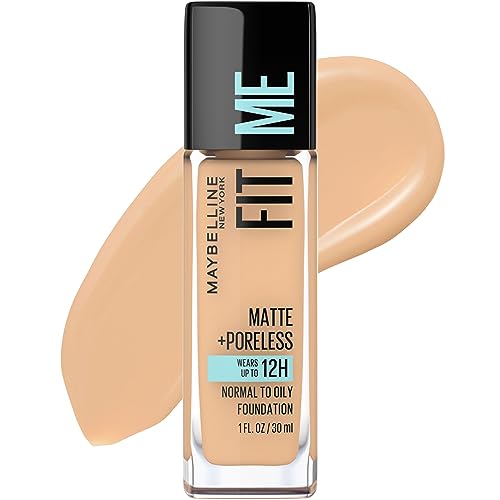
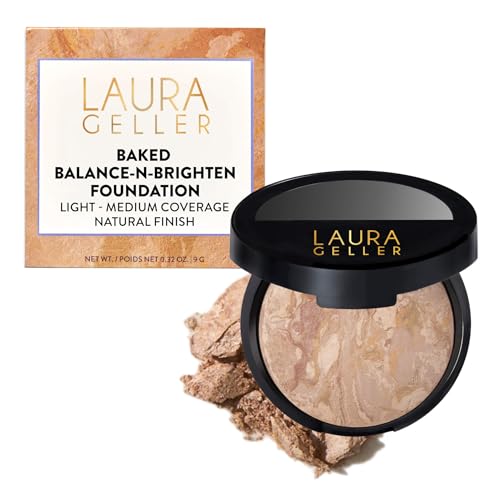
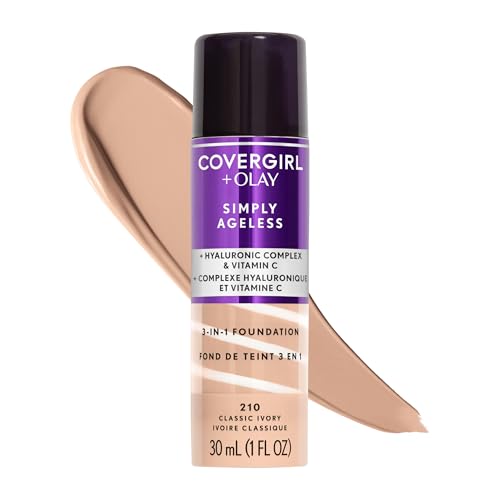
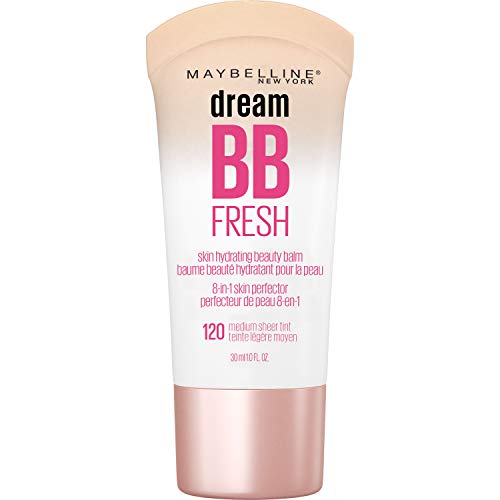
Recommended Non-Comedogenic Everyday Makeup

Quick Take
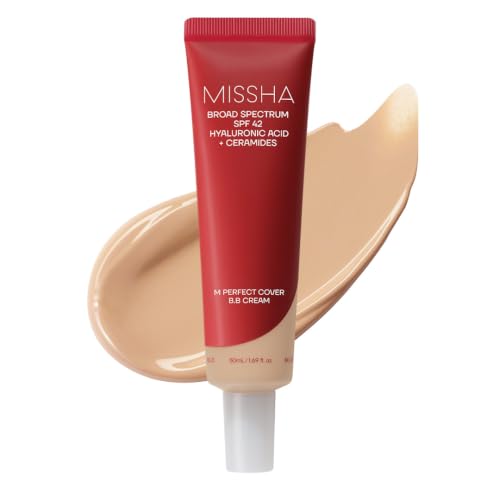
- The American Academy of Dermatology does not treat daily makeup wear itself as a cause of acne; its own guidance points to removal habits as the real risk factor.
- Acne cosmetica, a specific reaction to comedogenic ingredients, can take anywhere from a few days to six months to show up on skin.
- Sharing makeup and brushes introduces someone else’s bacteria and oil into your products, a separate risk from wearing makeup every day.
- The SPF listed on a foundation or tinted moisturizer is real chemistry, but it is almost never applied thick enough to deliver its labeled protection.
In This Guide
- The Actual Question Worth Asking
- What Acne Cosmetica Actually Is
- Why It Takes So Long to Notice
- Removal Habits, Not Daily Wear
- Sleeping in Makeup
- Sharing Makeup and Brushes
- Reading Labels: Oil-Free and Non-Comedogenic
- Treating It Once It Happens
- Does Skin Need to “Breathe”?
- The Sunscreen-in-Makeup Gap
- A Nightly Removal Routine That Actually Works
- Frequently Asked Questions
- Bottom Line
The Actual Question Worth Asking
“Is daily makeup bad for your skin” is really two questions in one: does wear frequency matter, and does what you do with that makeup matter. The American Academy of Dermatology has answered the first directly, and more permissively than most skincare content suggests. On its patient-facing page about acne and makeup, the AAD states plainly that it is okay for acne patients to wear makeup, provided products are chosen with some care. That reframes the topic away from frequency and toward the two things with actual evidence behind them: which ingredients you use, and how consistently you remove them.
Shopping these picks?
Amazon Prime members get fast, free shipping on eligible items, plus Prime Video, Amazon Music and member deals. New members can start with a free trial.
Start a free Prime trialAged 18 to 24? Prime for Young Adults comes with a longer free trial and a lower price after it.
Affiliate link: we may earn a commission at no extra cost to you.
What Acne Cosmetica Actually Is
The AAD does name a real, specific condition tied to cosmetics: acne cosmetica. This is not a synonym for ordinary acne; it is a distinct clinical pattern triggered by comedogenic ingredients sitting on skin, and it is worth treating as its own category rather than folding it into a vague “makeup is bad for you” claim.
Why It Takes So Long to Notice
One of the more useful, underused details from the AAD’s guidance is timing: blemishes from acne cosmetica can take anywhere from a few days to six months to appear. That window is wide enough to break most people’s informal self-testing. If a new foundation does not cause a breakout in the first week, it is tempting to assume it is safe. The AAD’s own timeline says otherwise: “it hasn’t broken me out yet” is weak evidence, and ingredient labels matter more than short-term trial and error.
Removal Habits, Not Daily Wear
This is the section that actually answers the headline question. In its separate guidance on habits that worsen acne, the AAD states that even non-comedogenic makeup can cause acne if you sleep in it. Read that sentence again: it is not wear frequency doing the damage, it is what happens (or does not happen) at the end of the day. A person who wears makeup daily and removes it thoroughly every night is, by the AAD’s own framing, behaving very differently from a person who wears makeup occasionally but sometimes falls asleep without taking it off.
Do
- Remove all makeup, including eye makeup, before bed every single night.
- Choose products labeled oil-free, non-comedogenic, or “won’t clog pores.”
- Wash and replace makeup sponges and brushes on a regular schedule.
Don’t
- Assume a product is safe just because it hasn’t broken you out in the first week.
- Share foundation, concealer, or brushes with other people.
- Scrub aggressively to “make sure” makeup is off; scrubbing irritates skin without improving removal.
Sleeping in Makeup
It is worth sitting with how strongly the AAD frames this specific habit, because it is the single clearest piece of evidence in the entire topic. The statement is not hedged as a possible contributor; it is presented as a direct cause, and it applies even to products that are formulated not to clog pores. That detail matters: a non-comedogenic label is not a guarantee against every kind of skin problem, it just removes one variable. Left on overnight, any residue, oil, and the day’s accumulated grime sit against skin for six to eight uninterrupted hours, which is a very different exposure than a few hours of daytime wear followed by proper removal.
Sharing Makeup and Brushes
A separate risk factor the AAD flags is sharing products. Acne-causing bacteria, oil, and dead skin cells living on someone else’s skin can transfer directly into your makeup and, from there, onto your face. This is a contamination pathway, not an ingredient problem: you can use a non-comedogenic, correctly removed product every night and still run into trouble if that same compact gets passed around. Communal testers at store counters carry a milder version of the same risk.
Reading Labels: Oil-Free and Non-Comedogenic
Since ingredients, not frequency, are the variable that matters, label literacy is the practical skill worth building. The AAD’s advice is to look for “oil-free,” “won’t clog pores,” or “non-comedogenic” on packaging. None of these terms are regulated with the rigor of a drug claim, but they reflect a manufacturer’s intent to formulate around the comedogenic ingredients behind acne cosmetica, and they are a reasonable first filter when you cannot evaluate a full ingredient list yourself.
| Label Term | What It Signals | What It Doesn’t Guarantee |
|---|---|---|
| Oil-free | No added oils as a base ingredient | Comedogenic non-oil ingredients can still be present |
| Non-comedogenic | Formulated to avoid known pore-clogging ingredients | Individual skin can still react to specific ingredients |
| Won’t clog pores | Marketing shorthand for the same intent as above | Not a regulated clinical claim |
Treating It Once It Happens
A 2021 literature review by Ghani, Rahman, Liu, and Cubelli, published in SKIN: The Journal of Cutaneous Medicine, looked specifically at makeup ingredients and acne cosmetica. It describes the mechanism plainly: sebum interacts with comedogenic ingredients trapped in or under makeup on the skin. Recommended interventions once acne cosmetica develops are topical retinol and salicylic acid, alongside cutting back on the comedogenic product responsible. Worth noting: this was a review of existing research, not a new trial, and its authors flagged that dermatologists as a field often lack strong working knowledge of cosmetic ingredient lists, a useful admission that ingredient literacy is a genuine gap.
Does Skin Need to “Breathe”?
The idea that skin needs regular makeup-free days to “breathe” is common enough to deserve a direct answer: no dermatological source in this research turned up a mechanistic claim supporting it. Skin does not take in oxygen through pores in a way a thin layer of makeup would meaningfully block; that is established general physiology, not a contested point. The two risk factors the AAD actually identifies, comedogenic ingredients and incomplete overnight removal, are not solved by an occasional makeup-free day. Frequency is not the lever; ingredient choice and removal consistency are.
The Sunscreen-in-Makeup Gap
Daily wear raises a second, less-discussed question: whether SPF-containing foundation does the sun-protection job people assume it does. Dr. Amy Kassouf, quoted in a Cleveland Clinic piece on sunscreen and makeup, points to a mismatch between how SPF is tested and how it is actually applied. Official testing uses a much thicker layer than most people put on daily. Her description of real-world application: “We put on just as much as we feel we can spread easily, then we’re off to the races.” The result is protection well below the label, and SPF makeup also wears off without being reapplied at the roughly two-hour intervals dermatologists recommend for dedicated sunscreen.
| Product | Typical Application Thickness | Reapplication in Practice |
|---|---|---|
| Dedicated SPF 30+ sunscreen | Applied to match lab-tested thickness when used as directed | Roughly every two hours per standard guidance |
| SPF-containing foundation | Thin, blended layer, far below lab-test thickness | Rarely reapplied through the day |
A Nightly Removal Routine That Actually Works
Given that removal, not frequency, is where the real risk sits, a consistent nightly routine is the highest-value habit here. The AAD’s removal guidance breaks into a short, repeatable sequence.
Apply a dedicated sunscreen first
Before makeup goes on in the morning, apply SPF 30 or higher to clean, dry skin and let it fully absorb, treating any SPF in your foundation as a bonus layer rather than your main protection.
Remove eye makeup separately
Eye makeup, especially waterproof formulas, often needs a dedicated remover before the rest of your routine; do not skip this step even on a low-effort night.
Use an oil-free makeup remover
Sweep away the bulk of the makeup with an oil-free remover suited to your skin, working gently rather than dragging or rubbing.
Follow with a gentle cleanser
A cleanser after the remover clears any remaining residue that the remover step alone leaves behind.
Avoid scrubbing
Pat rather than scrub; aggressive scrubbing irritates skin without improving how thoroughly makeup comes off.
Frequently Asked Questions
Does wearing makeup every day cause acne?
Not by itself, according to the AAD; the bigger factors are whether a product is comedogenic and whether it is removed thoroughly each night.
What is acne cosmetica?
A specific reaction pattern caused by comedogenic ingredients in cosmetics, distinct from general acne, that can take a few days to six months to appear.
Is it worse to sleep in makeup than to wear it all day?
Yes; the AAD states that even non-comedogenic makeup can cause acne if you sleep in it, making overnight removal the single most important habit in this topic.
Do I need makeup-free days for my skin to breathe?
No dermatological evidence supports skin needing oxygen breaks from makeup; the real risk factors are comedogenic ingredients and incomplete removal, neither of which an occasional break fixes.
What does “non-comedogenic” actually mean?
It signals a product was formulated to avoid known pore-clogging ingredients, though it is not a strictly regulated clinical claim and individual skin can still react.
Is sharing makeup with a friend really a risk?
Yes; the AAD notes that bacteria, oil, and dead skin cells from someone else’s skin can transfer into shared products, a hygiene risk separate from the ingredients themselves.
Is the SPF in my foundation enough sun protection on its own?
Generally not; people apply far less than the thickness used in SPF lab testing, so a dedicated sunscreen underneath is the more reliable protection.
How long can a comedogenic product be used before it causes a breakout?
Anywhere from a few days to six months, per the AAD, which is why short-term testing is not a reliable way to judge whether a product suits your skin.
What should I look for on a label if I am acne-prone?
Terms like oil-free, non-comedogenic, or “won’t clog pores” are a reasonable first filter, per AAD guidance, even though they are not fully regulated claims.
What ingredients treat acne cosmetica once it appears?
A 2021 literature review points to topical retinol and salicylic acid, alongside cutting back on the comedogenic product responsible.
Bottom Line
The evidence does not support treating daily makeup wear itself as the problem. The AAD’s own guidance points squarely at two other variables: whether the ingredients in your products are comedogenic, and whether you remove everything thoroughly before bed. Sleeping in makeup, even a non-comedogenic formula, is the one habit called out directly as a cause of acne, while frequency of wear is not.
Treat this as permission to stop worrying about how many days a week you wear makeup, and redirect that attention toward label literacy, a real nightly removal routine, and not sharing products. If a new product does not cause a reaction in its first week, remember the AAD’s own timeline before assuming it is safe: acne cosmetica can take up to six months to show itself, so ingredient choice deserves more weight than short-term trial and error ever will.

Written by
Registered pharmacist and founder of Facial Adviser. Rakib's pharmacy training covers how skincare actives work and interact; a later course in cosmetology turned that into a focus on facial treatments and skincare products. He plans, researches and edits every guide on the site and checks health claims against sources such as the American Academy of Dermatology, the FDA and the NIH. He is not a dermatologist; see the Editorial Policy and Medical Disclaimer.
About · Editorial policy · How we choose products · Medical disclaimer · Contact
Keep reading: Makeup basics and skin
- How to Properly Put On Face Makeup: The Right Order, Step by Step
- Best Tips for a No-Makeup Look: Skin Prep, Tints, Brows, Blush and Lips
- Does Makeup Help Protect You From the Sun?
- How Do You Know If Makeup Is Water Based or Oil Based?
- 10 Best Makeup for Acne-Prone Skin (2026): Coverage That Won't Clog
- Is It Safe to Buy Makeup From AliExpress?
- How to Get Started as a Freelance Makeup Artist: Training, Kit and Clients
- Best Way to Use Makeup Remover: Micellar Water, Balms, Oils and Eye Removers