How to Get Started as a Freelance Makeup Artist: Training, Kit and Clients
Freelance makeup artistry appeals to creative people who like working with others and want to set their own schedule. It can lead to bridal work, photo shoots, events, theatre and film, but getting started takes more than a good eye for colour. You need skills, a clean and well-organised kit, a portfolio that shows your range and a steady way to find clients.
To get started as a freelance makeup artist, build solid technical skills through a course, apprenticeship or assisting an experienced artist, then check the licensing rules where you live, because some places require a cosmetology or esthetics licence to apply makeup for pay. Next, assemble a professional kit that covers a wide range of skin tones, set up strict hygiene habits with disposables and cleaned tools, and create a portfolio from test shoots and friends. Finally, find clients through social media, referrals, local photographers, salons and wedding vendors, and treat the work as a small business with contracts, insurance and clear policies.
In short: learn the craft, check your local rules, keep your kit spotless and build your client base one good job at a time.
Hygiene is central to the job. The US Food and Drug Administration notes that some cosmetic ingredients, including certain fragrances and preservatives, can cause allergic reactions, which is one reason professional artists ask about allergies and avoid sharing products straight from the tube.
This guide covers the career path, training and licensing, building a kit and portfolio, hygiene, finding clients and the honest pros and cons of freelance work.
Shopping these picks?
Amazon Prime members get fast, free shipping on eligible items, plus Prime Video, Amazon Music and member deals. New members can start with a free trial.
Start a free Prime trialAged 18 to 24? Prime for Young Adults comes with a longer free trial and a lower price after it.
Affiliate link: we may earn a commission at no extra cost to you.
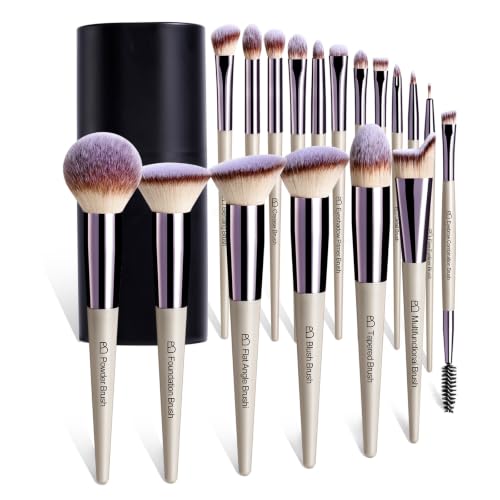
Recommended Kit Essentials for New Makeup Artists



In Brief
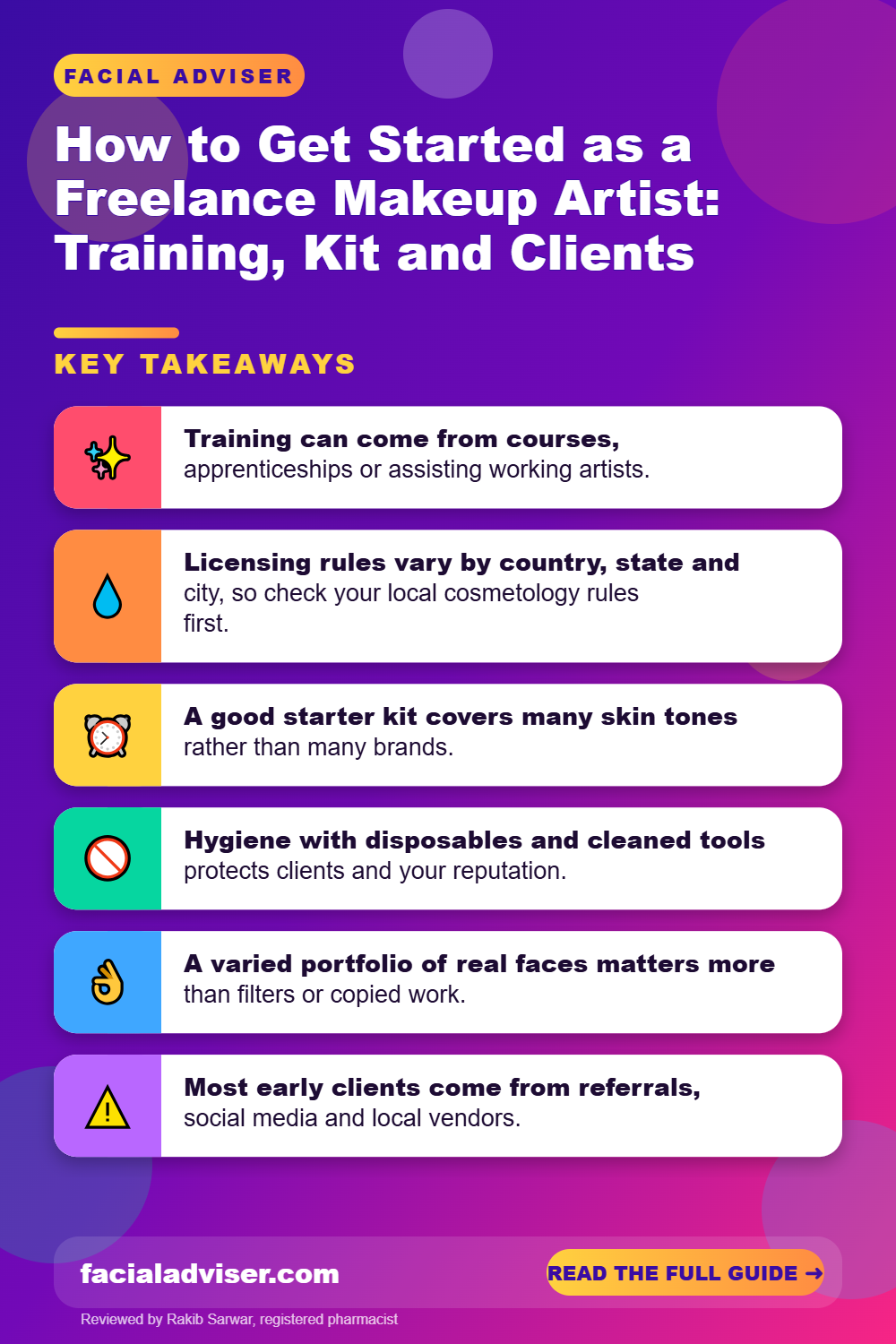
- Training can come from courses, apprenticeships or assisting working artists.
- Licensing rules vary by country, state and city, so check your local cosmetology rules first.
- A good starter kit covers many skin tones rather than many brands.
- Hygiene with disposables and cleaned tools protects clients and your reputation.
- A varied portfolio of real faces matters more than filters or copied work.
- Most early clients come from referrals, social media and local vendors.
- Freelancing offers freedom but brings irregular income and business admin.
On This Page
- What a Freelance Makeup Artist Career Looks Like
- Training and Licensing: Check Your Local Rules
- Building Your First Professional Kit
- Hygiene Standards Every Client Expects
- Creating a Portfolio That Gets You Booked
- How to Launch Your Freelance Makeup Business Step by Step
- Finding Clients and Building Word of Mouth
- Pros and Cons of Freelance Makeup Work
- Dos and Don’ts for New Freelance Artists
- Honest Limits
- When to Get Professional Advice
- Your Questions, Answered
- Where This Leaves You
What a Freelance Makeup Artist Career Looks Like
Freelance makeup artists work for themselves rather than for a single employer. They take bookings directly from clients or through agencies, photographers, salons and production companies. Many start part time alongside another job and grow their bookings over a few years.
| Area of work | Typical clients | Skills that matter most |
|---|---|---|
| Bridal and events | Brides, wedding parties, prom and party guests | Long-wear techniques, calm manner, timekeeping |
| Photo and editorial | Photographers, brands, models | Camera-ready skin, creative looks, working to a brief |
| Film, TV and theatre | Productions and theatres | Continuity, lighting, special effects basics |
| Commercial and corporate | Headshots, video content, presenters | Natural, polished looks done quickly |
| Lessons and personal styling | Individuals wanting to learn | Teaching, patience, product knowledge |
Most artists start broad and narrow down to one or two areas where they enjoy the work and find steady demand. Bridal work is popular because demand is consistent, while editorial and film work can be harder to break into and often starts with unpaid or low-paid test shoots.
Training and Licensing: Check Your Local Rules
There is no single route into makeup artistry. Some artists complete a formal course at a beauty school or academy, some learn through apprenticeships or assisting, and some are largely self-taught and then refine their skills with short courses. What clients care about most is the quality and consistency of your work.
- Formal courses teach colour theory, skin prep, face shapes, bridal and editorial techniques and hygiene.
- Assisting an established artist teaches timing, client handling and on-set etiquette that courses rarely cover.
- Short workshops help you add specialist skills such as airbrush, lashes or special effects.
- Practice on many different skin tones, ages and skin types is essential.
- Some areas require a cosmetology, esthetics or makeup licence to work for pay.
Licensing rules differ widely between countries, states, provinces and even cities. In some places you can apply makeup for pay without a licence; in others you need a cosmetology or esthetics licence, especially in a salon. Check with your local cosmetology or licensing board before you take paid bookings.
Even where no licence is required, a recognised course certificate, first aid knowledge and public liability insurance make you more credible to venues, photographers and wedding planners.
Building Your First Professional Kit
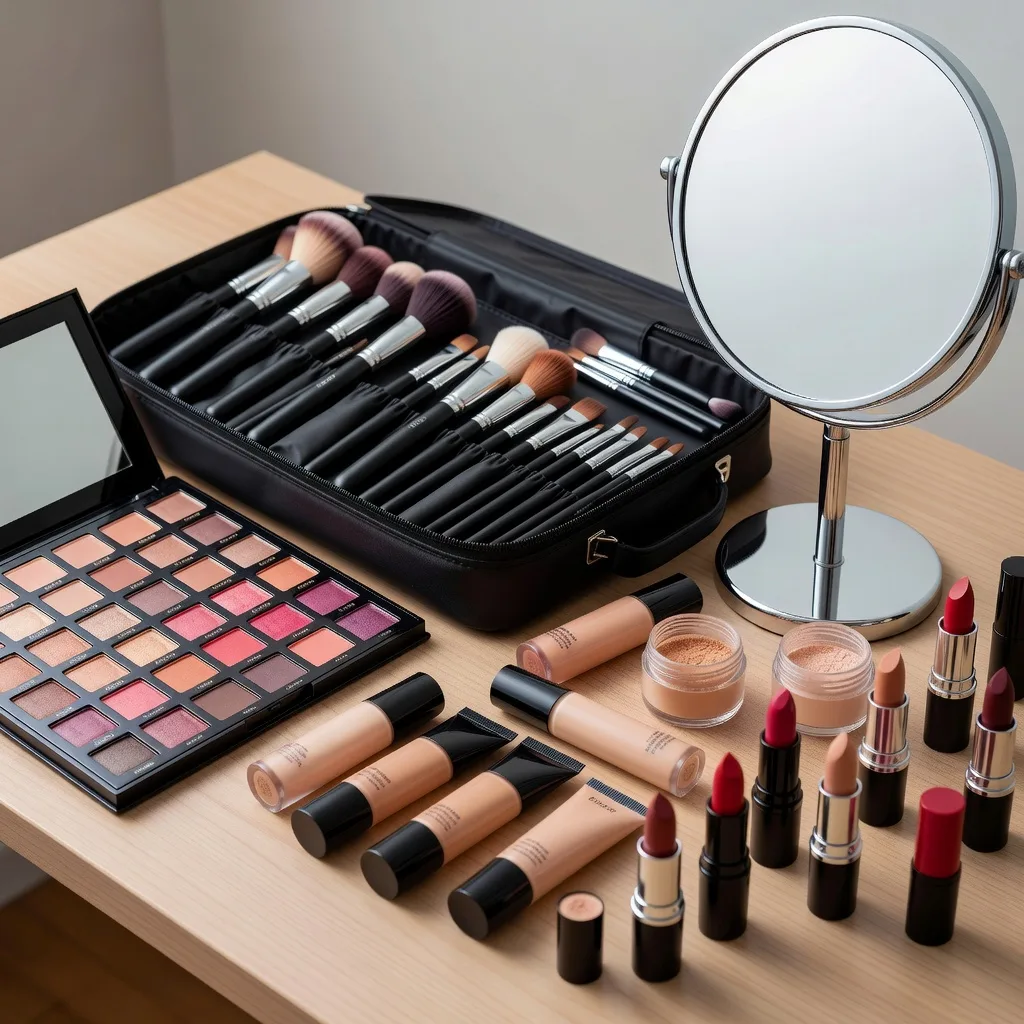
A professional kit is different from a personal makeup bag. It needs to cover many skin tones and skin types, stay hygienic between clients and travel well. Start with versatile, well-made basics and add products as your bookings show you what you actually use.
| Kit category | What to include | Why it matters |
|---|---|---|
| Skin prep | Cleansing wipes or micellar water, moisturisers for dry and oily skin, primer, lip balm | Makeup lasts longer on prepared skin |
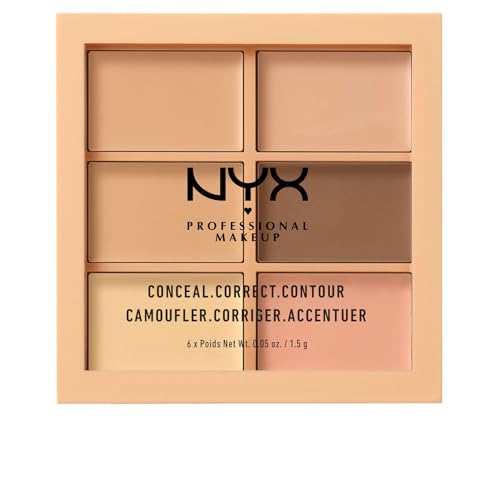
| Base | Foundation or cream palettes covering light to deep shades, concealers, correctors | Lets you match any client |
| Powder and setting | Translucent and tinted powders, setting spray, blotting papers | Controls shine and extends wear |
| Eyes and brows | Neutral and colourful eyeshadow palettes, liners, brow products, mascara | Covers natural to glam looks |
| Lips and cheeks | Lip liners, lipsticks, blush and bronzer in varied tones | Finishes every look |
| Tools | Brush set, sponges, spatulas, mixing palette, sharpeners | Allows hygienic, precise work |
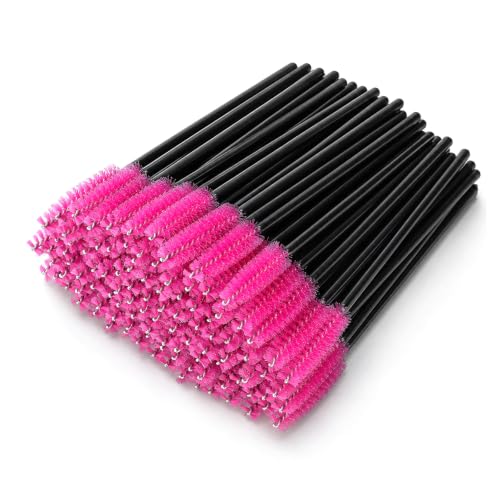
| Hygiene | Disposable wands and applicators, brush cleaner, alcohol, tissues, bin bags | Prevents cross-contamination |
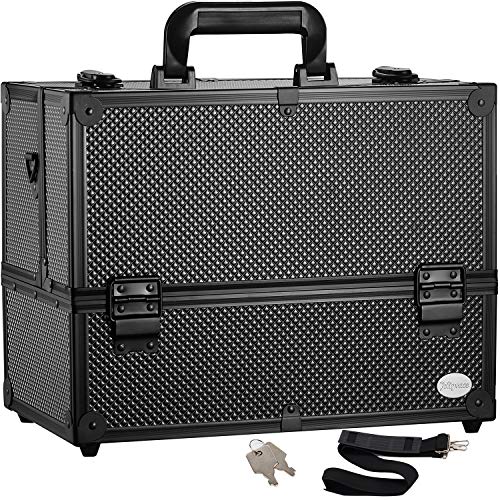
| Storage | Train case or rolling kit bag with compartments | Keeps products organised and protected |
Palettes are especially useful because they hold many shades in little space and let you mix custom colours on a clean palette with a spatula. Label everything with the date you opened it, and check expiry regularly. Our guide on how to know if makeup is expired explains the signs to look for.
Before buying more products, practise mixing your foundations and concealers to create in-between shades. A smaller kit you know well is faster and more hygienic than a huge kit you cannot navigate.
Hygiene Standards Every Client Expects
Hygiene is not optional in professional makeup work. Clients notice when an artist uses a double-dipped mascara wand or dirty brushes, and poor hygiene can spread eye infections, cold sores and skin irritation. Good practice also protects you from complaints and bad reviews.
- Wash or sanitise your hands before every client.
- Use disposable mascara wands, lip applicators and cotton buds, and never double-dip.
- Decant creams, foundations and lipsticks onto a clean palette with a spatula.
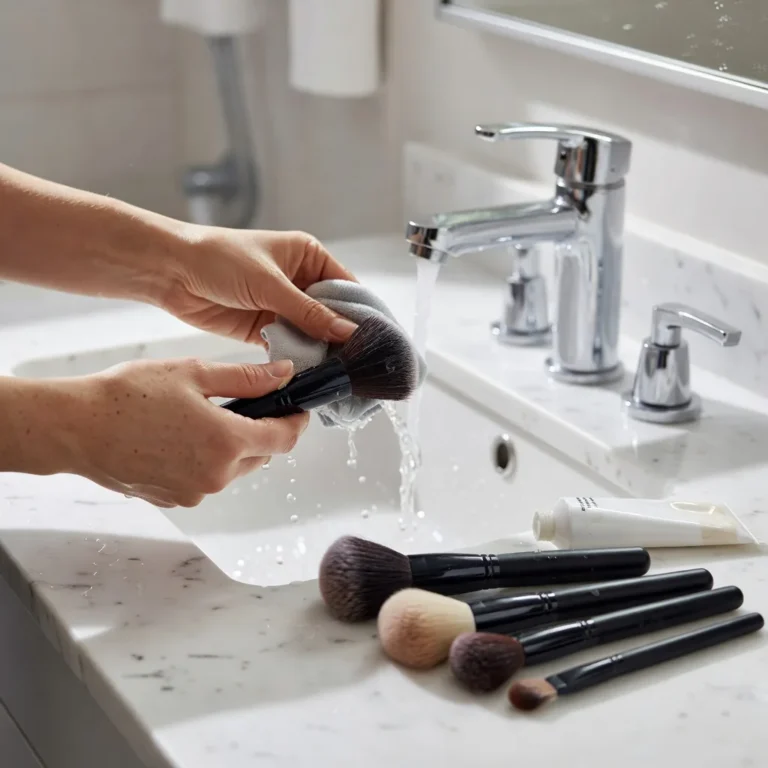
- Clean brushes between clients and deep clean them regularly.
- Sharpen pencils before each use and wipe powders or sanitise them as advised by the manufacturer.
- Refuse to work over active cold sores, eye infections or broken skin.
Our guide on how to sanitise makeup tools walks through cleaning brushes, sponges and other tools step by step.
Always ask about allergies and sensitive skin before you start. The FDA’s page on allergens in cosmetics explains that fragrances, preservatives and some other ingredients can trigger reactions. If a client reports stinging, itching or swelling, remove the product straight away and advise them to seek medical help if symptoms continue.
Creating a Portfolio That Gets You Booked
Your portfolio is your main sales tool. Clients want to see work that looks like what they need, on faces that look like theirs, photographed in clear, flattering light.
- Show a range of skin tones, ages and skin types to prove you can work on anyone.
- Include the styles you want to be booked for, such as bridal, soft glam or editorial.
- Use good natural light or proper lighting, and avoid heavy filters or editing.
- Collaborate with local photographers, models and hairstylists on test shoots.
- Only post work you did yourself and credit your collaborators.
- Update it regularly so your best and most recent work is at the top.
A simple website, a business social media account and a short printable or PDF portfolio are usually enough to start. Ask every happy client whether you may photograph and share the finished look, and respect their answer.
How to Launch Your Freelance Makeup Business Step by Step
These steps give you a practical order for moving from hobby to paid bookings without skipping the basics.
Build your skills
Take a course, assist an established artist or practise on as many different faces as possible.
Check licensing and business rules
Contact your local cosmetology board and check registration, tax and insurance requirements.
Assemble a starter kit
Buy versatile products covering many skin tones, plus tools, disposables and a sturdy case.
Set hygiene routines
Decide how you will clean tools, use disposables and handle allergies before your first client.
Create a portfolio
Organise test shoots and practice sessions, and photograph your work in good light.
Set your policies
Write simple booking terms covering deposits, cancellations, travel and trials.
Find your first clients
Share your work online, tell friends and connect with photographers, salons and wedding vendors.
Ask for reviews and referrals
Follow up after each job and ask satisfied clients to recommend you.
Finding Clients and Building Word of Mouth
Most new freelancers find their first clients through people they already know, then grow through referrals and visibility. Consistency matters more than any single marketing trick.
- Post finished looks regularly on social media with clear, honest photos.
- Network with photographers, hairstylists, bridal shops, planners and venues.
- Offer to assist busy artists on weddings and shoots.
- Join local business and wedding directories where appropriate.
- Reply to enquiries quickly and professionally.
- Make it easy for happy clients to leave reviews and refer friends.
Reliability builds a reputation faster than talent alone. Turning up on time, keeping your kit clean and communicating clearly are what make vendors recommend you again. For photo and event work, our guide on keeping makeup intact for photos covers techniques clients will value.
Pros and Cons of Freelance Makeup Work
Freelance makeup work suits some people very well and others much less. Weigh both sides honestly before you invest heavily in kit and training.
| Pros | Cons |
|---|---|
| Creative, varied work | Irregular income, especially at first |
| Flexible schedule you control | Early starts, weekends and busy seasons |
| Meeting new people and being part of special days | Physically tiring: standing, carrying kit, travelling |
| You choose your niche and clients | You handle marketing, bookings, tax and admin |
| Skills are portable between locations | No employer benefits such as paid leave |
Many artists balance the cons by combining freelance work with part-time salon, retail counter or teaching work, especially during quieter months.
Dos and Don’ts for New Freelance Artists
Try This
- Check your local licensing rules before taking paid work
- Keep strict hygiene with disposables and cleaned tools
- Get written agreements for bookings
- Build a portfolio of real, unfiltered work
- Keep learning with courses and assisting
Avoid This
- Double-dip mascara wands or lip products
- Post other artists’ work as your own
- Skip the allergy question
- Overbuy products before you know your clients
- Take bookings without clear cancellation terms
Honest Limits
There is no guaranteed path to a full diary. Some areas have many artists competing for the same clients, and it can take a long time to build a steady business. Courses and certificates help, but they do not replace practice, reliability and good client relationships.
This guide gives general information only. Licensing, tax, insurance and business registration rules differ by location and change over time, so rely on your local authorities and qualified advisers for the rules that apply to you.
When to Get Professional Advice
- You are unsure whether you need a cosmetology or esthetics licence where you live.
- You need help with business registration, tax or insurance.
- You want a contract template reviewed before using it with clients.
- A client has a serious reaction to a product you used.
This article is for general information and does not replace legal, financial or medical advice. Check with your local licensing board and qualified professionals, and advise clients with skin reactions to see a doctor or dermatologist.
Your Questions, Answered
Do I need a licence to be a freelance makeup artist?
It depends on where you live; check your local cosmetology board.
Can I become a makeup artist without a course?
Yes in many places, but training speeds up your progress.
How long does it take to get established?
Often several years of steady work and networking.
What should be in a beginner makeup artist kit?
Skin prep, base shades, palettes, brushes, disposables and brush cleaner.
Why do makeup artists use disposable wands?
To avoid spreading bacteria between clients.
How do I build a portfolio with no clients?
Do test shoots with photographers, models and friends.
Where do freelance makeup artists find clients?
Social media, referrals, photographers, salons and wedding vendors.
Do I need insurance?
Liability insurance is strongly recommended and sometimes required by venues.
Is freelance makeup artistry a stable career?
It can be, but income is often irregular at first.
What is the hardest part of freelancing?
Finding steady clients and handling the business side.
Where This Leaves You
Getting started as a freelance makeup artist means learning the craft, checking your local licensing rules, building a versatile and hygienic kit and creating a portfolio that shows your real work.
Find clients through referrals, social media and local vendors, protect yourself with clear policies, and grow steadily by being reliable, clean and professional on every job.

Written by
Registered pharmacist and founder of Facial Adviser. Rakib's pharmacy training covers how skincare actives work and interact; a later course in cosmetology turned that into a focus on facial treatments and skincare products. He plans, researches and edits every guide on the site and checks health claims against sources such as the American Academy of Dermatology, the FDA and the NIH. He is not a dermatologist; see the Editorial Policy and Medical Disclaimer.
About · Editorial policy · How we choose products · Medical disclaimer · Contact
Keep reading: Makeup artists and careers
- How to Choose the Right Makeup Artist for Your Wedding: Trials and Contracts
- Makeup vs Makeover: What Is the Difference and How to Plan a Makeover
- Is Makeup Artist Haram in Islam?
- Professional Nail Essentials: The Tools You Need for Clean, Healthy Nails
- What Is Cosmetology School? The Real Answer
- How to Find the Right Shade of Makeup: Undertone, Depth and Testing
- How to Choose the Right Eye Makeup Color for Your Eyes and Skin