Makeup vs Makeover: What Is the Difference and How to Plan a Makeover
People often use makeup and makeover as if they mean the same thing, and it is easy to see why: both are about changing how you look. In practice they describe very different scales of change, from a few minutes at the mirror to a complete refresh of your hair, brows, skin and style.
Part of our guide to makeup how-to. Start with: How to Get Started as a Freelance Makeup Artist: Training, Kit and Clients
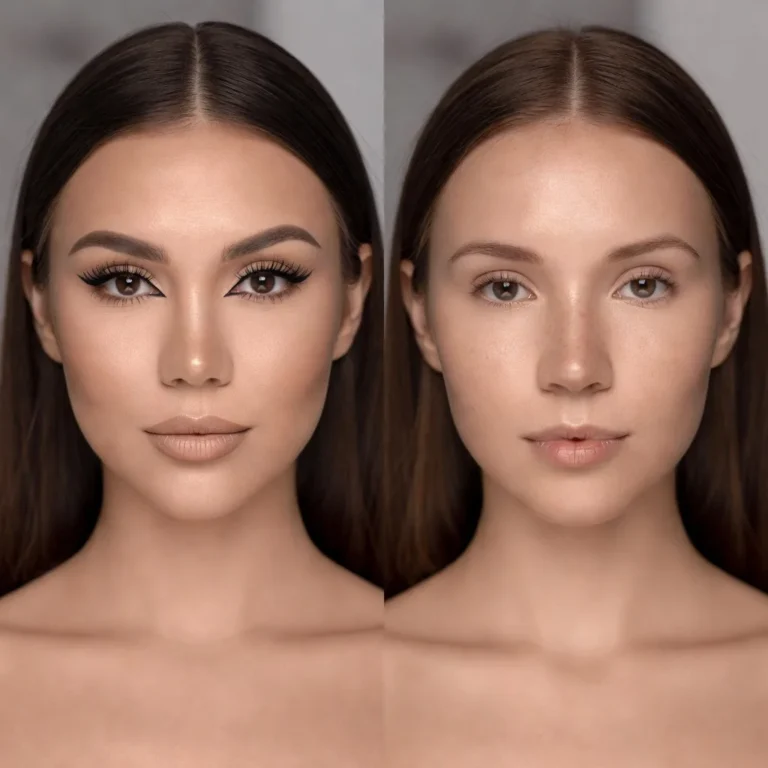
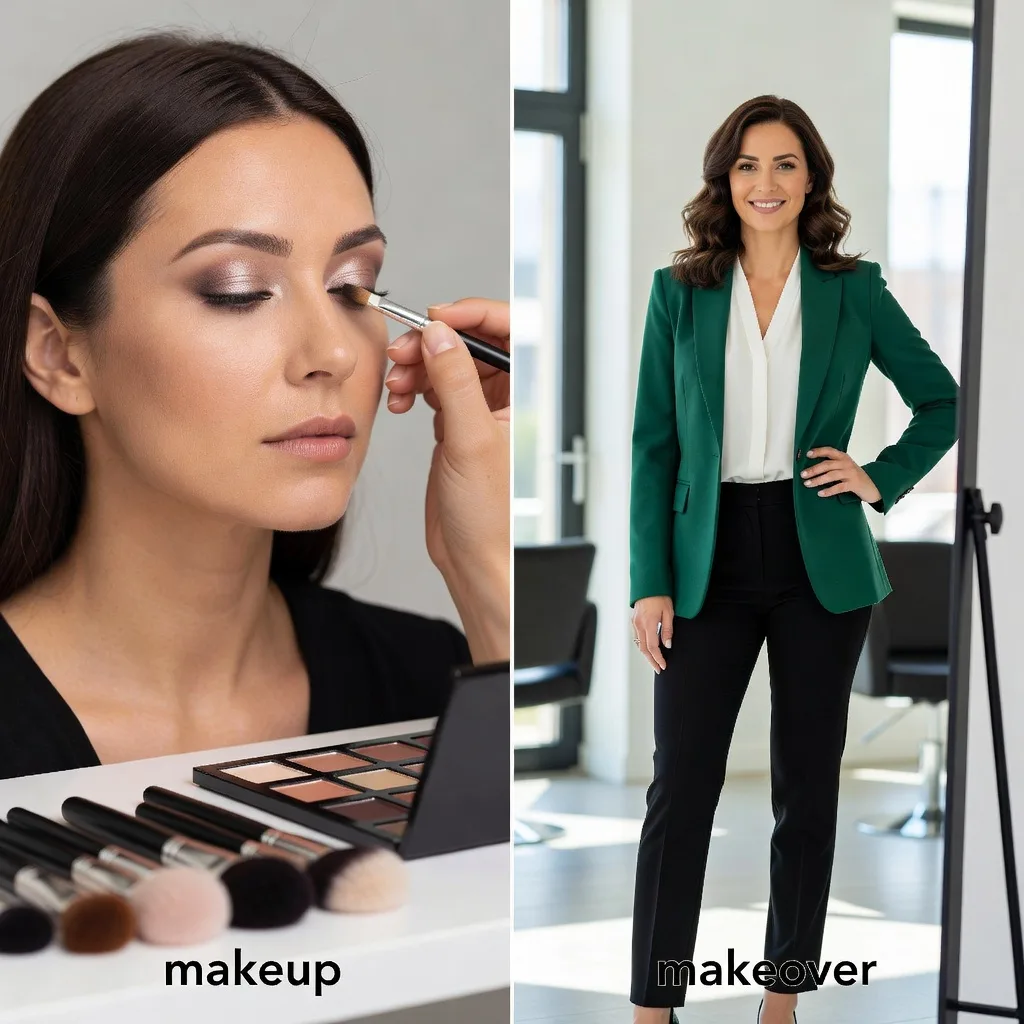
The difference between makeup and makeover is scope. Makeup is the application of cosmetic products such as foundation, concealer, eyeshadow, mascara and lipstick to enhance or change your facial features, usually for a day or an event, and it washes off. A makeover is a broader transformation of your overall appearance that can include a new haircut or colour, reshaped brows, a skincare routine to prepare the skin, updated makeup, and sometimes new clothes, glasses or accessories. Makeup is often one part of a makeover. A makeover is usually planned around a goal, such as a new job, a wedding or a personal fresh start, and some of its changes last for weeks or months.
In short: makeup is one tool for changing your look, and a makeover is a planned overhaul of several parts of your appearance at once.
Because a makeover often involves trying several new products at once, safety matters. The US Food and Drug Administration explains that some cosmetic ingredients, such as certain fragrances and preservatives, can cause allergic reactions in some people, so patch testing new products is sensible.
This guide explains the difference in detail, what a makeover usually includes, how to plan one step by step and how to keep changes realistic and easy to maintain.
Shopping these picks?
Amazon Prime members get fast, free shipping on eligible items, plus Prime Video, Amazon Music and member deals. New members can start with a free trial.
Start a free Prime trialAged 18 to 24? Prime for Young Adults comes with a longer free trial and a lower price after it.
Affiliate link: we may earn a commission at no extra cost to you.
Recommended Makeover Essentials



What This Covers
- Makeup vs Makeover: The Key Differences
- What Counts as Makeup
- What a Makeover Usually Includes
- Why Skincare Prep Matters for Both
- When to Choose Makeup and When to Plan a Makeover
- How to Plan a Makeover Step by Step
- Tools and Products for a Home Makeover
- Safety: Allergies, Dyes and Heat Tools
- Common Makeover Mistakes to Avoid
- Dos and Don’ts
- Honest Limits
- When to Get Professional Advice
- FAQ
- The Bottom Line
The Short Version
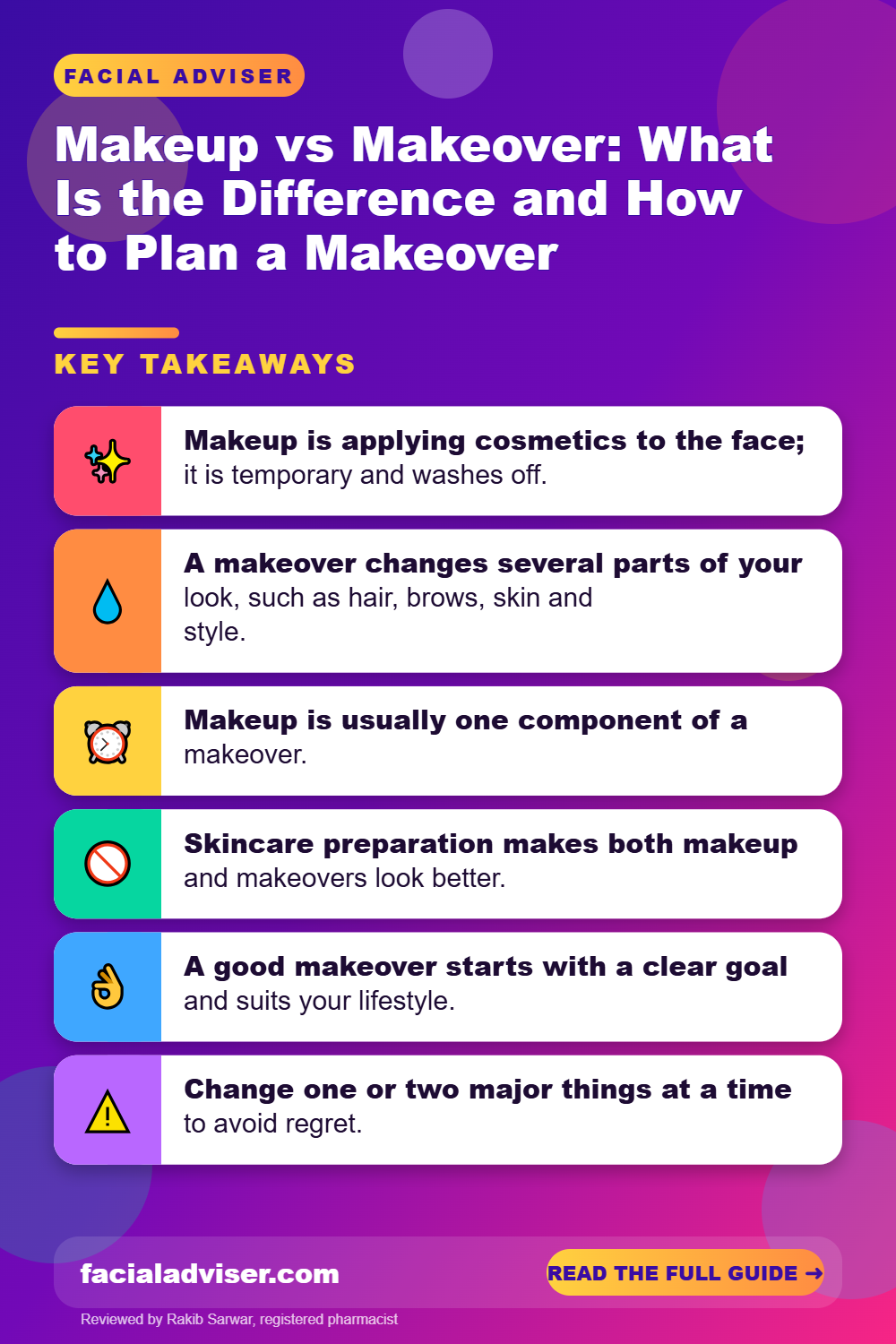
- Makeup is applying cosmetics to the face; it is temporary and washes off.
- A makeover changes several parts of your look, such as hair, brows, skin and style.
- Makeup is usually one component of a makeover.
- Skincare preparation makes both makeup and makeovers look better.
- A good makeover starts with a clear goal and suits your lifestyle.
- Change one or two major things at a time to avoid regret.
- Patch test new products, especially hair dye and brow tint.
Makeup vs Makeover: The Key Differences
The simplest way to see the difference is to compare what each covers, how long it lasts and who usually does it.
| Aspect | Makeup | Makeover |
|---|---|---|
| Definition | Cosmetics applied to the face | Overall update of appearance |
| Scope | Face only | Hair, brows, skin, makeup, clothes, accessories |
| Duration | Hours; removed the same day | Weeks to months for hair and brow changes |
| Purpose | Enhance features for a day or event | Refresh or reinvent your overall look |
| Who does it | You or a makeup artist | You, or several professionals such as a stylist, brow artist and makeup artist |
| Planning | Minutes to an hour | Days to weeks |
| Reversibility | Fully reversible | Some changes, like a haircut, take time to undo |
In everyday language, people sometimes call a dramatic full-face makeup look a makeover, especially on social media. Strictly, though, if only the makeup has changed, it is a makeup look rather than a makeover.
What Counts as Makeup
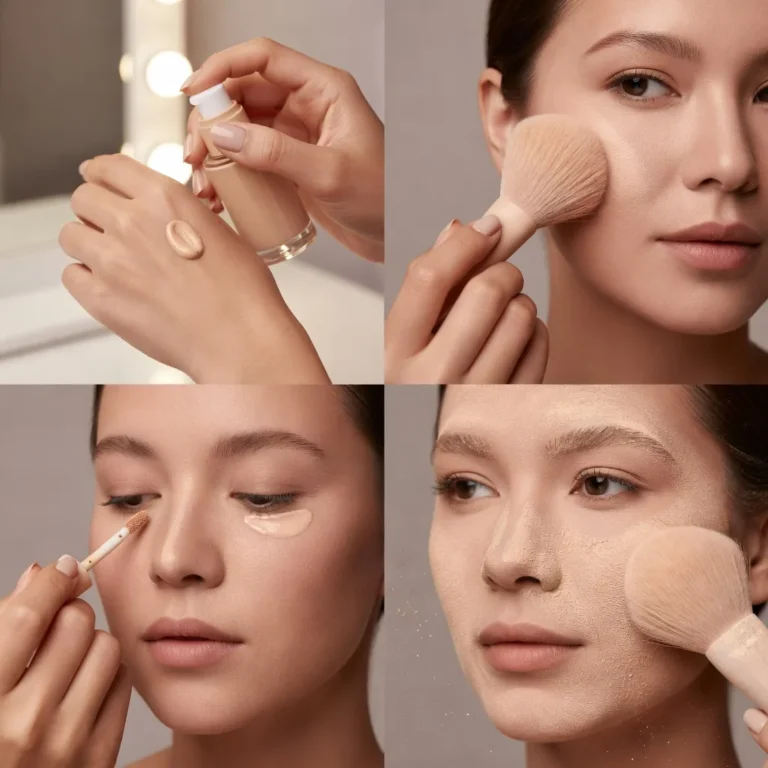
Makeup covers products applied to the skin, eyes, brows and lips to even out, define or add colour. It can be subtle or dramatic, but it is always temporary.
- Base: primer, foundation, BB cream, tinted moisturiser and concealer.
- Colour and shape: blush, bronzer, contour and highlighter.
- Eyes: eyeshadow, eyeliner, mascara and false lashes.
- Brows: pencils, powders and gels that fill and shape for the day.
- Lips: liner, lipstick, gloss and lip tint.
- Setting: powder and setting spray to help makeup last.
Getting the base shade right is the step that makes the biggest difference. Our guide on how to find the right shade of makeup explains how to test shades in daylight.
What a Makeover Usually Includes
A makeover can be small or large, but it usually combines several of the following. Most people do not need every element; choose the ones that match your goal.
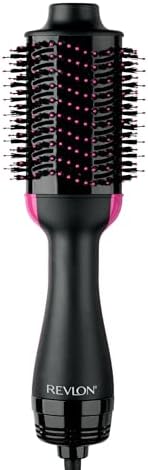
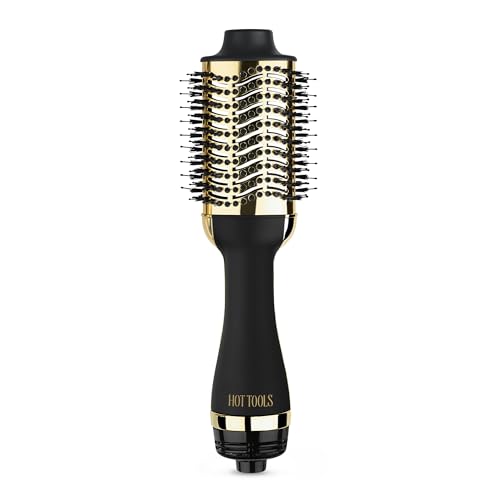
- Hair: a new cut, colour, styling method or tools such as a heated round brush for easy volume.
- Brows: shaping, tinting or a change in how you fill them, which can transform the face more than people expect.
- Skincare prep: a simple routine that improves texture and makes makeup sit better.
- Makeup: a new everyday look, updated shades or a different technique.
- Wardrobe and colours: clothes and colours that suit your undertone and lifestyle.
- Accessories: glasses frames, jewellery or a bag that fits your new style.
- Grooming details: nails, posture and how you care for your look day to day.
A makeover does not have to be dramatic or expensive. Updating your brows, finding one flattering haircut and simplifying your makeup can feel like a complete refresh, while keeping the result easy to maintain.
Why Skincare Prep Matters for Both
Makeup sits on top of skin, so the condition of your skin shapes the final result. Dry patches cling to foundation, excess oil breaks makeup down, and irritated skin can react to new products. A short skincare routine before any makeover pays off.
- Cleanse gently so skin is clean but not tight.
- Moisturise to smooth dry patches and help base products blend.
- Use a primer only if it helps your makeup last or look smoother.
- Wear broad-spectrum sunscreen in the daytime as your last skincare step.
- Start any new skincare a few weeks before a big event, not the night before.
Small skincare changes also reduce the amount of makeup you need, which often looks fresher. Our guide on makeup mistakes that age you shows how heavy layers and the wrong finish can work against you.
When to Choose Makeup and When to Plan a Makeover
Deciding which one you need depends on what you want to change and for how long.
| Situation | Makeup is enough | Consider a makeover |
|---|---|---|
| A party, dinner or date | Yes | Not needed |
| Photos or a video call | Yes, with adjustments | Only if you want a lasting change |
| A wedding or major event | Trial and planned look | If you also want hair and brow changes |
| New job or career move | Refresh your daily look | If you want to update your overall image |
| Feeling stuck with your look | May help briefly | Yes, a planned makeover |
| After a big life change | Maybe | Often a good time for a fresh start |
For event photos, our guide on keeping makeup intact for photos explains how to set makeup so it lasts under lights and flash.
How to Plan a Makeover Step by Step
A little planning prevents the most common regret: changing everything at once and not liking the result. These steps keep your makeover focused and realistic.
Set a clear goal
Decide why you want a makeover and how you want to feel, for example polished for work or relaxed and natural.
Collect inspiration
Save photos of looks you like, ideally on people with similar hair type, face shape and skin tone.
Be honest about time
Choose styles you can maintain on a normal morning, not just on the day.
Start with skin and brows
Begin a simple skincare routine and book a brow shaping, as both frame everything else.
Change hair next
Book a consultation with a stylist and bring your inspiration photos.
Update makeup last
Choose shades and techniques that suit your new hair colour and brows.
Review and adjust
Live with the new look for a few weeks before adding more changes.
Book your hair appointment before buying new makeup. A change in hair colour can shift which blush, lipstick and brow shades look best, so matching makeup afterwards saves money and wasted products.
Tools and Products for a Home Makeover
You do not need a huge collection. A small, well-chosen set is easier to use every day and less likely to expire before you finish it.
- A basic makeup kit: base, concealer, blush, mascara, brow product and a lip colour you love.
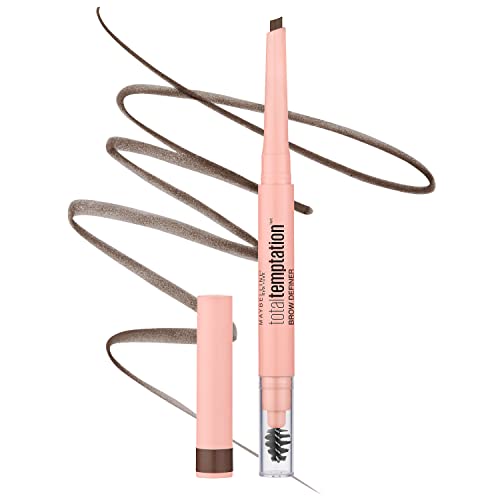
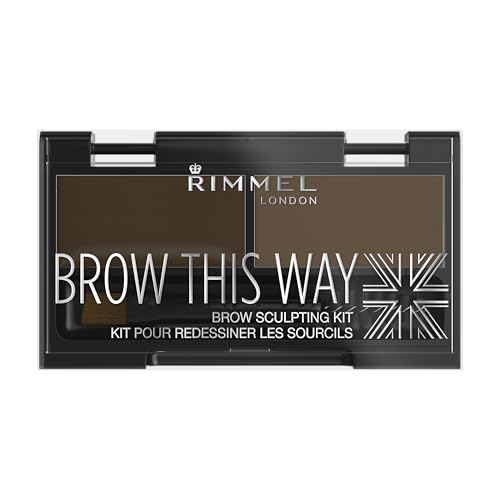
- A brow kit with powder or pencil, wax or gel and a spoolie brush.
- A heated round brush or similar tool for quick, polished blow-dries at home.
- A gentle cleanser and moisturiser as skincare prep.
- A few good brushes or sponges, cleaned regularly.
Introduce new products one at a time where possible so that, if something irritates your skin or scalp, you can tell which product caused it.
Safety: Allergies, Dyes and Heat Tools
Makeovers often involve new products and tools at the same time, which raises the chance of irritation or damage. A few precautions keep the process safe.
- Patch test new makeup and skincare on the jaw or inner arm before full use.
- Follow the patch test instructions on hair dye and brow tint every time, even for brands you have used before.
- Use heat protection and moderate temperatures with heated brushes and styling tools.
- Never share mascara, eyeliner or lip products.
- Replace old or expired makeup as part of your refresh.
The FDA page on allergens in cosmetics explains that some people react to particular ingredients and that reading labels helps you avoid known triggers.
Stop using any product that causes itching, burning, swelling or a rash, and seek medical help for swelling around the eyes or face. Never use hair dye on eyebrows or lashes; only use products made and labelled for that purpose, applied as directed.
Common Makeover Mistakes to Avoid
Most makeover regrets come from rushing or copying rather than planning. Knowing the usual pitfalls makes it much easier to end up with a look you enjoy wearing.
- Changing hair, brows and makeup all on the same day, then struggling to tell what works.
- Choosing a style that needs daily professional blow-drying when you have ten minutes each morning.
- Picking makeup shades under shop lighting instead of checking them in daylight.
- Overplucking brows to follow a trend, which can take months to grow back.
- Buying a full new wardrobe before deciding which colours and shapes actually suit you.
The fix for almost all of these is patience. Make the biggest change first, live with it for a week or two, and only then decide on the next step. Taking photos in the same daylight before and after each change also helps you judge progress honestly, rather than relying on how you feel on one particular day.
Dos and Don’ts
Helps
- Set a clear goal before you start
- Prepare skin a few weeks ahead
- Change hair before choosing new makeup shades
- Patch test new products and dyes
- Keep your routine realistic to maintain
Backfires
- Change everything in one day
- Copy a look that does not suit your hair or lifestyle
- Skip patch tests on dyes and tints
- Buy a large kit before testing shades
- Use hot tools without heat protection
Honest Limits
A makeover can boost confidence and help you feel more like yourself, but it is not a fix for everything. Some changes, like a dramatic haircut or colour, take time and money to reverse, and trend-driven looks can date quickly. The most successful makeovers tend to be those that suit your features and daily routine rather than copying a single photo.
Makeup alone also has limits. It can even tone and define features for the day, but it will not change skin texture or treat skin conditions. If skin concerns are behind your wish for a makeover, a consistent skincare routine and professional advice will help more than heavier makeup.
When to Get Professional Advice
- Book a consultation with a hair stylist before a major cut or colour change.
- See a trained brow artist if you want to reshape brows that have been overplucked.
- Book a makeup trial with an artist before a wedding or important event.
- See a dermatologist if skin concerns such as acne, redness or dark patches are the main reason for your makeover.
This article is for general information only. Patch test new cosmetics, hair dyes and brow tints before use, follow product directions, and seek medical advice if you have a reaction or a skin condition.
FAQ
What is the difference between makeup and makeover?
Makeup is applying cosmetics to the face; a makeover updates your overall look.
Is makeup part of a makeover?
Yes, it is usually one component.
How long does a makeover last?
Makeup washes off, but hair and brow changes last weeks to months.
Do I need a professional for a makeover?
Not always; many people plan simple makeovers at home.
What should I change first in a makeover?
Start with skin and brows, then hair, then makeup.
Can a makeover be done in one day?
Yes, but planning ahead gives better results.
What is a makeup look versus a makeover?
A makeup look changes only the face for the day.
Should I buy new makeup for a makeover?
Only after hair and brows are done, to match shades.
Do I need to patch test for a makeover?
Yes, especially for dyes, tints and new skincare.
Is a makeover expensive?
It depends; small changes can refresh your look affordably.
The Bottom Line
The difference between makeup and makeover is scope: makeup is a temporary change to the face, while a makeover is a planned update of your hair, brows, skin, makeup and style together.
Start with a clear goal, prepare your skin, change one or two things at a time, patch test new products, and choose a look you can keep up every day.

Written by
Registered pharmacist and founder of Facial Adviser. Rakib's pharmacy training covers how skincare actives work and interact; a later course in cosmetology turned that into a focus on facial treatments and skincare products. He plans, researches and edits every guide on the site and checks health claims against sources such as the American Academy of Dermatology, the FDA and the NIH. He is not a dermatologist; see the Editorial Policy and Medical Disclaimer.
About · Editorial policy · How we choose products · Medical disclaimer · Contact
Keep reading: Makeup artists and careers
- How to Get Started as a Freelance Makeup Artist: Training, Kit and Clients
- Is Makeup Artist Haram in Islam?
- Why Do Makeup Artists Wear Black? The Practical Reasons Behind the Uniform
- Professional Nail Essentials: The Tools You Need for Clean, Healthy Nails
- What Is Cosmetology School? The Real Answer
- Makeup Artist vs Beautician: The Real Difference
- How to Choose the Right Eye Makeup Color for Your Eyes and Skin
- What Can You Use to Make Your Makeup Stay On All Day? 9 Products and Tricks