How to Choose the Right Eye Makeup Color for Your Eyes and Skin
Walking up to a wall of eyeshadow can be overwhelming. Dozens of palettes, hundreds of shades, and every finish from matte to glitter. It is easy to buy a color that looks beautiful in the pan but somehow does nothing for your eyes, or makes them look tired. A few simple principles make it much easier.
The easiest way to choose eye makeup colors is to consider three things: your eye color, your skin tone and undertone, and the look or occasion. Colors that contrast gently with your eye color make it stand out, and shades that suit your undertone blend naturally with your skin.
Color theory is a helpful guide. Shades opposite your eye color on the color wheel tend to make it look brighter. That is why copper and bronze often flatter blue eyes, while plum and purple can make green eyes stand out. Brown eyes can wear almost any color.
You do not need to follow rules strictly. Neutral browns, taupes, and soft golds suit nearly everyone and are the easiest place to start. From there, adding one accent color that flatters your eyes is often enough.
This guide covers a simple color guide by eye color, how skin tone and undertone affect your choices, a step-by-step way to test shades, and how to build looks for day and night. It also covers eye shape and hair color.
Shopping these picks?
Amazon Prime members get fast, free shipping on eligible items, plus Prime Video, Amazon Music and member deals. New members can start with a free trial.
Start a free Prime trialAged 18 to 24? Prime for Young Adults comes with a longer free trial and a lower price after it.
Affiliate link: we may earn a commission at no extra cost to you.
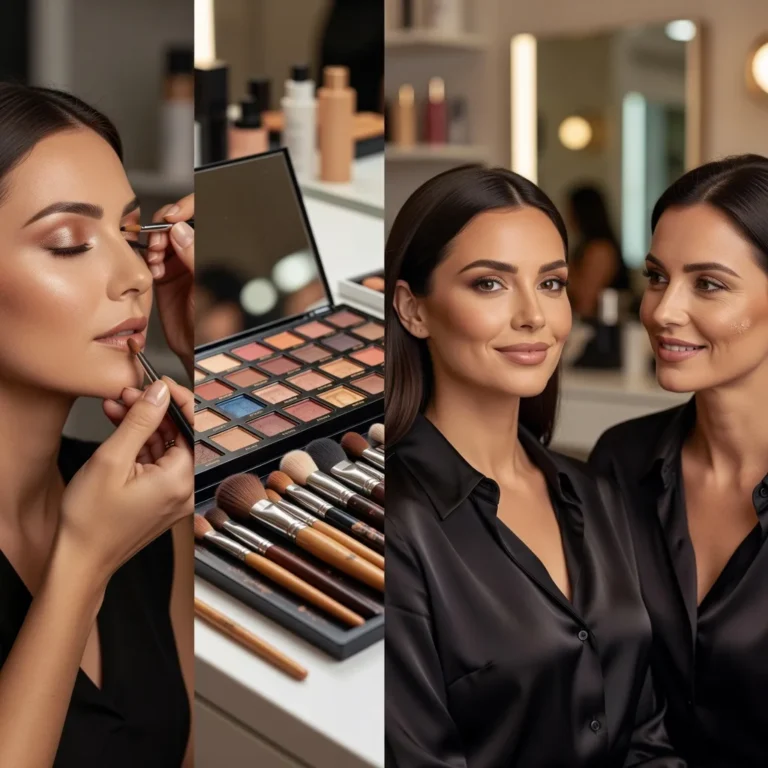
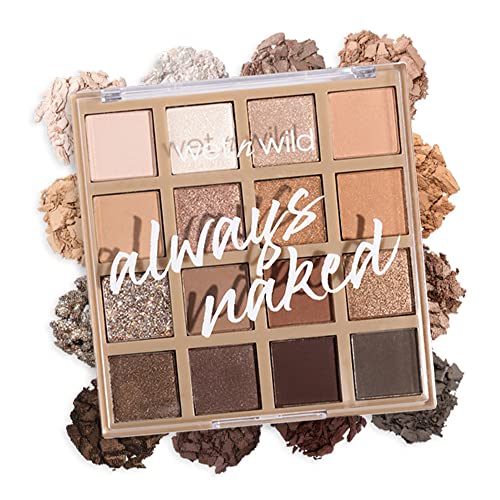
Recommended Eyeshadow Palettes and Eye Makeup Tools





Key Takeaways
- Consider eye color, skin undertone, and the occasion when choosing eye makeup colors.
- Colors opposite your eye color on the color wheel tend to make it look brighter.
- Blue eyes often suit copper, bronze, and warm browns.
- Green and hazel eyes often suit plum, purple, and warm reds.
- Brown eyes can wear almost any color, from gold to navy.
- Neutral browns and taupes suit nearly everyone and are a good starting point.
- Matte shades in the crease and soft shimmer on the lid work for most eye shapes.
What This Covers
- Why Some Colors Make Your Eyes Pop
- Eye Makeup Color Guide by Eye Color
- How Skin Tone and Undertone Affect Your Choice
- How to Test Eyeshadow Colors
- Eye Shape and Hair Color
- Matte, Satin, and Shimmer: Choosing a Finish
- Day vs Night Eye Looks
- Eyeliner and Mascara Colors
- What Color Rules Cannot Tell You
- When Eye Makeup Causes Problems
- Your Questions, Answered
- The Bottom Line
Why Some Colors Make Your Eyes Pop
On a color wheel, colors directly opposite each other are called complementary. When placed side by side, they make each other look more intense. That is the idea behind choosing eyeshadow to flatter eye color.
Blue sits opposite orange, so orange-based shades such as copper, bronze, and terracotta make blue eyes look bluer. Green sits opposite red, so red-based shades such as plum, burgundy, and mauve make green eyes look greener.
You do not need bright orange or red to use this idea. Softer, wearable versions, like warm brown, rose gold, or muted plum, create the same effect in a subtle way.
Matching your eyeshadow exactly to your eye color, such as blue shadow on blue eyes, can make the eyes look less vivid, though it can still be fun for a bold look.
Brown eyes are especially versatile because brown contains a mix of warm tones, so both warm and cool shades can create contrast. That is why people with brown eyes often find they can experiment freely.
Eye Makeup Color Guide by Eye Color
| Eye color | Colors that often flatter | Everyday neutral picks |
|---|---|---|
| Blue | Copper, bronze, terracotta, warm brown, peach | Warm taupe, soft brown, champagne |
| Green | Plum, purple, burgundy, mauve, rose gold | Warm brown, bronze, soft pink |
| Hazel | Purple, olive green, gold, bronze | Golden brown, taupe |
| Brown | Almost any: gold, navy, green, purple, bronze | Chocolate, taupe, champagne |
| Gray | Charcoal, silver, plum, cool taupe | Soft gray-brown, mauve |
| Dark brown or black | Rich gold, jewel tones, deep plum | Espresso brown, bronze |
Use these as starting points rather than rules. Your skin tone and personal style matter just as much.
If your eyes are a mix of colors, such as hazel with gold and green flecks, try shades that complement each tone, like a warm gold on the lid and a soft plum in the crease.
How Skin Tone and Undertone Affect Your Choice
Eyeshadow sits on your eyelids, so it needs to work with your skin as well as your eyes.
- Fair skin: soft, light-to-medium shades often look best; very dark shades can look harsh unless blended well.
- Medium skin: warm golds, bronzes, and rich browns tend to look beautiful.
- Deep skin: highly pigmented, rich shades such as gold, copper, and jewel tones show up well; very pale shades can look ashy.
- Warm undertones: golds, coppers, and warm browns usually flatter.
- Cool undertones: taupes, plums, silvers, and cool browns usually flatter.
If you are unsure of your undertone, look at which jewelry suits you: gold often flatters warm undertones, silver often flatters cool undertones, and both may suit neutral undertones.
Deeper skin tones often look especially striking with metallic golds and bronzes on the lid, while fair skin may prefer satin finishes that look softer.
How to Test Eyeshadow Colors
Use these steps to find flattering shades before committing to a full palette.
Start with a neutral base
Apply a light neutral shade over the lid to even out the eyelid color, so you see the true color of what you test.
Swatch on the lid, not the hand
Apply a small amount of the test shade to one lid. Hand swatches do not show how color looks next to your eyes.
Compare both eyes
Leave the other eye bare or with a different shade. Look in daylight and see which makes your eye color stand out more.
Check from a distance
Step back from the mirror. The right shade looks balanced and brightening, not heavy or muddy.
Build a simple set
Once you find a flattering accent color, pair it with a light lid shade, a medium crease shade, and a darker shade for definition.
If you buy online, look for photos of the shade on people with similar skin tone and eye color to yours, since pan colors can look different on skin.
Give yourself a few tries before deciding; blending technique changes how a color looks.
Eye Shape and Hair Color
Eye shape affects where color shows. On hooded eyes, much of the lid is hidden when the eyes are open, so place the main color just above the natural crease where it will be visible. Deep-set eyes often look best with lighter shades on the lid and medium tones in the crease, since very dark shades can make them look more recessed.
Monolids benefit from gradient looks, with color fading from the lash line upward, and from shades with enough pigment to show. Round eyes can be elongated with a little deeper shade at the outer corner.
Hair color can also guide your choices. Warm hair colors such as red, copper, and golden blonde often pair well with warm eyeshadows, while ash blonde, gray, and cool brown hair may suit cooler taupes and plums.
If you change your hair color, it can be worth reassessing your go-to eyeshadows, since a shade that suited you before may now look different.
Whatever your eye shape, blending the edges softly is what makes any color look polished.
Matte, Satin, and Shimmer: Choosing a Finish
Finish affects how color looks as much as the shade itself.
Matte shades add depth and definition and are ideal for the crease and outer corner. They are also the most forgiving on textured or mature lids.
Satin and soft shimmer finishes reflect light on the center of the lid and make eyes look brighter and more open. Metallic and glitter finishes are more dramatic and best for evening or special occasions.
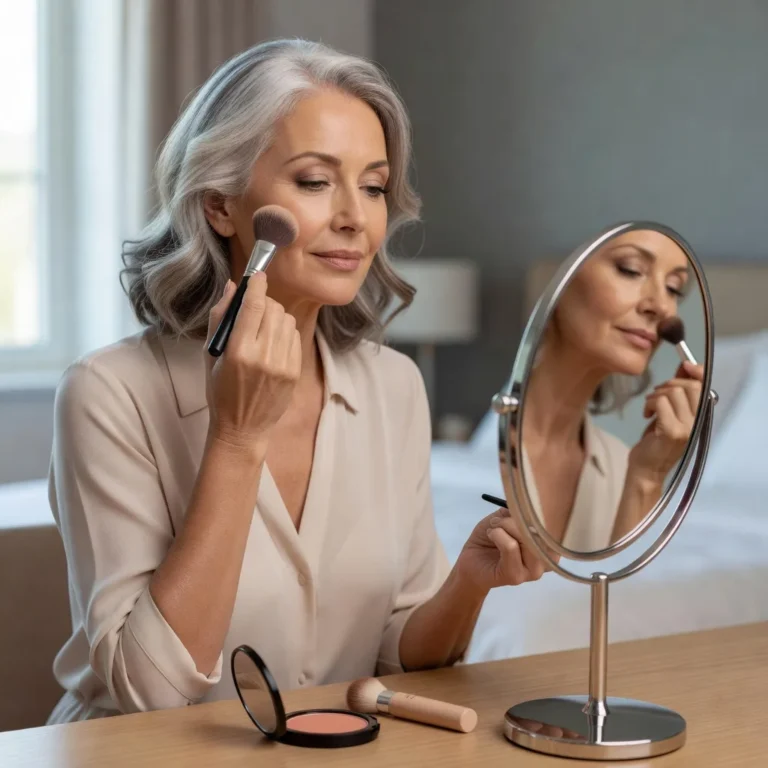
For hooded or mature eyelids, matte shades in the crease and a soft satin on the lid usually look smoothest. Our guide on makeup tips for women over 60 covers more.
An eyeshadow primer or a thin layer of concealer on the lid helps colors show true and prevents creasing on oily lids.
Day vs Night Eye Looks
Helps
- Use soft neutrals and one subtle accent for daytime.
- Try deeper shades and shimmer for evening.
- Blend edges thoroughly.
- Match intensity to lighting and occasion.
- Curl lashes and add mascara to finish.
Backfires
- Wear heavy glitter in bright office lighting.
- Use very dark shades without blending.
- Match shadow exactly to your eye color for everyday looks.
- Apply shadow all the way to the brows for daytime.
- Skip mascara, which frames any color choice.
A single palette with a few neutrals and one accent color can create both a subtle daytime look and a deeper evening look.
For work, a matte taupe in the crease, a soft champagne on the lid, and brown liner smudged at the lash line is a reliable look for almost anyone.
Eyeliner and Mascara Colors
Black eyeliner and mascara suit most people, especially for evening. For a softer daytime look, brown liner and brown-black mascara often look more natural, particularly on fair skin and light hair.
Colored eyeliner is an easy way to experiment. Navy liner can make the whites of the eyes look brighter, bronze liner can flatter blue eyes, and plum liner can flatter green and hazel eyes.
Keep liner outside the lash line if you have sensitive eyes or wear contact lenses. Our guide on waterline makeup safety explains why.
Try a colored liner only on the outer third of the upper lash line first. It adds interest without looking too bold for everyday wear.
What Color Rules Cannot Tell You
| Belief | Reality |
|---|---|
| Only certain colors suit each eye color | Any color can work with the right intensity and blending |
| Matching shadow to eye color looks best | Contrasting shades usually make eyes stand out more |
| Neutrals are boring | They suit nearly everyone and flatter all eye colors |
| Glitter is for everyone, every day | Fine shimmer suits more occasions and skin textures |
| Expensive palettes look better | Pigment and blendability matter more than price |
Experimenting is part of the fun. Use the guidelines as a starting point, then trust what you like. For other finishing products, see our guide on choosing a highlighter.
Take photos of looks you love so you can recreate them easily later.
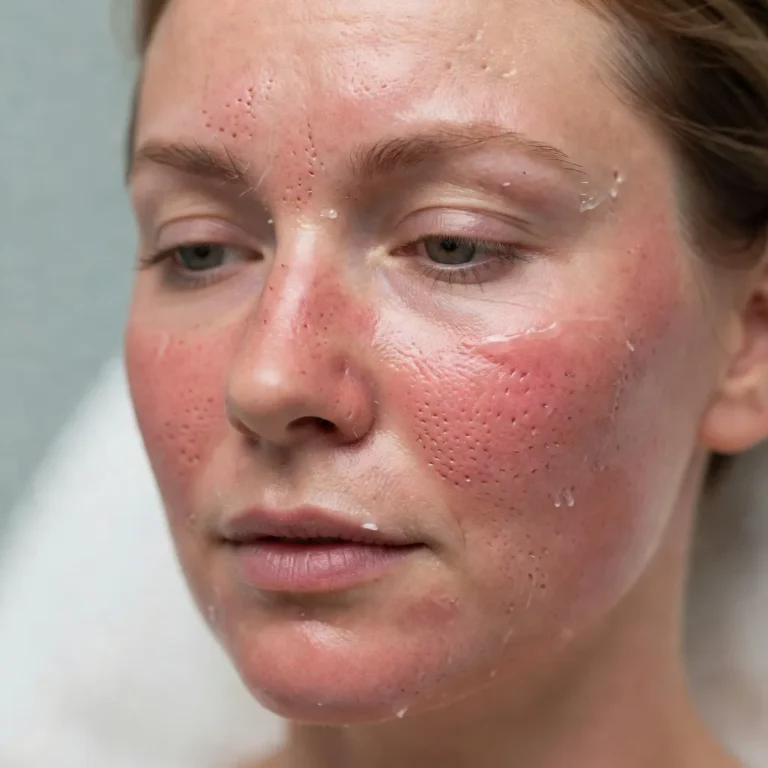
When Eye Makeup Causes Problems
See a doctor or eye specialist if you notice:
- Itchy, red, or swollen eyelids after using a product.
- Eye redness, discharge, or pain.
- Bumps along the lash line, such as a stye, that do not improve.
- Blurred vision after makeup gets in the eye.
- A rash around the eyes that keeps returning.
- Loss of lashes in patches.
Stop using eye makeup if you develop an eye infection, and replace products used during the infection.
Medical disclaimer: This article is for general information and is not a substitute for professional medical advice. See a healthcare provider about eye or eyelid symptoms.
Your Questions, Answered
What eyeshadow color is best for blue eyes?
Warm shades such as copper, bronze, terracotta, and warm brown often make blue eyes stand out.
What eyeshadow color is best for brown eyes?
Almost any color, including gold, navy, green, purple, and bronze.
What eyeshadow color is best for green eyes?
Plum, purple, burgundy, mauve, and rose gold often flatter green eyes.
What eyeshadow color is best for hazel eyes?
Purple, olive green, gold, and bronze can bring out the different tones in hazel eyes.
Should I match eyeshadow to my eye color?
It can be fun, but contrasting shades usually make eye color look more vivid.
What is the safest eyeshadow color for everyone?
Neutral browns, taupes, and soft golds suit most people.
Is matte or shimmer eyeshadow better?
Matte suits the crease and textured lids; soft shimmer brightens the center of the lid.
Should I use black or brown eyeliner?
Black adds definition; brown looks softer and more natural for daytime.
How do I test eyeshadow colors?
Swatch on your eyelid, compare both eyes in daylight, and check from a distance.
What eyeshadow suits hooded eyes?
Matte shades in the crease and soft satin on the lid, applied where they show when eyes are open.
The Bottom Line
Choosing eye makeup colors is easier when you consider your eye color, skin undertone, and the occasion. Shades opposite your eye color on the color wheel, such as copper for blue eyes or plum for green eyes, tend to make them look brighter, while neutrals suit nearly everyone.
Test shades on your eyelid in daylight, build a small set of neutrals plus one accent color, and choose matte for depth and soft shimmer for brightness. Most importantly, experiment and wear what makes you feel good.

Written by
Registered pharmacist and founder of Facial Adviser. Rakib's pharmacy training covers how skincare actives work and interact; a later course in cosmetology turned that into a focus on facial treatments and skincare products. He plans, researches and edits every guide on the site and checks health claims against sources such as the American Academy of Dermatology, the FDA and the NIH. He is not a dermatologist; see the Editorial Policy and Medical Disclaimer.
About · Editorial policy · How we choose products · Medical disclaimer · Contact
Keep reading: Eye makeup
- Puffy Eyes After Salty Food: Why It Happens and How to De-Puff Fast
- Dark Circles vs Hyperpigmentation Under Eyes: How to Tell Them Apart
- How to Fix Translucent Under-Eye Skin: Visible Veins and What Really Helps
- How to Blend Eyeshadow on Hooded Eyes So It Actually Shows
- Why Some Mascaras Smudge (and How to Stop Raccoon Eyes)
- Best Way to Use Makeup Remover: Micellar Water, Balms, Oils and Eye Removers
- How to Properly Put On Face Makeup: The Right Order, Step by Step