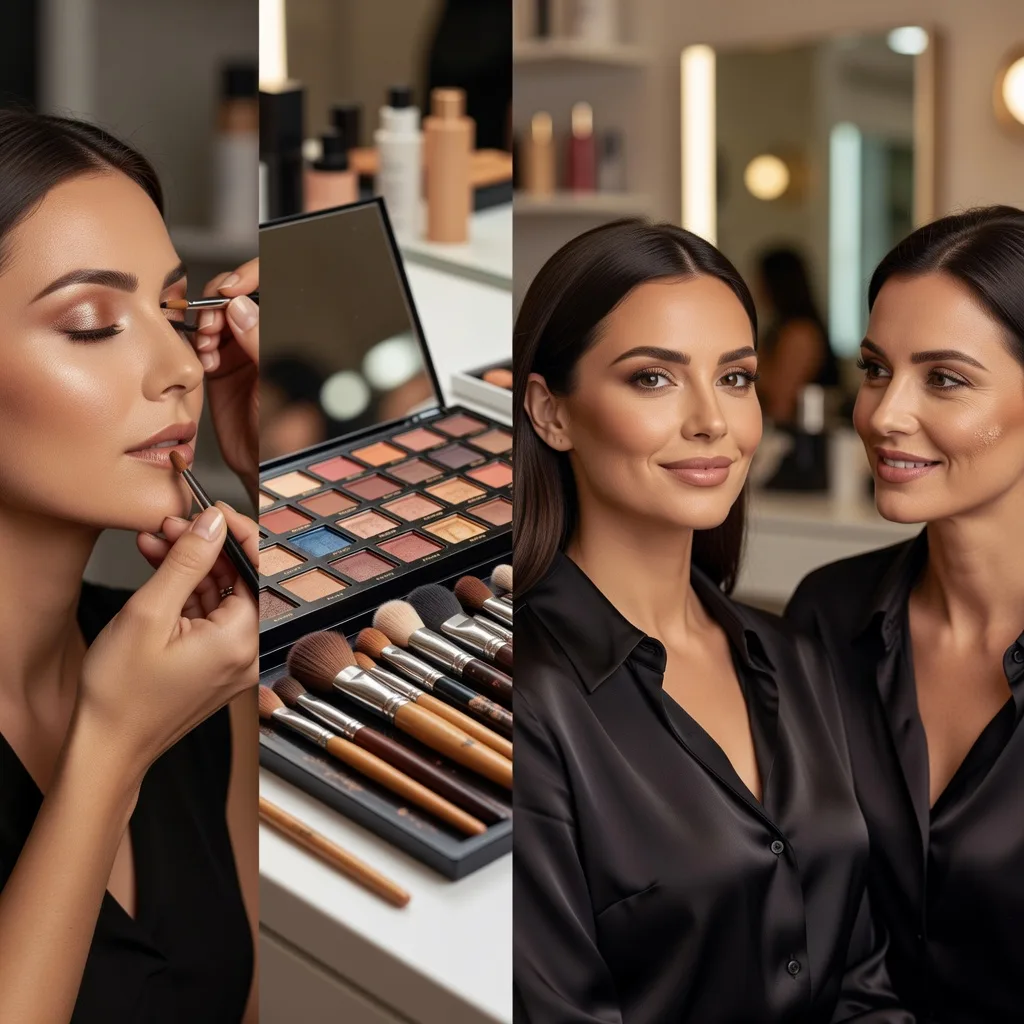
Advantages of Being a Makeup Artist: Honest Pros, Cons and Career Reality
Working as a makeup artist looks glamorous from the outside: weddings, photo shoots, fashion shows and grateful clients. The reality is a mix of genuine rewards and real pressures, and anyone thinking about the career deserves an honest picture of both sides before investing in training and a kit.
Part of our guide to makeup how-to. Start with: How to Get Started as a Freelance Makeup Artist: Training, Kit and Clients
The main advantages of being a makeup artist are creative work every day, flexible and often self-directed hours, variety in clients and settings, the chance to build your own business, and the satisfaction of helping people feel confident on important days. Many artists also enjoy low barriers to starting, since skill and a strong portfolio often matter more than formal qualifications. The disadvantages are just as real: income can be irregular, work is often seasonal, weekends and early mornings are common, the job is physically tiring, and you must keep investing in products and hygiene. It suits people who are creative, sociable, organised and comfortable with some financial uncertainty.
In short: the career rewards creativity and independence, but it asks for resilience, business skills and patience while you build a client base.
Hygiene and safety sit at the heart of the job. The US Food and Drug Administration notes that some cosmetic ingredients can trigger allergic reactions in some people, which is why professional artists patch test, keep clean tools and ask clients about sensitivities.
This guide covers the main pros and cons, the different paths within the industry, the skills that matter and a simple way to test whether the work suits you before you commit.
Shopping these picks?
Amazon Prime members get fast, free shipping on eligible items, plus Prime Video, Amazon Music and member deals. New members can start with a free trial.
Start a free Prime trialAged 18 to 24? Prime for Young Adults comes with a longer free trial and a lower price after it.
Affiliate link: we may earn a commission at no extra cost to you.
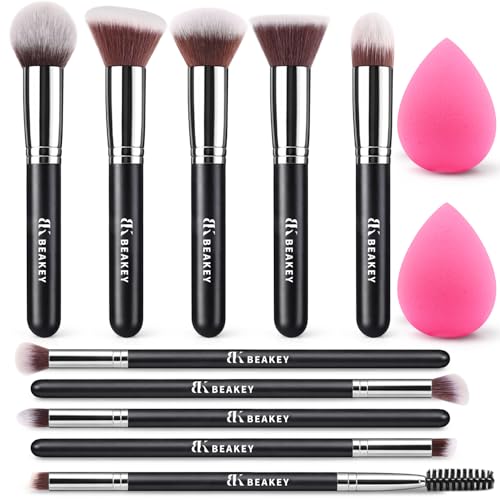
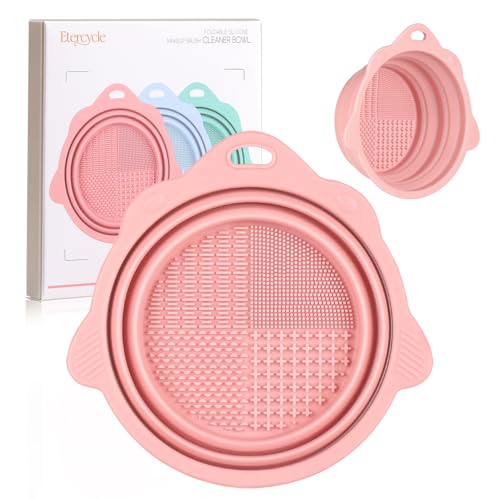
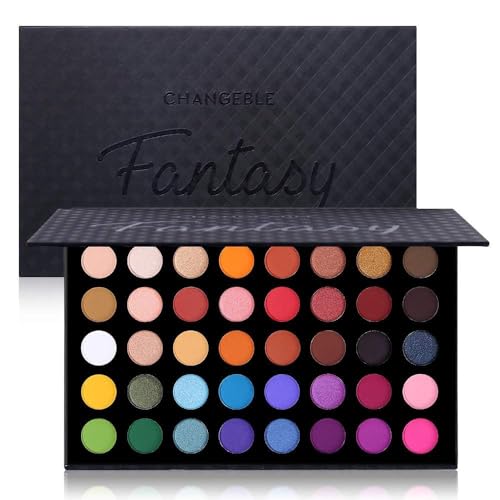
Recommended Makeup Artist Kit Essentials




What to Know First
- Creativity, variety and flexible scheduling are the most cited advantages.
- Income is often irregular and can depend on seasons and bookings.
- Weekends, early starts and travel are common, especially in bridal work.
- Business, communication and hygiene skills matter as much as technique.
- Kit costs and product replacement are ongoing, not one-off.
- Several career paths exist, from bridal and events to film, retail and editorial.
- Trying assisting or part-time work first is a low-risk way to test the career.
Contents
- Advantages and Disadvantages of Being a Makeup Artist at a Glance
- The Main Advantages of Being a Makeup Artist
- The Disadvantages Nobody Mentions Enough
- Career Paths Within Makeup Artistry
- Skills That Decide Whether You Enjoy the Job
- Hygiene, Allergies and Client Safety
- Building a Kit Without Overspending
- How to Test Whether a Makeup Career Suits You
- Dos and Don’ts for New Makeup Artists
- Honest Limits
- When to Get Professional Advice
- Questions People Ask
- The Bottom Line
Advantages and Disadvantages of Being a Makeup Artist at a Glance
Most people researching this career want a balanced view rather than a sales pitch. The table below sets the typical upsides next to the typical downsides. Individual experience varies a great deal with location, specialism and how the artist runs their business.
| Area | Advantage | Disadvantage |
|---|---|---|
| Creativity | Daily artistic work with changing looks | Client wishes may limit your creative choices |
| Schedule | Freedom to choose bookings as a freelancer | Weekends, holidays and early mornings are common |
| Income | Potential to grow earnings as your reputation builds | Irregular, seasonal income, especially at the start |
| Variety | New faces, venues and projects | Constant travel and setting up in unfamiliar spaces |
| Independence | Run your own brand and business | You handle marketing, admin, tax and contracts yourself |
| People | Helping clients feel confident on big days | Stressful clients and tight timelines |
| Entry | Portfolio and skill often matter more than degrees | Crowded market with strong competition |
| Physical side | Active work rather than sitting at a desk | Long hours standing, back and wrist strain |
Seen side by side, the pattern is clear: most advantages come from freedom and creativity, and most disadvantages come from the same freedom, because self-employment shifts risk and admin onto you.
The Main Advantages of Being a Makeup Artist
People who stay in the industry for years usually mention the same rewards. These are the benefits that tend to keep artists motivated through quieter periods.
- Creative expression: every face, skin type and occasion is a new problem to solve with colour, texture and light.
- Flexible working: freelancers can often choose when and how much to work, which suits some family and study arrangements.
- Variety: one week can include a wedding, a photo shoot, a corporate headshot day and a lesson with a private client.
- Meaningful moments: artists are often part of weddings, graduations and milestone events, and clients remember who helped them feel good.
- Business ownership: you can build a personal brand, set your own policies and grow in the direction you choose.
- Transferable skills: colour theory, skin preparation and client care are useful in retail, education, content creation and product development.
- Continuous learning: trends, techniques and products keep changing, so the work rarely feels stale.
For many artists the most valuable advantage is emotional rather than financial. Seeing a nervous client relax when they look in the mirror is a big part of why people choose this work.
The Disadvantages Nobody Mentions Enough
The downsides are not reasons to avoid the career, but they are reasons to plan carefully. New artists who know about them in advance tend to cope much better.
- Irregular income: bookings can cluster in certain seasons and dry up in others, so budgeting is essential.
- Unsociable hours: bridal and event work often means very early starts and busy weekends.
- Physical strain: standing, leaning and carrying heavy kits can cause back, neck and wrist problems over time.
- Ongoing costs: products expire, tools wear out and hygiene supplies must be replaced regularly.
- Self-employment admin: invoices, contracts, insurance, bookkeeping and marketing all take unpaid time.
- Competition: many artists compete for the same clients, especially in cities and on social media.
- Emotional labour: you need to stay calm and friendly with stressed or demanding clients on high-pressure days.
Earnings vary widely by region, specialism and experience, and reliable figures are hard to pin down. Rather than trusting numbers quoted online, speak to working artists in your own area and check local job listings to understand what is realistic where you live.
Career Paths Within Makeup Artistry
The advantages and disadvantages change depending on which part of the industry you work in. It helps to know the main routes before deciding where to focus.
| Path | Typical work | Main pros | Main cons |
|---|---|---|---|
| Bridal and events | Weddings, parties, proms | Emotional reward, repeat referrals | Weekend-heavy, seasonal, high pressure |
| Retail and counter | Brand counters and beauty stores | More regular hours, product training | Sales targets, less creative control |
| Editorial and fashion | Shoots, shows, campaigns | Creative freedom, portfolio growth | Competitive, sometimes low or unpaid work early on |
| Film, TV and theatre | Character, continuity, special effects | Varied, skilled, team environment | Long days, contract-based work |
| Freelance private clients | Lessons, events, headshots | Flexible, direct client relationships | Self-marketing and admin |
| Education and content | Teaching classes, tutorials | Scalable, less physical | Needs strong communication and audience |
Many artists combine two or more paths, for example retail work during the week and bridal bookings at weekends, which smooths out income while they build a portfolio.
Skills That Decide Whether You Enjoy the Job
Technique gets you started, but a wider set of skills determines whether the career feels rewarding or exhausting.
- Colour theory and undertone matching, so looks suit each client. Our guide on matching makeup to your undertone covers the basics.
- Skin preparation and knowledge of different skin types and textures.
- Hygiene and infection control, including cleaning brushes and using disposables.
- Communication: listening, managing expectations and explaining what is realistic.
- Time management for tight schedules with several clients in a row.
- Business basics: pricing policies, contracts, bookkeeping and marketing.
- Resilience and patience during slow seasons and difficult days.
If you enjoy the creative side but dislike admin, a salaried retail or salon role may suit you better than full freelancing, at least at first.
Hygiene, Allergies and Client Safety
Hygiene is one of the least glamorous but most important parts of the job. Poor practice can spread infections, cause reactions and damage an artist’s reputation quickly.
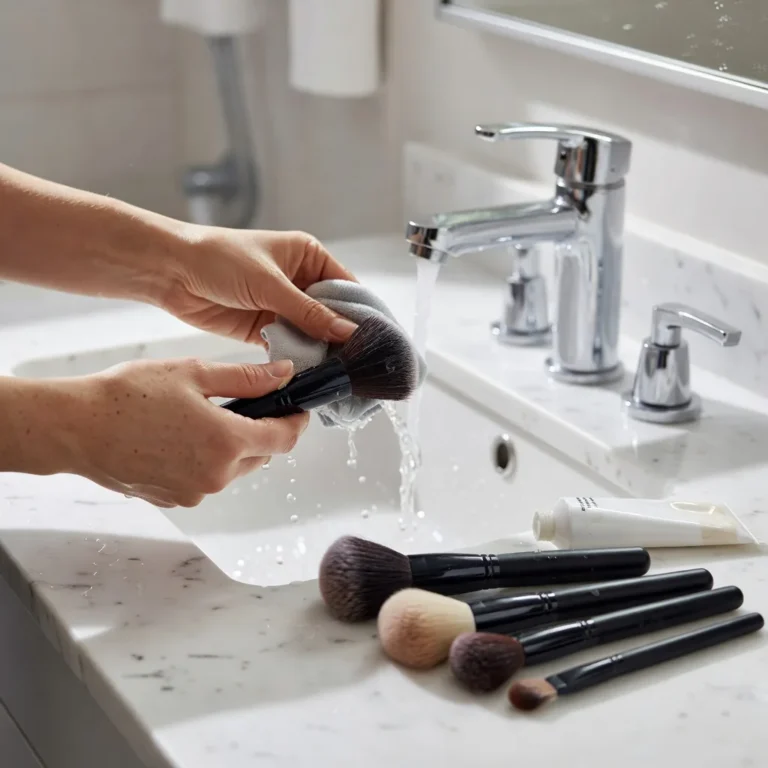
- Clean brushes between every client and deep clean them regularly.
- Use disposable mascara wands, lip applicators and sponges where possible.
- Never double-dip into creams, lip products or mascara.
- Decant products onto a clean palette instead of applying straight from the pot.
- Ask about allergies and sensitivities before you start, and note them for repeat clients.
- Replace expired products; our guide on how to tell if makeup is expired explains the signs.
The FDA page on allergens in cosmetics explains that some ingredients, including certain fragrances and preservatives, can cause allergic reactions in some people. For step-by-step cleaning methods, see our guide on how to sanitise makeup tools.
Never apply makeup over broken, infected or inflamed skin, and never share mascara, liner or lip products between clients without single-use applicators. If a client reports itching, burning or swelling, remove the product gently and advise them to seek medical help if it does not settle.
Building a Kit Without Overspending
A professional kit is one of the biggest early investments, and it is also where many new artists waste money. A focused kit is easier to clean, carry and keep in date.
- A good brush set covering face, eyes and lips, plus spares so you can clean between clients.
- A sturdy, easy-to-clean kit case or rolling case.
- Foundation and concealer palettes covering a wide shade range.
- Neutral and colour eyeshadow palettes.
- Brush cleaner, disinfectant spray for surfaces and disposables.
- Skin prep basics such as a gentle moisturiser and primer.
Buy for the clients you actually book, not the clients you imagine. Add specialist products only when a booking needs them, and check use-by dates when you restock so nothing expires unused.
How to Test Whether a Makeup Career Suits You
You do not need to commit everything at once. These steps help you find out whether the advantages outweigh the disadvantages for you personally.
Practise consistently
Work on friends and family with different skin tones, ages and face shapes to build range.
Take a short course
A reputable course teaches hygiene, technique and professional standards.
Assist a working artist
Assisting shows you real schedules, client handling and set-up before you invest heavily.
Try part-time work
Weekend or retail work lets you earn and learn without giving up other income.
Build a small portfolio
Photograph your work in good light and show a variety of looks.
Learn the business side
Understand contracts, insurance, record-keeping and local rules for self-employment.
Review honestly after a season
Ask whether the hours, income pattern and physical demands work for your life.
Dos and Don’ts for New Makeup Artists
Do
- Keep strict hygiene with every client
- Use written booking terms and contracts
- Keep savings for quiet seasons
- Protect your back and wrists with good posture
- Keep learning new techniques
Don’t
- Buy a huge kit before you have clients
- Work over broken or irritated skin
- Promise results you cannot deliver
- Undercharge until the work becomes unsustainable
- Ignore tax and insurance responsibilities
Honest Limits
No article can tell you whether you will succeed as a makeup artist. Success depends on local demand, your specialism, your network, your business skills and a fair amount of timing. Some talented artists struggle because they dislike self-promotion, while others thrive because they are reliable and easy to work with.
Online claims about fast success or high earnings should be treated with caution. The most reliable information comes from artists working in your own area and from trying the work yourself in a low-risk way first.
When to Get Professional Advice
- Before signing contracts with agencies, salons or brands, ask a qualified adviser to review them.
- Before setting up as self-employed, check tax and insurance requirements with an accountant or official local guidance.
- If you have back, neck or wrist pain from work, speak to a doctor or physiotherapist.
- If a client has a skin condition or reacts to products, advise them to see a dermatologist.
This article is general information about the makeup artist career and is not financial, legal or medical advice. Check local rules and speak to qualified professionals about contracts, tax and health concerns. Always patch test products on clients with sensitive skin or known allergies.
Questions People Ask
What are the advantages of being a makeup artist?
Creative work, flexible hours, variety and the chance to run your own business.
What are the disadvantages of being a makeup artist?
Irregular income, weekend work, physical strain and ongoing kit costs.
Do you need a qualification to be a makeup artist?
Not always, but training in hygiene and technique helps a lot.
Is being a makeup artist stressful?
It can be, especially on wedding days and tight shoots.
Is makeup artistry a good career for introverts?
It can be, but you need to be comfortable with close client contact.
Can you be a makeup artist part-time?
Yes, many artists start with weekend or evening work.
How long does it take to build a client base?
It varies widely; most artists build gradually through referrals and portfolio work.
What is the most important skill for a makeup artist?
Good hygiene and listening to clients matter as much as technique.
Is the work physically demanding?
Yes, long hours standing and carrying kits are common.
Which makeup artist path has the most regular hours?
Retail and counter roles usually offer the most regular schedules.
The Bottom Line
The advantages of being a makeup artist are creativity, flexibility, variety and the reward of helping people feel confident, while the disadvantages are irregular income, unsociable hours, physical strain and the admin of self-employment.
Test the career in a low-risk way first, keep hygiene at the centre of your work, and build your kit and business gradually as real bookings grow.

Written by
Registered pharmacist and founder of Facial Adviser. Rakib's pharmacy training covers how skincare actives work and interact; a later course in cosmetology turned that into a focus on facial treatments and skincare products. He plans, researches and edits every guide on the site and checks health claims against sources such as the American Academy of Dermatology, the FDA and the NIH. He is not a dermatologist; see the Editorial Policy and Medical Disclaimer.
About · Editorial policy · How we choose products · Medical disclaimer · Contact
Keep reading: Makeup artists and careers
- What is the Meaning of Makeup in a Dream?
- How to Get Started as a Freelance Makeup Artist: Training, Kit and Clients
- How to Choose the Right Makeup Artist for Your Wedding: Trials and Contracts
- Makeup vs Makeover: What Is the Difference and How to Plan a Makeover
- Is Makeup Artist Haram in Islam?
- How to Find the Right Shade of Makeup: Undertone, Depth and Testing
- How to Choose the Right Eye Makeup Color for Your Eyes and Skin