Why Do Makeup Artists Charge More for Brides? What the Bridal Rate Covers
Many brides are surprised to find that the same makeup artist charges noticeably more for wedding makeup than for a party or photo shoot look. It can feel like a wedding markup, but in most cases the difference reflects real extra work, time and responsibility that ordinary bookings do not involve.
Part of our guide to makeup how-to. Start with: How to Get Started as a Freelance Makeup Artist: Training, Kit and Clients
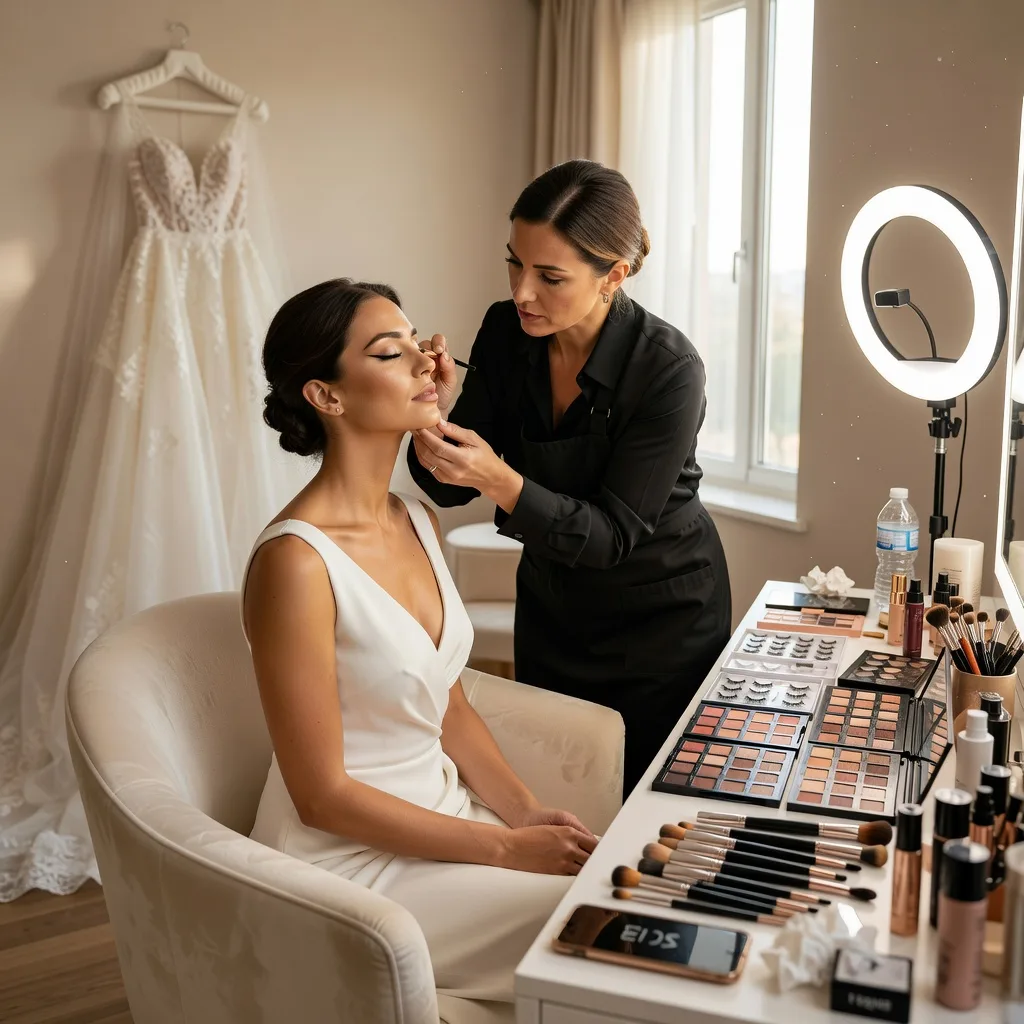
Makeup artists charge more for brides because bridal makeup is a bigger job than a standard appointment. The bridal rate usually includes a trial session, longer consultation and planning, premium long-wear and waterproof products, lashes, travel to your venue and often very early starts. The makeup has to last twelve hours or more through tears, hugs, heat and photos, which takes more careful preparation and layering. Artists also block out the whole date, turning away other bookings, and may stay for touch-ups. Add the pressure of a once-in-a-lifetime event and the business costs of insurance, hygiene supplies and admin, and the higher rate starts to make sense.
In short: you are paying for the trial, the time, the long-wear products, the logistics and the responsibility, not just the makeup itself.
Safety is part of that responsibility. The US Food and Drug Administration explains that some cosmetic ingredients, such as certain fragrances and preservatives, can cause allergic reactions, so a bridal trial also works as a chance to check how your skin responds before the big day.
This guide breaks down exactly what goes into bridal pricing, what questions to ask and how to make sure you get good value from your booking.
Planning your wedding?
Set up a free Amazon Wedding Registry so guests can find your beauty, home and honeymoon wish list in one place.
Create a Wedding RegistryAffiliate link: we may earn a commission at no extra cost to you.
Recommended Long-Wear Bridal Makeup Products



Key Takeaways
- Bridal rates usually include a trial and extra consultation time.
- Wedding makeup must last far longer than everyday or party makeup.
- Long-wear, waterproof and premium products cost the artist more.
- Early starts, travel and waiting time add to the day.
- Artists often turn down other bookings to keep your date free.
- Touch-up services and backup plans add value and cost.
- Always check exactly what the bridal package includes.
On This Page
- Bridal Makeup vs a Standard Appointment
- The Trial and Planning Time
- Long-Wear Products and Technique
- Travel, Early Starts and a Blocked-Out Day
- The Pressure and Responsibility of the Day
- Touch-Ups and the Touch-Up Kit
- Hygiene and Safety Standards
- How to Get the Most From Your Bridal Makeup Booking
- Dos and Don’ts
- Honest Limits
- When to Get Professional Advice
- Questions People Ask
- Summing Up
Bridal Makeup vs a Standard Appointment
The easiest way to see why bridal makeup costs more is to compare it with a typical event or party booking. The final look might be similar, but the work behind it is very different.
| Factor | Standard appointment | Bridal booking |
|---|---|---|
| Consultation | Short chat on the day | Messages, calls and planning weeks ahead |
| Trial | Rarely | Usually included or strongly recommended |
| Time per face | Shorter session | Longer, with detailed skin prep |
| Wear time needed | A few hours | Often twelve hours or more |
| Products | Standard kit | Long-wear, waterproof, lashes and extra prep |
| Location | Studio or salon | Travel to your home, hotel or venue |
| Start time | Normal hours | Often very early morning |
| Touch-ups | None | Often available or included |
| Responsibility | Everyday event | Once-in-a-lifetime photos and memories |
Seen side by side, the bridal booking is closer to a project than a single appointment. That extra planning and responsibility is what most bridal rates reflect. Understanding each part also makes it easier to compare quotes fairly and to spot which extras you genuinely need and which you could leave out.
The Trial and Planning Time
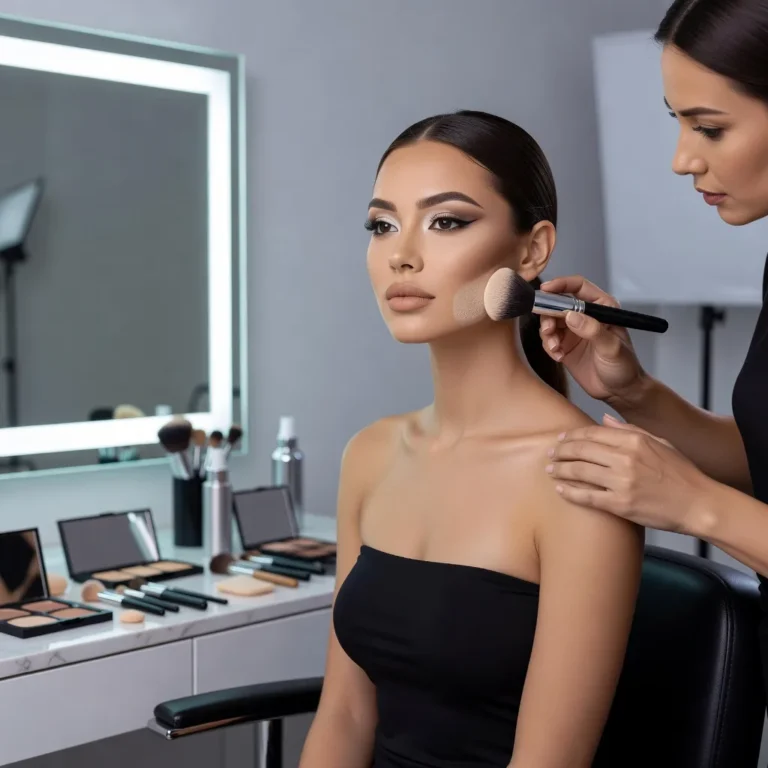
Most bridal packages include, or strongly recommend, a trial. This is a full makeup session, often lasting as long as the wedding makeup itself, where the artist tests products, shades and styles on your face.
- Discussing your dress, hair, theme and venue lighting.
- Reviewing inspiration photos and adjusting the look.
- Testing how your skin reacts to primers, foundations and lashes.
- Checking the wear time and how the makeup photographs.
- Making notes so the look can be repeated exactly on the day.
Outside the trial, there are emails, calls, contracts and schedules to manage, especially for larger bridal parties. This unseen admin time is part of what you are paying for. Larger bridal parties add even more planning, as the artist has to schedule each person, confirm looks and shades, and sometimes coordinate with a hairstylist and photographer.
Treat your trial as a real test. Wear the makeup for the rest of the day, take photos in daylight and with flash, and give honest feedback so the artist can refine the look before the wedding.
Long-Wear Products and Technique
Wedding makeup has to survive a long day that often starts at dawn and ends late at night. That demands more careful skin prep, more layers and more specialised products than everyday makeup.
| Product | Role on the wedding day |
|---|---|
| Primer | Grips makeup and smooths texture |
| Long-wear foundation | Keeps coverage even for many hours |
| Waterproof mascara | Resists tears and humidity |
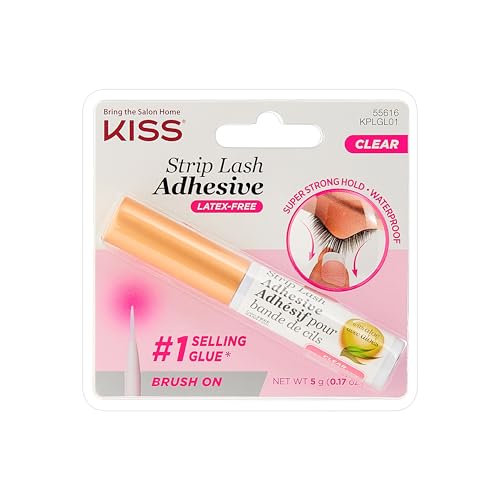
| Strip lashes and lash glue | Add definition that shows in photos |
| Setting powder | Controls shine without looking heavy |
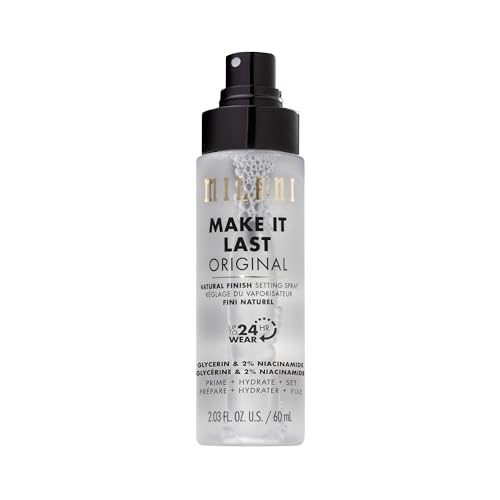
| Setting spray | Melts layers together and extends wear |
| Long-wear lip products | Survive eating, drinking and kissing |
Premium long-wear and waterproof formulas often cost the artist more, and bridal kits also need a wide shade range for the whole party. Our guide on making your makeup stay on all day explains how these products work together.
Technique matters as much as products. A bridal artist spends longer on skin prep, applies thin layers and sets each one so the base does not slide or crease. They also think about how the makeup reads on camera, avoiding products that cause flashback and checking the look from a distance as well as up close. That extra care is slower than a quick party look but is what keeps the makeup intact from the first photo to the last dance.
Travel, Early Starts and a Blocked-Out Day
Most wedding artists travel to the bride rather than working from their studio. That means packing and carrying a full kit, lighting and sometimes a chair, then setting up in an unfamiliar room.
- Very early start times so the whole party is ready before photos.
- Travel time and costs to the home, hotel or venue.
- Parking and loading heavy kit in and out.
- Waiting time between the bride and bridal party, or staying for touch-ups.
- Turning down other bookings on popular weekend dates.
- Bringing an assistant for larger parties.
Weekends in peak season are limited, and an artist can usually only take one wedding per day. Blocking the date for you means giving up other work, which is built into the bridal rate. For destination weddings or venues far from the artist’s base, travel can also mean an overnight stay or a very long day on the road, which artists usually list as a separate cost in their quote.
The Pressure and Responsibility of the Day
Wedding makeup is not a routine job. The artist has to work calmly and precisely to a strict schedule, often surrounded by family, photographers and nerves, and there is no chance to redo the day if anything goes wrong.
- Keeping the whole party on time so photos and ceremony are not delayed.
- Adapting to last-minute changes, stress, tears or skin flare-ups.
- Making sure the look photographs well in every type of light.
- Handling multiple people with different skin types and preferences.
- Having a backup plan if they are ill or delayed.
Experienced bridal artists invest in insurance, training and reliable backup arrangements. Those protections cost money but are exactly what you want on a day that cannot be repeated.
There is also the emotional side of the job. A good bridal artist helps set the tone of the morning, keeps nervous people calm and handles unexpected problems quietly, from a spilled drink to a late hairstylist. That steadiness is hard to put a price on but is often what couples remember most.
Touch-Ups and the Touch-Up Kit
Some bridal packages include the artist staying for touch-ups before the ceremony or photos. Others provide a small touch-up kit or lipstick for the bride to use later in the day. Both add value, and time on site adds cost.
- A small setting spray to refresh the makeup.
- Blotting papers to lift shine without adding powder.
- The exact lipstick and lip liner used.
- Lash glue in case a lash corner lifts.
- Cotton buds for smudges and happy tears.
Our guide on keeping makeup intact for photos has more ideas for keeping your makeup fresh through the reception.
Hygiene and Safety Standards
A professional bridal artist works on many faces in a short time, so hygiene has to be excellent. Clean brushes for every person, disposable mascara wands and lip applicators, and products decanted onto a palette all take time and supplies.
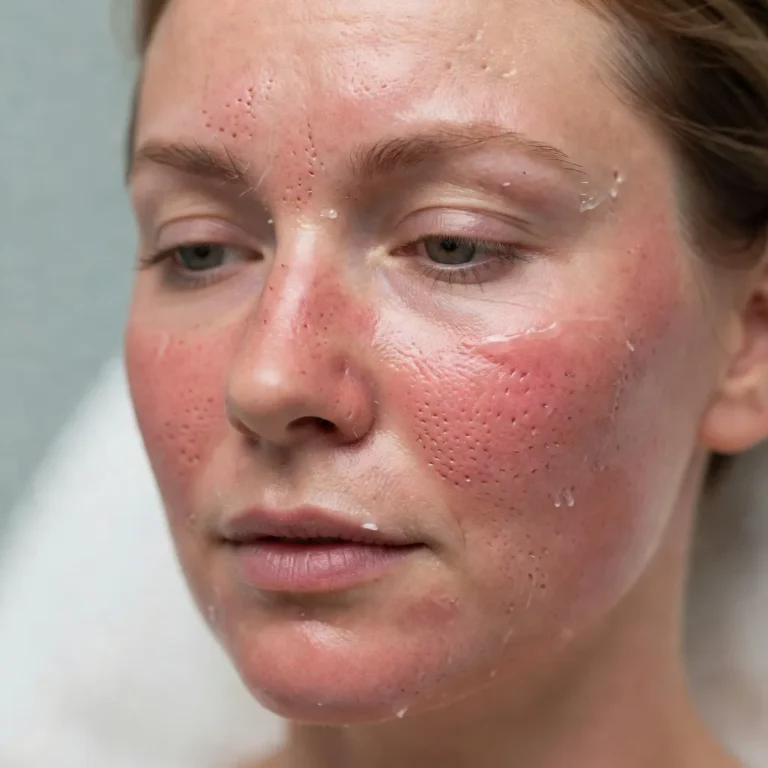
Tell your artist about allergies, sensitive skin, eczema or recent treatments before the trial. The FDA’s page on allergens in cosmetics explains that fragrances and some preservatives can trigger reactions. Anything that stings or itches at the trial should not be used on the wedding day.
Good hygiene also protects the bridal party from spreading eye infections or cold sores. Our guide on how to sanitise makeup tools explains what professional standards look like. Disposables are single use by design, so a large bridal party can go through a surprising amount of supplies in one morning, and those costs are part of the package.
How to Get the Most From Your Bridal Makeup Booking
These steps help you understand what you are paying for and make sure the higher rate brings real value.
Ask what is included
Check whether the trial, lashes, travel, early starts and touch-ups are part of the package.
Compare like with like
Compare packages that include the same services rather than headline rates alone.
Book the trial
Use it to test the look, wear time and how your skin reacts.
Share key details
Give the artist your timeline, venue address, party size and any allergies.
Get it in writing
Make sure the contract lists every service, extra fee and the cancellation policy.
Prepare your skin
Keep your skincare routine simple and avoid new treatments in the final weeks.
Plan touch-ups
Arrange on-site touch-ups or pack a small kit for later in the day.
This article does not give prices or fee figures, because bridal rates vary widely by location, experience and what is included. Compare several artists in your area and check what each package covers.
Dos and Don’ts
Good Habits
- Ask for an itemised list of what is included
- Book a trial and wear it all day
- Compare packages with the same services
- Share allergies and skin concerns early
- Read the contract before paying a deposit
Common Mistakes
- Assume the bridal rate is just a markup
- Compare only headline rates
- Skip the trial to save time
- Try new skin treatments right before the wedding
- Forget to confirm travel and early start details
Honest Limits
A higher bridal rate does not automatically mean better makeup. Price reflects the services included and the artist’s experience, but skill, reliability and communication vary. Judge artists by real bridal portfolios, reviews and your trial, not by price alone.
No product or technique makes makeup completely tear-proof or smudge-proof for an entire day. Long-wear formulas help a lot, but heat, emotion, eating and hugging all take a toll, which is why touch-ups and a small kit are still worth planning.
It is also worth remembering that a lower rate is not necessarily poor value. Newer artists may charge less while they build their portfolio and can still do excellent work, so judge each option on the results, reviews and professionalism you see.
When to Get Professional Advice
- You have a skin condition that flares before events, such as acne, rosacea or eczema.
- You have reacted to makeup or lash glue before.
- You are considering peels or other treatments in the months before the wedding.
- You are unsure about the terms of a vendor contract.
This article is for general information and does not replace medical, legal or financial advice. See a board-certified dermatologist for skin concerns or reactions, and get qualified advice on contracts if needed.
Questions People Ask
Why is bridal makeup more expensive?
It includes trials, extra time, long-wear products, travel and responsibility.
Is a bridal trial always included?
Not always; check the package.
Is bridal makeup different from party makeup?
Yes, it is built to last longer and photograph well.
Why do artists charge for early starts?
They start well before normal hours and often travel.
Does the bridal rate include lashes?
Often, but confirm in the contract.
Do bridesmaids pay the same as the bride?
Usually less, as they need less time and no trial.
Is waterproof mascara necessary for weddings?
It is widely recommended for tears and humidity.
Can I skip the trial to save money?
You can, but it adds risk on the day.
Why do artists stay for touch-ups?
To keep makeup fresh for the ceremony and photos.
How do I compare bridal makeup quotes?
Compare packages with the same services, not headline rates.
Summing Up
Makeup artists charge more for brides because bridal bookings involve trials, planning, long-wear products, travel, early starts, a blocked-out date and the pressure of a once-in-a-lifetime event.
Ask exactly what your package includes, compare like with like and use the trial wisely, so the higher rate buys you makeup that lasts and a calm, well-planned wedding morning.

Written by
Registered pharmacist and founder of Facial Adviser. Rakib's pharmacy training covers how skincare actives work and interact; a later course in cosmetology turned that into a focus on facial treatments and skincare products. He plans, researches and edits every guide on the site and checks health claims against sources such as the American Academy of Dermatology, the FDA and the NIH. He is not a dermatologist; see the Editorial Policy and Medical Disclaimer.
About · Editorial policy · How we choose products · Medical disclaimer · Contact
Keep reading: Makeup artists and careers
- Advantages of Being a Makeup Artist: Honest Pros, Cons and Career Reality
- What is the Meaning of Makeup in a Dream?
- How to Get Started as a Freelance Makeup Artist: Training, Kit and Clients
- How to Choose the Right Makeup Artist for Your Wedding: Trials and Contracts
- Makeup vs Makeover: What Is the Difference and How to Plan a Makeover
- How to Choose Lipstick Shade: Undertone, Skin Tone and Testing Tips
- How to Find the Right Shade of Makeup: Undertone, Depth and Testing