Why Do Makeup Artists Lick Glue Sticks? The Brow-Blocking Trick Explained
If you have watched a drag artist, a stage performer or a special effects makeup tutorial, you may have seen the moment where the artist picks up an ordinary purple glue stick, licks it and starts smearing it over their eyebrows. It looks bizarre, and the comments underneath always ask the same question: why?
Part of our guide to makeup how-to. Start with: How to Get Started as a Freelance Makeup Artist: Training, Kit and Clients
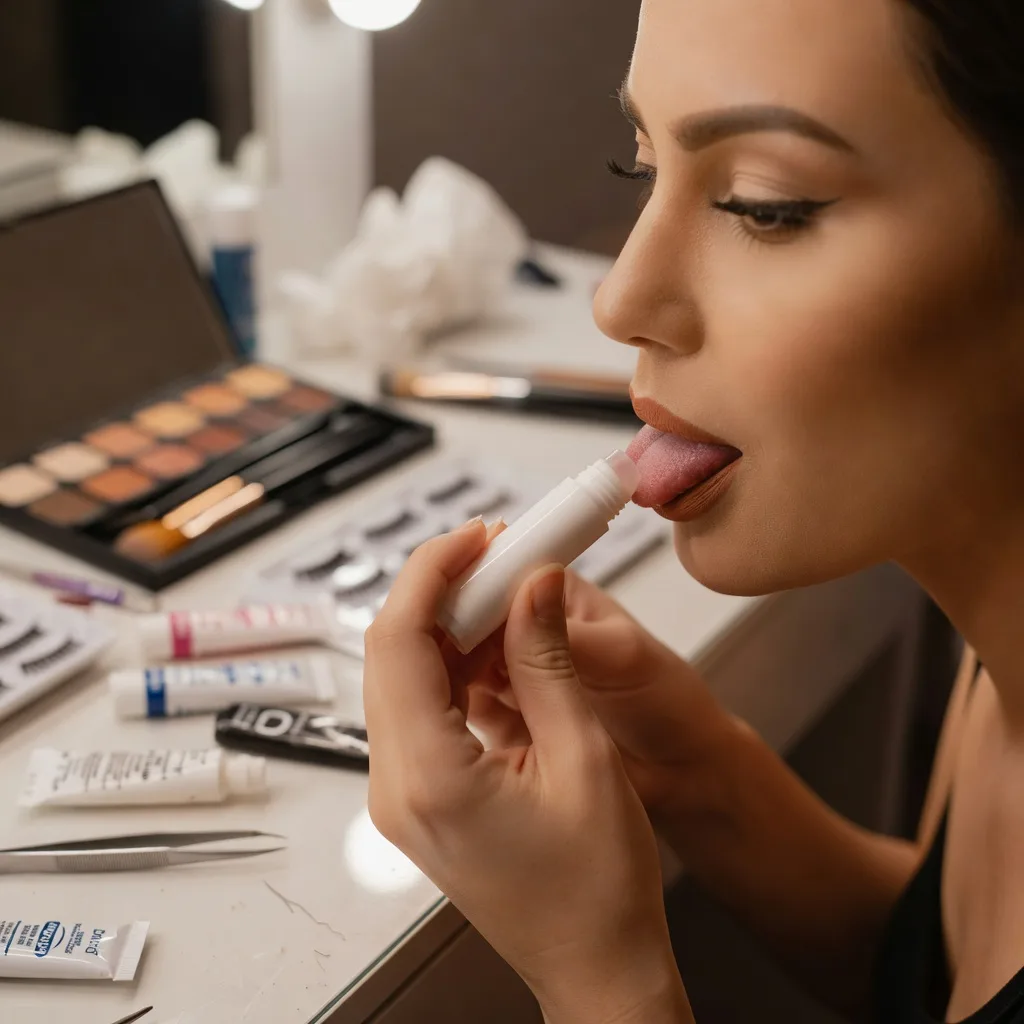
Makeup artists lick glue sticks because the moisture softens the hard, waxy glue so it spreads smoothly through the brow hairs and lies flat, which is the first step in blocking out natural eyebrows before drawing new ones higher up for drag, stage or avant-garde looks. A dry glue stick drags, clumps and pulls hairs; a slightly damp one glides. Licking is simply the fastest way to add that moisture when you are working quickly backstage. It is also unhygienic, because it moves mouth bacteria onto the skin near the eyes and onto a stick that may be reused on other faces. Spraying the stick or the brow with water, or using a purpose-made brow wax, does the same job without the risk.
In short: the lick is about moisture, not magic, and a water spray or brow wax gives the same result more safely.
Black Friday is coming: shop the deals with Prime
The US Food and Drug Administration notes that fragrances, preservatives and other ingredients in products applied to skin can trigger allergic reactions, which is why anyone using a craft product rather than a cosmetic near the eyes should patch test first and stop at the first sign of stinging or redness.
This guide explains how the glue-stick technique works, why professionals wet the stick, what the safer alternatives are, whether school glue is actually safe on skin, how to remove it and who should skip the method altogether.
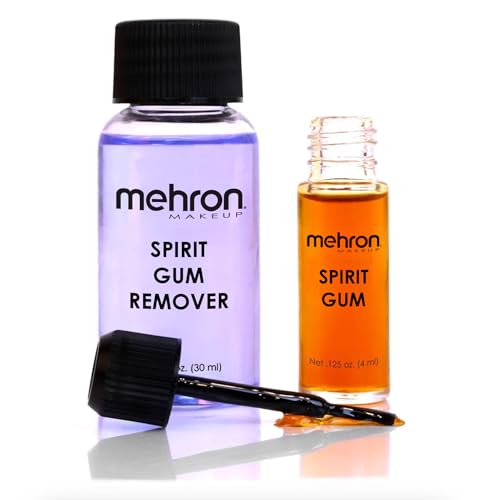
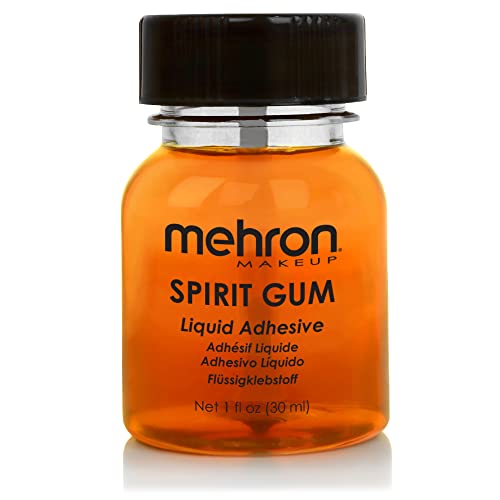
Recommended Brow Wax, Adhesives and Removers


In This Guide
- What the Glue-Stick Brow Trick Actually Does
- Why the Stick Gets Licked
- Why Licking Is a Bad Idea
- Safer Ways to Block Brows
- Is a Glue Stick Safe on Skin?
- How to Cover Eyebrows with a Glue Stick Safely
- How to Remove Glue, Wax and Spirit Gum from Brows
- Who Should Skip the Glue-Stick Method
- Dos and Don’ts of Blocking Brows
- Honest Limits
- When to See a Dermatologist
- Frequently Asked Questions
- Summing Up
What to Know First
- Glue sticks are used to flatten and block out eyebrows before drawing new ones.
- Licking adds moisture so the glue spreads instead of clumping.
- Saliva near the eyes is unhygienic, especially on shared sticks.
- A fine water mist or damp brush does the same job safely.
- Purpose-made brow wax, spirit gum and brow soap are alternatives.
- Only non-toxic, washable school glue sticks are used; never craft or super glue.
- Patch test, keep glue out of the eyes and remove it gently with oil and warm water.
What the Glue-Stick Brow Trick Actually Does
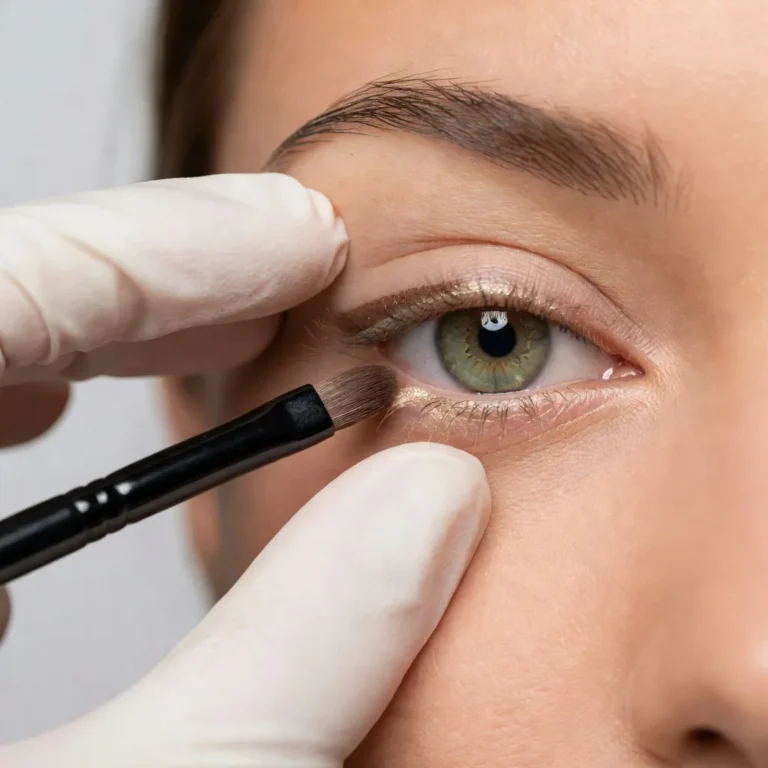
Blocking the brows is a classic stage and drag technique. Natural eyebrows sit low on the face relative to the exaggerated arches performers want, so the real brows are flattened and painted over, then new brows are drawn higher. The glue stick is the tool that makes the hairs lie flat.
- Glue is combed through the brow hairs against their growth direction, then smoothed flat.
- Several thin layers are built up and allowed to dry until the surface is smooth and hairless to the touch.
- Powder sets each layer and removes tack.
- A thick, full-coverage concealer or foundation is painted over the dried glue to match the skin.
- More powder locks it, and the new brow is drawn above or across the blocked area.
Done well, the brow disappears under stage lights and in photographs. The technique was used in theatre and drag for decades before social media made it famous.
Why the Stick Gets Licked
The answer is practical. Glue sticks are designed for paper, where they are rubbed firmly on a flat surface. Brow hairs are neither flat nor absorbent, so the glue needs help.
- A dry stick is firm and waxy; dragging it over hair pulls the hairs and leaves lumps.
- A little moisture softens the surface so the glue spreads thinly and evenly.
- Saliva is always available backstage, which is why the habit stuck.
- Some artists lick a fingertip or a brush instead and press the glue into the brow that way.
- Older, drier sticks need more moisture, so a well-used stick seems to need licking more often.
The lick solves a texture problem. Anything that adds a little water to the stick or the brow solves it just as well.
Why Licking Is a Bad Idea
The trick works, but it moves saliva and mouth bacteria to one of the most sensitive areas of the face, and often onto a tool that is used again and again.
- The brow sits just above the eye, and glue, powder and concealer are all worked close to the lash line.
- A licked stick carries bacteria and viruses, including cold sore virus, and can pass them to anyone else it is used on.
- Saliva dries quickly, so the artist licks again, repeating the contamination.
- Mouth bacteria on freshly plucked brow skin can cause folliculitis or small infections.
- Clients who watch an artist lick a tool reasonably question everything else in the kit.
Never use a licked glue stick on another person, and never use any glue stick that has been licked near someone else’s eyes. Shared tools around the eyes can pass on conjunctivitis, styes and cold sores. Keep one stick per person and mist it with water instead.
Safer Ways to Block Brows
Every professional alternative does one of two things: it adds water without saliva, or it replaces the glue stick with a product designed for skin. The table compares the main options.
| Method | How it works | Hold and finish | Skin safety | Best for |
|---|---|---|---|---|
| Glue stick, water-misted | Washable school glue combed through hairs, set with powder | Strong, very flat, matte | Not a cosmetic; patch test; non-toxic types only | Drag, stage, full brow block |
| Brow-blocking wax | Cosmetic wax pressed into hairs, set with powder | Strong, flat, slight sheen | Made for skin; easiest to remove | Beginners, sensitive skin, photos |
| Spirit gum | Resin adhesive painted over brows, set with powder and sealer | Very strong, slightly textured | Common irritant; needs its own remover | Prosthetics, long shows, sweat |
| Brow soap or clear brow gel | Hairs brushed up and set | Light, holds shape only | Gentle, washes off | Lifting brows, not full blocking |
| Medical-grade skin adhesive | Prosthetic adhesive applied in thin layers | Strongest, waterproof | Needs patch test and a dedicated remover | Film prosthetics, professional use |
For most people who are curious about the look, a purpose-made brow wax is the sensible starting point. It behaves like a softened glue stick but is formulated for skin and comes off with cleansing oil. Our guide on how to sanitise makeup tools covers keeping any of these tools clean between uses.
Keep a small spray bottle of water in your kit. One mist on the brow before you apply the glue stick softens it exactly as licking would, with nothing from your mouth anywhere near your eyes.
Is a Glue Stick Safe on Skin?
A washable school glue stick is not a cosmetic and has never been tested as one. In practice, the non-toxic, washable types are tolerated by most people for short periods, which is why the technique has survived, but there are clear limits.
- Use only glue sticks labelled non-toxic and washable, the kind sold for children. Craft glue, super glue, hot glue and permanent sticks are never acceptable on skin.
- The glue is mostly water, a polymer and a thickener, and washes off with warm water; the main risks are irritation and dryness rather than toxicity.
- It is not sterile or tested for use near the eyes, so a little in the eye can sting and cause redness.
- Repeated use dries out brow skin and can cause flaking or sparse-looking brows.
- Fragrance or colour in some sticks can trigger contact dermatitis in sensitive people.
The FDA’s page on allergens in cosmetics explains that fragrances and preservatives are common causes of allergic reactions, and similar ingredients appear in craft glues without the cosmetic labelling that would warn you. Our guide on what hypoallergenic makeup means explains why even that label is not a guarantee.
Patch test any adhesive, including a glue stick, on the inner forearm or behind the ear for 24 to 48 hours before using it on your brows. Stop if you see redness, itching, bumps or swelling.
How to Cover Eyebrows with a Glue Stick Safely
If you want to try the traditional method, these steps keep it as safe and effective as possible.
Patch test the glue
Apply a small amount to your inner forearm, leave it for a day and check for any reaction before going near your face.
Start with clean, dry brows
Cleanse the area, skip moisturiser and oils, and brush the hairs upward and outward.
Mist the brow with water
Spray a fine mist onto the brow hairs or lightly dampen a clean spatula. Do not lick the stick.
Comb the glue through
Swipe the stick against the direction of hair growth, then flatten the hairs with the stick or a spatula.
Dry and powder
Let the layer dry fully, then press translucent powder over it to remove tack.
Repeat until smooth
Add two to four more thin layers, drying and powdering each one, until the brow feels flat.
Cover and set
Paint a thick concealer or full-coverage foundation over the blocked brow, powder again and draw the new brow above it.
Remove gently afterwards
Soak the area with cleansing oil or warm water on a cloth until the glue softens, then wipe away without pulling.
How to Remove Glue, Wax and Spirit Gum from Brows
Removal is where most brow damage happens. Pulling dried glue off takes hairs with it, so every method relies on softening first. Match the remover to the adhesive.
| Adhesive | Remover | Method | Avoid |
|---|---|---|---|
| Washable glue stick | Warm water, cleansing oil or balm | Hold a warm damp cloth on the brow, then massage oil through and wipe | Peeling, dry rubbing |
| Brow-blocking wax | Cleansing oil or balm | Massage oil into the wax, wipe, then cleanse | Alcohol toners |
| Spirit gum | Spirit gum remover, then cleanser | Dab remover on until the gum lifts, wipe, cleanse twice | Water alone; pulling |
| Medical skin adhesive | Dedicated adhesive remover | Apply remover as directed, lift slowly, cleanse | Acetone, solvents not made for skin |
| Brow soap or gel | Any cleanser | Wash normally | Nothing special |
After any removal, cleanse the brows twice, apply a plain moisturiser and leave them alone for a day. Our guide on treating dryness around the eyebrows helps if the skin feels tight or flaky afterwards.
Who Should Skip the Glue-Stick Method
Blocking brows is harmless for most healthy skin when done occasionally, but some people are better off with a brow wax or no blocking at all.
- Anyone with eczema, psoriasis or dermatitis on the face, where adhesives and removers flare the skin.
- People with very sensitive skin or a history of reacting to lash glue.
- Anyone with freshly plucked, waxed, threaded or microbladed brows, where the skin is healing.
- People who have had eye surgery, infections or styes recently.
- Children and teenagers, who should use brow wax or soap if they want the look at all.
- Anyone with thinning brows, because repeated removal pulls hairs.
If you still want the look for a specific event, a brow wax applied by a professional and removed with oil is the gentlest route.
Dos and Don’ts of Blocking Brows
Do
- Use only non-toxic, washable school glue sticks
- Mist with water instead of licking
- Patch test every adhesive first
- Keep one stick or wax per person
- Soften fully before removing
Don’t
- Lick a stick that will be used on anyone else
- Use craft glue, super glue or hot glue on skin
- Get glue into the eye or on the lash line
- Peel dried glue off dry
- Block brows over broken or freshly groomed skin
Honest Limits
The glue-stick method is a workaround, not a product designed for the job. It persists because it is cheap, reliable and gives a flatter finish than many cosmetic waxes, and generations of performers have used it without serious harm. That is reassuring but not the same as safety testing.
The alternatives have limits too. Brow wax is gentler but may not hold through heavy sweat or long shows. Spirit gum holds longer but is one of the more irritating adhesives and needs its own remover. Whatever you choose, the biggest risks are the same: sharing tools, getting adhesive in the eye and ripping dried product off.
When to See a Dermatologist
Most reactions to brow adhesives are mild and settle within a day or two once the product is removed. Some need medical attention.
- Swelling of the eyelid or eye, or glue in the eye that does not rinse out with water.
- A rash, blisters or weeping skin on the brow after an adhesive.
- Signs of infection such as pus, spreading redness, warmth or pain.
- Brow hair loss or bald patches that do not regrow after a few months.
- A reaction that keeps returning even with purpose-made brow products.
This article is for general information and does not replace professional medical advice. Patch test adhesives, keep them out of the eyes, and see a board-certified dermatologist or doctor for eye involvement, infection or persistent irritation.
Frequently Asked Questions
Why do makeup artists lick glue sticks?
Saliva softens the glue so it spreads smoothly through brow hairs when blocking out eyebrows.
What does a glue stick do for eyebrows?
It flattens the hairs so they can be covered and new brows drawn higher.
Is licking a glue stick unhygienic?
Yes. It moves mouth bacteria near the eyes and onto a tool that may be shared.
What can I use instead of licking the glue stick?
A fine mist of water on the brow, or a damp spatula or brush.
Is glue stick safe on skin?
Non-toxic washable school glue is tolerated by most people short term, but it is not a cosmetic; patch test first.
Can I use any glue stick on my eyebrows?
No. Only non-toxic washable sticks; never craft, super or hot glue.
What is a safer alternative to glue stick for brows?
A purpose-made brow-blocking wax, or spirit gum for very long wear.
How do you remove glue stick from eyebrows?
Soften with warm water or cleansing oil, then wipe gently; never peel it off dry.
Does glue stick damage eyebrows?
Occasional use is usually fine; repeated use and rough removal can pull hairs and dry the skin.
Who should not use the glue-stick method?
People with eczema, sensitive skin, freshly groomed brows, recent eye problems or thinning brows.
Summing Up
Makeup artists lick glue sticks because moisture softens the glue so it combs flat through the brow hairs for a blocked-brow look, but the habit is unhygienic and a water mist does exactly the same job.
Use only non-toxic washable sticks or a purpose-made brow wax, patch test, keep adhesive away from the eyes, never share a stick, and soften everything with oil or warm water before removing it.

Written by
Registered pharmacist and founder of Facial Adviser. Rakib's pharmacy training covers how skincare actives work and interact; a later course in cosmetology turned that into a focus on facial treatments and skincare products. He plans, researches and edits every guide on the site and checks health claims against sources such as the American Academy of Dermatology, the FDA and the NIH. He is not a dermatologist; see the Editorial Policy and Medical Disclaimer.
About · Editorial policy · How we choose products · Medical disclaimer · Contact
Keep reading: Makeup artists and careers
- How to Get Started as a Freelance Makeup Artist: Training, Kit and Clients
- How to Choose the Right Makeup Artist for Your Wedding: Trials and Contracts
- Makeup vs Makeover: What Is the Difference and How to Plan a Makeover
- Is Makeup Artist Haram in Islam?
- Why Do Makeup Artists Wear Black? The Practical Reasons Behind the Uniform
- What Can You Use to Make Your Makeup Stay On All Day? 9 Products and Tricks
- Best Way to Use Makeup Remover: Micellar Water, Balms, Oils and Eye Removers
Prime for Young Adults: a longer free trial and a lower price after it