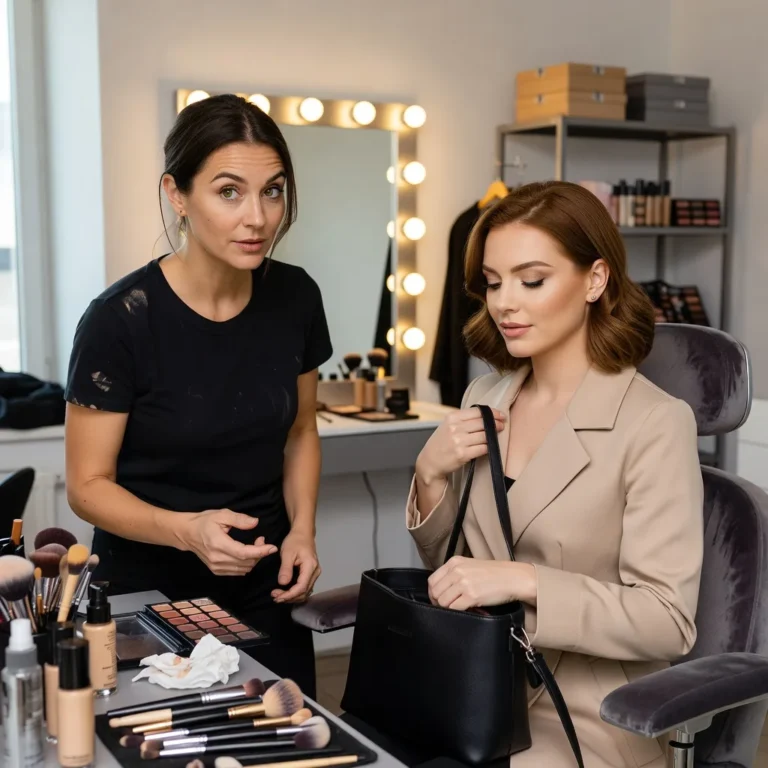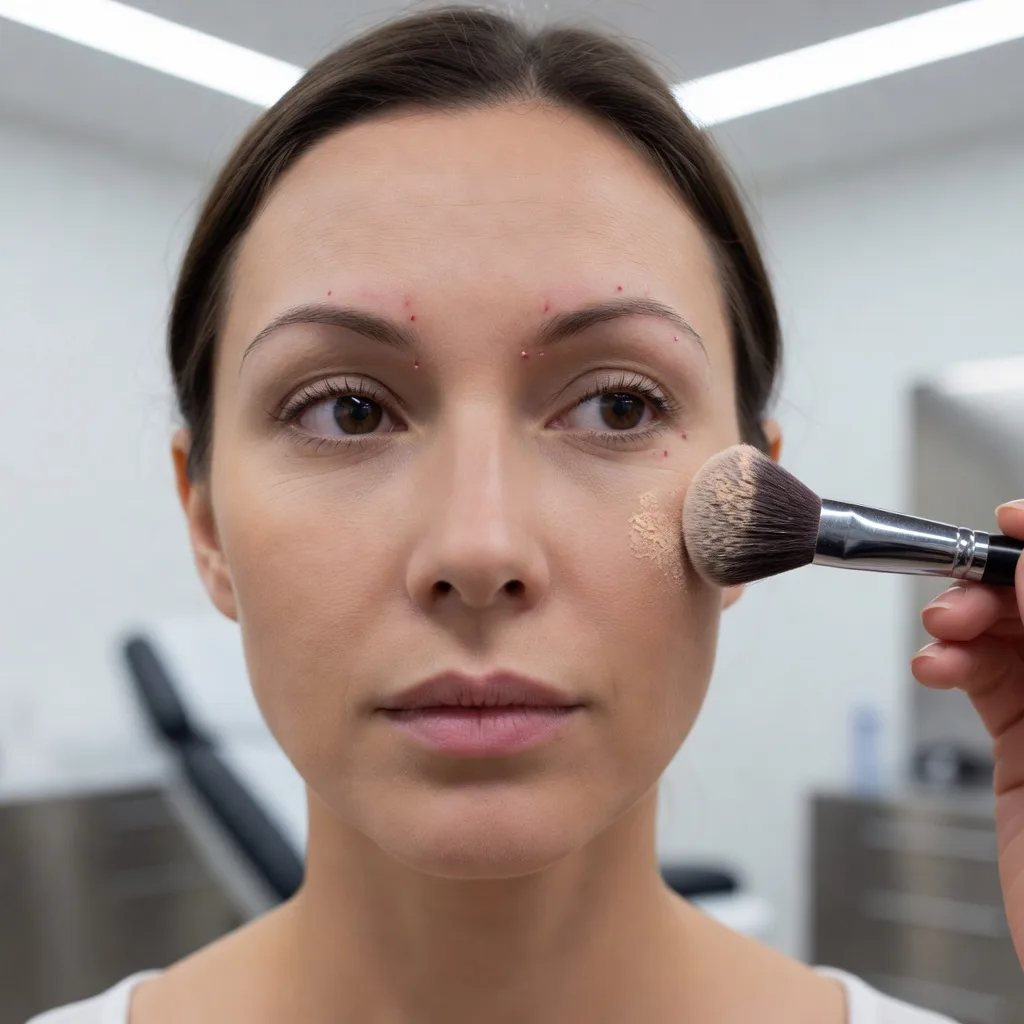
Why Can’t I Wear Makeup After Botox?
Why can’t I wear makeup after Botox, when the injections themselves are done in minutes and don’t require any real recovery time?
Part of our guide to makeup how-to. Start with: How to Properly Put On Face Makeup: The Right Order, Step by Step
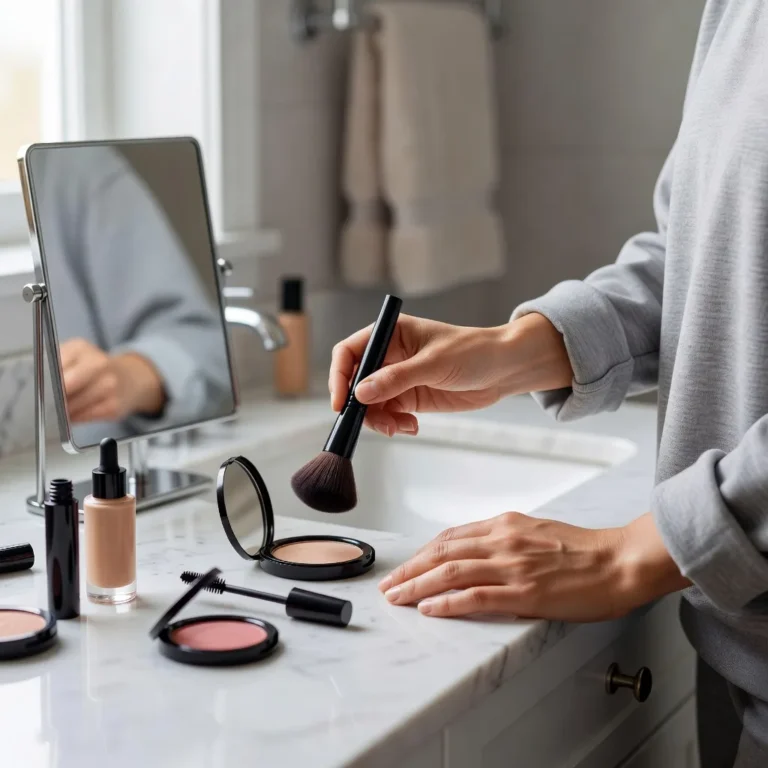
The standard 24-hour makeup restriction exists because injection sites are temporarily open entry points for bacteria, and non-sterile home cosmetics raise real infection risk, while the pressure involved in applying and removing makeup can also contribute to the toxin migrating into muscles it wasn’t meant to reach. This is a short, temporary precaution, not a sign that anything about the treatment went wrong.
Eye-area injections, like those for crow’s feet, deserve extra care during this window, since makeup removal there often involves more rubbing than application elsewhere on the face.
This guide walks through the actual mechanism behind the rule, a realistic timeline, and what changes once that first day has passed.
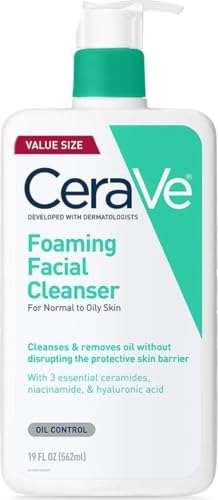
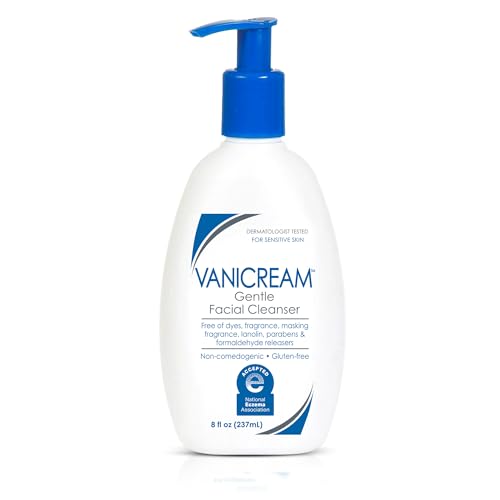
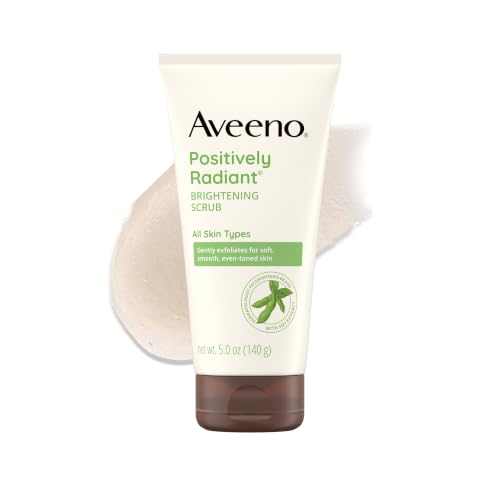
Recommended Gentle Post-Treatment Products


Snapshot
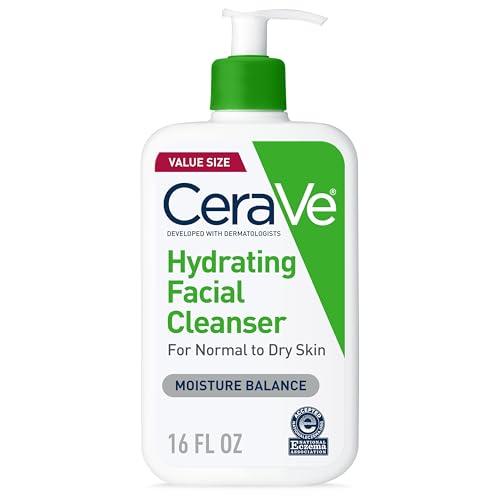
- The standard, widely-repeated guidance is to avoid makeup for about 24 hours after Botox, mainly because the injection sites are open entry points for bacteria and home cosmetics aren’t sterile.
- Pressing, rubbing, or massaging the treated area to apply or remove makeup carries a separate risk: it can physically shift the toxin into muscles it wasn’t meant to reach.
- The rule is about the injection sites and surrounding pressure, not makeup in general — areas of the face untouched by the injection aren’t part of this restriction.
- After the first 24 hours, most guidance clears the way for normal makeup use, provided application is gentle rather than forceful.
Outline
- The Short Answer, and Why It’s Only Temporary
- Reason One: The Injection Sites Are Open
- Reason Two: Pressure Can Move the Toxin
- Two Separate Risks, Two Separate Causes
- A Realistic Timeline After Injection
- What to Avoid and For How Long
- Why Touching the Area Matters More Than the Makeup Itself
- Exercise Is a Related, Often-Missed Risk
- Eye-Area Injections Need Extra Care
- What Changes After the First 24 Hours
- Do This, Not That
- Getting Through the First Day, Step by Step
- What This Article Can’t Tell You
- Frequently Asked Questions
The Short Answer, and Why It’s Only Temporary
The common recommendation from providers is to skip makeup for roughly 24 hours after a Botox injection, not because makeup itself is chemically harmful to the toxin, but because of what applying and removing it physically does to freshly injected skin. This is a short, temporary restriction — not a lasting one, and it doesn’t reflect anything unusual about your specific treatment — and understanding the actual reasons behind it makes it much easier to follow correctly instead of just as an arbitrary rule.
Shopping these picks?
Amazon Prime members get fast, free shipping on eligible items, plus Prime Video, Amazon Music and member deals. New members can start with a free trial.
Start a free Prime trialAged 18 to 24? Prime for Young Adults comes with a longer free trial and a lower price after it.
Affiliate link: we may earn a commission at no extra cost to you.
Reason One: The Injection Sites Are Open
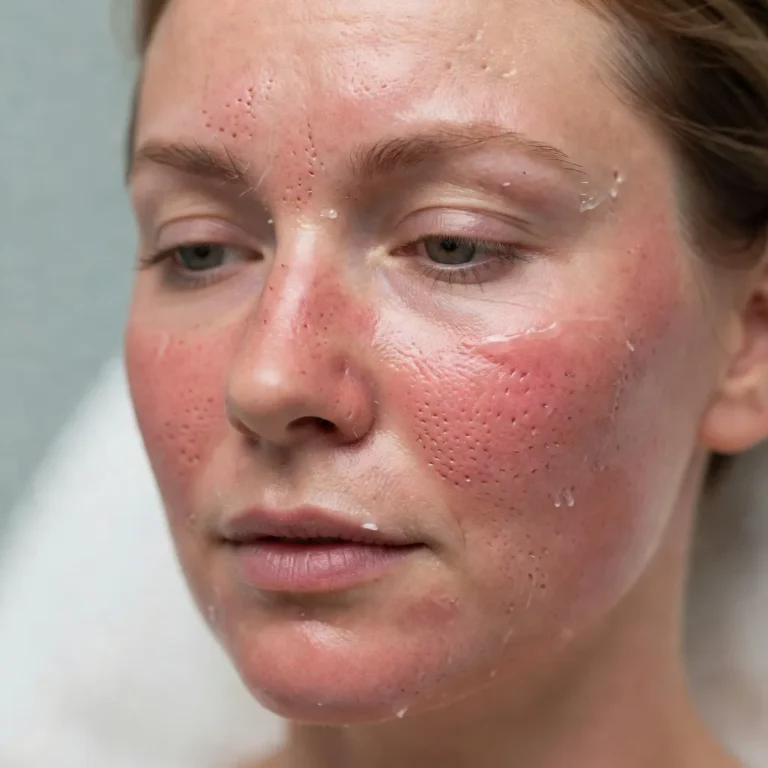
A Botox injection leaves small puncture points in the skin, and for a window of time after, those points function as open entry sites for bacteria. As one dermatology practice puts it plainly, “we have holes in our skin from the injection that allow bacteria to enter. We don’t want to introduce anything that could infect the area.” Cosmetics kept at home, however clean they seem, are not sterile products, and applying them directly onto or near fresh injection sites introduces a real, avoidable infection risk during the window before those punctures have had time to close.
Reason Two: Pressure Can Move the Toxin
The second reason is mechanical rather than microbial. Applying and removing makeup typically involves rubbing, patting, or pressing on the skin, and doing that over a freshly injected area risks physically pushing the toxin into adjacent muscles it wasn’t intended to reach. This is generally referred to as migration, and while providers vary somewhat in how much emphasis they place on this specific risk versus the infection risk, avoiding unnecessary pressure on the treated area for the first day is a consistent piece of aftercare advice across sources.
Two Separate Risks, Two Separate Causes
| Risk | Cause | Why makeup application triggers it |
|---|---|---|
| Infection | Bacteria entering open injection sites | Home cosmetics aren’t sterile; direct contact with fresh punctures |
| Toxin migration | Physical pressure on treated muscle | Rubbing or pressing during application and removal |
A Realistic Timeline After Injection
Most of the visible effect of Botox doesn’t even begin to show for several days, and takes up to about two weeks to fully develop, so nothing about a 24-hour makeup delay meaningfully affects how the treatment ultimately looks. The restriction is entirely about protecting the injection sites during their most vulnerable window, not about giving the toxin time to “set” in any way that makeup would interfere with.
What to Avoid and For How Long
| Activity | Typical wait time | Why |
|---|---|---|
| Makeup application | ~24 hours | Infection risk from non-sterile products on open injection sites |
| Touching, rubbing, or massaging the area | ~24 hours, some guidance longer | Migration risk from pressure on treated muscle |
| Strenuous exercise | ~24 hours | Increased blood flow and perspiration linked to migration risk |
| Lying face-down | Several hours, per most guidance | Sustained pressure on the treated area |
Why Touching the Area Matters More Than the Makeup Itself
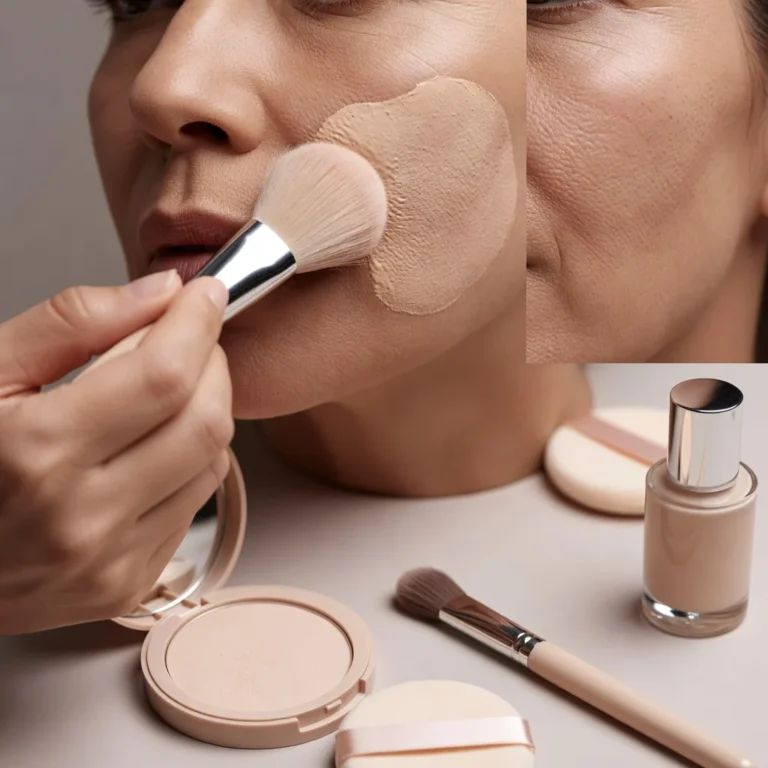
It’s worth being precise here: the restriction isn’t really about makeup as a category of product, it’s about touching, pressing, and rubbing the treated skin during application and removal. A powder applied with an extremely light touch is mechanically different from a cream foundation that needs to be blended and pressed in, even though both are technically “makeup.” The underlying instruction — minimize pressure and contact on fresh injection sites — matters more than the specific product category.
Exercise Is a Related, Often-Missed Risk
A detail that often gets less attention than the makeup question: vigorous exercise in the hours after Botox is frequently flagged for the same underlying reason as pressure on the skin. Increased blood flow and perspiration during strenuous activity are believed to raise the chance of the toxin migrating from the intended treatment site, which is why most providers recommend skipping intense workouts for roughly the same 24-hour window as the makeup restriction.
Eye-Area Injections Need Extra Care
Botox injected for crow’s feet or a “Botox brow lift” sits close to the eye socket, and the removal side of makeup deserves as much caution here as application. Rubbing to take off waterproof mascara or eyeliner right next to a fresh injection site combines both risks at once: pressure near the treated muscle and contact with skin that may still have open puncture points nearby. If a treatment area includes anything near the eyes, a gentler-than-usual approach to both applying and removing eye makeup for the full waiting window is worth being especially deliberate about, rather than assuming the general 24-hour rule alone covers it.
What Changes After the First 24 Hours
Once the initial 24-hour window has passed, most guidance clears the way for a return to normal makeup routines, including around the treated area, as long as application remains reasonably gentle rather than involving vigorous rubbing. The injection sites have generally closed by this point, substantially reducing the infection risk, and the toxin has had enough time to settle into the targeted muscle that ordinary, non-aggressive pressure is no longer considered a meaningful migration risk. Bruising at an injection site, if it occurred, can still be present at this point and is a separate cosmetic issue from the makeup restriction itself — concealer can typically be used over a healed, unbroken bruise once the initial 24 hours have passed, even while the bruise itself takes its own, usually longer, week or two to fully fade.
Do This, Not That
Do
- Do wait roughly 24 hours before applying makeup to the treated area, following your specific provider’s guidance.
- Do use a light touch when makeup application does resume, avoiding vigorous rubbing.
- Do stay upright and avoid strenuous exercise for the same initial window.
Don’t
- Don’t apply makeup directly over fresh injection sites before your provider’s recommended waiting period has passed.
- Don’t rub, press, or massage the treated area during that window, even without makeup involved.
- Don’t assume a specific product type is “safer” than others if application still requires pressing or rubbing the skin.
Getting Through the First Day, Step by Step
Confirm your provider’s specific timeframe
Follow their exact guidance rather than a generic rule, since individual protocols can vary slightly.
Avoid touching the treated area
Keep hands, cloths, and products away from injection sites for the recommended window.
Stay upright
Avoid lying face-down for several hours to reduce unwanted pressure on the treated muscle.
Skip strenuous exercise for the day
Hold off on intense workouts until the same window has passed.
Resume gently, not aggressively
When makeup resumes, apply with a light touch rather than vigorous blending directly over the treated area.
What This Article Can’t Tell You
This article can’t tell you the exact waiting period your specific provider recommends for your specific treatment area and dose — that can vary, and following your own provider’s instructions takes priority over any general guidance here. It also can’t diagnose a suspected infection or unexpected asymmetry after treatment; both warrant a call to your provider rather than guesswork. What it can tell you honestly is the actual mechanism behind the standard 24-hour rule, so it’s easier to follow correctly rather than as an arbitrary inconvenience, and easier to recognize when a stricter or looser timeframe from your own provider might make sense given your specific treatment.
Frequently Asked Questions
Why can’t I wear makeup right after Botox?
Injection sites are temporarily open entry points for bacteria, and applying non-sterile home cosmetics onto them raises real infection risk during that window.
How long should I wait to wear makeup after Botox?
Roughly 24 hours is the standard, widely-repeated guidance, though your specific provider’s instructions should take priority.
Can makeup application actually move the Botox?
The pressure and rubbing involved in applying and removing makeup can contribute to toxin migration, which is a separate risk from infection.
Is it the makeup itself or the touching that’s the real issue?
Mostly the touching and pressure involved in application and removal, more than the makeup product itself as a category.
Can I exercise right after getting Botox?
Most providers recommend avoiding strenuous exercise for about 24 hours, for the same migration-risk reasons as the makeup restriction.
Does the 24-hour rule apply to my whole face or just the injection sites?
The restriction centers on the treated area and its immediate surroundings, not areas of the face untouched by the injection.
What happens if I accidentally touch the area too soon?
A single light touch isn’t necessarily a problem, but repeated pressure, rubbing, or makeup application during the restricted window raises real infection and migration risk.
When does Botox actually start working?
Visible effects typically begin over several days and can take up to about two weeks to fully develop, unrelated to the 24-hour makeup restriction.
Can I wear makeup on areas of my face that weren’t injected?
Generally yes, since the restriction is specific to the treated area and the pressure involved in working around it, not makeup use overall.
Is it safe to apply makeup with a light touch instead of waiting the full time?
Not a reliable substitute for the recommended waiting period, since individual factors like injection depth and provider protocol affect what’s actually safe.

Written by
Registered pharmacist and founder of Facial Adviser. Rakib's pharmacy training covers how skincare actives work and interact; a later course in cosmetology turned that into a focus on facial treatments and skincare products. He plans, researches and edits every guide on the site and checks health claims against sources such as the American Academy of Dermatology, the FDA and the NIH. He is not a dermatologist; see the Editorial Policy and Medical Disclaimer.
About · Editorial policy · How we choose products · Medical disclaimer · Contact
Keep reading: Makeup basics and skin
- How to Properly Put On Face Makeup: The Right Order, Step by Step
- How to Fix Makeup on Dry Skin
- Is It Bad to Do Your Makeup Everyday?
- Best Tips for a No-Makeup Look: Skin Prep, Tints, Brows, Blush and Lips
- Does Makeup Help Protect You From the Sun?
- How Do You Know If Makeup Is Water Based or Oil Based?
- Best Way to Use Makeup Remover: Micellar Water, Balms, Oils and Eye Removers
- How to Choose Lipstick Shade: Undertone, Skin Tone and Testing Tips