How to Fix Makeup on Dry Skin
Foundation that clings to every flaky patch and looks cakey by midday is one of the most common complaints from dry skin, so how do you actually fix makeup on dry skin instead of just adding more product on top of the problem?
Part of our guide to makeup how-to. Start with: How to Properly Put On Face Makeup: The Right Order, Step by Step
Dermatologists point to two distinct mechanisms behind the flaking, not one: visible desquamation, where dead skin cells haven’t shed evenly, and a separate barrier/moisture issue where transepidermal water loss leaves the surface dehydrated even without flaking. The American Academy of Dermatology’s own guidance is specific here, recommending cream or ointment-based moisturizers over lotions for genuinely dry skin, along with attention to the timing of application relative to how damp the skin still is.
A genuinely useful technique most tutorials skip: applying foundation with a damp sponge rather than a dry one changes the outcome meaningfully, since a dry sponge absorbs a portion of the product into itself before it ever reaches the skin.
This guide breaks down the real mechanisms behind flaky, cakey makeup on dry skin, how liquid, cream, and powder formulas behave differently on dry patches, and the specific technique and timing fixes that address the actual cause rather than layering more product over it.
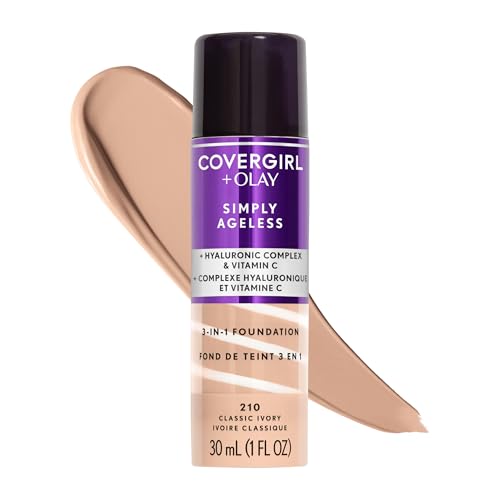
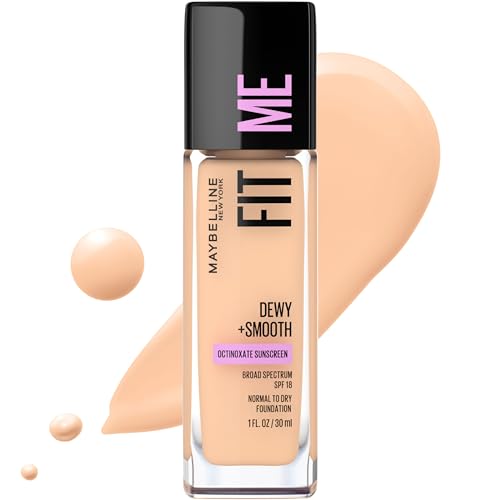
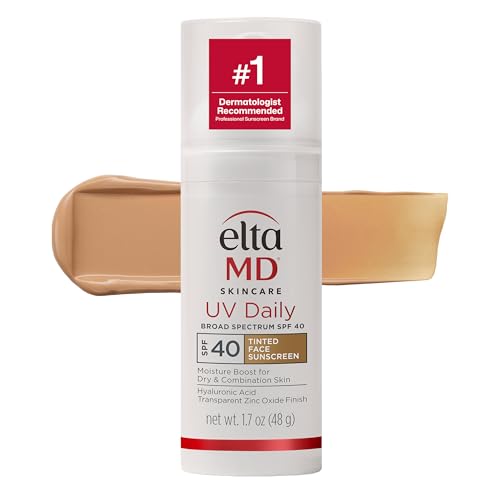
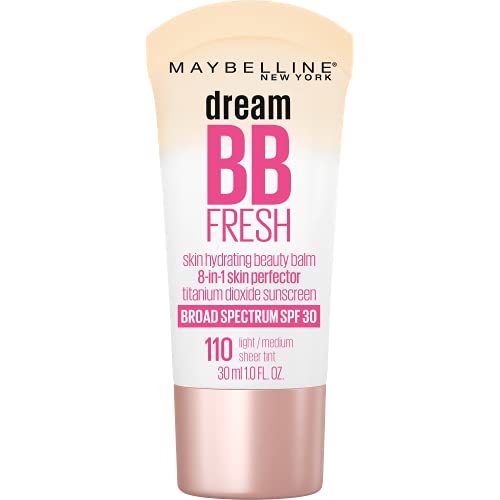
Recommended Hydrating Foundations and Primers for Dry Skin



Quick Take
- Flaky or cakey makeup on dry skin is usually two separate problems, not one — built-up dead skin cells that product sits on top of, and a weakened barrier that lets product settle into fine lines.
- Powder foundation is generally the worst performer on dry, flaking skin, while cream formulas tend to be the most forgiving.
- A damp makeup sponge absorbs less product than a dry one, which is the actual mechanical reason it applies more evenly.
- Exfoliating the same morning you plan to wear foundation can leave skin too reactive for makeup to sit well — the night before is the better window.
In This Guide
- Two Different Problems Get Lumped Into One Complaint
- The Textural Problem: Product Sitting on Dead Skin
- The Barrier Problem: Why Makeup Clings to Fine Lines
- Skin Prep That Actually Changes the Outcome
- Why Timing Matters as Much as Product Choice
- Powder vs. Liquid vs. Cream: Which Format Fights Dryness
- The Damp Sponge Mechanism, Explained Properly
- Customizing Formula Richness by Mixing In Drops or Oil
- When to Exfoliate Relative to Makeup Day
- Setting Powder Selectively, Not Everywhere
- Do’s and Don’ts at a Glance
- A Morning Routine Built for Dry Skin
- Frequently Asked Questions
- Bottom Line
Two Different Problems Get Lumped Into One Complaint
“Dry skin ruins my makeup” usually gets treated as a single problem with a single fix, but a dermatology-clinic explainer from the London Dermatology Centre describes two genuinely different mechanisms that happen to produce similar-looking results. The first is textural: uneven texture or built-up dead cells means foundation sits on top rather than blending in, because product physically cannot lie flat over unshed corneocytes. The second is a barrier and hydration problem, where a compromised barrier increases transepidermal water loss, and foundation clings to dry patches and highlights fine lines.
Shopping these picks?
Amazon Prime members get fast, free shipping on eligible items, plus Prime Video, Amazon Music and member deals. New members can start with a free trial.
Start a free Prime trialAged 18 to 24? Prime for Young Adults comes with a longer free trial and a lower price after it.
Affiliate link: we may earn a commission at no extra cost to you.
The Textural Problem: Product Sitting on Dead Skin
The textural version of this complaint is essentially a surface-mechanics issue. When dead skin cells build up unevenly instead of shedding on schedule, foundation cannot form a continuous film across the surface. It visibly cracks or clings along the raised edges of flaking skin, producing the classic look of makeup “grabbing” onto dry patches instead of covering them. This version responds to gentle exfoliation, because the cause is literally a texture product cannot lie flat against.
The Barrier Problem: Why Makeup Clings to Fine Lines
The second mechanism is easy to miss if you assume flaking is the whole story. A compromised barrier lets water escape the skin’s surface faster than it should, a process called transepidermal water loss. Dehydrated skin has less give, so foundation settles into fine lines and textural low points rather than sitting smoothly. This is not about visible flaking — it is a lack of surface plumpness, and it responds to hydration and barrier repair, not exfoliation.
Skin Prep That Actually Changes the Outcome
The American Academy of Dermatology’s guidance on relieving dry skin is specific rather than a vague “moisturize more” instruction. Apply moisturizer immediately after bathing, while skin is still damp, since timing changes how much moisture gets locked in. Dermatologists specifically recommend ointments or creams over lotions, because they add more moisture and are more effective — a real hierarchy, not just a preference. Look for petrolatum, glycerin, hyaluronic acid, jojoba oil, and shea butter, and favor “fragrance-free” over merely “unscented,” since unscented products can still contain masking fragrance chemicals that irritate compromised skin. The same guidance recommends limiting showers to 5 to 10 minutes with warm, not hot, water.
Why Timing Matters as Much as Product Choice
The AAD’s “moisturize while still damp” timing point applies directly to makeup prep, easy to overlook: skincare that has not had time to fully absorb sits on the surface and interferes with how foundation adheres, producing the same sliding, patchy look people often blame on the moisturizer itself. The fix is applying product earlier and giving it real time to finish absorbing before foundation goes on.
Powder vs. Liquid vs. Cream: Which Format Fights Dryness
No single authoritative study compares these three formats head-to-head on dry skin, so what follows is consolidated, formulation-logic-consistent guidance rather than a cited study. Powder is generally the worst performer, because loose and pressed powders both need surface moisture or oil to adhere evenly, and on flaking skin the powder visibly gathers in the cracks between cells instead of covering them. Liquid performs better because it can be thinned, mixed, or buffed while wet, though thin, matte, high-alcohol formulas still emphasize texture as they dry down. Cream is generally the most recommended option, because the product is thicker and more emollient, supplying occlusive ingredients that fill textural gaps rather than fighting the skin’s dryness.
| Format | How It Behaves on Dry Skin | Best Use |
|---|---|---|
| Powder | Needs surface moisture or oil to adhere; gathers visibly in flaking cracks | Generally the least forgiving choice for dry, flaking skin |
| Liquid | Manipulable while wet, but thin, matte, alcohol-heavy formulas can still emphasize texture | Workable if the formula is not overly matte or drying |
| Cream | Thicker and more emollient; supplies occlusive ingredients that fill textural gaps | Generally the most forgiving format for dry skin |
The Damp Sponge Mechanism, Explained Properly
“Use a damp sponge” is common advice, but most explanations stop at a vague “dewy finish” claim without describing the actual mechanism. A dry sponge absorbs a portion of the foundation into itself before it reaches the skin, wasting product and leaving a thinner, patchier layer. A damp sponge has already absorbed water into its own structure, so it soaks up less foundation, delivering more product to the skin and diffusing it more evenly. The residual water also provides a small amount of surface hydration, a secondary benefit rather than the main mechanism.
Customizing Formula Richness by Mixing In Drops or Oil
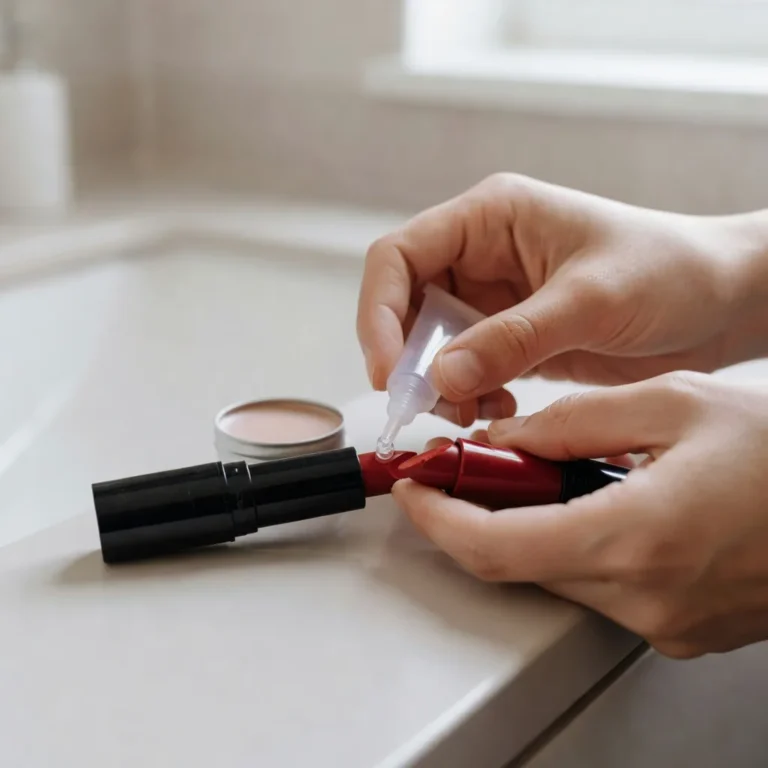
Mixing hydrating drops or a small amount of facial oil directly into foundation is a technique repeated across professional makeup-artist sources as a way to dilute a formula’s matte or powder-heavy finish with something more emollient. In effect, it lets you customize a product’s oil content per use rather than being locked into whatever ratio the manufacturer chose. No controlled study exists testing this specifically, so it is worth framing as an established professional technique rather than a clinically validated one — but the underlying logic, adding emollient content to counteract a formula that is too matte for dry skin, is straightforward.
When to Exfoliate Relative to Makeup Day
Given that the textural problem is caused by uneven desquamation, exfoliation genuinely helps — but timing changes the outcome. Exfoliating the night before, rather than the morning of, allows any post-exfoliation redness or sensitivity to calm down and gives moisturizer time to fully absorb overnight, instead of applying foundation directly onto freshly exfoliated, still-reactive skin.
Setting Powder Selectively, Not Everywhere
Since powder gathers visibly in flaking or cracked skin, applying it uniformly across the entire face works against dry patches specifically. A targeted approach — setting only the oilier zones, such as the T-zone, and leaving dry cheeks or flaking areas either unpowdered or refreshed with a hydrating setting mist instead — applies the same desquamation mechanism directly rather than following a generic “set your whole face” rule.
| Zone | Typical Condition | Recommended Approach |
|---|---|---|
| T-zone | Usually oilier, less prone to flaking | Set normally with a light layer of powder |
| Cheeks and dry patches | Prone to flaking and clinging | Skip powder here, or use a hydrating setting mist instead |
| Fine lines (under-eye, nasolabial folds) | Little surface “give,” product settles into the crease | Use minimal product and press it in rather than swiping |
Do’s and Don’ts at a Glance
Do
- Moisturize with ceramides, glycerin, or squalane twice daily, and give it time to absorb.
- Apply foundation with a damp, not dry, makeup sponge.
- Reach for a cream or liquid formula over powder when skin is flaking.
Don’t
- Exfoliate the same morning you plan to wear makeup.
- Apply foundation before skincare has fully absorbed into the skin.
- Set every zone of the face with powder regardless of how dry it is.
A Morning Routine Built for Dry Skin
Hydrate first
Apply a hyaluronic-acid-based serum to slightly damp skin to draw water into the surface.
Moisturize and wait
Follow with a ceramide, glycerin, or squalane moisturizer, and let it fully absorb before starting makeup.
Choose the right format
Reach for a cream or liquid foundation rather than powder, since powder tends to gather in flaking skin.
Apply with a damp sponge
Bounce, rather than drag, the product into skin, since a damp sponge delivers more product to the skin than a dry one.
Set selectively
Powder only the zones that actually run oily, leaving dry cheeks and fine-line areas unpowdered or lightly misted instead.
Frequently Asked Questions
Why does my makeup look flaky even though I moisturize?
Two separate mechanisms are often mixed together: built-up dead skin cells that foundation sits on top of, and a compromised barrier that lets product settle into fine lines, and moisturizing alone only addresses the second one.
Is powder foundation bad for dry skin?
Generally yes; powder needs some surface moisture or oil to adhere evenly, so on flaking skin it tends to gather visibly in the cracks between skin cells.
Should I exfoliate the morning I apply makeup?
No; exfoliating the night before allows redness and sensitivity to calm and lets moisturizer fully absorb before foundation goes on the next day.
Does a damp makeup sponge really make a difference?
Yes; a dry sponge absorbs some of the product into itself before it reaches the skin, while a damp sponge absorbs less foundation and delivers more of it evenly to the skin.
Should I use a lotion or a cream moisturizer for dry skin?
Dermatologists generally recommend ointments or creams over lotions, since they add more moisture to skin and are more effective.
Is it okay to mix facial oil into my foundation?
It is a widely used professional technique for adding richness to a matte or powder-heavy formula, though it has not been tested in a controlled study.
Why does my foundation settle into fine lines?
A compromised skin barrier increases water loss, leaving skin with less surface give, so product settles into fine lines and textural low points instead of sitting smoothly.
Do I need to set my whole face with powder if my skin is dry?
Not necessarily; setting only the oilier zones and skipping powder on dry, flaking areas avoids exaggerating the flakiness there.
What ingredients should I look for in a moisturizer before makeup?
Dermatology guidance points to petrolatum, glycerin, hyaluronic acid, jojoba oil, and shea butter, along with fragrance-free rather than merely unscented formulas.
How long should I wait after moisturizing before applying foundation?
Long enough for the product to fully absorb into the skin; applying foundation over unabsorbed skincare interferes with how evenly it adheres.
Bottom Line
Flaky, cakey makeup on dry skin is rarely one problem with one fix. Treating the textural cause — built-up dead skin the product cannot lie flat against — with gentle, well-timed exfoliation, and treating the barrier and hydration cause with layered moisture and patient absorption time, addresses two genuinely different mechanisms that happen to look similar on the surface.
Format and application technique matter almost as much as skincare itself: cream over powder, a damp sponge over a dry one, and selective powder-setting instead of a uniform layer across the whole face all follow directly from how dry, flaking skin physically interacts with product. None of this requires more product overall — it requires the right product, in the right order, given the right amount of time to work.

Written by
Registered pharmacist and founder of Facial Adviser. Rakib's pharmacy training covers how skincare actives work and interact; a later course in cosmetology turned that into a focus on facial treatments and skincare products. He plans, researches and edits every guide on the site and checks health claims against sources such as the American Academy of Dermatology, the FDA and the NIH. He is not a dermatologist; see the Editorial Policy and Medical Disclaimer.
About · Editorial policy · How we choose products · Medical disclaimer · Contact
Keep reading: Makeup basics and skin
- How to Properly Put On Face Makeup: The Right Order, Step by Step
- Is It Bad to Do Your Makeup Everyday?
- Best Tips for a No-Makeup Look: Skin Prep, Tints, Brows, Blush and Lips
- Does Makeup Help Protect You From the Sun?
- How Do You Know If Makeup Is Water Based or Oil Based?
- 10 Best Makeup for Acne-Prone Skin (2026): Coverage That Won't Clog
- How to Get Started as a Freelance Makeup Artist: Training, Kit and Clients
- Best Way to Use Makeup Remover: Micellar Water, Balms, Oils and Eye Removers