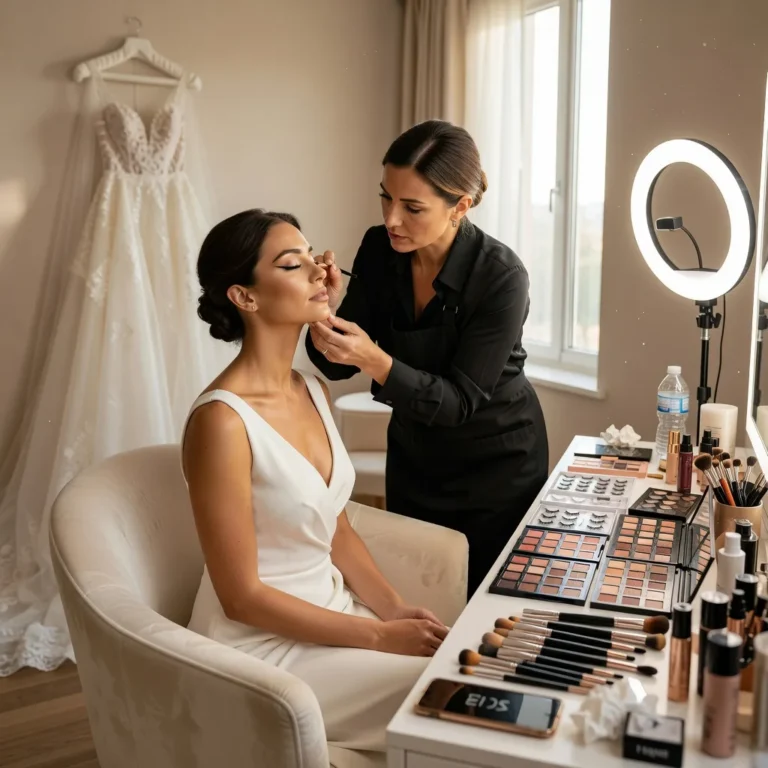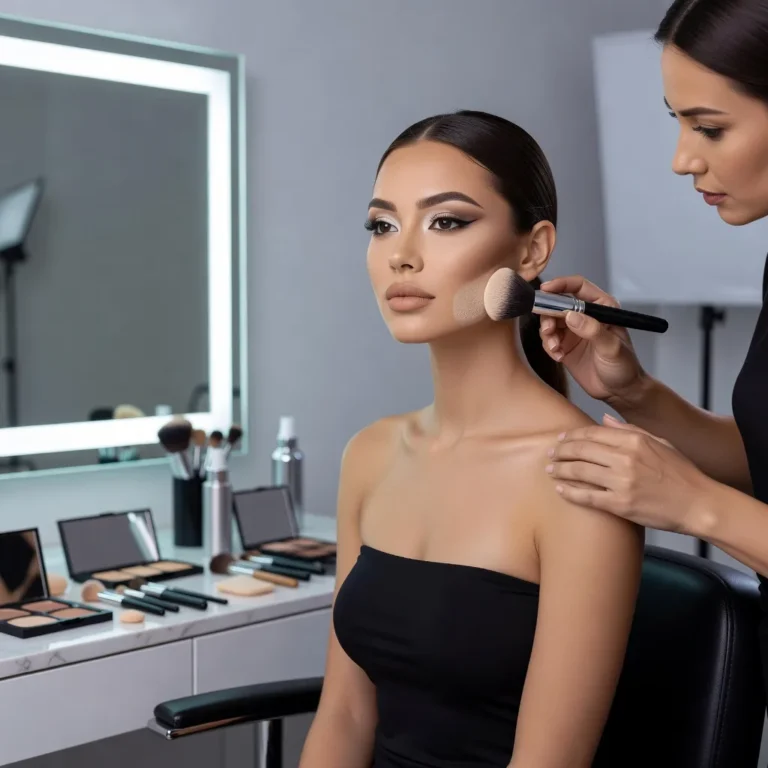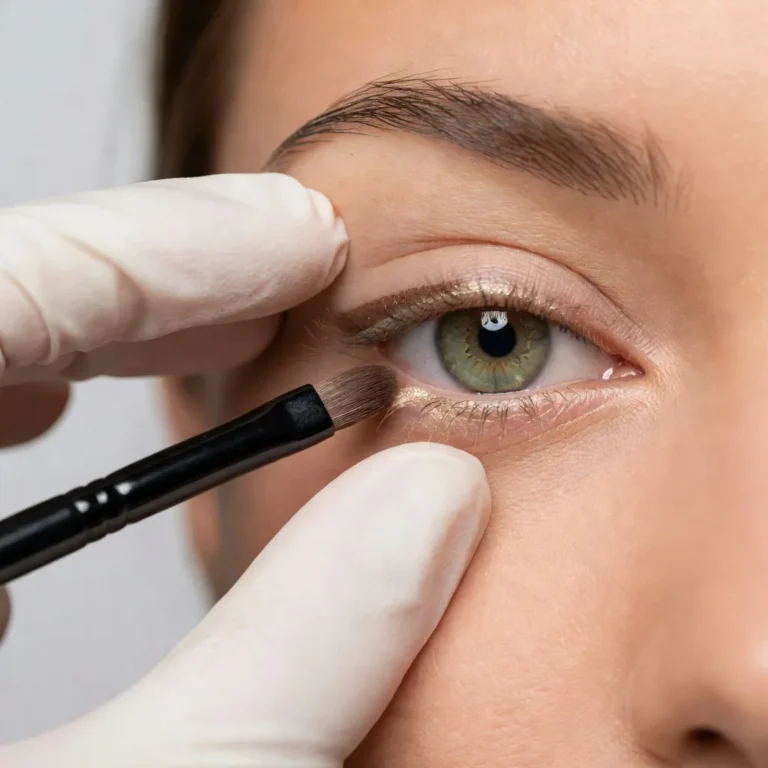
How Is Lipstick Removed Before a Facial? Prep Steps Estheticians Use
A facial starts with a clean face, and that includes your lips. Most people arrive with at least a little colour on, sometimes a long-wear liquid that has been on since breakfast, and the first few minutes of the appointment are spent taking it all off. How that is done matters, because lip skin is thin and the lipstick itself often clings harder than foundation.
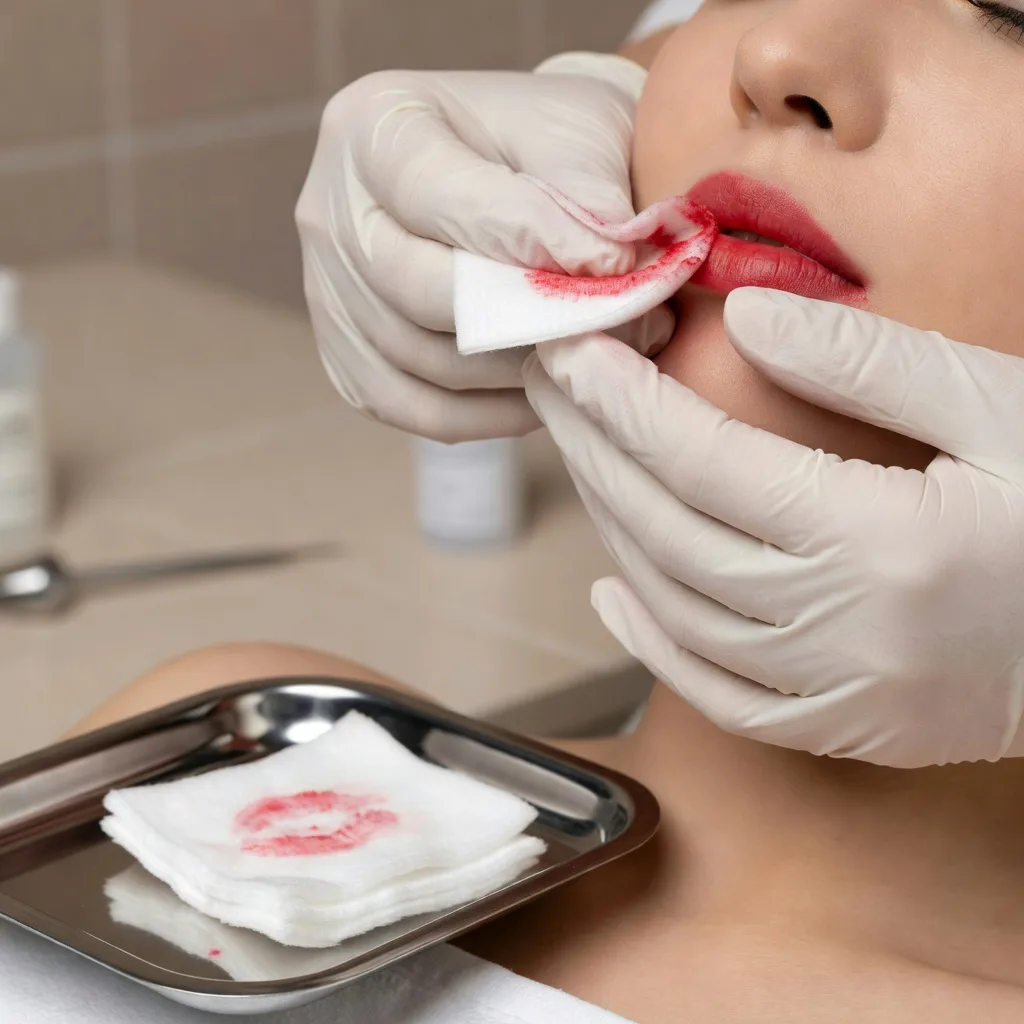
Before a facial, lipstick is removed as part of the double-cleanse that opens nearly every treatment. The esthetician first dissolves the makeup with an oil-based product, usually a cleansing balm, cleansing oil or micellar water, by pressing it onto the lips for a few seconds and then sweeping outward with a soft pad or cloth, rather than scrubbing. A second, gentle water-based cleanser then lifts the oil and any remaining pigment. Long-wear and stain formulas need more time and a second pass of oil, and any leftover tint is left alone instead of rubbed off, because lip blushing, exfoliation and steam will deal with it later in the treatment. The aim is clean lips with no redness, so the rest of the facial can proceed without irritation.
In short: oil or balm first, gentle cleanser second, no scrubbing, and long-wear colour gets patience rather than force.
The American Academy of Dermatology advises gentle cleansing with the fingertips rather than rough cloths or scrubbing, and recommends removing makeup fully before any skin treatment and before bed, which is exactly the approach a good esthetician takes with lips.
This guide explains why makeup comes off before a facial, what professionals use on each type of lipstick, how to prep at home so your appointment starts smoothly, and how to care for your lips afterwards.
Buying for a salon, spa or clinic?
A free Amazon Business account gives you business-only pricing on eligible items, multi-user buying and tax-exemption tools.
Create a free Business accountAffiliate link: we may earn a commission at no extra cost to you.
Recommended Makeup Removers and Cleansing Balms


The Short Version
- All makeup, including lipstick, comes off before a facial so products reach the skin.
- Oil-based removers dissolve lipstick; water alone does not.
- Estheticians press, hold and sweep rather than rub.
- Long-wear and stain formulas need more time and a second pass.
- Scrubbing or acetone-style removers damage thin lip skin.
- Arriving bare-lipped or with a balm only makes the appointment easier.
- Lips need a plain balm after a facial, not colour straight away.
Jump to a Section
- Why Lipstick Comes Off Before a Facial
- What Estheticians Use to Remove Lipstick
- Which Remover Works on Which Lipstick
- Dealing with Long-Wear and Stain Formulas
- Protecting Lip Skin During Removal
- How to Prepare at Home Before Your Appointment
- How to Remove Lipstick Gently Before a Facial
- Lip Aftercare Once the Facial Is Over
- Common Mistakes When Removing Lipstick
- Dos and Don’ts of Lipstick Removal Before a Facial
- Honest Limits
- When to See a Dermatologist About Your Lips
- FAQ
- Where This Leaves You
Why Lipstick Comes Off Before a Facial
Everything an esthetician does during a facial depends on product reaching clean skin. Lipstick is a film of waxes, oils and pigment, and it blocks all of it.
- Cleansers, exfoliants and masks cannot work through a layer of wax and pigment.
- Steam softens lipstick into a smear that spreads onto the chin and into the mouth.
- Extractions and massage around the mouth would push pigment into pores and fine lines.
- Pigment stains towels, headbands and the esthetician’s gloves.
- A clean lip line lets the professional check for dryness, cracking or cold sores before treating nearby skin.
Many facials also treat the lips with a light exfoliant, mask or balm, none of which is possible over colour.
What Estheticians Use to Remove Lipstick
Professionals keep a few removers on the trolley and choose by the formula on your lips. The principle is the same for all of them: like dissolves like, so an oily remover breaks down an oily product.
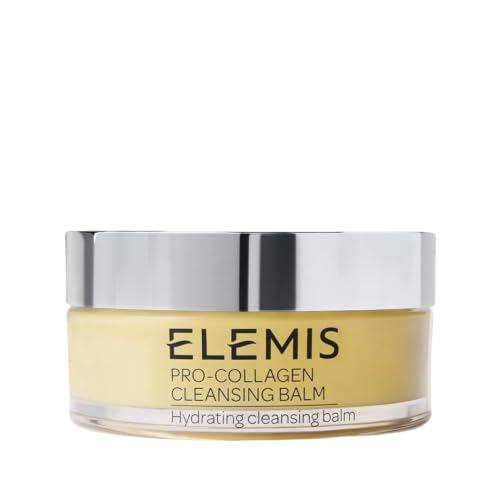
- Cleansing balm: a solid oil that melts on contact, strong enough for most long-wear formulas and kind to dry lips.
- Cleansing oil: the liquid version, easy to press onto the lips with a cotton pad and good for stains.
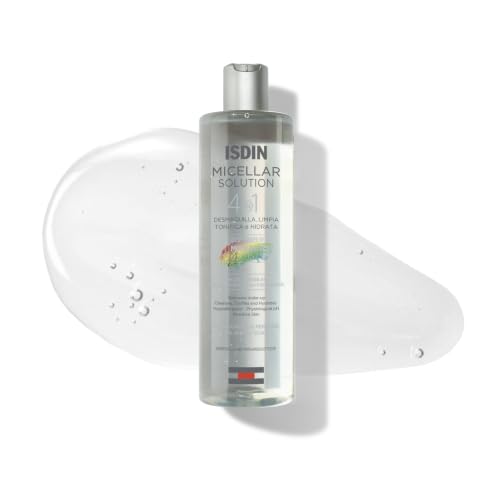
- Micellar water: gentle and quick for sheer or satin lipstick, less effective on matte liquids.
- Bi-phase or oil-in-water remover: shaken to mix, used for waterproof and transfer-proof products.
- Gentle cream or gel cleanser: the second step that lifts oil and leftover pigment.
- Soft cotton pads, reusable cloths or sponges, used with pressing rather than rubbing.
Alcohol-based toners and acetone are not used on lips. They strip the thin skin and sting broken areas. Our guide on how to remove waterproof makeup gently covers the same approach for eyes and face.
Which Remover Works on Which Lipstick
This table pairs common lipstick types with the removers estheticians reach for and the technique that works.
| Lipstick type | Best remover | Technique | Notes |
|---|---|---|---|
| Satin or cream bullet | Micellar water or cleansing balm | Single sweep outward | Comes off in seconds |
| Sheer tint or balm | Micellar water or gentle cleanser | Quick wipe | Little pigment to remove |
| Matte liquid lipstick | Cleansing balm or oil | Press, hold 20 to 30 seconds, sweep | Often needs two passes |
| Transfer-proof or waterproof | Cleansing oil or bi-phase remover | Hold with a soaked pad, then sweep | Never scrub dried film |
| Lip stain or tint | Cleansing oil, then gentle cleanser | Press and sweep, accept faint tint | Residual stain fades on its own |
| Gloss over lipstick | Cleansing balm | Remove gloss first, then colour | Gloss spreads if rubbed |
| Lip liner only | Micellar water | Trace the edge outward | Check the corners of the mouth |
The common thread is patience. A remover that is given time to dissolve the product removes it with far less friction than a remover that is rubbed in immediately.
Dealing with Long-Wear and Stain Formulas
Long-wear liquids and stains are built to resist exactly the things that remove makeup: oil, water and friction. They contain film-forming polymers and dyes that sink slightly into the surface of the lip, which is why a quick wipe leaves a pink shadow.
- Apply a generous amount of balm or oil and leave it for half a minute before wiping.
- Use a fresh pad for the second pass so you are not redistributing pigment.
- Wipe towards the outer corners, not back and forth.
- Accept a faint stain. It is dye in the top layer of skin and will fade within a day.
- Do not use a scrub to chase the last of the colour; the esthetician will exfoliate the lips gently if needed.
Our guide on how lipstick is made to last longer explains the chemistry that makes these formulas cling, which also explains why they need oil rather than water.
If a stain will not budge, leave it. Rubbing a lip raw to remove the last trace causes more harm than the tint ever could, and most facials include gentle lip exfoliation that finishes the job.
Protecting Lip Skin During Removal
Lip skin has no oil glands of its own and only a thin outer layer, so it chaps and tears more easily than the cheeks. Estheticians work slowly on the lips for that reason.
- They look for cracks, peeling or cold sores first; an active cold sore means the lips are skipped.
- They keep removers away from the inside of the mouth and the eyes.
- They use pressure rather than friction, which protects the fine lines at the lip border.
- They rinse with lukewarm water, not hot.
- They apply a plain balm straight after cleansing if the lips look tight.
If you have a known sensitivity to fragrance, lanolin or certain dyes, tell your esthetician before the cleanse. The FDA’s page on allergens in cosmetics lists fragrance, preservatives and dyes among the most common causes of reactions, and many removers contain at least one of them.
How to Prepare at Home Before Your Appointment
The easiest facial is one where little needs removing. A little preparation the day before and the morning of makes the first ten minutes quicker and gentler.
| When | What to do | Why it helps |
|---|---|---|
| Night before | Remove all lip colour fully and apply a plain balm | Stains have time to fade overnight |
| Night before | Skip lip scrubs and lip plumpers | Avoids arriving with sore or swollen lips |
| Morning of | Cleanse normally; apply balm only, or nothing | Nothing stubborn to dissolve |
| Morning of | Avoid new lip products | Reduces the chance of a reaction on the day |
| On the way | If you must wear colour, choose a sheer tint or tinted balm | Comes off in one sweep |
| At arrival | Mention any lip sensitivity, cold sores or recent lip treatments | Lets the esthetician adjust |
| After | Keep lips bare for the rest of the day where possible | Lets treated skin settle |
If you are coming straight from work in a long-wear lipstick, take it off before you leave and apply a balm, so there is nothing left to fight.
How to Remove Lipstick Gently Before a Facial
Whether you are prepping at home or want to understand what happens on the treatment bed, this is the method professionals use.
Wash your hands
Clean hands keep bacteria away from lips that are about to be cleansed and possibly exfoliated.
Choose an oil-based remover
Pick a cleansing balm, cleansing oil or micellar water depending on how stubborn the formula is.
Press, do not rub
Apply the remover to a cotton pad or your fingertips and hold it against the lips for 20 to 30 seconds.
Sweep outward
Wipe from the centre of the lips towards the corners, then fold the pad and repeat with a clean side.
Repeat for long-wear colour
If pigment remains, apply more oil, wait again and sweep once more with a fresh pad.
Follow with a gentle cleanser
Use a mild, fragrance-free cleanser and lukewarm water to lift the oil and any leftover pigment.
Pat dry and apply balm
Blot with a soft towel and apply a plain, unscented balm so the lips are not tight before the facial.
If you do not own a cleansing balm, a plain facial oil on a cotton pad does the same job for one occasion. Hold it against the lips before wiping and follow with your usual cleanser.
Lip Aftercare Once the Facial Is Over
Lips often feel smooth and slightly bare after a facial, especially if they were exfoliated or masked. Treat them like freshly exfoliated skin anywhere else.
- Apply a plain balm with no fragrance, menthol or plumping ingredients for the rest of the day.
- Wait until the next day before wearing matte or long-wear lipstick; a sheer tint is fine sooner.
- Avoid lip scrubs for two to three days.
- Avoid licking your lips, which dries them further.
- After a peel, keep lip products away from the treated skin at the lip border.
Our guide on whether you should wear makeup after a facial explains how long to wait for the rest of the face.
Common Mistakes When Removing Lipstick
Most lip damage around a facial comes from removal, not from the treatment itself.
- Scrubbing dried matte liquid with a dry tissue or towel.
- Using alcohol toner, acetone or hand sanitiser to shift stains.
- Exfoliating the lips immediately before the appointment.
- Rubbing back and forth instead of sweeping outward.
- Picking at peeling skin that removal has loosened.
- Putting a new or scented lip product on just before the facial.
Do not have the lips cleansed, exfoliated or massaged if you have an active cold sore, a split lip or a recent lip filler or lip-blushing treatment. Tell your esthetician so the lips can be skipped, and never share lip products or removers with other people.
Dos and Don’ts of Lipstick Removal Before a Facial
Good Habits
- Remove colour the night before where you can
- Use an oil-based remover and give it time
- Sweep outward with a clean pad
- Tell the esthetician about sensitivities
- Apply plain balm afterwards
Common Mistakes
- Scrub or pick at stubborn stain
- Use alcohol, acetone or harsh soap on lips
- Exfoliate lips right before the appointment
- Arrive in a fresh coat of long-wear liquid
- Put colour straight back on afterwards
Honest Limits
Lipstick removal is simple, and no special product is required. A cleansing balm, oil or micellar water from any reputable brand will do the job, and technique matters more than the label. Most removers are variations on the same oil-based chemistry.
Some stains will not come off in one session. Dyes bonded to the surface of the lip fade only as the skin turns over, which takes a few days, and no remover is safe to use hard enough to speed that up. If your lips are chronically cracked, peeling or dark, the cause is usually dryness, licking, sun or an allergy rather than makeup residue.
When to See a Dermatologist About Your Lips
Removing lipstick should never leave lips sore. If it does, or if the lips themselves are a recurring problem, it is worth getting them looked at.
- Burning, swelling or a rash after a remover or lip product.
- Cracks at the corners of the mouth that keep returning.
- Recurring cold sores, especially around facials or lip treatments.
- Peeling or darkening of the lips that balm does not fix.
- A sore or patch on the lip that has not healed within a few weeks.
This article is for general information and does not replace professional medical advice. Patch test new removers and lip products, and see a board-certified dermatologist for persistent lip irritation, allergic reactions or any sore that does not heal.
FAQ
How is lipstick removed before a facial?
With an oil-based remover such as a cleansing balm or micellar water, pressed and swept outward, followed by a gentle cleanser.
Do I need to remove lipstick before a facial?
Yes. Products cannot reach the skin through it and it smears under steam.
What do estheticians use to remove lipstick?
Cleansing balm, cleansing oil, micellar water or a bi-phase remover, then a gentle cleanser.
How do you remove long-wear lipstick before a facial?
Apply oil or balm, wait 20 to 30 seconds, sweep outward and repeat with a fresh pad.
Does micellar water remove lipstick?
It removes satin and sheer formulas well, but struggles with matte liquids.
Can I use a lip scrub before a facial?
No. Skip scrubs for a day before so your lips are not sore.
Should I wear lipstick to a facial?
Ideally no. Arrive bare or with a balm, or at most a sheer tint.
What if a lip stain will not come off?
Leave it. It fades in a day or two and does not affect the facial.
Can I put lipstick on straight after a facial?
Use a plain balm for the rest of the day and wait until the next day for long-wear colour.
Will a facial hurt my lips?
Not when done properly; tell your esthetician about cold sores, splits or recent lip treatments.
Where This Leaves You
Before a facial, lipstick comes off with an oil-based remover that is pressed on, given time and swept outward, followed by a gentle cleanser, with long-wear and stain formulas given patience rather than scrubbing.
Arrive with bare or balm-only lips, tell your esthetician about any sensitivity, and keep lips plain and hydrated afterwards so the treatment leaves them smoother, not sorer.

Written by
Registered pharmacist and founder of Facial Adviser. Rakib's pharmacy training covers how skincare actives work and interact; a later course in cosmetology turned that into a focus on facial treatments and skincare products. He plans, researches and edits every guide on the site and checks health claims against sources such as the American Academy of Dermatology, the FDA and the NIH. He is not a dermatologist; see the Editorial Policy and Medical Disclaimer.
About · Editorial policy · How we choose products · Medical disclaimer · Contact