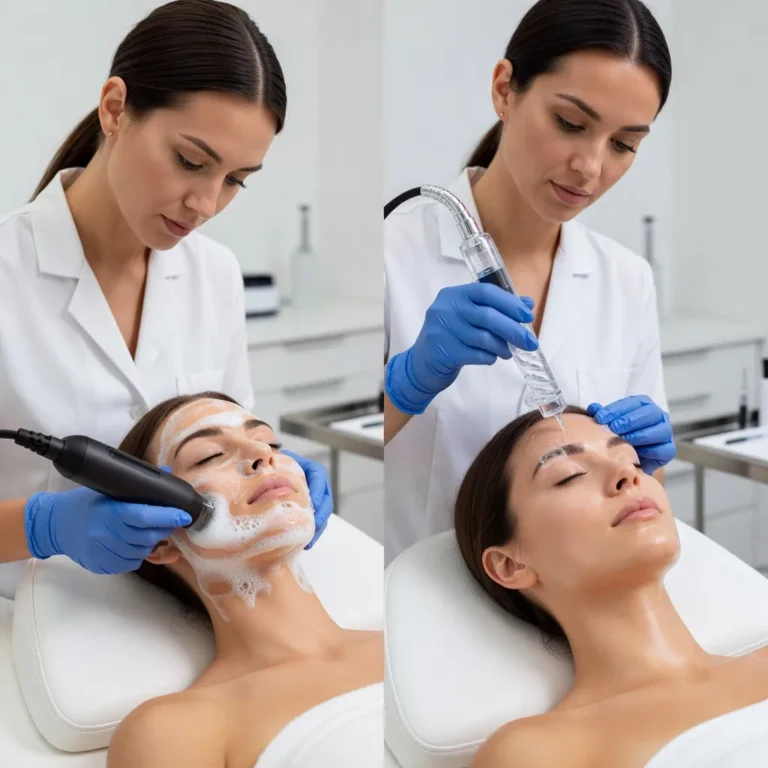
How Long After Botox Can You Get a Facial?
How long after Botox can you get a facial is one of the most commonly asked, and most inconsistently answered, questions in aesthetic medicine.
Part of our guide to facial treatments. Start with: What Is the Best Anti-Aging Facial Treatment? Options Compared by Goal
The migration concern behind the standard waiting period is mechanistically real, but a 2025 retrospective study of 5,000 patients found skipping traditional restrictive aftercare entirely didn’t raise complication rates or cause a single case of eyelid drooping. Botox’s own FDA label states there are no confirmed reports of distant toxin spread from cosmetic dermatologic use at labeled doses.
What matters more than counting days is the type of treatment: deep-pressure massage carries more theoretical risk than a light, non-massage facial, and chemical peels raise a separate concern entirely from toxin migration.
This guide covers what the actual evidence supports, a practical timeline most injectors use, and exactly when to call your injector instead of guessing.
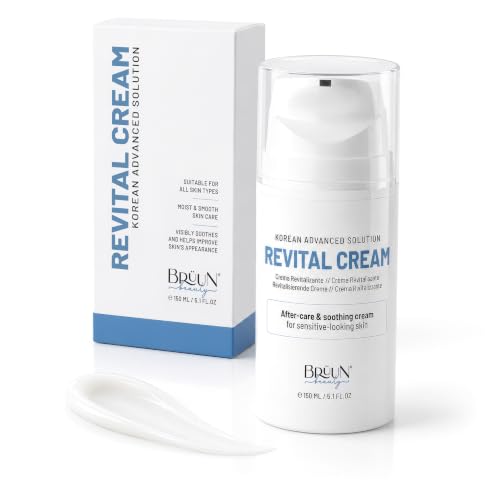
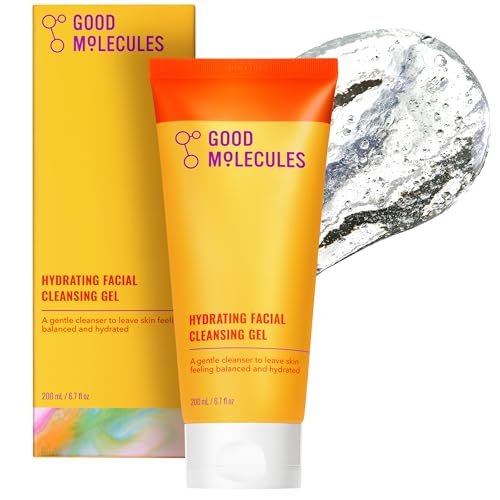
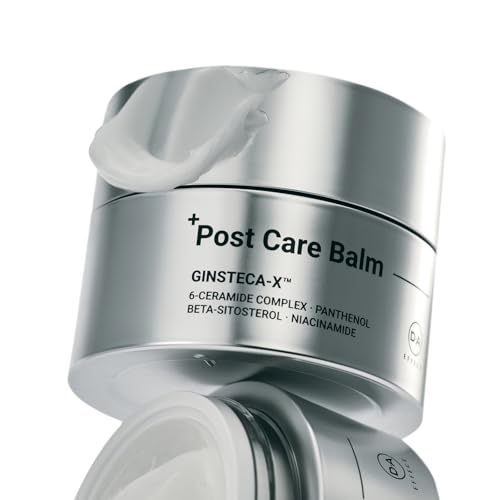
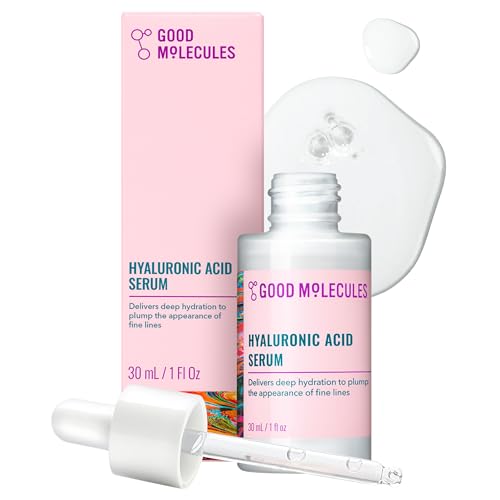
Recommended Gentle Post-Botox Skincare Products



Why Timing Matters at All
Botulinum toxin (Botox, Dysport, Xeomin) doesn’t work the instant it’s injected. It has to diffuse a short distance from the injection depot and then bind irreversibly to specific proteins at the nerve-muscle junction called SNARE proteins. Once that binding happens, the toxin is locked in place and cannot move anywhere else. The entire “wait before you get a facial” concern exists because, in the window before binding is complete, physical pressure or vigorous massage over the treated area could theoretically push some unbound toxin into a nearby muscle it wasn’t meant to reach — most famously, toxin meant for forehead lines migrating downward into the muscle that lifts the eyelid, causing temporary drooping.
Shopping these picks?
Amazon Prime members get fast, free shipping on eligible items, plus Prime Video, Amazon Music and member deals. New members can start with a free trial.
Start a free Prime trialAged 18 to 24? Prime for Young Adults comes with a longer free trial and a lower price after it.
Affiliate link: we may earn a commission at no extra cost to you.
The Short Version
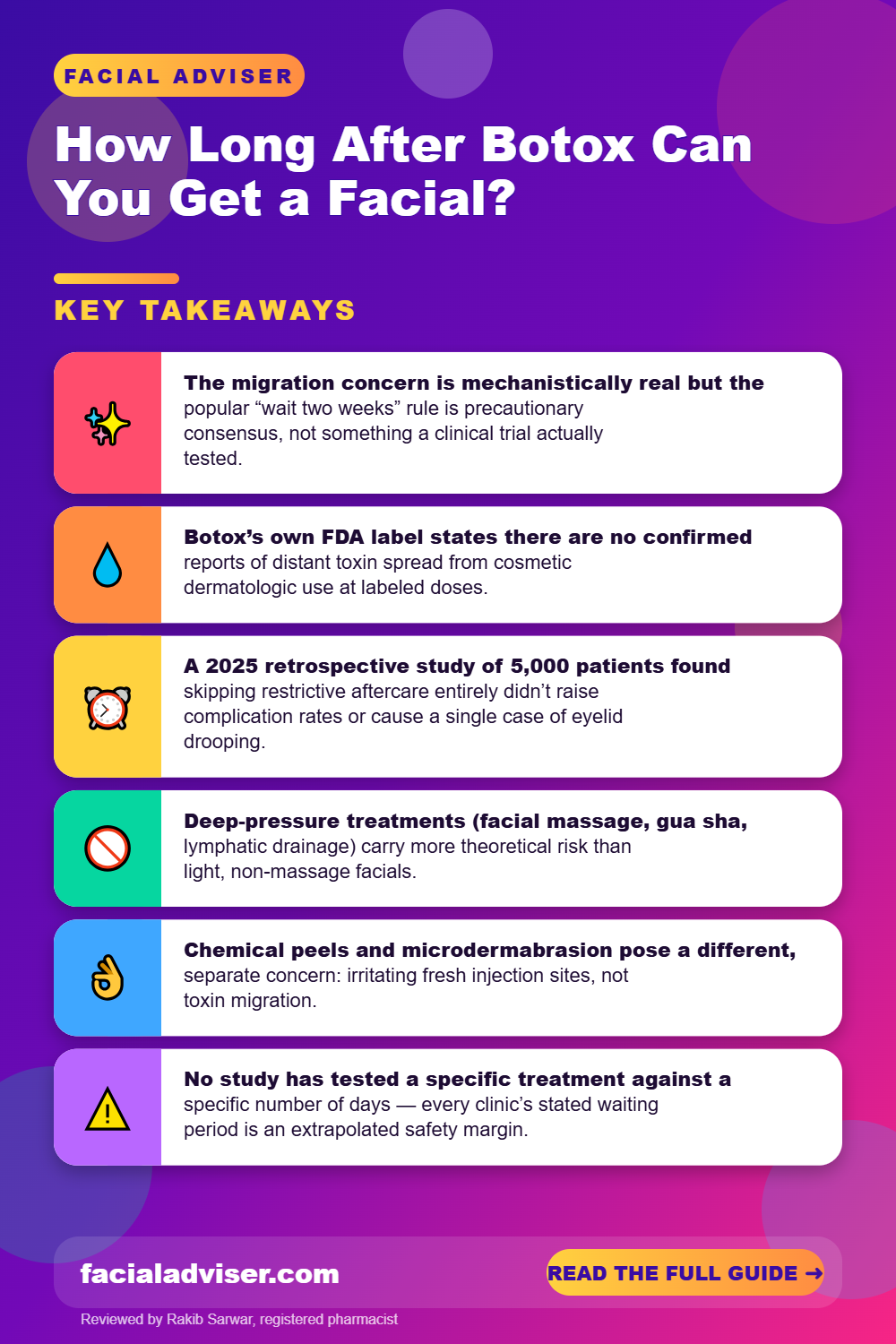
- The migration concern is mechanistically real but the popular “wait two weeks” rule is precautionary consensus, not something a clinical trial actually tested.
- Botox’s own FDA label states there are no confirmed reports of distant toxin spread from cosmetic dermatologic use at labeled doses.
- A 2025 retrospective study of 5,000 patients found skipping restrictive aftercare entirely didn’t raise complication rates or cause a single case of eyelid drooping.
- Deep-pressure treatments (facial massage, gua sha, lymphatic drainage) carry more theoretical risk than light, non-massage facials.
- Chemical peels and microdermabrasion pose a different, separate concern: irritating fresh injection sites, not toxin migration.
- No study has tested a specific treatment against a specific number of days — every clinic’s stated waiting period is an extrapolated safety margin.
In This Guide
- Why Timing Matters at All
- What the Research Actually Shows
- What the FDA Label Actually Says
- Treatment Type Matters More Than a Fixed Number of Days
- A Practical Timeline
- How to Approach the First Post-Botox Facial
- Where Peels and Microdermabrasion Fit In
- Why Injectors Still Disagree
- Who Should Be Extra Cautious
- When to Call Your Injector Instead
- A One-Minute Check Before Booking
- Where the Evidence Runs Out
- Frequently Asked Questions
What the Research Actually Shows
The foundational reference on this topic is a 2013 review in Movement Disorders that carefully distinguishes two different phenomena people lump together as “spreading.” Diffusion is local spread away from the injection site, and it’s dose-, volume-, and dilution-dependent — a known, expected, generally harmless part of how the toxin distributes near where it was placed. Migration is distant spread to an unrelated muscle group, and the review notes this is rare and reported almost entirely with the much higher doses used for medical conditions like spasticity or dystonia, not the small cosmetic doses used in a forehead or crow’s-feet treatment.
The most useful real-world data point actually undermines the strict-avoidance instructions many clinics still hand out. A 2025 retrospective study published in Toxins followed just over 5,000 patients across six centers who received upper-face Botox, with about 4,000 completing follow-up. These patients were given only ten minutes of observation after injection, then sent on with their day — no restriction on lying down, facial expressions, or exercise. The overall complication rate was 6%, almost entirely mild bruising and temporary headache. Zero patients developed upper eyelid drooping, the specific complication the traditional “don’t lie down, don’t rub your face” rules are meant to prevent. The authors compared this to older literature reporting complication rates as high as 16% under the traditional restrictive protocols, and concluded that skipping extended aftercare instructions didn’t appear to hurt outcomes or satisfaction — while still calling for a proper randomized trial to confirm it.
A separate 2023 survey of injectors found wide, genuine disagreement in what practitioners themselves recommend for aftercare — some say 24 hours, some say two weeks, with little consistency. That variability is itself evidence that the guidance is a cautious tradition passed between practitioners, not a single number established by data.
What the FDA Label Actually Says
Botox’s own prescribing information carries a boxed warning stating effects “may spread from the area of injection,” with symptoms reported hours to weeks later. It’s worth reading that warning precisely, though: the same label explicitly states there are no definitive serious adverse event reports of distant spread of toxin effect associated with dermatologic (cosmetic) use of Botox at the labeled dose. The boxed warning exists primarily because of the much higher doses used to treat spasticity and other medical conditions, where confirmed distant-spread cases have occurred — not because of confirmed cases from a standard cosmetic forehead or crow’s-feet treatment.
Treatment Type Matters More Than a Fixed Number of Days
Because no study isolates a specific facial treatment as a tested migration risk, the more useful way to think about timing is by what a given treatment actually does to the treated muscle, rather than by counting days on a calendar.
| Treatment type | What it does to the area | Theoretical concern |
|---|---|---|
| Deep facial massage, gua sha, lymphatic drainage | Applies sustained mechanical pressure directly over the muscle | Could theoretically push unbound toxin into an adjacent muscle before binding completes |
| Light/express facial (cleansing, light massage, LED) | Minimal to no sustained pressure on the muscle bed | Far lower theoretical concern; most injectors consider this acceptable sooner |
| Chemical peel or microdermabrasion | Chemically or mechanically irritates the skin surface, increases local blood flow | Different risk entirely: irritation at a fresh injection site and theoretical increased local diffusion via heat/vasodilation, not muscle-to-muscle migration |
| Microcurrent with firm pressure | Combines electrical stimulation with hands-on pressure | Similar mechanical-pressure concern as massage, plus an untested electrical-stimulation variable |
A Practical Timeline
Most injectors settle on a middle-ground timeline that respects the biology without over-restricting patients for weeks on end.
| Timeframe | What’s generally considered acceptable |
|---|---|
| First 4 hours | Avoid lying flat, bending over, or touching the treated area at all |
| First 24-48 hours | Avoid any facial treatment involving pressure, massage, or heat; avoid exercise that causes flushing |
| Days 3-13 | Light, non-massage facials (cleansing, LED, superficial hydration) are typically fine per most injectors; deep massage and peels are still generally deferred |
| Day 14 onward | Toxin binding is essentially complete; most injectors clear patients for any facial treatment, including massage and peels |
How to Approach the First Post-Botox Facial
Confirm the injection site with your injector
Ask specifically which muscles were treated, since the migration concern is localized to the treated area, not your whole face.Choose the treatment type deliberately
Pick a light, non-massage facial for the first two weeks rather than assuming any “facial” is equally safe.Tell the esthetician what you had done and when
A qualified esthetician will adjust pressure and avoid the treated zone if you disclose recent Botox.Save deep massage and peels for after day 14
By two weeks, binding is essentially complete and the theoretical migration concern has passed.
Where Peels and Microdermabrasion Fit In
This timing question is specific to neurotoxin, and shouldn’t be assumed to apply identically to filler, which carries a different displacement risk covered in how facial fillers and Botox actually differ. It’s also worth separating chemical peels and microdermabrasion from the massage-based migration concern entirely, because they raise a different issue. Both increase local blood flow and can irritate skin that’s already had needles through it days earlier. That’s a real but separate concern from toxin migration — it’s about compounding local inflammation and theoretically increasing diffusion at the injection site through heat and vasodilation, not about mechanically pushing toxin into another muscle. Most injectors still recommend waiting at least a week for either, less out of migration concern and more to avoid stacking two forms of local skin stress on top of each other.
Why Injectors Still Disagree
Given that the science doesn’t point to one specific number, it’s not surprising that practitioners genuinely disagree, as the 2023 survey found. Some of the variation reflects genuine differences in injection technique and dose; some reflects institutional caution carried forward from an era before the newer safety data existed; and some is simply liability-driven — a longer waiting period is a safer instruction to give even without data proving it’s necessary. None of this means the guidance is arbitrary or wrong, just that it’s built on caution and biological plausibility rather than a specific measured threshold.
Who Should Be Extra Cautious
Anyone who received a higher-than-typical cosmetic dose, anyone being treated near the eye area specifically (where migration to the eyelid-lifting muscle is the classic concern), and anyone with a history of any prior asymmetry or ptosis after treatment should lean toward the longer end of the waiting window and discuss their specific case directly with their injector rather than following generic online advice. If you’re still noticing unexpected asymmetry weeks after treatment regardless of facial timing, that’s a separate question worth reading about in why some crow’s feet persist after Botox.
Do
- Ask your injector which specific muscles were treated
- Choose light, pressure-free facials for the first two weeks
- Disclose recent Botox to any esthetician before a session
Don’t
- Book a deep-tissue or lymphatic-drainage facial in the first 48 hours
- Assume “facial” means the same low risk regardless of technique
- Ignore any new drooping or asymmetry, however minor it seems
When to Call Your Injector Instead
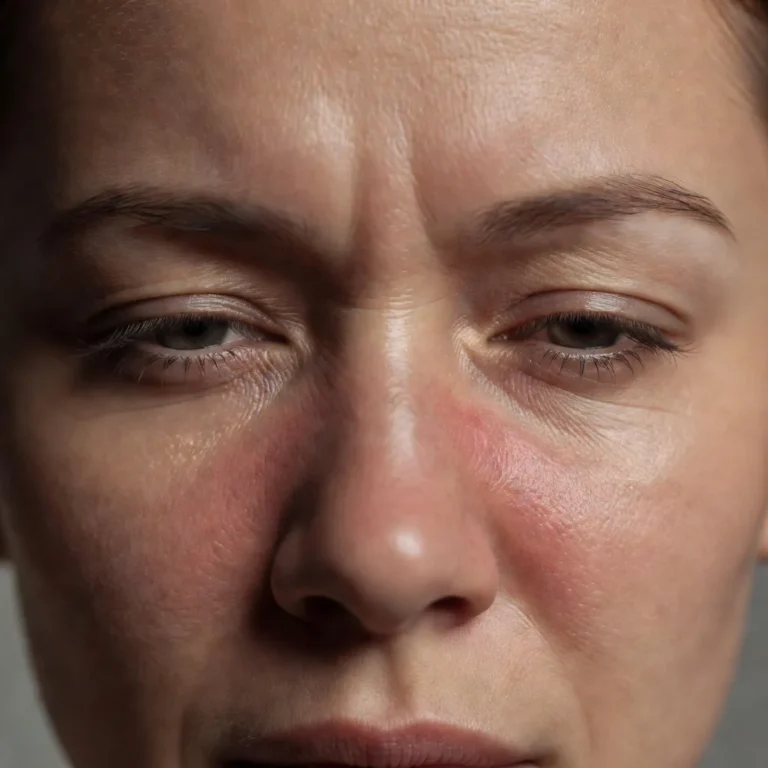
This article is educational and isn’t a substitute for guidance from the provider who actually treated you. Contact your injector directly, rather than relying on generic timing rules, if you notice any drooping, asymmetry, difficulty closing an eye, or a facial reaction that feels different from your prior experiences with the treatment.
A One-Minute Check Before Booking
Before booking any facial in the two weeks after Botox, ask yourself: is this a light, low-pressure treatment, or does it involve massage, suction, heat, or an active acid? Was I treated near my eyes or forehead specifically? Has it been less than 48 hours? A “yes” to the second question plus a “yes” to the third is the combination most injectors would flag — in that case, call your provider before booking rather than guessing.
Where the Evidence Runs Out
Be clear about what’s actually known here: no clinical trial has tested a specific facial treatment against toxin migration outcomes at specific time points, so any number you’re given — including the ones in this article — is a reasoned safety margin, not a measured result. The 5,000-patient study is real and reassuring, but it’s retrospective and uncontrolled, without a comparison group receiving facials at various intervals. Until that specific trial exists, the honest answer is: the biology supports caution in the first 48 hours and increasing confidence by two weeks, without a single number proven correct for every treatment type.
Frequently Asked Questions
How long should I really wait before a facial after Botox?
Most injectors suggest at least 24-48 hours for any facial, and two weeks specifically for deep massage, peels, or microdermabrasion, though no trial has tested this exact question directly.
Can a facial actually move my Botox to the wrong muscle?
It’s a real theoretical concern in the window before the toxin binds, driven mainly by direct pressure or massage over the treated muscle, not a confirmed outcome from cosmetic-dose studies.
Is a light facial safer than a deep-tissue one after Botox?
Yes, based on mechanism — less direct pressure on the treated muscle means less theoretical migration risk, even though neither has been directly tested in a trial.
Does the FDA say facials are dangerous after Botox?
No. The FDA label’s boxed warning is driven by higher medical (not cosmetic) doses, and it explicitly states there are no confirmed distant-spread reports from cosmetic dermatologic use at labeled doses.
Can I get a chemical peel right after Botox?
Most injectors suggest waiting about a week, mainly to avoid compounding irritation and inflammation at the injection sites, a separate concern from muscle migration.
What symptoms mean something actually went wrong?
Eyelid drooping, brow asymmetry, or trouble closing one eye are the specific signs to watch for, and they warrant a call to your injector regardless of the cause.
Does massaging my face always risk moving the toxin?
The concern is time-limited to before binding completes, generally understood to be substantially done within about two weeks, after which mechanical pressure carries essentially no migration risk.
Why do different clinics give different waiting times?
Because no single trial has established one correct number, so practitioners extrapolate from the same underlying biology with varying degrees of caution.
Is it fine to get a facial the same day as my Botox appointment?
Most injectors advise against it, preferring you avoid any pressure or heat on the treated area for at least the rest of that day.
Does this caution apply to filler too?
Filler carries a different set of concerns (displacement of the product itself rather than toxin migration), so timing advice for filler shouldn’t be assumed to be identical.

Written by
Registered pharmacist and founder of Facial Adviser. Rakib's pharmacy training covers how skincare actives work and interact; a later course in cosmetology turned that into a focus on facial treatments and skincare products. He plans, researches and edits every guide on the site and checks health claims against sources such as the American Academy of Dermatology, the FDA and the NIH. He is not a dermatologist; see the Editorial Policy and Medical Disclaimer.
About · Editorial policy · How we choose products · Medical disclaimer · Contact
Keep reading: Anti-aging facials and treatments
- What Is the Best Anti-Aging Facial Treatment? Options Compared by Goal
- Acupuncture Facial: What the Evidence Shows
- Mesotherapy Facial: What the Evidence Shows
- Anti-Aging Facial: What the Evidence Shows
- Facial Harmonization: What It Actually Is
- Facial Fat Grafting Cost: What You'll Really Pay
- Is Hydrafacial a Gimmick? What Evidence Shows
- Ultimate Guide Microdermabrasion: What to Know