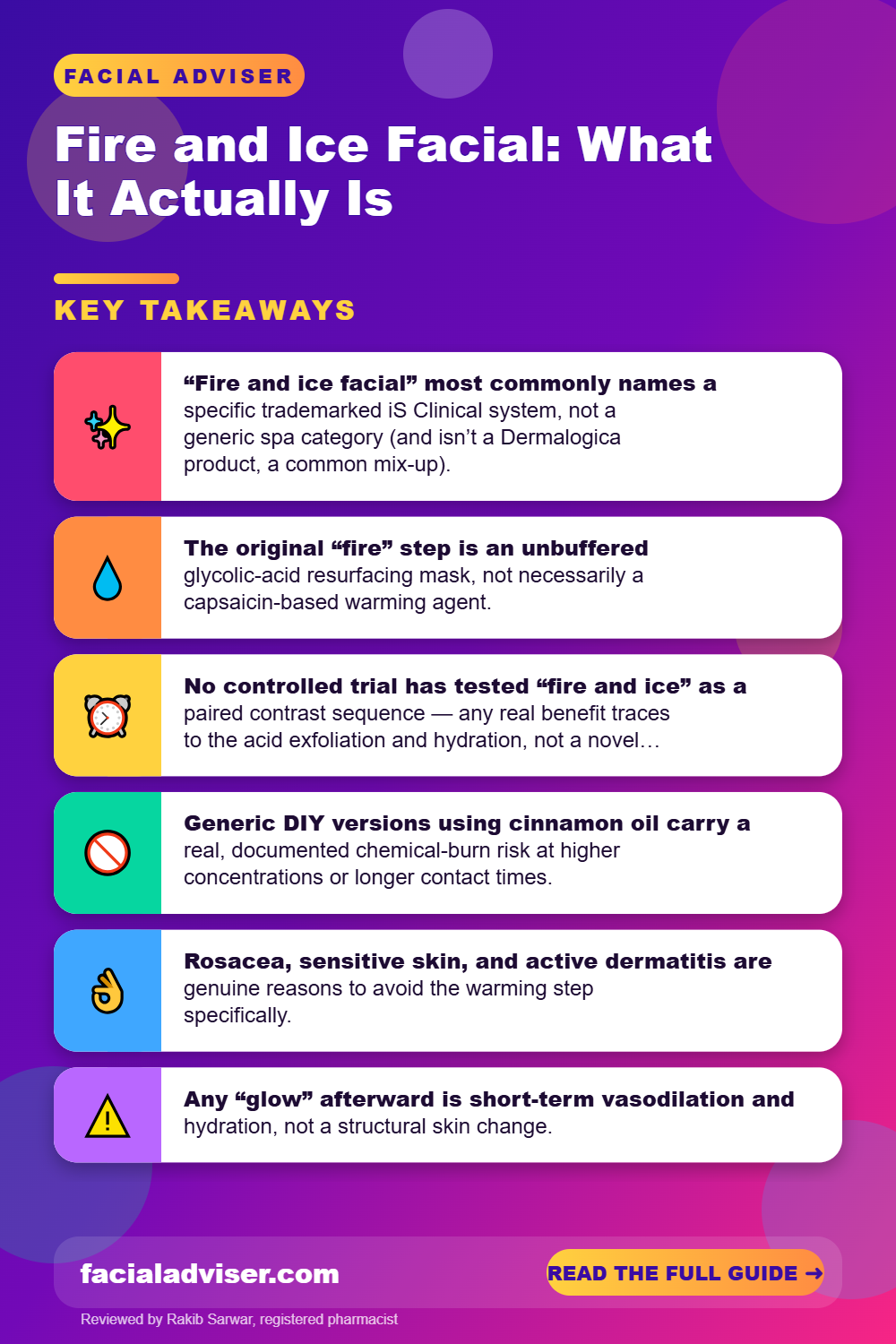
Fire and Ice Facial: What It Actually Is
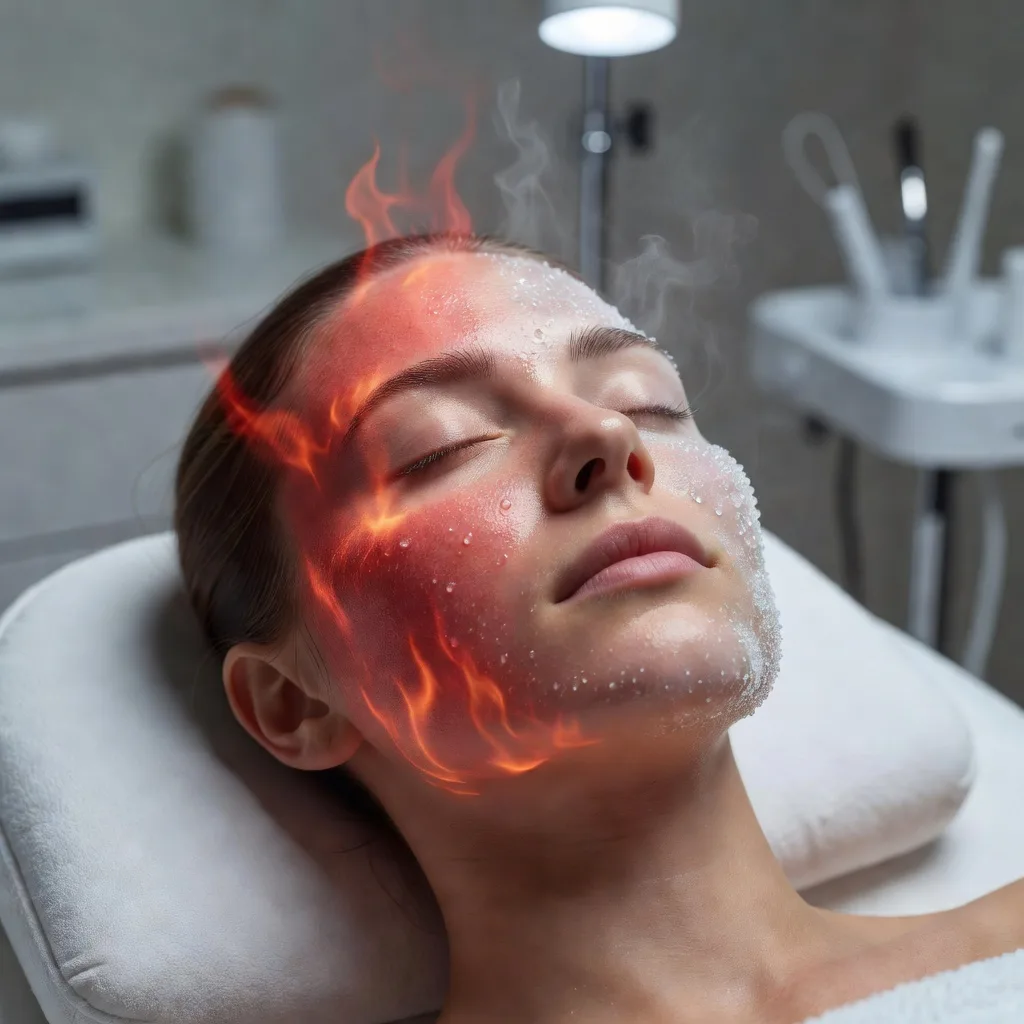
A fire and ice facial most often refers to a specific trademarked iS Clinical two-step system, though the name has since been borrowed generically by spas offering their own warming-then-cooling treatments.
Part of our guide to facials: what to expect. Start with: How Often Should You Get a Professional Facial? A Guide by Skin Type and Goal
The original “fire” step is an 18% unbuffered glycolic-acid resurfacing mask, not necessarily a capsaicin-based warming agent, while generic DIY versions often use cinnamon bark oil instead — an ingredient with a documented real chemical-burn case report at higher exposure levels. No controlled trial has tested the paired fire-then-ice sequence itself as a combined protocol.
Any real benefit traces back to acid exfoliation and short-term hydration, not a novel contrast-therapy mechanism, and rosacea or sensitive skin are genuine reasons to approach the warming step with caution.
This guide covers the real formula behind the trademarked version, the generic DIY risks, and how to patch test before your first session.
Recommended Cooling Tools and Soothing Aftercare

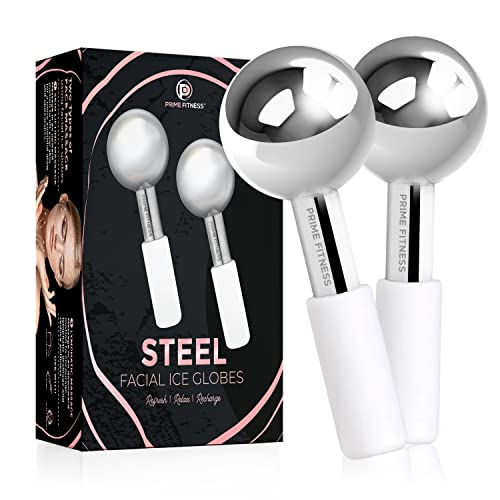
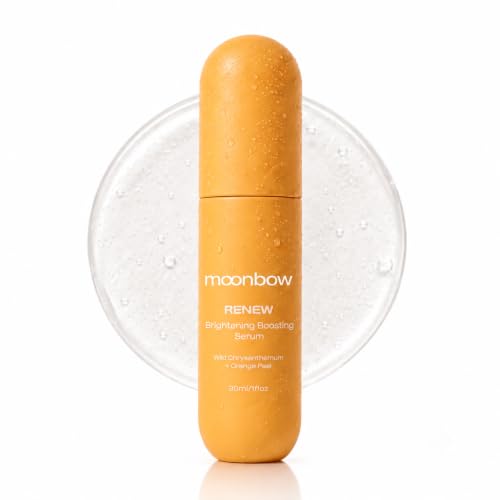
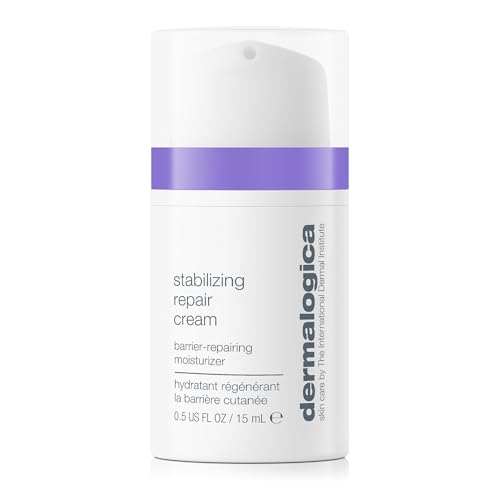


What a Fire and Ice Facial Actually Is
“Fire and ice facial” most often refers to a specific trademarked two-step system by iS Clinical, though the name has since been borrowed generically by spas offering their own warming-then-cooling treatments. The original iS Clinical version pairs an “Intensive Resurfacing Masque” (the “fire” step — an 18% unbuffered glycolic acid blend with lactic, citric, and malic acids, plus retinol and niacinamide, which produces a warming, tingling sensation and a cinnamon scent) with a “Rejuvenative Masque” (the “ice” step — hyaluronic acid, aloe vera, green tea, and licorice extract, designed to cool and calm). Generic or DIY versions people search for often use something different and higher-risk: a capsaicin- or cinnamon-oil-based warming mask paired with a cooling clay or menthol product, rather than the acid-based original.
Shopping these picks?
Amazon Prime members get fast, free shipping on eligible items, plus Prime Video, Amazon Music and member deals. New members can start with a free trial.
Start a free Prime trialAged 18 to 24? Prime for Young Adults comes with a longer free trial and a lower price after it.
Affiliate link: we may earn a commission at no extra cost to you.
Key Points
- “Fire and ice facial” most commonly names a specific trademarked iS Clinical system, not a generic spa category (and isn’t a Dermalogica product, a common mix-up).
- The original “fire” step is an unbuffered glycolic-acid resurfacing mask, not necessarily a capsaicin-based warming agent.
- No controlled trial has tested “fire and ice” as a paired contrast sequence — any real benefit traces to the acid exfoliation and hydration, not a novel warming-cooling mechanism.
- Generic DIY versions using cinnamon oil carry a real, documented chemical-burn risk at higher concentrations or longer contact times.
- Rosacea, sensitive skin, and active dermatitis are genuine reasons to avoid the warming step specifically.
- Any “glow” afterward is short-term vasodilation and hydration, not a structural skin change.
Jump To
- What a Fire and Ice Facial Actually Is
- The Real Mechanism Behind Fire and Ice
- What the Evidence Actually Supports
- Trademarked System vs. Generic DIY Version
- The Cinnamon Oil Risk, Specifically
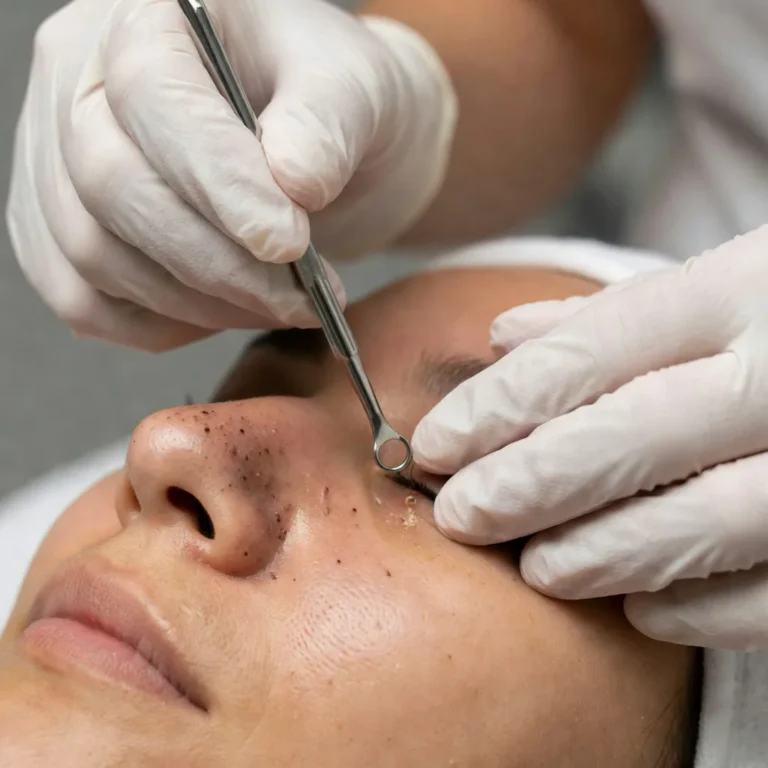
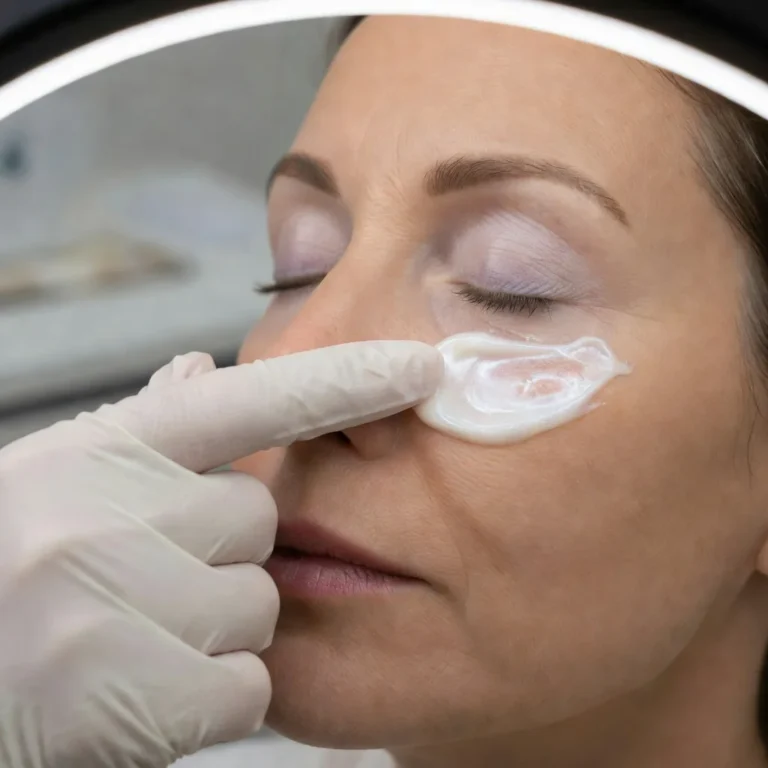
- What a Session Typically Involves
- Who Tends to Like This Treatment
- Who Should Skip It
- When to See a Dermatologist Instead
- A One-Minute Patch Test First
- Cost and Where It’s Typically Offered
- Where the Marketing Outruns the Evidence
- Frequently Asked Questions
The Real Mechanism Behind Fire and Ice
For a direct look at how this compares to a purely mechanical option, see our separate piece on fire and ice facial vs. microdermabrasion. The “fire” phase itself works through real, well-understood chemistry and physiology: an acid-based resurfacing product (or, in DIY versions, a capsaicin or cinnamon-oil warming agent) increases local blood flow and, in the acid version, chemically exfoliates the stratum corneum. That combination of vasodilation and desquamation is what produces the warming sensation and the immediate smoother texture. The “ice” phase does the opposite: a cooling, hydrating mask constricts blood vessels, calms the stinging from the first step, and locks in humectants like hyaluronic acid. Both halves are physiologically real on their own. What’s not established is that alternating between them in sequence produces some additional benefit beyond what either step delivers by itself.
What the Evidence Actually Supports
Here’s the honest gap: there is no dedicated clinical trial evaluating “fire and ice” as a paired contrast-therapy sequence for skin. This is a spa-marketing construct built from two components that each have their own, separate evidence bases (glycolic acid exfoliation is well studied; humectant/anti-inflammatory hydrating masks are well studied), not a treatment that’s been tested as a combined protocol. Any measurable improvement in texture or “glow” is attributable to the acid-exfoliation component doing what acids reliably do — remove dead surface cells and temporarily increase blood flow — plus the short-term hydration from the cooling step. There’s no evidence supporting claims sometimes attached to this treatment about lasting circulation improvement, detoxification, or structural collagen change from a single session.
Trademarked System vs. Generic DIY Version
| Feature | iS Clinical (trademarked original) | Generic/DIY spa version |
|---|---|---|
| “Fire” ingredient | 18% unbuffered glycolic acid + lactic/citric/malic acids, retinol, niacinamide | Often capsaicin or cinnamon bark oil as the warming agent |
| “Ice” ingredient | Hyaluronic acid, aloe vera, green tea, licorice, grapeseed extract | Cooling clay, menthol, or aloe-based gel, formulation varies widely |
| Formulation oversight | Standardized, professionally formulated and pH-buffered | Highly variable; concentration and purity not standardized |
| Documented burn risk | Low at labeled use; standard AHA irritation profile | Higher — undiluted cinnamon oil has a documented chemical-burn case report |
The Cinnamon Oil Risk, Specifically
Cinnamon bark oil, a common “fire” ingredient in generic warming masks, is composed of roughly 80% cinnamaldehyde along with cinnamic acid and eugenol — all known skin irritants and sensitizers at higher concentrations. A 2017 case report in the journal Eplasty documented a real chemical burn: a woman developed superficial partial-thickness burns over 8% of her body surface area after about two hours of skin contact with undiluted cinnamon bark oil. Separate case reports have also documented cinnamon as a genuine contact allergen, not just an irritant, meaning some people can react to properly diluted concentrations too. This is a real, underused safety point specifically relevant to DIY or lower-quality “fire” masks that use cinnamon oil rather than a professionally formulated, pH-buffered acid product.
| Common “fire” ingredient | Real concern |
|---|---|
| Unbuffered glycolic acid (professional formula) | Standard AHA irritation risk — manageable with correct concentration and timing |
| Cinnamon bark oil, undiluted or high-concentration | Documented chemical burns and contact allergy at higher exposure levels |
| Capsaicin-based warming agents | Intense but typically transient stinging; genuine risk on already-compromised or sensitive skin |
What a Session Typically Involves
Cleanse
Skin is cleansed to remove makeup and surface oil before either mask is applied.Apply the “fire” step
The warming acid or capsaicin-based mask goes on first and is left for a set time, usually several minutes, producing warmth and tingling.Remove and neutralize
The fire step is removed (or neutralized, in the acid version) before the cooling step begins.Apply the “ice” step
A cooling, hydrating mask follows immediately, calming any residual stinging and locking in moisture.
Who Tends to Like This Treatment
People with normal, resilient, non-sensitive skin who want an immediate, dramatic-feeling sensory experience and a short-term texture and hydration boost tend to report the most satisfaction with this treatment. It’s frequently marketed as a pre-event “instant glow” service rather than a long-term skincare strategy, and that framing is honest — the effect is real but temporary. If you’re deciding between this and a more standard exfoliation option, our separate skin peel facial depth guide covers how a plain professional peel compares.
Do
- Ask exactly what’s in the “fire” step before booking, especially if you have sensitive skin
- Request a patch test if you’ve never tried an acid- or capsaicin-based product before
- Follow with SPF, since freshly exfoliated skin is more sun-sensitive
Don’t
- Try an undiluted DIY cinnamon-oil version at home without real dilution guidance
- Book this if you’re currently flaring with rosacea or active dermatitis
- Expect lasting circulation or collagen benefits from a single session
Who Should Skip It
Rosacea, active eczema or dermatitis flares, sunburned skin, and very reactive or thin skin are genuine reasons to avoid the warming step specifically, since vasodilating ingredients (whether acid, capsaicin, or cinnamon oil) can trigger a real flare or, in more sensitive skin, an outright burn. People with a known fragrance or cinnamon allergy should specifically ask what’s in the “fire” formula before booking, since cinnamon-derived ingredients are common in generic versions.
When to See a Dermatologist Instead
This is a cosmetic, surface-level treatment, not a substitute for medical evaluation of a skin condition. See a board-certified dermatologist rather than booking this facial if you have diagnosed rosacea that isn’t well controlled, a current dermatitis flare, or any skin reaction that doesn’t resolve within a day or two of a treatment like this.
A One-Minute Patch Test First
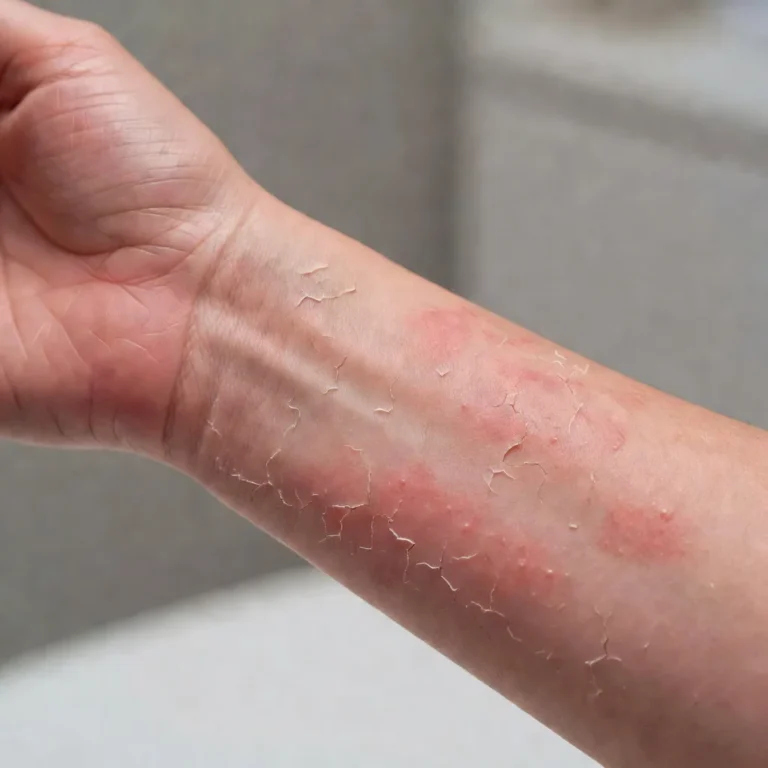
Before your first session, or before trying any DIY version at home, apply a small amount of the “fire” product to the inner forearm and wait 24-48 hours. Look for redness that doesn’t fade within an hour, blistering, or intense burning rather than mild warming. Any of those is a genuine reason to skip the facial-strength application entirely, not a minor detail to shrug off.
Cost and Where It’s Typically Offered
Fire and ice facials are typically offered as an add-on or a standalone service at med spas and dermatology-adjacent skincare clinics rather than at basic nail-salon-style spas, since the acid-based “fire” step usually requires a trained esthetician to select and time correctly for a given skin type. Pricing generally sits in a similar range to a standard professional chemical peel, reflecting that the core active ingredient doing the real work — the glycolic acid resurfacing step — is priced similarly to any other professional-strength AHA treatment. Generic or spa-branded versions using capsaicin or cinnamon-oil warming agents instead of the trademarked acid-based formula may be priced differently, and it’s reasonable to ask directly which formulation a given spa is actually using before booking, given the real formulation differences covered above.
Where the Marketing Outruns the Evidence
Be clear-eyed about what this treatment can’t do: there’s no trial showing the fire-then-ice sequence outperforms a standalone AHA peel or a standalone hydrating mask, no evidence for detox or lasting circulation claims, and no evidence of structural or collagen-level change from a single session. What you’re paying for is a real, immediate sensory experience and a short-term exfoliation-plus-hydration effect — an honest, still-worthwhile result, just not the dramatic anti-aging transformation some marketing implies.
Frequently Asked Questions
Is “fire and ice facial” a specific brand or a generic treatment type?
It most often refers to a trademarked iS Clinical system, though many spas have since created their own generic versions using different ingredients.
Does the “fire” step always use capsaicin?
No. The original trademarked version uses unbuffered glycolic acid, not capsaicin — capsaicin or cinnamon oil versions are typically found in generic or DIY recipes.
Is this treatment backed by clinical research?
Not as a paired sequence. The individual components (AHA exfoliation, hydrating masks) are well studied on their own, but no trial has tested “fire and ice” together as a combined protocol.
Can a fire and ice facial burn my skin?
It’s possible, particularly with DIY versions using undiluted cinnamon oil, which has a documented case report of causing real chemical burns.
Is this treatment safe for rosacea?
Generally not recommended during an active flare, since vasodilating “fire” ingredients can trigger a genuine flare-up.
How long does the glow last?
Typically a day or two, since the effect is largely short-term vasodilation and hydration rather than a structural skin change.
Is Dermalogica the brand behind this facial?
No — the trademarked “Fire and Ice” system is an iS Clinical product line, a common misattribution worth correcting.
What should I do if my skin stings more than expected?
Ask the esthetician to remove the “fire” step early and move straight to the cooling mask; persistent stinging beyond the session is a reason to avoid the treatment in future.
Can I do a version of this at home safely?
Yes, but stick to properly diluted, commercially formulated products rather than undiluted essential oils like cinnamon bark oil, and always patch test first.
Does this facial help with acne?
Any benefit would come from the acid-exfoliation component, similar to a standard AHA treatment, not from the fire-ice contrast itself, which has no dedicated acne research behind it.

Written by
Registered pharmacist and founder of Facial Adviser. Rakib's pharmacy training covers how skincare actives work and interact; a later course in cosmetology turned that into a focus on facial treatments and skincare products. He plans, researches and edits every guide on the site and checks health claims against sources such as the American Academy of Dermatology, the FDA and the NIH. He is not a dermatologist; see the Editorial Policy and Medical Disclaimer.
About · Editorial policy · How we choose products · Medical disclaimer · Contact
Keep reading: Facials: what to expect