10 Best Facial Moisturisers for Very Dry Skin (2026): Lasting Comfort
Very dry facial skin feels tight, rough and sometimes itchy, and it can flake around the nose, eyebrows and mouth even after you have applied cream. Often the problem is not that you are not moisturising, but that the formula is too light. This list covers 10 options, from rich ceramide creams to large barrier-repair tubs, with notes on who each one suits.
Part of our guide to skincare products. Start with: 10 Best Facial Moisturizers for Dry Skin (2026): Rich, Gentle Creams
The best facial moisturiser for very dry skin is a rich cream or balm that combines three kinds of ingredients: humectants such as glycerin, hyaluronic acid or urea that draw water in; emollients such as ceramides, squalane, shea butter or plant oils that smooth and fill gaps in the barrier; and occlusives such as petrolatum, dimethicone or lanolin that seal moisture in. Choose a fragrance-free cream rather than a light lotion or gel, and apply it to slightly damp skin straight after cleansing. For extremely dry patches, add a thin layer of an occlusive ointment on top at night.
In short: look for a thick, fragrance-free cream with ceramides, glycerin and a sealing ingredient, and apply it to damp skin.
The American Academy of Dermatology notes that ointments and creams are more effective than lotions for dry skin, and recommends applying moisturiser while skin is still damp and choosing ingredients such as petrolatum, glycerin, hyaluronic acid, shea butter and dimethicone.
Below you will find the ten picks, how we chose them, how each ingredient group works, which textures suit very dry skin, what to avoid and how to layer products for lasting comfort.
Shopping these picks?
Amazon Prime members get fast, free shipping on eligible items, plus Prime Video, Amazon Music and member deals. New members can start with a free trial.
Start a free Prime trialAged 18 to 24? Prime for Young Adults comes with a longer free trial and a lower price after it.
Affiliate link: we may earn a commission at no extra cost to you.
As an Amazon Associate we earn from qualifying purchases. This does not change which products we include.


On This Page
- The 10 Best Facial Moisturisers for Very Dry Skin Right Now
- How We Chose These Products
- Why Very Dry Skin Needs More Than a Light Cream
- Humectants, Emollients and Occlusives Explained
- Key Ingredients to Look For
- Cream, Balm, Lotion or Gel: Which Texture?
- What to Avoid in a Moisturiser for Very Dry Skin
- How to Apply Moisturiser for Very Dry Skin
- Layering for Extra Dry Days
- Very Dry Skin Dos and Don’ts
- Rebuilding a Damaged Moisture Barrier
- Honest Limits
- When to See a Dermatologist
- FAQ
- Where This Leaves You
What to Know First
- Biossance Squalane + Omega Repair Cream is our top pick for pairing ceramides, squalane and hyaluronic acid in one light-feeling cream.
- TULA 24-7 Moisture is the best everyday choice for sensitive, dry skin that dislikes heavy textures.
- bareMinerals Butter Drench is the richest pick for skin that needs a buttery, cushioning cream.
- Very dry skin needs humectants, emollients and occlusives working together.
- Creams and balms outperform lotions and gels for very dry skin.
- Apply moisturiser to damp skin within a few minutes of washing.
- Fragrance and drying alcohol are best avoided on a weakened barrier.
The 10 Best Facial Moisturisers for Very Dry Skin Right Now
These ten creams were shortlisted from widely reviewed Amazon listings and ranked by how well their stated ingredients match what very dry skin needs: humectants, barrier lipids and a richer texture. Each pick explains who it suits, its trade-offs and who should skip it.
| # | Product | Best For | Standout Feature | |
|---|---|---|---|---|
| 1 | Biossance Squalane + Omega Repair Cream | Very dry skin that dislikes greasy creams | Ceramides, squalane and omegas in one | View |
| 2 | TULA 24-7 Moisture Hydrating Day and Night Cream | Dry, sensitive skin wanting one daily cream | Gentle day and night cream with prebiotics | View |
| 3 | bareMinerals Butter Drench Rich Face Cream | Extremely dry, tight-feeling skin | Buttery, restorative rich cream | View |
| 4 | Farmacy Honey Halo Ceramide Moisturiser | Dry skin that also looks dull | Ceramides with buckwheat honey and propolis | View |
| 5 | First Aid Beauty Ultra Repair Cream | Dry, itchy skin on face and body | Colloidal oatmeal and ceramides, fragrance-free | View |
| 6 | Real Barrier Extreme Cream | Dry skin with a damaged barrier | Barrier-mimicking ceramide balm-cream | View |
| 7 | belif Moisturizing Bomb Ceramide Cream | Dry skin in milder weather | Peptide, ceramide and squalane, non-greasy | View |
| 8 | DIME Beauty Dewy Day Cream | Dry skin wanting a dewy daytime finish | Rosehip oil with ceramides for glow | View |
| 9 | Illiyoon Ceramide Ato Concentrate Cream | Families and very dry face and body | Big tub of ceramide concentrate cream | View |
| 10 | AESTURA Atobarrier365 Ceramide Cream | Reactive, very dry skin | Dermatology-style ceramide barrier cream | View |
Biossance Squalane + Omega Repair Cream

Best for: Very dry skin that dislikes greasy creams
The Biossance cream earns the top spot because its listing covers all three jobs a very dry face needs. Hyaluronic acid draws water in, while ceramides, lipids and omega fatty acids help refill the gaps in the barrier. Squalane, an emollient similar to the skin’s own oils, adds softness without the heavy film that some rich creams leave behind.
Its whipped texture absorbs quickly, which makes it easier to wear under sunscreen and makeup than the richer bareMinerals pick. The trade-off is that it is less occlusive than a balm, so on cracked or flaking patches you may still want a thin layer of ointment on top at night, as described in our layering section below.
- Biomimetic ceramides and lipids for the barrier
- Hyaluronic acid to help hold moisture
- Omega fatty acids and squalane for softness
- Light, whipped texture that sinks in quickly
Pros
- Covers humectants and emollients in one jar
- Comfortable under makeup and sunscreen
- Suits dry skin that feels clogged by thick creams
Cons
- Less sealing than a balm on cracked patches
- A small jar for the price bracket
Skip it if: Skip it if you want a very thick, cushioning cream; the bareMinerals Butter Drench is richer.
Check Price on AmazonTULA 24-7 Moisture Hydrating Day and Night Cream

Best for: Dry, sensitive skin wanting one daily cream
TULA positions this as a gentle cream for all skin types, including sensitive skin, and it is designed to be used morning and night after serum. It pairs hyaluronic acid with prebiotic extracts that the brand says support a resilient barrier, which makes it a reasonable choice for dry skin that reacts to heavier or more active formulas.
It is lighter than the Biossance and bareMinerals picks, so on its own it may not be enough for skin that flakes badly in winter. Many people with very dry skin will get the best result by pressing it into damp skin and adding an occlusive on the driest spots. The listing reminds you to follow with SPF in the morning.
- Suitable for sensitive skin, per the listing
- Hyaluronic acid for daily hydration
- Prebiotic extracts for barrier support
- Designed for both morning and evening use
Pros
- One cream for day and night
- Gentle positioning for reactive skin
- Layers easily under sunscreen
Cons
- Lighter than the richest picks here
- May need an extra sealing layer in winter
Skip it if: Skip it if your skin is cracked or severely flaky and you want a thick balm-like cream.
Check Price on AmazonbareMinerals Butter Drench Rich Face Cream

Best for: Extremely dry, tight-feeling skin
The bareMinerals Butter Drench is described as a restorative rich face cream for dry skin, and that is exactly who it suits: people whose faces feel tight within an hour of moisturising. A rich texture carries more lipids than a lotion or gel, which is what the AAD’s guidance points towards for very dry skin.
The listing gives little detail beyond its name and purpose, so check the full ingredient list for fragrance before buying if your skin is reactive. Compared with the Biossance top pick it is heavier, which is a plus at night or in cold weather but may feel too much on oily areas or under makeup.
- Rich, restorative face cream
- Formulated for dry skin
- Hydrating, buttery texture
- Suited to night or cold-weather use
Pros
- The most cushioning texture on the list
- Good for tight, winter-dry skin
- Simple one-step moisture
Cons
- Thin listing detail on ingredients
- May feel heavy on combination skin
Skip it if: Skip it if you have oily or acne-prone patches; the lighter belif or TULA creams are safer.
Check Price on AmazonFarmacy Honey Halo Ceramide Moisturiser
Best for: Dry skin that also looks dull
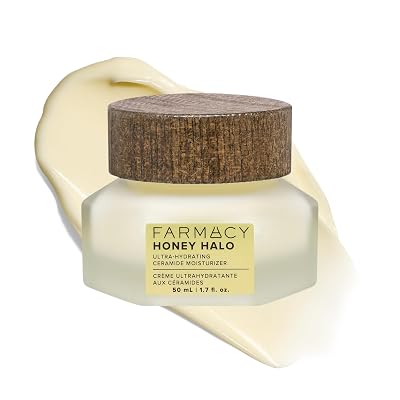
Farmacy’s Honey Halo is aimed squarely at dry, distressed skin and pairs a plant-based ceramide blend with buckwheat honey, propolis and royal jelly. Honey is a natural humectant, so on paper the formula fits the humectant-plus-emollient approach that works for very dry faces, while fig extract is included for smoother-looking texture.
It suits people who want a cream that feels a little more indulgent than the clinical ceramide picks such as AESTURA or Illiyoon. That said, anyone allergic to bee products should avoid it, because propolis and royal jelly are known sensitisers for some people. As with every cream here, patch test first if your skin is reactive.
- Plant-based ceramide blend
- Buckwheat honey, propolis and royal jelly
- Fig extract for smoother-looking skin
- Aimed at dry, distressed skin
Pros
- Humectant and barrier ingredients together
- Pleasant, cushioning feel
- Good step up from basic pharmacy creams
Cons
- Not for people allergic to bee products
- More botanical extracts than the simplest picks
Skip it if: Skip it if you react to propolis or honey; the fragrance-free First Aid Beauty cream is simpler.
Check Price on AmazonFirst Aid Beauty Ultra Repair Cream

Best for: Dry, itchy skin on face and body
First Aid Beauty’s Ultra Repair Cream is one of the most versatile picks because it is made for both face and body. Colloidal oatmeal is included to soothe dry, itchy skin, and ceramides support the barrier. The listing states it is free from fragrance, parabens and sulfates, which matters for very dry skin that stings easily.
Its whipped texture absorbs faster than you might expect from a rich cream, so it can be used in the morning as well as at night. It is less targeted at the face than the Biossance or Real Barrier picks, but if you want one cream for dry cheeks, hands and elbows it is the most practical choice here.
- Colloidal oatmeal and ceramides for dry skin
- Fragrance-free, paraben-free and sulfate-free
- Whipped, fast-absorbing texture
- Can be used on face and body
Pros
- Fragrance-free for reactive skin
- One tub covers face and body
- Absorbs without a greasy feel
Cons
- Not as rich as a true balm
- Less face-specific than some picks
Skip it if: Skip it if you want a dedicated, richer night cream for the face; Real Barrier or bareMinerals suit that better.
Check Price on AmazonReal Barrier Extreme Cream

Best for: Dry skin with a damaged barrier
Real Barrier’s Extreme Cream is built around the idea of mimicking the skin barrier’s own structure with ceramides, and adds hyaluronic acid for hydration. Its balm-cream texture is meant to melt on contact, which gives it more sealing power than the TULA or belif creams while still avoiding a sticky finish.
The listing says it has been tested as hypoallergenic and non-comedogenic, which makes it a sensible choice if your skin stings with most products or is recovering from over-exfoliation. Some of its speed claims are marketing, so judge it over two to three weeks rather than days, and pair it with the barrier-repair steps later in this guide.
- Ceramide formula modelled on the skin barrier
- Hyaluronic acid for added hydration
- Balm-cream texture that melts in
- Hypoallergenic and non-comedogenic tested
Pros
- Rich yet non-sticky texture
- Good for irritated, over-treated skin
- Suits sensitive and acne-prone dry skin
Cons
- Claims of fast repair are marketing
- Smaller brand with less listing history
Skip it if: Skip it if you prefer a very light cream in humid weather; the TULA pick feels lighter.
Check Price on Amazonbelif Moisturizing Bomb Ceramide Cream

Best for: Dry skin in milder weather
The belif Moisturizing Bomb is a daily cream that combines ceramides and squalane with peptides and a comfrey leaf botanical blend. It is pitched as lightweight and non-greasy, which makes it one of the easiest picks to wear during the day or under makeup, and a good fit for dry skin that dislikes thick textures.
That lighter feel is also its limit. For truly very dry or flaking skin, especially in winter, it will usually need to be paired with a sealing layer at night. Compared with the Biossance top pick, it leans more on botanical extracts, so check the full ingredient list for anything that has irritated your skin before.
- Ceramides and squalane for the barrier
- Peptides added to the formula
- Comfrey leaf botanical blend
- Lightweight, non-greasy daily texture
Pros
- Comfortable under makeup
- Pleasant for daytime use
- Good for dry skin with oilier zones
Cons
- May be too light for severe dryness
- More botanical extracts than clinical picks
Skip it if: Skip it if your skin cracks or flakes badly; choose a richer cream such as bareMinerals or Real Barrier.
Check Price on AmazonDIME Beauty Dewy Day Cream

Best for: Dry skin wanting a dewy daytime finish
DIME’s Dewy Day Cream is a hydrating face moisturiser built around rosehip oil and ceramides, and as the name suggests it is designed for daytime use with a dewy finish. Rosehip oil adds emollient softness, while ceramides support the barrier, so it suits dry skin that looks flat and dull in the morning.
The listing markets it as anti-ageing, but a moisturiser mainly makes lines look softer by hydrating skin rather than changing them. It does not replace sunscreen, so layer an SPF on top. It is less rich than the bareMinerals or Real Barrier picks, which makes it better for mornings than as your only cream at night.
- Hydrating daytime face moisturiser
- Rosehip oil for softness
- Ceramides for barrier support
- Dewy, glowy finish
Pros
- Gives dry skin a fresh, dewy look
- Easy to layer under sunscreen
- Combines oil and ceramides
Cons
- Anti-ageing claims are cosmetic only
- Not rich enough alone at night for very dry skin
Skip it if: Skip it if you dislike a dewy finish or have oily areas that shine easily.
Check Price on AmazonIlliyoon Ceramide Ato Concentrate Cream

Best for: Families and very dry face and body
Illiyoon’s Ceramide Ato Concentrate Cream is a ceramide cream sold here in a large 500ml size, which is the main thing that sets it apart from the rest of this list. Its name signals a concentrated ceramide formula for dry and sensitive skin, and the big tub makes it practical if several people in a household have dry skin or you want to use it generously on face and body.
Because the listing detail is thin, describe it by what it is rather than by claims: a simple ceramide cream. That simplicity is a strength for reactive, very dry skin. It lacks the extras of the Biossance or Farmacy creams, and a tub is less hygienic than a pump, so use clean hands or a spatula.
- Concentrated ceramide cream
- Aimed at dry and sensitive skin
- Large 500ml tub
- Suitable for face and body
Pros
- Simple, barrier-focused formula
- Lasts a long time
- Good for sharing across a household
Cons
- Tub packaging is less hygienic
- Thin listing detail
Skip it if: Skip it if you want a face-only cream with extra actives; the Biossance or Farmacy picks offer more.
Check Price on AmazonAESTURA Atobarrier365 Ceramide Cream

Best for: Reactive, very dry skin
AESTURA’s Atobarrier365 Cream is a ceramide barrier-repair cream sold in an 80ml size, and its listing frames it squarely around barrier repair rather than glow or anti-ageing. It is the most clinical-feeling pick on the list, which suits people with very dry skin who want a plain, barrier-focused cream rather than botanical extracts or a glowy finish.
The listing detail available to us is brief, so we describe it only as a ceramide barrier cream. It sits alongside Illiyoon as a simpler alternative to the premium Biossance and TULA creams. If you have eczema-prone skin, it is a sensible cream to discuss with your dermatologist, but it is not a treatment for eczema itself.
- Ceramide-based barrier repair cream
- 80ml size
- Simple, clinical-style formula
- Suited to dry, reactive skin
Pros
- Focused on the barrier basics
- Few distractions in the formula
- Easy to pair with prescribed treatments
Cons
- Brief listing detail
- Less rich than a balm on cracked patches
Skip it if: Skip it if you want a luxurious texture or a dewy finish; DIME or bareMinerals suit that better.
Check Price on AmazonHow We Chose These Products
We shortlisted facial moisturisers from Amazon listings that are highly rated by a large number of shoppers, favouring established skincare brands and fuller-featured creams that state barrier-supporting ingredients such as ceramides, squalane, glycerin or colloidal oatmeal. We then checked each product’s listed ingredients and claims against the dermatology guidance cited in this post, including the AAD’s advice on creams, damp-skin application and fragrance.
These are research-based picks, not hands-on lab tests. We did not measure hydration ourselves, so the ranking reflects listing detail, formula type and who each cream suits rather than personal results. We left out body-only lotions, creams built around retinol, and products that make medical claims about treating skin conditions.
- Strong ratings from a large number of shoppers
- Established brands and fuller-featured formulas preferred
- Listed ingredients checked against the cited dermatology guidance
- Face creams only; body lotions and retinol creams excluded
- Products with thin or unclear listings excluded or ranked lower
Why Very Dry Skin Needs More Than a Light Cream
The outer layer of your skin works like a brick wall. Skin cells are the bricks and a mix of lipids, including ceramides, cholesterol and fatty acids, is the mortar. When that mortar is thin or disrupted, water escapes more easily and irritants get in, which is what makes skin feel tight and look flaky.
Very dry skin can be caused by genetics, age, cold or dry weather, indoor heating, hot showers, harsh cleansers and some medications. A light, watery moisturiser adds a little hydration but rarely repairs the mortar or stops water escaping, so the relief fades within an hour or two.
That is why dermatologists usually recommend thicker creams for very dry skin. They carry more lipids and sealing ingredients, and they stay on the skin long enough to make a real difference. If indoor heating makes your dryness worse each winter, our guide to facial dryness due to indoor heating covers the environmental side.
Humectants, Emollients and Occlusives Explained
Every effective moisturiser for very dry skin combines three groups of ingredients. Knowing them makes ingredient lists much easier to read.
| Group | What it does | Common examples | Limit on its own |
|---|---|---|---|
| Humectants | Attract and hold water in the skin | Glycerin, hyaluronic acid, urea, panthenol, sodium PCA | Water can evaporate again without a seal |
| Emollients | Soften and fill gaps between skin cells | Ceramides, squalane, shea butter, plant oils, fatty alcohols | Some are too light alone for very dry skin |
| Occlusives | Form a film that slows water loss | Petrolatum, dimethicone, lanolin, mineral oil, beeswax | Add little water themselves; can feel heavy |
The best formulas for very dry skin contain all three. A cream that is mostly humectant, such as a watery hyaluronic acid gel, can even feel drier in low humidity because there is nothing to stop water leaving. A pure occlusive traps water but does not add much. Together they hydrate, repair and protect.
Hyaluronic acid is helpful, but it is not a complete moisturiser. On its own, especially in dry air, it can leave skin feeling tight. Always follow it with a cream that contains emollients and an occlusive.
Key Ingredients to Look For
You do not need all of these in one jar, but seeing several near the top of the ingredient list is a good sign.
| Ingredient | Why it helps very dry skin | Notes |
|---|---|---|
| Ceramides | Replace lipids in the barrier | Work best with cholesterol and fatty acids |
| Glycerin | Reliable, well-tolerated humectant | Found in most good moisturisers |
| Petrolatum | One of the most effective occlusives | Non-comedogenic for most people; best at night |
| Urea (low percentage) | Hydrates and softens rough, scaly skin | Higher strengths can sting on the face |
| Squalane | Light emollient similar to skin oils | Good for dry skin that dislikes heavy creams |
| Shea butter | Rich emollient | Can feel heavy on combination skin |
| Colloidal oatmeal | Soothes itch and irritation | Useful for sensitive, dry skin |
| Dimethicone | Silky occlusive | Helps makeup sit smoothly over moisturiser |
| Lactic acid (low percentage) | Gentle exfoliation plus hydration | Can sting on cracked skin |
Rather than chasing a single hero ingredient, look for a balanced formula. A plain, fragrance-free cream with glycerin, ceramides and petrolatum will usually outperform a fragranced luxury cream built around one trendy extract.
Cream, Balm, Lotion or Gel: Which Texture?
Texture is a quick shortcut to how much oil and sealing power a moisturiser contains.
- Gels: mostly water and humectants; usually too light for very dry skin.
- Lotions: thinner and spreadable; fine for mildly dry skin or humid summers.
- Creams: the best everyday choice for very dry skin; enough lipids to repair and seal.
- Balms and ointments: the richest option; ideal at night or for cracked, flaky patches.
- Facial oils: add emollients but no water; best layered over a cream, not used alone.
Many people with very dry skin do best with a rich cream in the morning and a thicker cream plus an ointment on the driest areas at night. If a cream feels sticky rather than rich, read our article on why moisturiser feels sticky, which explains how humectant-heavy formulas can behave.
What to Avoid in a Moisturiser for Very Dry Skin
Some ingredients and product types can make dry skin worse or cause stinging on a weakened barrier.
- Added fragrance and strong essential oils, which are common irritants.
- Drying alcohol (alcohol denat.) high on the ingredient list.
- Mattifying, oil-free or pore-minimising moisturisers designed for oily skin.
- High-strength acids or retinoids in the same jar when your skin is already flaking.
- Menthol or cooling ingredients that tingle.
- Light gel moisturisers used alone in winter.
If your skin is cracked, bleeding, weeping or very itchy, do not apply exfoliating acids or retinoids until it has healed. Stick to a plain, bland cream or ointment and see a doctor if it does not improve within a week or two.
How to Apply Moisturiser for Very Dry Skin
How and when you apply moisturiser changes how well it works. These steps make the most of any good cream.
Cleanse gently
Use a non-foaming, fragrance-free cleanser and lukewarm water.
Pat, do not rub
Pat skin with a soft towel so it stays slightly damp.
Add a hydrating layer if you like
Press a glycerin or hyaluronic acid serum into damp skin.
Apply cream within three minutes
Use enough rich cream to cover the face and neck in a thin, even layer.
Seal the driest spots
At night, dab a small amount of ointment or petrolatum onto flaky areas.
Wear sunscreen by day
Finish with a broad-spectrum SPF 30 or higher, as cream alone does not protect from UV.
Top up when needed
Reapply moisturiser to dry patches during the day, especially after washing.
Applying to damp skin traps the water already on your face under the moisturiser. Waiting until skin is completely dry wastes this easy boost.
Layering for Extra Dry Days
When one cream is not enough, layering products from thinnest to thickest can make a big difference without switching everything in your routine.
A simple order is: gentle cleanser, hydrating toner or serum, rich cream, then a few drops of facial oil or a thin layer of ointment on top. The thin, watery layers go first so they can reach the skin, and the heavier, sealing layers go last so they hold everything in.
Try slugging only on the driest areas rather than the whole face. A rice-grain amount of petrolatum pressed over your cream on the cheeks, around the nose or at the corners of the mouth can relieve flaking overnight without making the whole face feel greasy.
If you are acne-prone, keep occlusives to dry zones and watch for breakouts over two to three weeks before extending them. Lips and the skin around the eyes also benefit from a thin sealing layer on cold, windy days.
Very Dry Skin Dos and Don’ts
Try This
- Choose a rich, fragrance-free cream
- Apply moisturiser to damp skin
- Use lukewarm water for washing
- Run a humidifier in dry rooms if helpful
- Protect skin with sunscreen daily
Avoid This
- Rely on a gel or light lotion alone
- Take long, hot showers
- Scrub off flakes with gritty exfoliants
- Layer several strong actives at once
- Assume drinking more water will fix dry skin
Small habits add up. A good cream used after a hot, soapy wash will struggle to keep up, so pair the right moisturiser with a gentle routine.
Rebuilding a Damaged Moisture Barrier
If your skin stings with almost everything you apply, the barrier may be damaged rather than simply dry. In that case, fewer products work better than more.
Pause exfoliating acids, retinoids, scrubs and vitamin C serums for a couple of weeks. Use only a gentle cleanser, a plain ceramide cream and sunscreen, adding an ointment at night if needed. Most people notice skin feels calmer within one to two weeks, though full recovery can take longer.
Once your skin feels comfortable again, reintroduce active products one at a time, a few nights a week, so you can tell which one causes problems. Our guide on how to repair your moisture barrier fast walks through this in more detail.
Honest Limits
A moisturiser can relieve dryness, smooth flakes and improve comfort, but it cannot change your skin type permanently. If you stop using it, dryness usually returns within days.
Claims such as anti-ageing, firming or collagen-boosting on rich creams are largely based on ingredients tested separately, not on the finished product. Some dry skin is caused by eczema, psoriasis, thyroid problems or medications, and no cosmetic cream will fully control those without medical treatment.
When to See a Dermatologist
- Dryness does not improve after two to three weeks of a gentle routine and rich cream.
- Your skin is cracked, bleeding, weeping or very itchy.
- You have red, scaly or thickened patches that may be eczema or psoriasis.
- Dryness appeared suddenly with other symptoms such as tiredness or weight change.
- Every moisturiser you try stings or burns.
This article is for general information and does not replace professional medical advice. See a board-certified dermatologist or your doctor if dryness is severe, persistent or comes with other symptoms.
FAQ
Which moisturiser on this list is best for very dry skin overall?
The Biossance Squalane + Omega Repair Cream, because it combines ceramides, squalane and hyaluronic acid in one cream.
Are ceramides good for very dry skin?
Yes, they help rebuild the skin barrier.
Is the most expensive moisturiser worth it?
Not always. The Illiyoon and AESTURA ceramide creams cover the same barrier basics as the premium Biossance and TULA picks.
Should I use hyaluronic acid on very dry skin?
Yes, but always seal it with a cream.
Is urea safe on the face?
Low-strength urea is usually fine; higher strengths may sting.
Should I moisturise damp or dry skin?
Damp skin, within a few minutes of washing.
Can facial oil replace moisturiser?
Not for very dry skin; use it on top of a cream.
How often should I moisturise very dry skin?
At least twice a day and after every wash.
Why is my skin still dry after moisturising?
The formula may be too light or your cleanser too harsh.
Which moisturiser is best for sensitive, very dry skin?
First Aid Beauty Ultra Repair Cream and Real Barrier Extreme Cream are fragrance-free or hypoallergenic-tested picks worth trying first; patch test either way.
Where This Leaves You
The best facial moisturiser for very dry skin is a rich, fragrance-free cream that combines humectants such as glycerin, emollients such as ceramides and occlusives such as petrolatum.
Apply it to damp skin after a gentle cleanse, seal the driest spots at night and protect your face with sunscreen, and see a dermatologist if dryness persists despite a good routine.
Our top pick: Biossance Squalane + Omega Repair Cream
The Biossance Squalane + Omega Repair Cream takes the top spot because it combines ceramides, squalane, omega fatty acids and hyaluronic acid in one fast-absorbing cream, covering all three moisture jobs for most very dry faces. Choose the TULA 24-7 Moisture instead if you want a gentler everyday cream for sensitive skin, or the bareMinerals Butter Drench if you simply want the richest, most buttery texture on this list.
Check Price on Amazon
Written by
Registered pharmacist and founder of Facial Adviser. Rakib's pharmacy training covers how skincare actives work and interact; a later course in cosmetology turned that into a focus on facial treatments and skincare products. He plans, researches and edits every guide on the site and checks health claims against sources such as the American Academy of Dermatology, the FDA and the NIH. He is not a dermatologist; see the Editorial Policy and Medical Disclaimer.
About · Editorial policy · How we choose products · Medical disclaimer · Contact
Keep reading: Moisturisers and face oils
- 10 Best Facial Moisturizers for Dry Skin (2026): Rich, Gentle Creams
- 10 Best Creams for Facial Eczema (2026): Calm, Barrier-First Picks
- 10 Best Facial Oils for Acne-Prone Skin (2026): Light, Low-Clog Picks
- 10 Best Facial Moisturizers for Rosacea (2026): Calm, Gentle Picks
- 10 Best Facial Moisturizers for Older Women (2026): Richer, Smoother Skin
- 10 Best Facial Tanning Lotions (2026): Sunless Picks, No Tanning Bed
- What Does a Facial Toner Do? The Real Answer
- 10 Best Facial Cleansers for Combination Skin (2026): Balanced Picks