
Morning Shed Routine: What It Is and Is It Safe for Your Skin?
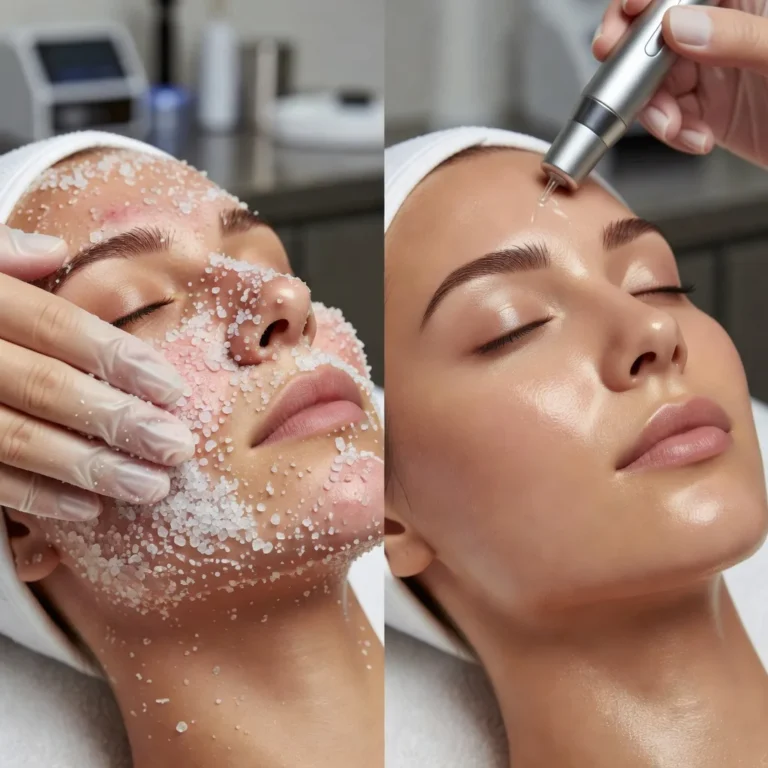
Scroll through social media and you will see people rubbing their faces in the morning until small grey rolls of product and skin crumble off. The trend is called the morning shed, and it is sold as a way to clear away dead skin and reveal a glowing face.
Part of our guide to skincare routines and ingredients. Start with: Best Skin Care Routine: Simple AM and PM Steps for Every Skin Type
It looks satisfying, but it deserves a closer look before you copy it.

The morning shed is a social media habit of rubbing the face to roll off flakes and pilled product, and it is not a recognized skincare treatment. Most of what comes off is leftover product that has balled up, plus dry skin flakes that are already loosening. Rubbing it off can irritate the skin barrier, so a gentler routine is the safer way to get the same smooth result.
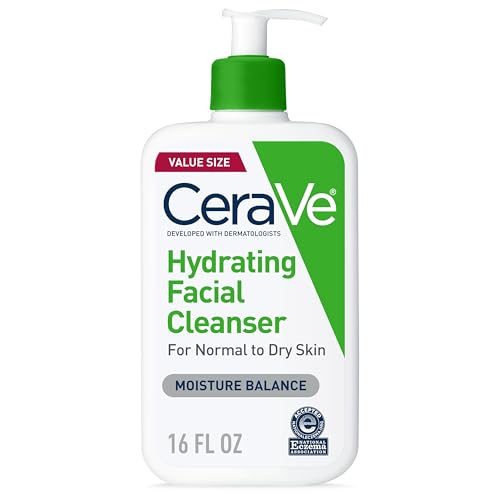
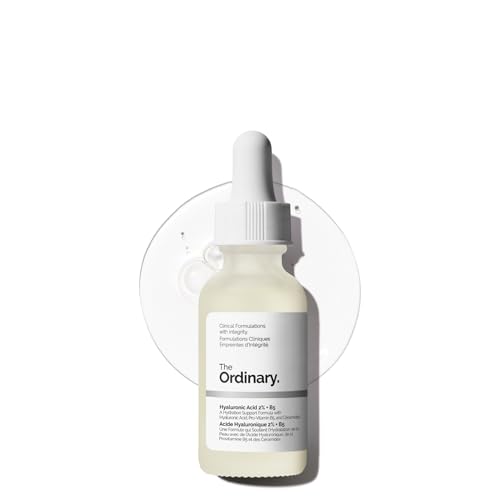
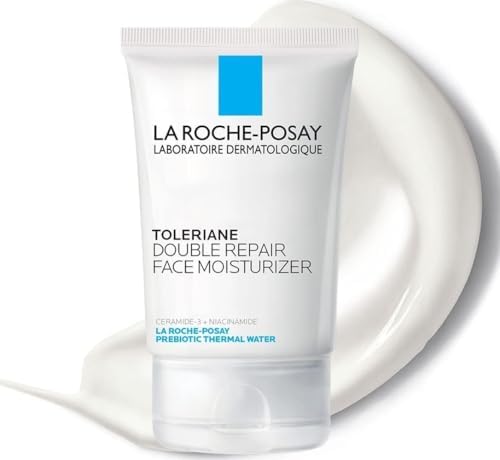
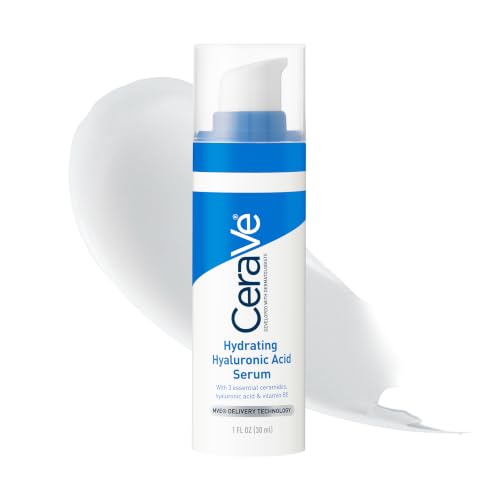
Recommended Gentle Products for Flaky, Dehydrated Skin


Black Friday is coming: shop the deals with Prime
Skin does shed dead cells naturally every day, so the idea that something is coming off is not wrong. The problem is the method. Repeated friction on the face can leave redness, tightness and tiny breaks in the skin, especially if you already use retinoids, acids or other exfoliating actives.
Dry weather, hot showers and heavy layering can make flaking and pilling even more likely.
In this guide we explain what is really happening when you see those rolls, when flaking is normal and when it is a warning sign, and how to build a calm morning and night routine that reduces pilling without scrubbing.
We also point out the product types that help most, and who should skip the trend entirely. If your skin is dry, sensitive or acne-prone, the safest answer is usually to do less, not more.
If you are new to layering, our skin care routine guide and our explanation of skin flooding show how to build hydration in thin layers instead of piling products on top of each other.
Quick Answer
- The morning shed is a social media trend, not a medical or dermatology treatment.
- Many of the rolls are pilled product, not only dead skin.
- Rubbing the face can damage the skin barrier and cause redness and stinging.
- Dry air, hot water, exfoliating actives and heavy layering all increase flaking.
- A gentle cleanser, thin layers and a barrier moisturizer reduce pilling better than scrubbing.
- Skip the trend if you use retinoids, acids, or have eczema, rosacea or acne.
- Persistent peeling, redness or burning needs a professional opinion.
Contents
- What the Morning Shed Routine Actually Is
- Why Skin Flakes or Rolls Up in the Morning
- Is the Morning Shed Safe?
- A Gentler Morning Routine That Reduces Flaking
- Ingredients and Products That Help
- Do and Do Not
- Who Should Be Extra Careful
- What Normal Skin Shedding Looks Like
- Honest Limits
- When to See a Professional
- FAQ
- Final Word
What the Morning Shed Routine Actually Is
The morning shed is the name given to a social media routine in which people massage or rub the face with their fingers or a cloth shortly after waking, usually over a layer of moisturizer or serum.
Small grey or white crumbs appear and are described as dead skin or toxins leaving the face. Videos of the crumbs get a lot of views because they are oddly satisfying to watch.
It is not a clinical treatment, and it does not appear in dermatology guidance as a recommended step. It is closest to a manual exfoliation habit, similar to using a rough washcloth or a facial scrub.
The difference is that it is done on products that are already on the skin, which changes what comes off.
That is why we treat it as a trend to understand rather than a routine to adopt. The goal behind it is reasonable: smooth, comfortable skin in the morning. There are safer ways to get there.
Think of the crumbs as a clue about your routine. They tell you something about product compatibility, dryness and friction, and that information is more useful than the satisfying feeling of removing them.
Why Skin Flakes or Rolls Up in the Morning
Two different things are usually mixed together in those videos: dry skin flakes, and pilled product. They look similar but have different causes and different fixes.
Pilling happens when layers of products do not sit together well. Film-forming ingredients such as silicones, polymers and some sunscreens can clump when rubbed, especially if a layer has not dried before the next goes on. The clumps then roll into small grey beads.
Flaking happens when the outer layer of skin is short on water or when the barrier has been disturbed. Dry heating, cold wind, long hot showers and strong cleansers all pull water out of the skin and make flakes more visible.
| What you see | Likely cause | What helps |
|---|---|---|
| Small grey rolls that appear only when you rub | Pilled product from layering | Use fewer layers, wait between steps, pat instead of rub |
| White dry flakes on cheeks or around the nose | Dehydrated or dry skin | Add a humectant serum and a barrier moisturizer |
| Flakes plus redness and stinging | Irritated barrier from actives or scrubbing | Pause exfoliants and retinoids, simplify the routine |
| Sheet-like peeling after a new product | Over-exfoliation or reaction | Stop the product and see a professional if it persists |
If the crumbs only appear when you rub, the product is probably pilling. If the skin flakes without any rubbing, the problem is dryness or irritation and the answer is more care, not more friction.

Is the Morning Shed Safe?
For most healthy skin, an occasional gentle rub is unlikely to cause harm. The concern is repetition. The surface layer of skin works as a barrier that keeps water in and irritants out. Daily friction can wear that barrier down, especially on cheeks and around the nose where the skin is thin and flakes easily.
A damaged barrier shows up as tightness, stinging when you apply products, new redness and more flaking, which makes the urge to rub even stronger. That cycle is the main reason we advise against making the morning shed a habit.
Do not rub or scrub skin that is red, burning, cracked, or being treated with a retinoid, prescription acne product or chemical exfoliant. This is the group most likely to be harmed by the trend.
The American Academy of Dermatology advises patting rather than rubbing the skin dry, using a gentle cleanser in small amounts and moisturizing while the skin is still damp. Their dry skin relief tips apply directly to flaky winter skin, and none of them involve rolling product off the face.
So the safest summary is this: the shed itself is a symptom you can reduce, not a step you need to perform.
A Gentler Morning Routine That Reduces Flaking
Instead of rubbing, change what you put on and how you put it on. This routine takes about five minutes and works for most dry or dehydrated skin.
Rinse, do not scrub
Splash lukewarm water on the face in the morning. If you use a cleanser, choose a gentle, non-foaming one and rinse well. Pat dry with a clean towel.
Apply a thin humectant layer
While the skin is slightly damp, press in a hydrating serum or essence with hyaluronic acid or glycerin. One thin layer is enough.
Wait a minute
Let each layer settle before the next. This single pause prevents most pilling.
Seal with a moisturizer
Use a barrier moisturizer with ceramides, squalane or petrolatum-free emollients. Pat it on instead of rubbing it in.
Finish with sunscreen
Apply sunscreen last and pat it in. Choose a formula that suits your moisturizer to avoid clumping.
If a product always balls up, try using one fewer layer or swap a silicone-heavy primer for a plain moisturizer. Changing one product at a time makes it easy to find the culprit.
Ingredients and Products That Help
You do not need a special product to stop the morning shed. What matters is choosing steps that work together and avoiding products that fight each other.
| Step | Look for | Why it helps |
|---|---|---|
| Cleanser | Gentle, low-foam, fragrance-free | Removes oil without stripping water |
| Hydrating serum | Hyaluronic acid, glycerin, panthenol | Draws water into the outer skin |
| Moisturizer | Ceramides, squalane, cholesterol | Rebuilds the barrier and slows water loss |
| Sunscreen | Lightweight, matches your moisturizer | Prevents clumping and protects skin |
If you are not sure how to read labels, our guide to reading a cosmetic ingredient list helps you spot film-formers and heavy occlusives that tend to pill.
For dry faces that need more than a light cream, see our picks in the best facial moisturizers for dry skin.
Keep ingredients that are known irritants, such as strong scrubs, alcohol-heavy toners and fragranced masks, out of the routine while your skin is flaking.
Do and Do Not
Good Habits
- Pat the skin dry and apply products on damp skin
- Wait a minute between layers
- Use a barrier moisturizer morning and night
- Wear sunscreen every day
- Introduce one new product at a time
Common Mistakes
- Rub or roll product off the face
- Use scrubs on red or stinging skin
- Layer several silicone-heavy products
- Combine multiple exfoliating acids
- Keep using a product that stings every time
Who Should Be Extra Careful
Some skin types are more vulnerable to friction and should avoid the trend completely.
- People using retinoids, adapalene or prescription acne treatments, because the skin is already thinner and more reactive
- People with eczema, rosacea, seborrheic dermatitis or psoriasis, where friction can trigger flares
- Acne-prone skin, where rubbing can irritate pimples and spread bacteria
- Anyone with a recent peel, microneedling or laser treatment
- Very sensitive or sunburned skin
If any of these describe you, focus on soothing and moisturizing. Our routine guide shows a simple order to follow.
What Normal Skin Shedding Looks Like
Skin renews itself constantly, and dead cells are lost every day without any special effort. Normally you will not see this happening because the cells come off in tiny pieces and mix with washing and drying.
Visible flakes appear when the skin is dry or when cells clump together. That is a sign to hydrate and be gentle, not a sign that you need to remove more. Healthy skin does not need to be rubbed to look smooth.
If you want gentle exfoliation, one mild option used once or twice a week is plenty for most people. Stop if you feel any stinging or see redness.
Honest Limits
There are no clinical studies showing that the morning shed improves skin health, and the claims that crumbs are toxins have no scientific support. What comes off is a mixture of product and skin, and removing it does not detox the face.
This article gives general educational information based on widely accepted skin care guidance. Individual skin differs, and what works for one face may not suit another.
We cannot see your skin, so we cannot say why yours flakes. Use this guide to make safer choices and see a professional if the problem does not improve in a few weeks.
When to See a Professional
Some flaking is a sign of a skin condition that needs treatment rather than a routine change. Book an appointment with a doctor or dermatologist if you notice any of the following.
- Peeling that lasts more than two to three weeks despite a simple routine
- Red, itchy, or burning patches
- Flaking along the eyebrows, nose folds or hairline that keeps coming back
- Painful cracks, oozing or crusting
- A rash that started after a new product
This article is for general information and is not medical advice. Rakib Sarwar is a registered pharmacist with a cosmetology course, not a dermatologist. Talk to a doctor or dermatologist about persistent or severe skin problems.
FAQ
What is the morning shed routine?
It is a social media trend where people rub their face in the morning to roll off flakes and pilled product. It is not a recognized treatment.
Is the morning shed safe?
An occasional gentle rub is unlikely to harm healthy skin, but repeated rubbing can damage the skin barrier and cause redness and stinging.
Is the grey stuff dead skin?
Usually it is a mixture of pilled product and loosened dry skin flakes, not only dead skin.
Why does my skin ball up when I rub it?
Film-forming ingredients and layered products can clump when rubbed, which creates small beads.
How do I stop skin pilling?
Use fewer layers, wait a minute between steps, pat products in instead of rubbing and choose compatible formulas.
Should I exfoliate every morning?
No. Daily exfoliation is too much for most people. Once or twice a week with a mild product is usually enough.
Can I do the morning shed with retinol?
It is best to avoid it. Retinoids make skin more sensitive and friction can cause irritation.
Does the morning shed remove toxins?
No. There is no evidence that skin releases toxins that can be rubbed off.
What helps dry flaking skin?
A gentle cleanser, a hydrating serum and a barrier moisturizer, applied on damp skin, along with daily sunscreen.
When should I see a doctor?
See a doctor if peeling lasts weeks, burns, or comes with red itchy patches or cracks.
Final Word
The morning shed makes for an appealing video, but your skin gains nothing from being rubbed. Treat flaking as a message that your skin needs more water, a stronger barrier and less friction.
Start with a simple routine, add one change at a time, and give your skin a few weeks to settle before judging the results.

Written by
Registered pharmacist and founder of Facial Adviser. Rakib's pharmacy training covers how skincare actives work and interact; a later course in cosmetology turned that into a focus on facial treatments and skincare products. He plans, researches and edits every guide on the site and checks health claims against sources such as the American Academy of Dermatology, the FDA and the NIH. He is not a dermatologist; see the Editorial Policy and Medical Disclaimer.
About · Editorial policy · How we choose products · Medical disclaimer · Contact
Keep reading: Skincare routine basics
Prime for Young Adults: a longer free trial and a lower price after it