
Peptides in Skincare: What They Do and Which Types Matter
Peptides appear on the label of almost every anti-aging serum, moisturizer and eye cream, with names that sound technical and promises that sound even bigger. For shoppers, the question is simple: do peptides do anything, and does the type matter?
Part of our guide to skincare routines and ingredients. Start with: Best Skin Care Routine: Simple AM and PM Steps for Every Skin Type
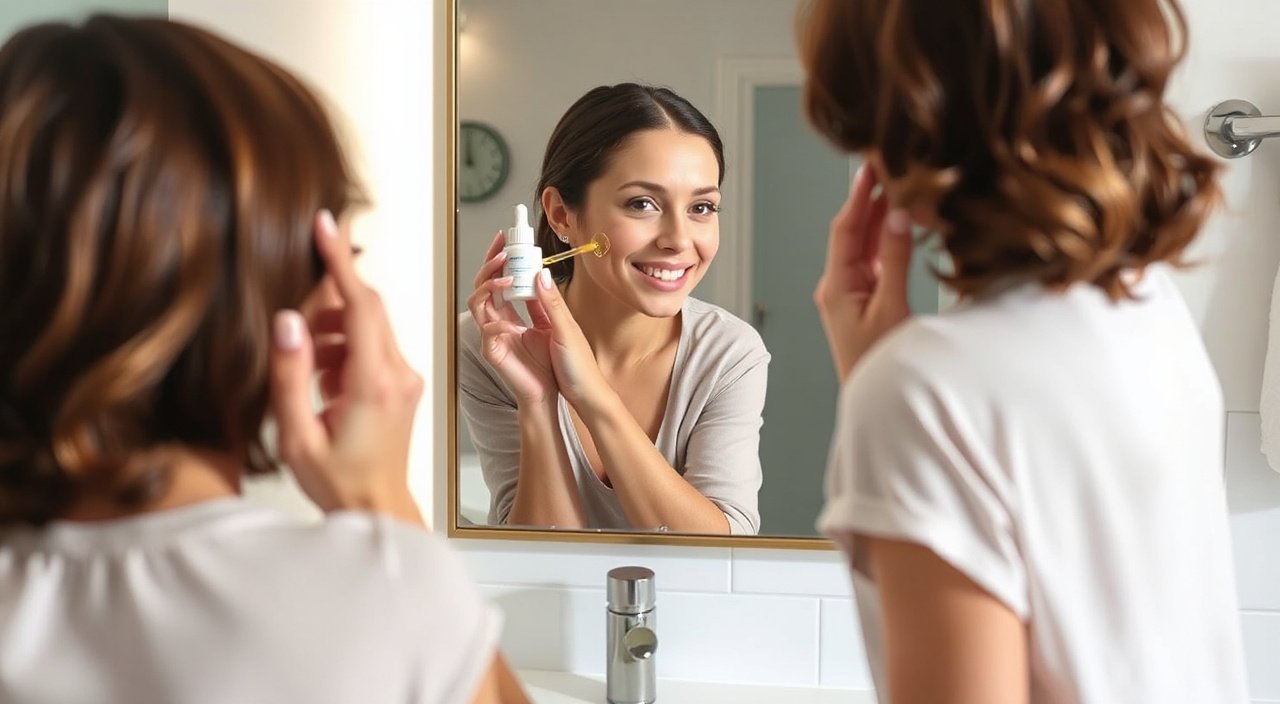
Peptides are short chains of amino acids, the building blocks of proteins, and in skincare they are used as signaling ingredients that may encourage skin to behave more youthfully. Main types include signal peptides such as the Matrixyl family, carrier peptides such as copper peptides, and neurotransmitter-affecting peptides. Evidence is promising but limited, so peptides are best seen as a gentle, well-tolerated supporting step rather than a replacement for sunscreen, retinoids or professional treatments.
Recommended Peptide Serums and Supporting Basics
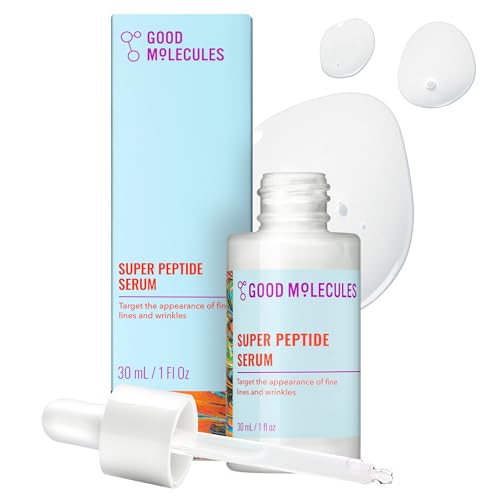


Cleveland Clinic describes peptides as short amino acid chains that may help the body make more collagen and elastin, notes that evidence is still limited, and points out that dermatologists often find hyaluronic acid and retinoids effective and cheaper. It also notes that product quality varies and that price does not guarantee results.
Black Friday is coming: shop the deals with Prime
This guide explains what peptides are, the main types and what each is meant to do, what the evidence shows, how to use a peptide serum, and who should be cautious. We also explain how to read a label so you can tell a meaningful peptide product from marketing.
If you want to compare peptides with other anti-aging options, see our guide to the best facial serums for aging skin.
Quick Answer
- Peptides are short chains of amino acids used as signaling ingredients in skincare.
- Main types are signal peptides, carrier peptides such as copper peptides, and neurotransmitter-affecting peptides.
- Evidence is promising but limited, and results are modest and gradual.
- Peptides are well tolerated for most people, which makes them a good gentle option.
- Sunscreen, moisturizer and, where suitable, retinoids matter more than any peptide.
- Check the label for named peptides, such as palmitoyl or copper tripeptide, not just the word peptide.
- Patch test copper peptide products, and avoid mixing them with strong acids on the same night.
What This Covers
- What Peptides Are
- The Main Types of Skincare Peptides
- Do Peptides Work? What the Evidence Shows
- How to Use a Peptide Serum
- Peptides vs Retinol and Hyaluronic Acid
- Do and Do Not
- Where Peptides Fit in a Routine
- Who Should Use Peptides
- How to Choose a Peptide Product
- Common Mistakes
- Honest Limits
- When to See a Professional
- Frequently Asked Questions
- Where This Leaves You
What Peptides Are
Proteins such as collagen are long chains of amino acids. Peptides are shorter pieces of those chains. When applied to the skin, they are intended to act as messengers rather than as building blocks, telling skin cells to behave in a certain way.
Because skin is a barrier, peptide molecules need to be small enough and well formulated to reach the layers where they might work. This is why formulation matters as much as the ingredient name.
The term peptide on a label can mean many different molecules, from well-studied ones to ones with little evidence. A product that lists a named peptide is more informative than one that only advertises peptide complex.
Collagen itself is too large to be absorbed through skin, which is why topical products use smaller peptides instead.
In the body, peptides act as messengers. After injury or sun damage, small fragments of collagen signal cells to make repair proteins. Skincare peptides copy this idea, but the skin barrier limits how much of the molecule reaches the target layer.
That is why researchers pay close attention to size, stability and delivery, and why results vary between brands.
The Main Types of Skincare Peptides
Peptides are usually grouped by what they are meant to do.
| Type | Examples | What it is meant to do |
|---|---|---|
| Signal peptides | Palmitoyl pentapeptide-4 (Matrixyl), palmitoyl tripeptide-1 | Signal skin to support collagen and firmness |
| Carrier peptides | Copper tripeptide-1 (GHK-Cu) | Deliver copper that supports repair |
| Neurotransmitter-affecting peptides | Acetyl hexapeptide-8 (Argireline) | Aim to soften expression lines |
| Enzyme-inhibiting peptides | Soy and rice peptides | May slow breakdown of structural proteins |
Many serums combine several peptides with hyaluronic acid or niacinamide. Our guide to reading a cosmetic ingredient list shows how to spot named peptides and where they sit in the formula.

Do Peptides Work? What the Evidence Shows
Peptides have the most support among newer anti-aging ingredients, but the studies are mostly small and often funded by manufacturers. Results suggest modest improvements in the look of fine lines, firmness and hydration over several months.
Cleveland Clinic notes that some research suggests peptides may help the body make more collagen and elastin, but presents the evidence as limited and says peptides are only one part of a product’s effect. You can read their summary, Do You Need Peptides in Your Skin Care Products?.
It also notes that hyaluronic acid and retinoids are effective and often cheaper. That does not make peptides pointless, but it does mean they are a supporting option rather than a first step.
The best-supported steps for aging skin remain daily sunscreen and, where suitable, a retinoid. Peptides can sit alongside them for people who want a gentler routine.
When you read a claim like 25 percent more collagen, ask how it was measured. Many tests use cell cultures or small groups of volunteers over a few weeks, and a percentage change in a lab marker does not always translate into visible differences on a face.
Treat before and after photos with caution, because lighting and makeup change results.
How to Use a Peptide Serum
Peptides are gentle, so a basic routine works well.
Cleanse and pat dry
Wash with a gentle cleanser and leave the skin slightly damp.
Apply the serum
Press a few drops over the face and neck. Let it absorb for a minute.
Seal with moisturizer
A moisturizer locks in hydration and helps the serum work.
Protect in the morning
Finish with broad-spectrum sunscreen every day.
Be consistent
Use it daily for 8 to 12 weeks before judging the result.
Peptide serums pair well with niacinamide and hyaluronic acid. Keep strong acids and vitamin C for a different time of day if your skin is sensitive.
Patch test copper peptide products first. Some people find copper peptides irritating, and they may not mix well with strong acids or high-dose vitamin C used at the same time.
Peptides vs Retinol and Hyaluronic Acid
It helps to see how peptides compare with other common anti-aging ingredients.
| Ingredient | Strength of evidence | Irritation risk | Best role |
|---|---|---|---|
| Retinoids | Strong | Higher | Main anti-aging active |
| Hyaluronic acid | Good for hydration | Low | Hydrating base |
| Peptides | Moderate and growing | Low | Gentle supporting step |
| Vitamin C | Good | Moderate | Morning antioxidant |
A sensible approach is to use sunscreen daily, add a retinoid if you want and can tolerate it, and use peptides as a gentler complement. If you are new to retinoids, see our guide to retinal vs retinol.
Do and Do Not
Worth Doing
- Look for named peptides on the label
- Use daily for at least 8 to 12 weeks
- Pair with moisturizer and sunscreen
- Patch test new products
- Pick a formula in an opaque or airless container
Skip It
- Pay extra for a peptide complex without named ingredients
- Expect deep wrinkles to disappear
- Skip sunscreen because you use peptides
- Layer many actives at once
- Use copper peptides with strong acids
Keep the routine simple enough that you will actually follow it every day.
Where Peptides Fit in a Routine
Peptide serums go after cleansing and toning and before moisturizer. They can be used morning, evening or both, because they are gentle and do not make skin sensitive to the sun.
A simple pattern is vitamin C or sunscreen-only protection in the morning, with the peptide serum under moisturizer, and a retinoid on some evenings if you use one. On retinoid nights, you can still apply a peptide serum first as a buffer, as long as your skin is not stinging.
If your routine is long, remove the least useful step before adding a new product. Our skin care routine guide shows a streamlined order. Adding another bottle only helps if it replaces something that was not working.
Who Should Use Peptides
Peptides suit people who want gentle anti-aging support, who find retinoids too irritating, or who want a simple step that sits well in a sensitive routine. They also suit mature or dry skin that benefits from hydration plus firming claims.
They are less suitable as a sole treatment for deep wrinkles, sagging or significant sun damage, where professional treatments may be more effective. Those with very reactive skin should patch test and introduce one new product at a time.
People who are pregnant or breastfeeding may prefer peptides over retinoids, since peptides are not retinoids, but should still ask a doctor before starting any new active. Anyone with a history of allergy to ingredients such as copper or soy should read the label carefully.
How to Choose a Peptide Product
Check the ingredient list for named peptides, which often have long names beginning with palmitoyl, acetyl or copper. Higher placement in the list suggests a higher amount, though concentration still varies.
Consider the format. Serums have the best contact time, while cleansers rinse off before peptides can act. Eye creams and moisturizers can work but offer smaller amounts.
Packaging matters too. Peptides can degrade with light and air, so opaque pumps and airless bottles are a good sign. Avoid products with heavy fragrance if your skin is sensitive.
Finally, compare cost per use rather than price per bottle. A bigger bottle used up before it oxidizes is fine, but a large jar that sits open for months may lose potency. A well-formulated mid-priced serum is usually better value than a luxury product with a short list of peptides.
Common Mistakes
Expecting overnight results is the first. Skin takes weeks to respond, and peptides are subtle.
Buying on the word peptide alone is another. Without named ingredients, you cannot tell what you are paying for. Using too many actives in the same routine can also cause irritation that cancels any benefit.
Finally, treating peptides as a substitute for sunscreen is a costly mistake, since ultraviolet light is the main driver of visible skin aging.
Another frequent error is judging a serum after two weeks. Peptides work through gradual signaling, so the first signs are often better hydration and a smoother feel, with changes in fine lines appearing later if at all. Take a photo at the start in natural light and compare at twelve weeks.
Honest Limits
Peptide research is limited, many studies are small, and results depend heavily on the formula. We cannot promise that any peptide serum will change your lines or firmness.
Product suggestions here are examples of widely reviewed peptide serums and basics, not guarantees. Check each listing for the named peptides and ingredients.
Peptides are not a substitute for professional treatments or prescription products.
When to See a Professional
See a doctor or dermatologist if you want help with deep wrinkles, sagging, scarring, or if a product causes lasting redness, swelling or itching. They can suggest prescription retinoids or procedures if you want stronger options.
This article is for general information and is not medical advice. Rakib Sarwar is a registered pharmacist with a cosmetology course, not a dermatologist. Talk to a doctor or dermatologist about persistent skin concerns.
Frequently Asked Questions
What are peptides in skincare?
Short chains of amino acids used as signaling ingredients that may support collagen, firmness and hydration.
Do peptides really work?
They can give modest improvements over several months, but evidence is limited and results are gradual.
Are peptides better than retinol?
Retinoids have stronger evidence. Peptides are gentler and can be used as a supporting step.
Which peptides are best?
Well-studied examples include Matrixyl-type peptides and copper tripeptide-1. The best choice depends on your skin.
Can I use peptides every day?
Yes. Most people tolerate peptides well when used daily.
Can I use peptides with retinol?
Yes, they are often combined, though introduce them separately if your skin is sensitive.
Can I use peptides with vitamin C?
Often yes, but use them at different times if your skin is sensitive.
Are copper peptides safe?
They are generally well tolerated, but patch test, as some people find them irritating.
How long until I see results?
Eight to twelve weeks of consistent use is a reasonable window.
Do I still need sunscreen?
Yes. Sunscreen is the most important anti-aging step.
Where This Leaves You
Peptides are a gentle, supportive part of an anti-aging routine, and the label tells you more than the marketing. Choose named peptides, pair them with sunscreen and moisturizer, and be patient.
If your skin tolerates retinoids, those may deserve a place in the routine alongside peptides.

Written by
Registered pharmacist and founder of Facial Adviser. Rakib's pharmacy training covers how skincare actives work and interact; a later course in cosmetology turned that into a focus on facial treatments and skincare products. He plans, researches and edits every guide on the site and checks health claims against sources such as the American Academy of Dermatology, the FDA and the NIH. He is not a dermatologist; see the Editorial Policy and Medical Disclaimer.
About · Editorial policy · How we choose products · Medical disclaimer · Contact
Keep reading: Skincare routine basics
Turn skincare time into me-time with a free audiobook