Retinal vs Retinol: Which Is Better for Beginners?
Retinol has been the default anti-aging ingredient for years, but the shelves now also carry retinal, sometimes labeled retinaldehyde. The names are nearly identical, the marketing claims are loud, and it is hard to tell whether retinal is a better beginner choice or simply a more expensive way to say the same thing.
Part of our guide to skincare products. Start with: 10 Best Facial Serums for Aging Skin (2026): Picks by Concern
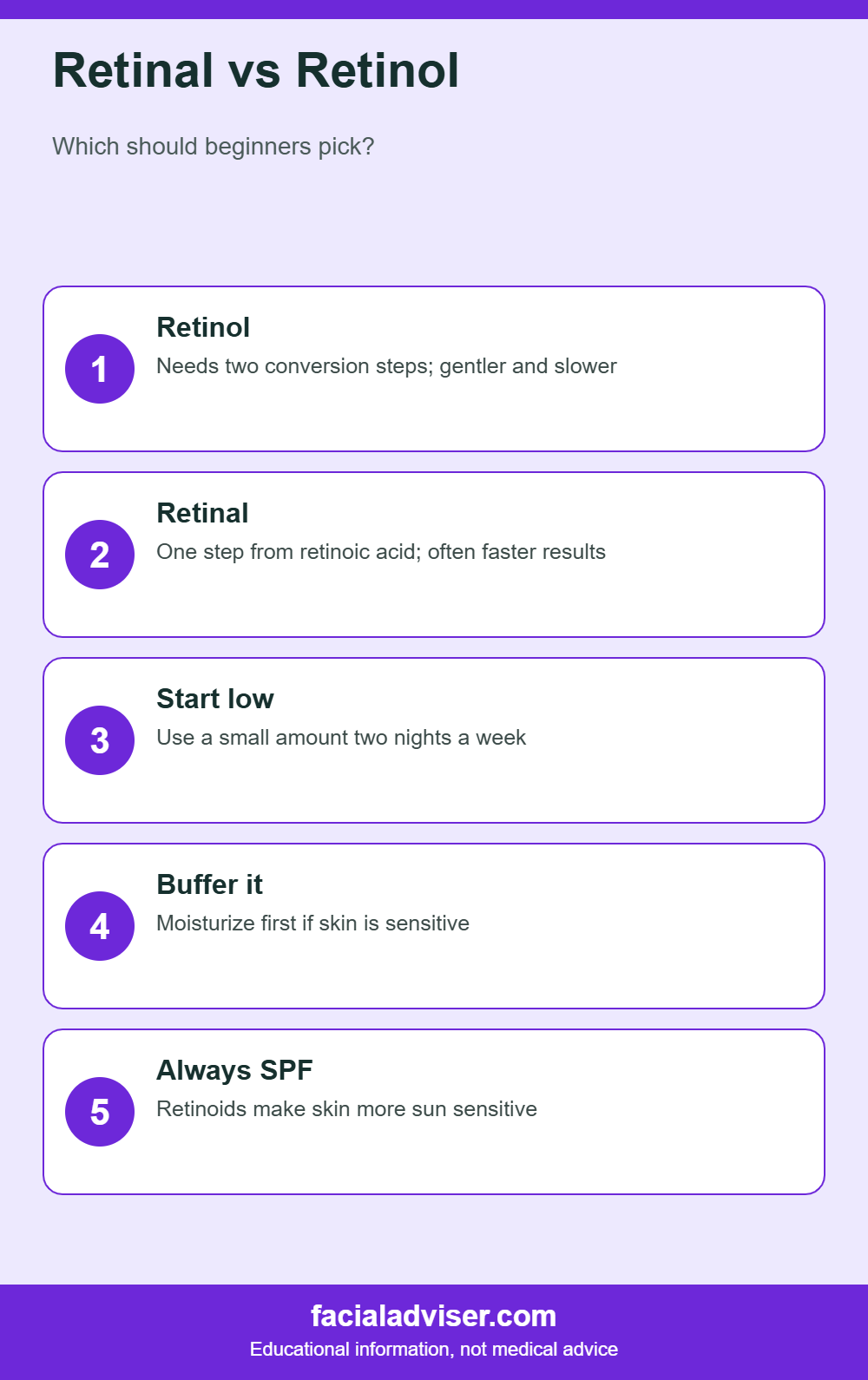
Retinal and retinol are both forms of vitamin A that skin converts into retinoic acid, the active form that changes how skin cells behave. Retinal is one conversion step closer to retinoic acid, so it may work faster at a given strength, while retinol is the more widely sold and studied option and is usually a gentle place to start. For most beginners, the better choice is whichever low-strength formula their skin tolerates, used slowly with a moisturizer and daily sunscreen.
Recommended Retinal and Retinol Products for Beginners
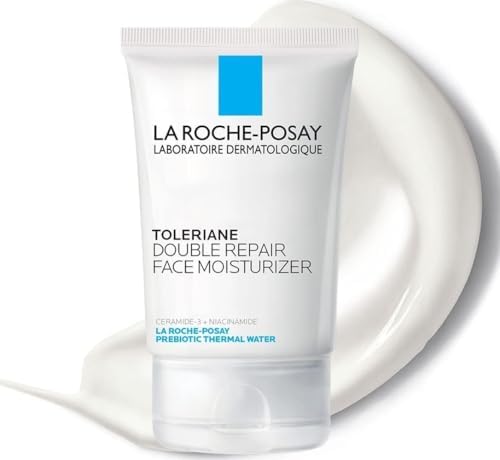

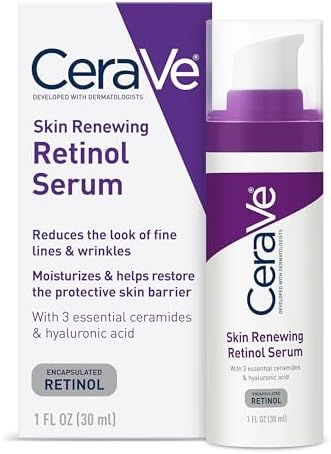

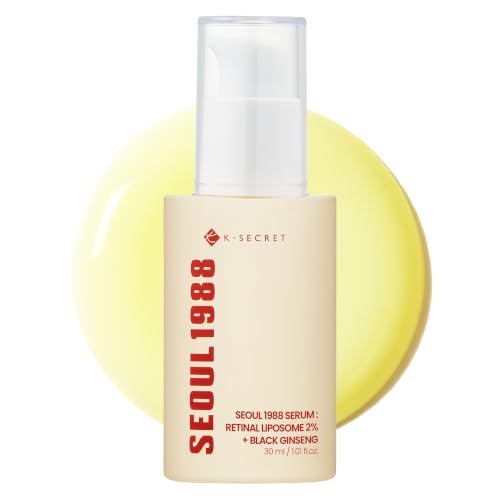
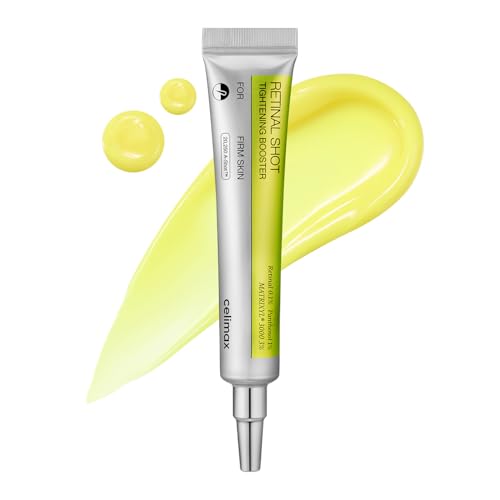
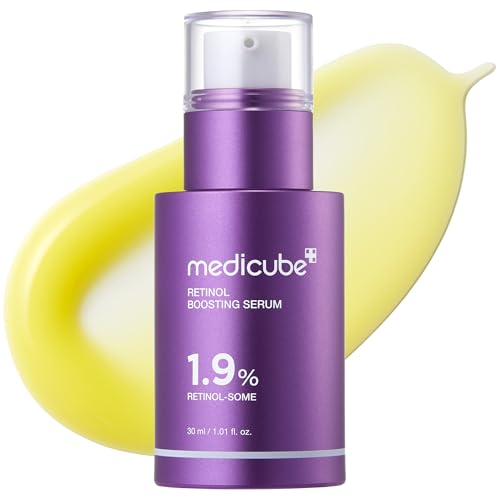
The American Academy of Dermatology advises beginners to start with the least intense formula available, use it only at night, begin every other night, and wear sun protection every day. Irritation, redness and dryness are the main side effects, and retinoids should not be used during pregnancy.
Black Friday is coming: shop the deals with Prime
In this guide we explain the difference in plain language, compare the two side by side, show how to start without wrecking your skin barrier, and flag who should skip both. We also explain what is known and what is still marketing, because head-to-head evidence between retinal and retinol is limited.
If you are building a routine around retinoids, our skin care routine guide shows where they fit in the evening order.
Key Takeaways
- Retinol and retinal are both vitamin A; skin converts them step by step into retinoic acid.
- Retinal is one step closer to retinoic acid, so it may act faster at similar strengths.
- Retinol is more widely available and has more research behind it.
- Start with a low strength every other night and increase slowly.
- Always use sunscreen daily; retinoids make skin more sun sensitive.
- Do not use retinoids during pregnancy, and ask a doctor if you are breastfeeding.
- Stop and see a doctor if you get severe redness, swelling or peeling.
Contents
- What Retinol and Retinal Actually Are
- Retinal vs Retinol Side by Side
- Which Should a Beginner Choose?
- How to Start Safely
- What to Expect and When
- How to Layer Retinoids With Other Products
- Do and Do Not
- Who Should Be Careful
- Common Beginner Mistakes
- Which Skin Concerns Retinoids Help
- Honest Limits
- When to See a Professional
- FAQ
- Where This Leaves You
What Retinol and Retinal Actually Are
Retinoids are a family of vitamin A derivatives. Prescription versions such as tretinoin are retinoic acid itself. Over-the-counter products use weaker relatives that your skin must convert before they work.
Retinol is the best known of these. Once on the skin, it is converted first into retinal (also called retinaldehyde) and then into retinoic acid. Retinal is therefore the middle step, and skin needs only one conversion to reach the active form.
That is the logic behind the claim that retinal acts faster. It is chemically plausible, but speed on paper does not always mean better results for every person, and sensitive skin can react to faster-acting products.
The American Academy of Dermatology notes that retinol is one type of retinoid, widely sold over the counter, and that labels often do not show the percentage. You can read their overview of retinoid or retinol.
Retinal vs Retinol Side by Side
The practical differences matter more than the chemistry.
| Feature | Retinol | Retinal (retinaldehyde) |
|---|---|---|
| Conversion steps to retinoic acid | Two | One |
| Speed | Slower, builds over months | Possibly faster at similar strength |
| Irritation | Usually milder at low strengths | Can be stronger, varies by formula |
| Evidence base | Larger, more studies | Smaller, growing |
| Availability | Very wide | Increasing, mostly K-beauty and indie brands |
| Best for | Beginners, gentle start | People who tolerate retinol and want more |
Neither is an automatic winner. Formula quality, concentration and packaging matter as much as the name on the front. Retinoids degrade with light and air, so opaque, airless packaging is a good sign.
If you want to understand labels better, our guide to reading a cosmetic ingredient list explains how to check where an ingredient sits in a formula.
Which Should a Beginner Choose?
A beginner has one main job: let the skin adapt. That favors a gentle product used slowly, not the strongest one available.
For most people a low-strength retinol (around 0.2 to 0.5 percent) combined with soothing ingredients and a moisturizer is a sensible start. If you have used retinol for several months without irritation and want a step up before asking a doctor about prescription options, a low-strength retinal is a reasonable next step.
Some retinal products are marketed as beginner-friendly, and those with a very low percentage and a calming formula may be tolerable from the start. The safest approach is still to patch test and begin with two nights a week.
Percentages on different brands are not directly comparable. A 0.1 percent retinal and a 0.5 percent retinol are different products with different irritation profiles, so judge your skin’s response rather than the number.
It also helps to match the product to your goal. If you mainly want smoother texture and a gentle introduction, retinol is enough.
If you have used it for a while and your skin looks plateaued, a low-strength retinal is a logical next experiment, introduced slowly and one product at a time. Talking to a doctor about prescription tretinoin is another route, since it is well studied and priced affordably in many places.
How to Start Safely
A slow start prevents most of the redness and flaking people blame on retinoids.
Patch test
Apply a small amount behind the ear or on the jaw for a few days before using it on your face.
Start two nights a week
Use a pea-sized amount on clean, dry skin, avoiding the eyes, corners of the nose and mouth.
Buffer if needed
If you are sensitive, apply a light moisturizer first, then the retinoid, then more moisturizer if needed.
Increase slowly
After two to four weeks without irritation, move to every other night, then nightly if comfortable.
Protect in the morning
Use a broad-spectrum sunscreen every day, and wear a hat in strong sun.
A short dry, flaky stage is common in the first weeks. If your skin stings, turns very red or peels heavily, pause for a week and resume less often.
Do not use retinoids if you are pregnant or trying to conceive, and ask a doctor before using them while breastfeeding. Do not combine them with strong acids or scrubs on the same night.
Keep notes for the first month. Record how often you used the product and how your skin looked the next morning. Those notes make it easy to adjust the schedule and, if needed, to explain what happened to a doctor.
What to Expect and When
Retinoids work slowly. The skin cell turnover they influence takes weeks, so visible change takes months.
| Time | Common experience |
|---|---|
| Weeks 1 to 4 | Dryness, mild flaking, possible purging in acne-prone skin |
| Weeks 4 to 12 | Skin adapts, texture and tone begin to look smoother |
| 3 to 6 months | More noticeable changes in fine lines and uneven tone |
Patience matters more than strength. Increasing the dose too fast is the most common reason people give up.
How to Layer Retinoids With Other Products
Retinoids work best in a simple routine. The evening order is cleanser, optional hydrating toner, retinoid, then moisturizer. Wait a few minutes after cleansing so the skin is fully dry, because damp skin absorbs more and tends to sting.
Vitamin C is a morning product for most people, so keeping it in the morning and the retinoid at night avoids stacking two actives. Niacinamide pairs well with retinoids, and many beginner-friendly formulas combine them to reduce irritation. Hyaluronic acid and ceramides support the barrier.
Keep exfoliating acids, scrubs and benzoyl peroxide away from retinoid nights. If you use acne medication, ask a doctor how to schedule it. A simple pattern is retinoid on two or three nights, a rest night with only moisturizer, and an exfoliating night once a week at most.
Do and Do Not
Try This
- Use only at night
- Start two nights a week
- Moisturize every day
- Apply sunscreen daily
- Keep the product in a cool dark place
Avoid This
- Use during pregnancy
- Combine with strong acids or scrubs
- Apply to broken or sunburned skin
- Increase strength quickly
- Skip sunscreen
If you have a darker skin tone, ease in particularly slowly. The American Academy of Dermatology notes that irritation can leave dark marks, and that a slow start and moisturizer reduce the risk.
Who Should Be Careful
People with eczema, rosacea, active irritation or very dry skin often tolerate retinoids poorly and should ask a doctor first. Anyone with moderate to severe acne scarring or hormone-related acne should see a dermatologist before starting, since prescription options may work better.
If you are on other acne or anti-aging medication, check how it combines with a retinoid before layering.
If you have never used a retinoid, a retinol is usually the more forgiving starting point.
Common Beginner Mistakes
Most problems with retinoids come from going too fast or doing too much.
Using too much product is the first. A pea-sized amount covers the whole face, and more only increases irritation. The second is applying it on wet or freshly exfoliated skin. The third is nightly use from day one, which does not speed results and often leads to a damaged barrier.
Another common mistake is quitting during the adjustment phase without trying a slower schedule. A few weeks of mild dryness is normal, and many people do well after reducing frequency. The opposite mistake is pushing through burning or heavy peeling, which signals that you need to pause.
Finally, skipping sunscreen undoes the benefits and raises the risk of sunburn and dark marks.
Which Skin Concerns Retinoids Help
Retinoids are among the best-studied ingredients for fine lines, rough texture, uneven tone and some types of acne. The American Academy of Dermatology describes retinol as used to improve uneven tone, pigmentation and texture.
They are less useful for deep wrinkles, sagging or established scars, where procedures may give stronger results. They also do not replace treatment for moderate to severe acne, which usually needs a dermatologist.
If your main concern is dryness or sensitivity rather than aging, build the barrier first. A retinoid will not help skin that is already irritated.
Honest Limits
The claim that retinal works several times faster than retinol is based on the conversion pathway and on a small number of studies, so it should be treated as plausible, not proven for every formula. Many retinal products are newer, with less long-term data.
Product suggestions here are examples, not endorsements of a specific strength. Choose a low strength and adjust according to your skin.
Neither ingredient replaces sunscreen, and neither will remove deep scars or sagging skin.
When to See a Professional
See a doctor or dermatologist for severe redness, swelling, blistering, persistent peeling, or if over-the-counter products do not help. They can prescribe stronger retinoids and guide you on safe use.
This article is for general information and is not medical advice. Rakib Sarwar is a registered pharmacist with a cosmetology course, not a dermatologist. Talk to a doctor or dermatologist before starting retinoids, especially if you are pregnant or have a skin condition.
FAQ
What is the difference between retinal and retinol?
Both are vitamin A forms. Retinol needs two conversions to become retinoic acid, while retinal needs one, so retinal may act faster.
Is retinal stronger than retinol?
It can be, at similar percentages, but formulas differ and the evidence is limited.
Is retinal better for beginners?
Not necessarily. A low-strength retinol is usually the gentler starting point.
How often should I use retinol at first?
Start with two nights a week and increase slowly if your skin is comfortable.
Can I use retinal every night?
Many people build up to nightly use, but only if their skin tolerates it.
Do I need sunscreen with retinoids?
Yes. Retinoids make skin more sun sensitive, so use sunscreen daily.
Can I use retinol while pregnant?
No. Retinoids should not be used during pregnancy.
What should I not mix with retinol?
Avoid using strong acids, scrubs and benzoyl peroxide on the same night.
How long until I see results?
Texture may change in a few weeks, but visible changes usually take three to six months.
Why is my skin flaking on retinol?
Dryness and flaking are common at the start. Reduce frequency and moisturize.
Where This Leaves You
Retinal and retinol are close relatives, and the best choice is the gentlest one that your skin tolerates. A slow start and daily sunscreen matter more than the name on the bottle.
Pick one low-strength product, use it two nights a week, and give it at least three months before deciding.

Written by
Registered pharmacist and founder of Facial Adviser. Rakib's pharmacy training covers how skincare actives work and interact; a later course in cosmetology turned that into a focus on facial treatments and skincare products. He plans, researches and edits every guide on the site and checks health claims against sources such as the American Academy of Dermatology, the FDA and the NIH. He is not a dermatologist; see the Editorial Policy and Medical Disclaimer.
About · Editorial policy · How we choose products · Medical disclaimer · Contact
Keep reading: Serums and actives
- 10 Best Facial Serums for Aging Skin (2026): Picks by Concern
- 10 Best Collagen Face Masks (2026): Bio-Collagen and Sheet Mask Picks
- Ceramides for Skin Barrier Repair: How to Use Them Correctly
- Squalane vs Hyaluronic Acid: Which Does Your Skin Need?
- Niacinamide or Hyaluronic Acid: Pick Both?
- Antioxidant Facial Treatment: What Holds Up
- 10 Best Facial Cleansers for Combination Skin (2026): Balanced Picks
- 10 Best Facial Moisturizers for Dry Skin (2026): Rich, Gentle Creams
Turn skincare time into me-time with a free audiobook