
Squalane vs Hyaluronic Acid: Which Does Your Skin Need?
Squalane and hyaluronic acid show up in almost every moisturizing routine, and they are often described as if they do the same job. They do not.
Part of our guide to skincare products. Start with: 10 Best Facial Serums for Aging Skin (2026): Picks by Concern
One is a water-binding ingredient, the other is a lightweight oil, and knowing the difference can save you money and stop you from buying the wrong bottle for your skin.

Hyaluronic acid, often shortened to HA, is a humectant. It attracts and holds water, so it makes the top layer of skin feel plumper and more hydrated. Squalane is an emollient. It fills the tiny gaps between skin cells, softens the surface and helps reduce water loss.
Black Friday is coming: shop the deals with Prime
The question most people actually have is practical: do I need one, the other, or both? The answer depends on whether your skin is dry because it lacks water, because it loses water too fast, or both. Oily and combination skin can lack water too, which surprises many people.
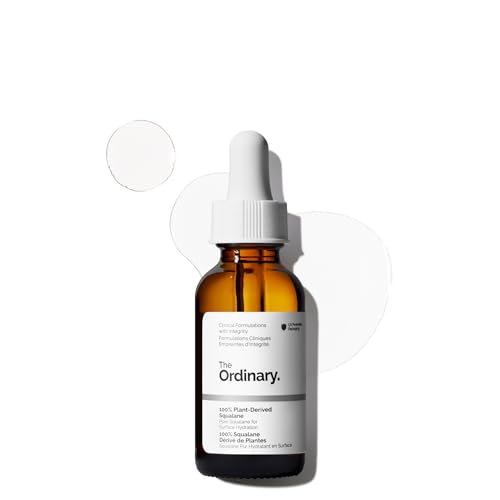
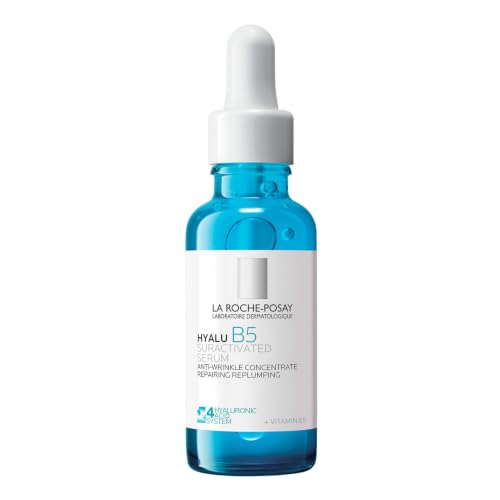
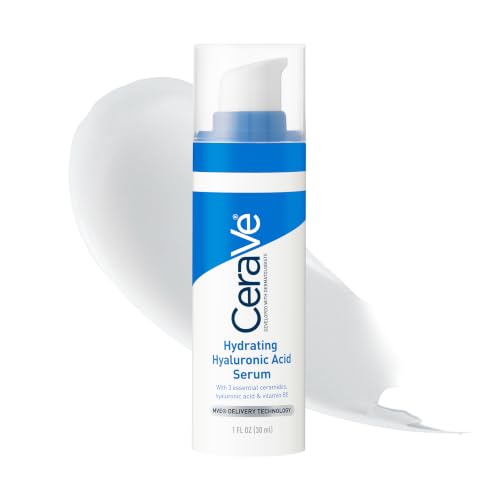
In this guide we explain what each ingredient does, compare them side by side, show how to layer them in the right order, and list a few widely reviewed products from Amazon. We describe the products from their listings and general knowledge of the ingredients, so check labels for allergens before buying.
Both ingredients are also gentle enough to appear in products for sensitive skin, which is one reason they are so common in basic routines. If you are new to either one, start with the simplest version and add other products later.
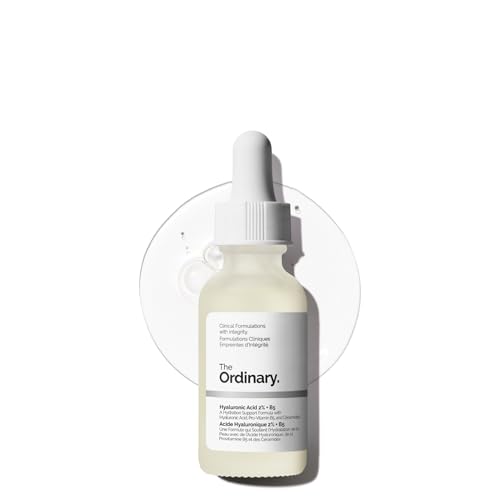
Squalane and Hyaluronic Acid Products Worth Trying



Jump to a Section
Quick Answer
- Hyaluronic acid draws water into the skin; squalane softens and helps keep that water in.
- They work well together and are not competitors.
- Apply HA to damp skin, then seal it with squalane or a moisturizer.
- Squalane is light and usually suits oily and acne-prone skin when used sparingly.
- HA alone can feel tight in dry air if nothing seals it in.
- Patch test new products and introduce one at a time.
- Neither ingredient replaces sunscreen or treats acne or wrinkles on its own.
What Hyaluronic Acid Does
Hyaluronic acid is a molecule that occurs naturally in skin and joints. In skincare it is used as a humectant, which means it pulls water toward itself. A single molecule can hold many times its weight in water, which is why HA serums feel so juicy and bouncy.
On the skin, HA mostly works at the surface. It helps the outer layer feel hydrated and smooth, and fine dry lines look softer for a few hours when the skin is well hydrated. It does not add oil, and it does not build collagen on its own.
HA comes in different molecular sizes. Larger molecules sit on the surface and give an instant plumping feel, while smaller ones may reach slightly deeper. Many serums blend several sizes, though the benefit of one blend over another is hard to prove from a product page.
A practical point matters more than the marketing: HA needs water to work. In very dry air, a humectant can feel less comfortable if there is no moisturizer or oil on top to hold the water in.
You will see HA listed as sodium hyaluronate on many labels. This is the salt form, which dissolves easily in water and is used in most serums. Both names refer to essentially the same family of ingredient, so you do not need to hunt for one over the other.
What Squalane Does
Squalane is a stable, saturated version of squalene, a lipid that skin makes naturally. Cosmetic squalane is usually made from olives or sugarcane. It is the hydrogenated form, which makes it less likely to go off or oxidize in a bottle.
Squalane is an emollient. It spreads easily, feels light rather than greasy, and fills the small gaps between skin cells to make the surface feel smoother. It also slows water loss from the skin, which helps dry or flaky skin feel comfortable.
Because it is so light, squalane is one of the oils people with oily or acne-prone skin most often tolerate. It is not guaranteed to be non-comedogenic for everyone, so start with a few drops.
Squalane does not attract water the way HA does. On its own it helps with dryness caused by water loss, but it does not add water to skin that is dehydrated.
Squalane also plays well with other products. It can be mixed into a moisturizer, used as a final step over a serum, or pressed lightly over dry areas such as cheeks and the sides of the nose. Many people also use a drop on cuticles, lips or the ends of dry hair.
If you have a known olive or sugarcane allergy, check the source on the label. Most people tolerate squalane well, but any ingredient can irritate some skin.

Squalane vs Hyaluronic Acid at a Glance
The simplest way to compare them is to look at what each one does, how it feels and who it suits.
| Feature | Hyaluronic acid | Squalane |
|---|---|---|
| Type | Humectant that binds water | Emollient oil that softens and seals |
| Main job | Hydrates the skin surface | Reduces water loss and softens |
| Texture | Watery gel or serum | Light, silky oil |
| Best for | Dehydrated skin of any type | Dry, flaky or rough skin |
| Works best | On damp skin | After water-based products |
| Watch out for | Tightness in dry air without a sealer | Too much can feel heavy on oily skin |
Notice that the two sit at different steps of the same job. HA brings water in, and squalane helps keep it there. That is why many routines use both.
If you only buy one, choose based on your main complaint. For a tight, dull feeling that comes and goes, try HA. For rough, flaky patches that keep returning, try squalane or a moisturizer that contains it.
Which One Fits Your Skin Type
Skin type changes which one you reach for first.
| Skin type | Start with | Why |
|---|---|---|
| Dry or flaky | Both, with squalane or a cream on top | Needs water and a sealer |
| Oily or acne-prone | HA first, a few drops of squalane if needed | Light hydration without heaviness |
| Combination | HA all over, squalane on dry areas | Targets where you need it |
| Sensitive | Simple fragrance-free versions of either | Fewer irritants |
| Mature | Both, plus sunscreen | Supports comfort and a smoother look |
Oily skin can still be dehydrated, which means it lacks water even though it makes plenty of oil. If your skin feels tight and shiny at the same time, HA is often the missing piece rather than a heavier cream.
Climate matters as well. In humid weather you may need only HA and a light lotion, while in winter or in air-conditioned rooms you may want both plus a richer cream. Adjust your routine with the seasons instead of using one fixed set of products all year.
How to Layer Them
The order matters, because each ingredient does a different job. Use this routine as a starting point.
Cleanse gently
Use a mild cleanser and leave the skin slightly damp.
Apply hyaluronic acid
Smooth a thin layer of HA serum onto damp skin so it has water to hold.
Add moisturizer
A basic moisturizer helps hold the hydration in place.
Seal with squalane
Press two to four drops of squalane over the top, especially at night or in dry weather.
Finish with sunscreen in the morning
Use broad-spectrum sunscreen as the last step during the day.
If your skin is oily, use squalane only on dry patches or mix a drop into your moisturizer instead of applying it on top.
Do not apply HA to completely dry skin in a very dry room. It can feel drying if there is no water nearby and no sealer on top.
Common Mistakes With Both Ingredients
The most common mistake is expecting a serum to do everything. A bottle of HA or squalane is one piece of a routine that also needs a gentle cleanser, a moisturizer and daily sunscreen.
Another mistake is using too much squalane. A couple of drops usually cover the face. More does not mean better, and extra oil can leave skin feeling greasy or transfer onto pillowcases.
A third mistake is buying a squalane product that is mostly other oils. Check the label for 100 percent squalane if you want the pure ingredient, and read the full ingredient list for any added fragrance or essential oils if your skin is reactive.
Finally, people often layer many new products at once. If your skin reacts, you will not know which one caused it. Introduce one product at a time and wait a week or two between additions.
Do not assume a higher percentage of HA is better. Very concentrated formulas can feel sticky, and some people find them irritating. A moderate concentration on damp skin is usually enough.
Who Should Be Careful
Try This
- People with dry, tight or flaky skin
- Those with dehydrated oily skin
- Anyone who wants a simple hydration routine
- People using retinoids who need extra comfort
- Those who like lightweight textures
Avoid This
- Anyone allergic to an ingredient on the label
- People with very acne-prone skin who react to oils
- Those who dislike any oily feel
- People with active eczema or dermatitis who have not asked a doctor
- Anyone applying new products to broken skin
If you have a diagnosed skin condition, check with your doctor or pharmacist before adding new products to the routine.
Honest Limits
Neither ingredient treats acne, removes wrinkles or fades dark spots. They support comfort and hydration, and that is a worthwhile job, but they are not substitutes for sunscreen, retinoids or professional treatments.
Results are subtle and temporary. HA makes skin look plumper while it is hydrated, and squalane makes it feel softer. Stop using them and the effect fades within a day or two.
We have not tested every product, and the descriptions here come from listings and general knowledge of the ingredients. Your skin may respond differently.
Product formulas change. Always read the current label and patch test a new product on a small area first.
Marketing often implies that these ingredients can reverse aging. The honest picture is that they support hydration, comfort and the look of the skin, while daily sunscreen and, where appropriate, retinoids do the heavy lifting for long-term skin health.
When to See a Professional
See a doctor or dermatologist if dryness is severe, painful or accompanied by a rash, cracking or bleeding, or if it does not improve after two to four weeks of a gentle routine.
This article is for general information and is not medical advice. Rakib Sarwar is a registered pharmacist with a cosmetology course, not a dermatologist. Talk to a doctor or dermatologist about persistent skin problems.
Frequently Asked Questions
Can I use squalane and hyaluronic acid together?
Yes. Apply HA to damp skin first, then a moisturizer, then squalane to help seal in the water.
Which is better for dry skin, squalane or hyaluronic acid?
They do different jobs, so dry skin often benefits from both. Squalane helps most with flaking and rough texture, and HA helps with dehydration.
Is squalane good for oily skin?
Many people with oily skin tolerate it well in small amounts. Start with a couple of drops and watch for new breakouts.
Does hyaluronic acid dry out the skin?
It can feel drying in very dry air if there is no sealer on top. Apply it to damp skin and follow with a moisturizer.
Is squalane the same as squalene?
No. Squalene is a natural skin lipid that is unstable. Squalane is its hydrogenated, stable form used in skincare.
Does squalane clog pores?
It is generally considered lightweight, but reactions are individual. Patch test and introduce it slowly.
Should I use HA in the morning or at night?
Either works. Many people use it in both routines, always followed by moisturizer.
Can I use these with retinol?
Yes. Both can add comfort to a retinoid routine. Apply the retinoid as directed and layer them as needed.
How long until I see results?
Hydration effects show within minutes to hours. Lasting improvement in dryness takes a few weeks of consistent use.
Are plant-derived squalane products better?
Most cosmetic squalane today is plant-derived. The source matters less than purity and your skin tolerance.
The Bottom Line
Squalane and hyaluronic acid are not rivals. One brings water in and the other helps keep it there, so most people with dry skin do best using both in the right order.
Start with one product, give it a few weeks, and add the other if your skin still feels tight or dull.

Written by
Registered pharmacist and founder of Facial Adviser. Rakib's pharmacy training covers how skincare actives work and interact; a later course in cosmetology turned that into a focus on facial treatments and skincare products. He plans, researches and edits every guide on the site and checks health claims against sources such as the American Academy of Dermatology, the FDA and the NIH. He is not a dermatologist; see the Editorial Policy and Medical Disclaimer.
About · Editorial policy · How we choose products · Medical disclaimer · Contact
Keep reading: Serums and actives
- 10 Best Facial Serums for Aging Skin (2026): Picks by Concern
- Niacinamide or Hyaluronic Acid: Pick Both?
- Antioxidant Facial Treatment: What Holds Up
- Vitamin C Facial: What the Real Data Shows
- Collagen Facial Treatment: What the Evidence Shows
- Is Hyaluronic Acid Good for Acne?
- What Does a Facial Toner Do? The Real Answer
- 10 Best Facial Cleansers for Combination Skin (2026): Balanced Picks
Prime for Young Adults: a longer free trial and a lower price after it