Exosome Skincare: Hype vs Evidence
Exosome serums are the newest buzzword on skincare shelves, promoted as a high-tech way to repair skin and reverse signs of aging. The word sounds scientific, the prices are often high, and the claims can sound close to medical.
Part of our guide to skincare routines and ingredients. Start with: Best Skin Care Routine: Simple AM and PM Steps for Every Skin Type
Before you buy one, it helps to know what the science says and what it does not.
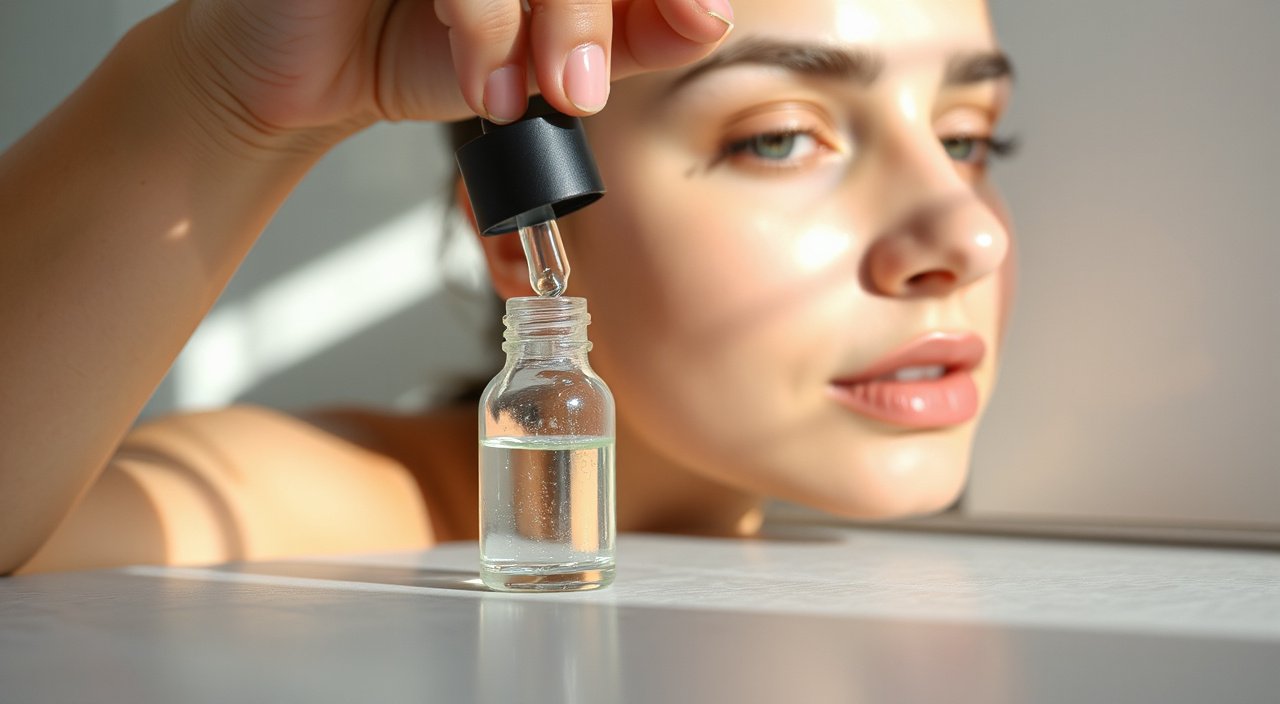
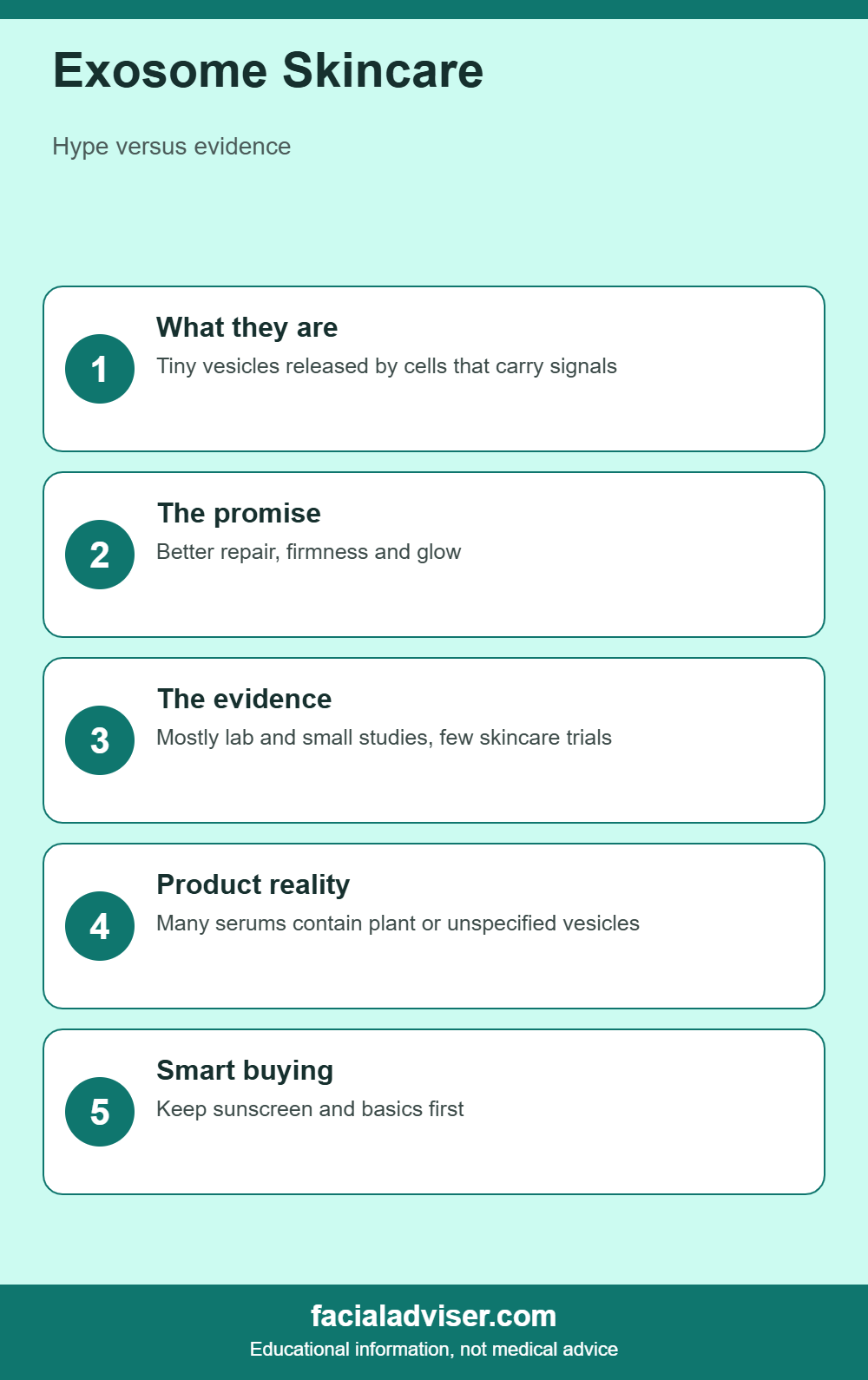
Exosomes are tiny packages released by cells that carry signals to other cells, and researchers are studying them for wound healing and skin repair. Evidence for their benefit in cosmetic serums is limited, and the FDA states that there are currently no FDA-approved exosome products. Many serums sold as exosome skincare contain plant-derived vesicles or ingredients that are hard to verify, so treat the claims with caution and keep your basics first.
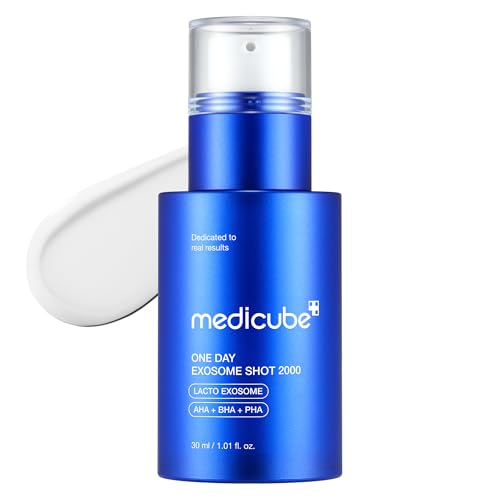
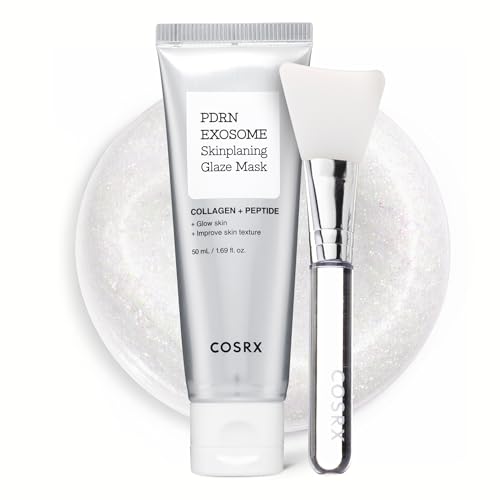
Recommended Exosome-Style Serums and Skin Basics




Black Friday is coming: shop the deals with Prime
The U.S. Food and Drug Administration has issued a consumer alert on regenerative medicine products, including stem cells and exosomes, noting that some exosome products are marketed illegally, have not been shown to be safe or effective, and may pose serious risks. That alert is aimed mainly at injectable and medical uses, but it is a useful reminder to be skeptical about bold claims.
This guide explains what exosomes are, what researchers are studying, how cosmetic serums differ from medical products, how to read a label, and what to buy instead if you want proven results.
For the basics that deliver more than any buzzword, see our skin care routine guide.
Jump to a Section
- What Exosomes Are
- What Brands Promise
- What the FDA Says
- Types of Exosome Products You Will See
- Exosomes vs Better-Proven Ingredients
- How to Judge an Exosome Serum Before You Buy
- Do and Do Not
- Who Should Be Careful
- How to Fit One Into a Routine
- Honest Limits
- Common Mistakes With Trendy Serums
- When to See a Professional
- Common Questions
- Final Word
Quick Answer
- Exosomes are tiny vesicles that cells release to send signals to other cells.
- Research is early, and most studies are lab-based or focus on medical uses.
- The FDA says there are currently no FDA-approved exosome products.
- Cosmetic exosome serums often contain plant-derived or unspecified vesicles; claims are hard to verify.
- Avoid injectable or clinic exosome products marketed as treatments unless a licensed doctor can explain the regulatory status.
- Sunscreen, moisturizer and, where suitable, retinoids have stronger evidence.
- If you try a serum, patch test, use it as part of a simple routine and judge it over 8 to 12 weeks.
What Exosomes Are
Exosomes are very small, membrane-wrapped packages released by cells. They carry proteins, fats and genetic fragments, and they appear to help cells communicate with each other. Because of this, researchers are interested in them for wound healing, inflammation and tissue repair.
In a laboratory or clinical research setting, exosomes can be harvested from specific cells and studied under controlled conditions. That is very different from a bottle of serum on a shelf, where the source, purity and amount of the vesicles can be unclear.
The term exosome in marketing can mean several things. It might refer to vesicles from human cells, from plants, or to a lab-made imitation. Each is different in what it contains and how well it has been studied.
What Brands Promise
Brands that sell exosome serums usually promise repair, firmness, brighter tone and faster recovery after treatments such as microneedling or lasers. Some present exosomes as a successor to growth factors and stem cell ingredients.
Some of these claims draw on early research showing that exosomes can influence how skin cells behave. But early lab findings often do not translate into visible results on a face, especially when the product is applied topically and must cross the skin barrier.
It is worth separating three situations: research exosomes in studies, clinic products used after procedures, and cosmetic serums sold directly to consumers. The evidence and the regulatory status differ in each case.
What the FDA Says
The U.S. Food and Drug Administration states that exosome products intended to treat disease require approval, and that there are currently no FDA-approved exosome products.
It also warns that some exosome products are marketed illegally, have not been shown to be safe or effective, and may pose serious risks, and that online information about them can be misleading. You can read the agency’s consumer alert on regenerative medicine products including stem cells and exosomes.
The alert is about products used to treat conditions, often by injection or in clinics. Topical cosmetics follow a different legal category, but they still cannot claim to treat disease, and a high price does not prove quality.
Do not inject or use exosome products from unlicensed sellers. If you are offered an exosome treatment at a clinic, ask who makes it and what its regulatory status is, and talk to a doctor you trust.
Types of Exosome Products You Will See
The label exosome covers several very different things, which is why comparing products is hard.
| Type | What it usually is | What to know |
|---|---|---|
| Clinic or injectable products | Biologic preparations used in procedures | FDA says none are approved; ask about source and legality |
| Plant-derived vesicles | Nano-sized particles from plants | A different material from human exosomes with its own research |
| Cosmetic serums with exosome-labeled ingredients | Ingredient lists with exosome-related terms | Hard to verify amounts and sources |
| Spicule serums | Serums with tiny silica or sponge particles plus an exosome claim | May tingle or irritate; the particles are the active part |
The category is evolving quickly, and labels are not standardized. A product that describes its source clearly is more trustworthy than one that only uses the word exosome.
When you read a label, look for three things: where the vesicles come from, how much is in the formula, and whether the brand shares any testing. Many serums list an exosome-related ingredient far down the ingredient list, which suggests a small amount.
That does not make the product bad, but it does mean the rest of the formula, such as humectants, soothing extracts and peptides, is probably doing most of the work you notice on your skin.
Exosomes vs Better-Proven Ingredients
It helps to compare exosomes with ingredients that have stronger evidence.
| Ingredient | Evidence level | Main role |
|---|---|---|
| Sunscreen | Strong | Prevents most visible aging |
| Retinoids | Strong | Smooths texture and fine lines |
| Vitamin C | Good | Antioxidant, brightening |
| Peptides | Moderate | Gentle supporting step |
| Exosomes | Early | Experimental in cosmetics |
A sensible approach is to build the basics first. If you want to understand peptides, a more established supporting ingredient, see our guide to peptides in skincare.
How to Judge an Exosome Serum Before You Buy
If you are curious, use these checks to separate a thoughtful product from marketing.
Check the source
Look for a clear statement of what the exosomes or vesicles are made from and where they come from.
Read the full ingredient list
Check that the serum also contains useful basics such as hyaluronic acid, glycerin or niacinamide.
Ignore miracle claims
Be skeptical of words like regenerates, rebuilds or replaces procedures.
Patch test
Apply a small amount behind the ear or on the jaw for several days.
Judge slowly
Use it consistently for 8 to 12 weeks alongside sunscreen, and compare photos in the same light.
If a serum is expensive, consider whether the money would give you more benefit as sunscreen, a retinoid or a professional consultation.
Do and Do Not
Helps
- Treat exosomes as experimental
- Check the label for the source
- Use sunscreen and moisturizer first
- Patch test new serums
- Ask a doctor about clinic treatments
Backfires
- Buy based on a buzzword alone
- Inject or microneedle with unverified products
- Expect results that match a clinic procedure
- Skip sunscreen
- Combine many new actives at once
Who Should Be Careful
People with very sensitive or reactive skin should be wary of new, lightly studied ingredients. Anyone who is pregnant or breastfeeding should ask a doctor before using unfamiliar products.
Be especially cautious with any product that is meant to be used after microneedling or other procedures that break the skin. Products applied to open skin carry a higher infection and reaction risk, and they should be sterile and appropriate for that use. Follow your practitioner’s advice, not the marketing.
Several popular exosome-branded serums are also spicule serums, which contain tiny needle-like particles meant to create a tingling, exfoliating effect.
These can sting, redden or irritate skin, especially if you use them with acids or retinoids, so start with very short, infrequent use or avoid them if your skin is sensitive. Do not use spicule serums on broken, sunburned or inflamed skin, and never combine them with microneedling devices.
How to Fit One Into a Routine
If you decide to try a serum, treat it as a small add-on to a stable routine. Use it after cleansing and toning, before moisturizer, and only once a day at first.
Avoid starting an exosome serum on the same week as a new retinoid, exfoliating acid or vitamin C. If your skin reacts, you will not know which product caused it. Wait two weeks between new introductions.
Always apply sunscreen the next morning. Whatever a serum does, sun exposure is the biggest driver of visible aging, and no serum can offset daily UV damage.
Patch test any new serum on the inner forearm or behind the ear for two or three days before using it on your face. Stop if you notice stinging that lingers, redness, itching or small bumps. People with eczema, rosacea or a history of contact allergies should be especially careful with new, poorly studied ingredients.
If you recently had a procedure such as microneedling, a laser session or a peel, ask your provider before applying any new serum. Broken or inflamed skin absorbs more than intact skin, and a product that is fine on a normal day can sting or irritate then.
Honest Limits
We cannot verify the contents of any individual serum, and research on exosomes in cosmetic products is limited. The evidence that exists comes mainly from laboratory studies and medical research.
The product suggestions here are well-reviewed serums and basics that you can judge by their ingredient lists. They are not recommendations of exosome treatments.
We cannot tell you that exosome serums work or do not work. We can tell you what is known, what is claimed and how to be careful.
Common Mistakes With Trendy Serums
The most common mistake is buying a new serum before the basics are in place. A skincare routine without sunscreen, a moisturizer you tolerate and a gentle cleanser will not be rescued by an expensive serum.
Another is expecting dramatic results. Clinical treatments that carry real risk produce visible change, while a serum that is safe to sell over the counter usually produces subtle hydration or glow. If a product promises procedure-level change, be cautious.
A third mistake is stacking many new products at once. If your skin reacts, you cannot identify the cause. Add one product at a time and judge it for at least several weeks.
Finally, do not judge a serum by how it feels in the first ten minutes. A silky texture and temporary glow come from the base formula, not from a lasting change.
Take a photo in the same light every two weeks, and compare after six to eight weeks before deciding whether it earns a place in your routine or your budget.
When to See a Professional
See a doctor or dermatologist if you are considering any injectable or clinic exosome treatment, or if a product causes lasting redness, swelling or a rash. They can explain what is evidence-based and what is experimental.
This article is for general information and is not medical advice. Rakib Sarwar is a registered pharmacist with a cosmetology course, not a dermatologist. Talk to a doctor or dermatologist before trying experimental skin treatments.
Common Questions
What are exosomes in skincare?
Tiny vesicles released by cells that carry signals. In skincare, the term can mean human, plant or lab-made vesicles.
Do exosome serums work?
Evidence for cosmetic exosome serums is limited, and results are uncertain.
Are exosomes FDA approved?
The FDA says there are currently no FDA-approved exosome products.
Are exosome serums safe?
Topical cosmetic serums are generally low risk, but patch test and be cautious with unverified products.
Are plant exosomes real exosomes?
Plant-derived vesicles are different from human exosomes and have a separate research base.
Should I use exosomes after microneedling?
Only products intended for that use and recommended by your practitioner.
Are exosomes better than retinol?
No. Retinoids have far more evidence.
Why are exosome serums so expensive?
Marketing, novelty and manufacturing costs. Price does not prove effectiveness.
Can exosomes replace sunscreen?
No. Sunscreen is the most important anti-aging step.
How do I choose an exosome serum?
Check the source, the full ingredient list, patch test and keep expectations modest.
Final Word
Exosome skincare is an interesting area of research, but the marketing is ahead of the evidence. Keep your routine anchored in sunscreen, moisturizer and proven actives, and treat exosome serums as an optional extra.
If you do try one, patch test it and judge it over a couple of months.

Written by
Registered pharmacist and founder of Facial Adviser. Rakib's pharmacy training covers how skincare actives work and interact; a later course in cosmetology turned that into a focus on facial treatments and skincare products. He plans, researches and edits every guide on the site and checks health claims against sources such as the American Academy of Dermatology, the FDA and the NIH. He is not a dermatologist; see the Editorial Policy and Medical Disclaimer.
About · Editorial policy · How we choose products · Medical disclaimer · Contact
Keep reading: Skincare routine basics
- Menopause Skin Changes: What Happens and a Routine That Works
- Best Facial Skincare Tips: Evidence-Based Habits Dermatologists Recommend
- Best Skin Care Routine: Simple AM and PM Steps for Every Skin Type
- Why Professional Skin Care Is Important
- 7 Best Facial Routine Skincare Kits for Men (2026): What to Look For and How to Use It
Turn skincare time into me-time with a free audiobook